
What to eat in Trieste
Quick Guide to Taste in the City


On this page you will find a selection of some of the most representative dishes, products and wines of Trieste, which you can enjoy at one of the restaurants in our selection.
Overview
The cuisine of Trieste is a meeting of cultures: Central European flavors, maritime tradition, and Balkan influences coexist in intense and surprising dishes. Hearty soups, spiced meats, Adriatic fish, and Austro-Hungarian desserts tell the story of a border city, elegant and popular at the same time.
Historical influences
For centuries a port of the Austro-Hungarian Empire, Trieste absorbed Italian, Slovenian, Austrian, and Hungarian culinary traditions. Recipes like jota, goulash, and spiced desserts testify to this multicultural past, turning the local cuisine into a unique gastronomic mosaic in Italy.
Territory and ingredients
The Adriatic Sea and the Karst define Trieste’s culinary identity: blue fish, sardoni, cod, as well as sauerkraut, potatoes, legumes, and pork are central ingredients. Carso wines and the city’s unmistakable coffee culture complete a rich and recognizable gastronomic panorama.
An experience beyond the plate
Eating in Trieste is not just about choosing a typical dish. It is entering a historic trattoria, ordering a steaming plate of goulash with polenta, enjoying fried sardoni with a sea view, or stopping at a literary café for a traditional dessert.
It is a border experience, intense and authentic, capable of surprising anyone who discovers it.
Food-Wine Table
In the table below, you will find a list of typical local products and wines, classified according to the main national quality marks such as DOP, IGP, etc. (see the legend). Traditional dishes are included for their historical and cultural value.
The table structure provides a clear criterion to understand the value and gastronomic identity of the territory.
- Scroll the table down and to the right to view all data in the columns and access Wikipedia links 🌐 for further information (when available).
- To see the explanation of each data column, click on the column title itself (e.g., Index, Ratings, Org, etc.) at the top of the table.
⏳ Caricamento tabella in corso…
📌 The dishes, products, and wines listed above, while representing the local gastronomic identity, are not always exclusive, but often shared with the provincial or regional territory.
📌 For the main certifications (DOP, IGP, DOC, and DOCG), the selection is based on the official production specifications, checking – where possible – whether the municipality is included in the authorized area.
Signature Dishes
Jota Triestina
The undisputed symbol of Trieste’s cuisine, jota is a hearty soup made with sauerkraut, beans, potatoes, and pork. Thick, flavorful, and substantial, it represents the Central European soul of the city and its link to rural traditions. It is the dish that best tells what to eat in Trieste, especially during the colder months.
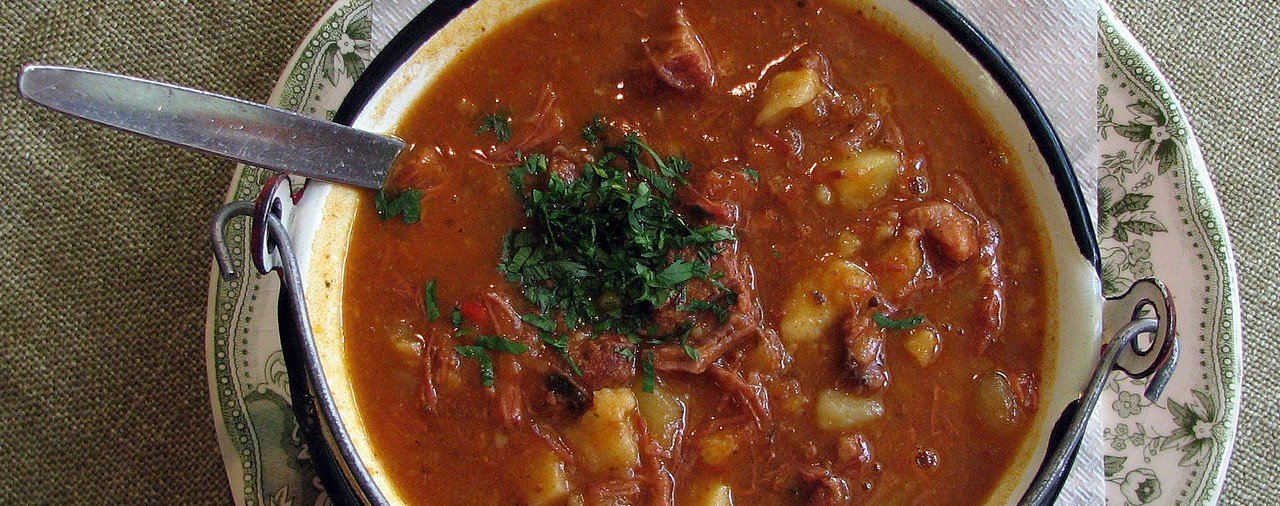
Triestine Goulash
A spiced meat stew with paprika, Triestine goulash reflects the Austro-Hungarian heritage of the city. Rich and aromatic, it is often served with polenta or bread and represents one of the most iconic main courses of the local tradition.
Sardoni in Savòr / Sardoni Impanai
Sardoni express the deep connection between Trieste and the Adriatic Sea. Marinated with onion and vinegar in the “savòr” style or breaded and fried, they are a simple yet iconic appetizer found in all historic trattorias of the city.
Triestine Brodetto
A fish soup from the Upper Adriatic prepared with local varieties, brodetto represents the city’s maritime soul. Flavorful yet balanced, it highlights the freshness of the catch and the simplicity of traditional preparations.
Triestine Cooked Ham with Mustard and Kren
Served warm with mustard and kren (grated horseradish), Triestine cooked ham reflects the Austro-Hungarian influence on the local gastronomy. A historic appetizer, often featured in osmize and traditional venues.
Cevapcici (Ćevapčići)
Cylinders of spiced Balkan meat, grilled and served with mustard or ajvar sauce, cevapcici have become a stable part of Trieste’s tradition. Also popular as street food, they tell the story of the city’s long-standing cultural encounter.
Triestine Gnocchi / Gnocchi de Susini
Triestine gnocchi can be savory or sweet in the famous plum-filled version. This dual nature reflects Trieste’s border position, where Italian and Central European traditions coexist on the same plate.
Bobici (Minestra de Bobici)
A traditional soup of corn and beans, bobici represent the domestic and rural cuisine of the region. Simpler than jota but equally authentic, it is a recipe deeply connected to local culture.
Patate in Tecia
A traditional side dish of pan-fried potatoes with onion and pancetta, patate in tecia often accompany goulash and meat mains. Simple yet flavorful, they perfectly complete the richer dishes of Trieste’s cuisine.
Presnitz
A symbol of Triestine pastry, presnitz is a puff pastry roll filled with dried fruit, raisins, and spices. Born in the Austro-Hungarian era, it embodies the city’s Central European tradition and concludes the meal with elegance and character.
Traditional Products
Triestine Cooked Ham
Symbolic local ingredient, Triestine cooked ham is served hot, often accompanied by mustard or kren. Rooted in the city’s tradition, it is present in all historic trattorias, telling the gastronomic identity of Trieste.
Kren (Karst Horseradish)
Spicy root typical of the Karst region, kren accompanies cooked ham, meats, and other traditional Triestine dishes. Aromatic and strong, it is an essential condiment reflecting the Central European influence on local cuisine.
Adriatic Sardoni
At the base of sardines in savòr or impanai, sardoni represent Trieste’s maritime soul. Fresh and flavorful local bluefish, they are central to appetizers and traditional dishes, reflecting the city’s connection to the Adriatic Sea.
Brovada
Fermented turnips typical of the Karst, brovada is a traditional side served with meats and winter dishes. Sour and intense, it represents peasant cuisine and the city’s gastronomic memory, keeping Karst tradition alive.
Sauerkraut (Capuzi Garbi)
An essential ingredient of Triestine jota, sauerkraut is deeply rooted in local and Karst tradition. Fermented and flavorful, it accompanies meat dishes and soups, highlighting the Central European influence on the city’s cuisine.
Karst Oil
High-quality local product, Karst oil is used to dress appetizers, salads, and warm dishes. Its intense and aromatic flavor enhances traditional preparations, giving Triestine dishes authenticity and character.
Wines and Beverages
Carso DOC
The Carso DOC wines are the most authentic expression of the Triestine territory. Among the main varieties are Vitovska, a mineral and savory white, ideal with appetizers and fish dishes; Terrano, an intense and structured red, perfect with goulash and meat dishes; Malvasia, a dry aromatic white, excellent with sardoni and light dishes; and macerated wines from the Carso, complex whites with intense aromas that tell the story of Carso’s winemaking tradition. Drinking a glass of Carso DOC means immersing yourself in the scents and flavors of the city and its historic vineyards.
Triestine Coffee
Triestine coffee is a true institution of the city, symbolizing a taste culture rooted in historic cafés. Aromatic and intense, it is served in various local blends and brewing methods, representing a daily ritual that accompanies both quick breaks and social moments. Enjoying a coffee in Trieste means savoring the history, tradition, and unique atmosphere of the city.
FAQ
What is this page about?
An overview of the most representative dishes, products, and beverages of Trieste, selected to let you discover the city’s authentic flavors.
How does it work?Scroll through the entries in the Table and the various sections; each section provides concise information and links for further reading 🔗.
Signature DishesHere you will find some of the city’s most iconic dishes, presented with brief descriptions.
Traditional ProductsThis section highlights some typical products, also spread regionally, but pillars of the local cuisine.
Wines and BeveragesA selection of the city’s distinctive wines and beverages, with notes on the territory and traditional pairings.