
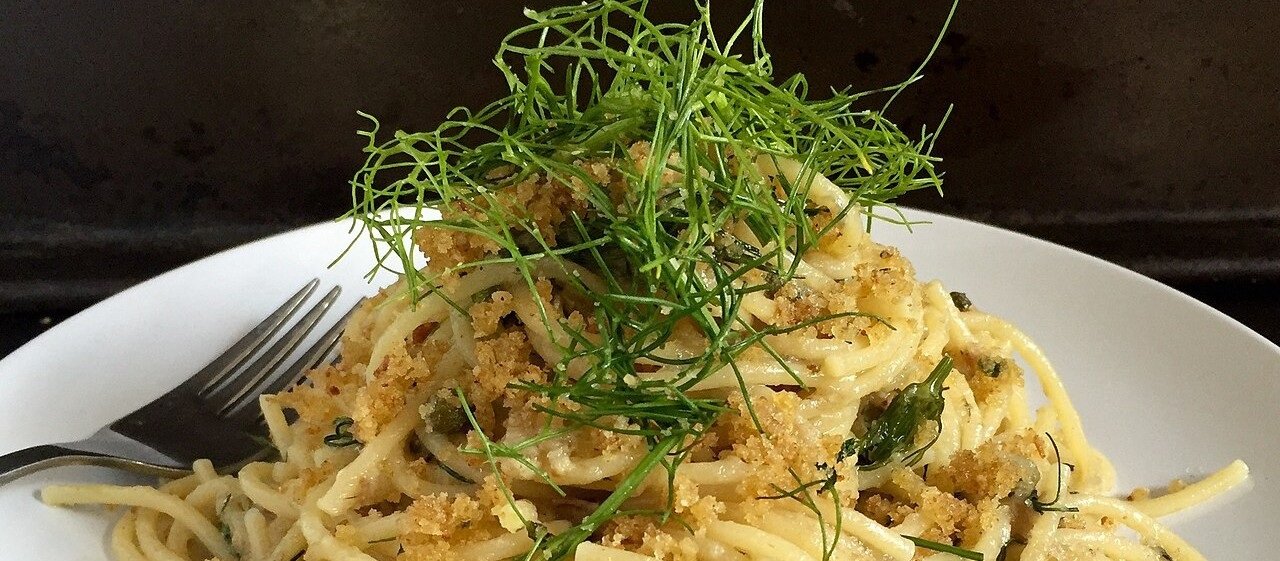
What to eat in Palermo
Quick Guide to Taste in the City


On this page you will find a selection of some of the most representative dishes, products, and wines of Palermo, which you can enjoy in one of the restaurants from our selection.
See also:
- Guide to Palermo
- Itineraries: 1d, 3d, CT1, CT2
- See: Attractions
- Do: Experiences
- Eat: Where and What
- Getting Around, Stay
Overview
Gastronomic identity of the city
The cuisine of Palermo is a journey through historic street food and Sicilian tradition: arancine, panelle, sfincione, pasta with sardines, and cannoli tell centuries of cultural influences. A unique mix of Arab, Norman, and Spanish heritage has created intense flavors, spiced aromas, and sweet-and-sour contrasts that define Palermo’s gastronomic identity and make every bite an authentic experience.
Historical influences
The culinary roots of Palermo lie in the dominations that shaped Sicily’s history. The Arabs introduced citrus, sugar, almonds, and spices; the Normans and Spaniards enriched the table with new techniques and ingredients. From these cultural layers, signature dishes were born that combine sweet and savory, sea and land, popular simplicity and aristocratic refinement.
Territory and raw ingredients
The Palermo area offers extraordinary raw ingredients: the freshest Tyrrhenian fish, fragrant citrus, eggplants, pistachios, almonds, and sheep’s ricotta. Sicilian extra virgin olive oil, capers, anchovies, and aromatic herbs complete recipes full of character. Even wines from the Sicilian hinterland perfectly accompany dishes, enhancing the intense flavors of local tradition.
An experience beyond the plate
Eating in Palermo means strolling through historic markets like Ballarò, Vucciria, or Capo, enjoying a freshly fried arancina, tasting warm pane e panelle in the streets of the city center, and finishing with a freshly filled cannolo. It is a lively, popular, intense experience, where food becomes story, identity, and conviviality. This is why Palermo’s cuisine stays in the heart of those who discover it.
Food-Wine Table
In the table below, you will find a list of typical local products and wines, classified according to the main national quality marks such as DOP, IGP, etc. (see the legend). Traditional dishes are included for their historical and cultural value.
The table structure provides a clear criterion to understand the value and gastronomic identity of the territory.
- Scroll the table down and to the right to view all data in the columns and access Wikipedia links 🌐 for further information (when available).
- To see the explanation of each data column, click on the column title itself (e.g., Index, Ratings, Org, etc.) at the top of the table.
⏳ Caricamento tabella in corso…
📌 The dishes, products, and wines listed above, while representing the local gastronomic identity, are not always exclusive, but often shared with the provincial or regional territory.
📌 For the main certifications (DOP, IGP, DOC, and DOCG), the selection is based on the official production specifications, checking – where possible – whether the municipality is included in the authorized area.
Signature Dishes
STREET FOOD:
Arancine
Undisputed queens of Palermo street food, arancine are breaded and fried rice spheres, traditionally stuffed with ragù or with ham and béchamel. Crispy on the outside and soft inside, they are one of the city’s most beloved gastronomic symbols.
Pani câ Meusa
Pani câ meusa is a sandwich with boiled spleen and veal lung, then sautéed in lard. Served “schietto” or “maritato” with ricotta or caciocavallo, it is one of the most authentic and historic dishes of Palermo’s markets.
Pane e Panelle
Panelle are thin chickpea flour fritters, traditionally served in a soft sesame bun. Simple and flavorful, they tell the popular soul of Palermo’s cuisine.
Crocchè (Cazzilli)
Crocchè, locally called cazzilli, are fried potato croquettes flavored with parsley. Often sold together with panelle and arancine, they are an essential snack in the streets of the historic center.
Sfincione
Sfincione is the Palermo-style “pizza”: thick and fluffy, topped with tomato sauce, onions, anchovies, and caciocavallo cheese. An iconic baked product, especially popular during festive periods.
Stigghiola
Stigghiola are skewers of lamb or kid intestines grilled over coals. With an intense aroma and strong flavor, they are among Palermo’s most traditional and iconic street foods.
Sicilian Cannoli
Sicilian cannoli are crispy fried shells filled with sweetened sheep’s ricotta and enriched with candied peel or pistachio. Prepared on the spot, they are the signature dessert of Palermo’s pastry tradition.
Granita with Brioche
Granita, served with the traditional brioche col tuppo, is a sweet and refreshing Sicilian treat. Perfect on summer days, it is enjoyed at breakfast or as a light dessert.
AT THE TABLE:
Babbaluci
Babbaluci are boiled snails seasoned with garlic, oil, and parsley. Traditionally consumed during popular festivals, they represent a typical appetizer of Palermo’s gastronomic culture.
Octopus Salad
Octopus salad is a fresh and fragrant dish made with boiled octopus, dressed with extra virgin olive oil, lemon, and parsley. A simple and genuine seafood appetizer, widely enjoyed in Palermo’s trattorias.
Pasta with Sardines
Pasta with sardines is one of Palermo’s signature first courses, made with fresh sardines, wild fennel, raisins, and pine nuts. The balance between sweet and savory reflects the Arab influences in Sicilian cuisine.
Pasta alla Norma
Pasta alla Norma combines fried eggplants, tomato sauce, and salted ricotta in a rich and flavorful dish. Although originating from Catania, it is widely appreciated and enjoyed in Palermo as well.
Pasta câ muḍḍica
Pasta câ muḍḍica is a simple yet tasty first course, seasoned with toasted breadcrumbs, anchovies, and extra virgin olive oil. Originally a humble recipe, it has become a classic of Sicilian tradition.
Sarde a Beccafico
Sarde a beccafico are sardines stuffed with breadcrumbs, raisins, and pine nuts, rolled and baked. This second course combines seafood with sweet-and-sour notes, typical of Palermo cuisine.
Falsomagro
Falsomagro is a meat roll filled with eggs, cured meats, and cheese, slowly cooked in sauce. Traditionally prepared for festive occasions, it is one of the most representative Sicilian main courses.
Palermitan-Style Cutlet
Palermitan-style cutlet is a slice of meat breaded with breadcrumbs, parsley, and oil, grilled or baked. Unlike the Milanese version, the breading does not contain egg.
Sicilian Cassata
Sicilian cassata is a spectacular dessert made with sponge cake, sweetened sheep ricotta, marzipan, and candied fruit. Rich and colorful, it is one of the symbols of Palermo’s pastry tradition.
Traditional Products
Sicilian Cheeses
Sicilian cheeses, such as Pecorino Siciliano, Caciocavallo Palermitano, Canestrato Siciliano, Provola Siciliana, and Sicilian Sheep Ricotta, represent the heart of the island’s dairy tradition. Often used as ingredients in Palermo’s signature dishes, they enhance the preparation of sfincione, cannoli, pasta alla Norma, and other local specialties.
Typical Vegetables
Among the vegetables that enrich Palermo cuisine, Wild Fennel stands out as a distinctive element of pasta with sardines, Sicilian Eggplant at the base of pasta alla Norma and parmigiana, Sicilian Almond used in cassata and traditional sweets, and Sicilian Citrus such as oranges and lemons, essential for dressings and seafood dishes.
Sicilian Extra Virgin Olive Oil
Sicilian Extra Virgin Olive Oil DOP Sicilia is a cornerstone of Palermo cuisine. Used to dress salads, vegetables, first and second courses, it adds flavor, aroma, and the characteristic Mediterranean note that defines the city’s signature dishes.
Animal Breeds
Among the native Sicilian breeds used in Palermo gastronomy are the Black Nebrodi Pig, the Valle del Belice Sheep, and the Modicana Breed. Their meat, milk, and derivatives are valuable ingredients in traditional recipes and typical main courses.
📌 The products listed above, although not exclusive to Palermo but widespread across the province and region, are pillars of Palermo cuisine and are used daily in preparing the city’s signature dishes.
Wines and Beverages
Palermo and Sicilian Wines
In Palermo, wines from the surrounding province and region are enjoyed, ideal for pairing with seafood dishes and local specialties. Among the most important are Monreale Bianco DOC, elegant and aromatic; Alcamo DOC Bianco, fresh and savory, perfect with pasta with sardines; and the varieties Grillo, Inzolia, and Catarratto, crisp white wines ideal for first courses and seafood dishes. These wines represent Sicilian winemaking tradition and complete the gastronomic experience of Palermo.
Liqueurs and Spirits
In addition to wines, Palermo is famous for its traditional liqueurs and spirits. Among the most representative are Zammù, a typical refreshing anise-based spirit; Rosolio, an aromatic liqueur often served as a digestif or with sweets; and Sicilian Limoncello, citrusy and fragrant, a symbol of Mediterranean tradition and perfect as an after-dinner drink. These beverages complete the city’s enogastronomic panorama and tell the story of its cultural and artisanal roots.
FAQ
What is this page?
An overview of the most representative dishes, products, and drinks of Palermo, selected to help you discover the city’s authentic flavors.
How does it work?Scroll through the entries in the Table and the various sections; each section provides concise information and links for further reading 🔗.
Signature DishesIn this section you will find some of the city’s most iconic dishes, presented with brief descriptions.
Traditional ProductsHere are some traditional products, widespread also at a regional level, yet pillars of local cuisine.
Wines and BeveragesA selection of the city’s distinctive wines and drinks, with notes on the territory and traditional pairings.
See also
- Guide to Palermo
- Itineraries: 1d, 3d, CT1, CT2
- See: Attractions
- Do: Experiences
- Eat: Where and What
- Getting Around, Stay
Other Destinations
🔐 Some images on this page are used under a Creative Commons license:
By Stefano Marrocu – Cagliari, flamingos in the Molentargius area – Own work – CC BY-SA 3.0 – Wikimedia Commons
By Richard Nevell – Naples, panoramic view of the city and Mount Vesuvius – Own work – CC BY-SA 4.0 – Wikimedia Commons
By Ildivisore2 – Catanzaro, panoramic view of the city – Own work – CC BY 4.0 – Wikimedia Commons
By Joy – Pasta con le sarde is a typical dish of Sicilian cuisine – CC BY-SA 2.0 – Wikimedia Commons