
Guide to Florence what to see, do, eat
Travel Guide to the Best of the City


Florence is one of the most fascinating and visited cities in Italy. UNESCO World Heritage Site since 1982, its historic center offers a unique mix of art, architecture, and culture.
📌 For a more complete overview of certain items, click on the links to detailed pages +🔗
- When to Go
- Getting There
- Getting Around +🔗
- Useful Tips +🔗
- What +🔗 and Where +🔗 to Eat
- Where to Sleep +🔗
Must-see
Overview
📌 A large part of the references covered in this Overview section and in the Practical Info section, are summarized in the Orientation Table 📊 with further details on Wikipedia 🌐 and Google Maps ➡️ where available.
GEOGRAPHY
As can be seen from the satellite map below, Florence is located in the heart of Tuscany, set within a highly varied natural and urban landscape. The city develops along the Arno River, which crosses it from east to west, and is characterized by a balance between built-up areas and green spaces.
From above, the city boundaries are clearly visible, along with the denser urban areas and the surrounding green zones, making it possible to distinguish central districts from peripheral areas.
🛰️ Florence from above:
- North / North-Northwest: the hills and green areas of the Mugello extend here, with towns and small centers such as Fiesole and Calenzano, while Sesto Fiorentino represents the main suburban area to the north of the city.
- South / Southwest: the gentle hills of Chianti lead toward famous locations such as Greve in Chianti, Castellina, and Radda in Chianti; within the urban area, Scandicci stands out as a major residential zone.
- East: the Arno River continues toward the Valdarno, with towns and municipalities such as Pontassieve, Figline Valdarno, and Incisa, connecting Florence to other eastern Tuscan destinations.
- West: the urban landscape gradually gives way to residential districts and public parks such as Parco delle Cascine, creating a balance between built areas and greenery, and opening connections toward towns like Campi Bisenzio and Scandicci.
Florence’s central location makes it easily accessible from major Tuscan cities such as Siena, Pisa, Lucca, and Arezzo, offering an excellent starting point to explore the entire region and appreciate the diversity of its landscape from an aerial perspective.
Expand OVERVIEW ⬇️
HISTORY
Florence, founded by the Romans in 59 BC as Florentia, has played a leading role in Italian and European history, evolving over time from a Roman settlement into a major commercial, political, and cultural center.
- Roman Era: Florence originated as a Roman settlement along the Arno River, with a regular urban layout that marked the first foundations of the city.
- Middle Ages: The city grew into an important commercial and financial hub, governed by powerful families such as the Medici, while significant political and religious structures began to develop.
- Renaissance (15th–16th century): Florence became the heart of European art and culture, with geniuses such as Leonardo da Vinci, Michelangelo, Botticelli, and Brunelleschi leaving a lasting mark on its artistic heritage.
- Modern Era and Italian Unification: Florence continued to be a major cultural and political center, also serving as the capital of Italy from 1865 to 1871, reinforcing its importance in national history.
MAIN ATTRACTIONS
Firenze is a true open-air museum, where every building and square tells centuries of Renaissance history, art, and culture. The city offers a unique combination of architecture, sculpture, and painting that fascinates visitors from all over the world.
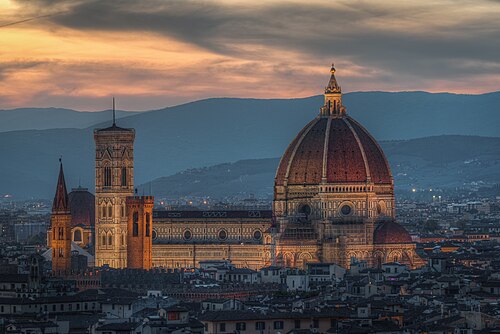
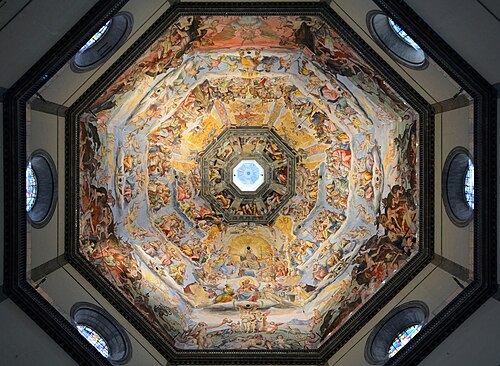
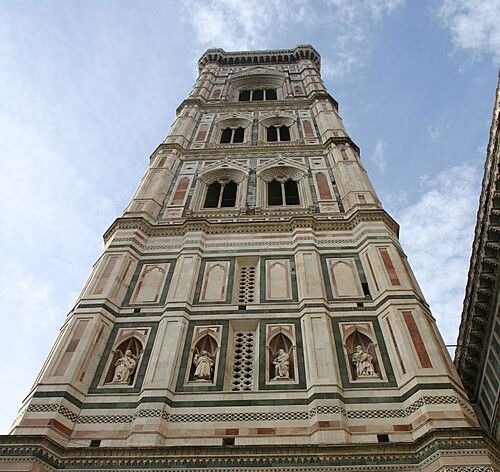
- Duomo di Santa Maria del Fiore: With its spectacular Cupola designed by Brunelleschi, and the magnificent Campanile di Giotto, it represents the undisputed symbol of Florence.
- Ponte Vecchio: Iconic medieval bridge crossing the Arno River, famous for its goldsmith shops that made it a meeting point between history and commercial tradition.
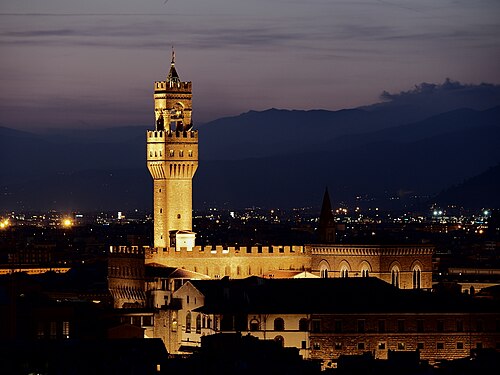
- Palazzo Vecchio and Piazza della Signoria: The political heart of the city, hosting major historical events and numerous Renaissance sculptures.
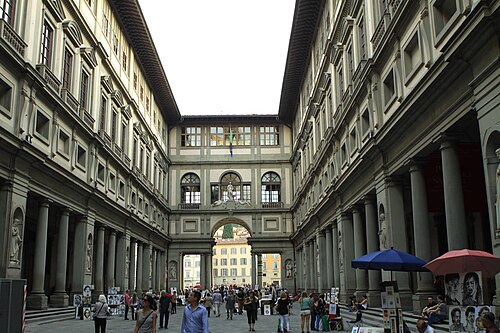
- Galleria degli Uffizi: One of the most famous museums in the world, housing masterpieces by Botticelli, Michelangelo, and Caravaggio.
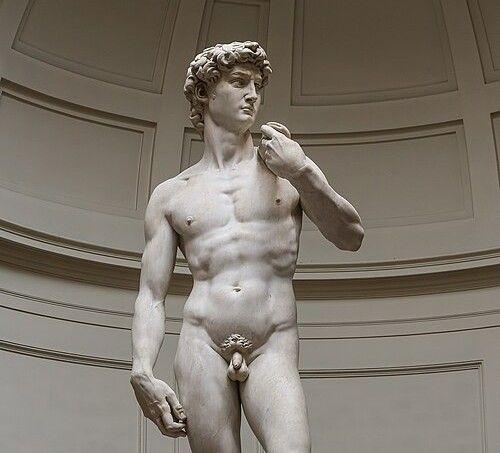
- Galleria dell’Accademia: Home to the famous David di Michelangelo, a symbol of Renaissance artistic perfection.
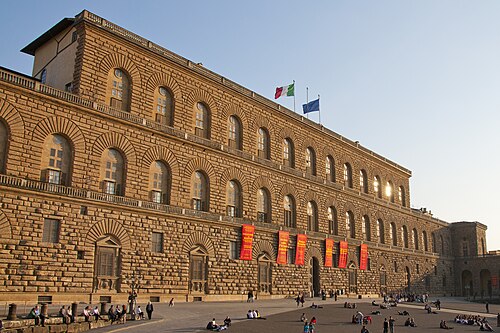
- Palazzo Pitti: A monumental historic residence in the Oltrarno district, hosting major museums and art galleries.
- Basilica di Santa Croce: Burial place of famous figures such as Galileo, Michelangelo, and Machiavelli.
🔗 See also Experiences in Florence: Tours, Tickets and Useful Info
PARKS AND NATURE
Firenze offers several historic gardens and green spaces ideal for relaxing between visits. These places allow you to discover a quieter side of the city, with scenic views, historic statues, and corners immersed in greenery.
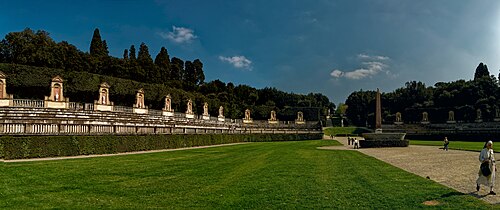
- Giardino di Boboli: Located behind Pitti Palace, it is one of the most famous Renaissance gardens in Italy. With monumental avenues, fountains, and historic sculptures, it offers stunning views of the city.
- Giardino Bardini: An elegant terraced garden combining nature, architecture, and spectacular views over Firenze, particularly striking during the spring wisteria bloom.
- Giardino delle Rose: A small panoramic garden at the foot of Piazzale Michelangelo, famous for its varieties of roses and for the splendid views of the city and the Cathedral dome.
- Parco di Villa il Ventaglio: A more secluded public park, perfect for a peaceful walk among meadows, centuries-old trees, and relaxing spots away from the historic center.
EVENTS AND FESTIVALS
Firenze hosts numerous cultural and traditional events throughout the year, offering both historic performances and contemporary celebrations of art, fashion, and local culture.
- Pitti Immagine (January and June): An international fashion event that transforms Firenze into a global showcase for designers, stylists, and trends, attracting enthusiasts and professionals from all over the world.
- Scoppio del Carro (Easter): A centuries-old tradition in Piazza Duomo, symbolizing good luck and fertility, with an elaborate cart that “explodes” in fireworks.
- Calcio Storico Fiorentino (June): An ancient medieval game combining sport and spectacle, with teams representing the city’s historic districts, played in traditional costumes in Piazza Santa Croce.
- Estate Fiorentina: A summer program including concerts, theatrical performances, and outdoor cultural events, offering entertainment for both residents and visitors.
📊 Orientation Table
In the table below you will find a summary of the main references, to best orient and organize your visit through our itineraries (see Itinerary Overview).
- Scroll the table down and to the right 📱🔄 Rotate your phone horizontally to get an overview of opening days, hours, prices of attractions, and for further details on Wikipedia 🌐 and Google Maps ➡️.
- ⚠️ Always check the opening days and hours of attractions through the Google Maps entries linked in the table. See also Itinerary Info.
- To see the explanation of each data column, click its title (e.g. Attractions Index, Ratings, Org, etc.) at the top of the table.
⏳ Caricamento tabella in corso…
📌 This table is updated every 6–12 months.
🛡️ The tables on Tourplan360.com are original content protected by copyright © and monitored through anti-plagiarism tracking systems.
Itinerary Overview
The must-see sites listed in the table have been carefully divided into the three routes we have designed, to guarantee you a complete, well-structured visiting experience suitable for any time availability.
To make the choice easier, below we have summarized with short descriptions the content of each itinerary, helping you quickly identify the one that best suits your preferences.
1 DAY
This route, designed to optimize the time available, will take you in 12 hours to discover the essence of the city, through the most representative artistic and architectural wonders of Florence, among iconic monuments, breathtaking views, and picturesque corners.
3 DAYS
Spending three days in Florence will allow you to discover the city in a relaxed and in-depth way, fully immersing yourself in its art, history, and culture.
This itinerary of 10 hours of visits per day has been designed to optimize travel between attractions and ensure a smooth and stress-free experience while visiting all the city’s must-see highlights.
COMPLETE TOUR PART 1 AND 2
Florence Complete Tour is the route designed for those who have at least a week to dedicate to the Tuscan capital. Perfect both for first-time visitors and for those who wish to deepen their knowledge of the city, it offers a 360° experience, going beyond the most famous landmarks to discover hidden and authentic places in Florence.
Thanks to 2 optimized routes, the tour allows a complete immersion in the beauty and history of Florence. Here are some numbers that demonstrate the scale of this journey: over 7 days, for a total of 90 hours of visits and 148 attractions, including: 47 museums, 38 places of worship, 19 historic villas and palaces, 15 monuments, 11 main streets and squares.
More than a simple tourist itinerary, Florence Complete Tour is a journey into the soul of the city, an unmissable experience for those who truly want to experience the cradle of the Renaissance.
Practical Info
WHEN TO GO
Florence is a city that offers different experiences in every season. Weather, events, and tourist crowds change throughout the year, so it’s important to choose the right period:
- Spring (April–June): Mild temperatures and sunny days, ideal for walks and garden visits. The city is lively but not yet too crowded.
- Summer (July–August): Hotter weather and higher tourist traffic. Perfect if you enjoy outdoor events and lively evenings, but it’s advisable to book museums and hotels in advance.
- Autumn (September–October): Pleasant weather and warm colors in the city and surrounding hills. Fewer crowds than in summer, ideal for cultural visits and photography routes.
- Winter (November–March): Colder temperatures, but the atmosphere is charming, with Christmas markets, quieter museums, and shorter lines at major attractions.
GETTING THERE
Florence is easily reachable by all means of transport. Whether you arrive by plane, train, bus, or car, here is some practical information to plan your trip and move easily toward the city center.
- By plane: Florence Peretola Airport (Amerigo Vespucci) is about 15 minutes from the city center. It is connected with shuttle services, taxis, and city buses.
🔗 See also Florence Peretola Airport Info & Tips. - By train: Santa Maria Novella station is the main railway hub, well connected with major Italian cities and regional services for smaller towns and nearby tourist spots.
- By bus: Numerous connections link Florence with nearby cities, other regions, and surrounding airports. There are also direct lines for tourism and special events.
- By car: Florence is easily reachable from the A1 and A11 highways. The historic center has limited traffic (ZTL), so it’s recommended to park outside and use public transport or walk in central areas.
✅ To search for or book a flight you can check Booking.com Flights.
✅ You can check routes, schedules, prices and buy train or bus tickets with Trainline.
✅ For car rentals you can refer to Booking.com Cars.
GETTING AROUND
Firenze is easy to explore due to the compactness of its historic center, offering several solutions to park and move around comfortably.
- On Foot or by Bike: Walking or renting a bicycle is the best way to visit Firenze, discovering hidden corners and scenic views along the way.
- Public Transport: For those who prefer public transport, the city offers an efficient system of buses and trams, with frequent connections between the main attractions.
- ZTL: The historic center is largely a ZTL (Limited Traffic Zone), so it is advisable to check the rules and book available parking in advance.
- Parking: The main paid parking lots are located near strategic points such as Santa Maria Novella Station, Piazzale Michelangelo, and the Lungarno. If you arrive by car, in Table > Parking and Transport, we have highlighted the most interesting solutions in our opinion.
🔗 See also Getting around Florence: Info and Tips
USEFUL TIPS
To visit Florence in the most comfortable and organized way possible, here are some practical tips that can help you save time, money, and make the experience even more enjoyable.
- Firenze Card: One of the most convenient solutions to visit the city is the Firenze Card, which allows access to numerous museums and offers various advantages for transportation and tourist services.
🔗 See also Firenze Card: how it works and where to buy. - Hop-on Hop-off Bus: Always very convenient thanks to the hop-on/hop-off formula, tourist buses combine transport flexibility with the possibility to have an overview of the historic center with stops near strategic points.
🏆 Hop-on Hop-off Bus Tour with 24, 48, or 72-hour ticket. - Combined tickets: Some attractions offer combined tickets that allow you to save on entry to multiple monuments.
- Comfortable shoes: We strongly recommend wearing comfortable shoes, as the route involves a lot of walking on historic pavements.
- Water and sun protection: Especially in summer, bring water and sunscreen to protect yourself from the heat.
- Dress Code: For visiting places of worship, respect the required clothing by covering shoulders and, if possible, knees, always maintaining a respectful behavior.
WHAT TO EAT
Florentine cuisine is simple and genuine, rooted in peasant tradition and respect for local ingredients. Each dish tells the story of the city and its surrounding countryside, highlighting authentic and seasonal flavors.
- Bistecca alla Fiorentina: The city’s signature dish, a succulent Chianina beef steak cooked rare and served in generous portions, ideal for lovers of authentic meat.
- Pappa al pomodoro and Ribollita: Rustic soups made with stale bread, seasonal vegetables, and legumes, expressing the Florentine peasant tradition.
- Lampredotto: A typical local street food sandwich, made with the cow’s fourth stomach, often seasoned with green or spicy sauce, to be enjoyed standing for an authentic experience.
- Cantucci and Vin Santo: Almond biscotti to dip in sweet wine, a classic way to end a meal combining simplicity and refinement.
- Chianti Wines: The nearby region offers some of Italy’s best wines, perfect to accompany typical Florentine dishes and complete a traditional meal.
🔗 See also What to Eat in Florence
WHERE TO EAT
Firenze offers a rich and varied gastronomic scene, capable of satisfying both those seeking gourmet experiences and those preferring traditional street dishes. Among the most renowned restaurants are
- Enoteca Pinchiorri, an institution of Florentine and Italian cuisine, famous for its extensive wine list and elegant dishes.
- Trattoria da Burde, one of the best trattorias in Firenze, with traditional dishes expertly prepared using local ingredients.
- All’Antico Vinaio, an unmissable street food experience praised by thousands of TripAdvisor reviews, offering Florentine sandwiches and specialties in a lively and authentic atmosphere.
🔗 See also Where to Eat in Florence
WHERE TO SLEEP
Florence offers accommodations for all tastes and budgets, from boutique hotels in the historic heart to quieter apartments in Oltrarno. Choosing the right area to sleep is essential to optimize travel, visit main attractions, and fully enjoy the city’s unique atmosphere.

Here are some of the main areas to sleep in Florence, selected for location, convenience, and atmosphere:
- Centro Storico – San Giovanni: Ideal for those who want monuments, museums, shops, and restaurants within reach. Perfect for short stays and intense cultural visits.
- Santa Maria Novella: Convenient area for those arriving by train or needing to move frequently. Offers functional accommodations near the station and city center.
- Oltrarno – Santo Spirito / San Niccolò: Authentic neighborhoods on the other side of the Arno, ideal for those looking for local atmosphere, tranquility, or evening nightlife.
- Campo di Marte / Rifredi: Perfect for more economical or longer stays, away from the city center bustle but well connected by tram and bus.
🔗 See also Where to sleep in Florence: Info and Tips
FAQ
Among the must-see stops are the Duomo, Piazza della Signoria, and Ponte Vecchio.
Which museums should I visit in Florence?The city hosts some of Italy’s most important museums, including the Uffizi, the Accademia with Michelangelo’s David, and Palazzo Pitti.
📌 Learn more in the paragraph Main Attractions.
Are there parks or green areas in Florence?
Yes, the most famous include the Boboli Gardens and the Rose Garden, ideal for a nature break.
📌 Learn more in the paragraph Parks and Nature.
Is Florence suitable for a short visit?
Yes, the historic center is compact and allows visiting many attractions even with 1- or 3-day itineraries.
📌 Learn more in the paragraph Itinerary Overview.
What is the best time to visit Florence?
Spring and autumn offer mild temperatures and fewer crowds than summer.
Is Florence easy to visit?Yes, the historic center is mostly pedestrian, and the main attractions are easily reachable on foot.
📌 Learn more in the paragraph When to Go.
Which typical dishes should I try in Florence?
Local specialties include bistecca alla fiorentina, ribollita, and lampredotto.
Where to eat well in Florence?In the historic center and in the Oltrarno districts, there are many typical restaurants and trattorias.
📌 Learn more in the paragraph What to eat.
What is the best area to stay in Florence?
The historic center is ideal for exploring on foot, but Oltrarno and Santa Maria Novella also offer great options.
Are there budget hotels in Florence?Yes, districts like Campo di Marte or Rifredi offer more affordable accommodations well connected to the center.
📌 Learn more in the paragraph Where to sleep.
Where can I find the days, opening hours, and prices of the attractions?
All information is available in the table in the dedicated columns.
Where can I find online links and information about the attractions?The table also includes direct links to Google Maps ➡️ and Wikipedia 🌐 for each attraction.
📌 Check the Orientation Table 📊
See also
- Florence in 1 day
- Florence in 3 days
- Complete Tour P1 + P2
- See: Attractions
- Do: Experiences
- Eat: Where and What
- Getting Around, Pass, Stay
Other Destinations
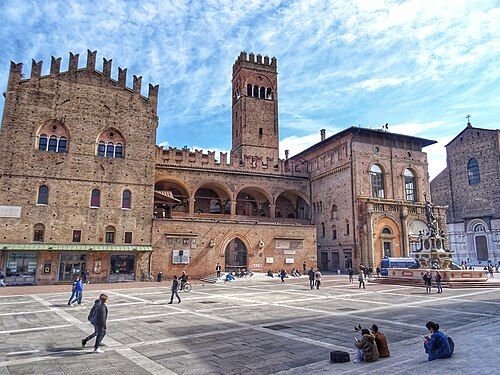
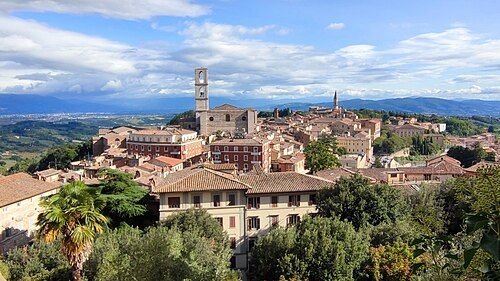
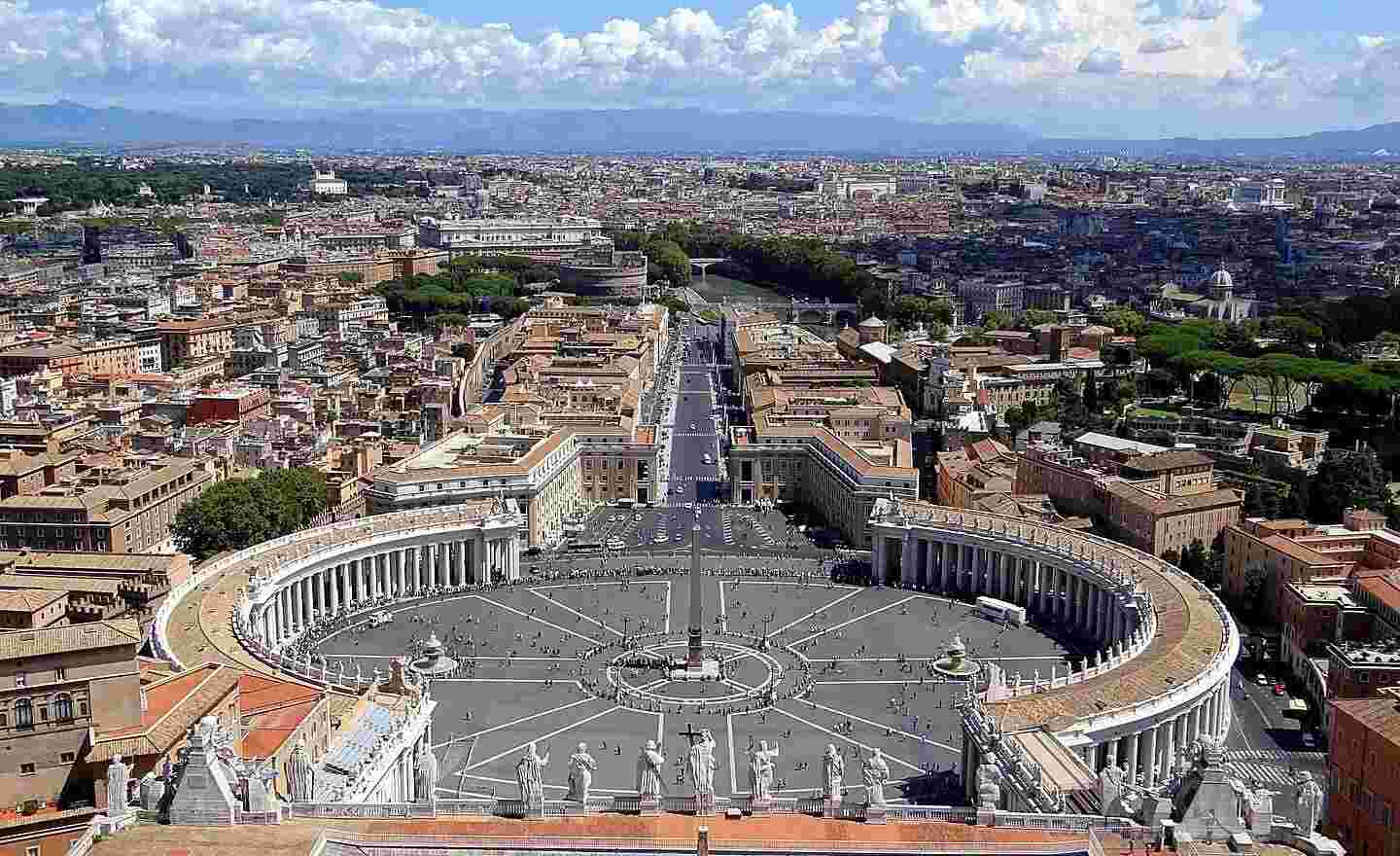
🔐 Some images present on this page are used under Creative Commons licenses:
By Maretta Angelini – Bologna, panoramic view of Piazza Maggiore – Own work – CC BY-SA 4.0 – Wikimedia Commons
By AliasXX00 – Perugia, view from Viale Indipendenza – Own work – CC BY-SA 4.0 – Wikimedia Commons
By Anne Offermanns – Panoramic view of Rome from St. Peter’s Basilica – Own work – CC BY-SA 3.0 – Wikimedia Commons
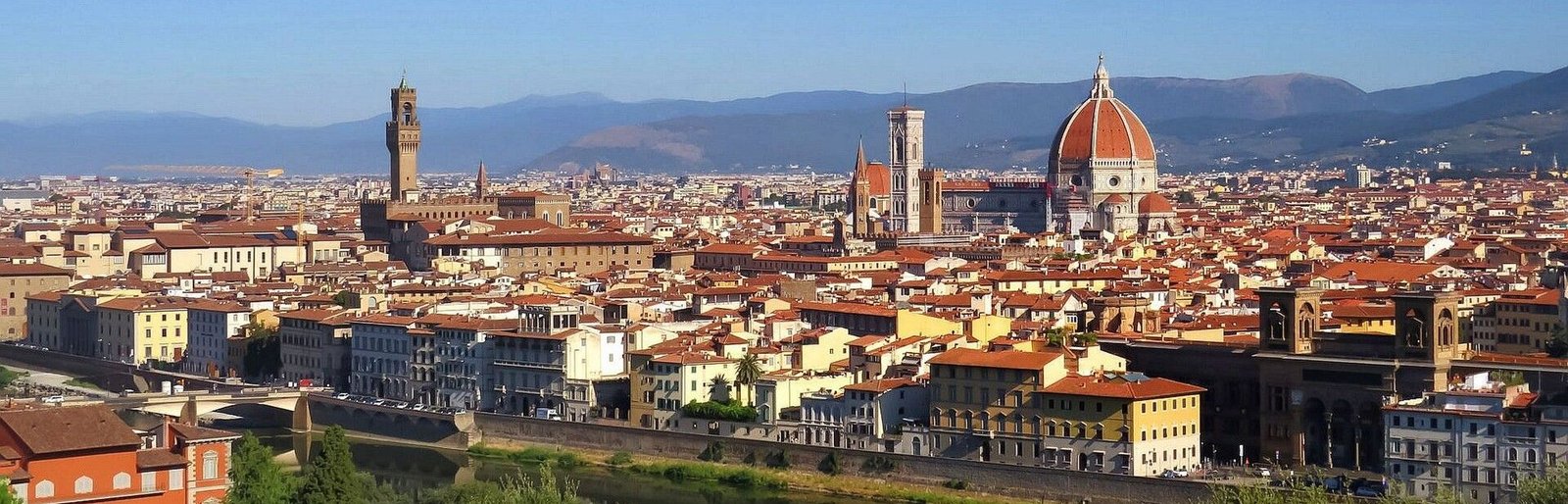
By PROPOLI87 – Florence, panoramic view from Piazzale Michelangelo – Own work, CC BY-SA 4.0 – Wikimedia Commons


Expand image credits
🔐 Some images present on this page are used under Creative Commons licenses:
By FrancescoSchiraldi85 – Florence, Cathedral of Santa Maria del Fiore illuminated at dusk – Own work – CC BY-SA 4.0 – Wikimedia Commons
By Livioandronico2013 – Florence, interior of Brunelleschi’s Dome with the fresco of the Last Judgment – Transferred from en.wikipedia to Commons – CC BY-SA 4.0 – Wikimedia Commons
By Giovanni Dall’Orto – Florence, detail of Giotto’s Campanile – Own work – Attribution – Wikimedia Commons
By Petar Milošević – Florence, the tower of Palazzo Vecchio masterfully illuminated at night – Own work – CC BY-SA 4.0 – Wikimedia Commons
By Arek N. – Florence, Piazza della Galleria degli Uffizi – Own work – CC BY-SA 3.0 – Wikimedia Commons
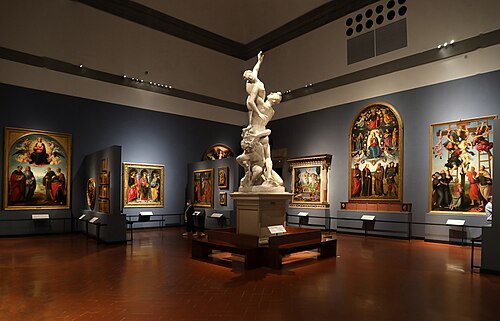
By Francesco Bini – Florence, Galleria dell’Accademia, Hall of the Colossus – Own work – CC BY-SA 4.0 – Wikimedia Commons
By Jörg Bittner Unna – Florence, Michelangelo’s David displayed at the Galleria dell’Accademia – Own work – CC BY 3.0 – Wikimedia Commons
By Almaak – Florence, Palazzo Pitti in the late afternoon – Own work – CC BY-SA 3.0 – Wikimedia Commons
By Txllxt TxllxT – Florence, panoramic view of the Boboli Gardens – Own work – CC BY-SA 4.0 – Wikimedia Commons
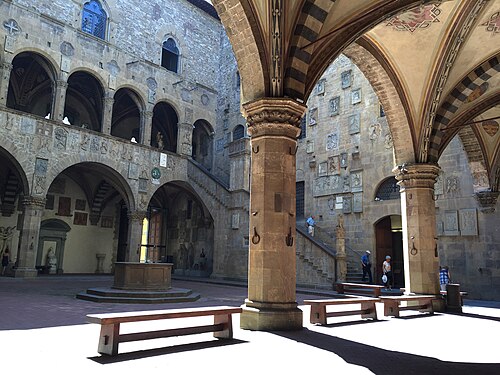
By Lauramcr92 – Florence, Bargello Museum, courtyard detail – Own work – CC BY-SA 4.0 – Wikimedia Commons