Categoria: EN

  • Port of Naples: Info & Tips

    Port of Naples: Info & Tips

    Porto di Napoli, vista panoramica dalla Certosa San Martino

    Port of Naples: Info & Tips

    Quick Terminal Guide


    The Port of Naples is one of the main maritime hubs in the Mediterranean, strategic and well connected. It is ideal both as an arrival point for visitors to the city and as a base for reaching the islands of the Gulf of Naples and other coastal destinations.


    ✅ You can check ferry timetables, companies and available sea connections using the DirectFerries service.

    The Port of Naples is one of the most important maritime hubs in Italy and the Mediterranean. Located right next to the historic center, it allows quick access to the city and is the main departure point for sea connections to the islands and other destinations in Campania.

    A hub for the Gulf of Naples and beyond

    Every year, the port handles millions of passengers and serves:

    • ferries and hydrofoils to Capri, Ischia and Procida
    • sea connections to the Amalfi Coast
    • national and international cruise ships
    • routes to other Mediterranean cities

    Thanks to its central location, it is an ideal choice for short itineraries, multi-destination trips or cruises departing from Naples.

    Terminals and port areas

    The Port of Naples is divided into several operational areas, including Molo Beverello, Calata Porta di Massa and the Maritime Station, each dedicated to specific types of passenger and freight traffic. This layout allows efficient management of flows and relatively quick movements.

    Services and accessibility

    The main port areas offer:

    • ticket offices and information points
    • bars and food services
    • passenger waiting areas
    • connections with taxis, metro and buses
    • services for people with reduced mobility

    Timetables and services vary depending on the companies and routes, but the port generally operates from early morning, ensuring flexibility for travelers and tourists.


    Powered by GetYourGuide

    Connections to the city center

    Reaching Naples city center from the port is simple and quick. The main port areas are located close to the historic center and are well connected to urban transport hubs, making it easy to move around even without a car.

    ✅ To rent a car near the port, check Booking.com Cars.

    Metro and public transport

    From the Port of Naples, you can easily reach various parts of the city thanks to the public transport network:

    • Metro Line 1 (Municipio and Università stations)
    • Urban buses heading to the city center and train stations
    • Cable cars to the hill districts

    This option is practical and economical, ideal for those staying in the city center or continuing to other areas.

    Private transfers

    Private transfers are a convenient choice for groups, travelers with large luggage, or those wanting a direct service to hotels, stations, or other destinations. They offer comfort and more predictable travel times, especially during peak periods.

    Official taxis

    Authorized taxis are available in the main port areas, such as Molo Beverello and the Maritime Station. For certain destinations, fixed municipal fares apply, helping avoid surprises and ensuring a fast, direct trip.

    Parking and stops

    Near the Port of Naples, there are various parking options, both short and long term, suitable for those arriving by car or planning to rent one during their stay.

    • guarded parking near Molo Beverello
    • private garages in the city center
    • partnered facilities with shuttle services

    ✅ For early bookings and better rates, even in high season, check services like ParkingMyCar.


    Powered by GetYourGuide

    Early morning ferries, evening arrivals, and early boarding

    Staying near the Port of Naples can be very convenient for those taking early morning ferries, arriving in the city in the evening, or with tightly scheduled maritime connections. The port area is strategic for connections to Capri, Ischia, Procida, the Amalfi Coast, and Sicily, allowing travelers to minimize travel time and avoid unexpected delays due to city traffic.

    In neighborhoods close to the port, such as Molo Beverello, Calata Porta di Massa, the Historic Center, and the Municipio area, there are hotels, B&Bs, and accommodations of various categories, suitable for short stays or one- to two-night stops before or after your crossing.



    Where is the Port of Naples located?

    The Port of Naples is situated close to the historic center and can be easily reached on foot or by public transport from the main central areas of the city.

    Which maritime connections depart from the port?

    Ferries and hydrofoils depart from the port to Capri, Ischia, Procida, the Amalfi Coast, as well as cruise ships and connections to other Mediterranean destinations.

    Which services are available within the port?

    Ticket offices, information points, bars, waiting areas, taxi and public transport connections are available, along with services for people with reduced mobility.

    📌 Learn more in the Overview section.


    How do I reach Naples city center from the port?

    The city center can be easily reached on foot, by metro, bus, or taxi, thanks to the central location of the main port areas.

    Are there metro and public transport connections?

    Yes, Metro Line 1 stops (Municipio and Università) and numerous bus lines connect the port with the rest of the city.

    Are taxis and private transfers available?

    Yes, official taxis and private transfer services are available at Molo Beverello and Stazione Marittima, ideal for direct trips to hotels or stations.

    📌 Learn more in the Getting Around section.


    Is it convenient to stay near the Port of Naples?

    Staying near the port can be very practical for those with early morning departures, evening arrivals, or tight maritime connections.

    Are there hotels and B&Bs in the port area?

    Yes, in the areas of Molo Beverello, Municipio, and the Historic Center, there are hotels and accommodations of various categories suitable for short stays or overnight stops.

    📌 Learn more in the Where to Stay section.

  • Naples-Capodichino Airport: Info & Tips

    Naples-Capodichino Airport: Info & Tips

    Aeroporto internazionale di Napoli-Capodichino

    Naples-Capodichino Airport: Info & Tips

    Quick Terminal Guide


    Naples-Capodichino Airport is compact, strategic and well connected, making it ideal both for short stays and as a base for exploring Naples and its surroundings.


    ✅ To search or book a flight to/from Naples, check the Booking.com Flights service.

    Naples-Capodichino Airport (see official website), is the main airport in Campania and one of the most important in Southern Italy. It is located about 7 km from Naples’ historic center, in a strategic position for quickly reaching the city and the region’s main tourist destinations.

    A hub for Naples and the surrounding area

    The terminal serves domestic, European and some intercontinental flights, acting as the main gateway for visitors heading to:

    • Naples and its historic center
    • the islands of the Gulf (Capri, Ischia, Procida)
    • Pompeii and Herculaneum
    • the Amalfi Coast

    Thanks to its central location, it is one of the most popular airports for travelers planning short itineraries or multi-stop trips.

    Single terminal and fast connections

    The airport is compact and well organized, with a single terminal handling both arrivals and departures. This layout allows for quick and intuitive internal transfers, an important advantage for travelers with tight connections or limited time.

    Services and accessibility

    Inside the Naples-Capodichino terminal you will find:

    • Bars, restaurants and snack areas
    • Duty-free and various shops
    • Banks and ATMs
    • Car rental desks and information points
    • Facilities for passengers with reduced mobility, including reserved parking, elevators and accessible restrooms

    Counters and main services generally follow flight schedules, operating from early morning until late evening to ensure convenience for all travelers.


    Powered by GetYourGuide

    Connections to the city center

    Getting from the airport to Naples city center is easy. The terminal is well connected to the main transport hubs and offers several options suitable for every type of traveler.

    ✅ To rent a car at the airport, check the Booking.com Car Rental service.

    Alibus Shuttle Bus

    The Alibus is the direct public connection between the airport and the city. It links Capodichino with:

    • Naples Central Station (Piazza Garibaldi)
    • Port of Naples (Molo Beverello)

    It is a practical and affordable solution, especially appreciated by first-time visitors.

    ✅ Naples Airport: Bus transfer to/from Naples Maritime Station

    Private transfers

    Private transfers are ideal for groups, travelers with heavy luggage or those looking for a door-to-door service without waiting times. They offer greater comfort and more predictable travel times, especially during peak hours.

    ✅ Naples: Private airport transfer to/from Naples city

    Official taxis

    Authorized taxis are available outside the terminal. For some destinations, fixed municipal fares apply, helping avoid price surprises and making taxis a convenient option for direct journeys.

    Parking and short/long stays

    If you arrive by car or plan to rent a vehicle during your stay, the airport offers several parking solutions suitable for both short and long stays.

    • P1 Parking: short-term parking close to the terminal
    • P2 / P3 Parking: medium- and long-term parking with free shuttle
    • Low Cost Parking: ideal for extended stays

    ✅ For advance bookings and better rates, even during high season, consider services such as ParkingMyCar.


    Powered by GetYourGuide

    Early morning flights or late-night arrivals

    Staying near Naples Airport can be a smart choice in several situations: early morning flights, late-night arrivals, short layovers, or simply the need for easy mobility. The area around Capodichino offers modern hotels and functional accommodations, often well connected to both the terminal and the city center.


    How far is the airport from Naples city center?

    Naples Airport is located about 7 km from the historic center and can be reached in around 15–20 minutes by bus, taxi, or private transfer.

    What services are available at the airport?

    Bars, restaurants, duty-free shops, banks, car rental services, and information points are all easily accessible inside the terminal.

    Is the airport accessible for passengers with disabilities?

    Yes, the airport offers dedicated routes, reserved parking, elevators, accessible restrooms, and assistance upon request.

    Is there Wi-Fi and seating areas?

    Yes, free Wi-Fi is available throughout the terminal, along with seating and waiting areas for passengers.

    📌 Learn more in the Overview section.


    How do you get from the airport to the city center?

    You can easily reach the city center by direct bus services (Alibus), taxi, or private door-to-door transfers.

    Are there connections to the port?

    Yes, Naples port can be reached by taxi or Alibus, which is convenient for ferry connections to the islands or cruise departures.

    📌 Learn more in the Getting Around section.


    Are there hotels near the airport?

    Yes, several hotels are located near Naples Airport, ideal for short stays or early morning flights.

    Is it worth staying near the airport?

    If you have late-night arrivals or early departures, staying nearby can be very convenient. Alternatively, the city center is just a short ride away.

    📌 Learn more in the Where to Stay section.
  • Getting around Naples: Info and Tips

    Getting around Naples: Info and Tips

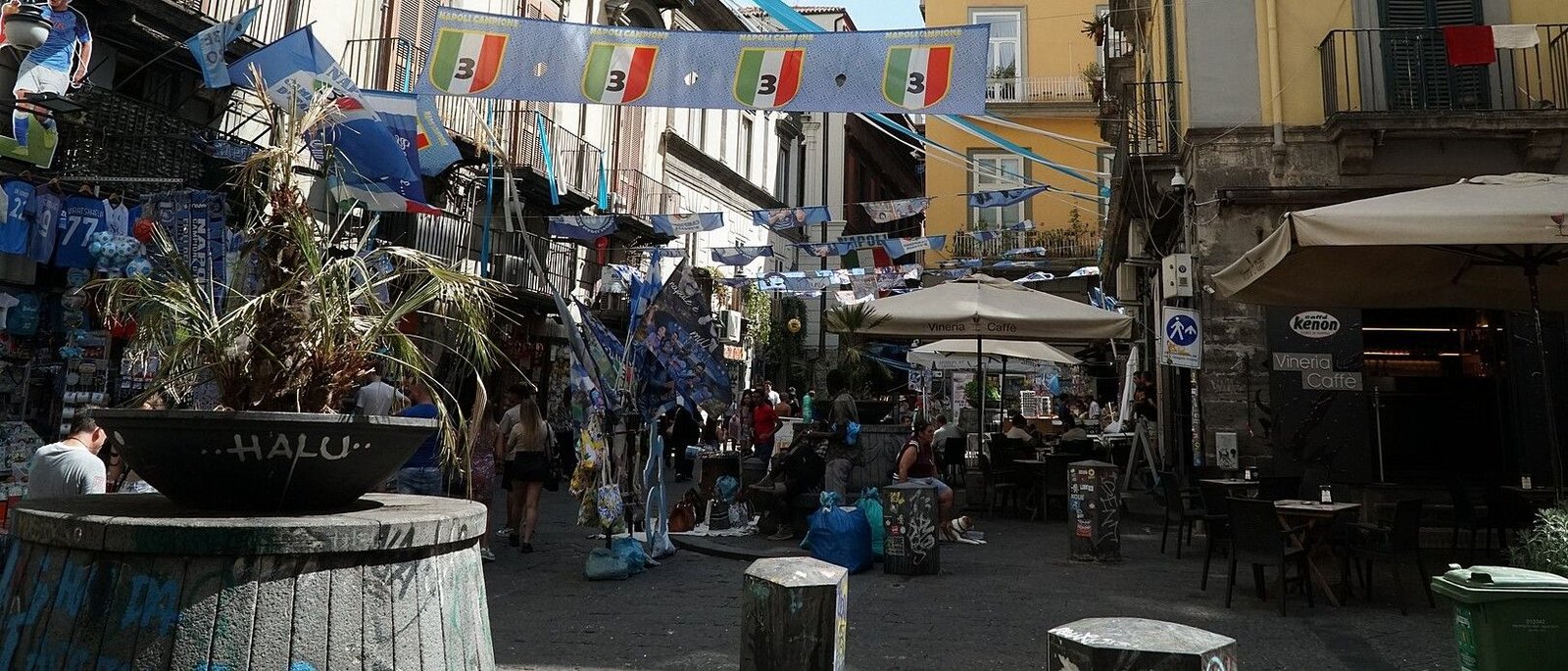
    Napoli, scorcio strada centro storico

    Getting around Naples: Info and Tips

    Quick Guide to Getting Around the City


    Naples is a vibrant, lively, and complex city where getting around may seem chaotic at first, but becomes surprisingly easy once you understand its structure.


    Getting around Naples requires a bit of adaptation, especially if it’s your first visit. Traffic is often heavy, some areas of the historic center are a maze of narrow streets, and the flow of tourists and locals is constant throughout the day.

    The main advice is to combine different modes of transport: walk in central areas, use public transport for longer distances, and limit private car use only when strictly necessary.

    For a first approach to the city, it can be helpful to join a guided walking tour or a free walking tour, ideal for orienting yourself, identifying landmarks, and receiving practical tips from locals (🔗learn more).

    Finally, keep in mind that Naples is a vertical city: hilly neighborhoods, elevation changes, and alternative connections (such as funiculars and urban elevators) are an integral part of city mobility and can significantly ease movement.


    Naples is easily accessible from both Italy and abroad thanks to air, rail, road, and sea connections. The city is one of the main hubs in Southern Italy and is well connected with the rest of the country and major European destinations.

    By plane: Naples International Airport Capodichino (🔗read more) is about 6 km from the city center and served by numerous domestic and international flights, including low-cost connections. From the airport, you can reach the city center via direct buses, taxis, private transfers, or rental cars, with an average travel time of 20–30 minutes depending on traffic.

    ✅ To search or book a flight to/from Naples, check the Booking.com Flights service.

    By sea: the Port of Naples (🔗read more) is one of the most important in the Mediterranean and receives ferries, hydrofoils, and cruise ships. The port is well connected to the city center and is the ideal entry point for travelers arriving from the islands of the Gulf of Naples or other coastal locations.

    ✅ Check schedules, companies, and available sea connections via DirectFerries.

    By train: the main arrival station is Naples Centrale (Piazza Garibaldi), connected to major Italian cities by high-speed, Intercity, and regional trains. The station is a strategic hub for reaching the historic center, the seafront, or other destinations in Campania.

    ✅ You can check schedules, fares, and buy tickets online directly via Trainline.

    By car: Naples can be reached via the main highways of Southern Italy, such as the A1, A3, and A16. Once in the city, it is advisable to pay attention to limited traffic zones and pedestrian areas, especially in the historic center.

    ✅ For car rental, check Booking.com Cars.

    By taxi or private transfer: Naples can also be reached by taxi or private transfer services from airports, stations, or nearby towns. Travel times vary depending on the starting point and traffic conditions.


    Walking is one of the best ways to explore Naples, especially in the central areas and historic center, where distances are short and many attractions are within walking distance of each other.

    Historic center: neighborhoods such as Spaccanapoli, Decumani, San Gregorio Armeno, and the Duomo area are perfect to visit on foot. Narrow streets and numerous pedestrian areas often make walking faster than using public transport.

    Hilly areas: some parts of the city, such as Vomero and Posillipo, feature significant inclines. In these cases, it is possible to alternate walking and public transport, taking advantage of funiculars and lifts to reduce fatigue.

    Safety and awareness: as in all major cities, it is advisable to pay attention to traffic, scooters, and pedestrian crossings, especially in crowded areas. It is also recommended to keep personal belongings under control in tourist zones.

    Footwear and comfort: Naples features cobblestones, paving, and uneven streets, especially in the historic center. Comfortable shoes are highly recommended to walk around safely and comfortably.

    Urban experience: walking through Naples means experiencing the city authentically, among historic shops, markets, squares, churches, and panoramic views often missed by those who only use transport.


    The public transport in Naples allows you to move between the city center, hilly neighborhoods, and peripheral areas, integrating buses, metro, funiculars, and taxis. In many situations, they are a useful alternative to walking, especially for covering longer distances or overcoming elevation changes.

    Buses, trams, and trolleybuses: the road network connects much of the city, including neighborhoods not served by the metro. Buses run frequently but can be affected by traffic, especially during peak hours. Trams and trolleybuses operate on specific routes and are mainly used along main axes.

    Metro: Naples has several metro lines, including Line 1, particularly appreciated by visitors as it connects the historic center with Vomero and hosts some of the famous art stations. The metro is one of the fastest ways to cross the city.

    Urban lifts: in some hilly areas, public lifts facilitate connections between areas at different elevations, reducing the need to walk long uphill stretches.

    Funiculars: funiculars are among the most characteristic transport systems in Naples and connect the center with Vomero. They are frequent, fast, and widely used by both residents and tourists.

    Cable car: the cable car service is limited and mainly used for specific connections outside the central urban circuit, being less relevant for most visitors.

    Taxis: taxis are easily available in main squares, stations, and tourist areas. They are a convenient solution in the evening or for direct trips, but it is advisable to check fares or request an estimated cost before departure.

    Tickets and passes: the fare system allows the use of integrated tickets valid on multiple transport modes. Daily and multi-day options are available for those planning to move frequently with public transport (see official site).


    Driving in Naples can be convenient in some situations, but it requires caution due to heavy traffic, narrow streets in the historic center, and numerous restricted traffic zones (ZTL).

    Restricted traffic zones (ZTL): the historic center and some areas of the city have ZTL active at specific times. It is essential to check the restrictions before planning car trips to avoid fines. Some ZTL only allow access to residents or authorized vehicles.

    Pedestrian areas: Naples has many pedestrian streets, especially in the historic center and tourist neighborhoods like Spaccanapoli and via Toledo. In these areas, cars are generally prohibited, so it is advisable to park nearby and continue on foot.

    Practical tips: driving in Naples requires caution and attention, especially for scooters, sometimes unclear signage, and double-parked vehicles. Limiting car use to what is strictly necessary and combining trips with public transport or walking is the most effective strategy to move around stress-free.

    The city offers public and private parking, but these can be expensive and difficult to find during peak hours. To simplify your trips, below we suggest four interesting parking lots that we have selected, all located within a short distance from the center of Naples.

    Parking Type Spaces
    Super Garage Naples Underground 350
    Gran Garage Incoronata Sas Underground 300
    Quick Morelli Parking Underground 250
    Garage del Lungomare Outdoor 300

    ✅ For more options and online bookings, you can check the ParkingMyCar service, which allows you to find parking throughout the city.


    What is the best way to get around Naples?

    The most effective way is to combine different modes of transport: walk in central areas, use public transport for longer distances, and limit car use to only when necessary.

    Is Naples difficult to navigate for first-time visitors?

    It may seem chaotic at first, but once you understand its layout, the city becomes surprisingly easy to explore.

    📌 Learn more in the Overview section.


    How do I get to the center of Naples from the airport?

    From Capodichino Airport, you can reach the city center by direct buses, taxis, private transfers, or rental cars.

    Is the Port of Naples well connected to the city?

    Yes, the port is linked to the city center via taxis, buses, and walking routes to stations and central areas.

    Is Naples well connected by train to the rest of Italy?

    Yes, Napoli Centrale is served by high-speed trains, Intercity, and regional trains from all over Italy.

    📌 Learn more in the Getting There section.


    What are the fastest public transport options in Naples?

    The metro, funiculars, and urban elevators are the fastest ways to cover distances and elevation changes.

    Do buses work well in Naples?

    They cover many parts of the city but can be affected by traffic, especially during peak hours.

    Are there integrated tickets for multiple transport modes?

    Yes, the fare system offers tickets valid across multiple transport modes, including daily and multi-day options.

    📌 Learn more in the Public Transport section.


    Is it convenient to get around Naples by car?

    Only in certain situations. Heavy traffic, ZTL zones, and pedestrian areas often make a car impractical.

    Where is it best to park?

    In authorized public or private parking lots, preferably outside the historic center, then continue by public transport or on foot.

    How to avoid fines and penalties?

    By checking ZTL zones, pedestrian areas, and permitted access times in advance.

    📌 Learn more in the Getting Around by Car section.

  • BASE MUOVERSI + PARCHEGGI – EN

    BASE MUOVERSI + PARCHEGGI – EN

    BASE MUOVERSI – EN

    Quick Guide to Getting Around the City


    +++ INTRO +++


    ✅ To search or book a flight to/from Naples, check the Booking.com Flights service.

    ✅ Check schedules, companies, and available sea connections via DirectFerries.

    ✅ You can check schedules, fares, and buy tickets online directly via Trainline.

    ✅ For car rental, check Booking.com Cars.


    ✅ For more options and online bookings, you can check the ParkingMyCar service, which allows you to find parking throughout the city.


  • Ostia Antica: Tours, Tickets and Useful Info

    Ostia Antica: Tours, Tickets and Useful Info

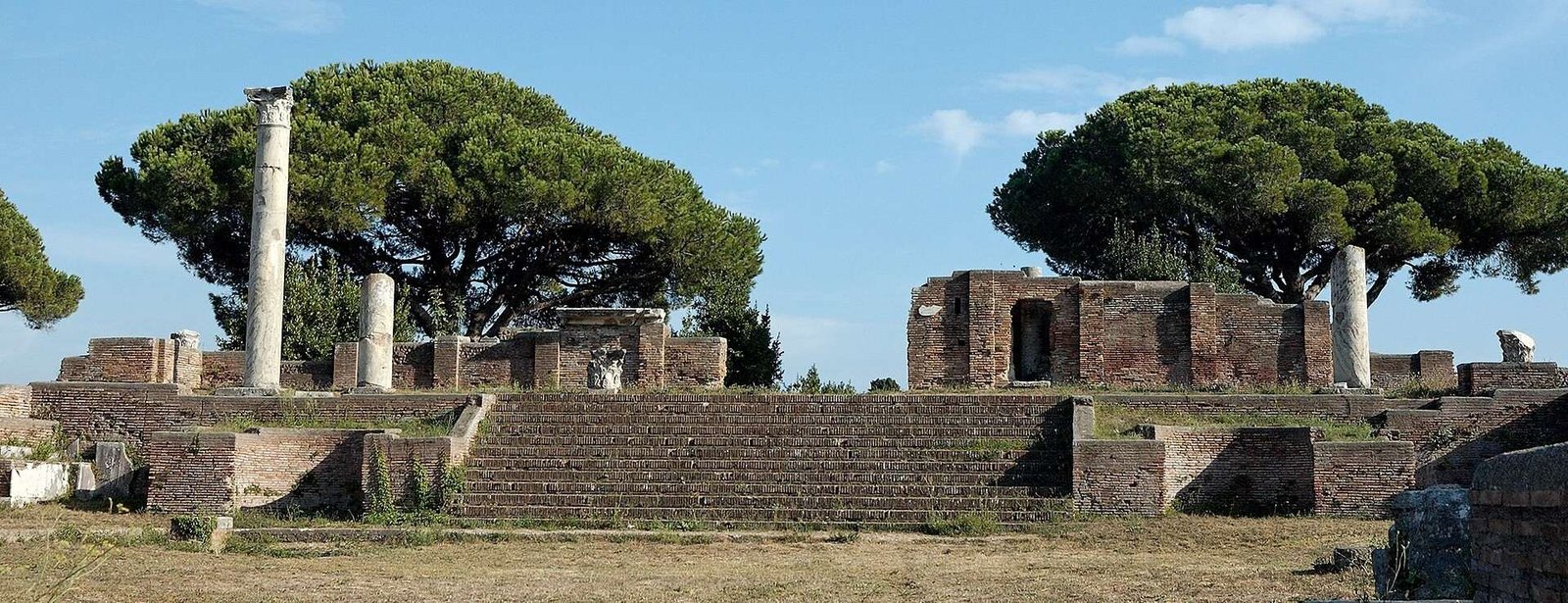
    Roma, Ostia Antica,Podium, Round Temple

    Ostia Antica: Tours, Tickets and Useful Info

    Quick Guide and Experiences


    The ruins of Ostia Antica, today part of the renowned Archaeological Park of Ostia Antica, offer an immersive journey into the life of an ancient Roman port city.


    Visiting Ostia Antica means discovering one of the most important port cities of ancient Rome, now part of the Archaeological Park of Ostia Antica. Among paved streets, public buildings and patrician houses, the site offers a complete insight into daily Roman life more than two thousand years ago.

    The Forum and public buildings: The Forum was the political, commercial and religious heart of the city. Among the most significant structures are the Temple of Rome and Augustus, the Capitolium and the Macellum, the city market, all of which highlight Ostia’s organization and commercial importance.

    Domus and shops: Ancient residences such as the Domus of the Dioscuri and the Domus of the Citharist preserve mosaics, frescoes and wall decorations. Shops lining the main streets reveal the economic and artisanal activity of the port city, offering a vivid picture of Roman urban life.

    The Theatre and the Mithraeum: Ostia Antica features a well-preserved theatre used for public performances, as well as a Mithraeum, a temple dedicated to the cult of Mithras, reflecting the cultural and religious life of the city.

    An experience not to be missed: Exploring Ostia Antica is a true journey through time. Joining a guided tour or using an audio guide helps visitors fully understand the historical and archaeological significance of this site, making the visit engaging, educational and unforgettable.


    Discover the most popular experiences in Ostia Antica and enjoy the history and charm of the Archaeological Park up close:


    Powered by GetYourGuide

    Visit duration: exploring the Ostia Antica Archaeological Park takes on average 2–4 hours. To fully experience the atmosphere of the ancient port city and learn more about its buildings, baths, and domus, it is recommended to join a guided tour or spend extra time on a self-guided visit with an audio guide.

    Opening hours, prices, and reservations: the park is open every day, with opening hours varying by season (visit the official website). Advance online booking is recommended, especially during peak periods; see Selected experiences.

    Available services: information points, restrooms, and refreshment areas are available at the entrance. Bars and cafés for light meals can be found near the park.

    Accessibility: some areas feature steps and uneven surfaces. Access may therefore be partially limited for visitors with reduced mobility. It is advisable to ask about accessible routes at the entrance.

    Temperature and clothing: the park is entirely outdoors, so light clothing and comfortable shoes are recommended in summer, while a warm jacket is useful in winter. Bring water and sun protection during hot days.

    Recommended visiting times: to avoid crowds and enjoy a relaxed visit, arriving early in the morning or late in the afternoon is suggested. Small-group guided tours offer a more in-depth and enjoyable experience.

    Photography: photography is allowed without flash. Professional video recordings or drone use may require special authorization, which must be requested at the entrance.


    Powered by GetYourGuide

    On foot: if you are staying near the center of Ostia or the ancient village, you can easily reach the main entrance of the Ostia Antica Archaeological Park with a pleasant walk of 5–15 minutes, depending on your location.

    By train: the most convenient way to visit Ostia Antica is to take the Rome–Lido line from Piramide station or other central Rome stops to the Ostia Antica station, located just a few meters from the park entrance. You can check timetables and buy tickets online.

    By bus: several urban bus lines connect Rome with Ostia, including tourist and regular services. The main stops are located near the park entrance. It is recommended to check routes and updated timetables on the ATAC Rome website.

    By car: Ostia Antica can be reached via the A12 Rome–Civitavecchia motorway or the Via del Mare. Paid parking is available near the main entrance, with hourly and daily rates. You can also rent a car for greater convenience.

    By bike or e-bike: the archaeological park is easily accessible by bike or e-bike. Numerous cycle paths connect Ostia Antica with the center of Ostia and the coastline, offering a more active and enjoyable experience.

    By taxi or private transfer: from Rome or the coast, it is possible to book taxis or private transfers directly to the park entrance. Average travel times range from 30 to 45 minutes, depending on traffic.

    Accessibility: the main entrance and primary routes are generally accessible to visitors with reduced mobility, although some areas feature uneven paving or historic steps. It is recommended to ask for details at the information point at the entrance.


    How long does a visit to the Ostia Antica Archaeological Park take?

    The visit takes on average 2–3 hours, depending on the areas explored and the time spent at the main monuments, domus, and baths.

    Is Ostia Antica accessible for visitors with reduced mobility?

    Accessibility is partial: some areas feature uneven paving and historic steps. It is recommended to ask for details at the information point at the entrance.

    Where can I find updated opening hours and prices?

    Opening hours and prices may vary; check the official website for updated information.

    📌 For more details on these topics, see the Useful info & tips section.


    Are guided tours available?

    Yes, guided tours on foot or by bike are available, including audio-guided routes and themed visits, ideal for families and groups.

    Are there combined tickets or priority-access packages?

    Some experiences offer combined packages with guided tours or audio guides and priority access bookings, useful for optimizing your visit and including multiple points of interest.

    📌 For more details on these topics, see the Selected experiences section.


    What is the best way to reach Ostia Antica?

    You can easily reach Ostia Antica by train via the Rome–Lido line from Piramide station, by urban or tourist bus, by car with parking available near the entrance, or by bike or e-bike. Taxis and private transfers are also available.

    📌 For more details on how to reach Ostia Antica, see the How to get there section.


    Is photography allowed inside the park?

    Yes, photography is allowed. Professional video recording or drone use may require specific authorization requested at the entrance.

  • Appian Way: Experiences and Useful Info

    Appian Way: Experiences and Useful Info

    Roma, Appia Antica

    Appian Way: Experiences and Useful Info

    Quick Guide and Tours


    The Appian Way, part of the renowned Appian Way Archaeological Park, offers an immersive journey through history, nature, and traces of ancient Rome.


    Visiting the Appian Way means walking along one of the most important and evocative Roman roads, now part of the Appian Way Archaeological Park. Among monuments, tombs, churches, and ancient aqueducts, this immersive route provides a direct insight into the life and history of ancient Rome.

    The Appian Way and the Catacombs: The historic road preserves original Roman paving stones and leads to the famous catacombs, such as San Sebastiano and San Callisto, testimonies of ancient Christian faith and history.

    Villas and Mausoleums: Along the road, visitors encounter Roman villas, mausoleums, and funerary monuments, such as the Mausoleum of Cecilia Metella, reflecting the life and traditions of Roman patrician families.

    Churches and Religious Complexes: Religious sites include the Church of San Nicola and the Church of Domine Quo Vadis, historic places combining architecture, sacred art, and legends tied to ancient Rome and early Christians.

    An immersive experience: Walking along the Appian Way means stepping into over two thousand years of history. Guided tours, walking or cycling routes, and informational installations make the visit educational and fascinating, suitable for families, couples, and archaeology enthusiasts.


    Powered by GetYourGuide

    Discover the most popular experiences on the Appian Way to get up close with the history, monuments, and catacombs along this famous Roman road:

    E-Bike Guided Tours

    Walking and Golf Cart Tours


    Powered by GetYourGuide

    Duration of the visit: Exploring the Appian Way Archaeological Park and the main attractions along the road usually takes 2-4 hours, depending on the chosen itinerary. To fully appreciate the history, monuments, and catacombs, joining a guided tour or dedicating extra time to stops along the route is recommended.

    Opening hours, prices and bookings: Access to the various sites along the Appian Way may vary depending on the season and type of experience (visit the official website). Booking online in advance is recommended, especially for guided tours and e-bike rentals, see Selected Experiences.

    Available services: Along the road, there are information points, refreshment areas, bars, and cafés. Some archaeological sites provide restrooms and resting areas for visitors.

    Accessibility: Some areas may feature stairs, uneven terrain, or narrow passages. Access is therefore partially limited for visitors with reduced mobility. It is recommended to check accessible routes in advance.

    Temperature and clothing: The climate along the Appian Way is generally mild, but some areas may be cooler or humid. Comfortable shoes and appropriate clothing are recommended. In summer, it is useful to carry a light jacket for stops in the catacombs or parks.

    Recommended time slots: To enjoy a calm and more intimate experience, visiting in the early morning or late afternoon is suggested. Small-group tours or guided experiences provide unique insights into history and archaeology.


    Powered by GetYourGuide

    On foot: If you are staying near the center or along historic stretches of the Appian Way, you can easily reach the main entrances of the archaeological park with short walks. Some areas, such as the Mausoleum of Cecilia Metella or the Villa dei Quintili, are easily accessible from nearby parking or rest points.

    By bicycle or e-bike: the Appian Way is perfect for electric or classic bike tours. Guided itineraries or custom routes with bike rental are available along the path. See Selected Experiences for options with expert guides and stops at the most significant archaeological points.

    By car: the Appian Way is reachable from the main roads of Rome and its surroundings. Paid parking is available along the route and near major sites, with hourly and daily rates.

    By tourist bus or shuttle: Some companies offer direct connections or guided tours with transfers included. Dedicated stopping areas are located along strategic stretches of the road, allowing easy access to monuments and catacombs.

    By taxi or private transfer: From central Rome or the main airports, private transfers can be booked that take you directly to the park entrances. Ideal for groups or those wishing to maximize their available time.

    By train: For some points along the Appian Way, such as near Capannelle station, regional or suburban trains can be used, combined with walks or bike routes along the historic stretch.


    Powered by GetYourGuide

    How long does a visit to the Appian Way Archaeological Park take?

    A visit typically takes 2-4 hours, depending on the areas explored and the time spent at historical monuments and catacombs.

    Is the Appian Way accessible for visitors with reduced mobility?

    Access is partial: some areas have unpaved sections and historic steps. It is recommended to check in advance which paths are accessible.

    Where can I find up-to-date opening hours and ticket prices?

    Hours and prices may vary; consult the official website for updated information.

    📌 For more details on this group of questions, see the section Useful info & tips.


    Are there guided tours along the Appian Way?

    Yes, guided tours on foot, by bike or e-bike are available, covering the main monuments, catacombs, and points of interest along the archaeological park.

    Are there combined tickets or tours with priority access?

    Some experiences offer combined packages or priority booking, ideal for optimizing your visit and including multiple historic stops.

    📌 For more details on this group of questions, see the section Selected experiences.


    What is the best way to reach the Appian Way?

    You can arrive on foot if nearby, or use a bike, e-bike, car, tourist bus, or private transfer depending on your location.

    📌 For more details on how to reach the Appian Way, see the section How to get there.


    Is photography allowed along the Appian Way?

    Yes, photography is allowed. Professional video recording or drones may require a specific authorization.

  • Experiences in Rome: Tours, Tickets and Useful Info

    Experiences in Rome: Tours, Tickets and Useful Info

    Vista panoramica dello skyline di Roma

    Experiences in Rome: Tours, Tickets and Useful Info

    Quick Guide to Activities


    On this page you will find an excerpt of the best experiences 🏆 that we have selected for you in Rome, based on the offers of the main Tour Operators.

    📌 To get a more complete overview of each attraction (Colosseum, Vatican, Pantheon, etc.), you can click on the links to the detailed pages +🔗.


    Must to See

    • Colosseum +🔗
      • Roman Forum and Mamertine Prison +🔗
      • Imperial Forum and Trajan’s Markets +🔗
      • Domus Aurea +🔗
    • Vatican City +🔗
      • Vatican Museums + Sistine Chapel +🔗
      • St. Peter’s Basilica +🔗
    • Castel Sant’Angelo +🔗
    • Pantheon Rome +🔗
    • Piazza Navona +🔗
    • Trevi Fountain + Underground +🔗

    Top Not to Miss

    • Altare della Patria – Vittoriano +🔗
    • Basilica di Santa Maria Maggiore +🔗
    • Basilica di San Clemente +🔗
    • Galleria Borghese +🔗
    • Galleria Colonna +🔗
    • Galleria Doria Pamphilj +🔗
    • Crypts and Catacombs of Rome +🔗
    • Palazzo Barberini +🔗
    • Caracalla Baths +🔗
    • Capitoline Museums +🔗

    Other Attractions in Rome and Beyond

    • Cinecittà +🔗
    • Bioparco di Roma +🔗
    • Leonardo Museums in Rome +🔗
    • Minor Attractions
    • Appian Way +🔗
    • Ostia Antica +🔗

    Other Experiences

    • Historic Center of Rome +🔗
    • Tastings and Workshops
    • Services and Utilities


    Colosseum

    An unmissable experience: Entering the Colosseum means getting closer to the grandeur of ancient Rome, through guided tours and audio guides that reveal its history, curiosities, and the events linked to this iconic monument.


    Roman Forum and Mamertine Prison

    The Roman Forum and the Mamertine Prison allow visitors to relive the history of ancient Rome, among squares, temples, and the prison of its most famous prisoners, offering a unique insight into the life and structures of the city.


    Imperial Forum and Trajan’s Markets

    The Imperial Forums and Trajan’s Markets are among Rome’s most captivating archaeological complexes, offering a journey through monumental squares, temples, basilicas, and the first large shopping center in history, a testament to Roman power and engineering.

    • Tickets for the Imperial Forums – Access the archaeological area of the Imperial Forums and explore the political and monumental heart of the Roman Empire, among squares, temples, and iconic ruins. Top Reviews 🏆

    Domus Aurea

    Exploring the Domus Aurea is a highly evocative experience. A guided tour reveals the historical context, architectural innovations, and artistic value of this remarkable site, making the visit engaging and full of charm.

    • Rome: Domus Aurea guided group tour – A complete experience combining a guided visit and virtual reality, ideal for understanding the original appearance of Nero’s residence and its extraordinary architectural innovations.

    Vatican City

    The Vatican City is a unique treasure: the spiritual center of the Catholic Church, home to masterpieces such as St. Peter’s Basilica, the Vatican Museums, and the Sistine Chapel. In this section, you will find combined tours for all the main attractions to make the most of your visit.


    Vatican Museums + Sistine Chapel

    The Vatican Museums and the Sistine Chapel house masterpieces by Michelangelo, Raphael, and other great artists, offering a unforgettable experience in the heart of the Vatican.


    St. Peter’s Basilica

    St. Peter’s Basilica is one of the most iconic symbols of Christianity and art, designed by masters like Bramante, Michelangelo, and Bernini, welcoming millions of visitors every year.


    Castel Sant’Angelo

    Castel Sant’Angelo is one of Rome’s iconic landmarks, having spanned centuries of history from imperial mausoleum to papal fortress. A must-see visit featuring a museum, historic rooms, and panoramic terraces with breathtaking views.


    Pantheon Rome

    The Pantheon is one of the most fascinating landmarks of ancient Rome, renowned for its monumental dome and the perfect balance between engineering, harmony, and history.


    Piazza Navona

    The Piazza Navona is one of Rome’s most iconic squares, renowned for its elegant Baroque architecture, historic fountains, and lively atmosphere, making it beloved by both locals and visitors from around the world.


    Trevi Fountain + Underground

    The Trevi Fountain is one of Rome’s most famous monuments and hides a fascinating underground world to explore, offering an experience that combines history, archaeology, and intrigue.


    Altare della Patria – Vittoriano

    The Altare della Patria, known as the Vittoriano, is one of Rome’s most iconic monuments: a magnificent structure dedicated to Victor Emmanuel II that rises over Piazza Venezia as a symbol of Italian unity.


    Palazzo Venezia

    The Palazzo Venezia is one of Rome’s Renaissance gems, a historic building housing a museum with frescoes, artworks, and collections that tell centuries of the city’s artistic and cultural history.


    Basilica di Santa Maria Maggiore

    The Basilica of Santa Maria Maggiore is a must-visit in Rome: remarkable for its sacred art and architecture, it houses early Christian mosaics, Renaissance masterpieces, and centuries of history.


    Basilica di San Clemente

    The Basilica of San Clemente in Rome is a hidden gem spanning centuries of history: a layered building where art, archaeology, and spirituality merge in a unique journey through time.

    • Basilica of San Clemente: underground temples tour – A fascinating guided journey through the underground levels of the basilica, from the paleochristian church to the ancient Roman Mithraeum. Ideal for those who love archaeology and the mysteries of ancient Rome.

    Galleria Borghese

    The Galleria Borghese is an unmissable stop for art lovers: housed in an elegant historic villa, it brings together extraordinary works by Bernini, Caravaggio, Raphael and Canova in a truly unique setting.


    Galleria Colonna

    The Colonna Gallery is a jewel among Rome’s historic palaces: a noble residence that preserves artistic masterpieces, grand halls, and the centuries-old history of the powerful Colonna family.

    • Rome: Entrance Ticket to Palazzo Colonna – Visit one of the city’s most spectacular aristocratic palaces, exploring the famous Gallery, historic rooms, and art collections of the Colonna family. Top Reviews 🏆

    Galleria Doria Pamphilij

    The Galleria Doria Pamphilj houses one of the world’s most important private art collections, featuring masterpieces by Caravaggio, Raphael, and Titian. A journey through elegant rooms, extraordinary artworks, history, and prestige.

    Powered by GetYourGuide

    Crypts and Catacombs of Rome

    The crypts and catacombs of Rome offer a fascinating journey through spirituality and history: underground spaces once used as burial sites and places of worship, bearing witness to the faith and traditions of the city’s earliest centuries.


    Capuchin Crypt

    The Capuchin Crypt is one of the most evocative places in Rome: a unique underground site decorated with the bones of Capuchin friars, offering a moment of reflection on life, death, and spirituality.


    Palazzo Barberini

    Palazzo Barberini is one of the finest examples of Baroque architecture in Rome and is home to the renowned National Gallery of Ancient Art, featuring outstanding works by Italian and international masters.


    Caracalla Baths

    The Baths of Caracalla are among the grandest thermal complexes of ancient Rome, an engineering and architectural masterpiece showcasing the luxury, social life, and prestige of the imperial era.


    Capitoline Museums

    The Capitoline Museums are among the most prestigious museum complexes in the world, offering a fascinating journey through the art, history, and civilization of ancient Rome, housed in the historic palaces of the Capitoline Hill.

    • Rome: Capitoline Museums and multimedia video – An immersive experience combining a visit to the Capitoline Museums with an engaging multimedia video on the Roman Empire, ideal for understanding the historical context before the visit. Top Reviews 🏆


    Cinecittà

    The Cinecittà complex is a symbol of Italian entertainment, combining two complementary experiences: the historic film studios, heart of Italian and international cinema, and Cinecittà World, a theme park offering fun for the whole family.

    • Cinecittà Si Mostra – The official tour inside Cinecittà Studios, allowing you to explore film sets, original scenery, costumes, and archive materials. An immersive experience in the heart of Italian and international cinema history.
    • Rome: Cinecittà World Entry Ticket – Access to the large theme park dedicated to cinema and entertainment, with thrilling rides, live shows, and themed areas for the whole family. Perfect for a full day of fun.

    Bioparco di Roma

    The Bioparco di Roma is one of Italy’s leading zoos, where natural habitats, educational trails, and interactive activities offer an engaging experience for both adults and children.

    • Bioparco of Rome: Fast Track Ticket – Skip the lines at the entrance and access the Bioparco quickly, enjoying your visit without waiting. The ideal solution to save time and relax.

    Leonardo Museums in Rome

    Although Leonardo da Vinci has no direct connection with Rome, the Leonardo Museums in the city offer a remarkable and fascinating journey through the inventor’s models, machines, and works.


    Minor Attractions

    In this section we present a selection of minor attractions in Rome, carefully curated experiences offering moments of history, art, and curiosity.

    Powered by GetYourGuide

    Appian Way

    The Appian Way Archaeological Park offers a unique journey through history, nature, and ancient Roman relics, perfect for an immersive walk connecting the past and the present.


    Ostia Antica

    The Ostia Antica Archaeological Park allows visitors to immerse themselves in the daily life of an ancient Roman port city, exploring its streets, buildings, and remarkable historical remains.


    Historic Center of Rome

    The Historic Center of Rome is an open-air museum, where art, history, and everyday life intertwine in every square and street. In this section, you’ll find our curated selection of experiences and tours to explore the heart of Rome, available by walking tours, bike tours, golf cart tours, segway tours, and hop-on hop-off buses.


    Tastings and Workshops

    Here you will find a carefully curated selection of the best tasting experiences and workshops in the Historic Center of Rome. We have chosen highly rated activities to offer you authentic moments discovering the city’s flavors and traditions.


    Services and Utilities

    In this section, we offer practical solutions to make your experience in Rome easier and more enjoyable: from the best-value city passes to transportation, airport transfers, and bicycle and e-bike rentals.


  • Historic Center of Rome: Experiences and Useful Info

    Historic Center of Rome: Experiences and Useful Info

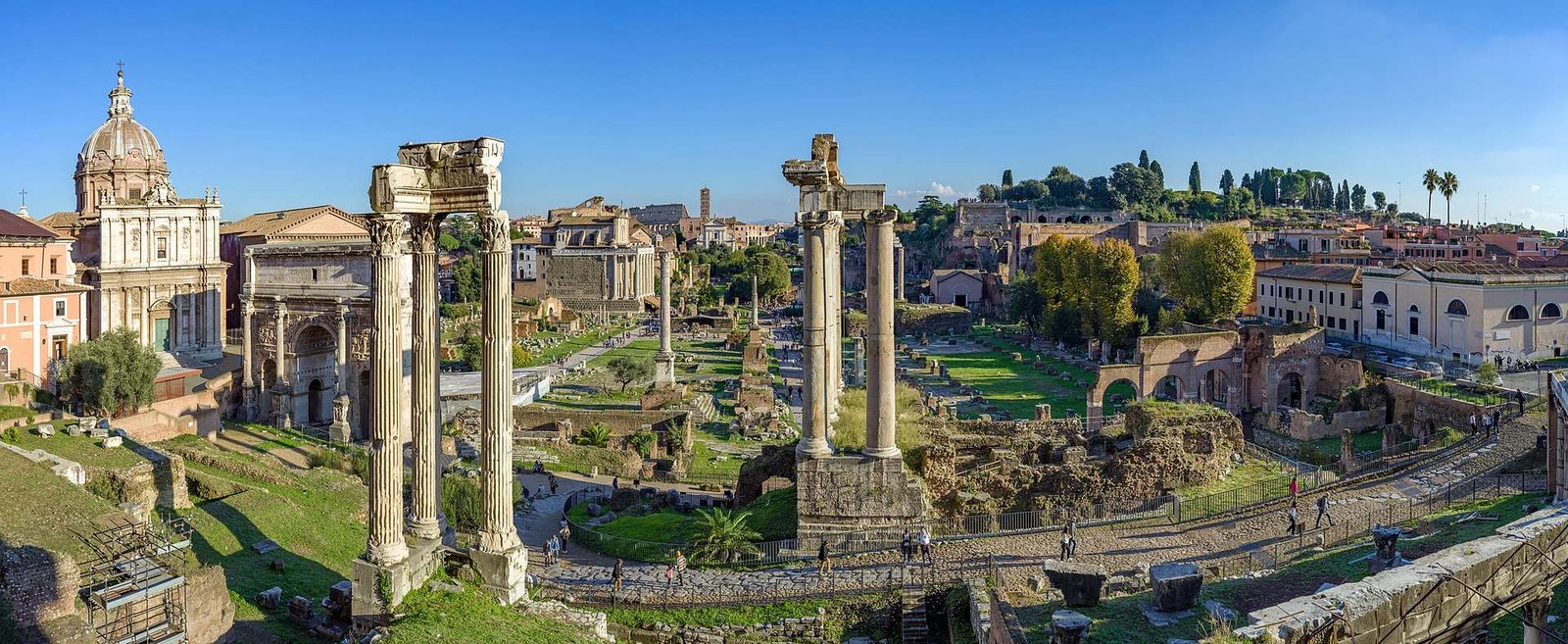
    Roma, Forum Romanum, Vista Panorámica

    Historic Center of Rome: Experiences and Useful Info

    Quick Guide and Tours


    On this page you will find a selection of the best 🏆 Guided Tours and Tastings & Workshops, carefully chosen among the numerous offers from Tour Operators, to let you fully and authentically experience the Historic Center of Rome.

    📌 Main attractions such as the Colosseum, the Vatican, etc., have dedicated pages, visible in the section Experiences in Rome (see Index below).

    Main attractions

    Guided Tours

    • Walking tours
    • Bike, golf cart & segway tours
    • Hop-on Hop-off buses

    Tastings & Workshops

    Services & Utilities

    • City Pass
    • Transport

    See also


    The Historic Center of Rome is a true treasure trove of history, art, and culture. Strolling through alleys, squares, and iconic monuments, you can breathe in the unique atmosphere of the Eternal City, amidst ancient legends and timeless masterpieces.

    Guided Tours: The historic center offers a variety of guided tours that allow you to experience the city from different perspectives. There are daytime tours to discover major landmarks such as the Pantheon, the Trevi Fountain, and Piazza Navona; evening tours by moonlight to admire illuminated squares and fountains; and nighttime tours through mysterious alleys and fascinating legends. These routes can be done on foot, by bicycle, Segway, golf cart, or on Hop-on Hop-off panoramic buses, combining convenience, speed, and breathtaking views.

    Tastings and Local Flavors: Beyond monuments, the historic center is the beating heart of Roman culinary tradition. Neighborhoods such as Trastevere, the Ghetto, and Campo de’ Fiori offer culinary experiences among markets, historic trattorias, and artisanal shops. Food and wine tours allow you to savor typical dishes, street food, and local wines, combining culture and taste in a single experience.

    In summary, the main attractions of the Historic Center of Rome are not limited to the most famous monuments, but include a combination of cultural, artistic, and gastronomic experiences that make every visit unique and memorable.


    Powered by GetYourGuide

    Below you will find the selection of the best Guided Tours in the Historic Center of Rome, offered by the most important Tour Operators. Our selection is based not only on thousands of reviews but also on the content and quality of the offered experiences.


    Walking tours
    Powered by GetYourGuide

    Bike, golf cart & segway tours

    Discover Rome from a new perspective with bike, golf cart, or segway tours, exploring the city in fun and alternative ways:

    Powered by GetYourGuide

    Bus Tour Hop-on Hop-off

    Discover Rome comfortably and stress-free with Hop-on Hop-off bus tours or the Tiber cruise, exploring the city at your own pace:

    Powered by GetYourGuide

    Powered by GetYourGuide

    In this section, we present an exclusive selection of the best Tastings & Workshops in the Historic Center of Rome. We carefully picked the most appreciated and high-quality experiences, offering you unique moments to discover the authentic flavors of the city.


    Tastings

    Discover Rome with guided food tours, street food walks, and tastings in the city’s most authentic neighborhoods:

    Powered by GetYourGuide

    Workshops

    Join a cooking class in Rome and learn how to prepare fresh pasta, tiramisu, and pizza with local chefs, pairing everything with excellent wines and traditional products:


    Powered by GetYourGuide

    Here you will find some useful solutions to make your experience in Rome easier and more enjoyable. From the most convenient city passes, to transportation and airport transfers, to electric bike and bicycle rentals.


    City Pass

    Discover the best passes and city cards to visit Rome and the Vatican, combining public transport and entry to the main attractions:

    Powered by GetYourGuide

    Transport

    Discover the main transfers and rental services in Rome, to move comfortably between the airport, city center, and attractions:


  • Trevi Fountain: Tours, Tickets and Useful Info

    Trevi Fountain: Tours, Tickets and Useful Info

    Roma, Fontana di Trevi al crepuscolo

    Trevi Fountain: Tours, Tickets and Useful Info

    Quick Guide and Experiences


    📱 To introduce this experience, let the images speak: rotate your phone and admire the Trevi Fountain at dusk, where natural and artificial light blend together to enhance the monument’s magic.

    The Trevi Fountain is not only one of Rome’s most iconic landmarks, but it also hides a fascinating underground world waiting to be discovered, offering a unique experience that combines history, archaeology, and wonder.


    Trevi Fountain and Underground: Visiting the Trevi Fountain means admiring one of Rome’s most iconic landmarks, but few know that beneath its spectacular façade lies a fascinating archaeological path. The Trevi Fountain Underground allows visitors to descend below the level of modern Rome to explore a historical complex where centuries of layers linked to the life of ancient Rome emerge.

    The Roman insula: Among the most significant elements of the underground path is the imperial-era insula, a complex residential and commercial structure dating back to the first centuries AD. Brick walls, domestic spaces, and areas for shops provide a concrete glimpse into the urban organization of ancient Rome.

    The ancient aqueduct: The underground area allows close observation of the remains of a channel of the Aqua Virgo, an extraordinary work of Roman engineering still functioning today and responsible for supplying the Trevi Fountain. The continuous use of this hydraulic system represents one of the most remarkable testaments to Roman heritage.

    Historical layers: During the visit, the different construction phases of the site, from Roman times to the Middle Ages, become clearly visible. Architectural transformations illustrate the evolution of spaces over time, reused and adapted to the needs of successive eras.

    An experience to combine with the Trevi Fountain: The underground tour perfectly complements the visit to the Trevi Fountain, offering a more intimate and lesser-known perspective of the monument. The path, short but evocative, is enriched with informative panels and guided explanations, making it ideal for those who wish to explore Rome’s history beyond the surface.


    Powered by GetYourGuide

    Discover the selected experiences for Trevi, featuring archaeology, ancient aqueducts, and hidden history beneath the Trevi Fountain:


    Powered by GetYourGuide

    Visit Duration: Admiring the Trevi Fountain takes about 15-20 minutes, while exploring the Undergrounds typically requires 30-45 minutes. Combining both experiences provides a complete overview of the site.

    Access and Entrance: The entrance to the Trevi Fountain Undergrounds is just a few steps from the monument and is regulated for small groups, ensuring an orderly visit. The Fountain itself is freely accessible from the outside, though it can be very crowded.

    Tickets and Reservations: Tickets are required for the Undergrounds, with the option to book online or via guided tours combined with the Trevi Fountain. Always check updated schedules through official channels or booking platforms (see Selected Experiences).

    Accessibility: The Trevi Fountain is accessible to everyone. The Undergrounds have stairs and narrow passages and are not fully suitable for people with reduced mobility. It is recommended to inquire in advance.

    Temperature and Clothing: The Undergrounds maintain a cool and constant temperature throughout the year. Comfortable clothing and shoes with stable soles are recommended; in summer, a light jacket may be useful.

    Recommended Period and Hours: To enjoy the Trevi Fountain with fewer crowds, early morning or late afternoon is suggested. Small-group guided tours of the Undergrounds allow a deeper understanding of the aqueduct’s function and Roman structures.

    Photography: Photography is allowed at the Fountain freely and in the Undergrounds without flash. For video recording or professional use, a specific authorization may be required.

    Useful Tips: Due to high visitor numbers, plan your visit to the Trevi Fountain early in the morning or late afternoon and combine it with the Undergrounds via guided tours or advance bookings for a more complete and organized experience.


    Powered by GetYourGuide

    On foot: The Trevi Fountain is located in the heart of Rome’s historic center. If you are staying near Piazza di Spagna, the Pantheon, or Piazza Venezia, you can easily reach the entrance with a pleasant 5-15 minute walk.

    By metro: The most convenient stop is Barberini (Line A), about 8-10 minutes on foot from the Trevi Fountain. Alternatively, Spagna (Line A) station allows a short walk through the historic center.

    By bus: Numerous urban lines connect the area with the main parts of the city. The closest stops are at Piazza Venezia and Via del Tritone.

    By car: The area is within the historic center ZTL, with limited access and regulated traffic. It is recommended to park in one of the nearby paid parking lots (Villa Borghese or Lungotevere) and continue on foot.

    By taxi or NCC: Taxis and chauffeur services can take you to the immediate vicinity of the Trevi Fountain and Trevi Undergrounds.


    How long does the visit to the Trevi Fountain Undergrounds take?

    The visit to the Trevi Fountain Undergrounds lasts on average 45–60 minutes, depending on the time spent exploring the archaeological area and the explanations from the guide or audio guide.

    Are the Trevi Fountain Undergrounds accessible for people with reduced mobility?

    Access is partial: some areas have stairs and narrow passages typical of underground sites. It is recommended to check in advance which accessible routes are available.

    Where can I find updated schedules and information?

    Visiting hours may vary depending on the season and crowd levels. For updated official information, consult institutional channels or booking platforms.

    📌 For more details, see the section Useful info & tips.


    Are there guided tours of the Trevi Fountain with access to the undergrounds?

    Yes, guided tours are available that include the Trevi Fountain and access to the undergrounds, with explanations about the ancient aqueduct and the Roman structures below.

    Are there combined or skip-the-line tickets?

    Some experiences offer combined tickets or priority access to the undergrounds, often paired with historic center tours to optimize visiting time.

    📌 Discover the best options in the section Selected experiences.


    What is the best way to reach the Trevi Fountain and its undergrounds?

    The Trevi Fountain is easily reachable on foot from the historic center. Alternatively, you can use the metro, bus, or taxi to get close to the site.

    📌 For detailed directions, see the section How to get there.


    Is photography allowed during the visit?

    Yes, photography without flash is permitted. For video recordings or professional equipment use, specific authorization may be required.

  • Caracalla Baths: Tours, Tickets and Useful Info

    Caracalla Baths: Tours, Tickets and Useful Info

    Roma, Terme di Caracalla

    Caracalla Baths: Tours, Tickets and Useful Info

    Quick Guide and Experiences


    The Baths of Caracalla represent one of the most magnificent thermal complexes of ancient Rome: a masterpiece of imperial engineering and architecture that reflects the luxury, social life, and power of the Roman era.


    Baths of Caracalla: built in the 3rd century AD under Emperor Caracalla, this extraordinary archaeological site highlights the central role of public baths in Roman social, cultural, and recreational life.

    The frigidarium, tepidarium, and calidarium: The heart of the complex consisted of vast bathing areas dedicated to cold, warm, and hot baths. The frigidarium, with its monumental halls and soaring vaults, was one of the most impressive spaces, while the calidarium relied on advanced underfloor heating systems.

    Pools, gyms, and recreational spaces: In addition to bathing rooms, the Baths of Caracalla featured large outdoor pools, spacious gymnasiums for physical exercise, and areas dedicated to relaxation. The complex could accommodate thousands of visitors at the same time, serving as a true urban social hub.

    Decorations, mosaics, and sculptures: The baths were adorned with polychrome mosaics, decorated floors, and monumental marble statues. Many original artworks are now preserved in Rome’s major museums, but the remaining structures still convey the former splendor of the complex.

    The underground areas and technical systems: One of the most fascinating aspects of the visit is the underground level, where furnaces, storage rooms, and hydraulic systems ensured the operation of the baths. These spaces reveal the exceptional level of engineering achieved in ancient Rome.

    A unique archaeological experience: Visiting the Baths of Caracalla means stepping into a masterpiece of Roman architecture. A guided tour or audio guide helps visitors fully understand the history, function, and grandeur of this site, making the experience engaging and memorable.


    Powered by GetYourGuide

    Discover the most popular experiences at the Baths of Caracalla to explore one of the grandest thermal complexes of ancient Rome, combining archaeology, history, and stunning views:


    Powered by GetYourGuide

    Visit duration: exploring the Baths of Caracalla typically takes 1–2 hours. To fully appreciate the vastness of the complex, the mosaics, and monumental structures, it is recommended to take your time or join a guided tour.

    Opening hours, prices, and bookings: the Baths of Caracalla are open daily except Monday, with hours varying by season. For up-to-date information on openings and tickets, it is recommended to consult the official website. During peak periods, early booking is advised, see Selected Experiences.

    Available services: at the entrance you will find a ticket office, information point, and restrooms. Nearby areas include bars, restaurants, and green spaces ideal for a break after the visit.

    Accessibility: the site is largely accessible, but some areas have uneven surfaces and typical archaeological site steps. Visitors with reduced mobility are encouraged to check recommended paths in advance.

    Clothing and comfort: comfortable clothing and suitable shoes for walking on ancient surfaces are recommended. During summer months, bring water, a hat, and sunscreen, as much of the visit takes place outdoors.

    Recommended time slots: to visit the Baths of Caracalla more peacefully, it is suggested to enter early in the morning or late afternoon, avoiding the hottest hours in summer.

    Photography: personal photography without flash is allowed. The use of professional equipment or video recording may require specific authorization.

    Extra tip: combine your visit to the Baths of Caracalla with a walk around the nearby Circus Maximus or along the Appian Way to complete the imperial Rome experience.


    Powered by GetYourGuide

    On foot: if you are in the historic center or in the areas of Aventine, Circus Maximus, or the Colosseum, you can easily reach the Baths of Caracalla with a pleasant walk. From the Circus Maximus, the journey takes about 10–15 minutes.

    By metro: the nearest station is Circus Maximus (Line B), located about 700 meters from the main entrance. From here, simply follow the pedestrian signs to reach the baths in a few minutes.

    By bus: numerous lines connect the Baths of Caracalla with the center of Rome. The main ones are: 118, 160, 628, and 714, with stops along Viale delle Terme di Caracalla and near the main entrance.

    By car: it is possible to reach the site by car, but the area is subject to heavy traffic and restricted traffic zones. Nearby, there are street parking and paid parking, especially along Viale delle Terme di Caracalla and adjacent streets.

    By taxi or private transfer: taxis and private transfer services allow you to reach the entrance of the Baths of Caracalla directly. This is a convenient solution, especially if traveling in a group or with limited time.

    Practical tip: the Baths of Caracalla are in a strategic location and can be easily combined with a visit to the Circus Maximus, the Aventine, or the Underground Baths of Caracalla, optimizing time and travel.


    Powered by GetYourGuide

    How long does it take to visit the Baths of Caracalla?

    The visit usually takes 1–2 hours, depending on the time spent exploring the monumental areas, the underground sections, and the use of an audio guide if desired.

    Are the Baths of Caracalla accessible for visitors with reduced mobility?

    The site is largely accessible, but some areas have uneven pavements and steps. It is recommended to check in advance for accessible routes.

    Where can I find updated opening hours and information?

    Opening hours may vary depending on the season and events. For official and up-to-date information, check institutional channels or online booking platforms.

    📌 For more details on questions in this group, see the section Useful info & tips.


    Are guided tours available?

    Yes, there are group or private guided tours that include the monumental areas and, in some cases, the underground sections of the baths.

    Are skip-the-line or combined tickets available?

    Some experiences include priority access or combined visits with the Circus Maximus, ideal for optimizing your visit time.

    📌 For more details on questions in this group, see the section Selected experiences.


    What is the best way to reach the Baths of Caracalla?

    You can easily reach them on foot from the Circus Maximus or use the metro (Line B), buses, taxis, or private transfers.

    📌 For more details on how to reach the Baths of Caracalla, see the section How to get there.