Categoria: EN

  • Piazza Navona: Experiences and Useful Info

    Piazza Navona: Experiences and Useful Info

    Roma, Piazza Navona

    Piazza Navona: Experiences and Useful Info

    Quick Guide and Tours


    Piazza Navona is one of Rome’s most iconic squares, famous for its elegant Baroque architecture, historic fountains, and lively atmosphere with street performers and outdoor cafés.


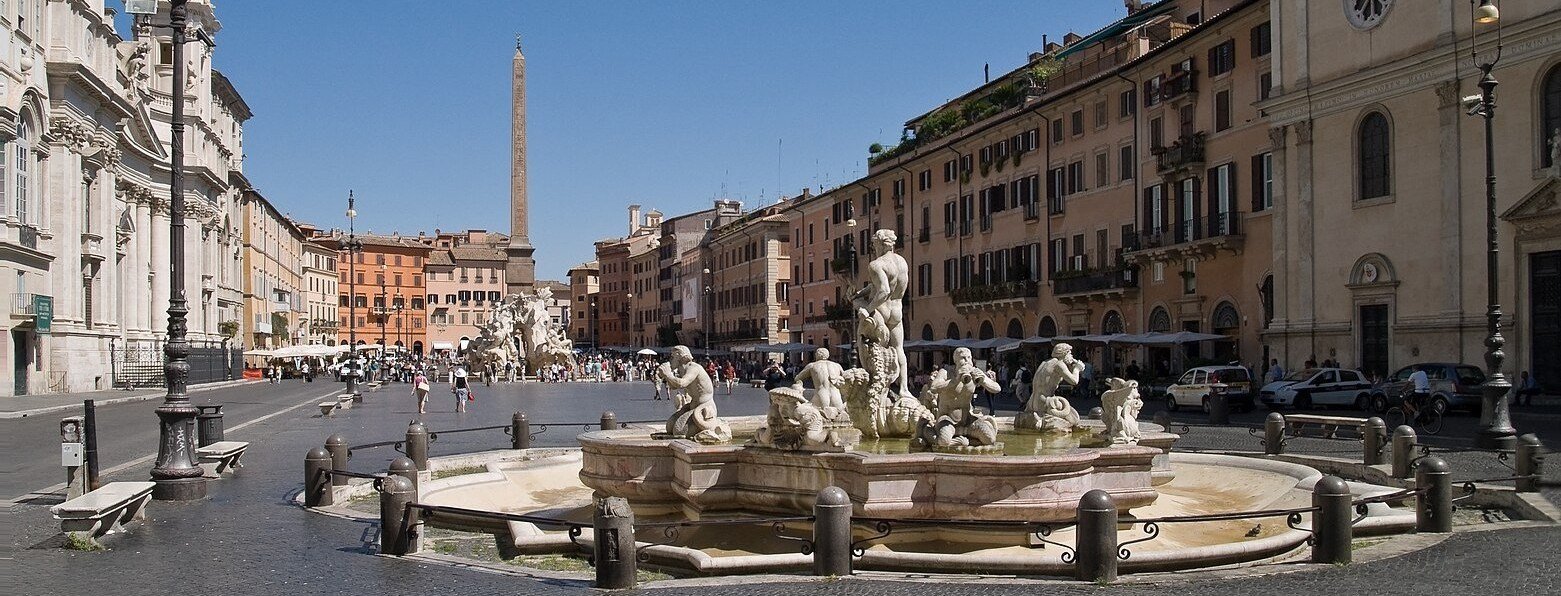
    Fountain of the Four Rivers: A masterpiece by Gian Lorenzo Bernini, the Fountain of the Four Rivers dominates the center of the square. It represents the major rivers of the four continents known at the time and is a symbol of Roman Baroque art.

    Moor Fountain and Neptune Fountain: Located at the ends of the square, these two fountains complete the artistic harmony of the place. The Moor Fountain shows a figure struggling with a dolphin, while the Neptune Fountain features marble marine figures that enchant visitors.

    Church of Sant’Agnese in Agone: Overlooking the square, this Baroque church designed by Borromini houses splendid interiors and reflects the rich religious and architectural history of Rome.

    Historic palaces and street performers: Walking around the square, you can admire elegant 17th-century palaces, as well as painters, musicians, and street artists, creating a unique and lively atmosphere, perfect for a coffee break or memorable photos.

    An experience not to be missed: Piazza Navona is a place where art, history, and daily life meet. Visiting the square allows you to appreciate the grandeur of Roman Baroque, soak in the atmosphere of the Eternal City, and enjoy moments of culture and relaxation in an extraordinary setting.


    Powered by GetYourGuide

    Discover the most popular experiences at Piazza Navona to get up close with the history and secrets of this extraordinary corner of Rome:


    Powered by GetYourGuide

    Visit duration: a complete walk through Piazza Navona takes on average 1-2 hours. To fully enjoy the fountains, historic buildings, and street performers, it is recommended to take your time to observe the architectural details and sculptures.

    Recommended hours and periods: the square is always accessible, but to avoid crowds it is suggested to visit in the early morning or late afternoon. In the evening, the lights of the square and fountains create a charming atmosphere ideal for photography and leisurely walks.

    Available services: along the square, you will find numerous cafes, restaurants, and gelaterias. Some newsstands and souvenir shops are also present, making the visit comfortable and enjoyable.

    Accessibility: the square is mostly pedestrian and accessible, but some areas around the fountains or historic buildings may have steps or uneven paving. Attention is recommended for visitors with mobility issues.

    Clothing and weather: in summer, light and comfortable clothing is recommended, with shoes suitable for walking on stone pavements. In winter, a warm garment is useful, as the square can be windy.

    Events and shows: Piazza Navona regularly hosts markets, performances, and concerts. Before visiting, check for any special events that may affect visitor flow or access to some areas. See Selected Experiences for ideas.

    Photography: it is allowed to photograph the square and fountains freely. For professional shoots or recordings with special equipment, check for any necessary authorizations.


    On foot: Piazza Navona is easily reachable from Rome’s historic center with a short walk, enjoying historic views along the surrounding streets.

    By metro: the closest station is Barberini (Line A), about 10-15 minutes on foot. Spagna and Colosseo stations also connect other central areas.

    By bus: several urban lines stop near Piazza Navona, along Via del Governo Vecchio and Via di Tor Millina. Check schedules on ATAC Roma.

    Taxi or private transfer: from stations such as Termini or Fiumicino it takes 15-25 minutes to reach Piazza Navona.

    By car: nearby parking: Piazza Navona Parking and Via della Pace. The square is in a ZTL, so it is recommended to park outside and continue on foot.

    Tip: Piazza Navona is pedestrian: explore it on foot and, to visit the underground areas or join guided tours, arrive early to avoid crowds.


    How long does it take to visit Piazza Navona?

    A complete walk usually takes 1-2 hours, allowing you to admire the fountains, historic buildings, and street performers at a relaxed pace.

    Is Piazza Navona accessible for people with reduced mobility?

    Yes, the square is mostly pedestrian and accessible, but some areas around fountains or in historic buildings may have steps or uneven surfaces.

    Where can I find updated hours and information?

    The square is always open, but for special events or guided tours, check official websites or online tourist platforms.

    📌 For more details on questions in this group, see the section Useful info & tips.


    Are guided tours available?

    Yes, guided tours of the underground areas and the main square are available, ideal for discovering history, art, and architecture in depth.

    Are there combined tickets or special experiences?

    Some tours include visits to the underground areas, the ancient Stadium of Domitian, and nearby museums, offering a complete and immersive experience.

    📌 For more details on questions in this group, see the section Selected experiences.


    What is the best way to reach Piazza Navona?

    You can reach it on foot from the historic center or by metro, bus, taxi, or private transfer. The square is mainly pedestrian.

    📌 For more details on how to reach Piazza Navona, see the section How to get there.

  • Palazzo Venezia: Experiences and Useful Info

    Palazzo Venezia: Experiences and Useful Info

    Roma, Palazzo Venezia

    Palazzo Venezia: Experiences and Useful Info

    Quick Guide and Tours


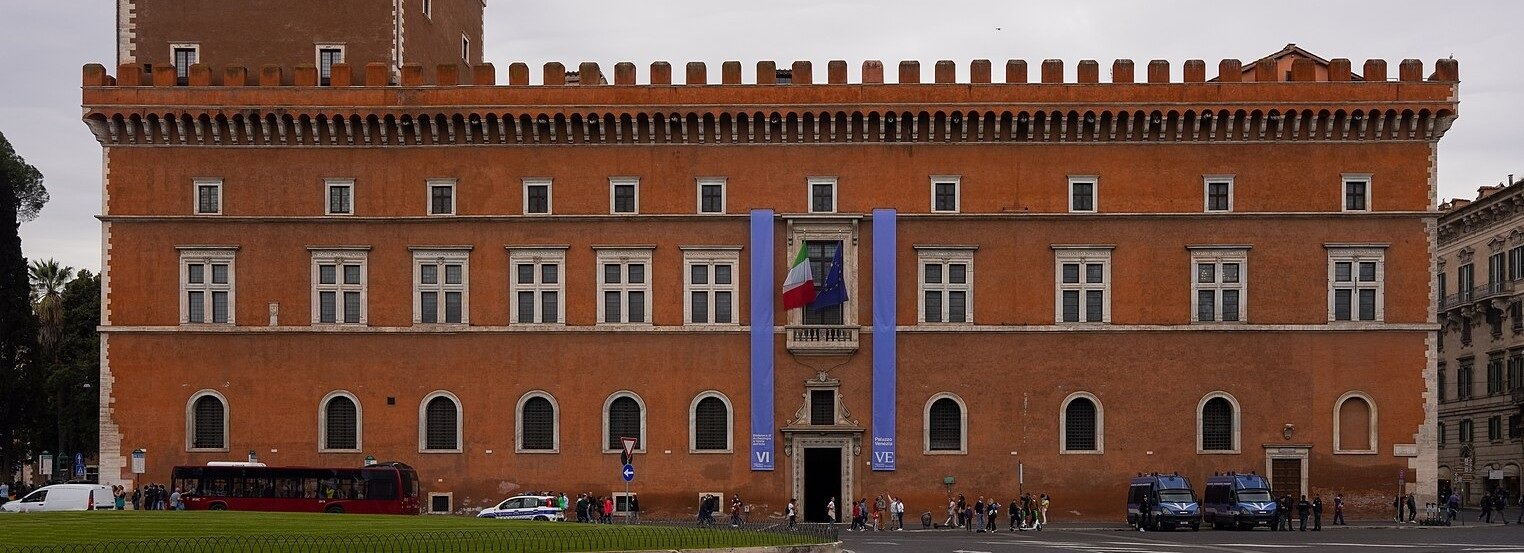
    The Palazzo Venezia is one of Rome’s historic gems, a Renaissance palace housing a museum rich in artworks, frescoes, and collections that tell centuries of history.

    See also


    Palazzo Venezia: Visiting Palazzo Venezia means discovering one of the most important historic residences in Rome, a Renaissance building that hosted popes, cardinals, and even Mussolini. Today, the palace houses a museum filled with artworks, frescoes, and collections that illustrate centuries of history.

    The Palazzo Venezia Museum: Inside, visitors can admire paintings, sculptures, furniture, and furnishings that document the aristocratic and religious life of the city. Among the most significant works are Renaissance frescoes, altarpieces, and ancient sculptures from various periods.

    The Historic Rooms: The palace rooms, including the Sala del Mappamondo and Sala del Concistoro, preserve original furniture and decorations. These spaces tell the political and cultural history of Rome and offer a suggestive journey through centuries of art and power.

    The Courtyard and Loggia: The inner courtyard and loggia provide typical Renaissance architectural views, perfect to appreciate the proportions and grandeur of the palace. These spaces also allow visitors to enjoy moments of relaxation during the tour.

    An Unmissable Experience: Visiting Palazzo Venezia is a unique opportunity to understand the history of Rome through the museum collections, historic rooms, and extraordinary architecture. Audioguides or guided tours allow visitors to explore the details and make the experience more engaging and memorable.


    Discover the most popular experiences at Palazzo Venezia to get up close to the history and beauty of this extraordinary palace in the heart of Rome:


    Visit duration: Exploring Palazzo Venezia typically takes around 2 hours. To fully appreciate the art collections, historic rooms, and frescoes, it is recommended to join a guided tour or use the audio guide available at the entrance.

    Opening hours, prices, and bookings: The palace is open daily with hours that vary depending on the season. Check the official Palazzo Venezia website for updated times and bookings. To avoid waiting, especially during peak periods, book online; see Selected Experiences.

    Available services: At the entrance there is an information point, restrooms, and a small bookshop. Nearby, you will find cafés and restaurants for breaks and light meals.

    Accessibility: The palace has elevators and accessible routes, although some historic rooms may have partially limited access. It is advisable to check available routes in advance.

    Temperature and clothing: The building maintains a stable internal temperature throughout the year. Comfortable clothing and shoes suitable for walking on stone or marble floors are recommended. In summer, bring a light jacket for cooler rooms.

    Recommended time slots: To avoid crowds and visit the collections at a relaxed pace, it is suggested to access in the early morning or late afternoon. Small-group guided tours provide a more in-depth experience.

    Photography: Photography is allowed without flash. The use of professional equipment or video recording requires a special authorization, obtainable at the entrance.


    Powered by GetYourGuide

    On foot: If you are staying near the historic center of Rome, you can easily reach Palazzo Venezia with a short walk from Piazza Venezia or from nearby main monuments, such as the Capitoline Hill or the Roman Forum.

    By metro: The nearest stations are Colosseo / Cavour (Lines B and C), from which you can walk 10-15 minutes to the palace. The Piazza Venezia stop on Line A is also within walking distance.

    By bus: Several urban lines stop at Piazza Venezia or nearby streets, connecting the palace with train stations, airports, and other areas of Rome. Check updated timetables and stops on the official ATAC Roma website.

    By car: If arriving by car, the closest parking lots are in Via del Teatro di Marcello, Largo Corrado Ricci, and Via dei Fori Imperiali. Remember that Rome’s historic center is subject to ZTL; check permits and times before entering.

    By taxi or private transfer: You can book a taxi or private transfer service from train stations, airports, or hotels directly to Palazzo Venezia, with travel times depending on traffic.


    How long does the visit to Palazzo Venezia take?

    The visit typically takes around 2 hours, depending on your interest in the collections and any temporary exhibitions.

    Is Palazzo Venezia accessible to visitors with reduced mobility?

    Yes, the palace has elevators and accessible paths, although some historic rooms may have minor limitations.

    Where can I find updated opening hours and ticket prices?

    Hours and rates may vary; check the official Palazzo Venezia website.

    📌 For more details on this FAQ group, see the section Useful info & tips.


    Are guided tours available?

    Yes, guided tours and audio guides are available to better understand the history of the palace, the artworks, and the museum collections.

    Are there combined tickets with other attractions?

    Yes, some combined tickets also include visits to nearby museums or palaces, such as the Basilica of San Marco or other historical sites in central Rome.

    📌 For more details on this FAQ group, see the section Selected experiences.


    What is the best way to reach Palazzo Venezia?

    You can walk if you are in the historic center, or use the metro, bus, taxi, or private transfers.

    Is using public transport recommended?

    Yes, the nearest metro station and urban bus lines make it easy to reach the palace without a car.

    📌 For more details on how to reach Palazzo Venezia, see the section How to get there.

  • Palazzo Barberini: Experiences and Useful Info

    Palazzo Barberini: Experiences and Useful Info

    Roma, Palazzo Barberini, ingresso

    Palazzo Barberini: Experiences and Useful Info

    Quick Guide and Tours


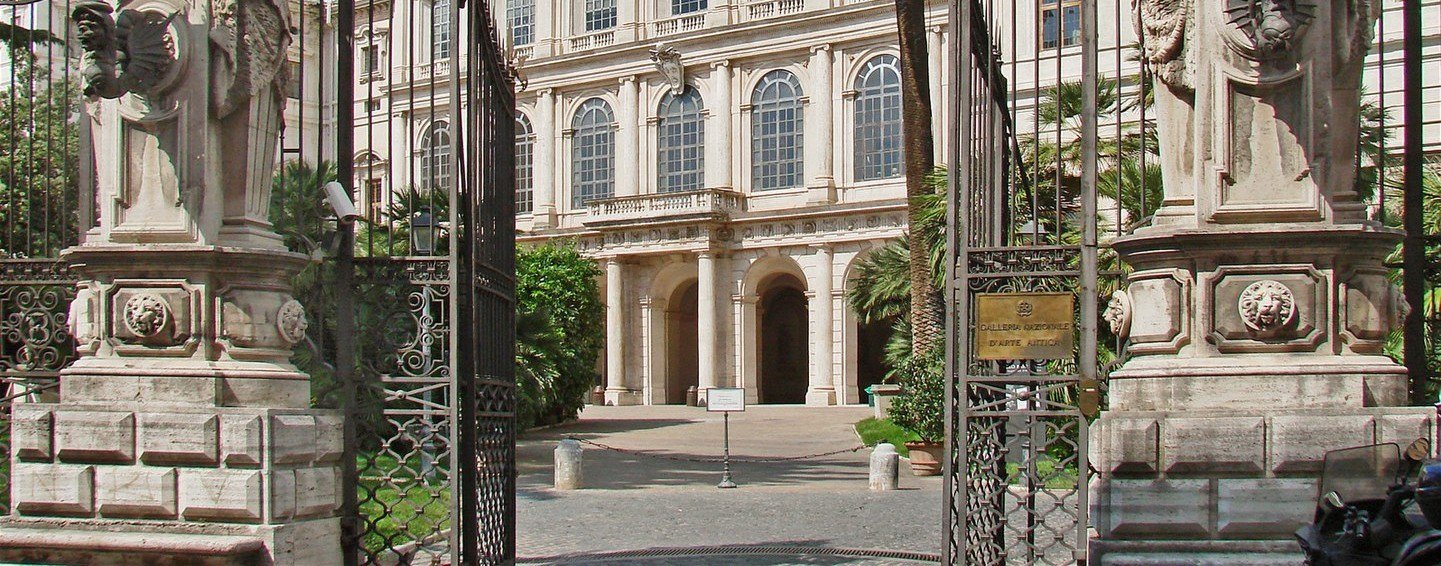
    Palazzo Barberini is one of the masterpieces of Baroque architecture in Rome and houses the prestigious National Gallery of Ancient Art.


    Palazzo Barberini: Visiting Palazzo Barberini allows you to explore one of the most important noble palaces in Rome, a symbol of Roman Baroque. The building, designed by architects such as Carlo Maderno, Gian Lorenzo Bernini, and Francesco Borromini, houses artistic masterpieces and historically significant rooms of great charm.

    The National Gallery of Ancient Art: At the heart of the palace, the gallery hosts one of the most prestigious painting collections in Italy. Among the most famous works are Holbein’s Portrait of Henry VIII, Caravaggio’s Judith and Holofernes, and masterpieces by Raphael, Titian, and El Greco.

    The Pietro da Cortona Hall: One of the most spectacular rooms of the palace is the large hall frescoed with the famous Triumph of Divine Providence. This extraordinary Baroque ceiling is one of the finest examples of illusionistic painting of the seventeenth century.

    The historic rooms and monumental staircases: During the visit, you can admire the representative rooms, elegant noble apartments, and the two famous staircases designed by Bernini and Borromini, unique examples of monumental Roman architecture.

    A complete cultural experience: Palazzo Barberini offers a rich and engaging itinerary, ideal for lovers of art, history, and architecture. A self-guided or guided visit allows visitors to fully appreciate the artistic and historical value of one of Rome’s most fascinating museums.


    Discover the selected experiences at Palazzo Barberini and Galleria Corsini for a complete cultural journey in the heart of Rome:


    Duration of the visit: Visiting Palazzo Barberini takes on average 1.5–2 hours. The time may increase if you want to linger over key artworks, such as masterpieces by Caravaggio, Raphael, and the famous fresco by Pietro da Cortona in the Central Hall.

    Opening hours, prices, and bookings: Palazzo Barberini is generally open from Tuesday to Sunday, with hours that may vary depending on the season and special events (always check the official website). Online advance booking is recommended, especially on weekends and during peak periods; see Selected Experiences.

    Available services: Inside the palace there is a ticket office, bookshop, and restrooms. Nearby, you will find bars, restaurants, and cafes, ideal for a break before or after your visit.

    Accessibility: Palazzo Barberini is largely accessible to visitors with reduced mobility thanks to ramps and elevators. Some historic rooms may have minor limitations; it is advisable to ask the staff at the entrance for details.

    Comfort and clothing: The museum is indoors and air-conditioned. Comfortable clothing and suitable shoes for walking are recommended, especially if you plan to visit multiple museums or attractions in the same day.

    Recommended time slots: For a more relaxed visit, early morning or early afternoon on weekdays is ideal. Visits with an audio guide or in small groups allow you to explore the artworks in greater depth without rushing.

    Photography: Photography for personal use without flash is allowed. The use of tripods, professional equipment, or video recording requires authorization from the museum management.


    Powered by GetYourGuide

    On foot: Palazzo Barberini is in the heart of Rome, close to Via Veneto, Piazza di Spagna, and the Trevi Fountain. From the historic center, it can be reached easily within 10–20 minutes on foot.

    Metro: The nearest station is Barberini – Fontana di Trevi (Line A), about 300 meters from the entrance. Alternatively, Spagna (Line A) is also convenient.

    Bus: Numerous ATAC lines stop at Piazza Barberini and along Via del Tritone, with direct connections from Termini, Trastevere, and Piazza Venezia.

    From Termini Station: About 10 minutes via Metro Line A (towards Battistini), getting off at Barberini. Alternatively, use taxi or urban buses.

    Car and parking: The area is subject to ZTL and street parking is limited. Private garages are available, especially around Via Veneto.

    Taxi and transfers: Taxis and private transfers (NCC) can take you directly to the entrance, a practical solution if coming from the airport or train station.

    Entrance: The main entrance is on Via delle Quattro Fontane, well signposted and easily recognizable.


    How long does a visit to Palazzo Barberini take?

    The visit usually takes 1.5–2 hours, depending on your interest in the collections and the time spent in the main rooms and monumental frescoes.

    Is a guided tour or audio guide recommended?

    Yes, an audio guide or guided tour helps you better understand the most important works and the history of the palace, making the experience more complete.

    Where can I find updated hours and prices?

    Hours and rates may vary throughout the year; it is recommended to check the official Palazzo Barberini website.

    📌 For further details on these aspects, see the section Useful info & tips.


    Are combination tickets with other attractions available?

    Yes, combination tickets are available that also include the Galleria Corsini, ideal for visiting both branches of the National Galleries of Ancient Art.

    Is it recommended to book in advance?

    Online booking is advised, especially on weekends and during peak periods, to avoid waiting at the entrance.

    📌 For available options, see the section Selected experiences.


    What is the best way to reach Palazzo Barberini?

    The most convenient way is by metro (Line A, Barberini stop), but the palace is also easily reachable on foot from the historic center.

    Is Palazzo Barberini accessible for people with reduced mobility?

    Yes, the museum has elevators and accessible paths, although some historic rooms may have slight limitations.

    📌 For all transport details, see the section How to get there.
  • Leonardo Museums in Rome: Tours, Tickets and Useful Info

    Leonardo Museums in Rome: Tours, Tickets and Useful Info

    Roma, Museo Leonardiano

    Leonardo Museums in Rome: Tours, Tickets and Useful Info

    Quick Guide and Experiences


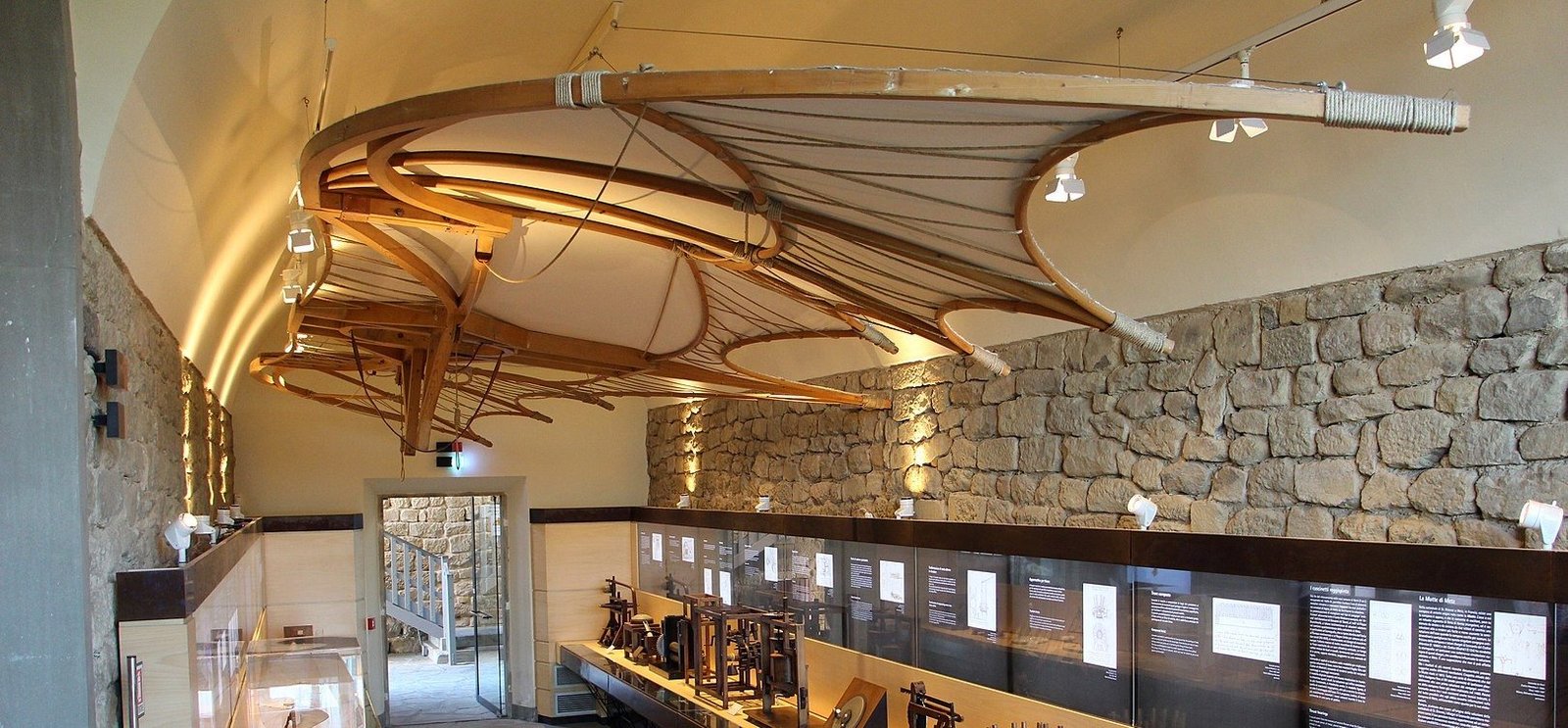
    The Leonardo da Vinci Museums in Rome offer a fascinating experience dedicated to the genius of Leonardo da Vinci, featuring models, machines, and works that showcase the ingenuity and creativity of this iconic figure.

    📌 Editorial note: Leonardo da Vinci is not historically linked to Rome compared to other Italian cities such as Florence or Milan. However, the high visitor interest and the presence of experiences dedicated to Leonardo museums with thousands of positive reviews prompted us to include this page.


    Machines and Inventions: The museums feature faithful reproductions of Leonardo’s inventions, including flying machines, hydraulic devices, and automatons. Each model is accompanied by detailed explanations of how it works and its historical context, offering a comprehensive insight into his engineering genius.

    Works and Drawings: In addition to the machines, the exhibitions include copies and reproductions of Leonardo’s famous drawings and codices, such as the Codex Atlanticus, highlighting his multidisciplinary approach to art, science, and technology.

    Interactive Experiences: Many museums offer interactive areas where visitors can experiment with scientific principles and mechanical systems inspired by Leonardo’s sketches. This makes the visit educational and engaging for both adults and children.

    An experience not to be missed: A guided tour or the use of audio guides enhances the visit, allowing visitors to better understand Leonardo da Vinci’s ideas and techniques, making the experience engaging, educational, and memorable.


    Powered by GetYourGuide

    Discover the most popular experiences at the Leonardo Museums in Rome, and get up close to the genius of Leonardo da Vinci and his incredible inventions:


    Powered by GetYourGuide

    📌 Editorial note: the Leonardo exhibitions in Rome are often managed by private organizations; therefore, opening hours, visiting methods, and services may vary depending on the chosen venue and the temporary exhibitions currently on display.

    Visit duration: exploring the Leonardo Museums in Rome takes on average 1–2 hours. To fully enjoy Leonardo da Vinci’s inventions and interactive models, it is recommended to join a guided tour or spend extra time on temporary exhibitions.

    Opening hours, prices and bookings: museums are open daily, with schedules varying depending on the season. Online advance booking is recommended, especially during peak periods. See Selected experiences.

    Available services: information desks, cloakrooms, and restrooms are available at the entrance. Bars and cafés for light refreshments can be found nearby.

    Accessibility: museums are largely accessible, with elevators and ramps for visitors with reduced mobility. Some temporary exhibitions spread over multiple floors may require alternative routes; it is advisable to ask at the entrance.

    Temperature and clothing: museum interiors are climate-controlled year-round. Comfortable clothing and suitable footwear for walking on wooden and stone floors are recommended. In summer, a light jacket may be useful for cooler areas.

    Recommended visiting times: to enjoy the museums at a relaxed pace and make full use of interactive areas, visiting early in the morning or late in the afternoon is advised. Small-group guided tours offer a more in-depth experience.


    📌 Editorial note: the Leonardo Museums in Rome are located in different areas of the historic center. Below you will find general directions to move easily between the main locations hosting these experiences.

    On foot: if you stay near central Rome or close to Piazza del Campidoglio, you can reach the Leonardo Museums with a short 5-10 minute walk, enjoying views of Piazza del Campidoglio and the surrounding historic streets.

    By metro: the nearest stop is Colosseo on Line B, from where you can take a bus or walk to the museums. The walk passes through historic streets of central Rome, allowing you to admire typical city views.

    By bus: several urban lines connect central Rome to Piazza del Campidoglio and the surrounding areas. Main stops are near Piazza Venezia and Via del Teatro di Marcello. For schedule information, see the official ATAC website.

    By car: Rome is easily accessible via the A90 and A24 ring roads. Paid parking is available near Piazza del Campidoglio, or you can use private garages nearby. To book a parking space, you can use platforms like ParkingMyCar.

    By taxi or private transfer: from Rome’s main airports (Fiumicino or Ciampino) you can book a taxi or private transfer directly to the museums. Average travel time is 30-40 minutes depending on traffic.

    Accessibility: the museums are accessible for visitors with reduced mobility, with ramps and elevators available to reach the main exhibition rooms. It is advisable to check at the entrance for any temporary exhibitions with limited access.


    How long does the visit to the Leonardo Museums take?

    The visit takes on average 1.5–2 hours, depending on the exhibitions visited and the time spent in the areas dedicated to Leonardo da Vinci.

    Are the Leonardo Museums accessible for visitors with reduced mobility?

    Yes, most rooms are accessible thanks to ramps and elevators. Some temporary exhibitions may have limited access; it is advisable to report any needs at the entrance.

    Where can I find updated opening hours and prices?

    Opening hours and fees may vary depending on the season and special events.

    📌 For more details on these questions, check the paragraph Useful info & tips.


    Are guided tours available?

    Yes, guided tours and themed visits are available, allowing an in-depth exploration of Leonardo da Vinci’s inventions and works. Suitable for families and couples.

    Can the Leonardo Museums be visited without a guide?

    Yes, you can visit the exhibitions independently using audio guides or information panels for a complete experience.

    How to avoid crowds during peak periods?

    It is recommended to book online in advance and visit the museums early in the morning or late afternoon.

    📌 For more details on these questions, check the paragraph Selected experiences.


    What is the best way to reach the Leonardo Museums?

    You can walk if you are in Rome’s historic center, or use the metro, bus, or taxi. The nearest metro stop is Colosseo (Line B), followed by a short walk or bus to Piazza del Campidoglio.

    📌 For more details on how to get there, check the paragraph How to get there.

  • Capitoline Museums: Tours, Tickets and Useful Info

    Capitoline Museums: Tours, Tickets and Useful Info

    Roma, Musei Capitolini, Palazzo Nuovo

    Capitoline Museums: Tours, Tickets and Useful Info

    Quick Guide and Experiences


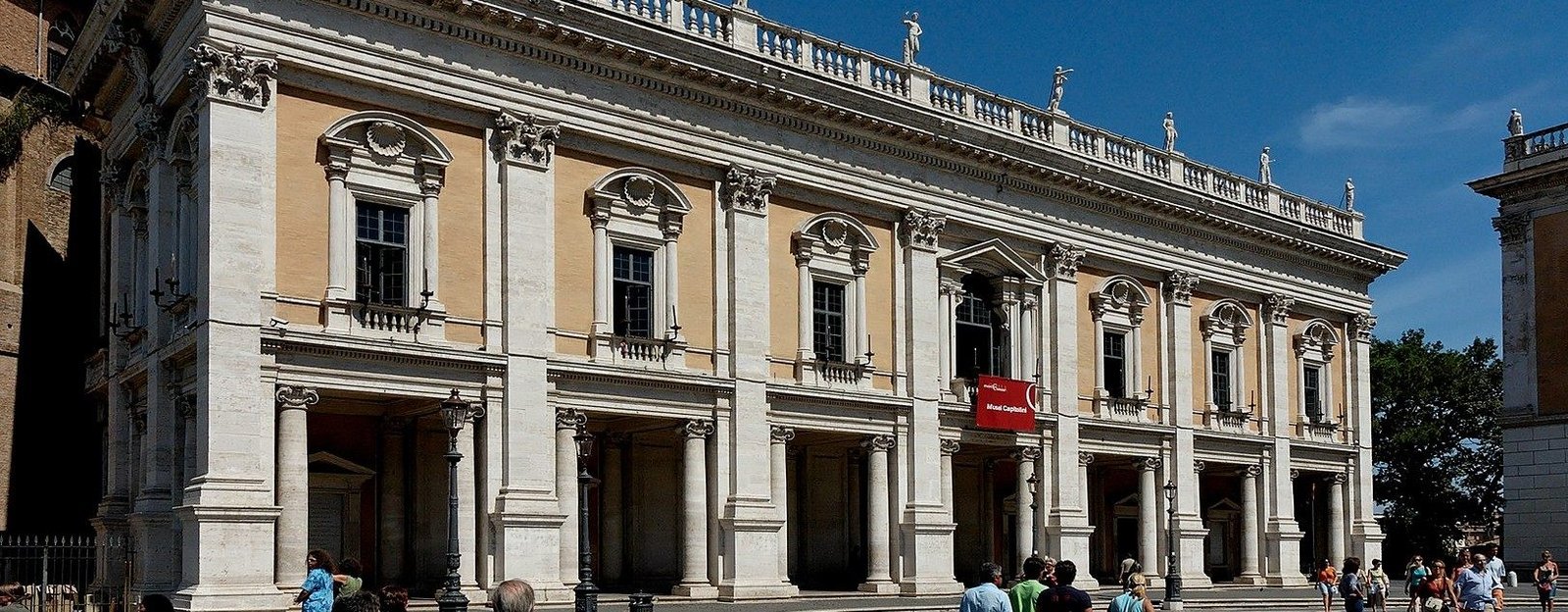
    The Capitoline Museums are one of the most important museum complexes in the world: an extraordinary journey through art, history, and the civilization of ancient Rome, hosted in the historic palaces of the Capitoline Hill.


    Capitoline Museums: Visiting the Capitoline Museums means taking a unique journey into Rome’s millennial history. Founded in 1471, they are considered the world’s oldest public museum and house masterpieces that tell the story of the city’s artistic and political evolution.

    The Palazzo dei Conservatori: This historic building houses some of the most famous works in the Capitoline Museums, including the Equestrian Statue of Marcus Aurelius and important Renaissance frescoes. The monumental rooms offer an extraordinary overview of ancient Rome’s grandeur.

    The Palazzo Nuovo: Mainly dedicated to classical sculpture, the Palazzo Nuovo preserves iconic masterpieces such as the Dying Gaul, the Discobolus, and the Capitoline Venus. A fascinating journey through perfectly preserved Greek and Roman art.

    The Capitoline Wolf: A universal symbol of Rome, the Capitoline Wolf is one of the museum’s most representative works. This famous sculpture depicts the legend of Rome’s founding and is a must-see during your visit.

    The Capitoline Art Gallery: In addition to sculptures, the Capitoline Museums host a rich collection of paintings by Caravaggio, Titian, Guercino, and other great masters. An ideal area for those who love Renaissance and Baroque arAn unmissable experience: Guided tours and audio guides allow visitors to delve into the history of the artworks and palaces, also enjoying splendid views of the Imperial Forums. Visiting the Capitoline Museums is a complete cultural experience, a must for anyone exploring Rome.


    Powered by GetYourGuide

    Discover the most loved experiences at the Capitoline Museums to get up close to the history, art, and iconic masterpieces of ancient Rome:


    Powered by GetYourGuide

    Duration of the visit: a visit to the Capitoline Museums typically takes 2-3 hours. The museum complex is very extensive and includes several sections; to fully appreciate the main collections and the most famous masterpieces, it is advisable to plan your visit calmly or opt for a guided tour.

    Opening hours, prices and bookings: the Capitoline Museums are open all year round, with hours that may vary depending on the season and public holidays (see official website). Online booking in advance is recommended, especially during peak periods. For skip-the-line tickets and guided tours, see the section Selected Experiences.

    Entrances and locations: the main entrance is in Piazza del Campidoglio, on the hill designed by Michelangelo. The museum route connects the Palazzo dei Conservatori and the Palazzo Nuovo through the scenic Underground Gallery.

    Available services: inside the museums you will find ticket offices, cloakrooms, restrooms, and a bookshop. There is also a cafeteria with a panoramic view of the city, ideal for a break during your visit.

    Accessibility: the Capitoline Museums are largely accessible to people with reduced mobility thanks to ramps and elevators. Some historical areas may have slight limitations; it is recommended to inquire at the ticket office about accessible routes.

    Recommended clothing: no specific dress code is required, but comfortable clothing and suitable walking shoes are suggested, considering the duration of the visit and the presence of historic floors.

    Recommended time slots: to visit the museums more peacefully, it is preferable to enter early in the morning or late in the afternoon. Weekdays are generally less crowded than weekends.

    Photography: photography for personal use without flash is allowed. The use of tripods, professional equipment, or video recording requires prior authorization.


    Powered by GetYourGuide

    On foot: the Capitoline Museums are located in the heart of Rome, in Piazza del Campidoglio. If you are staying in the historic center (Imperial Forums, Pantheon, Piazza Venezia, or Colosseum), you can reach them comfortably on foot with a scenic 10–20 minute walk.

    By metro: the nearest station is Colosseo (Line B). From there, walk about 10 minutes along Via dei Fori Imperiali to Piazza Venezia and then up to the Capitoline Hill. Alternatively, Circo Massimo (Line B) station provides a quieter access with a slightly longer walk.

    By bus: numerous urban lines connect Piazza Venezia and the Capitoline Hill with the rest of the city. The most convenient lines stop at Piazza Venezia, from where the museums are a few minutes’ walk. This is one of the most practical options if you are not using the metro.

    By tram: line Tram 8 connects Trastevere to Piazza Venezia. From the final stop, it’s about a 5-minute walk up to Piazza del Campidoglio.

    By car: access by car to the historic center is limited by the ZTL. It is recommended to park in external areas or paid parking near the main metro stations and continue by public transport. Parking directly at the Capitoline Hill is very limited.

    By taxi or private transfer: taxis and private transfer services can take you to the nearest allowed areas close to Piazza Venezia. From there, access to the Capitoline Museums is easy and quick on foot.

    Practical tip: to avoid traffic and restrictions, using public transport or visiting on foot is the best option. Combining the visit to the Capitoline Museums with Imperial Forums and Colosseum allows you to optimize time and travel.


    How long does a visit to the Capitoline Museums take?

    The visit typically takes 2–3 hours, depending on the collections you see and the time spent in the main rooms, such as the Picture Gallery, the Palazzo dei Conservatori, and the Palazzo Nuovo.

    Are the Capitoline Museums accessible to people with reduced mobility?

    Yes, the museums are largely accessible thanks to elevators, ramps, and dedicated routes. It is advisable to indicate any special needs at the entrance to receive assistance.

    Where can I find updated opening hours and prices?

    Hours and rates may vary depending on the season and events; check the official Capitoline Museums website for up-to-date information.

    📌 For further information on these questions, see the section Useful info & tips.


    Are guided tours available?

    Yes, guided tours and themed visits are available, allowing you to discover the masterpieces of the Capitoline collection and the history of the Capitoline Hill in depth.

    Is it possible to visit the Capitoline Museums without a guide?

    Yes, with a standard entrance ticket you can explore the museums on your own. Alternatively, audio guides are available for a more complete experience.

    📌 For more details on available experiences, see the section Selected experiences.


    What is the best way to reach the Capitoline Museums?

    The museums are located in Piazza del Campidoglio, easily reachable on foot from the historic center or by bus and metro (Colosseo – Line B).

    📌 For more details on how to get there, see the section How to get there.
  • Galleria Doria Pamphilj: Tours, Tickets and Useful Info

    Galleria Doria Pamphilj: Tours, Tickets and Useful Info

    Roma, Galleria Doria Pamphilj

    Galleria Doria Pamphilj: Tours, Tickets and Useful Info

    Quick Guide and Experiences


    The Doria Pamphilj Gallery, in the heart of Rome, houses one of the world’s most important private art collections, featuring masterpieces by Caravaggio, Raphael, and Titian. A journey through elegant rooms and extraordinary works to discover the history and prestige of this noble residence.


    Doria Pamphilj Gallery: Visiting the Doria Pamphilj Gallery means immersing yourself in a journey through art and history in one of Rome’s most important noble residences. Elegantly furnished rooms and preserved artworks tell centuries of history and the prestige of the Doria Pamphilj family.

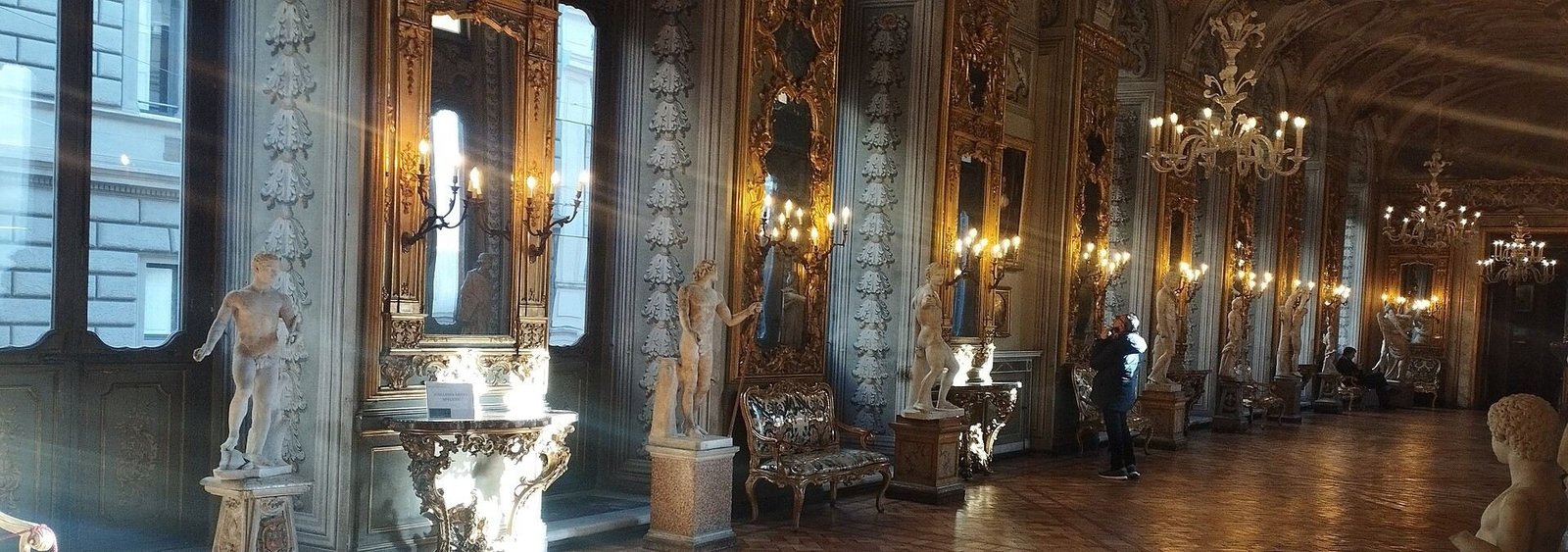
    Main rooms: Among the most significant rooms are the Venus Room, the Fasti Hall, and the Landscape Hall, each enriched with frescoes, stuccoes, and original furnishings that showcase the Baroque elegance of the palace.

    Artworks: The collection includes masterpieces by great masters such as Caravaggio, Raphael, and Titian. Paintings, portraits, sculptures, and decorations offer an artistic itinerary ranging from the Renaissance to the Baroque period.

    Noble spaces: In addition to artworks, the palace preserves halls, libraries, and private rooms that provide insight into aristocratic Roman life. The refined atmosphere makes the visit an immersive and fascinating experience.

    An unmissable experience: A guided tour or audio guide allows visitors to discover the history of the Doria Pamphilj family, artistic details, and anecdotes related to the works, turning the tour into an educational and unforgettable experience.


    Discover the most popular experiences in Rome to experience up close the art and history of the Doria Pamphilj Palace:


    Powered by GetYourGuide

    Visit duration: Exploring the Doria Pamphilj Gallery typically takes 1-2 hours. To fully appreciate the beauty of the artworks and the history of the palace, it is recommended to also spend time discovering the noble rooms and private collections.

    Opening hours, tickets and bookings: The gallery is open daily, with hours varying depending on the season (visit the official website). Online booking in advance is recommended, especially during peak periods; see Selected Experiences.

    Available services: There is an information point and restrooms at the entrance. Nearby, you will find cafés and snack points for quick breaks.

    Accessibility: Some rooms may have stairs and narrow spaces. Access is therefore partially limited for visitors with reduced mobility. It is recommended to inquire in advance at the entrance about accessible areas.

    Temperature and clothing: The gallery rooms have a stable climate. Comfortable clothing and suitable shoes for walking on marble or stone floors are recommended. In winter, a light jacket may be useful for areas exposed to outdoor air between rooms.

    Recommended time slots: To enjoy the visit calmly and avoid crowds, it is suggested to enter in the early morning or late afternoon. Small group guided tours offer a more intimate and in-depth experience.

    Photography: Photography without flash is allowed. The use of professional equipment or video recording requires special authorization requested at the entrance.


    On foot: If you are staying in the historic center of Rome or near Piazza Venezia, you can easily reach the Doria Pamphilj Gallery with a 5–10 minute walk, enjoying the view of the surrounding historic buildings.

    By metro: The nearest station is Barberini (Line A), about an 8-minute walk from the gallery. From the station, follow signs to Via del Corso and Piazza Venezia.

    By bus: Several lines connect the center of Rome to the main tourist spots. The most convenient stops to reach the gallery are at Piazza Venezia and Via del Corso.

    By car: The area is subject to ZTL restrictions. It is recommended to park in nearby garages or paid parking areas and continue on foot or by public transport. You can book a parking space online here.

    By taxi or private transfer: From any area in Rome, you can book a taxi or private transfer that takes you directly to the Doria Pamphilj Gallery. Average travel time is 10–20 minutes depending on traffic.

    Group access and tourist buses: Tourist buses can use dedicated parking areas near Piazza Venezia, from which it is possible to walk directly to the gallery.


    How long does the visit to the Doria Pamphilj Gallery take?

    The visit usually takes 1–1.5 hours, depending on the chosen route and whether you join a guided tour or use the audio guide.

    Is it accessible for people with reduced mobility?

    Yes, some main areas are accessible; ramps and dedicated routes allow visiting the principal rooms. Some rooms may have limited access, so it is recommended to check before your visit.

    Where can I find updated opening hours and prices?

    Hours and prices may vary; check the official Doria Pamphilj Gallery website.

    📌 For more details on this group of questions, see the section Useful info & tips.


    Are guided tours available?

    Yes, guided tours are available that explore the history of the Doria Pamphilj family, the artworks, and the palace’s monumental rooms, ideal for families and couples.

    Can I visit the gallery without a guide?

    Yes, with a standard ticket you can explore the gallery independently and at your own pace.

    📌 For more details on this group of questions, see the section Selected experiences.


    What is the best way to reach the Doria Pamphilj Gallery?

    The gallery is located in Rome’s historic center, near Piazza Venezia, and can be easily reached on foot, by bus, metro, or taxi.

    Can I go by car?

    The area is subject to ZTL restrictions; it is recommended to park in nearby garages and continue on foot or by public transport.

    📌 For more details, see the section How to get there.
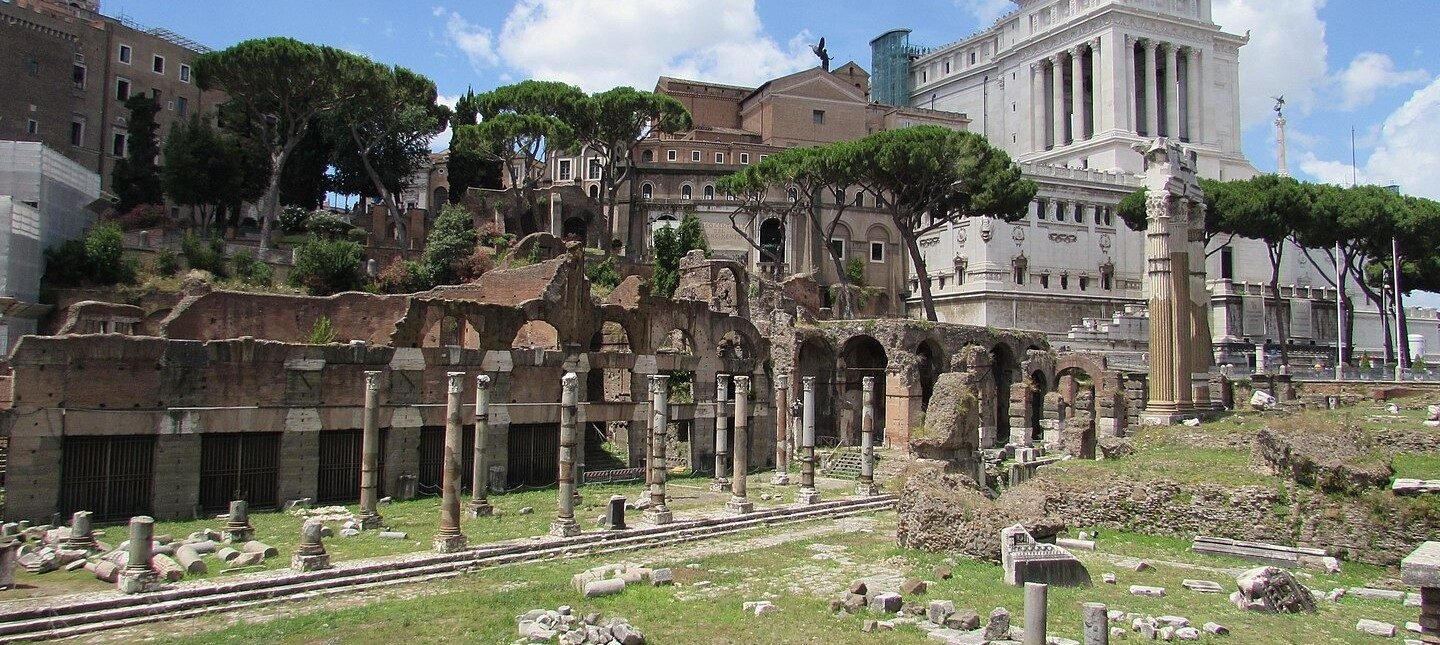
  • Galleria Colonna: Tours, Tickets and Useful Info

    Galleria Colonna: Tours, Tickets and Useful Info

    Roma, Galleria di Palazzo Colonna

    Galleria Colonna: Tours, Tickets and Useful Info

    Quick Guide and Experiences


    The Galleria Colonna is one of the most fascinating historic palaces in Rome: an extraordinary noble residence housing art masterpieces, monumental halls, and centuries of history of the powerful Colonna family.


    Galleria Colonna: Visiting the Galleria Colonna means entering one of the most spectacular noble palaces in Rome, still owned today by the historic Colonna family. This extraordinary complex houses sumptuous rooms, priceless art collections, and an atmosphere that tells centuries of power, culture, and aristocratic elegance.

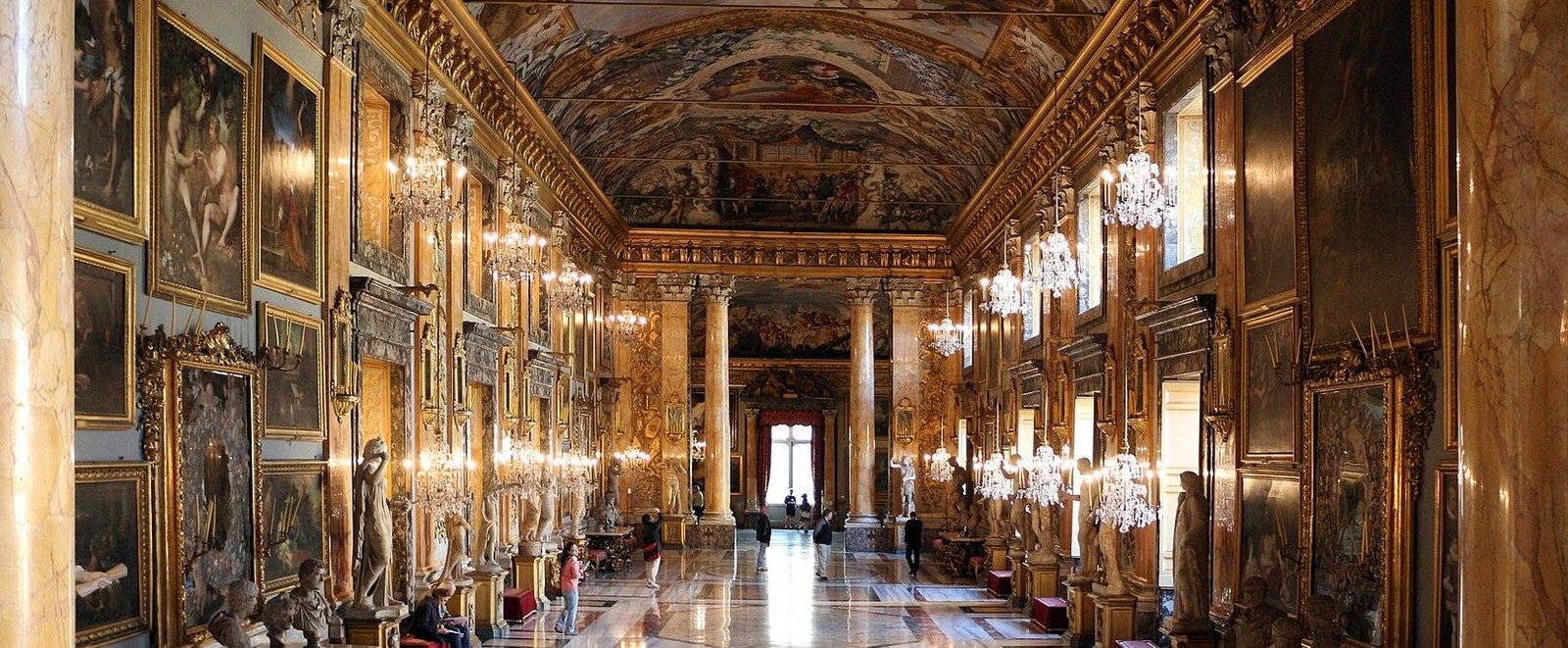
    The Grand Gallery: The heart of the palace, the Grand Gallery is a masterpiece of Roman Baroque. Its monumental spaces are adorned with frescoes, gilded stuccoes, mirrors, and marble floors, creating a unique scenic path celebrating the grandeur of the Colonna family.

    The art collection: The gallery houses one of Rome’s most important private collections, featuring works by masters such as Guido Reni, Guercino, Pinturicchio, Annibale Carracci, and Bronzino. Paintings, sculptures, and furnishings showcase the evolution of Italian art from the Renaissance to the Baroque.

    The historic rooms: Beyond the gallery, the visit includes numerous historic rooms and apartments, each with its own identity. Representative halls, private chambers, and ceremonial spaces reveal the daily life and prestige of Roman aristocracy.

    The Garden of Palazzo Colonna: Among the lesser-known but most enchanting attractions, the garden offers an elegant and secluded green space, ideal for a break during the visit. From here, you can also enjoy stunning perspectives on the palace and its monumental interiors.

    An unmissable experience: Visiting the Galleria Colonna is a refined and immersive experience. A guided tour or an audio guide allows you to fully appreciate the history, artworks, and architectural details, making the visit a true journey through Rome’s art and history.


    Discover the most popular experiences at Galleria Colonna to experience up close the elegance, art, and history of one of Rome’s most fascinating noble palaces:

    • Rome: Entrance Ticket to Palazzo Colonna – Visit one of the city’s most spectacular aristocratic palaces, exploring the famous Gallery, historic rooms, and art collections of the Colonna family. Top Reviews 🏆
    • Galleria Colonna: Entrance Ticket – Access the Galleria Colonna and discover frescoes, monumental halls, and masterpieces from the Renaissance and Baroque, with the freedom to explore the palace at your own pace.

    Visit duration: The visit to Galleria Colonna lasts on average 1 to 1.5 hours. The time may vary depending on personal interest and the presence of a guided tour.

    Hours, prices, and bookings: Galleria Colonna is open on specific days and hours, which may change throughout the year. Advanced booking is recommended, especially on weekends. For updated details, visit the official website or check the selected experiences.

    Security checks: Entry is regulated by very strict security controls. It is recommended to arrive at least 30 minutes before the time indicated on your ticket. Access is usually organized in time slots.

    Visiting rules: Respectful behavior is required inside the palace. Touching the artworks is not allowed. Large bags and backpacks may be subject to checks.

    Available services: Essential visitor services are available inside. Nearby, there are bars, restaurants, and cafés.

    Accessibility: Some areas have stairs and uneven floors. Access for visitors with reduced mobility may be partial. It is recommended to check in advance at the ticket office.

    Recommended attire: Comfortable and neat clothing is suggested. Low and stable shoes make it easier to walk through historic halls.

    Recommended time slots: The first opening hours are ideal for a quieter visit. Guided tours with limited numbers offer a more in-depth experience.

    Photography: Photography without flash is allowed. Flash, tripods, and professional equipment may require authorization.


    Powered by GetYourGuide

    On foot: Galleria Colonna is located in the historic center of Rome, a few steps from Piazza Venezia and Via del Corso. If you are staying nearby, it is easily reachable with a short walk.

    Public transport: The nearest metro stop is Colosseo (Line B), about 10–15 minutes on foot. Alternatively, you can get off at Barberini or Spagna (Line A) and continue on foot. Several bus lines stop at Piazza Venezia.

    By car and parking: The area is subject to ZTL (restricted traffic zone). It is recommended to park in paid facilities in nearby areas and continue on foot or by public transport.

    Taxi and transfers: Taxis and private transfers allow easy access to the vicinity of Piazza Venezia. The drop-off point may be a short walk from the entrance.

    Useful tip: Due to security checks and scheduled access times, it is advisable to arrive well in advance.


    How long does the visit to Galleria Colonna take?

    The visit to Galleria Colonna lasts on average about 1–1.5 hours, depending on the chosen route and the presence of a guided tour or audio guide.

    Is it necessary to arrive in advance of the ticket time?

    Yes, it is strongly recommended to arrive at least 30 minutes before the time indicated on your ticket, as entry is regulated by strict security checks and occurs in scheduled time slots.

    Where can I find updated hours and prices?

    Hours and rates may vary throughout the year; for official and updated information, visit the official Galleria Colonna website.

    📌 For more details on these aspects, consult the paragraph Useful info & tips.


    Are guided tours or accompanied visits available?

    Yes, guided tours are available to explore the history of the Colonna family, the artworks, and the monumental spaces of the palace.

    Can I visit the Galleria without a guide?

    Yes, you can also access it with a standard entrance ticket, ideal for those who wish to explore the Galleria independently and at their own pace.

    📌 To discover available options, consult the paragraph Selected experiences.


    What is the best way to reach Galleria Colonna?

    Galleria Colonna is located in the historic center of Rome, near Piazza Venezia, and is easily accessible on foot, by bus, or by taxi.

    Can I get there by car?

    The area is subject to ZTL; it is recommended to park in nearby areas and continue on foot or by public transport.

    📌 For more details, consult the paragraph How to get there.

  • Roman Forum and Mamertine Prison: Tours, Tickets and Useful Info

    Roman Forum and Mamertine Prison: Tours, Tickets and Useful Info

    Roma, Carcere Mamertino

    Roman Forum and Mamertine Prison: Tours, Tickets and Useful Info

    Quick Guide and Experiences


    The Roman Forum and the Mamertine Prison offer a journey through the history of Rome, from the political and commercial activities of the ancient city to the prison that held its most famous captives. An unmissable stop to discover the daily life, structures, and curiosities of ancient Rome.

    📌 The Roman Forum and the Mamertine Prison are part of the Colosseum Archaeological Park and require a separate ticket, even though they are included within the park’s areas.


    The Roman Forum: Heart of public life in Rome, the Forum was surrounded by temples, basilicas, and important buildings. Among the most significant are the Basilica Emilia, the Temple of Saturn, and the Temple of the Dioscuri, symbols of politics and religion in the ancient city.

    The Mamertine Prison: Located beneath the Capitoline Hill, the Mamertine Prison was known for hosting historical figures such as Vercingetorix and Jugurtha. The cells and corridors show detention techniques and provide a concrete picture of prisoners’ life in ancient Rome.

    Arts and Architecture: Walking among the Forum’s remains, you can admire columns, triumphal arches, and ancient pavements. These elements illustrate the grandeur of Roman architecture and the level of engineering achieved by the civilization.

    An unmissable experience: Visiting the Roman Forum and the Mamertine Prison allows a deeper understanding of the history, politics, and daily life of ancient Rome. Guided tours and audio guides provide detailed insights, making the visit educational, exciting, and unforgettable.


    Discover the most popular experiences in Rome to explore up close the history of the Roman Forum, the Palatine Hill, and the Mamertine Prison:


    Powered by GetYourGuide

    Duration of the visit: Exploring the Roman Forum and the Mamertine Prison takes on average 1-2 hours. The duration depends on your interest in historical and archaeological details, or if you join guided tours or use audio guides.

    Hours, prices, and reservations: Opening times and rates may vary throughout the year (see official website). It is recommended to always check official ticket sales channels and book online, especially during peak periods (see Selected Experiences).

    Available services: Information points, restrooms, and bars/cafes for light refreshments are available at the archaeological sites. Some sales points offer maps and paper guides for self-guided visits.

    Accessibility: Some areas of the Forum and Mamertine Prison have steps, uneven paths, and ancient pavements, making access partially limited for people with reduced mobility. It is recommended to inquire at the entrance about accessible zones and alternative routes.

    Temperature and clothing: The archaeological areas are mostly outdoors. Comfortable clothing and shoes suitable for walking on uneven surfaces are recommended. In summer, sun protection and water are useful; in winter, warm clothing is advised.

    Recommended visiting times: To enjoy a more relaxed experience, it is suggested to visit in the early morning or late afternoon. Small group guided tours provide detailed historical insights.

    Photography: Photos without flash are allowed. The use of professional equipment or video recording requires special authorization to be requested at the entrance.

    Practical tips: Check the signage and maps available at the entrance to navigate the various areas of the Forum and Palatine Hill.


    Powered by GetYourGuide

    On foot: If you are staying in Rome’s historic center, you can easily reach the Roman Forum and the Mamertine Prison with a short walk from the main squares or from the Colosseum, in about 5-10 minutes.

    By metro: Line B of the metro leads directly to the Colosseo station, just a few minutes’ walk from the Forum entrance. From there, marked pedestrian paths lead to the Mamertine Prison.

    By bus: Several urban lines connect Rome’s main stations with the Colosseum and Roman Forum area. The most convenient stops are on Via dei Fori Imperiali and Piazza del Colosseo. Check updated schedules on the official ATAC Roma website.

    By taxi or private transfer: You can book taxis or private transfers from anywhere in the city, ensuring comfort and direct access to the entrances of the Forum and Mamertine Prison.

    By car: Those arriving by car can use the nearby paid parking lots at the Forum and Colosseum, such as Parcheggio Colosseo or Parcheggio Via Labicana. It is recommended to book online in advance, especially during peak periods.

    Access with tourist buses: Tourist buses can stop in designated areas near the main entrances, with dedicated loading and unloading zones. From there, you can walk to the Forum and Mamertine Prison.


    Powered by GetYourGuide

    How long does it take to visit the Roman Forum and Mamertine Prison?

    The visit usually takes 1-2 hours on average, depending on the areas visited and whether guided tours or multimedia audioguides are used.

    Are the Roman Forum and Mamertine Prison accessible for people with reduced mobility?

    Yes, some main areas are accessible via ramps and adapted paths; some zones with ancient pavements may have limitations.

    Where can I find updated opening hours and prices?

    Hours and prices may vary; check the official ticket sales channels.

    Can I book tickets online?

    Yes, online booking is recommended to skip the line and guarantee entry during peak periods.

    📌 For more on these topics, see the Useful info & tips section.


    Are guided tours available?

    Yes, guided tours and audioguides covering the Roman Forum and Mamertine Prison are available, ideal for understanding history, architecture, and curiosities, suitable for families and archaeology enthusiasts.

    What multimedia experiences are available?

    Some visits include multimedia content illustrating daily life in ancient Rome and the history of the Mamertine Prison.

    📌 For more on these topics, see the Selected experiences section.


    What is the best way to reach the Roman Forum and Mamertine Prison?

    You can walk if you are in Rome’s historic center, or use the metro (Colosseo station, Line B), bus, tram, taxi, or private transfers.

    📌 For more details on how to get there, see the How to get there section.

  • Imperial Forum and Trajan’s Markets: Tours, Tickets and Useful Info

    Imperial Forum and Trajan’s Markets: Tours, Tickets and Useful Info

    Roma, Mercati di Traiano

    Imperial Forum and Trajan’s Markets: Tours, Tickets and Useful Info

    Quick Guide and Experiences


    Imperial Forums and Trajan’s Markets represent one of the most extraordinary archaeological complexes in Rome: a true journey into the heart of ancient Roman civilization, among monumental squares, temples, basilicas, and the first major shopping center in history, symbolizing the power and engineering of the Empire.


    Imperial Forums: Visiting the Imperial Forums means immersing yourself in the political, religious, and monumental heart of ancient Rome. This extraordinary archaeological complex gathers the grand squares commissioned by emperors, including the Forum of Caesar, the Forum of Augustus, the Forum of Nerva, and the Forum of Trajan, symbols of the power and greatness of the Roman Empire.

    Trajan’s Forum and Trajan’s Column: Considered the grandest of the Imperial Forums, Trajan’s Forum hosted a vast colonnaded square dominated by the famous Trajan’s Column, a masterpiece of Roman art that depicts, through sculpted bas-reliefs, the emperor’s military campaigns against the Dacians.

    Trajan’s Markets: Adjacent to the Forum, Trajan’s Markets represent an extraordinary example of multi-level Roman architecture and are often considered the first major covered shopping center in history. Here were shops, administrative offices, and public spaces perfectly integrated into the urban structure.

    Temples, Basilicas and Public Spaces: Along the area of the Imperial Forums, you can admire the remains of monumental temples, civil basilicas, and triumphal arches, which testify to the central role of this area in the political and religious life of ancient Rome. Each forum narrates a different phase of urban and imperial evolution.

    An experience not to be missed: Exploring the Imperial Forums and Trajan’s Markets means walking among the ruins of one of the most iconic sites in Western history. A guided tour or an audio guide allows a deeper understanding of the monuments and provides a cultural, engaging, and unforgettable experience in the heart of Rome.


    Discover the most popular experiences at the Imperial Forums and Trajan’s Markets to get up close with the history and grandeur of ancient Rome:


    Powered by GetYourGuide

    Visit duration: Exploring the Imperial Forums and Trajan’s Markets takes on average 1-2 hours. To fully understand the history, architecture, and role of this monumental complex, it is recommended to join a guided tour or use an audio guide.

    Opening hours, prices and bookings: Opening hours and rates may vary throughout the year. For updated and official information, it is recommended to consult authorized sales channels or the official site. Advance online booking is strongly recommended, especially during peak periods, see Selected Experiences.

    Available services: The area of the Imperial Forums and Trajan’s Markets offers information points, restrooms, and museum spaces. Nearby there are bars, restaurants, and rest areas.

    Accessibility: Some areas have uneven surfaces, steps, and slopes. Access is partially facilitated for people with reduced mobility, but it is recommended to check in advance for available accessible routes.

    Recommended attire: The visit takes place mostly outdoors. Comfortable clothing, shoes suitable for walking on uneven surfaces, and, during summer months, a hat and water are recommended. In cooler periods, a light jacket is advised.

    Recommended time slots: To visit the Imperial Forums more calmly and take photos without crowds, early morning or late afternoon is preferable. Small group guided tours ensure a more in-depth experience.

    Photography: Personal photography is allowed. The use of professional equipment or video recording may require specific authorization, especially in the museum areas of Trajan’s Markets.


    On foot: If you are staying in the center of Rome, you can easily reach the Imperial Forums and Trajan’s Markets with a short walk from Piazza Venezia or Via dei Fori Imperiali, enjoying the view of the surrounding monuments along the way.

    By metro: The Colosseo station (Line B) is the closest to the Imperial Forums. From the stop, a 10-minute walk leads to Trajan’s Forum and Markets, passing through the heart of ancient Rome.

    By bus: Several urban bus lines connect major points in Rome to the archaeological complex (e.g., lines 51, 75, 81, 87, 118, 170, 571). Main stops are along Via dei Fori Imperiali and Piazza Venezia. For updated schedules, visit the official ATAC website.

    By tram: Tram line 3 connects various central areas of Rome and stops near Piazza Venezia, from where you can continue on foot to the Imperial Forums and Trajan’s Markets.

    By car: The Imperial Forums are in a limited traffic zone (ZTL), so access by private car is restricted. It is advisable to park in nearby garages or parking lots, such as Colosseo Parking or Nazionale Parking, and continue on foot. You can check availability and book via Parkingmycar.

    By taxi or private transfer: From any area of Rome, it is possible to book taxis or private transfers directly to Piazza Venezia or to affiliated parking lots, with travel times varying according to traffic.

    Guided tours with pick-up: Many agencies offer guided tours that include hotel pick-up from central Rome, a convenient option for those wishing to avoid public transport and enjoy the visit with professional explanations.


    How long does the visit to the Imperial Forums and Trajan’s Markets take?

    The visit typically takes 1-2 hours, depending on the areas explored and whether you choose to use guided tours or multimedia audio guides.

    Are the Imperial Forums and Trajan’s Markets accessible for visitors with reduced mobility?

    Yes, some main areas are accessible via easy paths, ramps, and elevators in the museum sections. Some zones with ancient pavements may have limitations.

    Where can I find up-to-date opening hours and prices?

    Hours and fees may vary; check the official ticket sales channels.

    Can I book tickets online?

    Yes, booking online is recommended to skip the line and ensure entry during busy periods.

    📌 For more information on these questions, see the section Useful info & tips.


    Are guided tours available?

    Yes, guided tours and audio guides covering the Imperial Forums and Trajan’s Markets are available, ideal for understanding history, architecture, and curiosities, suitable for families and archaeology enthusiasts.

    What multimedia experiences are available?

    Some visits include videos and multimedia content illustrating daily life in ancient Rome, the construction of the forums, and the organization of the markets.

    📌 For more information on these questions, see the section Selected experiences.


    What is the best way to reach the Imperial Forums and Trajan’s Markets?

    You can walk if you are in the historic center of Rome, or use the metro (Colosseo station, Line B), bus, tram, taxi, or private transfer. The area also has parking facilities for visitors arriving by car.

    Are there pick-up options for tours?

    Yes, many guided tours offer pick-up from hotels in central Rome, ensuring convenience and direct access to the Imperial Forums and Trajan’s Markets.

    📌 For more details on how to reach the site, see the section How to get there.
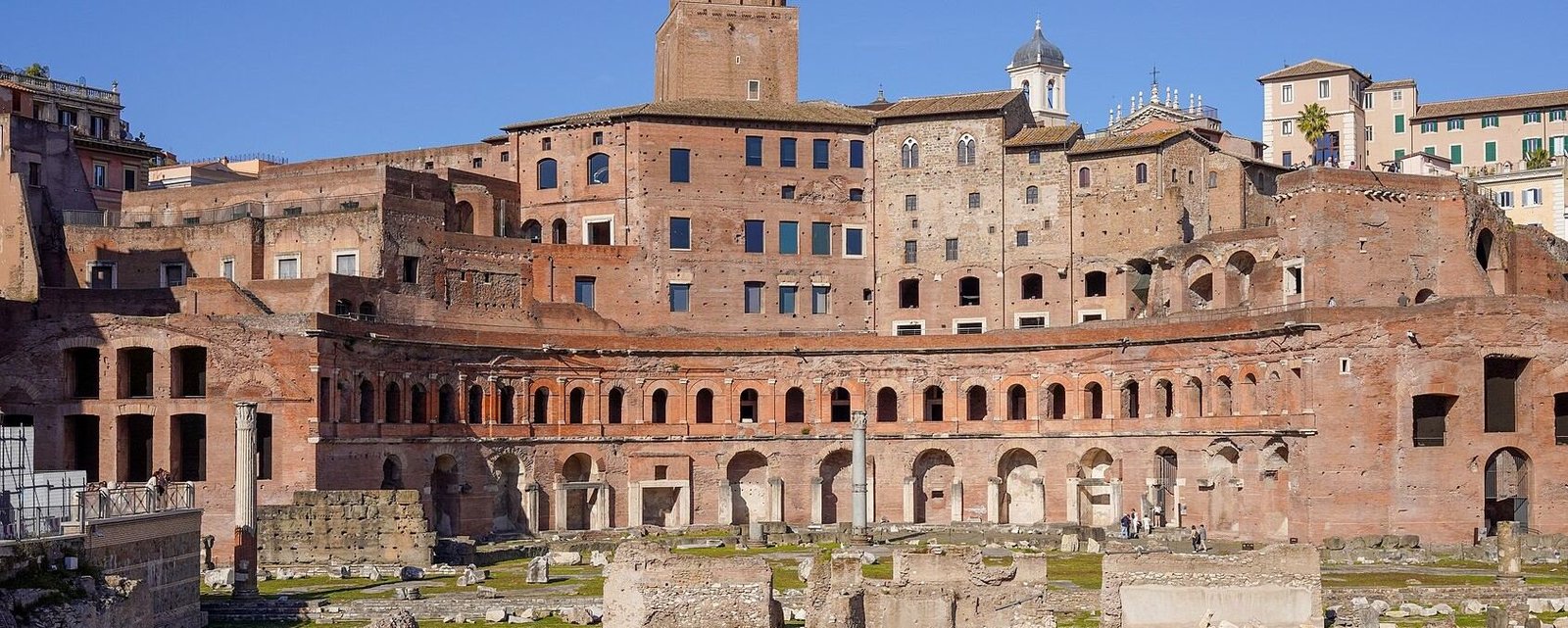
  • Cinecittà: Tours, Tickets and Useful Info

    Cinecittà: Tours, Tickets and Useful Info

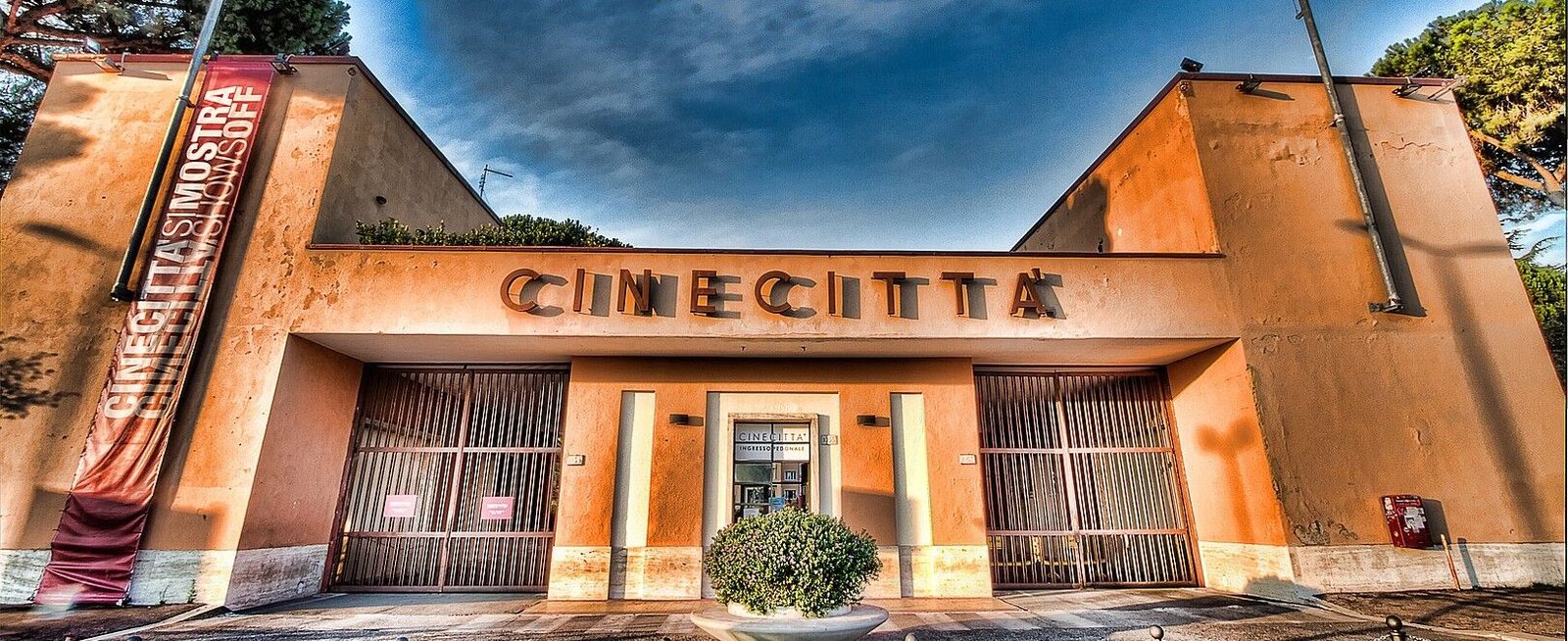
    Roma, Ingresso agli studi di Cinecittà

    Cinecittà: Tours, Tickets and Useful Info

    Quick Guide and Experiences


    Cinecittà is one of the symbols of Italian entertainment, a name that encompasses two different but complementary experiences: the historic Cinecittà Studios, the heart of Italian and international cinema, and Cinecittà World, the large theme park dedicated to cinema and fun for the whole family.


    Cinecittà Studios: Visiting Cinecittà Studios means entering the heart of Italian and international cinema history. The legendary film studios in Rome have hosted iconic productions, from major Hollywood blockbusters to famous Italian films, becoming a worldwide symbol of the seventh art.

    Cinecittà Si Mostra: The official exhibition path of the Cinecittà Studios allows you to discover film sets, original scenographies, costumes, and archival materials. An immersive experience that tells the behind-the-scenes of cinema, ideal for enthusiasts, families, and curious visitors of all ages.

    The sets and scenographies: During the visit, it is possible to explore settings used in historic and recent productions. The faithful reconstructions and arrangements allow you to understand how great cinematic works are created, offering a unique perspective on the work of directors, set designers, and technicians.

    Cinecittà World: Just a few kilometers from Rome, Cinecittà World represents the more playful and spectacular side of the Cinecittà brand. It is a large theme park dedicated to cinema and entertainment, with attractions, live shows, themed areas, and rides suitable for children, teens, and families.

    Attractions and shows: Cinecittà World offers roller coasters, cinematic simulations, stunt shows, themed sets, and areas dedicated to the little ones. The park is designed to enjoy a day full of fun, combining adrenaline, spectacular scenery, and entertainment inspired by the world of cinema.


    Discover the most popular experiences of the Cinecittà brand to enjoy emotions between historic sets and entertainment-themed attractions:

    • Cinecittà Si Mostra – The official tour inside Cinecittà Studios, allowing you to explore film sets, original scenery, costumes, and archive materials. An immersive experience in the heart of Italian and international cinema history.
    • Rome: Cinecittà World Entry Ticket – Access to the large theme park dedicated to cinema and entertainment, with thrilling rides, live shows, and themed areas for the whole family. Perfect for a full day of fun.
    • Cinecittà World – Entry ticket to fully experience the park, with rides, film sets, spectacular shows, and attractions for adults and children. Ideal for combining cinema and entertainment in one visit.

    Visit duration: Visiting Cinecittà – Rome Film Studios takes on average 1.5–2 hours, ideal to explore the sets, permanent exhibitions, and display areas of the Cinecittà Si Mostra tour. For Cinecittà World, the theme park, it is recommended to dedicate a full day to fully enjoy the attractions, shows, and themed areas.

    Opening hours, prices, and bookings: opening hours and prices vary depending on the chosen experience and season. For both, it is recommended to consult the official websites, Cinecittà Studios and Cinecittà World. Advance online booking is highly recommended, especially on weekends and during peak periods (see Selected experiences).

    Available services: both facilities offer reception services, ticket offices, refreshment areas, and restrooms. Cinecittà World has themed restaurants, snack points, and relaxation areas, while Cinecittà Studios has a dedicated cinema bookshop.

    Accessibility: Cinecittà Studios and Cinecittà World are largely accessible to people with reduced mobility, with dedicated routes and support services. It is recommended to check in advance for any temporary limitations or inaccessible areas.

    Recommended attire: comfortable clothing and walking shoes are advised, especially for Cinecittà World, where distances between attractions can be wide. In summer, sun protection is recommended, while in spring and autumn a light jacket may be useful.

    Recommended time slots: to visit Cinecittà Studios more peacefully, early morning hours or weekdays are ideal. Cinecittà World is generally less crowded on weekdays, while on weekends and holidays it is recommended to arrive at opening time.

    Photography and filming: during the Cinecittà Si Mostra visit, photography for personal use is generally allowed, except for specific restrictions on active sets or temporary exhibitions. For professional filming or video, a permit is required. At Cinecittà World, photography is free in park areas.


    On foot: The Cinecittà Studios are located in the south-east quadrant of Rome. If you are staying in the Quadraro, Don Bosco, or Cinecittà areas, you can reach the main entrance with a 10–20 minute walk, depending on your location.

    By metro: this is the most practical and recommended way to reach Cinecittà Studios. From Roma Termini station, take Metro A towards Anagnina and get off at Cinecittà station. From here, the studio entrance is about a 5-minute walk. The same line is also convenient for traveling to the historic center.

    By bus: several urban lines connect Cinecittà with different areas of Rome. The main lines are 502, 520, 559, and 654, with stops near the studios. Buses are a good alternative to the metro, especially in the evening.

    By car: Cinecittà is easily reachable from the Grande Raccordo Anulare (GRA), exit Tuscolana or Anagnina. Nearby there are on-street parking spaces (blue lines) and some private garages. On weekdays, it is advisable to arrive a little early to find a spot.

    By taxi or ride-sharing services: from Roma Termini or the historic center, the trip takes on average 25–35 minutes, depending on traffic. This is a convenient option, especially for those traveling with children or in small groups.

    How to get to Cinecittà World: the theme park Cinecittà World is located outside the center of Rome, in the Castel Romano area. It is recommended to reach it by car or with dedicated shuttles operating at certain times of the year. Alternatively, public transport can be used by combining metro and bus, with longer travel times.

    Tip: if you have limited time, visit Cinecittà Studios by metro and plan a separate day for Cinecittà World, organizing transport and schedules in advance.


    Powered by GetYourGuide

    How long does a visit to Cinecittà last?

    A visit to Cinecittà Studios lasts on average 2–3 hours, including permanent exhibitions, film sets, and themed paths. For Cinecittà World, it is recommended to plan a full day.

    Is Cinecittà suitable for children?

    Yes, both experiences are suitable for families. Cinecittà Studios offers educational routes and interactive exhibitions, while Cinecittà World is especially suitable for children and teenagers thanks to rides and shows.

    Are Cinecittà Studios accessible for people with disabilities?

    Yes, Cinecittà Studios provides accessible paths, ramps, and dedicated services. Some scenic areas may have minor limitations, but the visit is generally easy.

    Where can I find updated opening hours and ticket prices?

    Opening hours and ticket prices may vary throughout the year. For official and up-to-date information, visit the Cinecittà Studios website or the Cinecittà World website.

    📌 For more details, see the Info and Useful Tips section.


    Can tickets be purchased in advance?

    Yes, purchasing tickets online in advance is strongly recommended, especially on weekends and during peak periods, to avoid queues and secure entry.

    What is the difference between Cinecittà Studios and Cinecittà World?

    Cinecittà Studios is a historic complex dedicated to Italian and international cinema, with exhibitions and original film sets. Cinecittà World is a themed amusement park with rides, shows, and immersive areas.

    Are there guided tours or special experiences?

    Yes, guided tours, temporary exhibitions, and themed visits are available at Cinecittà Studios. Cinecittà World, on the other hand, offers live shows and seasonal events.

    📌 To learn more, see the Selected Experiences section.


    What is the best way to reach Cinecittà Studios?

    The easiest way is by Metro Line A (Cinecittà stop), followed by a short walk. Buses and taxis are also available.

    How do I get to Cinecittà World?

    Cinecittà World is located outside central Rome and is more conveniently reached by car or dedicated shuttle services. Travel times may vary depending on traffic.

    📌 For all transport options, see the How to Get There section.