Categoria: EN

  • Bioparco di Roma: Tours, Tickets and Useful Info

    Bioparco di Roma: Tours, Tickets and Useful Info

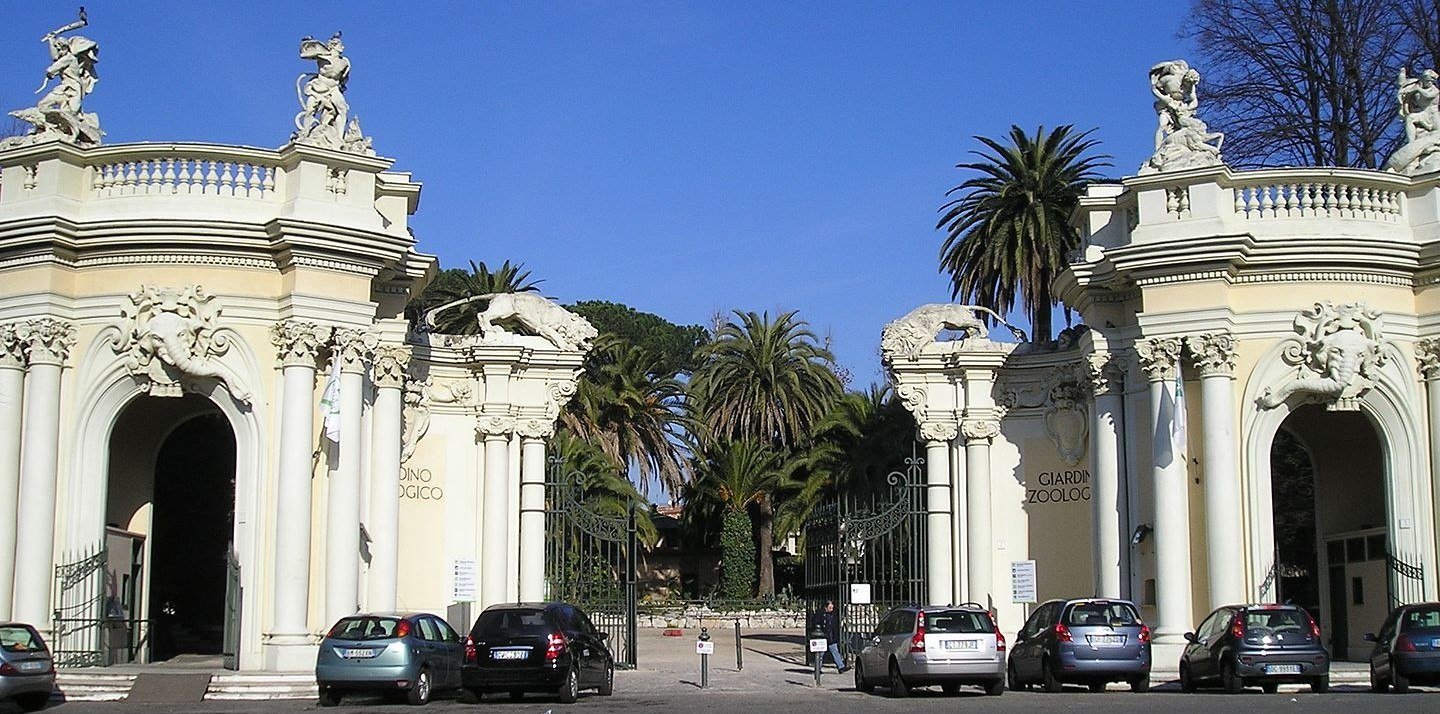
    Roma, Bioparco, ingresso

    Bioparco di Roma: Tours, Tickets and Useful Info

    Quick Guide and Experiences


    The Bioparco of Rome is one of Italy’s most important zoological parks and offers an immersive experience among natural habitats, educational paths, and interactive activities for both adults and children.


    Bioparco of Rome: Located within Villa Borghese, the Bioparco of Rome offers a fascinating journey into nature and biodiversity, featuring over 1,000 animals from all continents.

    Animals and habitats: The Bioparco hosts iconic species such as lions, tigers, elephants, giraffes, lemurs, and many others. Each area faithfully recreates the animals’ natural habitat, allowing visitors to observe their behavior up close in a safe and educational environment.

    Educational paths and activities: Visitors can take part in educational trails, workshops, and meetings with the park’s educators. These activities help raise awareness about animal life, species conservation, and environmental protection.

    Special attractions: Inside the Bioparco there are themed areas such as the primates enclosure, the water birds pond, and the farm animals zone, where children can safely interact with some species.

    An experience for the whole family: Visiting the Bioparco of Rome is both educational and fun. Between nature walks, animal observation, and interactive activities, the park offers unforgettable moments for families, schools, and wildlife enthusiasts.


    Discover the most popular experiences at the Bioparco of Rome and enjoy a day surrounded by nature, animals, and fun for all ages:


    Powered by GetYourGuide

    Visit duration: a visit to the Bioparco of Rome usually takes between 2 and 4 hours, depending on your pace and interest in the different areas of the park. For a complete and relaxed experience, especially with children, it is recommended to dedicate half a day.

    Opening hours, prices and bookings: the Bioparco is open every day, with opening hours varying according to the season (see the official website). Ticket prices may vary for adults, children, and families. To avoid queues at the entrance, online advance booking is recommended (see Selected experiences).

    Available services: inside the park you will find information points, restrooms, refreshment areas, cafés, and picnic zones. There are also playgrounds for children and souvenir shops.

    Accessibility: the Bioparco of Rome is largely accessible to people with reduced mobility and strollers. The main paths are flat, although some areas may have slight slopes. It is advisable to consult the map at the entrance to identify the easiest routes.

    Best time to visit: spring and autumn are the best seasons to visit the Bioparco thanks to mild temperatures. In summer, it is preferable to arrive early in the morning or in the late afternoon to avoid heat and crowds.

    Recommended clothing: comfortable clothing and walking shoes are recommended. In summer, bring a hat, sunscreen, and water, while in winter layered clothing is advisable.

    Photography: personal photography is allowed throughout the Bioparco. The use of drones, professional flashes, or advanced video equipment may require specific authorization.

    Tips for families: the Bioparco is especially suitable for children thanks to educational paths and interactive areas. Planning breaks and making use of shaded areas will make the experience more enjoyable.


    On foot: the Bioparco of Rome is located inside Villa Borghese and is easily reachable on foot from central areas such as Piazza del Popolo, Via Veneto, and Piazza di Spagna, with a walk of about 15–25 minutes through the park.

    By metro: the closest station is Flaminio (Line A). From here, continue on foot through Villa Borghese for about 20 minutes or use buses heading directly to the Bioparco.

    By bus: several urban lines connect the Bioparco with central Rome. The main lines are 3, 52, 53, 926, and 910, with stops near Piazzale del Giardino Zoologico and Viale del Giardino Zoologico. Buses provide a convenient and direct option.

    By tram: Tram 3 connects Trastevere and the historic center with the Villa Borghese area. The most convenient stop is Bioparco, located a short distance from the entrance.

    By car: the Bioparco can be reached by car, but access is subject to ZTL restrictions. Paid parking is available nearby along Viale del Giardino Zoologico, Piazzale del Brasile, and Villa Borghese. It is recommended to arrive early in the morning on holidays.

    By taxi or private transfer: taxis and ride-sharing services provide convenient access to the Bioparco from any area of Rome. This is a practical solution for families or groups, especially on weekends and during peak periods.


    Is the Bioparco of Rome suitable for children?

    Yes, the Bioparco is one of the most popular attractions for families. Educational paths, interactive areas, playgrounds, and activities designed for young children are available.

    How long does it take to visit the Bioparco?

    On average, the visit takes 2 to 4 hours. With children or when participating in educational activities, it is recommended to dedicate half a day.

    Is the Bioparco accessible for strollers and people with disabilities?

    Yes, most paths are accessible to strollers and wheelchairs. Some areas may have slight slopes, but the visit remains comfortable.

    Can I bring food and drinks from outside?

    Yes, food and drinks are allowed. Inside the Bioparco, bars, refreshment points, and picnic areas are also available.

    📌 For more details, see the section Info and Useful Tips.


    Is it possible to purchase tickets in advance?

    Yes, it is strongly recommended to buy tickets online in advance, especially on weekends and during peak periods.

    Is it worth booking the Fast Track ticket?

    Yes, the Fast Track ticket allows you to skip the entrance lines and is especially useful on holidays and during the high season.

    📌 For more details, see the section Selected Experiences.


    Can I take photos of the animals?

    Yes, photography for personal use is allowed. The use of flash, drones, or professional equipment requires authorization.

    Is the Bioparco open in case of rain?

    Yes, the Bioparco generally remains open even in case of rain, except under particularly severe weather conditions.

  • Basilica di Santa Maria Maggiore: Experiences and Useful Info

    Basilica di Santa Maria Maggiore: Experiences and Useful Info

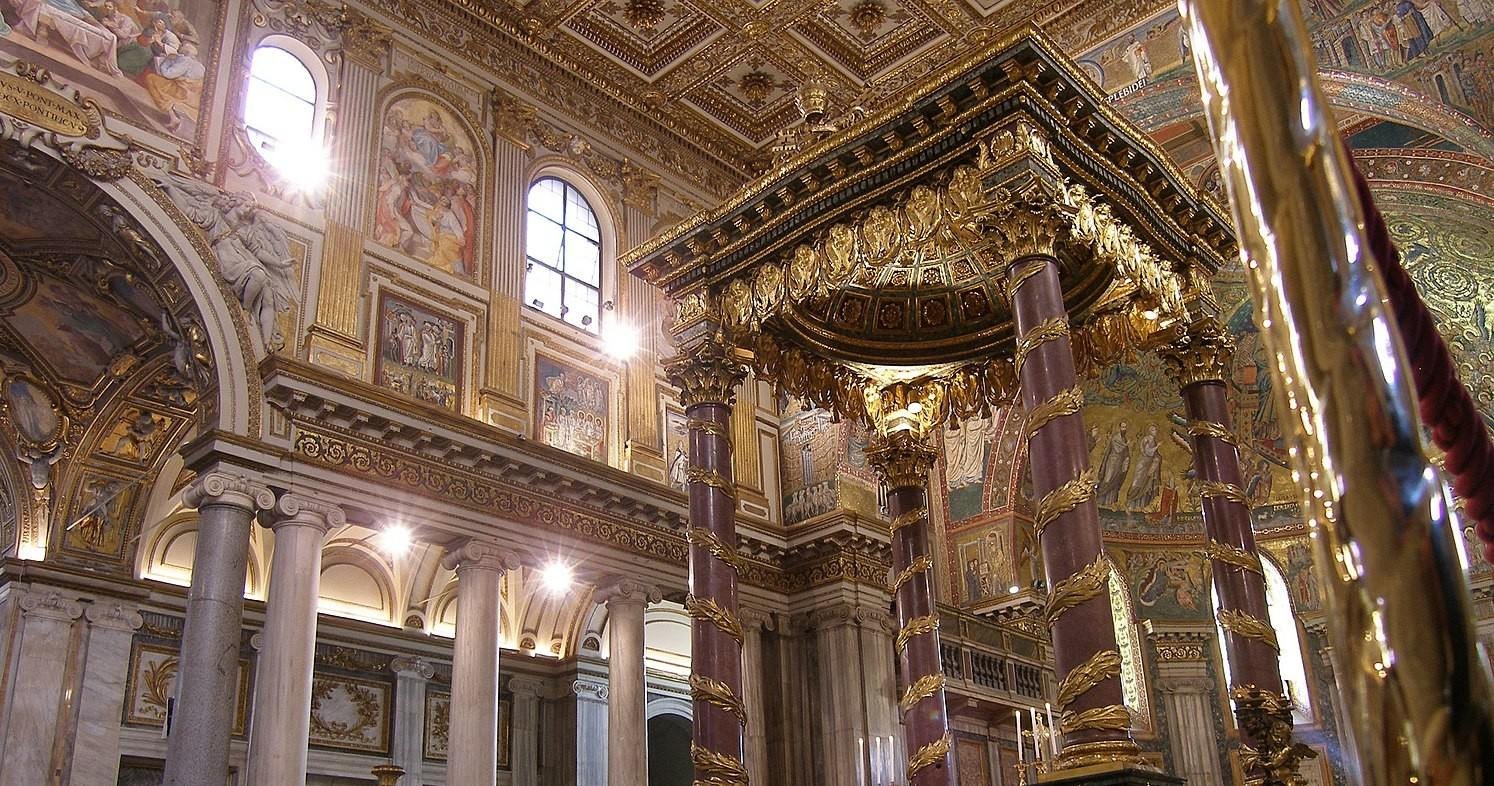
    Roma, Basilica di Santa Maria Maggiore, altare

    Basilica di Santa Maria Maggiore: Experiences and Useful Info

    Quick Guide and Tours


    The Basilica of Santa Maria Maggiore is one of the most important and fascinating churches in Rome: a masterpiece of sacred art and architecture, housing early Christian mosaics, Renaissance works, and centuries of history.


    Basilica of Santa Maria Maggiore: Visiting the Basilica of Santa Maria Maggiore means discovering one of the four papal basilicas of Rome, an extraordinary place where art, faith, and history have intertwined for over sixteen centuries. Founded in the 5th century, the basilica has preserved its early Christian layout, offering a unique experience in the Roman landscape.

    The early Christian mosaics: One of the basilica’s most precious treasures is the 5th-century mosaics decorating the central nave and triumphal arch. These works depict episodes from the Old and New Testament and represent one of the best-preserved early Christian mosaic cycles in the world.

    The Sistine Chapel and the Pauline Chapel: Inside the basilica are two chapels of great artistic and spiritual value. The Sistine Chapel (not to be confused with the Vatican’s) houses the tombs of popes, while the Pauline Chapel preserves the icon of the Salus Populi Romani, one of the most venerated Marian images in Rome.

    The golden ceiling and relics: The magnificent coffered ceiling, traditionally gilded with gold from the Americas, is one of the most striking features of the basilica. Beneath the main altar lie the relics of the Holy Crib, connected to the Nativity tradition.

    The bell tower and the Loggia of Blessings: The Romanesque bell tower, the tallest in Rome, dominates the square in front of the basilica. The Loggia of Blessings, overlooking the façade, adds further grandeur to one of the city’s most iconic religious complexes.

    An unmissable cultural and spiritual experience: Visiting the Basilica of Santa Maria Maggiore is perfect both independently and with a guided tour, allowing you to fully appreciate the artistic, symbolic, and historical details of this unique place. An engaging experience for anyone wishing to discover the most authentic and monumental Rome.


    Powered by GetYourGuide

    Discover the selected experiences at the Basilica of Santa Maria Maggiore to explore one of Rome’s most important papal basilicas:


    Powered by GetYourGuide

    Visit duration: Visiting the Basilica of Santa Maria Maggiore typically takes 45 minutes to 1 hour. Joining a guided tour or including access to the upper areas and monumental chapels can extend the visit up to 1.5 hours.

    Opening hours, prices, and bookings: The basilica is generally open daily, though hours may vary during religious celebrations or holidays. Entry to the basilica is free, while certain areas and guided tours may be ticketed. For updated information, consult the official website or book in advance via the selected experiences.

    Available services: Inside and near the basilica, you’ll find information points, a bookshop, and restrooms. The surrounding area offers numerous bars, restaurants, and cafés, ideal for a break before or after your visit.

    Accessibility: The basilica is largely accessible to visitors with reduced mobility. However, some upper or underground areas may have limitations. It’s recommended to check accessible routes in advance.

    Recommended attire: As a place of worship, modest clothing is required. Shoulders and knees should be covered. Comfortable shoes are recommended, especially if you plan to visit annexed areas.

    Recommended time slots: For a calmer visit, it’s preferable to access the basilica early in the morning or early afternoon, avoiding major liturgical celebrations.

    Photography: Photography without flash is allowed for personal use. Restrictions may apply during religious services. Professional equipment or video recording requires special authorization.

    📌 Extra tip: Combine your visit to the Basilica of Santa Maria Maggiore with an itinerary that includes the other papal basilicas of Rome for a complete experience of sacred art, history, and spirituality (see selected experiences).


    Powered by GetYourGuide

    On foot: The Basilica of Santa Maria Maggiore is located in the heart of Rome and is easily reachable on foot from many central areas. It is about 5 minutes from Piazza Vittorio Emanuele II, 10 minutes from the Colosseum, and 15 minutes from the Trevi Fountain, making it ideal for inclusion in a walking itinerary.

    By metro: The most convenient way to reach the basilica is by subway. The closest stops are Vittorio Emanuele (Line A) and Cavour (Line B), both about 7–10 minutes on foot. Alternatively, Termini station (Lines A and B) is less than 10 minutes away.

    By bus: Numerous urban bus lines stop nearby, especially along Via Merulana and Piazza dell’Esquilino. The most frequently used lines connect the basilica with the historic center, Trastevere, and the Vatican area.

    By train: If you are arriving from outside Rome, Termini Station is the main reference point. From the station, you can reach the basilica on foot in about 10 minutes or use the metro and urban buses.

    By car: Driving is possible but less recommended due to the central location and restricted traffic zones (ZTL). Paid parking and private garages are available nearby, especially in the Via Merulana and Piazza Vittorio areas.

    By taxi or private transfer: Taxis and transfer services are easily available throughout the city and are a convenient option, especially if traveling with luggage or in small groups. Travel time varies depending on urban traffic.

    📌 Practical tip: The best way to reach and visit the Basilica of Santa Maria Maggiore is by combining the metro with walking, avoiding traffic and ZTL restrictions, and enjoying a stroll through some of Rome’s most charming historic neighborhoods.


    Powered by GetYourGuide

    How long does a visit to the Basilica of Santa Maria Maggiore take?

    A visit typically takes 45 minutes to 1 hour. With a guided tour or access to the upper areas, the duration can extend to about 1 hour and 30 minutes.

    Is the Basilica of Santa Maria Maggiore accessible for people with reduced mobility?

    Yes, the basilica is largely accessible thanks to barrier-free entrances and dedicated pathways. Some upper areas may have limitations.

    Where can I find updated hours and information?

    Hours may vary due to religious celebrations and events; it is recommended to check the official website or on-site information.

    📌 For more details on these questions, see the section Info and Useful Tips.


    Are guided tours available?

    Yes, guided tours are available that explore the history of the basilica, its early Christian mosaics, monumental chapels, and relics.

    Can I visit areas that are normally restricted?

    Yes, some experiences include access to upper areas and spaces normally closed to the public, with panoramic views and detailed explanations.

    📌 To discover the available options, see the section Selected Experiences.


    What is the best way to reach the Basilica of Santa Maria Maggiore?

    The basilica is easily reachable on foot from the historic center or by metro (Line A, Vittorio Emanuele or Termini stations), bus, or taxi.

    📌 For all details on connections and recommended transport, see the section How to Get There.

  • Basilica di San Clemente: Tours, Tickets and Useful Info

    Basilica di San Clemente: Tours, Tickets and Useful Info

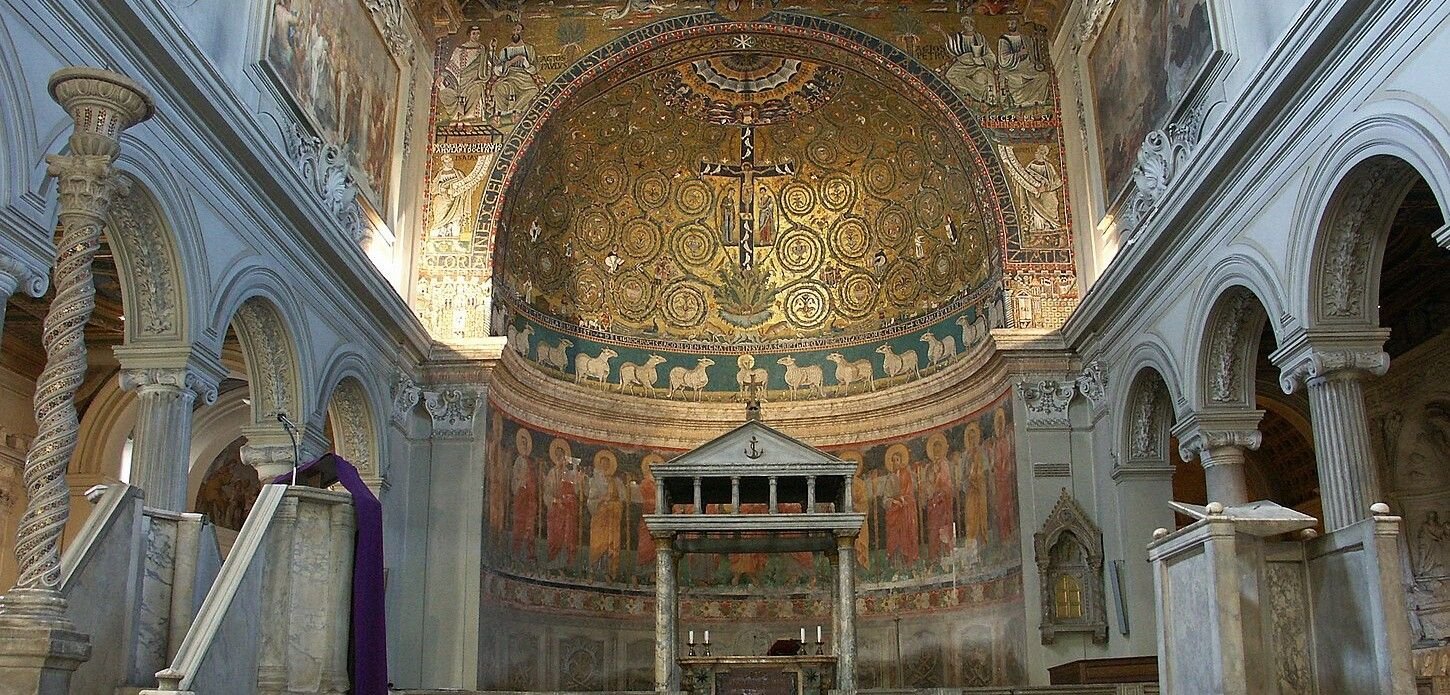
    Roma, Basilica di San Clemente, abside

    Basilica di San Clemente: Tours, Tickets and Useful Info

    Quick Guide and Experiences


    The Basilica of San Clemente in Rome is a hidden treasure that tells centuries of history: an extraordinary building layered across different eras, where art, archaeology, and spirituality meet in a unique journey through time.


    Basilica of San Clemente: Visiting the Basilica of San Clemente means embarking on a unique journey through over two thousand years of Roman history. This extraordinary archaeological and religious complex unfolds over multiple overlapping levels, offering one of the most fascinating cultural experiences in Rome.

    The Upper Basilica: The current medieval basilica, dating back to the 12th century, impresses with its elegance and harmony. Inside, the magnificent , the choir schola cantorum, and frescoes depicting episodes from the life of Saint Clement stand out, representing refined examples of Romanesque Roman art.

    The Lower Basilica: Descending a level, you reach the 4th-century paleochristian basilica, a suggestive and silent environment decorated with some of the oldest medieval frescoes in Rome. Here, inscriptions and scenes can be observed that testify to the transition from Latin to the vernacular.

    The Roman Mithraeum: At the lowest level of the complex is an ancient Mithraeum, a place of worship dedicated to the god Mithras, dating back to the imperial era. This underground space, with its central altar and side benches, offers a fascinating insight into the mystery cults of ancient Rome.

    Roman structures and historical layering: Beyond the Mithraeum, even older Roman environments are visible, including residential buildings and urban structures. The layering of the Basilica of San Clemente represents one of the clearest examples of historical continuity in the city of Rome.

    An unmissable cultural experience: Visiting the Basilica of San Clemente is ideal with a guided tour or an audio guide, to fully understand the historical, artistic, and symbolic value of this unique place. An engaging experience, perfect for those wishing to discover the lesser-known but deeply authentic side of Rome.


    Powered by GetYourGuide

    Discover the selected experiences at the Basilica of San Clemente to explore one of Rome’s most fascinating and layered sites, combining medieval art, Roman archaeology, and ancient cults:


    Powered by GetYourGuide

    Duration of the visit: Visiting the Basilica of San Clemente usually takes about 1 to 1.5 hours. The time may vary depending on personal interest and the choice to explore all underground levels, from the medieval basilica down to the oldest Roman structures.

    Opening hours, prices, and reservations: The basilica is generally open daily, with hours that may vary depending on the season and religious celebrations. Access to the upper basilica is free, while visiting the underground levels requires a ticket. For up-to-date information on hours and tickets, it is recommended to check the official website or consult the Selected Experiences section for guided tours.

    Available services: Inside the complex, there is a small information point and a bookstore. Nearby the basilica, you can find bars, restaurants, and cafés, ideal for a break before or after your visit.

    Accessibility: The upper basilica is easily accessible, while the underground levels have stairs and uneven floors. Access may be difficult for people with reduced mobility; it is recommended to inquire in advance with the staff at the entrance.

    Temperature and clothing: The underground levels of the Basilica of San Clemente maintain a cool and constant temperature throughout the year. Comfortable shoes and a light jacket are recommended, especially during the summer months.

    Recommended time slots: To visit the basilica more peacefully, it is preferable to arrive early in the morning or early afternoon. Small group guided tours allow a deeper understanding of the history and complex layering of the site.

    Photography: Photography without flash is generally allowed inside the basilica and underground levels. The use of tripods or professional equipment may require specific authorization.


    Powered by GetYourGuide

    On foot: The Basilica of San Clemente is centrally located, just a few minutes from the Colosseum. If you are staying in the historic center or the Celio district, you can easily reach it on foot with a 5–15 minute walk, passing through some of Rome’s most picturesque areas.

    By metro: The simplest and fastest way. Take the Line B of the metro and get off at the Colosseo stop. From there, the basilica is about a 7–10 minute walk along Via di San Giovanni in Laterano.

    By bus: Numerous urban lines connect the Colosseum and San Giovanni areas with the rest of the city. The closest stops are along Via Labicana and Via di San Giovanni in Laterano. The bus is a good option if you are coming from neighborhoods not directly served by the metro.

    By car: Reaching the Basilica of San Clemente by car is possible, but traffic and Limited Traffic Zones (ZTL) make this option less recommended. Paid street parking and private garages are available nearby, especially in the Celio and San Giovanni areas.

    By taxi or private transfer: Taxis and private transfer services are a convenient solution, especially when traveling with children or in a group. The basilica is easily recognized by taxi drivers and well connected to all the main areas of Rome.


    How long does it take to visit the Basilica of San Clemente?

    The visit usually takes about 1 to 1.5 hours. The time may increase if you explore all underground levels at a relaxed pace, from the medieval basilica down to the Roman Mithraeum.

    Is the Basilica of San Clemente accessible for people with reduced mobility?

    The upper basilica is easily accessible, while the underground levels have stairs and uneven floors that may make access difficult.

    Where can I find updated hours and ticket prices?

    Hours and ticket costs may vary throughout the year; for official information, it is recommended to consult the official website of the Basilica of San Clemente.

    📌 For more details, see the section Practical Info and Tips.


    Is it possible to visit the Basilica of San Clemente with a guide?

    Yes, guided tours are available that allow a thorough understanding of the complex historical layering of the site, including the underground levels and the Mithraeum.

    Is it recommended to book the underground tour in advance?

    Booking in advance is recommended, especially during peak periods, to avoid waiting and ensure access to the underground levels.

    📌 Discover the available options in the section Selected Experiences.


    What is the best way to reach the Basilica of San Clemente?

    The most convenient solution is the metro Line B (Colosseo stop), followed by a short walk. Alternatively, the basilica is easily reachable on foot from the historic center.

    📌 For all transport options, see the section How to Get There.

  • Altare della Patria: Experiences and Useful Info

    Altare della Patria: Experiences and Useful Info

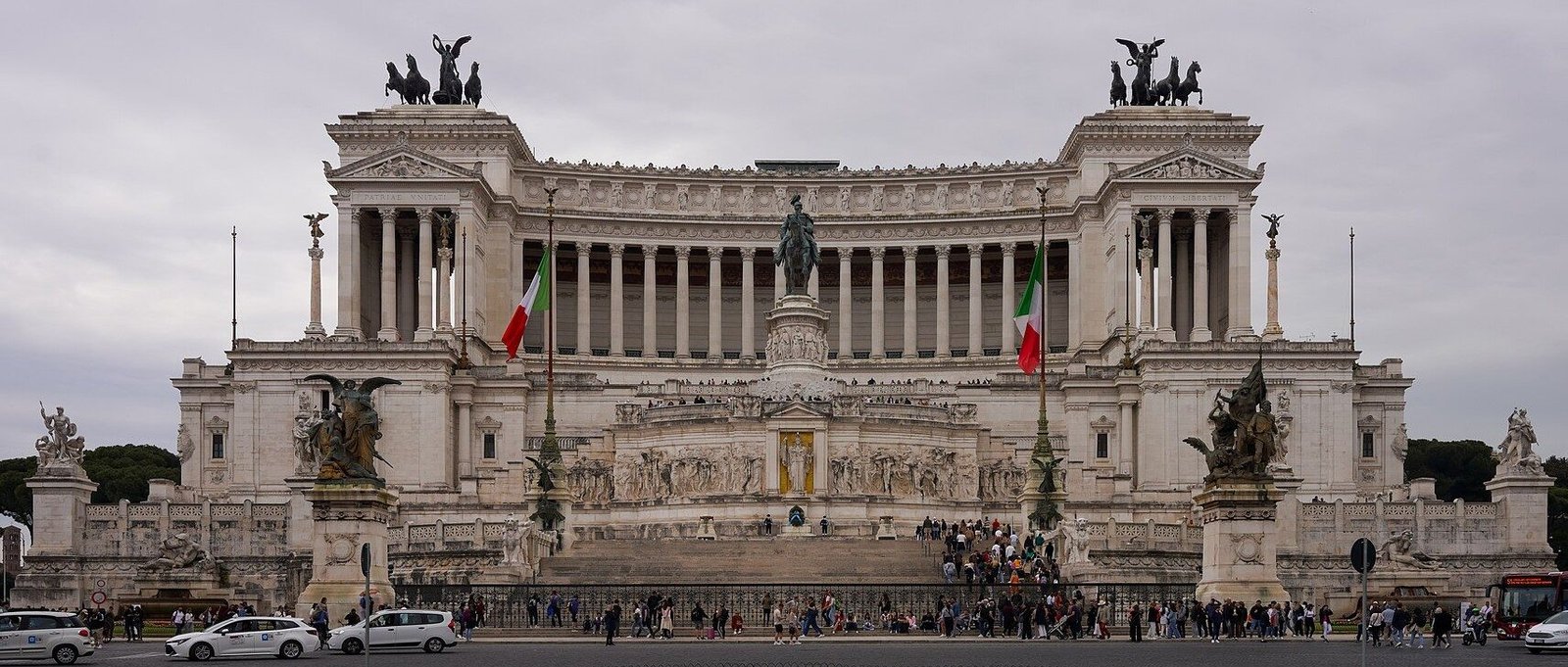
    Roma, Altare della Patria, Vittoriano

    Altare della Patria: Experiences and Useful Info

    Quick Guide and Tours


    The Altare della Patria, also known as the Vittoriano, is one of Rome’s most iconic landmarks: a majestic monument dedicated to Victor Emmanuel II that dominates Piazza Venezia and tells the story of a unified Italy.


    Altare della Patria (Vittoriano): Located in Piazza Venezia, the Altare della Patria is one of the most representative monuments of Rome and unified Italy. Built in honor of Victor Emmanuel II, it impresses visitors with its monumental scale, white marble façade, and panoramic position overlooking the historic center.

    The Monument to the Unknown Soldier: The symbolic heart of the Vittoriano, it houses the Tomb of the Unknown Soldier, permanently guarded by an honor guard. This area is a place of remembrance and reflection, dedicated to those who fell during World War I and, more broadly, to all Italian soldiers.

    The Panoramic Terraces: One of the most popular experiences is reaching the Vittoriano’s terraces, which offer breathtaking views of Rome: from the Colosseum to the Imperial Forums, from the Capitoline Hill to the rooftops of the historic center. The terraces are perfect for photos and relaxing moments.

    Museums and exhibition spaces: Inside the complex are several cultural venues, including the Central Museum of the Risorgimento and areas dedicated to temporary exhibitions. These spaces allow visitors to explore the history of Italian unification and the historical context of the monument.

    Architecture and artistic details: The Vittoriano is characterized by monumental stairways, colonnades, allegorical statues, and symbolic bas-reliefs. Every architectural element celebrates values such as unity, freedom, and national identity, making the visit engaging from an artistic perspective as well.

    An experience in the heart of Rome: Visiting the Altare della Patria means combining history, culture, and unique panoramas. It is an ideal stop both for an independent visit and as part of a broader itinerary through Rome’s most famous landmarks.


    Powered by GetYourGuide

    Discover the selected experiences at the Vittoriano and the Altare della Patria, perfect for admiring Rome from above and exploring the history of one of its most iconic monuments:


    Powered by GetYourGuide

    Visit duration: visiting the Altare della Patria and the Vittoriano Complex takes on average between 1 and 2 hours. The duration depends on the areas visited (panoramic terrace, museum, temporary exhibitions) and whether you choose to use the glass panoramic elevator.

    Opening hours, prices and reservations: the Vittoriano is generally open every day, with hours that may vary depending on the season and official events (see the official website). Access to the monument is free, while some areas (panoramic elevator, museum, exhibitions) require a ticket. To avoid waiting times, especially during peak periods, online advance booking is recommended (see Selected experiences).

    Security checks: access to indoor areas and the panoramic terrace requires a security check similar to airport controls. It is advisable to arrive a few minutes early, especially on weekends and public holidays.

    Available services: information points, restrooms and a bookshop are available inside the complex. Around Piazza Venezia there are many bars, restaurants and cafés, ideal for a break before or after the visit.

    Accessibility: the Vittoriano is largely accessible to visitors with reduced mobility thanks to ramps, elevators and dedicated routes. The glass panoramic elevator allows barrier-free access to the upper terrace.

    Panoramic views and weather: from the terrace of the Altare della Patria you can enjoy one of the best views over Rome, overlooking the Colosseum, Roman Forum and Capitoline Hill. In case of strong winds or adverse weather conditions, access to the terrace may be temporarily restricted.

    Recommended clothing: comfortable clothing and suitable walking shoes are recommended. During summer months, it is advisable to bring water and sun protection, while in cooler seasons a light jacket may be useful on the panoramic terrace.

    Best times to visit: to fully enjoy the visit and take photos with ideal lighting, it is recommended to go up to the terrace early in the morning or late in the afternoon, especially at sunset.

    Photography: photography for personal use is allowed. The use of professional equipment or video recording may require specific authorization, to be requested on site.


    Powered by GetYourGuide

    On foot: the Altare della Patria is located in Piazza Venezia, in the heart of Rome’s historic center. If you are staying near the Colosseum, Roman Forum, Capitoline Hill or the city center, you can easily reach it on foot in 5–15 minutes.

    By metro: the closest metro stations are Colosseo (Line B) and Spagna (Line A). From both stations, it is a pleasant 10–15 minute walk to Piazza Venezia.

    By train: from Roma Termini Station, the city’s main railway hub, you can reach the Altare della Patria by taking city buses heading to Piazza Venezia or by metro (Lines A or B) followed by a short walk. You can book your train online with Trainline.

    By bus: Piazza Venezia is one of Rome’s main public transport hubs. Numerous bus lines (including 40, 44, 60, 64, 70, 87, 170) stop directly in the square or nearby, connecting the area with Termini Station, the Vatican, Trastevere and other central districts.

    By car: access to Rome’s historic center is subject to ZTL (Limited Traffic Zones). It is recommended to park in paid parking areas nearby (Via del Tritone, Villa Borghese, Lungotevere) and continue on foot or by public transport.

    By taxi or private transfer: taxis and private transfer services allow you to reach Piazza Venezia comfortably from any area of Rome or from Fiumicino and Ciampino airports. Travel times vary depending on traffic, but generally range from 30 to 45 minutes from the airports.

    By hop-on hop-off tourist bus: many panoramic sightseeing bus routes include a stop at Piazza Venezia, making the Altare della Patria an ideal stop on a city sightseeing itinerary.


    How long does a visit to the Altare della Patria take?

    A visit usually takes 1–2 hours, depending on the areas explored and whether you take the panoramic elevator.

    Is the Altare della Patria accessible for people with reduced mobility?

    Yes, there are ramps, elevators, and dedicated paths, including panoramic terraces accessible by glass elevator.

    Where can I find updated opening hours and ticket prices?

    Opening hours and prices may vary; see the official website.

    📌 For more details on these questions, see the Useful info & tips section.


    Are guided tours available?

    Yes, guided tours include the panoramic terrace and museum, suitable for families and couples.

    How can I avoid queues for the panoramic elevator?

    It is recommended to book online in advance to skip the line and get priority access.

    📌 For more details on these questions, see the Selected experiences section.


    What is the best way to reach the Altare della Patria?

    You can walk if you are in the historic center or use the metro, bus, or taxi.

    📌 For more details on how to get there, see the How to get there section.

  • Crypts and Catacombs of Rome: Tours and Useful Info

    Crypts and Catacombs of Rome: Tours and Useful Info

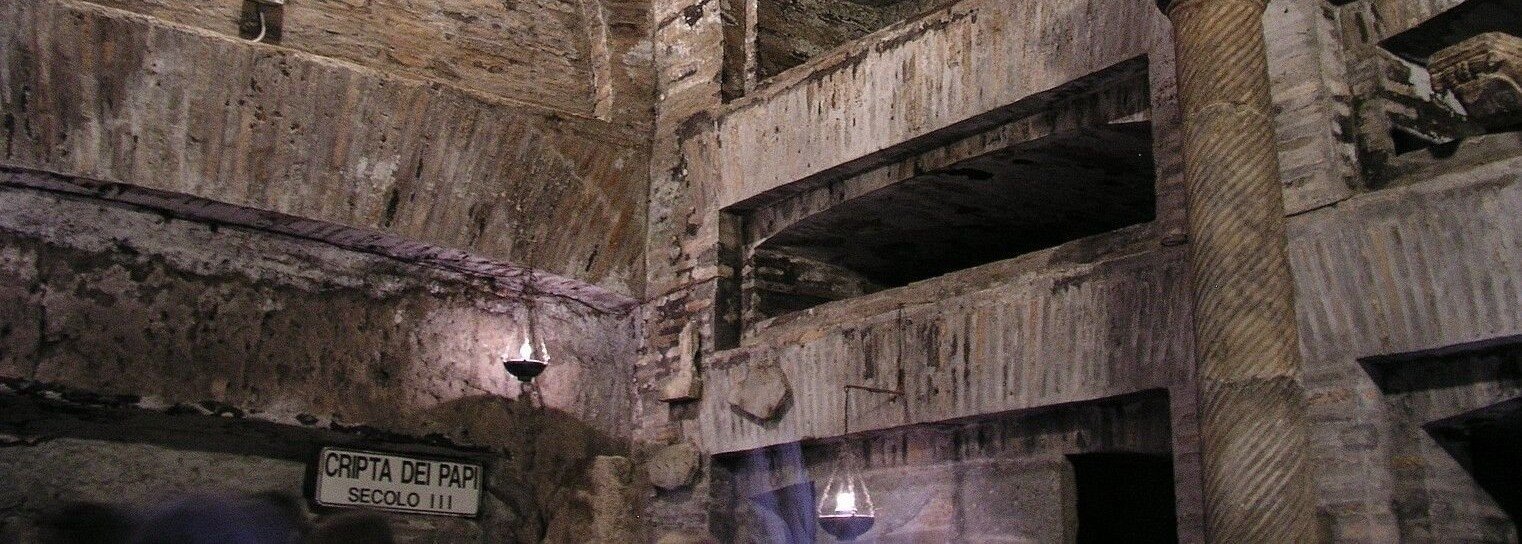
    La Cripta dei Papi nella catacomba di San Callisto fu destinata a contenere i resti di alcuni dei primi papi della Chiesa

    Crypts and Catacombs of Rome: Tours and Useful Info

    Quick Guide and Experiences


    The crypts and catacombs of Rome offer a unique journey through history, art, and spirituality: ancient underground cemeteries and Christian places of worship that tell the story of life, faith, and traditions from the earliest centuries of the Eternal City.

    See also


    Crypts and Catacombs of Rome: Visiting the crypts and catacombs of Rome means embarking on a journey to discover underground sites rich in history, spirituality, and early Christian funerary art.

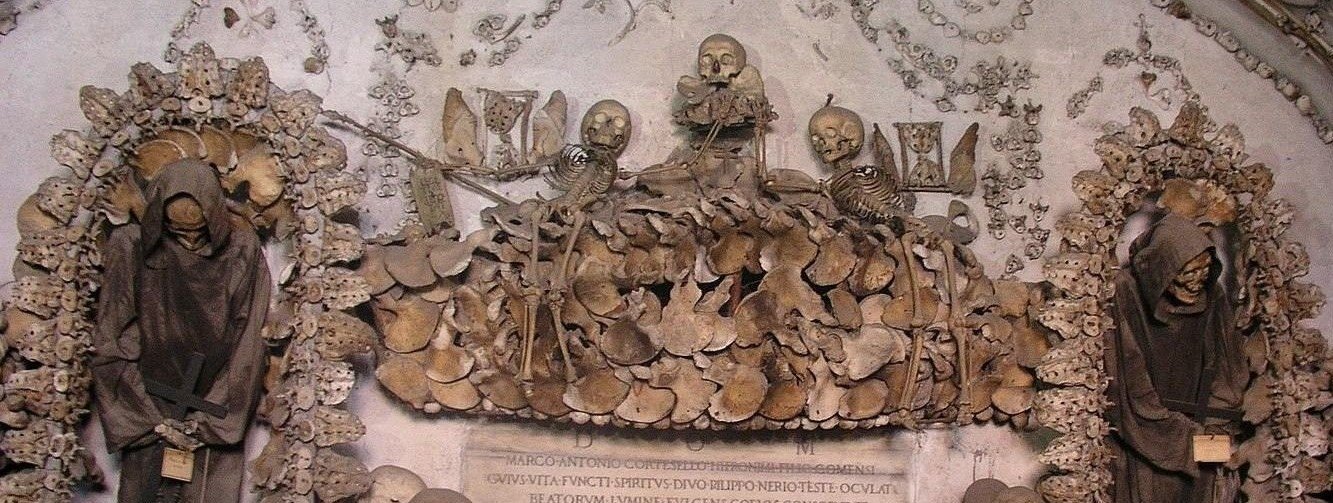
    Capuchin Crypt (see the dedicated page): Located beneath the church of Santa Maria della Concezione dei Cappuccini, this crypt is famous for its decorative compositions made from the bones of thousands of Capuchin friars. The various themed chapels, such as the Chapel of Skulls or the Chapel of Tibias and Femurs, convey a symbolic message about the transience of life and spiritual reflection.

    Catacombs of San Sebastiano and San Callisto: These ancient Christian catacombs house the burial places of martyrs and believers from the early centuries of the Church. Walking through the underground corridors allows visitors to observe inscriptions, frescoes, and tombs that reflect the religious and social life of the time.

    Catacombs of Domitilla: One of the largest catacombs in Rome, renowned for its early Christian frescoes and extensive network of underground galleries. Guided tours reveal the stories of saints and early Christians buried here, offering a deeply evocative and spiritual experience.

    An experience not to be missed: Guided tours or dedicated audio guides of Rome’s crypts and catacombs help visitors understand their historical and symbolic significance, making the visit engaging, educational, and unforgettable.


    Powered by GetYourGuide

    Discover the most popular experiences in Rome to visit the catacombs and enjoy a unique journey through history, mystery, and spirituality:

    Powered by GetYourGuide

    Powered by GetYourGuide

    Visit duration: exploring the catacombs of Rome usually takes about 1–2 hours per site. To fully experience the unique atmosphere and understand the history of the martyrs and crypts, it is recommended to join a guided tour or also dedicate time to visiting lesser-known sites.

    Opening hours, prices and bookings: the catacombs are open every day, with opening hours varying depending on the season. Online advance booking is strongly recommended, especially during peak periods. See the Selected experiences section for direct links to tickets and tours.

    Available services: each entrance provides an information point and restrooms. Nearby you will find cafés and bars for light refreshments.

    Accessibility: some areas of the catacombs include stairs and narrow passages, making access partially limited for visitors with reduced mobility. It is advisable to check available routes at each entrance in advance.

    Temperature and clothing: the catacombs maintain a cool and constant temperature throughout the year. Comfortable clothing and suitable footwear for stone floors are recommended. In summer, bringing a light jacket is advisable, as some areas can feel damp.

    Recommended visiting times: to avoid crowds and explore the crypts at a relaxed pace, early morning or late afternoon visits are suggested. Small-group guided tours offer a more intimate and in-depth experience.

    Photography: photography without flash is allowed. The use of professional equipment or video recording requires special authorization, which can be requested at the entrance of each site.


    Powered by GetYourGuide

    On foot: many catacombs are located outside the historic center, so it is recommended to reach them by public transport or transfer.

    By bus: several urban and tourist bus lines connect central Rome with the catacombs. Always check ATAC routes or dedicated archaeological site tour buses. Some recommended stops include: Via Appia Antica (San Sebastiano, Domitilla), Via delle Sette Chiese (Marcellino e Pietro), and Piazzale Numa Pompilio (San Callisto).

    By metro: Metro line B can take you close to some catacombs, such as San Sebastiano (Circo Massimo station) or Domitilla (Piramide station), followed by a bus or shuttle connection.

    By car or taxi: the catacombs can be reached via the A1 Rome–Naples motorway or the main ring roads. Paid parking is available near the main entrances. Using a taxi or private transfer is recommended if visiting more than one catacomb on the same day.

    Organized tours: many visitors choose guided tours that include transportation from central points in Rome. This allows you to visit multiple catacombs without worrying about connections between sites.


  • Capuchin Crypt: Tours, Tickets and Useful Info

    Capuchin Crypt: Tours, Tickets and Useful Info

    Roma, Cripra dei Cappuccini di Santa Maria Immaccolata

    Capuchin Crypt: Tours, Tickets and Useful Info

    Quick Guide and Experiences


    The Capuchin Crypt in Rome is a unique underground complex, decorated with the bones of thousands of Capuchin friars, inviting deep reflection on the relationship between life, death, and spirituality.


    The Capuchin Crypt in Rome is located beneath the church of Santa Maria della Concezione dei Cappuccini. The visit takes the visitor through a unique subterranean path, decorated with the bones of thousands of Capuchin friars arranged in symbolic patterns reflecting spirituality and the Christian view of life’s transience.

    The Ossuary Chapels: The complex is divided into several thematic chapels, including the Skull Chapel, the Tibia and Femur Chapel, and the Resurrection Chapel. Each room features decorative compositions made of bones and human remains, accompanied by inscriptions that encourage meditation on time and death.

    The Capuchin Friars Museum: Before entering the crypt, the visit includes a small museum dedicated to the history of the Capuchin Order. Here, paintings, liturgical objects, and historical documents are displayed, helping to understand the religious and cultural context in which the crypt was created.

    The Mass of the Dead and the Symbolic Message: One of the most evocative rooms hosts the famous inscription “what you are, we once were; what we are, you will become“. This message, together with the arrangement of bones, transforms the visit into a profound reflection on the meaning of life, death, and eternity.

    A Unique Experience in Rome: Visiting the Capuchin Crypt means discovering one of the most unusual places in the capital. A guided tour or audio guide allows you to explore the historical and symbolic details of the crypt, making the visit thoughtful, respectful, and highly evocative.


    Powered by GetYourGuide

    Discover the most popular experiences in Rome to visit the Capuchin Crypt and enjoy a unique journey through history, art, and spirituality:


    Powered by GetYourGuide

    Duration of the visit: Exploring the Capuchin Crypt in Rome typically takes around 1 hour, but can extend to 1.5-2 hours if you want to delve deeper into the history of the Capuchin friars and carefully observe the chapels decorated with bones. Joining a guided tour helps to better understand the symbolic meaning of each arrangement.

    Opening hours, prices and bookings: The Crypt is open every day, with times varying depending on the season (see the official website). Advance booking is recommended, especially during peak periods, see Selected Experiences.

    Available services: At the entrance you will find an information point, a bookshop, and restrooms. Nearby Santa Maria della Concezione dei Cappuccini church there are bars and cafés for a break after your visit.

    Accessibility: Some areas of the Crypt have stairs and narrow spaces, making access partially limited for visitors with reduced mobility. It is advisable to notify any special needs when booking or consult staff at the entrance.

    Temperature and clothing: The Crypt maintains a cool and constant climate throughout the year. Comfortable clothing and shoes suitable for walking on stone floors are recommended. In summer, a light jacket may be useful to cope with the humidity in some chapels.

    Recommended time slots: To visit the Crypt calmly, it is suggested to choose early morning hours or weekday afternoons. Small-group guided tours offer a more intimate and in-depth experience.

    Photography: Photography without flash is allowed. Use of professional equipment or video requires special authorization requested at the entrance.

    📌 Extra tip: Combine your visit to the Crypt with a walk in the Santa Maria della Concezione dei Cappuccini church to admire Baroque frescoes and decorations, completing a unique cultural and spiritual experience in Rome.


    Powered by GetYourGuide

    On foot: If you are near the center of Rome or Piazza Barberini, you can easily reach the Capuchin Crypt with a pleasant 5-10 minute walk through the historic center and the characteristic streets of Rome.

    By metro: The closest station is Barberini – Trevi Fountain (Line A). From the station, it is about a 5-minute walk following the signs to Via Veneto and the church of Santa Maria della Concezione dei Cappuccini.

    By bus: Numerous urban lines connect the area with the rest of the city. The main lines are 116, 119, 492, 590, with stops near Via Veneto or Piazza Barberini.

    By car: It is possible to reach the Capuchin Crypt by car, but traffic and the ZTL (limited traffic zones) in central Rome make this option less recommended. Paid parking is available on Via Veneto and nearby streets.

    Taxi or private transfer: Taxis and private transfer services are a convenient and direct solution, especially when traveling with children or in a group. Indicate the destination as Capuchin Crypt – Via Veneto, 27.

    By train: For those arriving from other Italian cities or the airport, consider taking regional trains to Termini Station, from where you can continue by metro or city bus to the Capuchin Crypt.


  • Galleria Borghese: Tours, Tickets and Useful Info

    Galleria Borghese: Tours, Tickets and Useful Info

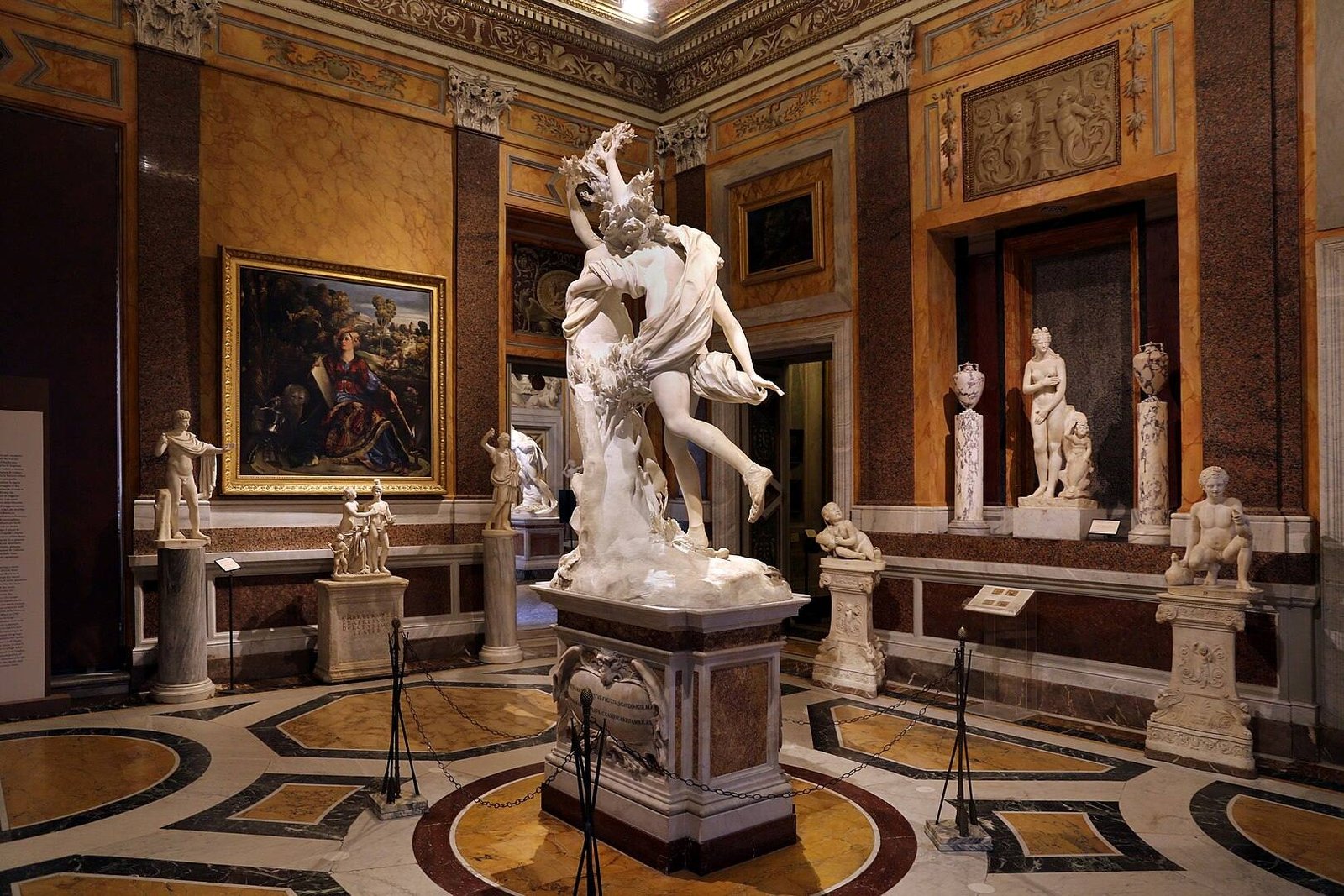
    Roma, Galleria Borghese, Sala 3

    Galleria Borghese: Tours, Tickets and Useful Info

    Quick Guide and Experiences


    The Borghese Gallery is one of Rome’s most prestigious museums: housed in a magnificent 17th-century villa, it preserves absolute masterpieces by Bernini, Caravaggio, Raphael and Canova, offering a world-class artistic experience.


    Borghese Gallery: Visiting the Borghese Gallery means discovering one of Rome’s most refined museums, where art, architecture and nature coexist in perfect harmony. The collection, commissioned by Cardinal Scipione Borghese, brings together outstanding masterpieces of the Italian Renaissance and Baroque.

    Bernini’s masterpieces: The museum houses some of the most famous works by Gian Lorenzo Bernini, including Apollo and Daphne, The Rape of Proserpina and David. Sculptures of extraordinary expressive power that represent the pinnacle of Baroque art.

    Paintings by Caravaggio and great masters: Among the galleries you can admire masterpieces by Caravaggio such as David with the Head of Goliath and Boy with a Basket of Fruit, as well as works by Raphael, Titian, Correggio and Rubens.

    The historic rooms and the villa: The interiors, decorated with frescoes, marbles and mosaics, further enhance the artworks on display. The villa itself is a 17th-century architectural masterpiece, designed to amaze and celebrate art in every detail.

    The Borghese Gardens: The visit can be completed with a walk through the Borghese Gardens, one of Rome’s largest green areas, perfect for relaxing after the museum and enjoying panoramic views of the city.

    An unmissable experience: Limited entry makes the visit to the Borghese Gallery intimate and engaging. A guided tour or an audio guide helps visitors fully appreciate the artistic value of the works, making the experience intense, elegant and unforgettable.


    Powered by GetYourGuide

    Discover the most popular experiences at Galleria Borghese to enjoy one of Rome’s most prestigious museums with selected access, guided tours, and skip-the-line options:

    Entrance Tickets > Standard, Priority, Skip-the-Line:

    Powered by GetYourGuide

    Guided Tours with Entrance Ticket:


    Powered by GetYourGuide

    Visit duration: The visit to the Galleria Borghese lasts approximately 2 hours, with limited access. This time is ideal to calmly admire the masterpieces by Bernini, Caravaggio, Raphael, and Canova, following the museum path without excessive crowds.

    Hours, prices, and bookings: The Galleria Borghese is open from Tuesday to Sunday, with timed entries every two hours. Advance booking is mandatory, especially during high season. For updated information on hours and rates, please consult the official website.

    Available services: Inside the museum, you can find a free cloakroom, restrooms, and a bookshop. Outside, in the Villa Borghese Gardens, there are bars, cafés, and relaxation areas perfect for a break before or after the visit.

    Accessibility: The Galleria Borghese has elevators and accessible routes for visitors with reduced mobility. It is recommended to notify any special needs when booking or contact staff at the entrance for assistance.

    Dress code and visiting rules: Formal attire is not required, but comfortable clothing respectful of the museum context is recommended. Large backpacks, bags, and umbrellas must be left at the cloakroom.

    Recommended time slots: Early morning slots and weekday entries are ideal for a quieter visit. Guided tours or small groups allow a more in-depth exploration of the artworks without hurry and with detailed explanations, (see Selected experiences).

    Photography: Photography is allowed without flash for personal use. Tripods, professional video recordings, or photoshoots without prior authorization are not allowed.


    Powered by GetYourGuide

    On foot: If you are already inside Villa Borghese or in areas such as Piazza di Spagna, Via Veneto, or Piazza del Popolo, the Galleria Borghese is easily reachable with a pleasant walk through the park’s greenery.

    From the historic center: Starting from areas like the Pantheon, Piazza Navona, or Trevi Fountain, the journey takes about 25–30 minutes on foot or 10–15 minutes by public transport.

    By metro: The most convenient stations are Spagna (Line A) and Flaminio (Line A). From both, you can walk about 15–20 minutes through Villa Borghese or take a city bus.

    By bus: Numerous lines connect the Galleria Borghese with the center of Rome. The most useful lines include 52, 53, 61, 160, 204, 223, with stops near Piazzale del Museo Borghese and Via Pinciana.

    By car: Car access is possible, but traffic and ZTL restrictions make this option less recommended. Paid parking and street parking are available near Villa Borghese.

    By taxi or private transfer: Taxis and private transfer services offer a convenient and direct solution, especially if traveling with children or in a group. Simply indicate Galleria Borghese – Piazzale Scipione Borghese as your destination.

    By train: If you arrive in Rome from other Italian cities, the main stations are Roma Termini and Roma Tiburtina. From Roma Termini, take Metro A towards Battistini and get off at Spagna or Flaminio, then continue on foot or by bus. From Roma Tiburtina, you can reach Termini via Metro B or regional trains, and from there continue to the Galleria Borghese. You can book tickets online with Trainline.


  • Pantheon Rome: Tours, Tickets and Useful Info

    Pantheon Rome: Tours, Tickets and Useful Info

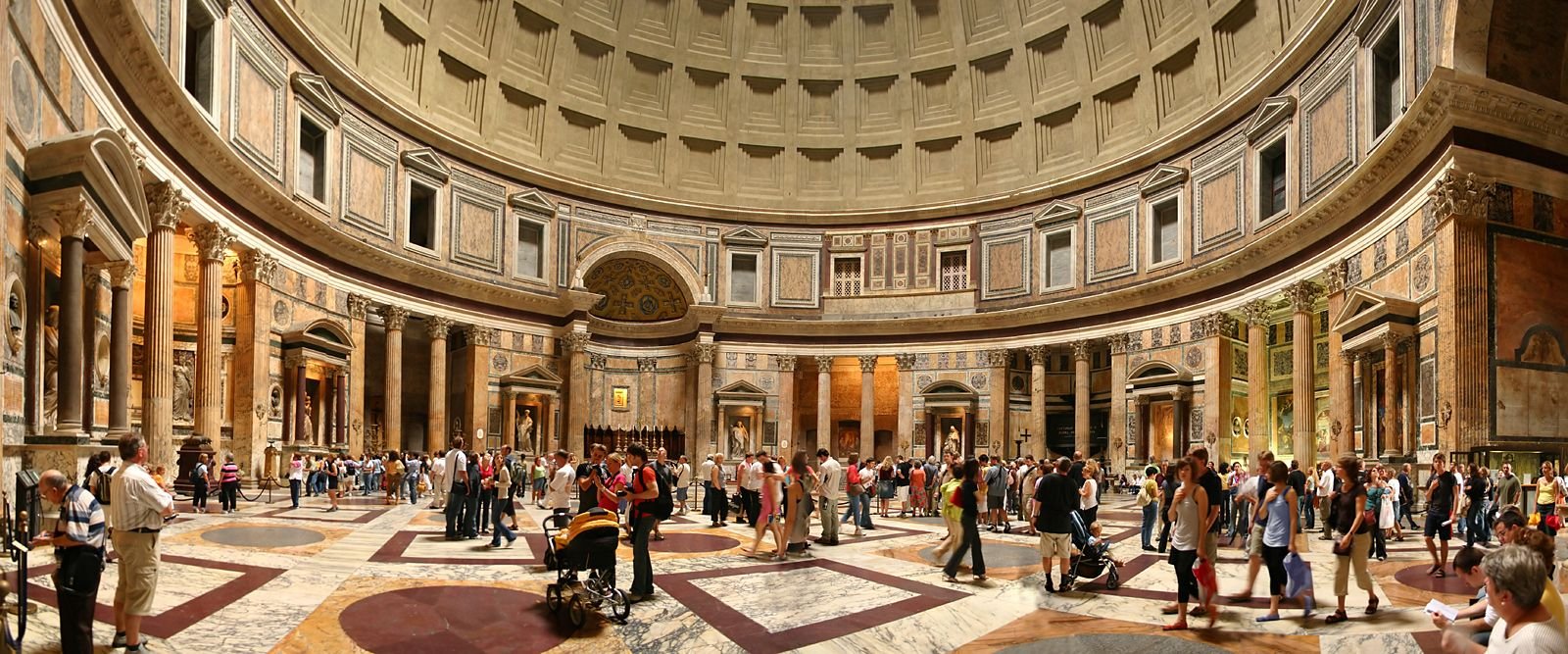
    Roma, Pantheon interno

    Pantheon Rome: Tours, Tickets and Useful Info

    Quick Guide and Experiences


    The Pantheon is one of the most extraordinary and best-preserved monuments of ancient Rome: a masterpiece of engineering and architecture that has fascinated visitors from around the world for over two thousand years.


    Pantheon: Visiting the Pantheon means stepping into one of the most iconic monuments of ancient Rome, a symbol of architectural perfection and historical continuity. Originally built as a temple dedicated to all deities, today the Pantheon fascinates with its harmony, perfect proportions, and extraordinary preservation over the centuries.

    The Dome and the Oculus: The gigantic concrete dome, still the largest unreinforced dome in the world, is the true masterpiece of the Pantheon. At its center opens the Oculus, a circular opening that allows natural light in and creates striking light effects inside, symbolizing the connection between earth and sky.

    The Portico and the Columns: The monumental entrance features a majestic portico with Egyptian granite columns and Corinthian capitals. This space solemnly introduces visitors to the temple and testifies to the greatness of the Roman Empire and the influence of Mediterranean cultures.

    The Chapels and Famous Tombs: Inside the Pantheon are decorated chapels and historically significant tombs, including those of Raphael and several Italian monarchs. These elements make the visit not only architectural but also deeply cultural and artistic.

    An Experience Not to Miss: The Pantheon is a place that combines history, art, and spirituality. Visiting it at a relaxed pace, perhaps with an audio guide or guided tour, allows you to appreciate every constructive and symbolic detail, offering an intense and memorable experience in the heart of Rome.


    Powered by GetYourGuide

    Discover the most popular experiences at the Pantheon in Rome to visit one of the most iconic monuments of antiquity with priority access, official audioguides, and high-quality guided tours:

    Tickets with Priority or Fast Track Entry:

    Powered by GetYourGuide

    Guided Tours with entry ticket:


    Powered by GetYourGuide

    Visit duration: Exploring the Pantheon in Rome typically takes 30–60 minutes. To fully appreciate the grandeur of the structure, interior decorations, and famous tombs, it is recommended to spend some time observing architectural details and historical inscriptions.

    Opening hours, prices, and reservations: The Pantheon is generally open every day with hours that vary depending on the season. It is recommended to check the official website for up-to-date hours and, if available, book tickets or guided tours online. See also Selected Experiences for options with priority access.

    Available services: At the Pantheon entrance, there are information points and restrooms. Nearby, you will find cafés and places to relax before or after your visit.

    Accessibility: The Pantheon is accessible to visitors with reduced mobility via ramps and flat pathways; some areas may be narrower or crowded during peak hours.

    Temperature and clothing: The Pantheon interior is generally cool with natural ventilation. Comfortable shoes and clothing suitable for walking on stone floors and steps are recommended.

    Recommended time slots: To avoid crowds, it is suggested to visit the Pantheon early in the morning or late in the afternoon. Small-group guided tours allow for a more in-depth and relaxed experience.

    Photography: Photography without flash is allowed. Using video cameras or professional equipment requires special authorization to be requested at the entrance.

    📌 Additional tips: Don’t miss the tombs of famous personalities like Raphael, observe the dome with its central oculus carefully, and take advantage of guide or audio guide explanations to understand the Pantheon’s millennial history.


    Powered by GetYourGuide

    On foot: If you are staying near the historic center of Rome or Piazza della Rotonda, you can easily reach the Pantheon with a short 5-minute walk from Piazza Navona or from Piazza della Rotonda itself.

    By metro: The nearest station is Barberini (Line A), about a 10–12 minute walk from the Pantheon. From there, you can continue on foot, passing through historic squares and enjoying the view of the surrounding monuments.

    By bus: Several urban lines stop near the Pantheon, including lines 62, 63, 116. The main stops are located at Piazza della Rotonda and Via del Seminario. Check updated schedules on the ATAC Roma website.

    By car: The Pantheon is reachable from the main city roads, but the historic center is a limited traffic zone (ZTL). The nearest parking lots are in Piazza della Rotonda, Largo di Torre Argentina, and Via del Seminario. It is recommended to check updated maps and parking apps before your visit.

    By taxi or private transfer: From any area of Rome or from Fiumicino/Ciampino airports, you can book a taxi or private transfer that takes you directly to the Pantheon entrance. Travel times vary between 15 and 30 minutes depending on traffic.

    By train: The nearest main train station is Roma Termini. From there, you can take a city bus or taxi to reach the Pantheon in about 15–20 minutes. Alternatively, you can get off at Roma Tiburtina station and continue by bus or metro to the historic center.


  • Castel Sant’Angelo: Tours, Tickets and Useful Info

    Castel Sant’Angelo: Tours, Tickets and Useful Info

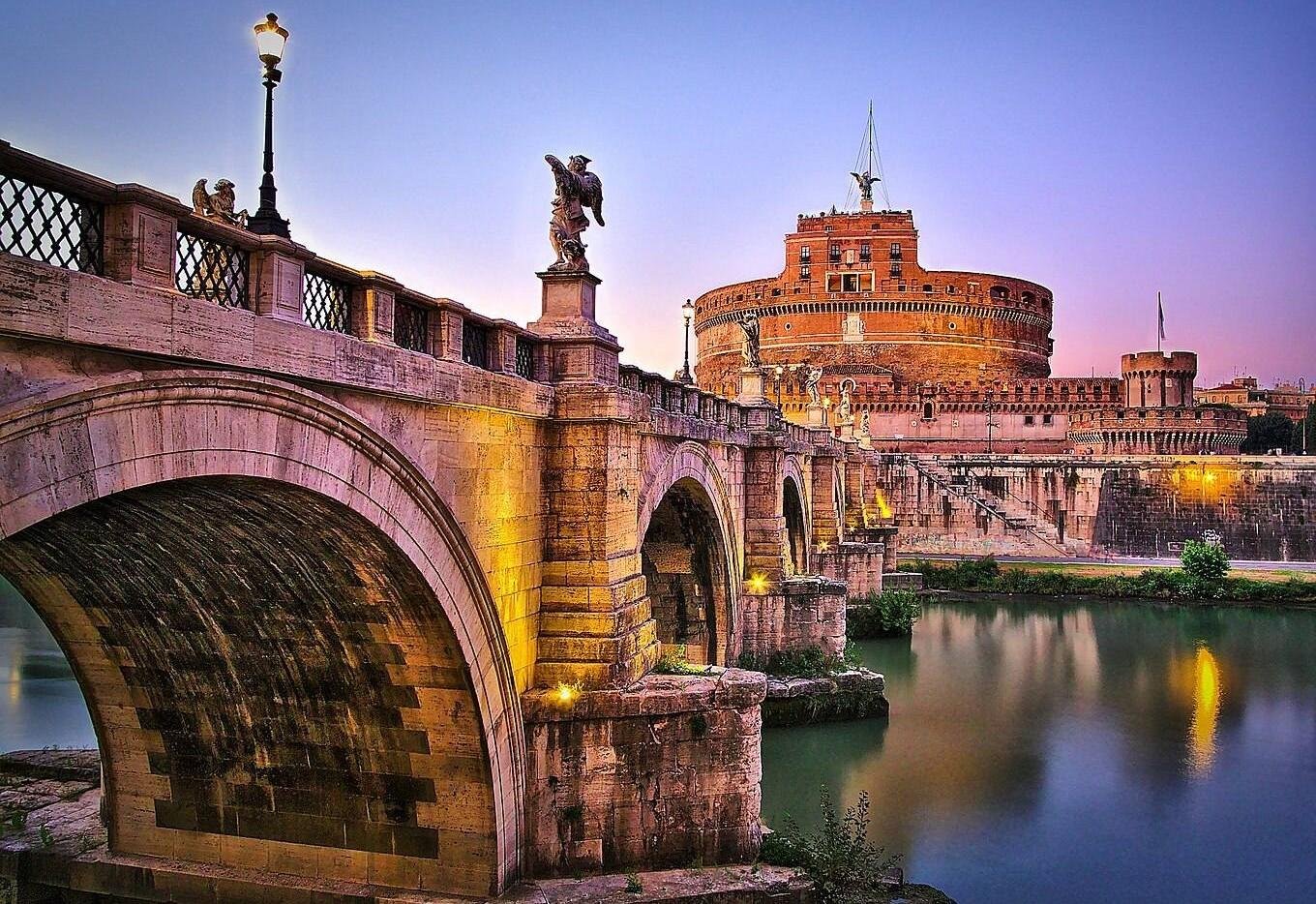
    Roma, Ponte e Castel Sant'Angelo al crepuscolo

    Castel Sant’Angelo: Tours, Tickets and Useful Info

    Quick Guide and Experiences


    Castel Sant’Angelo is one of Rome’s most iconic fortresses, with a history spanning centuries, involving emperors, popes, and extraordinary historical events.


    Castel Sant’Angelo: A symbol of Rome, Castel Sant’Angelo has gone through centuries of history, from an imperial mausoleum to a papal fortress. The visit allows you to explore its historic rooms, panoramic walkways, and internal museum, discovering the history of the Popes and their connection to the city.

    The historic rooms and museum: Inside the castle, you will find ancient weapons, armors, paintings, and period objects that tell the military and civil history of Rome. Guided tours or audioguides allow you to appreciate the historical and artistic details of the rooms.

    The panoramic walkways: From the upper terrace of Castel Sant’Angelo, you can enjoy a breathtaking view of the Tiber, Ponte Sant’Angelo, and the city of Rome. It is a perfect spot for photography and understanding the historical urban context of the castle.

    The Passetto di Borgo: The famous elevated corridor connects the castle to the Vatican. The history of the Passetto, used by Popes to escape during dangerous times, makes the visit even more fascinating and meaningful.

    An experience not to miss: Visiting Castel Sant’Angelo means taking a journey through history, art, and unique panoramas. Participating in a guided tour or using an audioguide allows you to deepen your knowledge of the monument, making the visit engaging and educational.


    Powered by GetYourGuide

    Discover the most popular experiences at Castel Sant’Angelo to get up close to the history, art, and views of one of Rome’s iconic monuments:


    Powered by GetYourGuide

    Visit duration: visiting Castel Sant’Angelo typically takes 1.5–2 hours. To fully appreciate the history, museum rooms, Passetto di Borgo, and panoramic terraces, it is recommended to also spend time walking along the exterior pathways.

    Opening hours, prices, and bookings: the castle is open every day, with hours varying depending on the season. It is advisable to check the official website for up-to-date hours and book tickets online, especially during peak periods. See also Selected experiences for special guided tours.

    Available services: information points, bookshop, restrooms, and refreshment areas are available at the entrance and inside the castle. Audio guides in multiple languages are available to explore the history and displayed artworks.

    Accessibility: some areas, such as the towers and walkways, have steep stairs and narrow spaces. Access may be partially limited for people with reduced mobility. It is recommended to inquire in advance about accessible routes at the entrance.

    Temperature and clothing: temperatures inside the castle are generally cool. Comfortable shoes and clothing suitable for walking on stone floors and stairs are recommended. In summer, a light jacket can be useful for shaded or indoor areas.

    Recommended visiting times: to avoid crowds, it is suggested to visit Castel Sant’Angelo early in the morning or late in the afternoon. Small-group guided tours offer a more detailed and relaxed experience.

    Photography: photography without flash is allowed. The use of video cameras or professional equipment requires special authorization, to be requested at the entrance.

    📌 Additional tips: do not miss the panoramic view of the city from the upper terraces, the Passetto di Borgo connecting the castle to the Vatican, and temporary exhibitions often hosted in the interior rooms. For a complete visit, allow at least a couple of extra hours if you plan to explore all museum areas and exterior walkways.


    Powered by GetYourGuide

    On foot: if you stay in the historic center of Rome or near St. Peter’s Square, you can easily reach Castel Sant’Angelo with a short walk. The castle is also easily accessible from the Tiber riverbank, with pedestrian paths offering views of the Tiber and Ponte Sant’Angelo.

    By metro: Lepanto Station (Line A) and Ottaviano-San Pietro Station (Line A) are about 10–15 minutes on foot from the castle. From there, you can continue walking along Via della Conciliazione to the main entrance.

    By bus: several urban lines stop near Castel Sant’Angelo, such as lines 40, 62, 280. Main stops are located on Lungotevere in Augusta and Via di Porta Castello. Check updated schedules on the ATAC Roma website.

    By taxi or private transfer: from anywhere in Rome or Fiumicino/Ciampino airport, you can book a taxi or private transfer directly to the castle entrance. Travel times range from 20 to 40 minutes depending on traffic.

    By car: Castel Sant’Angelo is reachable via the main city roads, but the historic center has limited traffic (ZTL). The closest parking is at Piazza Pia, Lungotevere in Sassia, and Via Crescenzio. It is advisable to check maps and parking apps before visiting.

    By train: the nearest main railway station to Castel Sant’Angelo is Roma Termini. From there, you can take an urban bus or taxi to reach the castle in about 15–20 minutes. Alternatively, you can get off at Roma San Pietro station (FL3 railway line) and continue on foot along Via della Stazione Vaticana and Via della Conciliazione to the castle entrance.


  • Vatican City: Experiences and Useful Info

    Vatican City: Experiences and Useful Info

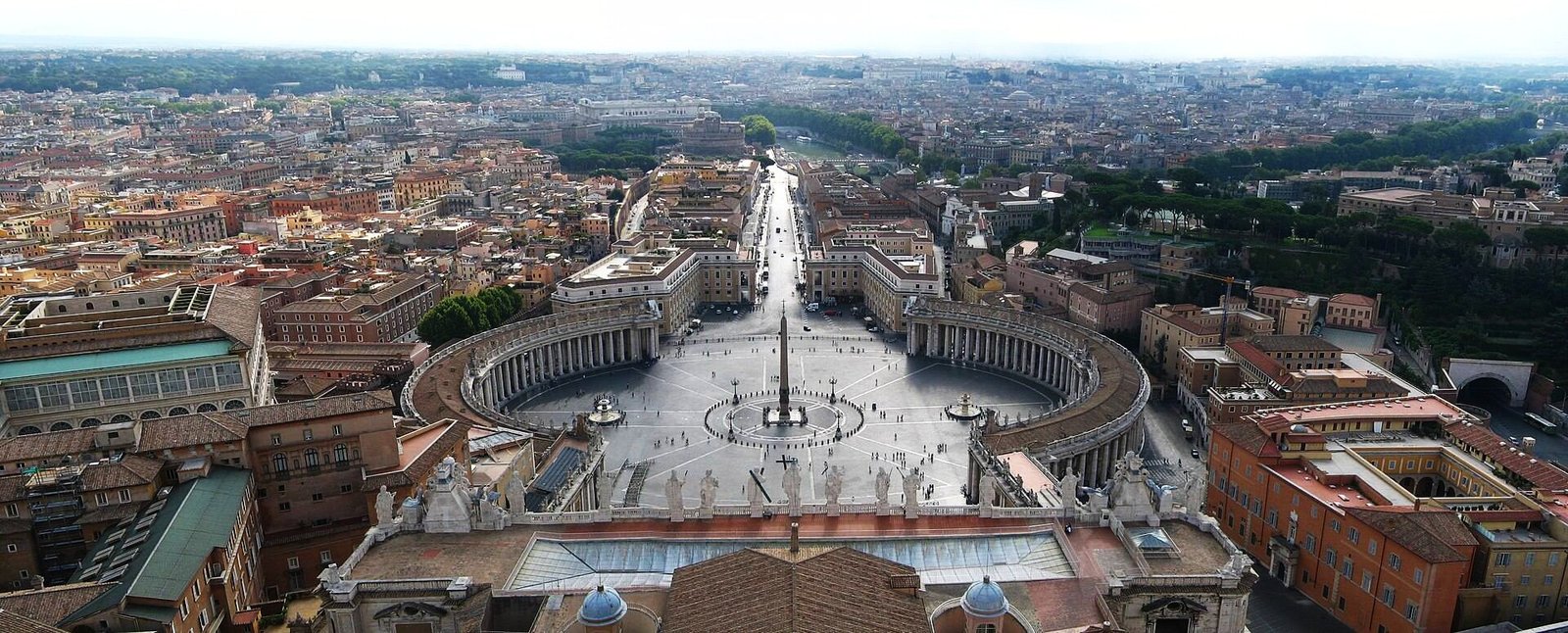
    Piazza San Pietro, vista dalla cupola della Basilica di San Pietro

    Vatican City: Experiences and Useful Info

    Quick Guide and Tours


    The Vatican City is a unique treasure in the world: the smallest sovereign state in Europe and the spiritual center of the Catholic Church. It hosts artistic and architectural masterpieces of inestimable value, including St. Peter’s Basilica, the Vatican Museums, and the Sistine Chapel, making the visit an unforgettable cultural and spiritual experience.


    St. Peter’s Basilica: The spiritual heart of Christianity and a symbol of Rome, the basilica houses works by Michelangelo, Bernini, and Raphael. The dome offers a unique panoramic view of the city, while the papal grottoes reveal centuries of ecclesiastical history (see More Information Page).

    Vatican Museums: An extraordinary complex of museums housing priceless art collections, from ancient masterpieces to Renaissance paintings. Among the most famous works are Raphael’s Rooms and the Egyptian and Etruscan collections (see Vatican Museums and Sistine Chapel More Information Page).

    Sistine Chapel: Famous worldwide for Michelangelo’s frescoes, including the renowned Last Judgment, the Sistine Chapel is a must-visit for Vatican visitors, offering an unparalleled artistic and spiritual experience.

    Vatican Gardens and other treasures: Beyond the main attractions, the Vatican Gardens, papal palaces, and historic squares complete the cultural panorama, allowing visitors to explore lesser-known yet equally fascinating corners.

    An experience not to be missed: Visiting the Vatican is a unique opportunity to combine art, history, and spirituality. Joining a guided tour or using an audio guide helps fully appreciate the site’s cultural richness, making the visit exciting, educational, and unforgettable.


    In this section you will find a selection of the best experiences 🏆 we have curated for you in the Vatican, based on the offers from the main tour operators.

    📌 To get a more complete overview of St. Peter’s Basilica, the Vatican Museums and the Sistine Chapel, you can click on the links to the in-depth pages +🔗.


    St. Peter’s Basilica

    Visiting St. Peter’s Basilica means entering the spiritual heart of the Vatican. Guided experiences allow you to discover absolute masterpieces, architectural details and unique panoramic views, optimizing time and access.

    Powered by GetYourGuide

    Vatican Museums and Sistine Chapel

    The Vatican Museums and the Sistine Chapel house some of the most famous works of art in the world. Guided tours offer a complete and in-depth itinerary, avoiding long waiting times.

    Powered by GetYourGuide

    Priority and Skip-the-Line Tickets

    Tickets with Priority Access


    Skip-the-Line Tickets


    Tickets + Audio Guide

    Powered by GetYourGuide

    Combined Tours

    Powered by GetYourGuide

    Info and Useful Tips: Visiting the Vatican and its main attractions requires good planning to avoid queues and enjoy a complete, well-organized experience. Below you’ll find all the essential practical information.

    Visit duration: Visiting the Vatican Museums, the Sistine Chapel and St. Peter’s Basilica usually takes about 3–5 hours. Those wishing to explore the collections in depth or join a guided tour should plan for at least half a day.

    Opening hours, prices and reservations: Opening times vary depending on the season and public holidays. Advance online booking is strongly recommended, especially during peak periods. For official updates, check the official Vatican website and the Selected experiences section.

    Available services: Inside the Vatican area you’ll find information points, restrooms, bookshops, cloakrooms and refreshment areas. Numerous bars and restaurants are located near St. Peter’s Square.

    Accessibility: The Vatican Museums and St. Peter’s Basilica are largely accessible to visitors with reduced mobility, with elevators and dedicated routes. Some historic areas may have limitations; it is advisable to ask at the official entrances in advance.

    Dress code: As places of worship, appropriate attire is required: shoulders and knees must be covered for both men and women. Comfortable shoes are essential due to long walking distances and historic flooring.

    Best visiting times: Early morning and late afternoon are ideal to avoid long queues. Morning tours with priority access allow for a more relaxed visit to the Vatican Museums.

    Photography: Photography without flash is allowed in the Vatican Museums. In the Sistine Chapel, taking photos or recording videos is strictly prohibited. The rules are rigorously enforced.


    Powered by GetYourGuide

    How to get there: The Vatican is easily accessible from any area of Rome thanks to its central location and excellent connections by public transport, on foot or by car.

    On foot: If you are staying in Rome’s historic center (Trastevere, Campo de’ Fiori, Piazza Navona or Castel Sant’Angelo), you can easily reach St. Peter’s Square with a pleasant walk. From Castel Sant’Angelo it takes about 10 minutes, crossing the scenic Ponte Sant’Angelo.

    By metro: The most convenient line is Line A (red). Get off at Ottaviano – San Pietro – Vatican Museums to access the Vatican Museums, or at Cipro for a quieter entrance. From both stations, the Vatican is a 5–10 minute walk.

    By bus: Numerous bus lines connect the Vatican with the rest of the city. Among the most commonly used are lines 40, 62, 64, 81 and 492, with stops near St. Peter’s Square and Via della Conciliazione. Bus 64 directly connects Termini Station with the Vatican.

    By train: You can reach Roma San Pietro Station with regional trains from Roma Termini, Trastevere or Ostiense. From the station, St. Peter’s Square is about a 15-minute walk away.

    By car: Access by car is possible but not recommended due to restricted traffic zones (ZTL) and heavy traffic. Paid parking is available nearby, especially in the Prati area and along Via Gregorio VII. It is advisable to park outside the center and continue by public transport.

    By taxi or private transfer: Taxis and private transfers allow direct access near St. Peter’s Square or the Vatican Museums. Travel times vary depending on traffic but generally range from 15 to 30 minutes from central Rome.

    Useful tips: On days with papal audiences and religious events, the area may be subject to temporary closures and security checks. It is advisable to arrive early and prefer public transport.