Categoria: EN

  • St. Peter’s Basilica: Tours, Tickets and Useful Info

    St. Peter’s Basilica: Tours, Tickets and Useful Info

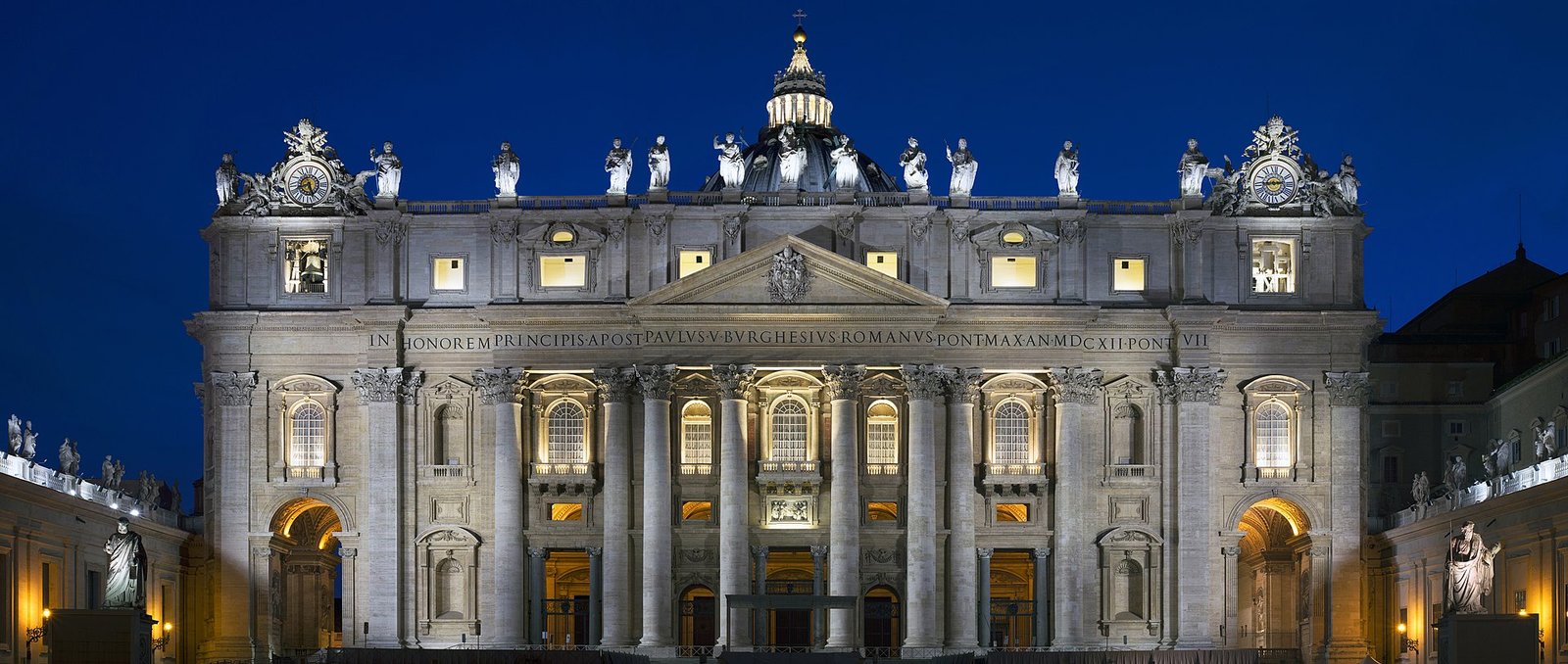
    Roma, Basilica di San Pietro, facciata illuminata, al crepuscolo

    St. Peter’s Basilica: Tours, Tickets and Useful Info

    Quick Guide and Experiences


    St. Peter’s Basilica in Vatican City is one of the most visited landmarks in the world, a masterpiece of Renaissance and Baroque architecture and an invaluable spiritual and cultural reference point.

    📱 Rotate your phone horizontally and admire the photograph above to fully appreciate the beauty of St. Peter’s Basilica illuminated at dusk.


    St. Peter’s Basilica, located in Vatican City, is one of the most iconic places in Christianity and world art. Designed by great masters such as Bramante, Michelangelo, and Bernini, the basilica stands as a symbol of faith, history, and extraordinary architecture, welcoming millions of visitors every year.

    St. Peter’s Square, designed by Bernini, is the focal point of religious celebrations and papal audiences. Its elliptical shape and monumental colonnades create a unique theatrical effect, embracing worshippers and visitors in a setting of remarkable grandeur.

    The Dome of St. Peter’s, designed by Michelangelo, is one of the masterpieces of Renaissance architecture. Climbing to the top offers breathtaking panoramic views over Rome and the Vatican, as well as a close look at the interior decorations and the elegance of its architectural proportions.

    The Pietà by Michelangelo, housed inside the basilica, is one of the most celebrated masterpieces of Renaissance sculpture. It depicts the Virgin Mary holding the body of Christ with extraordinary delicacy and realism, expressing both deep emotion and spirituality.

    The Baldachin by Bernini, located above the main altar, is an imposing example of Baroque art. Its twisted columns and gilded decorations create a powerful visual impact, emphasizing the liturgical centrality of the altar and the symbolic importance of the basilica.

    Vatican Grottoes: Beneath the basilica lie the Vatican Grottoes, where many popes are buried. This is a place of devotion and historical memory, offering insight into the spiritual and institutional significance of the Vatican.


    Powered by GetYourGuide

    An experience not to be missed: Visiting St. Peter’s Basilica means immersing yourself in history, art, and spirituality. Guided tours and audioguides help you fully appreciate the artistic and architectural details, making the visit emotional, educational, and unforgettable.

    Powered by GetYourGuide

    Powered by GetYourGuide

    Visit duration: exploring St. Peter’s Basilica takes on average 2–3 hours to visit the main interiors, climb the dome, and access the Papal Grottoes. To fully experience the artistic and spiritual significance, a guided tour or a detailed audio guide is highly recommended.

    Opening hours, prices and reservations: the basilica is open every day, with opening hours varying by season (check the official website). Advance online booking is recommended, especially for dome access and guided tours. See also the Selected experiences section for top-rated tours.

    Available services: an information point, cloakroom and restrooms are available at the entrance. Nearby you will find bars, cafés and light dining options.

    Accessibility: some areas of the basilica, such as the dome climb, include stairs and narrow passages. Access may be limited for visitors with reduced mobility. It is advisable to check available routes at the entrance or online in advance.

    Temperature and clothing: the basilica maintains a cool and stable temperature. Comfortable clothing is recommended, along with suitable shoes for marble and stone floors, and a light jacket for the dome and more ventilated areas.

    Recommended visiting times: to avoid crowds, it is best to visit early in the morning or late in the afternoon. Small-group guided tours offer a more intimate and in-depth experience.

    Photography: photography without flash is allowed. The use of professional equipment or video recording requires special authorization, which must be requested at the entrance.

    Security and conduct: visitors are asked to respect the silence and sacred nature of the site, avoiding loud or intrusive behavior. Large backpacks and bags may be checked at the entrance, so bringing only essentials is recommended.


    Powered by GetYourGuide

    On foot: if you are staying near the Vatican or St. Peter’s Square, you can easily reach the basilica with a short walk from main points of interest, such as Via della Conciliazione or Borgo Pio, in 5–10 minutes.

    By metro: the closest station is Cipro on Metro Line A. From there, it’s about a 15-minute walk to St. Peter’s Square. Alternatively, you can get off at Ottaviano station and walk 10–12 minutes.

    By bus: several urban lines connect the Vatican with central Rome and other tourist areas. Main stops are located at Piazza Risorgimento, Via di Porta Angelica, and Via della Conciliazione. To plan your route, consult the official ATAC website or use urban mobility apps.

    By tram: tram line 19 connects the Prati district with Piazza Venezia and can be useful for connections from other parts of Rome to within walking distance of the Vatican.

    By car: the Vatican is easily accessible from major city roads. Paid parking is available nearby, such as Via Crescenzio and Piazza Risorgimento. Advance booking is recommended, especially during peak tourist seasons.

    By taxi or private transfer: from anywhere in Rome, you can book a private transfer or taxi, with average travel times of 10–20 minutes depending on traffic. Many services also offer combined tours with priority access to the basilica.

    By train: the nearest train station to the Vatican is Roma Termini, from where you can take Metro Line A to Ottaviano or Cipro stations and then walk to St. Peter’s Square. Alternatively, some regional lines stop at Roma San Pietro, very convenient for direct access to the basilica.


  • Vatican Museums and Sistine Chapel: Tours, Tickets and Useful Info

    Vatican Museums and Sistine Chapel: Tours, Tickets and Useful Info

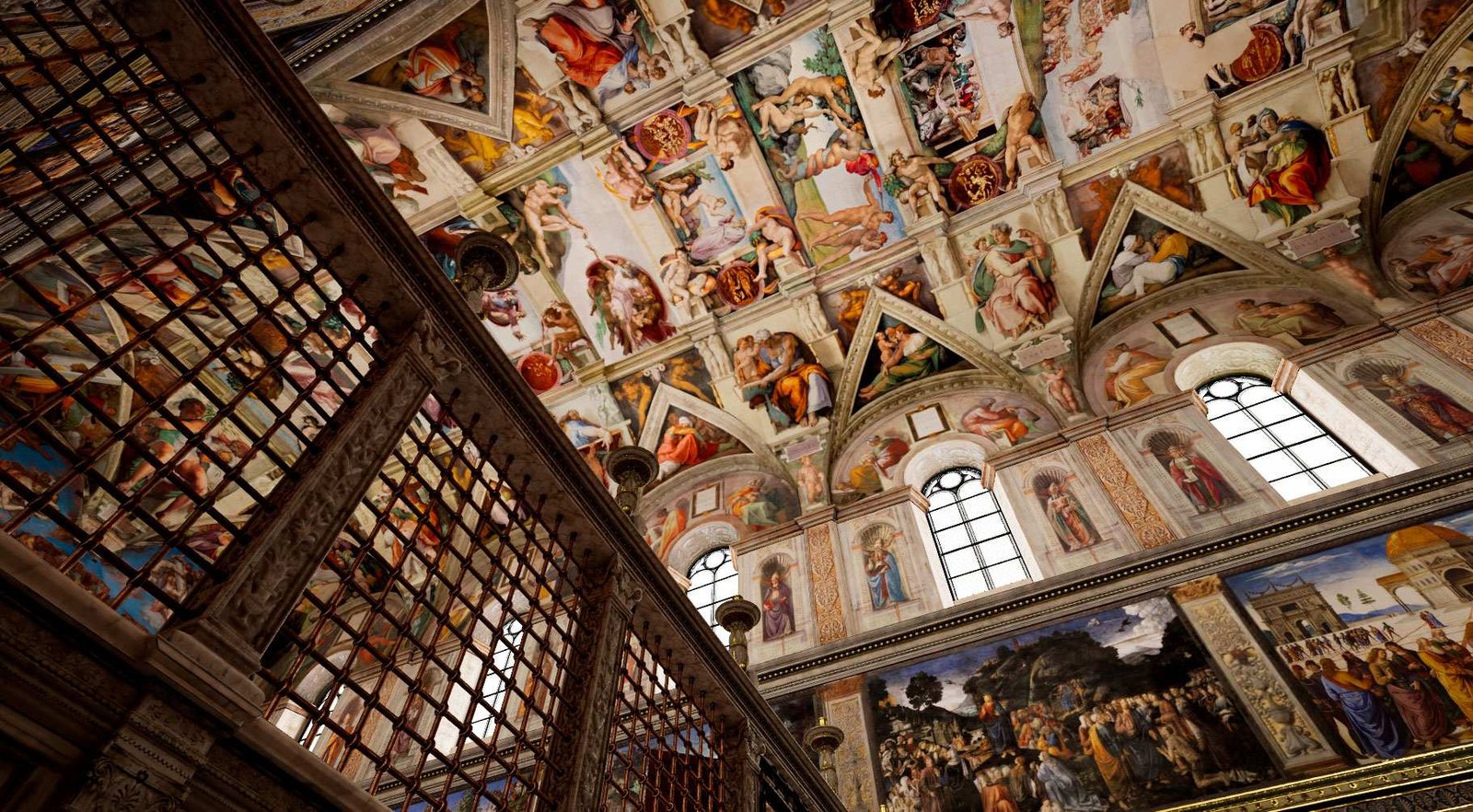
    Guardando in alto verso il soffitto della Cappella Sistina dalla transenna

    Vatican Museums and Sistine Chapel: Tours, Tickets and Useful Info

    Quick Guide and Experiences


    The Vatican Museums and the Sistine Chapel are among the most famous museum complexes in the world, housing masterpieces by Michelangelo, Raphael, and other great masters, making a visit an unforgettable experience in the heart of the Vatican.

    📌 On this page, you will find a selection of the best experiences 🏆 carefully chosen for you based on the offerings of top Tour Operators.


    A must-see experience: Visiting the Vatican Museums and the Sistine Chapel is an educational and engaging experience. Guided tours, audio guides, and interactive apps help you understand the history, the meaning of the artworks, and the cultural context of the Vatican, making every visit memorable and fascinating.

    The Galleries of the Vatican Museums: The numerous galleries, such as the Gallery of Maps and the Tapestry Gallery, offer a comprehensive overview of European art history and papal culture. Each room houses priceless works and showcases artistic evolution from the Renaissance to the Baroque period.

    The Sistine Chapel: The spiritual and artistic heart of the Vatican Museums, the Sistine Chapel is famous for Michelangelo’s frescoes, including the Last Judgment and the Creation of Adam. Visiting the Sistine Chapel allows you to admire one of the greatest masterpieces of world art in a unique setting.

    The Raphael Rooms: The Raphael Rooms are a cycle of frescoed chambers commissioned by Pope Julius II, featuring works such as The School of Athens. These frescoes represent the pinnacle of Renaissance art and provide extraordinary cultural and historical insights.


    Powered by GetYourGuide

    A must-see experience: Visiting the Vatican Museums and the Sistine Chapel is an educational and engaging experience. Guided tours, audio guides, and interactive apps help you understand the history, the meaning of the artworks, and the cultural context of the Vatican, making every visit memorable and fascinating.


    Powered by GetYourGuide

    Practical information and tips: Visiting the Vatican Museums and the Sistine Chapel requires at least 2-3 hours to fully appreciate the extensive art collections and iconic masterpieces. Guided tours or audio guides are highly recommended to understand the historical and cultural significance of the artworks.

    Opening hours, tickets, and reservations: The museums are open daily, with times varying by season (see Official Website). Booking tickets online in advance is strongly recommended, especially during peak periods. Check Selected experiences for recommended tours and ticket options.

    Available services: The Vatican Museums offer information points, cloakrooms, and restrooms. Cafeterias and small bars are located inside the museum for refreshments.

    Accessibility: The museums are wheelchair accessible, though some areas may have stairs or narrow passages. Visitors with mobility challenges should check the available routes and services at the main entrance or consult the official website.

    Recommended attire: Comfortable clothing and walking shoes are suggested, as the museums involve long walking distances. During summer months, bringing a light jacket is useful, as some rooms may be air-conditioned or cooler.

    Best visiting times: To avoid crowds and enjoy a more relaxed experience, visit early in the morning or late in the afternoon. Small-group guided tours provide a more intimate and detailed exploration of the museums and the Sistine Chapel.

    Photography: Photography is allowed in most areas without flash. The use of professional equipment or video recording may require special authorization from museum staff.


    Powered by GetYourGuide

    On foot: If you are staying near the center of Vatican City or close to the entrances of the Vatican Museums, you can reach the main entrances on foot in just a few minutes. Walking is an easy way to start your visit and enjoy the surrounding area.

    By metro: The most practical way to reach the Vatican Museums is via Metro Line A. Get off at Cipro or Ottaviano stations, both within walking distance of the museum entrances. Tickets and schedules are available on the official metro website.

    By bus: Several city and tourist buses connect the Vatican area with central Rome and nearby districts. Main bus stops are located along Viale Vaticano and Piazza Risorgimento. Check local schedules for exact routes.

    By car: Driving to the Vatican Museums is possible via Via Aurelia and surrounding streets, but parking is limited. Public garages are available nearby, including Piazza Risorgimento and Via Candia. It is recommended to reserve a parking spot in advance.

    By coach or tourist bus: Dedicated parking areas are available on Via Leone IV and Viale Vaticano, near the entrances. From these locations, visitors can easily reach the museum entrances.

    By taxi or private transfer: From anywhere in Rome, you can book a private taxi or shuttle service that will take you directly to the museum entrances. Travel time generally ranges from 15 to 30 minutes, depending on traffic.


  • Domus Aurea: Tours, Tickets and Useful Info

    Domus Aurea: Tours, Tickets and Useful Info

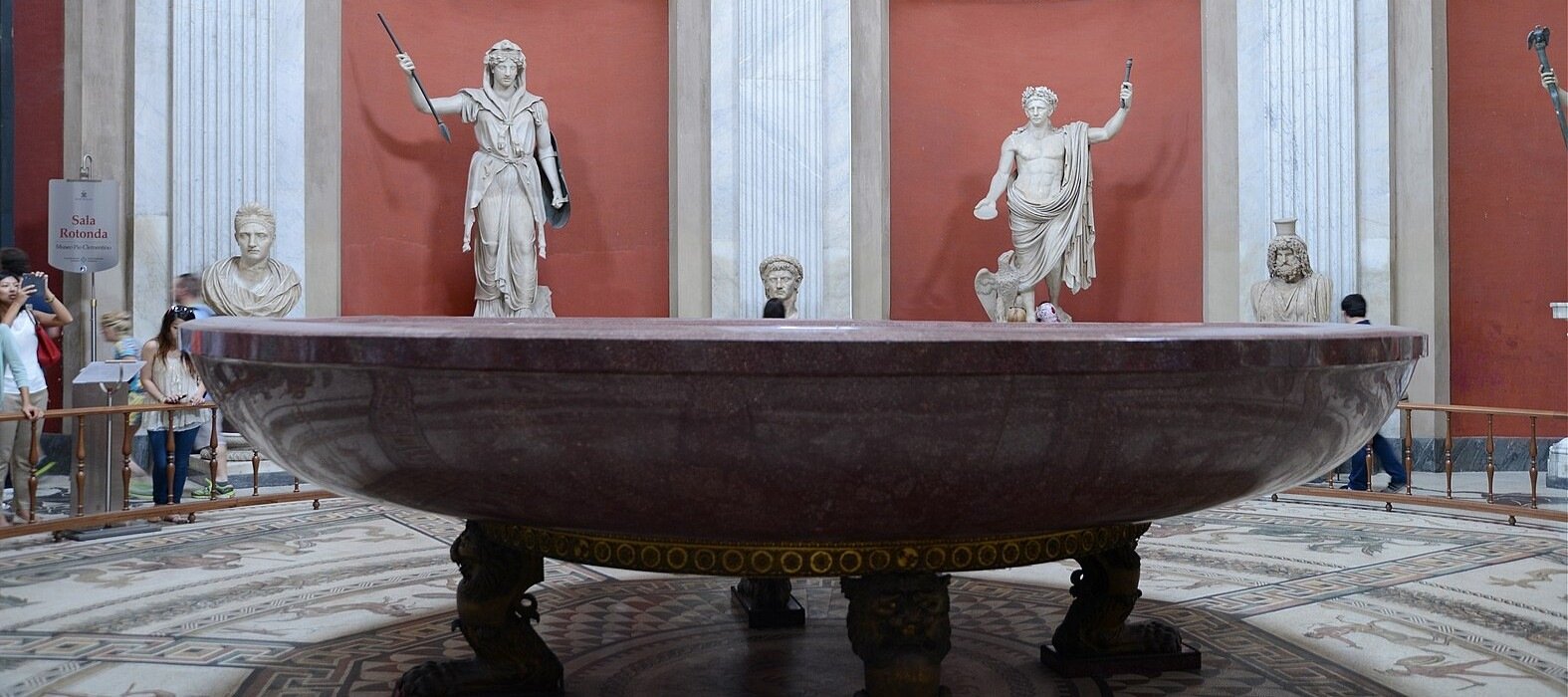
    Tazza in porfido, forse proveniente dalla Domus Aurea (Rotonda del Belvedere, Museo Pio-Clementino, Roma).

    Domus Aurea: Tours, Tickets and Useful Info

    Quick Guide and Experiences


    The Domus Aurea is one of the hidden treasures of ancient Rome: the monumental residence of Emperor Nero, buried for centuries and now open to visitors through a fascinating route that blends archaeology, history, and technology.


    Domus Aurea: Visiting the Domus Aurea means descending into the heart of Imperial Rome, inside the legendary residence of Emperor Nero. This monumental complex, buried for centuries beneath later constructions, represents one of the most fascinating examples of Roman architecture from the 1st century AD.

    The underground frescoed halls: The visitor route winds through hypogeal spaces decorated with original frescoes of extraordinary refinement. The painted walls, featuring vegetal motifs, mythological figures, and elegant geometries, inspired artists such as Raphael and profoundly influenced the history of Renaissance art.

    The Octagonal Hall: The symbolic heart of the Domus Aurea, the Octagonal Hall is a masterpiece of Roman engineering. Featuring a large dome with a central opening, it represents one of the most innovative architectural solutions of its time and anticipates concepts later developed in the Pantheon.

    The multimedia route: The visit is enhanced by multimedia installations and virtual reality experiences that reconstruct the original appearance of the residence. Thanks to these immersive technologies, visitors can imagine the spaces in their ancient splendor, with water features, precious marbles, and decorations that have now disappeared.


    Powered by GetYourGuide

    An unmissable experience: Exploring the Domus Aurea is a unique experience, unlike any other archaeological site in Rome. A guided tour allows visitors to understand the historical context, architectural innovations, and artistic value of this extraordinary place, making the visit evocative, engaging, and truly memorable.


    Powered by GetYourGuide

    Visit duration: a visit to the Domus Aurea lasts on average about 1 hour to 1 hour and 30 minutes. Access is limited and takes place exclusively with a guided tour, in order to protect the site and ensure a proper understanding of the archaeological complex.

    Opening hours, prices and reservations: the Domus Aurea can only be visited on specific days and at set times, which vary depending on the season and ongoing restoration works. Advance booking is mandatory. For updated information, it is recommended to consult the official website or refer to the Selected experiences section.

    📌 Site access: entry to the Domus Aurea is allowed only at scheduled times and with a mandatory guided tour. It is recommended to arrive at least 15 minutes before the time indicated on your ticket.

    Security checks: security checks are carried out before entry. Large backpacks and bulky bags are not allowed. It is advisable to travel light and arrive slightly in advance of the scheduled time.

    Available services: information points and assistance staff are present at the entrance. As this is an underground archaeological site, there are no restrooms along the visiting route. Cafés and services are available in the nearby Colle Oppio area.

    Accessibility: the Domus Aurea features stairs, walkways and uneven surfaces. Access may be limited for visitors with reduced mobility. It is advisable to check accessibility conditions and available routes in advance.

    Temperature and clothing: the interior maintains a cool and constant temperature throughout the year. Comfortable shoes and practical clothing are recommended; even in summer, a light jacket may be useful.

    Recommended time slots: all visits take place at scheduled times. Tours with smaller groups offer a more intimate experience and allow you to better appreciate the spaces and the guide’s explanations.

    Photography: photography without flash is generally allowed, but restrictions may vary depending on conservation conditions. The use of professional equipment or video recording requires authorization.


    Powered by GetYourGuide

    On foot: if you are staying in the historic center of Rome, the Domus Aurea is easily reachable on foot from areas such as the Colosseum, Monti, Fori Imperiali, or San Giovanni. The entrance is located within the Parco del Colle Oppio, just a few minutes from the Flavian Amphitheater.

    By subway: this is the most convenient and recommended option. Get off at the Colosseo station on Line B (Blue). From there, walk through the Colosseum area and continue to the Parco del Colle Oppio; the Domus Aurea entrance is about a 10-minute walk away.

    By bus and tram: several urban lines connect the Domus Aurea area with the rest of the city. Main bus lines include 51, 75, 85, 87, 117, and 118, while tram 3 stops nearby. Stops are located along Via Labicana and Via Merulana.

    By train: if arriving from other cities, get off at Roma Termini and continue by subway (Line B, direction Laurentina) for one stop to Colosseo. Alternatively, the area is reachable on foot in about 25 minutes.

    By car: private car access is not recommended. The area is part of the Historic Center ZTL and has traffic restrictions. Paid parking is available nearby (Via Labicana, Via Merulana), but public transport is preferable.

    By taxi or private transfer: taxis and private transfers can drop you near the Parco del Colle Oppio, observing traffic restrictions. This is convenient especially for those with limited time or traveling in groups.


  • Experiences in Venice: Tours, Tickets and Useful Info

    Experiences in Venice: Tours, Tickets and Useful Info

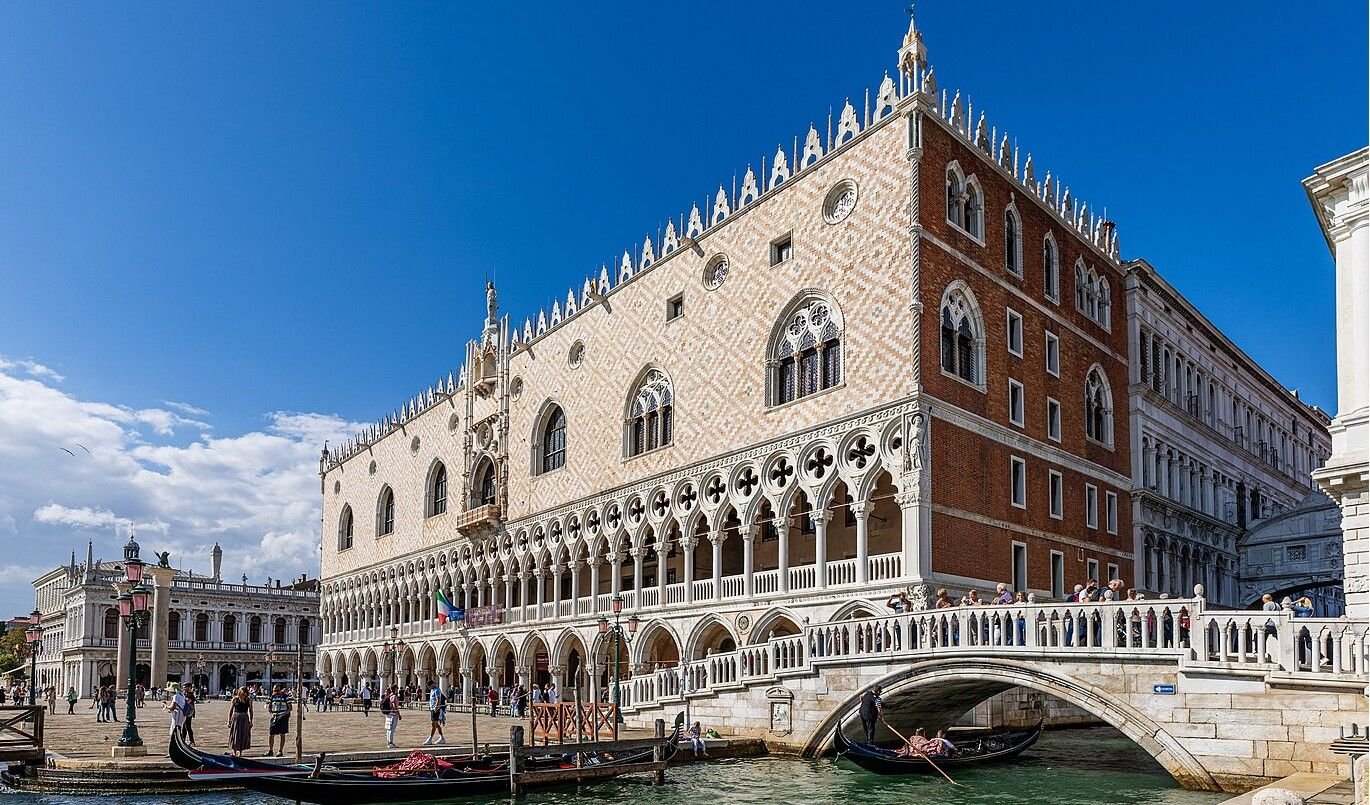
    Venezia, Palazzo Ducale e scorcio del Ponte dei Sospiri

    Experiences in Venice: Tours, Tickets and Useful Info

    Quick Guide to Activities


    On this page you will find a selection of the best experiences 🏆 we have picked for you in Venice, based on offers from major tour operators.

    📌 For a more complete overview of each attraction (St. Mark’s Basilica, Doge’s Palace, Guided Tours, etc.), you can click on the links to the detailed pages +🔗.


    St. Mark’s Square

    • St. Mark’s Basilica +🔗
    • St. Mark’s Campanile +🔗
    • Doge’s Palace +🔗
    • Bridge of Sighs +🔗
    • Combined Tours

    Attractions in the Sestieri

    • Jewish Ghetto +🔗
    • La Fenice Theatre +🔗
    • Rialto Bridge +🔗
    • Borges Labyrinth
    • Ca’ Pesaro
    • Palazzo Contarini del Bovolo
    • Leonardo da Vinci Museum
    • Olivetti Store
    • Querini Stampalia Foundation
    • Natural History Museum
    • Other Attractions
    • Guided Tours in the Sestieri

    Grand Canal and Islands

    • Venice by Gondola +🔗
    • Venice Cruise +🔗
    • Murano, Burano and Torcello +🔗

    Activities and Useful Services

    • Venice Carnival +🔗
    • Tastings and Workshops
    • City Pass and Other

    Piazza San Marco is the symbolic heart of Venice and the ideal starting point for understanding the history, art, and power of the Serenissima. This area brings together some of the city’s most representative landmarks, with monumental architecture and routes that tell centuries of Venetian life.


    St. Mark’s Basilica

    Visiting St. Mark’s Basilica means stepping into one of the most iconic places in Venice, a masterpiece of Byzantine inspiration that tells centuries of history of the Venetian Republic:

    Powered by GetYourGuide

    St. Mark’s Campanile

    The St. Mark’s Bell Tower, a majestic tower overlooking the famous square, offers an extraordinary panoramic view over the city, its rooftops, and the lagoon.

    Powered by GetYourGuide

    Doge’s Palace

    The Doge’s Palace in Venice was the heart of power of the Venetian Republic, and visiting it allows you to discover one of the most fascinating historical complexes in the city.

    Powered by GetYourGuide

    Bridge of Sighs

    The Bridge of Sighs is one of Venice’s most famous attractions: an elegant white stone passage linking the Doge’s Palace to the ancient Prisons, surrounded by legends, stories, and timeless charm.

    Powered by GetYourGuide

    Combined Tours

    Discover all of St. Mark’s with these Combined Tours praised by thousands of reviews, to fully experience the magic, art, and history of Venice’s most iconic landmarks:


    Powered by GetYourGuide

    Exploring the Venetian districts (Sestieri) means discovering the city’s most authentic side, beyond the iconic sights alone. Each neighborhood has its own identity, shaped by historic palaces, museums, quiet alleys, and lesser-known corners that reveal a deeper, more local Venice.


    Jewish Ghetto

    The Venetian Ghetto, the first ghetto in Europe and in the world, established by the Republic of Venice in 1516, is an unmissable experience: a district rich in memory where synagogues, museums, and centuries-old traditions intertwine among quiet streets and squares.

    Powered by GetYourGuide

    La Fenice Theatre

    The Teatro La Fenice is one of the most prestigious opera houses in the world. Located in the heart of Venice, it hosts opera performances and concerts and allows visitors to admire elegant interiors that reflect a long musical and cultural tradition.

    Powered by GetYourGuide

    Rialto Bridge

    The Rialto Bridge is one of the liveliest areas of Venice overlooking the Grand Canal: a historic bridge filled with shops, markets, and picturesque views that reflect the city’s commercial soul:

    Powered by GetYourGuide

    Borges Labyrinth

    The Borges Labyrinth and the Giorgio Cini Foundation offer a journey through art, culture, and mystery in one of the most evocative places in Venice:


    Ca’ Pesaro

    Visit Ca’ Pesaro to explore modern and Asian art in the heart of Venice:


    Palazzo Contarini del Bovolo

    One of Venice’s hidden gems is the famous spiral staircase of Palazzo Contarini del Bovolo.


    Leonardo da Vinci Museum

    Discover the Leonardo da Vinci Museum and explore the inventions of the Italian genius:


    Olivetti Store

    The Olivetti Showroom in St. Mark’s Square is a refined hidden gem for lovers of architecture and Italian design:


    Querini Stampalia Foundation

    Visiting the Querini Stampalia Foundation means diving into Venetian art, architecture, and culture beyond the main tourist routes:


    Natural History Museum

    Visit the Venice Natural History Museum to explore nature and science in the heart of the city:


    Other Attractions

    Beyond the great classics, Venice hides many lesser-known yet highly valuable artistic and cultural gems, perfect for travelers who want to explore the city through original experiences away from the most crowded routes:


    Guided Tours in the Sestieri

    Check out our selection of the best guided tours around the Sestieri to experience the most authentic side of Venice beyond the traditional routes:


    Powered by GetYourGuide

    The Grand Canal and the Islands of the Lagoon represent the aquatic soul of Venice, a one-of-a-kind landscape best experienced from the water. Scenic routes and islands rich in history and traditions offer a slower, more evocative perspective on the city.


    Venice by Gondola
    Powered by GetYourGuide

    Venice Cruise
    🔗 Explore: Venice by Cruise
    Powered by GetYourGuide

    Murano, Burano and Torcello

    The Islands of the Venetian Lagoon are among the most fascinating destinations in the lagoon: Murano, famous for glassmaking, Burano for its colorful houses and lace, and Torcello, a historic island immersed in tranquility.


    Powered by GetYourGuide

    Beyond cultural visits, Venice offers a wide range of activities and practical experiences to enrich your stay and help organize your time in the city. From major seasonal events to services designed to make getting around easier, these options support a more complete and mindful way of experiencing Venice.


    Venice Carnival

    The Venice Carnival is one of the most enchanting events worldwide: a noticeable atmosphere made of elegant masks, historical costumes, and evocative settings that take the city back in time.

    Powered by GetYourGuide

    Tastings and Workshops

    Discover our tasting experiences and workshops in Venice, to savor the local culinary culture and learn ancient artisan crafts:

    Powered by GetYourGuide

    City Pass and Other

    The convenient Venice City Passes can include museums, churches, and public transport, allowing you to visit the main attractions and move freely around the Serenissima.


  • Colosseum: Tours, Tickets and Useful Info

    Colosseum: Tours, Tickets and Useful Info

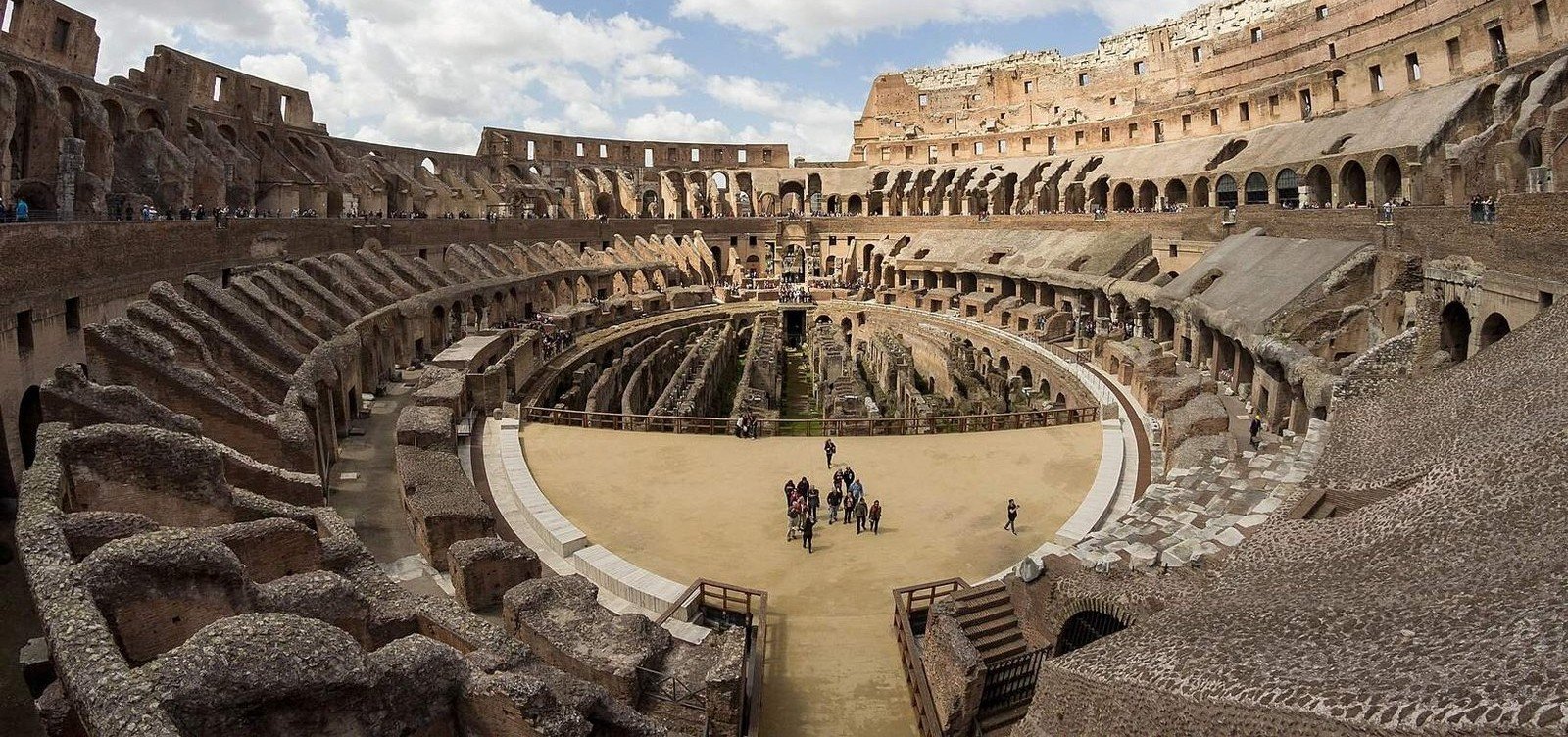
    Roma, Colosseo, interno piano arena

    Colosseum: Tours, Tickets and Useful Info

    Quick Guide and Experiences


    The Colosseum is one of the most famous archaeological sites in the world and a UNESCO World Heritage Site of inestimable value. A masterpiece of Roman engineering where gladiator fights, public spectacles, and events that shaped the history of the Roman Empire once took place.

    📌 On this page you will find a selection of the best 🏆 Colosseum experiences, carefully chosen based on the offers of the leading tour operators.


    Colosseum: This monumental amphitheater, capable of hosting tens of thousands of spectators, tells the stories of public shows and games that once animated Roman life.

    Archaeological area and Roman Forum: The Colosseum stands at the heart of the Roman Forum and the Palatine Hill, places that bear witness to the political and religious center of ancient Rome. Walking among temples, basilicas, and historic ruins, visitors can truly sense the grandeur and organization of Roman civilization.

    Architecture and historical details: The amphitheater preserves extraordinary architectural elements such as arches, underground corridors, and structures designed for stage effects. These details highlight Roman engineering brilliance and structural elegance, offering a complete understanding of the building’s history.

    Amphitheater Arena: Accessing the arena allows visitors to walk on the same ground where gladiators and animals once faced each other before thousands of spectators. It is an emotional experience that brings back the intensity of ancient games.

    Colosseum Underground: Access to the underground areas reveals hidden passages and ancient stage machinery of the amphitheater. These spaces offer an exclusive perspective on daily life and technical ingenuity in ancient Rome.

    Colosseum Museum: Inside the archaeological complex, a museum displays artifacts, models, and digital reconstructions, providing deeper insight into the history, construction techniques, and everyday life connected to the amphitheater.


    Powered by GetYourGuide

    An unmissable experience: Entering the Colosseum means experiencing the grandeur of ancient Rome up close, through guided tours or audio guides that explain its history, curiosities, and the events that took place inside, making the experience truly unforgettable!


    Standard Admission Tours
    Powered by GetYourGuide

    Priority Access Tours

    Tours with Arena and Underground Access
    Powered by GetYourGuide

    Tickets Only

    Powered by GetYourGuide

    Duration of the visit: Visiting the Colosseum, including the Roman Forum and Palatine Hill, typically takes around 4 to 5 hours. Guided tours help optimize your time and provide a better understanding of the historical and archaeological context of the complex.

    Opening hours, prices, and reservations: The Colosseum is open daily, with hours varying depending on the season. Access is limited, and advance booking is strongly recommended, especially during peak periods. Check the official website.

    Ticket types: There are various ticket options, from the standard ticket granting access to the Colosseum, Roman Forum, and Palatine Hill, to special experiences that include the Arena, Underground Areas, or evening visits. Guided tours allow access to normally restricted areas and provide a more complete experience. See the Selected Experiences section.

    Security checks: Entry to the Colosseum involves airport-style security checks. Large backpacks, suitcases, and sharp objects are prohibited. It is advisable to arrive ahead of the time indicated on your ticket.

    Available services: Inside the archaeological area, you will find information points, restrooms, bookshops, and rest areas. Nearby, there are bars, restaurants, and public transport stops.

    Accessibility: The Colosseum has elevators and dedicated routes for visitors with reduced mobility, although some areas of the Forum and Palatine Hill may be less accessible. It is advisable to check available routes in advance.

    Clothing and weather: The area is entirely outdoors. Comfortable clothing, suitable walking shoes, and, in summer, a hat and water are recommended. In winter, a jacket is useful, especially in shaded areas.

    Recommended visiting hours: To avoid crowds, it is best to visit the Colosseum early in the morning or late in the afternoon. Skip-the-line tours ensure a smoother and less stressful experience.

    Photography: Personal photography is allowed. The use of professional equipment or photography for commercial purposes requires specific authorization.


    Powered by GetYourGuide

    On foot: If you are staying in the historic center of Rome, the Colosseum is easily reachable on foot from areas such as Monti, the Imperial Forums, Piazza Venezia, or the Circus Maximus. Distances are short, and the route allows you to walk through some of the most evocative archaeological areas of the city.

    By metro: This is the most convenient and recommended way. The Colosseo stop on Line B (Blue) is right in front of the amphitheater. From Termini station, it is just two stops away. The metro is frequent and well connected to the main areas of the city.

    By bus and tram: Numerous urban lines connect the Colosseum with the rest of Rome, including bus lines 51, 75, 85, 87, 118 and tram 3. Stops are located along Via dei Fori Imperiali and Piazza del Colosseo.

    By train: If you are arriving from other cities, you can get off at Roma Termini station and continue by metro (Line B) or on foot in about 25 minutes. From Roma Tiburtina, you can reach the Colosseum directly via Line B.

    By car: Private car access is not recommended. The Colosseum area is part of the Historic Center ZTL and has traffic restrictions. Paid parking is available nearby, but it is preferable to leave your car in park-and-ride lots and use public transport.

    By taxi or private transfer: Taxis and private transfers (NCC) can drop you off in the permitted areas near the Colosseum. This is a convenient option, especially for those traveling with children or on a tight schedule, considering traffic restrictions during peak hours.


  • Venice Carnival: Experiences and Useful Info

    Venice Carnival: Experiences and Useful Info

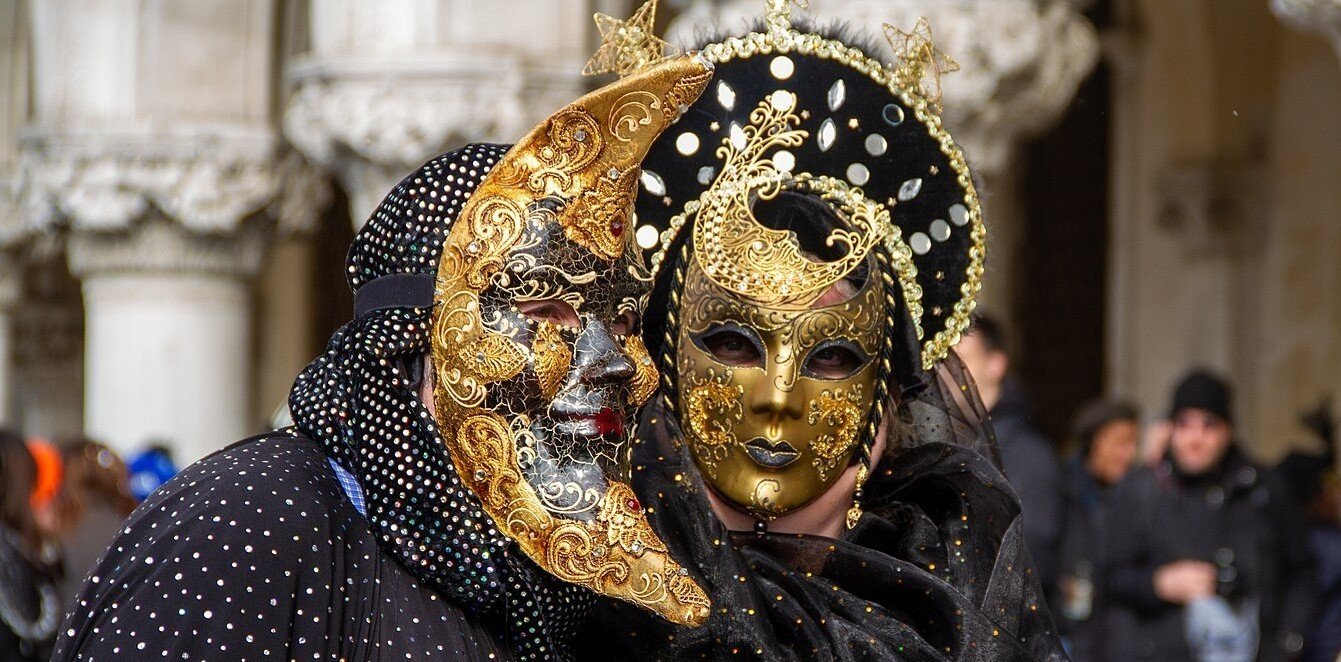
    Venezia e le Maschere del suo magico Carnevale

    Venice Carnival: Experiences and Useful Info

    Quick Guide and Tours


    The Venice Carnival is one of the most fascinating events in the world: an explosion of elegant masks, historical costumes, and timeless atmospheres.


    Powered by GetYourGuide

    Origins and Meaning: The Venice Carnival has its roots in the Middle Ages, when masks allowed people to erase social differences and enjoy the city in complete freedom. Nobles and commoners mingled through streets and squares, creating a unique atmosphere of anonymity, spectacle, and controlled mischief. Today, the Carnival celebrates this centuries-old tradition with events that combine history, art, and entertainment.

    Traditional Masks: The undisputed symbol of the Carnival, Venetian masks tell stories and depict iconic characters such as the Bauta, Moretta, and Volto. Still crafted today by local artisans using traditional techniques, they are among the most fascinating and photographed elements of the event.

    Piazza San Marco and Official Events: The symbolic center of the Carnival, Piazza San Marco hosts the most important ceremonies, such as the Flight of the Angel, live performances, and costume parades. Here visitors can experience the authentic essence of the festival, surrounded by music, colors, and spectacular scenography.

    Masked Balls and Parties in Historic Palaces: During the Carnival, some of Venice’s most enchanting palaces open their doors for exclusive masked balls and private parties. These events recreate the aristocratic atmosphere of the Serenissima, offering a refined and evocative experience.

    An Experience to Live: Participating in the Venice Carnival means immersing yourself in a timeless celebration where history, art, and performance merge in an unforgettable atmosphere. Guided events, shows, and themed tours allow visitors to experience the Carnival authentically, excitingly, and memorably.


    Powered by GetYourGuide

    Discover the most popular experiences of the Venice Carnival to immerse yourself in the city’s magical atmosphere with masks, historical costumes, performances, and timeless traditions:


    Powered by GetYourGuide

    Experience duration: The Venice Carnival generally takes place over about two weeks, but many experiences can be enjoyed in just a few hours. Workshops, shows, and themed tours usually last 1 to 3 hours, making it easy to fit them into your city itinerary.

    Dates, events, and bookings: The Carnival is held between late January and February, with dates varying each year. Main events include parades, performances, and costume parties. For highly popular activities, such as mask workshops or theater shows, advance booking is strongly recommended (see Selected experiences).

    Main locations: The heart of the Carnival is St. Mark’s Square, but events and performances also take place in the historic districts, among streets, squares, and theaters. Many guided experiences allow visitors to discover less crowded corners and more authentic atmospheres.

    Accessibility: Venice has many bridges and uneven pavements. Some events and workshops are accessible, while others may be more challenging for people with reduced mobility. It is advisable to check the details of the chosen experience in advance.

    Recommended clothing: During the Carnival, temperatures can be cool. Warm and comfortable clothing is recommended, with shoes suitable for walking long distances. For those attending costume parties or experiences, historical costumes or artisan masks can be rented at local ateliers.

    Crowd and attendance management: During the Carnival’s peak days, especially on weekends and main events, Venice can be very crowded. Participating in organized experiences or choosing alternative times allows for a more pleasant and relaxed experience.


  • Islands of the Venice Lagoon: Experiences and Useful Info

    Islands of the Venice Lagoon: Experiences and Useful Info

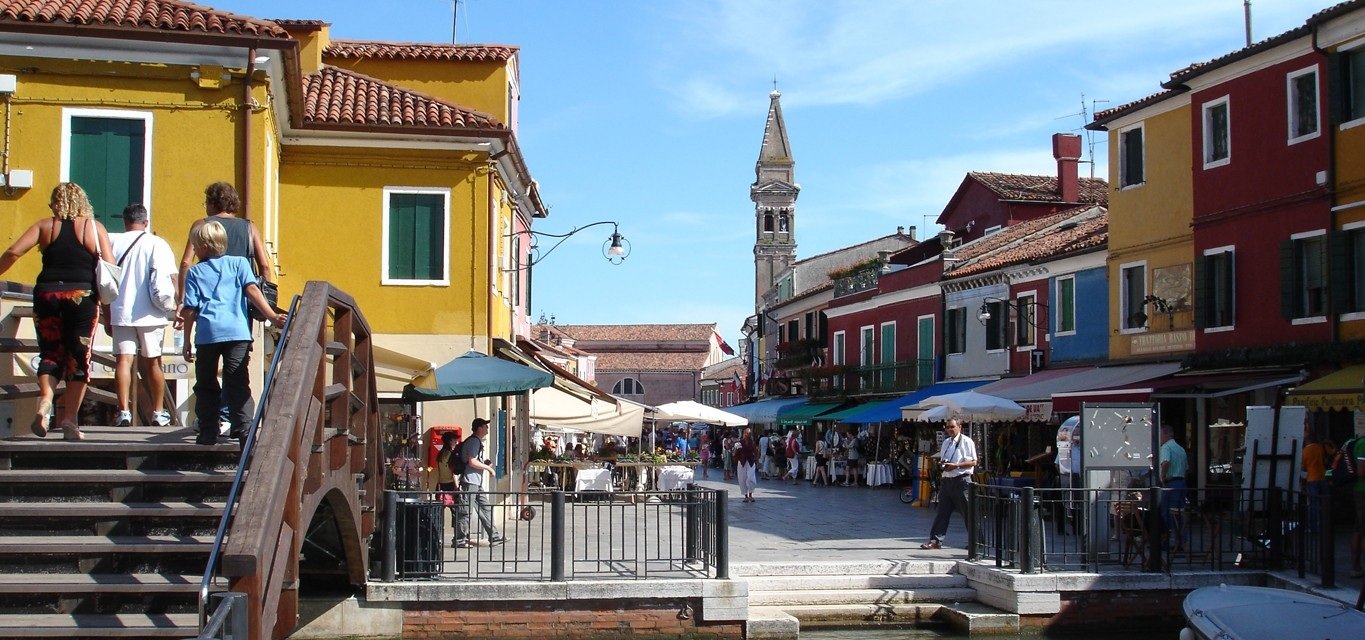
    Venezia, Isola di Burano

    Islands of the Venice Lagoon: Experiences and Useful Info

    Quick Guide and Tours


    The Islands of the Venice Lagoon are among the most enchanting destinations in the lagoon: Murano with its glassmaking tradition, Burano with its colorful houses and lace, and Torcello, the ancient heart of Venice immersed in tranquility.


    Murano: Famous worldwide for its millenary glassmaking art, Murano offers workshops and glass factories where you can watch and participate in glassblowing demonstrations. Historical churches and picturesque streets complete the experience of this unique island.

    Burano: Renowned for its brightly colored houses and ancient lace-making tradition, Burano enchants visitors with its authentic atmosphere. Walking through the streets, visiting artisan shops, and discovering charming corners make the visit unforgettable.

    Torcello: Considered the historical cradle of Venice, Torcello is a peaceful oasis immersed in the lagoon’s nature. Its cathedral, Byzantine mosaics, and remains of ancient structures testify to the island’s millenary history, offering a cultural and contemplative experience.


    Powered by GetYourGuide

    On this page, you will find a selection of the best experiences we have chosen for you in Murano, Burano, and Torcello, based on the offers of leading tour operators.

    Through this careful selection, you will discover authentic tours and unmissable activities, allowing you to fully experience the unique atmosphere of the Venice Lagoon.


    Murano
    Powered by GetYourGuide

    Murano and Burano
    Powered by GetYourGuide

    Murano, Burano and Torcello

    Powered by GetYourGuide

    Visit duration: exploring the islands of Murano, Burano and Torcello typically takes 3–6 hours, depending on chosen activities such as glass factory tours, strolls through Burano’s colorful streets, or visits to Torcello’s historic monuments. Guided tours or boat excursions allow for a more complete experience.

    Hours, prices and reservations: tours and excursions follow schedules that vary by season. Some attractions, like Murano’s glass factories or Burano’s Lace Museum, require paid entry. It is advisable to book in advance to secure spots during peak periods, see Selected Experiences.

    Available services: along the islands you will find information points, bars, restaurants, and local craft shops. Boarding points for vaporettos and private tours are also available.

    Accessibility: many docks and some attractions provide easy access for visitors with reduced mobility, but some narrow streets or bridges in Murano and Burano may be restrictive. It is recommended to check with operators before visiting.

    Temperature and clothing: comfortable clothing and non-slip shoes are recommended, especially for boat routes or walking along the streets. In summer, bring sun protection and water; in winter, wear warm and waterproof clothing.

    Recommended visiting hours: to enjoy the islands peacefully and take photos without crowds, it is suggested to visit early in the morning or late in the afternoon. Small group tours are ideal for a more intimate experience.

    Photography: photography is allowed freely. During demonstrations in Murano’s glass factories, it is recommended to follow operators’ instructions and avoid obstructing the artisans’ work.


    Powered by GetYourGuide

    Duration of the visit: exploring the islands of Murano, Burano, and Torcello usually takes 3–6 hours, depending on the activities chosen, such as glass factory tours, walks through Burano’s colorful streets, or visits to Torcello’s historic monuments. Guided tours or boat excursions allow for a more complete experience.

    Hours, prices, and bookings: tours and excursions follow schedules that vary by season. Some attractions, like Murano’s glass factories or Burano’s Lace Museum, require paid entry. It is recommended to book in advance to secure spots during peak periods, see Selected Experiences.

    Available services: along the islands you will find information points, bars, restaurants, and local craft shops. Boarding points for vaporetti and private tours are also available.

    Accessibility: many docks and some attractions offer wheelchair access, but some narrow streets or bridges in Murano and Burano can be limiting. It is advisable to check with operators before visiting.

    Temperature and clothing: comfortable clothing and non-slip shoes are recommended, especially for boat routes or walking along the streets. In summer, bring sun protection and water; in winter, warm and waterproof clothing.

    Recommended time slots: to enjoy the islands calmly and take photos without crowds, visiting early in the morning or late in the afternoon is suggested. Small group tours are ideal for a more intimate experience.

    Photography: taking photos is allowed. During demonstrations in Murano glass factories, it is recommended to follow operators’ instructions and not obstruct the artisans’ work.


  • Grand Canal: Experiences and Useful Info

    Grand Canal: Experiences and Useful Info

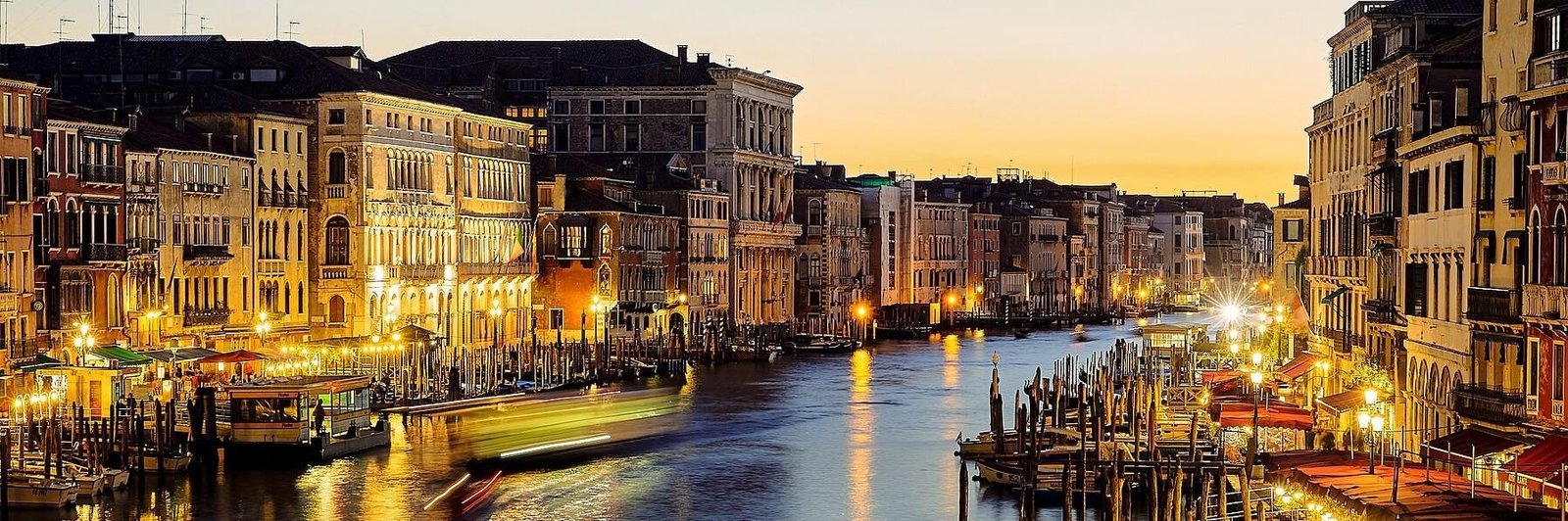
    Venezia, il Canal Grande illuminato al crepuscolo

    Grand Canal: Experiences and Useful Info

    Quick Guide and Tours


    The Grand Canal is the main waterway of Venice, a ribbon of water that runs through the city, telling its story through historic palaces, iconic bridges, and the constant flow of gondolas and water buses.


    Grand Canal: The Grand Canal is the main artery of Venice and a true open-air museum: a long water corridor lined with historic palaces, monumental churches, and bridges that tell centuries of history, art, and commerce.

    Historic palaces and facades: Along the Grand Canal, architectural masterpieces such as Ca’ d’Oro, Ca’ Foscari, Ca’ Rezzonico, and the sumptuous palaces that once hosted noble merchant families stand in succession. The water-facing facades offer picturesque views and artistic details of great value.

    Basilicas and monuments: Must-see stops include the Basilica di Santa Maria della Salute with its spectacular dome and, a little further along, the entrances to the Palazzo Ducale complex (see More Info) and Piazza San Marco, reachable with a short boat ride.

    Rialto Bridge and the market: The famous Rialto Bridge (see More Info) dominates one of the liveliest points of the Grand Canal. Nearby, the Rialto Market remains the bustling heart of the city’s trade, perfect for tasting local products and capturing the Venetian atmosphere.

    Water experiences: A gondola ride or a water bus along the Grand Canal are must-do experiences to appreciate the unique perspective of the palaces from water level. Guided boat tours, photography tours, and evening cruises offer different ways to experience the Grand Canal.


    Powered by GetYourGuide

    Discover the best experiences on the Grand Canal to experience Venice from a unique perspective, enjoying poetic views, historic palaces, and the timeless atmosphere of the lagoon:

    Powered by GetYourGuide

    Powered by GetYourGuide

    Discover the best cruises and water tours in Venice to experience the city and lagoon from an exclusive perspective, with breathtaking sunsets, music, aperitifs, and iconic views:


    Powered by GetYourGuide

    Visit duration: to fully enjoy the Grand Canal and its main attractions (gondolas, vaporettos, cruises), it is recommended to dedicate at least 1-2 hours, but the time can extend if guided tours, photography tours, or evening cruises are included.

    Hours, prices and bookings: gondola tours and boat excursions have variable schedules depending on the season. For advance bookings and updated information, check the official service provider websites or the Selected Experiences.

    Available services: along the Grand Canal you can find information points, gondola rentals, and boarding points for vaporettos and private tours. In areas near Rialto and St. Mark’s there are historic cafés, restaurants, and shops for visitors.

    Accessibility: many docks and vaporettos offer easy access for visitors with reduced mobility. Some gondolas or private boats may have limitations; always check with the operator before departure.

    Recommended attire: for gondola tours or evening excursions, wear comfortable clothing and non-slip shoes. In summer, sun protection and water are useful, while in winter warm and waterproof clothing is recommended.

    Recommended time slots: the Grand Canal is quieter early in the morning or after 4:00 PM. For photographic or romantic experiences, sunset tours offer spectacular light and fewer crowds.

    Photography: photos can be taken from gondolas, vaporettos, and cruises. Remember to respect other visitors and avoid obstructing navigation during the tour.


  • Rialto Bridge: Experiences and Useful Info

    Rialto Bridge: Experiences and Useful Info

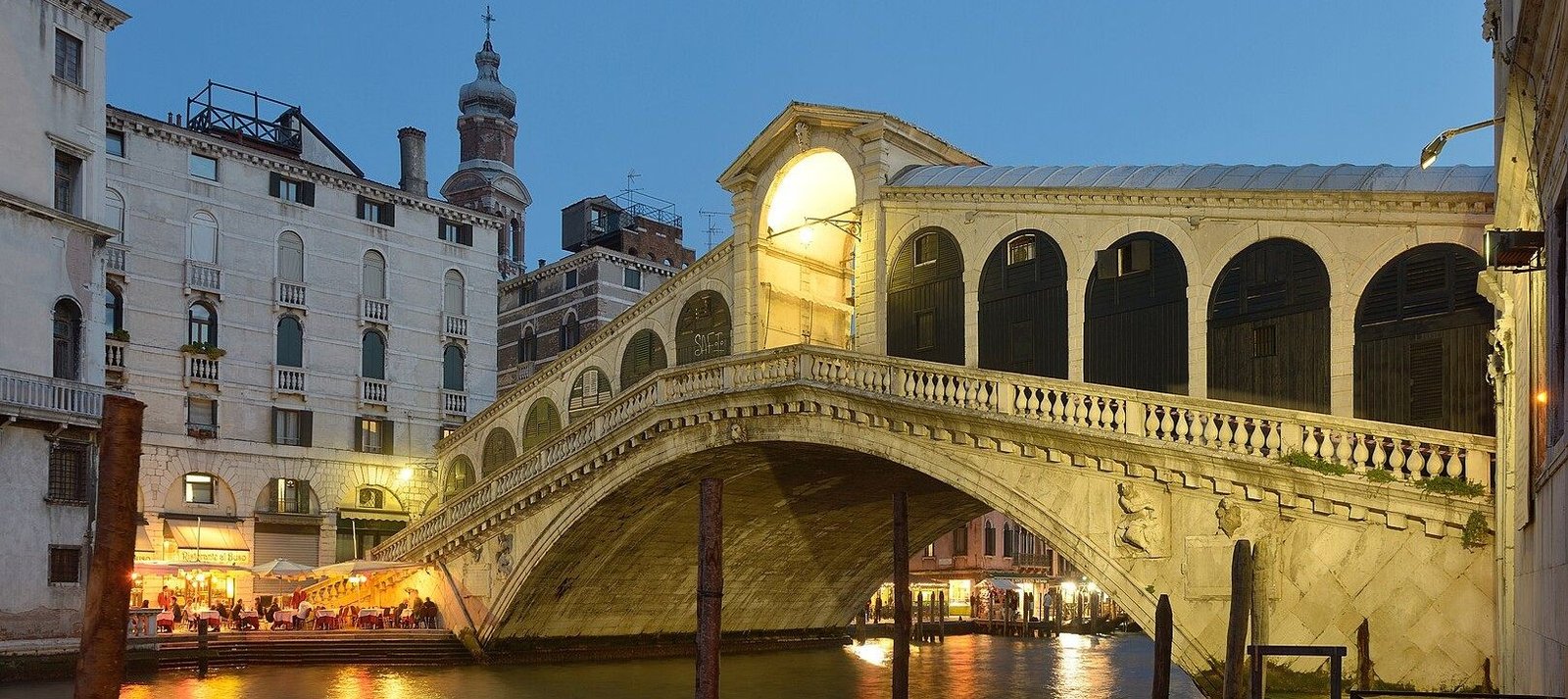
    Venezia, Sestiere San Marco, il suggestivo Ponte di Rialto ripreso alle prime luci della sera

    Rialto Bridge: Experiences and Useful Inf

    Quick Guide and Tours


    The Rialto Bridge is the beating heart of Venice on the Grand Canal: a historic bridge brimming with shops, markets and spectacular views over the lagoon.


    The Rialto Bridge is one of Venice’s most famous symbols, spanning the Grand Canal and connecting the districts of San Marco and San Polo. Built in the 16th century, it is renowned for its arched structure and breathtaking views of gondolas and vaporetto traffic.

    The Market and Shops: On either side of the bridge is the historic Rialto market, the commercial heart of the city for centuries: stalls selling fish, fruit, and local products alternate with artisan shops and historic stores where you can find souvenirs and Venetian specialties.

    Architecture and History: The current stone bridge replaced earlier wooden structures and is a masterpiece of Renaissance engineering. Walking across the Rialto allows you to experience Venice’s mercantile history firsthand and observe architectural details that tell centuries of trade and culture.

    Views of the Grand Canal: From the center of the bridge, you can enjoy one of the city’s most iconic views: the Grand Canal full of boats, historic palaces overlooking the water, and the lively Venetian daily life flowing beneath your feet.

    An Experience Not to Miss: Whether you choose a walk, a guided tour, or a stop for a spritz nearby, the Rialto Bridge is an essential stop to understand the commercial and scenic soul of Venice.


    Powered by GetYourGuide

    Discover the most popular experiences around the Rialto Bridge to experience Venice like a local, amid history, legends, and unforgettable views:


    Powered by GetYourGuide

    Duration of the visit: Exploring the Rialto Bridge area takes on average 1-2 hours, including a walk through the calli, the Rialto Market, and surrounding viewpoints. For a more complete experience, consider joining a guided tour.

    Hours, prices, and access: The bridge is always freely accessible, 24/7. Shops and the Rialto Market have varying hours depending on the season. For those wishing a deeper experience, see the Selected Experiences with themed tours and local guides.

    Available services: Nearby the bridge there are bars, cafés, restaurants, and small artisan shops. The area is served by several vaporetto lines with stops just a few minutes’ walk away.

    Accessibility: The bridge has steps and slopes, making access more challenging for people with reduced mobility. However, the surrounding areas offer alternative flat routes along the Grand Canal.

    Weather and clothing: In summer, the area can be crowded and hot during the central hours of the day; in winter, humidity and wind along the Grand Canal are frequent. Comfortable clothing and shoes suitable for uneven pavements are recommended.

    Recommended time slots: The best time to visit the Rialto Bridge is early in the morning or at sunset, when the light is perfect for photography and the crowd is smaller. Early hours are also ideal for visiting the Rialto Market.

    Photography: Photography is always allowed. To get crowd-free shots or capture the Grand Canal from unique angles, it is recommended to move to the side bridges or join a gondola tour.


    Powered by GetYourGuide

    On foot: The Rialto Bridge is easily reachable by walking from the heart of Venice. From St. Mark’s Square it takes 10-15 minutes through well-signposted calli and campielli. The area is fully pedestrian, ideal for a scenic walk along the Grand Canal.

    By vaporetto: This is the most convenient and scenic way to reach Rialto. Main lines 1 and 2 stop at Rialto and Rialto Mercato stations, both just steps from the bridge. Services run frequently during the day and evening. Tickets can be purchased at ACTV ticket offices or online.

    By water taxi: Private water taxis offer a direct arrival along the Grand Canal, with stops near the bridge. This is the fastest and most comfortable option, especially with luggage or if staying in less accessible areas.

    From Marco Polo Airport: You can reach Rialto with the Alilaguna (Orange Line) service, which connects the airport directly to the Grand Canal. The journey takes about 1 hour, and the “Rialto” stop is just a few minutes’ walk from the bridge.

    From Venezia Santa Lucia Station: Just outside the station, take vaporetto Line 1 or Line 2 towards Rialto. The ride takes 10-15 minutes and is one of the most scenic routes in Venice.

    From Piazzale Roma (bus and parking): Those arriving by car or bus can reach Rialto via vaporetto Line 1 or 2, or walk about 25-30 minutes through the San Polo district, following pedestrian signage.

    By gondola ferry: For a typical Venetian experience, you can cross the Grand Canal using the gondola ferry (public service), departing from various stations including San Tomà and Santa Sofia, both relatively close to the bridge.


  • La Fenice Theatre: Tours, Tickets and Useful Info

    La Fenice Theatre: Tours, Tickets and Useful Info

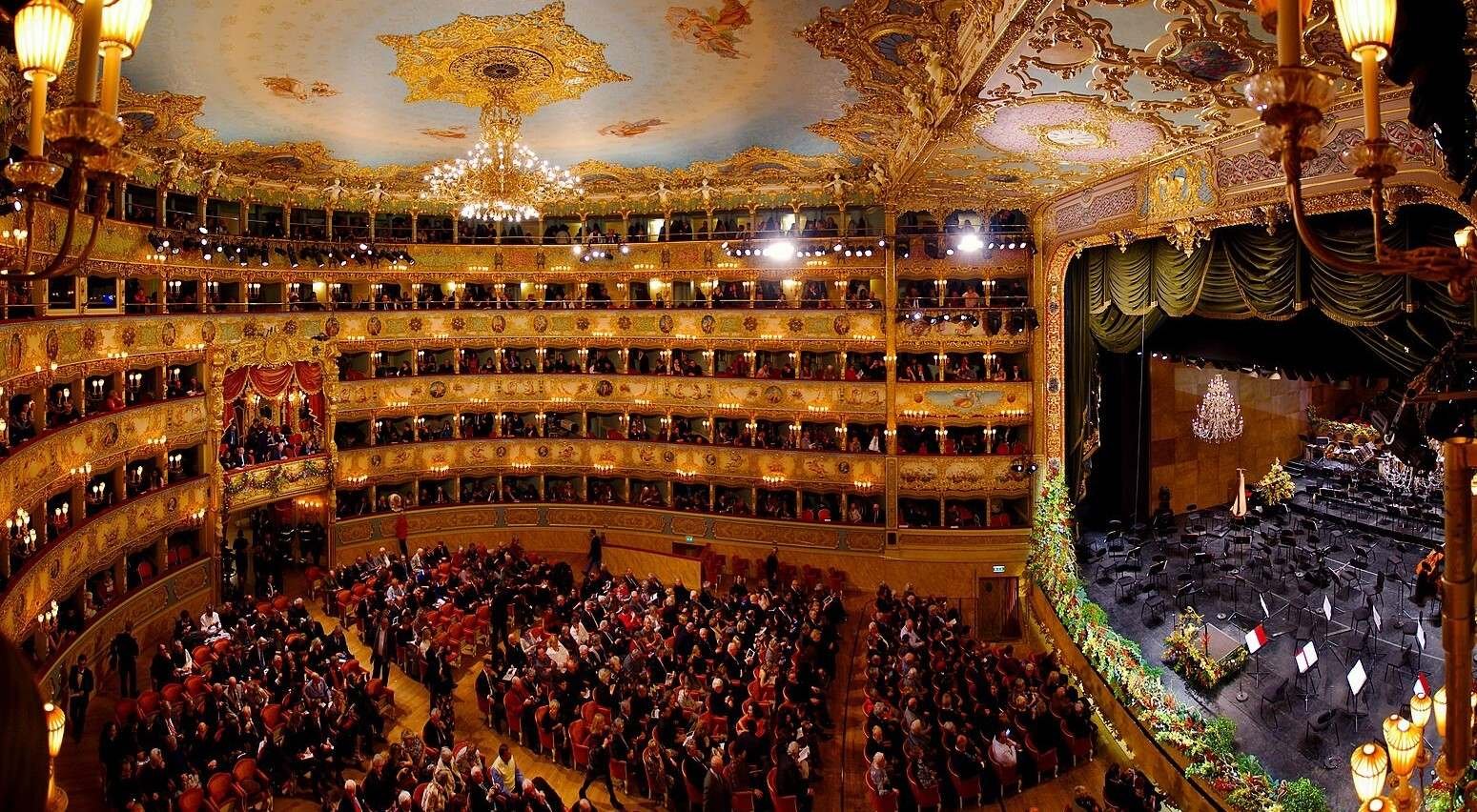
    Venezia, Teatro La Fenice,  interno del teatro durante un concerto

    La Fenice Theatre: Tours, Tickets and Useful Info

    Quick Guide and Experiences


    La Fenice Theatre in Venice is one of the most famous and important opera houses in the world. Located in the heart of Venice, it offers operatic performances and concerts, as well as the opportunity to admire its elegant architecture and richly decorated halls, showcasing centuries of musical and cultural history.


    History and Restorations: Founded in 1792, Teatro La Fenice has undergone several reconstructions after fires, maintaining its grandeur and charm. Each restoration has preserved the original atmosphere, making the theatre a symbol of resilience and beauty.

    Architecture and Interiors: The interior of Teatro La Fenice is a masterpiece of art and design, with lavish decorations, gilded stuccoes, and perfect acoustics. The main hall, with its boxes and frescoed ceiling, is an extraordinary example of theatre architecture.

    Events and Performances: The theatre hosts numerous events, from classical opera to contemporary productions. Each season is full of appointments that attract music lovers from around the world, offering a unique and engaging experience.

    Guided Tours: In addition to performances, Teatro La Fenice offers guided tours that allow visitors to discover the history, architecture, and curiosities of the theatre, providing a privileged behind-the-scenes look at this historic stage.


    Selected Experiences at Teatro La Fenice: Discover the most popular experiences at Teatro La Fenice in Venice to fully enjoy the history, art, and magic of one of the world’s most famous theatres:


    Powered by GetYourGuide

    Visit Duration: Exploring the Teatro La Fenice in Venice takes about 1 hour, especially if including a guided tour of the historic halls and the theatre museum. A guided tour allows visitors to appreciate the history, architecture, and artistic details of the theatre.

    Opening Hours, Prices, and Reservations: The theatre is open daily, with hours varying depending on activities and performances (see the official website). Advance booking is recommended for guided tours and entry tickets, especially during peak periods; see Selected experiences.

    Available Services: An information point and restrooms are available at the entrance. Nearby, you can find cafés and bars for light refreshments.

    Accessibility: The theatre is generally accessible, but some historic halls may have stairs or walkways that limit access for people with reduced mobility. It is advisable to check accessible routes in advance.

    Dress Code and Behavior: As a cultural site of great historical value, modest attire is recommended. During guided tours, visitors are expected to maintain respectful behavior.

    Recommended Time Slots: The best times to visit are early in the morning or late in the afternoon when groups are smaller and the atmosphere of the theatre can be fully appreciated.

    Photography: Photos without flash are allowed in public areas. The use of video cameras or professional equipment requires special authorization, which must be requested at the entrance.


    Powered by GetYourGuide

    On Foot: If you are staying near the center of Venice or close to Piazza San Marco, you can easily reach Teatro La Fenice with a short 5-10 minute walk. The main entrance is well signposted and accessible from the surrounding calli.

    By Vaporetto: The most convenient way to reach La Fenice is by vaporetto. The closest stops are San Marco Vallaresso and San Marco Giardinetti (lines 1 and 2). From both stops, the theatre is about a 5-minute walk.

    By Bus: Buses from the mainland stop at Piazzale Roma. From there, you can continue by vaporetto to San Marco or walk to the theatre through the historic streets of Venice.

    From the Airport: From Marco Polo Airport, you can reach La Fenice via Alilaguna connections (Orange line, San Marco Giardinetti stop) or by private water taxi for direct access to the theatre.

    By Car: Venice is pedestrian. If you arrive by car, you must park at Piazzale Roma or Tronchetto and continue on foot or by vaporetto to Piazza San Marco, from where the theatre is just a few minutes’ walk.

    Water Taxi or Private Transfer: You can book a private water taxi that docks near the theatre, a convenient option especially for evening arrivals or with luggage.