Categoria: EN

  • Jewish Ghetto of Venice: Experiences and Useful Info

    Jewish Ghetto of Venice: Experiences and Useful Info

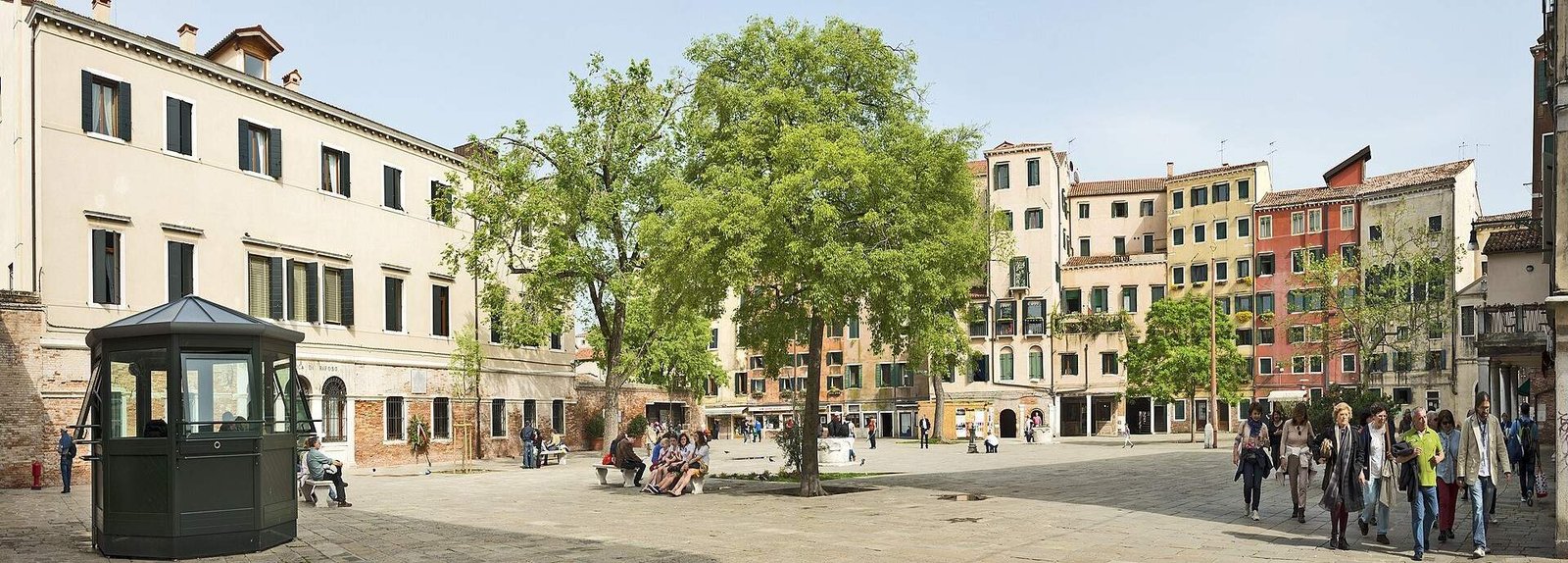
    Venezia, piazza Ghetto Ebraico

    Jewish Ghetto: Experiences and Useful Info

    Quick Guide and Tours


    English: The Jewish Ghetto represents the heart of Jewish history and culture in Italy: a unique district where synagogues, museums, and ancient traditions coexist among narrow alleys and charming squares.


    Venice Jewish Ghetto: The Venice Jewish Ghetto is one of the most fascinating and meaningful places in the city, a district rich in history and culture where the Venetian Jewish community lived for centuries. Its quiet alleys, intimate squares, and historic buildings tell the story of a captivating and often little-known past.

    The Synagogues: The spiritual heart of the Ghetto, the Venetian synagogues – including the Great German Synagogue, the Canton Synagogue, and the Levantine Synagogue – are authentic architectural masterpieces hidden behind simple facades. Their richly decorated interiors reflect the deep cultural and religious identity of the different Jewish communities present in Venice.

    The Jewish Museum: Located between the Old and New Ghetto, the Jewish Museum of Venice offers a fascinating tour through ritual objects, historical documents, manuscripts, and precious liturgical furnishings. A visit to the museum provides meaningful insight into the traditions and history of the Venetian Jewish community.

    The Calli and Campielli: Walking through the alleys of the Ghetto, such as Calle del Ghetto Vecchio and Campo del Ghetto Novo, you can feel an authentic atmosphere frozen in time. Here you will find artisan workshops, specialized bookstores, and traditional bakeries preserving the flavors and memories of Jewish culture.

    A place of memory and culture: Visiting the Venice Jewish Ghetto means discovering a unique world made of history, spirituality, and traditions. A guided tour allows you to understand the fundamental role this district played in Venetian life over the centuries.


    Powered by GetYourGuide

    Discover the most popular experiences in the Jewish Ghetto of Venice and explore this unique place filled with history, culture, and tradition:


    Powered by GetYourGuide

    Visit duration: Exploring the Venice Jewish Ghetto typically takes 1-2 hours, especially if visiting the synagogues and the Jewish Museum. A local guide helps to deepen your understanding of the history, traditions, and experiences of one of Europe’s oldest Jewish communities.

    Opening hours, prices, and reservations: The synagogues and Jewish Museum have varying schedules depending on the season (check the official website). Reservations are recommended, especially on weekends and during peak tourist months. For guided tours and activities, see Selected Experiences.

    Available services: In the Ghetto area you will find the Jewish Museum, an information point, specialized bookstores, kosher bakeries, and small cafés for a break. Restrooms are available within the museum facilities.

    Accessibility: The Ghetto is generally accessible, but some synagogues have stairs or original ramps that may be challenging for people with reduced mobility. It is advisable to check accessibility in advance for each building.

    Clothing and respect: As an area of high historical and religious value, modest clothing is recommended, especially when entering synagogues. Visitors are required to maintain respectful behavior during visits.

    Recommended visiting times: The best time to visit the Ghetto is early morning or late afternoon, when the alleys are quieter and the authentic atmosphere can be fully appreciated.

    Photography: Photography is allowed in public areas of the Ghetto. However, restrictions may apply inside the synagogues; visitors must follow staff instructions.


    Powered by GetYourGuide

    On foot: The Venice Jewish Ghetto is located in the Cannaregio district and is easily reachable with a short walk from main areas of the historic center, such as Strada Nova or Rialto. The area is well signposted and accessible through the alleys leading to the Ghetto Nuovo, the main square.

    By vaporetto: This is the most convenient way to reach the Ghetto. The closest stops are Guglie (lines 4.1, 4.2, 5.1, 5.2) and S. Marcuola – Casinò (lines 1 and 2). From both stops, the district is a 5-minute walk through the Cannaregio alleys.

    By train: Arriving at Venezia Santa Lucia station, the Ghetto is about a 10–12 minute walk. Alternatively, you can take the vaporetto from the “Ferrovia” stop to reach Guglie or S. Marcuola.

    By bus: Buses from Mestre and the mainland arrive at Piazzale Roma. From there you can reach the Ghetto on foot (about 20 minutes) or take the vaporetto (lines 4.1, 4.2, or 5.1) to Guglie.

    From the airport: From Marco Polo Airport, you can reach Venice via Alilaguna connections (Orange line, Guglie stop) or ATVO/ACTV buses to Piazzale Roma, then continue by vaporetto or on foot. Private water taxis are also available for a direct transfer.

    By car: Venice is a pedestrian city. If arriving by car, you must park at Piazzale Roma or Tronchetto and continue on foot or by vaporetto. Parking is paid and guarded; advance booking is recommended during peak season.

    By water taxi or private transfer: The Ghetto area can be reached with private water taxis, docking near Ponte delle Guglie or along nearby canals. A quick and convenient solution, especially with luggage or late arrivals.


  • Bridge of Sighs: Experiences and Useful Info

    Bridge of Sighs: Experiences and Useful Info

    Venezia Ponte de Sospiri

    Bridge of Sighs: Experiences and Useful Info

    Quick Guide and Tours


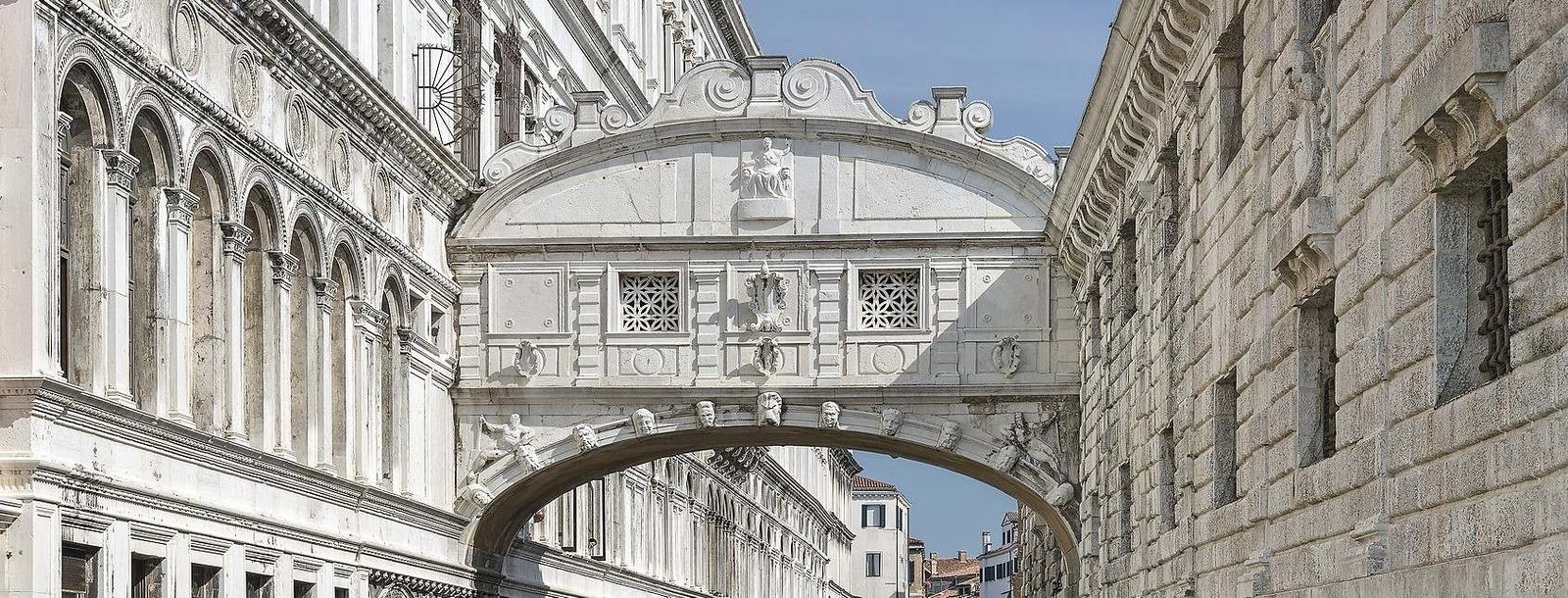
    The Bridge of Sighs is one of Venice’s most famous attractions: an elegant white-stone passage that connects the Doge’s Palace to the old Prisons, and is therefore wrapped in legends and mysteries.


    The Bridge of Sighs: one of Venice’s most iconic landmarks, built in 1614 to connect the Doge’s Palace with the New Prisons. Its name comes from the romantic tradition that prisoners would let out one last “sigh” as they looked toward the lagoon before being taken to their cells. Today it is one of the most photographed spots in the city and a true symbol of historic Venice.

    The New Prisons: the bridge was built to ensure a secure and enclosed passageway between the magistrates’ chambers of the Doge’s Palace and the detainees’ cells. The New Prisons, the first in Europe designed as an independent structure, represent a unique testimony to the ancient Venetian judicial system.

    The Enclosed Corridor: inside, the Bridge of Sighs is a narrow corridor illuminated by small stone-carved Istrian windows. Walking through it means retracing the same path prisoners once took toward incarceration—an evocative experience included in the full visit of the Doge’s Palace.

    The Istrian Stone Windows: the double windows with grilles are a symbol of Venetian stone craftsmanship. Through these openings, prisoners caught their final glimpse of the Venetian sky and the San Marco Basin. Today they are one of the most photographed details of the structure.

    The View from the Ponte della Paglia: the most famous viewpoint for admiring and photographing the Bridge of Sighs is the Ponte della Paglia, offering an iconic frame: the white bridge overlooking the canal, set between the façades of the Doge’s Palace.

    A symbol between history and legend: blending the charm of the ancient prisons, the history of the Serenissima, and romantic tales, the Bridge of Sighs unites architectural beauty with collective imagination. Despite its small size, it conveys the judicial and human history of 17th-century Venice more than any other site.


    Powered by GetYourGuide

    Discover the most popular experiences dedicated to the Bridge of Sighs and dive into the history, mysteries, and architecture of the Doge’s Palace and the ancient Prisons of the Serenissima:


    Powered by GetYourGuide

    Visit Duration: Observing the Bridge of Sighs from the outside takes only a few minutes, but the full experience — including access to the Doge’s Palace Secret Itinerary and crossing the bridge internally — can take 45 to 75 minutes. Duration varies depending on the ticket type and crowd levels.

    Opening Hours, Prices and Reservations: The Bridge of Sighs is part of the Doge’s Palace complex, so access depends on the museum’s schedule. For up-to-date information on tickets, opening hours, and tours, visit the official website. Entry to the bridge is included in Doge’s Palace tickets, while some special areas may require supplements or reservations. Skip-the-line booking is recommended, especially during peak periods. See Selected Experiences.

    Available Services: At the entrance of the Doge’s Palace, you’ll find an information desk, audio guides, and a mandatory cloakroom for large bags and backpacks. Nearby, in St. Mark’s Square, there are tourist services, historic cafés, and shops.

    Accessibility: Access to the interior of the Bridge of Sighs is only possible via the stairs and corridors of the Doge’s Palace. Some historic areas, such as the New Prisons, may be challenging for visitors with reduced mobility. It is recommended to check access options with the staff at the entrance.

    Recommended Attire: As it is not a religious site, there are no strict clothing rules, but comfortable attire is advised, especially if visiting the bridge as part of the Doge’s Palace tour. Stairs and internal corridors can be narrow and require suitable footwear.

    Recommended Times: The best time to enjoy the external view of the Bridge of Sighs from the Ponte della Paglia is early morning or late afternoon, when the light is softer and the crowd smaller. For the internal visit, the busiest hours are between 10:00 and 14:00.

    Photography: The exterior of the bridge can be fully photographed from various points along the Riva degli Schiavoni. Inside, the area features latticed windows and narrow passages; photos are only allowed where indicated and without flash, to protect the historic environment.

    Tip for the Best Experience: To fully appreciate the history of the Bridge of Sighs — from the New Prisons to the judicial passages of the Doge’s Palace — choose a guided tour or full itinerary that includes the interior areas. The narration makes the experience much more engaging.


    Powered by GetYourGuide

    On Foot: The Bridge of Sighs is located in the heart of Venice’s historic center, between the Doge’s Palace and the New Prisons. If you are already near St. Mark’s Square, you can reach it in a few minutes by walking along the Riva degli Schiavoni or through the courtyard of the Doge’s Palace.

    By Vaporetto: This is the most convenient way to reach the area. The closest stops are San Zaccaria (2-minute walk) and San Marco – Vallaresso (5-minute walk). Several lines operate here, including 4.1 / 4.2, 5.1 / 5.2, and the main lines along the Grand Canal.

    From Marco Polo Airport: You can reach the San Marco area using the Alilaguna service (Blue or Red line), which connects the airport directly to San Zaccaria and San Marco stops. From there, the bridge is just a few minutes’ walk.

    From Venice Santa Lucia Train Station: Take vaporetto Line 1 or Line 2 along the Grand Canal and get off at San Marco – Vallaresso. Alternatively, you can take circular lines 4.1 or 5.1 and get off at San Zaccaria. Walking takes about 30–35 minutes.

    From the Bus Station / Piazzale Roma: Use vaporetto lines 1, 2, 4.1, or 5.1 to San Marco or San Zaccaria. From there, the bridge is easily reached on foot towards the Doge’s Palace.

    By Water Taxi: This is the fastest and most direct solution from anywhere in the city or the airport. It drops you off right near the Riva degli Schiavoni, just 1 minute from the bridge. Convenient but more expensive than vaporetti.


  • Doge’s Palace of Venice: Tours, Tickets and Useful Info

    Doge’s Palace of Venice: Tours, Tickets and Useful Info

    Venezia, Palazzo Ducale di notte, magistralmente illuminato

    Doge’s Palace: Tours, Tickets and Useful Info

    Quick Guide and Experiences


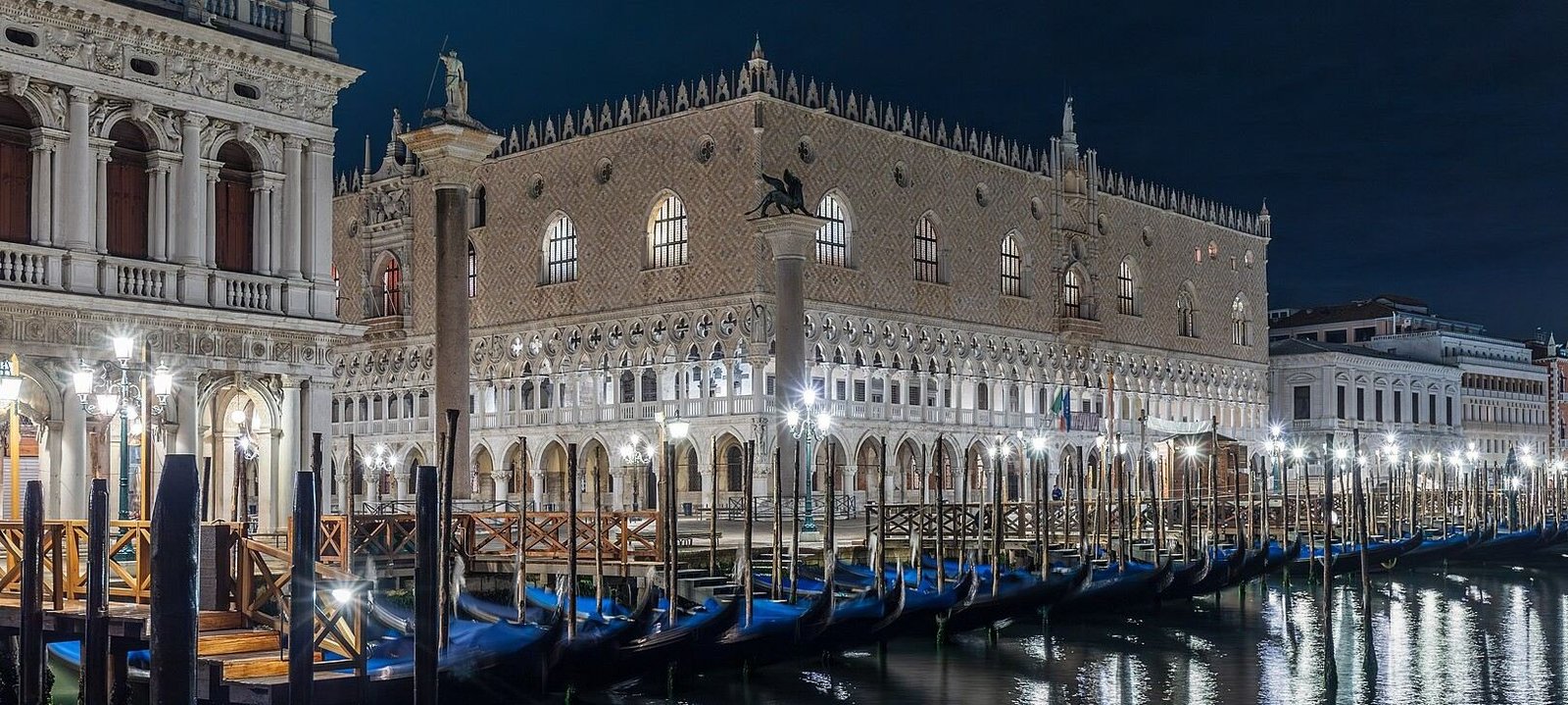
    Doge’s Palace of Venice was the undisputed symbol of the Serenissima’s power: residence of the doges, political and administrative center, now open to visitors eager to discover one of the most fascinating places in the city.


    Doge’s Palace of Venice: Visiting the Doge’s Palace means immersing yourself in the history of the Serenissima, exploring the residence of the doges and the political heart of the city. This extraordinary building tells centuries of power, art, and Venetian architecture.

    Courtyards and monumental halls: The palace hosts elegant courtyards and sumptuous halls such as the Hall of the Great Council and the Senate Hall, frescoed by the great masters of the Renaissance and Baroque periods, showcasing the wealth and prestige of the Republic of Venice.

    The Giants’ Staircase and the prisons: The Giants’ Staircase leads to the main halls, while the Prisons and the famous Bridge of Sighs tell the story of Venetian justice and the condemned of the Serenissima.

    Works of art: The Doge’s Palace houses masterpieces by artists such as Titian, Veronese, and Tintoretto. Paintings, sculptures, and interior decorations make the visit a unique experience for lovers of art and history.

    An unmissable experience: Guided tours, audio guides, and thematic visits of the Doge’s Palace provide a full immersion into the heart of Venice’s history, making the visit exciting and unforgettable.


    Powered by GetYourGuide

    Discover the most popular experiences at the Doge’s Palace of Venice to explore the history and art of this extraordinary building up close:

    Tickets:

    Powered by GetYourGuide

    Guided Tours:


    Powered by GetYourGuide

    Visit Duration: Exploring the Doge’s Palace of Venice typically takes 1.5-2 hours. To fully experience the grandeur of the palace and understand its rich history, it is recommended to join a guided tour or dedicate time to explore the nearby St. Mark’s Square and surrounding landmarks.

    Opening Hours, Tickets and Reservations: the palace is open daily, with hours varying depending on the season (visit the official website). It is recommended to book tickets online in advance, especially during peak periods, see Selected Experiences.

    Available Services: at the entrance there is an information point and some restrooms. Nearby you can find cafés and light dining options for breaks.

    Accessibility: some areas of the palace include stairs and narrow passages, making access partially limited for visitors with reduced mobility. It is advisable to check available routes at the entrance beforehand.

    Temperature and Clothing: the palace is generally comfortable year-round, but some rooms may feel cool. Comfortable clothing and walking shoes are recommended. During summer, bringing a light jacket can be useful for rooms with air conditioning or shaded courtyards.

    Recommended Time Slots: to avoid crowds and enjoy a relaxed visit, it is suggested to enter in the early morning or late afternoon. Guided tours in small groups offer a more intimate and detailed experience.

    Photography: photography is allowed without flash. The use of professional equipment or video recording requires special authorization to be requested at the entrance.


    Powered by GetYourGuide

    On foot: if you are staying near Piazza San Marco or the historic center of Venice, you can easily reach the Doge’s Palace with a short 5-10 minute walk, enjoying the charm of the surrounding streets and squares.

    By vaporetto: the most convenient way to reach the palace from other areas of Venice. ACTV lines stop at San Zaccaria station, located just a few meters from the Doge’s Palace. From there, follow the signs to Piazza San Marco to reach the main entrance easily.

    By water taxi: you can book a private water taxi that takes you directly to the pier near the Doge’s Palace, ideal for a comfortable and scenic transfer along the canals.

    By bus or train: if you arrive from Venice Marco Polo Airport, you can use the ACTV Alilaguna service to Piazza San Marco or a private transfer. From Venice Santa Lucia train station, continue by vaporetto to San Zaccaria or walk about 15 minutes through the historic center.

    By car: the historic center of Venice is pedestrian-only. The nearest parking areas are at Piazzale Roma or Tronchetto. From there, you can continue on foot or by vaporetto to Piazza San Marco and the Doge’s Palace.

    By gondola or private tour: several companies offer gondola rides or private transfers along the canals that lead directly near the Doge’s Palace, providing a unique and picturesque experience of the city.


  • St. Mark’s Campanile: Tours, Tickets and Useful Info

    St. Mark’s Campanile: Tours, Tickets and Useful Info

    Venezia, panoramica e dettaglio del Campanile di Piazza San Marco

    St. Mark’s Campanile: Tours, Tickets and Useful Info

    Quick Guide and Experiences


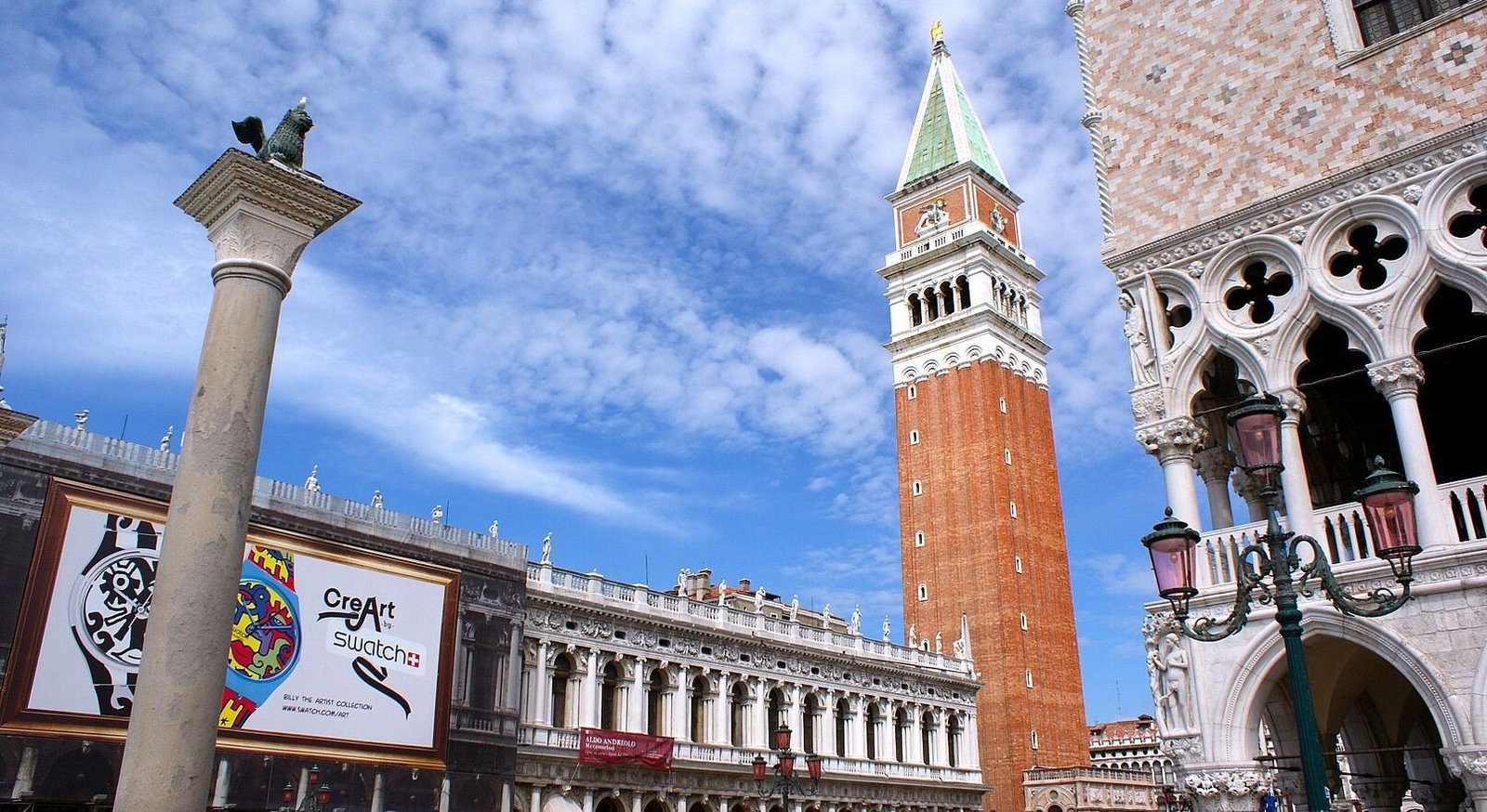
    The St. Mark’s Campanile is one of the most iconic landmarks of Venice: an imposing tower rising over St. Mark’s Square, offering one of the most spectacular panoramic views of the city and its lagoon.


    St. Mark’s Campanile: Climbing the St. Mark’s Campanile means experiencing one of Venice’s most iconic attractions. With its height of about 98 meters, the tower dominates St. Mark’s Square and offers a spectacular view over the lagoon, the Venetian rooftops, and the surrounding islands. A symbolic landmark of the city, beloved by visitors from all over the world.

    The Loggetta by Sansovino: At the base of the campanile stands the splendid Loggetta, designed by Jacopo Sansovino. An elegant Renaissance masterpiece enriched with statues, bas-reliefs, and architectural details that tell the story of the art and refinement of 16th-century Venice.

    The bell chamber: The upper part of the campanile houses five historic bells, each with a specific function in the public life of the Serenissima. Among them stands out the Marangona, the only one that survived the collapse of 1902, which marked the beginning and end of the working day for the carpenters of the Arsenal.

    The panoramic view over the lagoon: From the top, you can admire a 360-degree view embracing the Venetian Lagoon, the Basin of St. Mark, the island of San Giorgio Maggiore, St. Mark’s Basilica, and the maze of alleys and canals. A unique and unmissable viewpoint for photographing Venice from above.

    An unmissable experience: St. Mark’s Campanile is not just a historic monument but a true symbol of the city. The elevator ride makes the experience accessible to everyone, turning the visit into an exciting and unforgettable moment.


    Powered by GetYourGuide

    Discover the most popular experiences at St. Mark’s Campanile to enjoy the magic and the unique panoramic view of Venice from above:


    Powered by GetYourGuide

    Duration of the visit: reaching the top of the St. Mark’s Campanile takes on average 30–60 minutes, depending on how busy it is. The time includes the elevator queue and your stay on the panoramic terrace.

    Opening hours, prices & booking: the Campanile is open every day, with hours varying by season (check the official website). The elevator is the only way to reach the top. Online booking is recommended, especially in summer and on weekends, to reduce waiting times. See Selected Experiences.

    Available services: at the base of the Campanile you’ll find an information point and direct access to St. Mark’s Square, where cafés, restaurants, and refreshment areas are located. There are no restrooms inside the Campanile.

    Accessibility: thanks to the elevator, the Campanile is accessible to visitors with reduced mobility. However, in case of strong wind or adverse weather conditions, access may be temporarily suspended.

    Weather conditions & clothing: at over 98 meters in height, the wind can be strong: appropriate clothing is recommended, especially in winter. In summer, sunlight can be intense during peak hours.

    Recommended times: the best moments to go up are early morning or at sunset, when the light offers beautiful views over Venice and the lagoon. Avoid peak hours if you want to minimize waiting.

    Photography: taking photos from the panoramic terrace is allowed. For professional equipment, prior authorization may be required.


    Powered by GetYourGuide

    On foot: the St. Mark’s Campanile is located in the heart of Venice, in Piazza San Marco. If you stay in the San Marco district or nearby areas (Rialto, Castello, Dorsoduro), you can easily reach it with a pleasant walk through the calli and campielli.

    By vaporetto: this is the most convenient way to reach the monumental area. Lines 1 and 2 stop at San Marco – Vallaresso or San Marco – Giardinetti, both just a few minutes on foot from the square. Fast and seasonal lines connect San Marco with the railway station, Piazzale Roma, and the Lido.

    From Venice Santa Lucia Station: you can take vaporetto line 1 (more scenic, slower) or line 2 (faster), getting off at the stops mentioned above. Alternatively, you can walk part of the route via Rialto, taking about 35-45 minutes.

    From Piazzale Roma: vaporetto lines 1 and 2 connect directly to San Marco. The journey takes on average 20-30 minutes depending on the line and intermediate stops.

    By water taxi: private taxis offer a direct and very quick connection to Riva degli Schiavoni or Bacino Orseolo, both just a few steps from the campanile. This is the most convenient but also the most expensive option.

    Arrival from the Lido of Venice: several vaporetto lines connect the Lido to San Marco in 10-15 minutes, making it easy to visit the campanile even if you are staying on the island.

    📌 Important note: Venice is a completely pedestrian city: it is not possible to reach the Campanile by car or motorcycle. Parking is only available at Piazzale Roma or Tronchetto, from where you must continue by vaporetto or on foot.


  • St. Mark’s Basilica: Tours, Tickets and Useful Info

    St. Mark’s Basilica: Tours, Tickets and Useful Info

    Venezia, Basilica di San Marco in notturna

    St. Mark’s Basilica: Tours, Tickets and Useful Info

    Quick Guide and Experiences


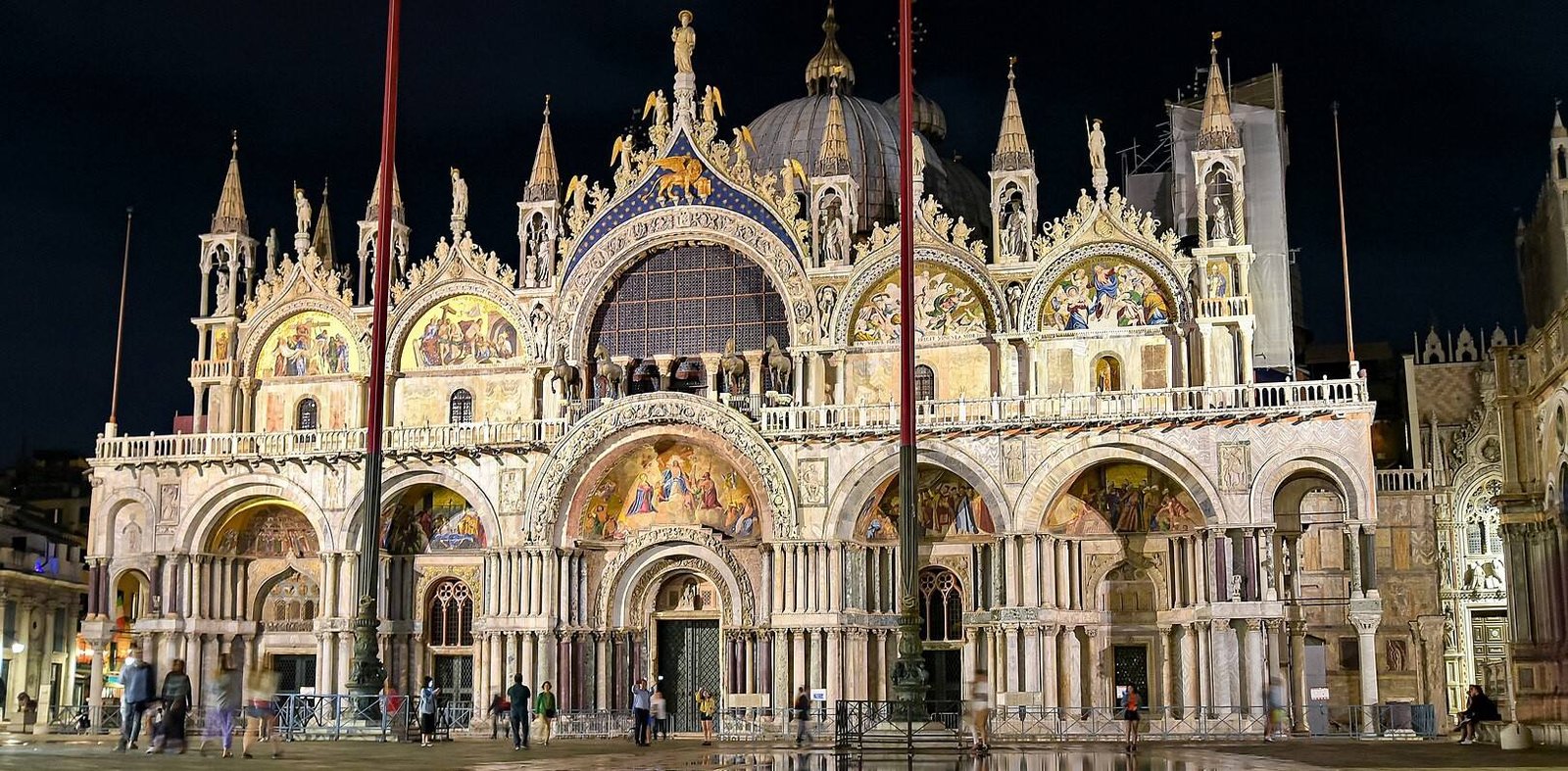
    The Basilica of Saint Mark is one of the iconic landmarks of Venice: a masterpiece of Byzantine art, golden mosaics, and centuries-old stories that reflect the power and wealth of the former Maritime Republic.


    St. Mark’s Basilica: the spiritual and artistic symbol of Venice, famous for its stunning golden mosaics covering over 8,000 m². This masterpiece of Byzantine art holds centuries of history, priceless treasures, and a unique atmosphere that leaves every visitor breathless.

    The Pala d’Oro: One of the greatest masterpieces of medieval goldsmithing, the Pala d’Oro is an altar made of gold, enamel, and precious stones created between the 11th and 14th centuries. Composed of thousands of gems, it is one of the most extraordinary works preserved in the Basilica.

    The Mosaics and the Ascension Dome: The polychrome mosaics depict episodes from the Old and New Testament with unparalleled detail. The Ascension Dome, with its luminous and symbolic depictions, is one of the most impressive in the entire complex.

    The Treasure of St. Mark: A unique collection of precious objects, reliquaries, Byzantine icons, and works from Constantinople. The Treasure reflects centuries of trade, conquests, and the splendor of the Serenissima Republic.

    The Horses’ Loggia: Climbing up to the Basilica museum leads to the Loggia, where the original Horses of St. Mark are displayed—ancient Roman bronze sculptures. The external terrace also offers a spectacular view of St. Mark’s Square.

    A place to experience: Visiting St. Mark’s Basilica means traversing centuries of Venetian art, faith, and history. Whether choosing a guided tour or a self-guided visit, every corner of this extraordinary building offers unforgettable emotions and discoveries.


    Powered by GetYourGuide

    Discover the most popular experiences at St. Mark’s Basilica to experience the magic, art, and history of one of Venice’s most iconic landmarks:

    Powered by GetYourGuide

    Powered by GetYourGuide

    Visit duration: Visiting St. Mark’s Basilica typically takes 45-60 minutes, but it can extend up to 90 minutes if additional areas such as the St. Mark’s Museum and the Panoramic Terrace are included.

    Opening hours, prices, and bookings: Hours may vary depending on the season, religious celebrations, and events. For updated information, check the official website. Access to the basilica is free, but some areas require a fee. A skip-the-line booking is highly recommended, especially during peak periods. See Selected experiences.

    Available services: An information point and mandatory cloakroom for large backpacks are available at the entrance. Around St. Mark’s Square, you will find historic cafés, shops, and tourist services.

    Accessibility: The basilica provides facilitated access for visitors with reduced mobility through dedicated entrances, but some areas, such as the terrace and certain internal stairs, may not be fully accessible. It is advisable to ask the staff at the entrance.

    Recommended attire: As this is a religious site, modest clothing is required: shoulders and legs should be covered. In summer, bringing a scarf or shawl may be helpful to quickly comply with entry rules.

    Recommended time slots: The highest crowd levels are between 10:00 and 14:00. For a calmer visit, early morning or after 16:00 is ideal. Small-group guided tours are perfect for appreciating mosaic details without the crowd.

    Photography: Photography is not allowed inside the basilica, even without flash. Photos are allowed from the Panoramic Terrace, offering a splendid view of St. Mark’s Square.


    Powered by GetYourGuide

    On foot: St. Mark’s Basilica is located in the heart of Venice historic center and can be easily reached by walking through the main streets. From Rialto, the walk takes about 10 minutes, while from Santa Lucia Station it takes 25–30 minutes. The area is pedestrian-friendly and well signposted.

    By vaporetto: This is the most convenient way to reach St. Mark’s Square. Lines 1 and 2 connect Santa Lucia Station and Piazzale Roma to the San Marco – Vallaresso or San Marco – Giardinetti stops, both just a few meters from the Basilica. Lines 4.1, 4.2, 5.1, and 5.2 provide quick connections from other areas of the city.

    From Piazzale Roma or Santa Lucia Station: You can reach St. Mark’s either by vaporetto (about 20–25 minutes) or on foot following the pedestrian paths marked by yellow “San Marco” signs.

    By water taxi: Water taxis provide direct connections from Santa Lucia Station, Piazzale Roma, Marco Polo Airport, and other lagoon areas to St. Mark’s Square. This is the fastest and most convenient way, but also the most expensive, ideal for travelers with luggage or seeking a private service.

    From Marco Polo Airport: You can reach St. Mark’s via the Alilaguna service (Blue or Orange line), taking 60–75 minutes. Alternatively, private water taxis are available for direct transfer.

    By bus + vaporetto: From the airport or the mainland (Mestre), buses stop at Piazzale Roma. From there, continue by vaporetto to St. Mark’s.


  • Florence Tastings & Workshop: Experiences and Useful Info

    Florence Tastings & Workshop: Experiences and Useful Info

    Colline del Chianti vista panoramica

    Florence Tastings & Workshop: Experiences and Useful Info

    Quick Guide and Tours


    The tastings and workshops in Florence and the Chianti region offer an authentic way to discover the flavours and traditions of Tuscany and beyond. Below you will find a selection of the best experiences we have chosen for you, based on the proposals of various tour operators.

    See also:


    Discover the most popular food experiences in Florence with expert local guides, exploring wines, traditional flavours, and authentic culinary stories:


    Powered by GetYourGuide

    Experience the heart of the Chianti region with historic wineries, iconic landscapes and guided tastings of the finest Tuscan wines. Here are the most popular experiences departing from Florence:


    Powered by GetYourGuide

    Take part in authentic workshops in Florence, enjoying hands-on experiences guided by experts in traditional local cuisine and beyond.


    Powered by GetYourGuide

    Duration of experiences: Tasting activities and workshops in Florence last between 2 and 5 hours, depending on the tour or type of course, while those in the Chianti region generally take a full day. Food and wine itineraries usually include winery visits and tasting sessions, while workshops involve practical lessons guided by local experts.

    Schedules, prices, and bookings: Tastings and workshops follow schedules set by individual organizers and may vary depending on the season and availability. Online booking in advance is recommended, especially on weekends and during peak periods.

    Available services: Many wineries have tasting areas, company shops, and outdoor panoramic spaces. Cooking workshops often include equipped kitchens, materials, ingredients, and dedicated assistance. Some experiences provide transfers from Florence.

    Accessibility: Some wineries have steps, uneven floors, or multi-level spaces, and not all cooking workshops are fully accessible. If you have specific needs, it is advisable to contact the organizer before booking.

    Recommended attire: For tastings in Chianti, comfortable shoes suitable for walking among vineyards and wineries are preferred. For workshops, especially cooking ones, practical clothing is recommended; aprons and materials are usually provided on site.


  • Florence Excursions: Experiences and Useful Info

    Florence Excursions: Experiences and Useful Info

    Colline della Val D'Orcia in Toscana

    Florence Excursions: Experiences and Useful Info

    Quick Guide and Tours


    Discover our selection of day trips from Florence and enjoy unique experiences among art, history, nature, and the typical flavors of Tuscany. From the rolling hills of Chianti to the wonders of the Cinque Terre, passing through Pisa, Siena, and San Gimignano, each excursion allows you to experience the region in an authentic and memorable way.

    See also:


    The Chianti hills offer food and wine itineraries and tours among vineyards and wineries, ideal for discovering the typical flavors and landscapes of Tuscany. These excursions from Florence allow you to immerse yourself in the local culture and enjoy unique moments dedicated to wine and tradition.


    Powered by GetYourGuide

    Tuscany is rich in art cities, medieval villages and spectacular landscapes. Day trips from Florence allow you to explore iconic locations and hidden gems, offering a perfect balance of history, nature and culture.

    Powered by GetYourGuide

    Powered by GetYourGuide

    Tour duration: day trips from Florence can range from half-day to full-day experiences, depending on the destination and the type of tour chosen. It is recommended to plan your visit in advance to optimize timing and fully enjoy each stop.

    Schedules and bookings: most tours depart in the morning and return in the evening. Early online booking is highly recommended, especially during peak seasons, to secure your spot and benefit from any priority access.

    Available services: tours generally include expert guides, tastings of local products, transportation, and rest stops. It is useful to check for additional services such as private transfers, lunch included, or optional activities along the route.

    Accessibility: some experiences include walking on uneven terrain or visiting narrow spaces, such as wine cellars or medieval villages. Visitors with specific mobility needs should enquire in advance about the conditions of the routes.

    Clothing and equipment: comfortable clothing and suitable walking shoes are recommended, especially for countryside tours, hill excursions, or visits to historic villages. Bring water and sunscreen during warmer months, and a light jacket in spring or autumn.

    Recommended time slots: for a more relaxed and enjoyable experience, it is preferable to choose morning or afternoon departures, avoiding peak hours in the most visited sites. Small-group tours offer greater comfort and more interaction with the guide.


  • Florence Historic Center: Experiences and Useful Info

    Florence Historic Center: Experiences and Useful Info

    Firenze, vista panoramica dalle Rampe Poggi

    Florence Historic Center: Experiences and Useful Info

    Quick Guide to Activities


    On this page you will find a selection of the best experiences 🏆 in the Historic Center of Florence, carefully chosen for you, including guided tours and lesser-known attractions, based on offers from major tour operators.

    📌 The main attractions have dedicated pages, available in the ‘See also’ section below.


    Guided Tours in the City Centre

    • Walking tours
    • Bike, scooter, and golf cart tours
    • Combined tours

    Monuments and Museums

    • Leonardo Museums
    • Santa Maria Novella
    • Synagogue and Jewish Museum
    • Galileo Museum
    • San Marco Museum
    • Hzero Museum
    • Other Attractions

    Useful Info and Tips

    See also:


    Discovering the Historic Center of Florence with a guided tour is the easiest way to get oriented and capture the essence of the city. From walking tours to experiences by bike, scooter or golf cart, up to combined tours with the major museums, here you’ll find the best options for every traveler.


    Walking Tours

    Explore Florence up close, immersing yourself in the city’s history, mysteries and legends:

    Powered by GetYourGuide

    Bike, scooter, golf cart tours

    Discover Florence in a comfortable, original and sustainable way:


    Combined tours

    Combined tours to main attractions, to optimize your time in Florence:


    Powered by GetYourGuide

    Historic Center of Florence not only houses famous museums and monuments, but also lesser-known sites that deserve attention. From major Renaissance masterpieces to hidden gems, here you will find a curated selection of experiences with tickets, priority access, and guided tours.


    Leonardo Museums

    Discover the wonders of Florence’s Leonardo museums:

    Powered by GetYourGuide

    Santa Maria Novella

    Visit the historic Santa Maria Novella Basilica:

    Powered by GetYourGuide

    Synagogue and Jewish Museum

    Discover the history and art of Florence’s Jewish community:

    Powered by GetYourGuide

    Galileo Museum

    Explore the scientific wonders of the Galileo Museum:

    Powered by GetYourGuide

    San Marco Museum

    Visit the renowned San Marco Museum:

    Powered by GetYourGuide

    Hzero Museum

    Discover the art and technology of the HZERO Museum:

    Powered by GetYourGuide

    Other Attractions

    Visit other cultural and historical attractions in Florence:


    Powered by GetYourGuide

    Visit duration: To explore the Historic Center of Florence at a relaxed pace, at least 3–4 hours are needed. Guided tours help navigate streets, squares, and historic churches, while museums such as the Museo Galileo, Santa Maria Novella, or Museo di San Marco generally require about 1 hour each.

    Opening hours, bookings, and tickets: Many attractions in the center have variable entry times and sometimes timed tickets. It is advisable to book in advance, especially for Santa Maria Novella, Cappella Brancacci, and the most visited museums.

    Available services: The center is rich in information points, drinking fountains, and public restrooms. In the most touristy areas, there are bars, ice cream shops, and restaurants perfect for a break between visits.

    Accessibility: Most streets in the center are flat, although some sections have uneven paving. Most museums and churches have accessible entrances and routes for people with reduced mobility, but some historic buildings may have limitations.

    Temperature and clothing: In summer, the center can be hot and crowded, especially during midday. Light clothing, water, sun protection, and comfortable shoes are recommended. In winter, dressing in layers is useful due to alternating indoor and outdoor environments.

    Recommended time slots: The ideal time to visit the center calmly is early morning or late afternoon. Evening strolls are perfect for those who want to enjoy the lights, views, and atmosphere without the crowds.

    Photography: Streets, squares, and viewpoints in the center can always be photographed freely. Inside museums and churches, restrictions may apply (flash prohibited or areas not allowed for photography): it is always best to check the signs at the entrance.


  • Medici Chapels: Tours, Tickets and Useful Info

    Medici Chapels: Tours, Tickets and Useful Info

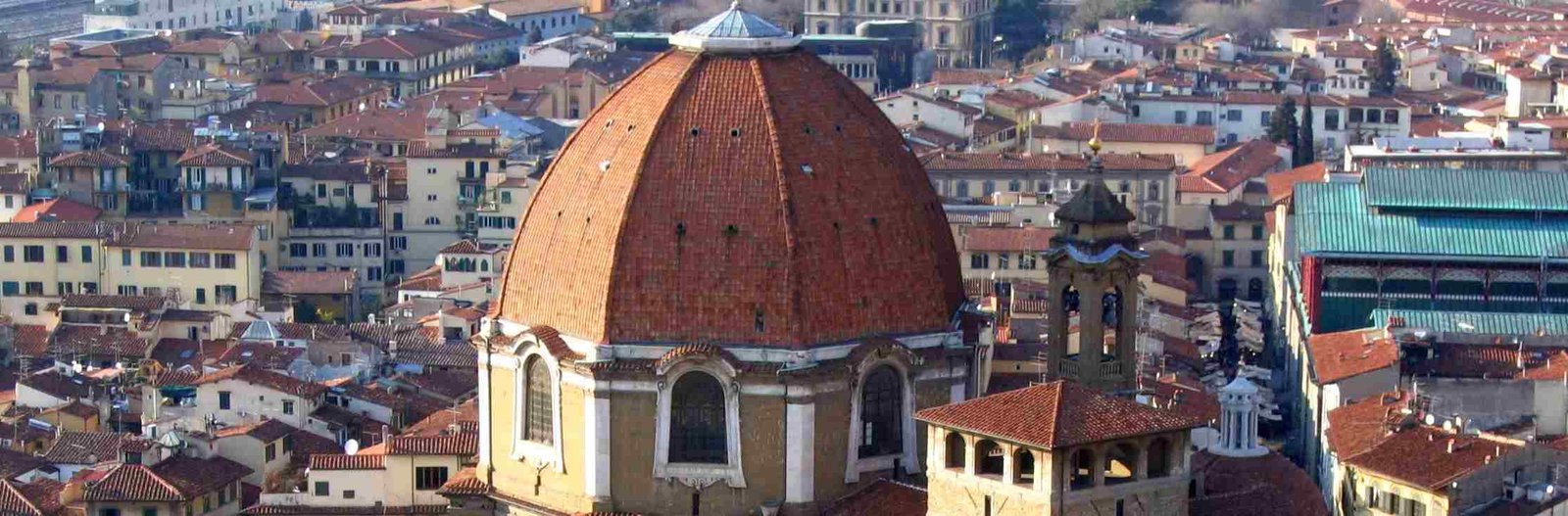
    Firenze, Veduta aerea del complesso di San Lorenzo

    Medici Chapels: Tours, Tickets and Useful Info

    Quick Guide and Experiences


    The Medici Chapels offer a glimpse into the art and history of the Medici: monumental tombs, Renaissance artworks, and elegant architecture that tell the story of centuries of Florence and its powerful family.

    See also:


    Medici Chapels: Visiting the Medici Chapels means discovering the funerary heart of the powerful Medici family.

    New Sacristy: Designed by Michelozzo and enriched with works by Michelangelo, the New Sacristy houses the famous tombs of Lorenzo the Magnificent and Giuliano de’ Medici, masterpieces of Renaissance sculpture.

    Old Sacristy and Chapel of the Princes: The Old Sacristy preserves elegant tombs and sculptures, while the Chapel of the Princes, with its sumptuous marble and precious stone decorations, showcases the wealth and power of the Medici over time.

    An experience not to be missed: A guided tour or the use of audio guides allows you to fully appreciate the artworks and the history of the Medici, making the visit educational, exciting, and memorable.


    Discover the most popular experiences at the Medici Chapels to get up close to art, history, and the magnificence of the Medici family:


    Powered by GetYourGuide

    Visit duration: Exploring the Medici Chapels typically takes 1–2 hours. To fully appreciate the tombs, artworks, and the magnificence of the complex, it is recommended to join a guided tour or also dedicate time to visit the adjoining Medici Chapels Museum.

    Opening hours, prices and bookings: The Medici Chapels are open daily, with hours varying depending on the season (check the official website). Early online booking is advised, especially during busy periods; see Selected Experiences.

    Available services: At the entrance there is a ticket office, cloakroom, and information point. Nearby, bars and cafés are ideal for a break before or after the visit.

    Accessibility: Some areas of the Medici Chapels feature stairs and narrow spaces typical of Renaissance architecture; access may be partially limited for people with reduced mobility. It is recommended to check in advance at the ticket office for accessible routes.

    Temperature and clothing: The indoor spaces maintain a stable temperature throughout the year. Comfortable clothing and shoes suitable for stone floors and uneven surfaces are recommended.

    Recommended time slots: To visit the Medici Chapels calmly, it is suggested to enter early in the morning or late in the afternoon. Small group guided tours provide a more in-depth experience.

    Photography: Photography without flash is generally allowed inside the Chapels. Using professional equipment or recording video requires special authorization requested at the ticket office.


    Powered by GetYourGuide

    On foot: If you are staying in the center of Florence, the Medici Chapels are easily reachable on foot in 5–10 minutes from the Cathedral of Santa Maria del Fiore or Piazza San Lorenzo.

    By tourist bus: Several tourist services connect Florence with the main cities of Tuscany. The main stops are near Piazza San Lorenzo, just a short walk from the entrance to the Medici Chapels.

    By train: From Firenze Santa Maria Novella Station, take a taxi or walk about 15 minutes to the Medici Chapels. Alternatively, you can take the ATAF urban bus line 6, stop Piazza San Lorenzo. You can book online here with TrainLine.

    By car: Florence is connected via the A1 Milan-Rome motorway. Exit at Firenze Impruneta or Firenze Nord and follow the signs to the city center. Paid parking is available near Piazza San Lorenzo. You can book a parking spot here with ParkingMyCar.

    By taxi or private transfer: From Florence Santa Maria Novella or the Florence and Pisa airports, it is possible to book a private transfer or taxi service that takes you directly to the Medici Chapels, with an average travel time of 10–20 minutes depending on traffic.


  • Bargello National Museum: Tours, Tickets and Useful Info

    Bargello National Museum: Tours, Tickets and Useful Info

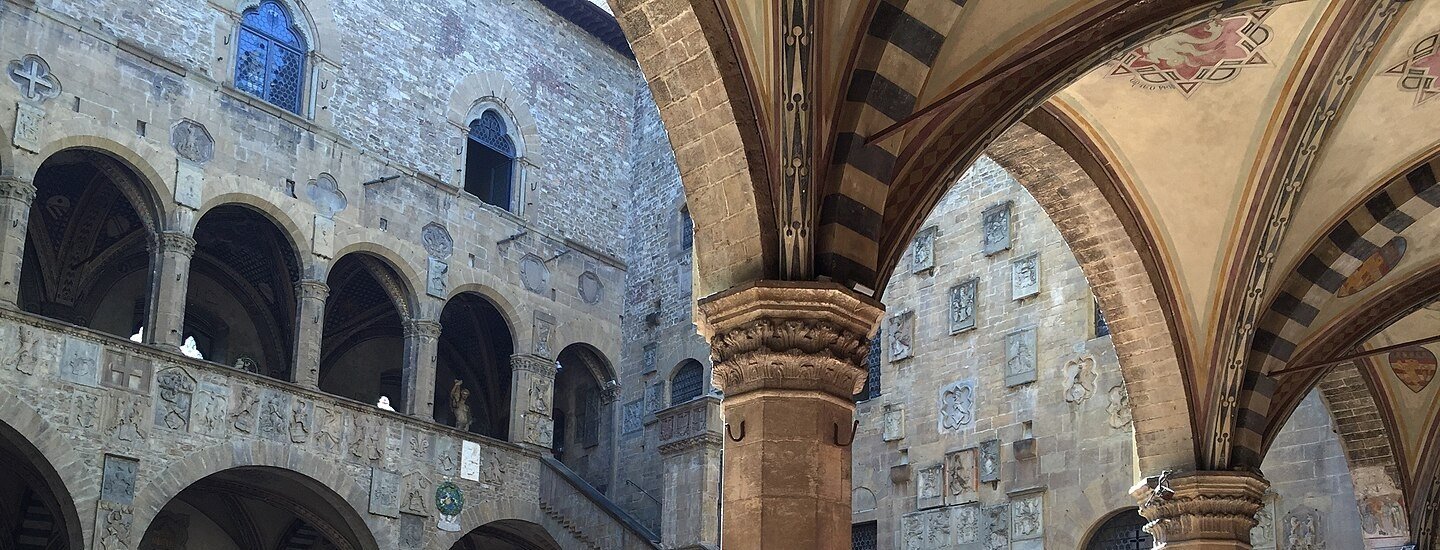
    Firenze, Museo del Bargello, dettaglio cortile

    Bargello National Museum: Tours, Tickets and Useful Info

    Quick Guide and Experiences


    English: The Bargello National Museum, located inside the historic Palazzo del Bargello in the heart of Florence, houses an extraordinary collection of Renaissance sculpture, featuring masterpieces by Donatello and Michelangelo. A must-visit place to discover the history of Florentine art.

    See also:


    Bargello Museum: Visiting the Bargello National Museum means entering the heart of the Florentine Renaissance, in an ancient medieval palace that houses one of Europe’s most important sculpture collections. Its rooms tell centuries of art with works that have shaped the history of the world.

    Renaissance Sculptures: The Bargello hosts authentic masterpieces by masters such as Donatello, Michelangelo and Cellini. Among the most famous works are Donatello’s David, Saint George and Michelangelo’s Bacchus, extraordinary testimonies of the evolution of sculpture from the Middle Ages to the Renaissance.

    Decorative Arts: In addition to sculpture, the museum preserves valuable collections of ceramics, ivories, bronzes and jewelry. These finely decorated objects showcase the artistic refinement and craftsmanship excellence of Florentine and Italian courts.

    Palace Rooms: The ancient Palazzo del Bargello, once the seat of the Captain of the People and later a city prison, retains perfectly preserved medieval environments. The large inner courtyard and historic rooms make the visit fascinating and full of atmosphere.

    An Experience Not to Be Missed: The Bargello offers a unique journey through art, history and architecture. A guided tour or an audio guide allows you to discover the details of the works and the history of the palace, making the experience engaging, educational and unforgettable.


    Powered by GetYourGuide

    Discover the most popular experiences at the Bargello Museum to get up close to the magic of the Florentine Renaissance through unique masterpieces and expert-led tours:


    Duration of the visit: a visit to the National Museum of the Bargello typically takes 1–2 hours. To fully appreciate the Renaissance sculptures and the historic palace rooms, it is recommended to also spend time on the minor collections and temporary exhibitions.

    Hours, prices, and bookings: the museum is open every day with hours varying depending on the season (see the official website). Online booking is recommended during peak periods, see Selected Experiences.

    Available services: at the entrance there is a ticket office, cloakroom, and information point. Nearby, there are numerous bars and cafés, ideal for a break before or after the visit.

    Accessibility: some areas of the palace have stairs and narrow passages typical of a medieval building; access may be partially limited for people with reduced mobility. It is advisable to check in advance with the ticket office about accessible routes.

    Temperature and clothing: indoor spaces maintain a stable temperature throughout the year. Comfortable clothing and shoes suitable for stone floors and uneven surfaces are recommended.

    Recommended time slots: to visit the museum in peace, it is suggested to enter in the early morning or late afternoon. Guided tours or small-group visits offer a more in-depth experience.

    Photography: photography without flash is generally allowed inside the rooms. For the use of professional equipment or video recording, specific authorization must be requested at the ticket office.


    Powered by GetYourGuide

    On foot: if you are staying in the center of Florence or near the Duomo, you can comfortably reach the National Museum of the Bargello with a short 5–10 minute walk, enjoying the historic streets of the city.

    By bus: several urban lines connect the central station and the main squares of Florence to the Bargello Museum. The closest stops are on Via del Proconsolo and Piazza San Firenze.

    By train: the nearest station is Firenze Santa Maria Novella. From the station center, the museum is about a 15-minute walk. You can check and book trains here with TrainLine.

    By car: Florence is served by ring roads and the A1 Milan-Naples highway. Parking is limited in the historic center; it is recommended to use nearby garages and supervised parking lots, as you can search and book here.

    By taxi or private transfer: from the main airports of Florence or railway stations, it is possible to book taxis or private transfers that take you directly to the museum entrance, with average travel times of 10–20 minutes depending on city traffic.