Categoria: EN

  • Experiences in Palermo: Tours, Tickets and Useful Info

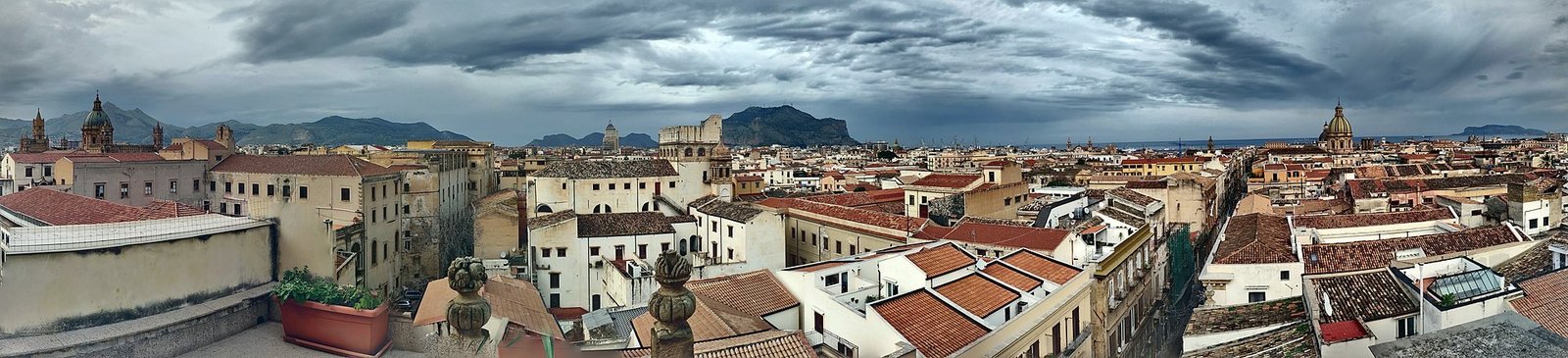
    Palermo. Città vista dalla cupola della Chiesa del Santissimo Salvatore

    Experiences in Palermo: Tours, Tickets and Useful Info

    Quick Guide to Activities


    On this page you will find a selection of the best experiences 🏆 we have chosen for you in Palermo, based on the offers from major tour operators.

    For a more complete overview of each attraction, you can click on the links to the detailed pages +🔗.


    Experience the authentic soul of Palermo through historic streets, lively markets, and traditional culinary aromas. Discover churches, palaces, and local shops that capture the true essence of the city.

    Powered by GetYourGuide

    Explore the Palace of the Normans & Palatine Chapel, icons of Arab-Norman art. Admire golden mosaics and historic rooms that tell centuries of history.

    Powered by GetYourGuide

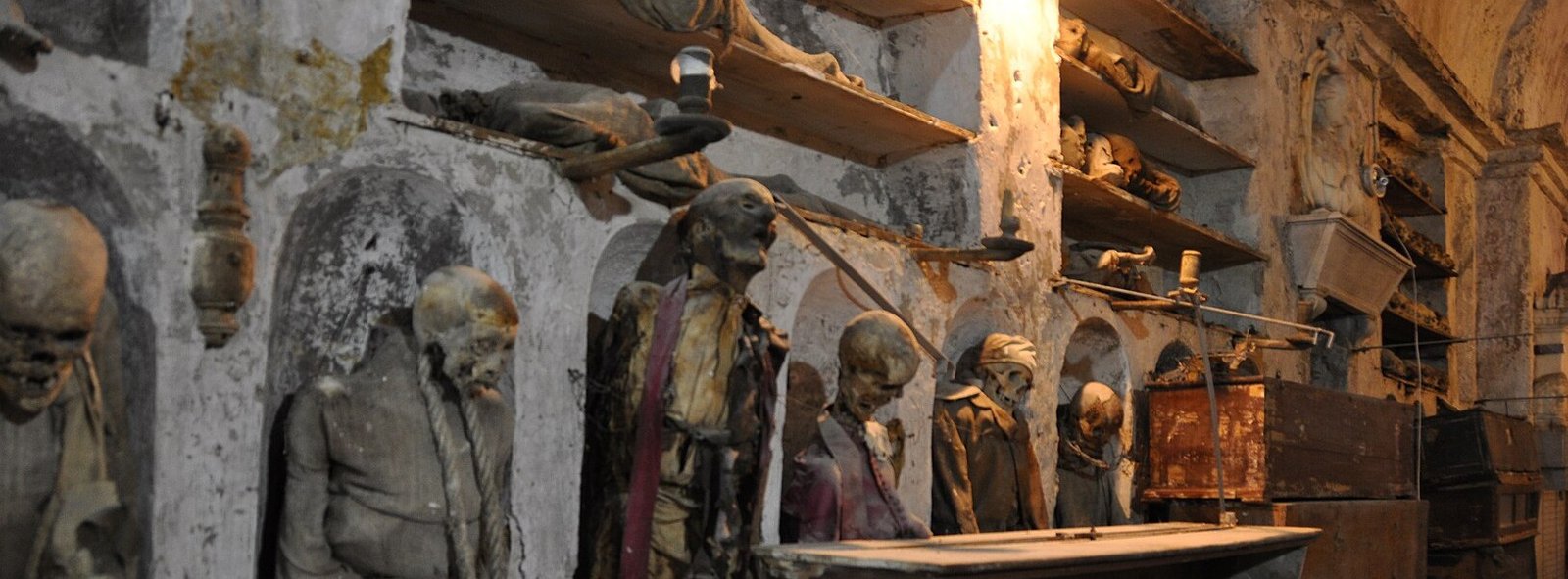
    Visit the Capuchin Catacombs, a unique place preserving centuries of Sicilian history and tradition, with a captivating atmosphere frozen in time.

    Powered by GetYourGuide

    Join Tastings and Workshops to discover the authentic flavors of Palermo, from local products and wines to guided culinary experiences.

    Powered by GetYourGuide

    Discover Day Trips from Palermo to explore Sicily: Monreale, Cefalù, Mount Etna, Taormina, and the Valley of the Temples await you with unforgettable views.


    Powered by GetYourGuide

    Enjoy the sea with Cruises around Palermo and the Capo Gallo Nature Reserve: boat tours, snorkeling, and aperitifs for unique Mediterranean experiences.

    Powered by GetYourGuide

  • Capuchin Catacombs: Tours, Tickets and Useful Info

    Capuchin Catacombs: Tours, Tickets and Useful Info

    Palermo, Catacombe dei Cappuccini, Vita, Storia e Etno - Antropologia del Capoluogo Siciliano

    Capuchin Catacombs: Tours, Tickets and Useful Info

    Quick Guide and Experiences


    Capuchin Catacombs offer a unique and evocative experience in the heart of Palermo: a historic and mysterious site, home to over 8,000 mummified bodies of friars, nobles, and ordinary citizens, revealing the life, death, and centuries-old traditions of the city.


    Capuchin Catacombs: Visiting the Capuchin Catacombs means immersing yourself in a unique place in the world, where history, religion, and tradition intertwine within the underground corridors of an ancient convent. This extraordinary site preserves thousands of mummified bodies, dressed in period clothing and perfectly preserved, offering a chilling yet fascinating glimpse of Palermo’s past.

    The Corridors and Galleries: The catacombs are arranged in a maze of corridors and rooms, each dedicated to specific social categories or religious orders, such as nobles, friars, and ordinary citizens. Walking through the galleries, one can sense the devotion and complexity of Palermo’s funeral rituals.

    The Mummies and Historical Clothing: In addition to the mummies, many figures are displayed with original clothing, religious uniforms, and period tailoring details. This exhibition allows visitors to understand the lifestyle, social hierarchies, and religious beliefs of past centuries.

    An Unmissable Experience: Visiting the Capuchin Catacombs offers a suggestive journey through history, religion, and popular culture. A guided tour or audio guide helps to understand the historical and anthropological heritage of this unique site, making the visit exciting, educational, and memorable.


    Discover some must-do experiences in Palermo to get up close with the history, mystery, and culture of the city’s most fascinating sites:


    Powered by GetYourGuide

    Duration of the visit: Exploring the Capuchin Catacombs of Palermo usually takes 1-2 hours. To fully experience the unique atmosphere and learn more about the mummies and crypts, it is recommended to join a guided tour or also explore the nearby historic cemeteries.

    Hours, tickets, and reservations: The catacombs are open daily, with hours varying by season (visit the official website). Online advance booking is recommended, especially during peak periods; see Selected Experiences.

    Available services: There is an information point and some restrooms at the entrance. Nearby, you can find bars and cafés for refreshments or light meals.

    Accessibility: Some areas of the catacombs have stairs and narrow passages, making access partially limited for visitors with reduced mobility. It is advisable to check available routes at the entrance in advance.

    Temperature and clothing: The catacombs have a cool and consistent climate year-round. Comfortable clothing and shoes suitable for walking on stone floors are recommended. In summer, bring a light jacket, as some crypts may be humid.

    Recommended visiting times: To avoid crowds and explore the crypts calmly, it is suggested to visit early in the morning or late in the afternoon. Small group guided tours offer a more intimate and in-depth experience.

    Photography: Photography without flash is allowed. The use of professional equipment or video recording requires a special permit obtainable at the entrance.


    Powered by GetYourGuide

    On foot: If you are staying near the historic center of Palermo or around Piazza Indipendenza, Via Maqueda, or Quattro Canti, you can easily reach the Capuchin Catacombs and the nearby Monreale Cathedral within minutes, thanks to the compact city center.

    By bus: Numerous urban lines connect different areas of Palermo with the historic center. Main stops are in Piazza Indipendenza and Via Roma, convenient for reaching the catacombs and major attractions. For schedules and routes, check the official public transport website.

    By car: It is possible to reach the Capuchin Catacombs by car, but some streets in the center are ZTL or pedestrian areas. Parking is recommended near nearby squares or paid parking lots, then continue on foot. If needed, you can rent a car here with Booking Rent.

    By taxi or private transfer: Convenient if arriving from Palermo Airport or the port. Direct transfer to the catacombs or Monreale Cathedral takes on average 30-40 minutes, depending on city traffic.

    By train: Visitors from other Sicilian cities can reach Palermo via regional trains. From the Palermo Central Station, continue by urban bus, taxi, or on foot to the catacombs.


  • Historic Center of Palermo: Experiences and Useful Info

    Historic Center of Palermo: Experiences and Useful Info

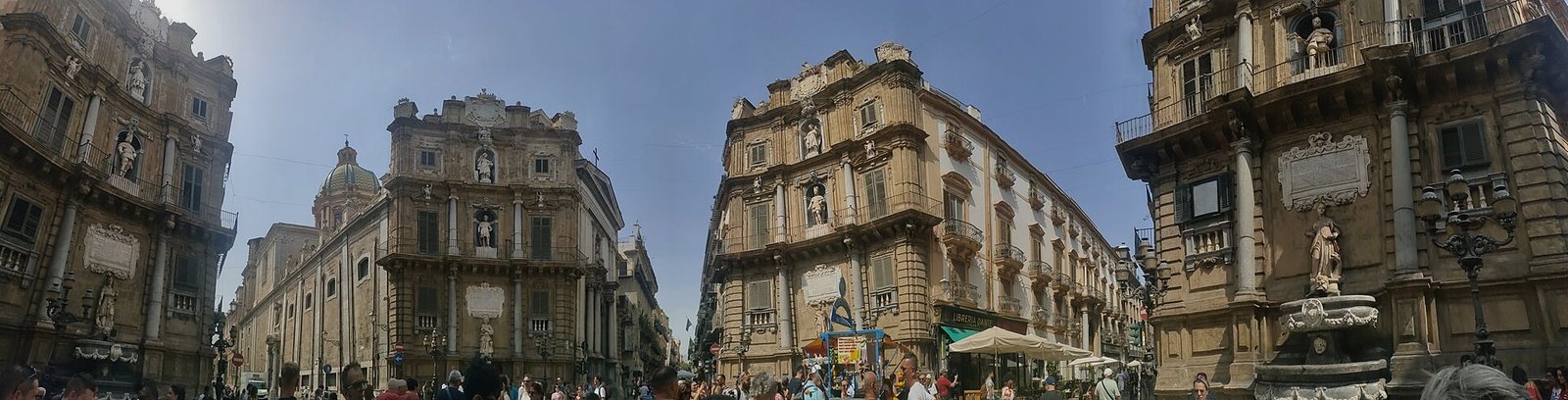
    Palerno, Chiesa delle Madonna delle Grazie, quattro canti

    Historic Center of Palermo: Experiences and Useful Info

    Quick Guide and Tours


    The Historic Center of Palermo is a place where history, art, and ancient traditions intertwine in a unique mosaic of cultures found nowhere else in the world.


    Historic Center of Palermo: The city of Palermo, shaped over the centuries by Arabs, Normans, Spaniards, and the Bourbons, offers an artistic and architectural heritage unique in the Mediterranean. In addition to outstanding attractions such as the Palatine Chapel and Norman Palace, the historic center comes alive through alleys, squares, and historic markets that tell the story of everyday life in the city.

    Palermo Cathedral: Impressive and rich in history, the Cathedral reflects in its forms the encounter of diverse cultures: Arab-Norman, Gothic, Baroque, and Neoclassical. Inside, it houses royal tombs and precious treasures. Don’t miss the panoramic terrace, which offers a magnificent view over the rooftops of the city.

    The Historic Markets: Ballarò, Vucciria, and Capo are iconic places where the authentic soul of Palermo can be felt. Among colorful stalls, intense aromas, and the voices of vendors, visitors can find Sicilian street food specialties such as arancine, panelle, crocchè, and sfincione for an irresistible gastronomic and cultural experience.

    An experience not to miss: Visiting the historic center of Palermo means embarking on a journey through history, art, traditions, and flavors. A guided tour allows you to discover the most suggestive corners of the city and understand its deep roots.


    Powered by GetYourGuide

    Discover the best experiences in Palermo’s Historic Center to immerse yourself in the authentic soul of the city through art, culture, markets, and fascinating stories:

    Powered by GetYourGuide

    Powered by GetYourGuide

    Explore some unmissable gastronomic experiences in Palermo, including guided tours through historic markets and tastings of typical local foods:

    Powered by GetYourGuide

    Powered by GetYourGuide

    Visit duration: exploring the Historic Center of Palermo usually takes 2–4 hours, but to fully experience markets, churches, historic palaces, and monumental streets, dedicating an entire day is recommended. Short guided tours (1.5–2 hours) allow you to quickly discover iconic landmarks such as the Cathedral, the Quattro Canti, and the Church of the Gesù.

    Accessibility: most of the historic center is flat and easy to walk, though some ancient streets feature cobblestones, paving stones, and slight slopes. Many cultural sites offer accessible entrances, elevators, or dedicated routes, but it is advisable to check the official website of each attraction in advance.

    Climate and clothing: in summer, temperatures can exceed 35 °C, so light clothing, a hat, water, and sunscreen are recommended. In winter the climate is mild, but it can be windy or rainy: a light jacket and comfortable shoes are ideal for walking through alleys and squares.

    Available services: the area is full of cafés, restaurants, kiosks, and food stalls in the main markets, as well as several public fountains. Pedestrian zones offer benches and shaded areas perfect for a break.

    Opening hours, prices, and bookings: many attractions, such as churches and historic palaces, have variable opening hours, especially on holidays. For museums, chapels, and monumental complexes, booking online during high season is recommended — see Guided Tours.

    Recommended visiting times: for historic markets (Ballarò, Vucciria, Capo), mornings are best. For popular landmarks such as the Cathedral or Teatro Massimo, it’s best to visit right after opening or after 3:00 p.m. Evening visits offer a charming atmosphere with the lights of historic buildings.

    Photography: taking photos in public spaces is allowed. In many churches and museums, photography without flash is permitted, while professional equipment or video recording may require a specific permit.


    Powered by GetYourGuide

    On foot: if you are staying in the Historic Center of Palermo or its immediate surroundings (Quattro Canti, Ballarò, Vucciria, Cathedral), you can easily reach most monuments and main squares on foot thanks to the compact and pedestrian-friendly layout of the city center.

    By bus: numerous urban lines connect different areas of Palermo with the Historic Center. Main stops are located at Piazza Giulio Cesare (Central Station), Via Roma, and Piazza Indipendenza, convenient for visiting the main monuments.

    For those who wish to explore the city freely, a 24-hour Hop-on Hop-off bus ticket is also available, allowing you to get on and off at all main stops.

    By car: reaching the Historic Center by car is possible but not recommended, as many areas are ZTL and streets are narrow and often busy. It’s preferable to leave your car in one of the paid parking lots on the outskirts (Piazza Giulio Cesare, Tribunale, Porto) and explore on foot. If you need a vehicle, you can rent a car here with Booking Rent.

    By train: the most practical option if arriving from other cities in Sicily or from the airport. Palermo Central Station is just a few minutes’ walk from the south entrance of the Historic Center. From here you can easily reach Via Maqueda, the Quattro Canti, Ballarò, and the Cathedral. It is possible to book train tickets online via TrainLine.

    By taxi or private transfer: convenient if you arrive from the airport or port and want to reach the Historic Center and your accommodation quickly. The average journey time from the airport is approximately 35–45 minutes, depending on traffic.

  • Palace of the Normans & Palatine Chapel: Tours, Tickets and Useful Info

    Palace of the Normans & Palatine Chapel: Tours, Tickets and Useful Info

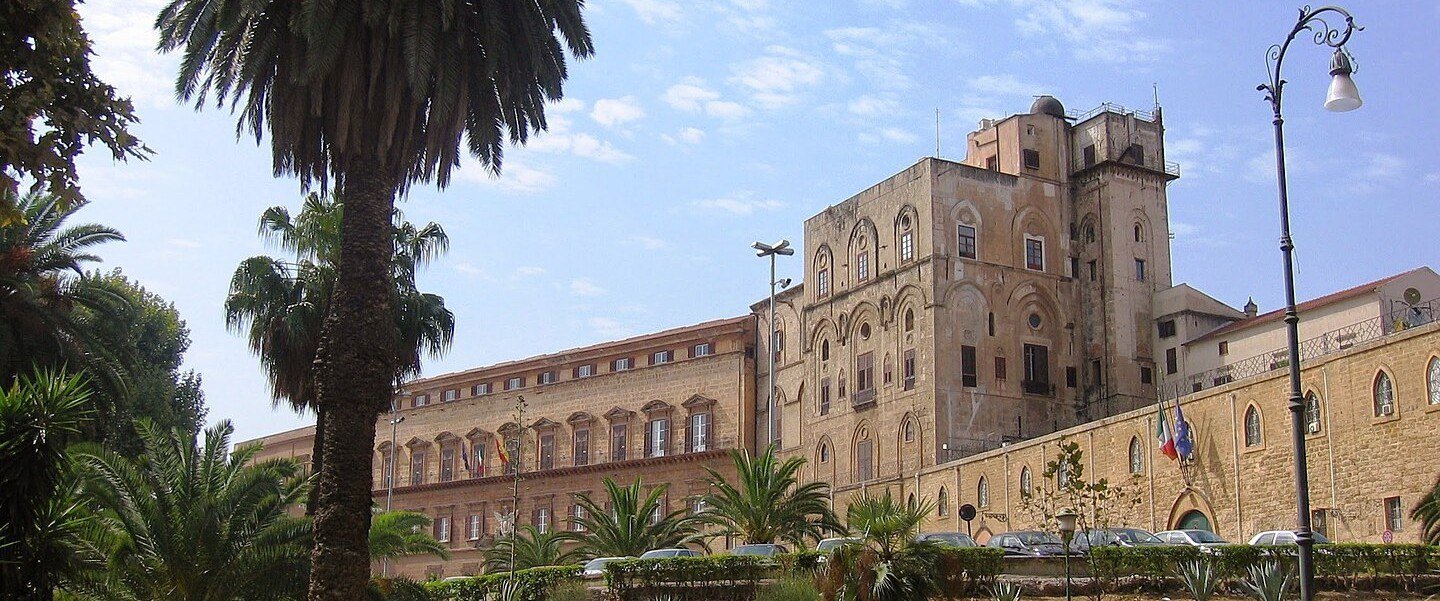
    Palermo, Palazzo dei Normanni, visuale da via Vittorio Emanuele

    Palace of the Normans & Palatine Chapel: Tours, Tickets and Useful Info

    Quick Guide and Experiences


    Visit the Palace of the Normans and the Palatine Chapel, the historic heart of Palermo, amid Byzantine mosaics, royal courtyards, and monumental halls. A unique experience that tells centuries of art and culture in every detail.


    Palace of the Normans and Palatine Chapel: A symbol of Palermo’s millennia-old history, the Palace of the Normans is one of the oldest royal residences in Europe and a true treasure trove of art and culture. The palace’s richly decorated rooms tell centuries of rule that left an indelible mark on the city: from the Normans to the Hohenstaufens, from the Aragonese to the Bourbons.

    Inside, the Palatine Chapel is the artistic jewel of the Norman court: golden mosaics depicting biblical scenes, Arabesque stuccoes, carved wooden ceilings, and Byzantine influences create a truly unique environment. The fusion of styles and cultures offers visitors a multisensory experience, with light, color, and astonishing architectural details.

    Beyond its artistic beauty, the palace also houses historical treasures and evidence of royal court life, while guided tours help visitors understand the historical and symbolic significance of each room, making the visit not only fascinating but also educational and unforgettable.

    Powered by GetYourGuide

    Discover the selected experiences in Palermo to visit the Palace of the Normans and the Palatine Chapel with guided tours, audio guides, and skip-the-line tickets:


    Powered by GetYourGuide

    Duration of the visit: To explore the Palace of the Normans and the Palatine Chapel, it takes on average 1.5-2 hours. You can visit both the palace, with its courtyards and monumental rooms, and the chapel, admiring the Byzantine mosaics and Norman architecture in a single guided tour.

    Accessibility: Some areas of the palace have stairs and ancient floors, so not all areas are fully accessible. The Palatine Chapel has facilitated access for visitors with reduced mobility, but it is recommended to check the official website for any dedicated routes or available elevators.

    Climate and clothing: The palace is mostly covered, but some indoor and outdoor areas require walking through courtyards and open spaces. Comfortable clothing, closed and comfortable shoes are recommended, and in summer, a hat and water.

    Available services: Inside the complex, there are information points, restrooms, and small refreshment kiosks. Nearby, you will find bars and cafés for a break before or after the visit.

    Hours, prices, and bookings: Entrance to the Palace of the Normans and the Palatine Chapel is paid, with varying hours throughout the year (see official website). It is recommended to book during peak periods, see Selected experiences.

    Recommended time slots: To avoid crowds, it is preferable to visit the palace and chapel early in the morning at opening or in the afternoon after 3:00 PM. Guided tours allow a better understanding of the history, mosaics, and architectural symbolism.

    Photography: Photography without flash is allowed inside the Palatine Chapel. For professional equipment or video, a specific permit must be requested in advance.


    Powered by GetYourGuide

    On foot: If you are in the Historic Center of Palermo or its immediate surroundings (Quattro Canti, Ballarò, Vucciria, Cathedral), you can easily reach the Palace of the Normans and the Palatine Chapel on foot. The compact and pedestrian-friendly structure of the center makes the walk simple and pleasant.

    By bus: Several urban lines connect the main areas of the city to the Palace of the Normans. The most convenient stops are at Piazza Indipendenza and Via Vittorio Emanuele, from where you can quickly reach the palace entrance. For those arriving from the airport, shuttles with strategic stops near the center are available.

    By car: Direct car access to the Palace of the Normans is limited due to ZTL zones and narrow streets in the historic center. It is recommended to park in perimeter paid parking lots, such as Piazza Giulio Cesare or Piazza Marina, and walk to the entrance.

    By train: The Palermo Central Station is about 10-15 minutes on foot from the Palace of the Normans. From here, you can walk along Via Roma and Via Vittorio Emanuele to reach the entrance of the complex directly.

    By taxi or private transfer: A convenient option if arriving from the airport or port. The journey takes about 35-45 minutes, depending on traffic, and brings you directly to the palace entrance, avoiding potential parking or ZTL issues.


  • Experiences in Cagliari: Tours, Tickets and Useful Info

    Experiences in Cagliari: Tours, Tickets and Useful Info

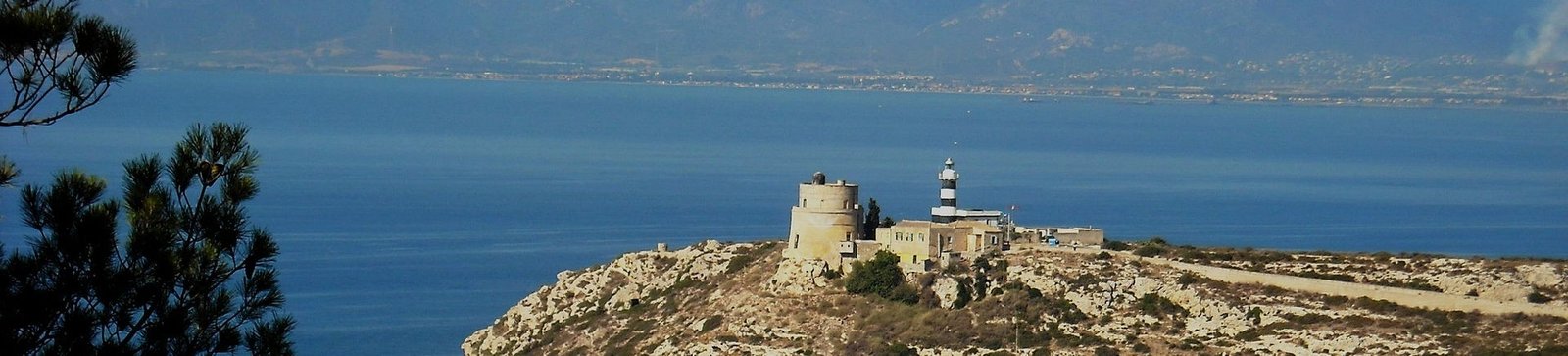
    Cagliari, Capo Sant'Elia e Sella del Diavolo

    Experiences in Cagliari: Tours, Tickets and Useful Info

    Quick Guide to Activities


    On this page, you will find our selection of the best experiences 🏆 in Cagliari, designed to let you enjoy the city and its surroundings to the fullest. Choose the one for you and make your visit to the Sardinian capital unforgettable!


    Discover the most captivating guided tours in Cagliari’s Historic Center, to experience the city through historic alleys, ancient legends, evocative atmospheres, and unique views. Perfect for those who want to learn the authentic history and charm of the Sardinian capital.


    Powered by GetYourGuide

    Discover the most scenic boat tours in Cagliari, with crystal-clear waters, snorkeling, sea aperitifs, and breathtaking views of the coast and the Sella del Diavolo. Perfect to enjoy the sea and surrounding nature.


    Powered by GetYourGuide

    Discover the most exciting excursions in the Cagliari area, from unspoiled nature to adventure and cultural traditions. From quad and bike tours to visits to UNESCO sites and food & wine experiences, there is something for every type of traveler.


    Powered by GetYourGuide

    Duration of the visit: exploring the Historic Center of Cagliari typically takes 2 to 4 hours. Those who wish to fully experience the authentic atmosphere of the Castello district can dedicate half a day. Short guided tours (1–2 hours) still allow you to discover key landmarks such as the Torre dell’Elefante, Torre di San Pancrazio, and the characteristic streets rich in history and architecture.

    Accessibility: much of the historic center is pedestrian, with generally even pavements. Some older streets may be steep or have steps, so comfortable shoes are recommended. Monuments and points of interest offer accessible entrances, but it is always advisable to check updated information on official websites.

    Climate and clothing: Cagliari enjoys a Mediterranean climate: hot, sunny summers require water, a hat, and sun protection; in winter temperatures are mild, but it can be windy, especially near the sea. Comfortable shoes are essential for walking through alleys and squares.

    Available services: the historic center offers bars, restaurants, artisanal ice cream shops, boutiques, and cultural points. Public fountains and well-marked pedestrian areas are also available. The area is served by public transport, taxis, and bicycle and e-bike rental points.

    Opening hours and tourist flows: the Castello district is accessible all day. Main monuments follow specific opening hours; shops and boutiques open in the morning and afternoon. The busiest times are during the central hours of summer and weekends.

    Recommended time slots: early morning is ideal for strolling peacefully through alleys and squares, while sunset offers breathtaking panoramic views of the city and the sea, perfect for photography.

    Safety and behavior: Cagliari is generally safe. It is recommended to respect places of worship and maintain respectful behavior in residential areas. It is important to follow any instructions at historical and archaeological sites.

    Photography: photography is generally allowed throughout the city. In places of worship, there may be restrictions during religious services. For professional shoots or using a tripod, contact the municipal offices for authorization.


  • Polignano a Mare: Experiences and Useful Info

    Polignano a Mare: Experiences and Useful Info

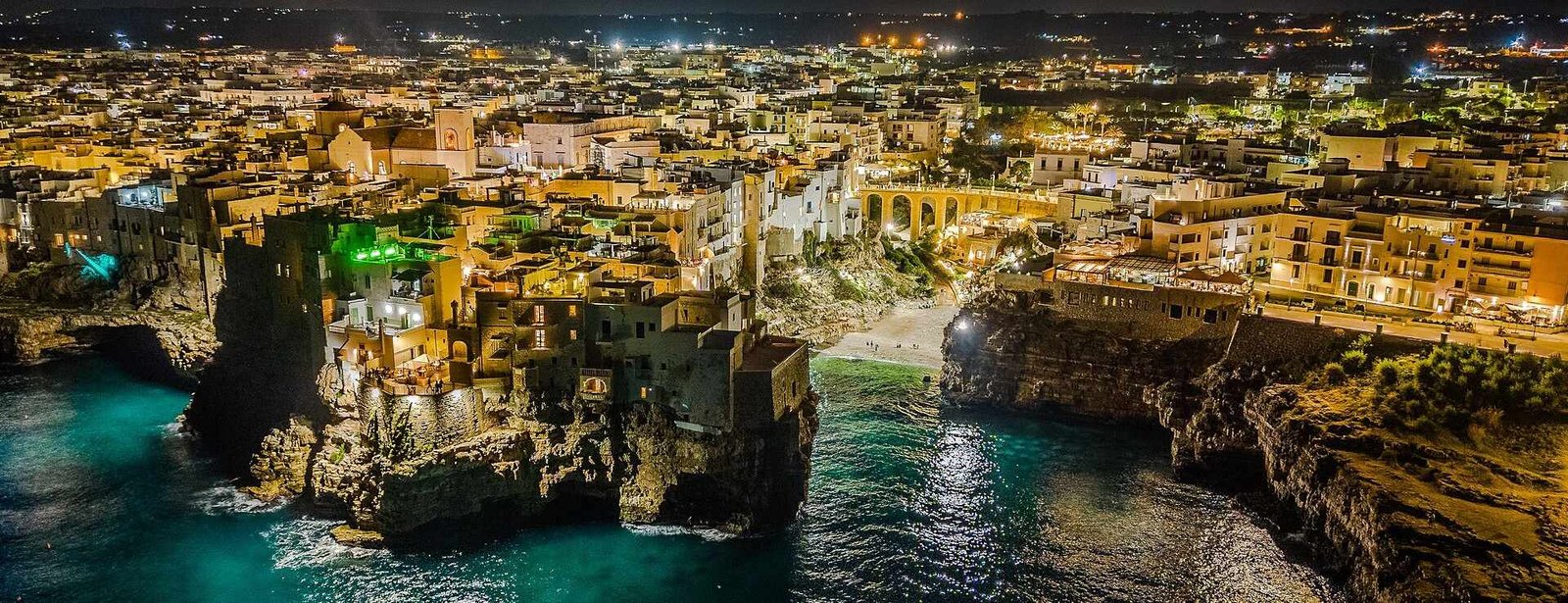
    Bari - Polignano a Mare - Vista panoramica notturna Terrazza Santo Stefano

    Polignano a Mare: Experiences and Useful Info

    Quick Guide and Tours


    📱 To introduce this destination, we preferred to let the images speak: rotate your phone horizontally and admire the photo above to fully capture the magic of Polignano a Mare.


    Historic center and panoramic terraces: The heart of Polignano a Mare is a maze of white alleys, stone arches, and breathtaking terraces overlooking the Adriatic Sea. Panoramic viewpoints, such as those at Largo Ardito, Via Roma, and Piazza Giuseppe Verdi, offer spectacular views of the cliffs and are among the most photographed spots in Apulia.

    Lama Monachile: Iconic and recognizable worldwide, Lama Monachile is the city’s symbolic bay, nestled between high rocky walls and connected to the center by the Bourbon bridge. The turquoise sea, pebble beach, and natural landscape make it a must-visit spot in every season.

    Grotta Palazzese: One of the most evocative places in Polignano, Grotta Palazzese is a natural cave carved into the cliffs, famous for its cliffside restaurant. Even without a reservation, it’s worth reaching the viewpoint to admire one of the most breathtaking views of the Apulian coast.

    The seafront and cliffs: A stroll along Lungomare Cristoforo Colombo allows you to experience the true nature of Polignano, with sea caves, rocky outcrops, and open sea. At sunset, the atmosphere becomes magical, with the light illuminating the cliffs and the city skyline.

    Lama Monachile bridge and coastal path: From the Bourbon bridge, you can enjoy a unique view of the entire natural canyon. From here, paths and stairways lead down to the beach or along the cliffs, ideal for taking spectacular photos and observing the incredible local geology.

    The churches of the historic center: In the heart of the old town are historic buildings such as the Mother Church of Santa Maria Assunta, which houses works of great artistic value, and the Church of the Purgatory, rich in local traditions. These are perfect stops to learn about the city’s history and culture.

    Statue of Domenico Modugno: Just a few steps from the sea stands the famous statue dedicated to Domenico Modugno, who was born here. With arms outstretched towards the horizon, it is a tribute to the artist and a very popular viewpoint for visitors.


    Powered by GetYourGuide

    Discover the most loved experiences in Polignano a Mare to explore caves, crystal-clear waters, and breathtaking views in the most iconic setting of Puglia:

    Powered by GetYourGuide

    Powered by GetYourGuide

    Visit duration: To comfortably explore Polignano a Mare, 2 to 4 hours are enough, but dedicating half a day allows you to admire the historic center, panoramic terraces, and Lama Monachile at a leisurely pace. Boat trips typically last 1.5–2 hours.

    Accessibility: The historic center has narrow streets and uneven pavements typical of Puglian towns, but the main panoramic terraces and some areas of the seafront are easily accessible. Boats are not always suitable for people with reduced mobility: it is recommended to check before booking.

    Temperature and clothing: In summer, temperatures can exceed 32°C. Light clothing, a hat, and sun protection are recommended. Comfortable shoes are essential to move around the alleys and stairs, especially in the historic center. Spring and autumn offer very pleasant weather.

    Beaches and sea: Lama Monachile is the most iconic beach but often crowded in peak season. For a quieter swim, consider Cala Paura or the small coves along the coast. The water is very clear but quickly becomes deep: take care with children.

    Available services: The town center has bars, restaurants, small shops, water points, and public facilities. Lama Monachile beach has no facilities: bring what you need.

    Hours, prices, and bookings: Access to the historic center is free. Boat trips are very popular on weekends and from June to September, so it is best to book in advance; see Selected Experiences.

    Recommended times: Early morning or late afternoon to avoid the heat and find the best light for photos. Sunset boat trips are the most spectacular.

    Photography: Photography is allowed in all public areas. The panoramic terraces offer the best viewpoints over Lama Monachile and the cliffs. For professional photography on boats, skipper consent may be required.


    Powered by GetYourGuide

    On foot: If you are staying in the historic center of Polignano a Mare, you can easily reach the main attractions and the seafront with a pleasant walk, enjoying the characteristic alleys and panoramic terraces.

    By train: Polignano a Mare is connected to the Adriatic railway line. From Bari Central Station, you can take a regional train heading south and get off at Polignano a Mare, just a few minutes’ walk from the historic center and the seafront. You can check schedules and book online on Trenitalia.

    By bus: Several bus lines connect Polignano a Mare with Bari, Monopoli, Alberobello and other towns in Puglia. Main stops are located in Piazza Aldo Moro, near the historic center. You can also check schedules and book online on Trenitalia.

    By car: Polignano a Mare is easily reachable via the A14 Bologna-Taranto motorway. Exit at Polignano a Mare and follow the signs to the city center. You can book a car here with Booking Rent.

    By taxi or private transfer: You can book a taxi or private transfer service from Bari or nearby airports (Bari and Brindisi) to reach the historic center or the seafront quickly and comfortably.

    Parking: Parking in the central area is limited during summer. The most convenient areas are in Via San Vito and at the Multi-storey Parking (stadium area). From there, the center can be reached on foot in 10–15 minutes.


  • Monopoli: Experiences and Useful Info

    Monopoli: Experiences and Useful Info

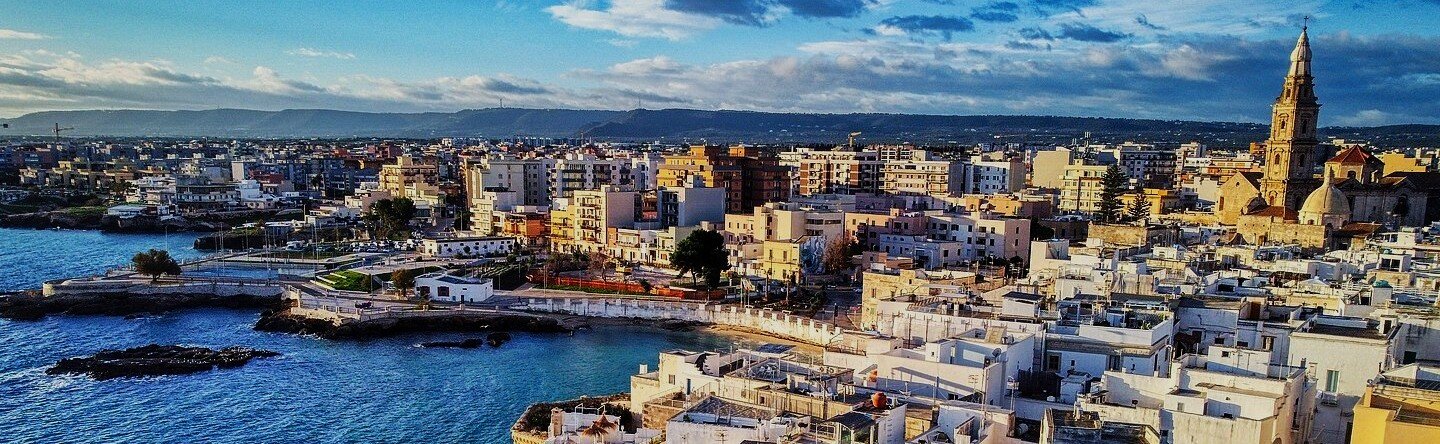
    Bari, Monopoli, vista panoramica centro storico e porticciolo

    Monopoli: Experiences and Useful Info

    Quick Guide and Tours


    Monopoli is one of the most captivating destinations in Puglia. Its historic center, a maze of white alleys, ancient churches, and views over the old port, tells centuries of history and maritime traditions.


    Historic Centre of Monopoli: The authentic heart of the city, a maze of white alleys, picturesque squares and ancient churches overlooking the sea. Walking through its streets you’ll discover charming corners, artisan workshops and views of the old port that tell the millenary story of Monopoli.

    Carlo V Castle: A 16th-century fortress built right by the sea to defend the city from attacks coming from the coast. Today it hosts exhibitions and cultural events and is one of Monopoli’s most iconic landmarks thanks to its panoramic position and perfectly preserved structure.

    Cathedral of the Madonna della Madia: A magnificent Baroque church declared a Minor Basilica, famous for the tradition of the Sacred Icon that miraculously arrived in the city’s port. Its richly decorated interior and scenic façade make it one of Monopoli’s most important religious attractions.

    Old Port: A charming spot where the colourful fishermen’s boats paint the landscape and where you can breathe the authentic maritime atmosphere of Monopoli. It’s the ideal place to take photos, observe the fishermen at work or enjoy a seaside aperitif.

    Cala Porta Vecchia: The city’s most iconic beach, located at the gates of the historic centre. Thanks to its clear waters and scenic position, it’s perfect for a refreshing swim during your visit and is one of the most photographed places in the city.

    An experience not to be missed: Visiting Monopoli means discovering the perfect balance between sea, history and culture. A walking or cycling tour through the old town allows you to fully enjoy the relaxed atmosphere of this gem of Puglia.


    Powered by GetYourGuide

    Experience the best of Monopoli with a selection of authentic activities designed to explore local flavors, breathtaking views, and regional traditions. Here are the most popular experiences to enhance your visit:


    Powered by GetYourGuide

    Visit Duration: To explore Monopoli’s historic center, seafront, and main churches, 2-3 hours are enough, but for a more complete experience – including coves, the old port, and panoramic viewpoints – it is recommended to dedicate at least half a day. A full day allows you to also visit museums, beaches, and enjoy a more relaxed experience.

    Accessibility: The historic center is mostly pedestrian and easy to walk, with flat streets and some cobblestone areas. Some areas near the sea may have uneven surfaces, but most main attractions are accessible. Many zones offer ramps or alternative routes.

    Temperature and Clothing: In summer, temperatures can exceed 30 °C with strong sun exposure, so light clothing, hat, sunscreen, and a water bottle are recommended. In spring and autumn, the climate is perfect for walking, while in winter it is mild but windy, especially along the coast: better to bring a jacket.

    Available Services: The center is full of bars, restaurants, ice cream shops, small stores, pharmacies, and refreshment points. Along the port and main beaches, you can find restrooms, water points, and shaded areas.

    Opening Hours, Prices, and Reservations: Many attractions, such as Castle Carlo V or some churches, have variable hours depending on the season or religious events. For activities, tastings, and organized experiences, it is recommended to book in advance, see Selected Experiences.

    Recommended Time Slots: Early morning is ideal to enjoy the historic center without crowds and to photograph the port in the best light. In the afternoon, walking along the seafront is pleasant, while sunset at Cala Porta Vecchia offers spectacular views.

    Photography: Monopoli is perfect for panoramic shots: you can photograph freely in all public areas. Inside some churches, flash or camera use may be restricted during religious ceremonies.


    Powered by GetYourGuide

    By Train: Monopoli is easily reachable thanks to frequent Trenitalia services along the Adriatic line. Regional trains connect the city with Bari, Polignano a Mare, Fasano, Ostuni, Brindisi, and Lecce. The station is a short 5-10 minute walk from the historic center and seafront. You can check schedules and prices here with TrainLine.

    By Car: Monopoli is easily reachable via the SS16 (Bari–Brindisi highway), with exits leading directly to the city center or beaches. Main parking areas are near the historic center, port, and seafront. If you arrive in Puglia by plane, you can book a rental car with Booking Rent.

    By Bus: Several companies connect Monopoli with Bari, Brindisi, Lecce, and other main cities in Puglia. Stops are near the city center and train station, making it easy to reach hotels, beaches, and local experiences. You can check availability here with TrainLine.

    By Plane: The nearest airport is Bari Karol Wojtyła (about 50 km), followed by Brindisi Airport (about 70 km). From both airports, you can reach Monopoli by train, bus, taxi, or rental car.

    By Taxi or Private Transfer: Private transfer services are available from Bari and Brindisi airports, ideal for reaching hotels, farmhouses, beaches, or the historic center comfortably without changing transport.


  • Alberobello: Experiences and Useful Info

    Alberobello: Experiences and Useful Info

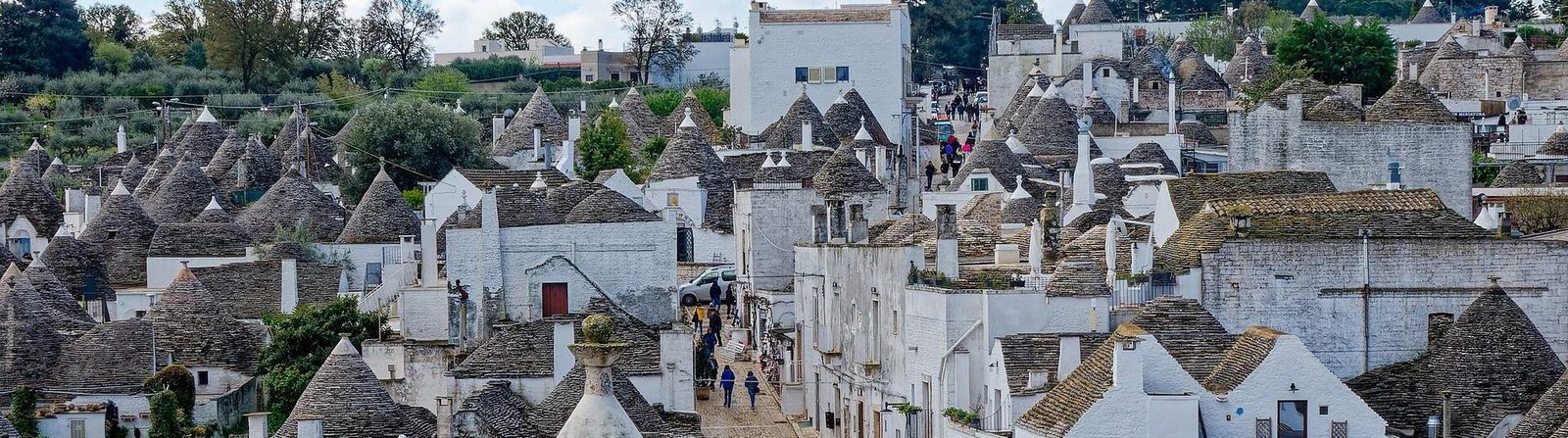
    Bari, Alberobello, vista Trulli Patrimonio Unesco

    Alberobello: Experiences and Useful Info

    Quick Guide and Tours


    Visiting Alberobello (a UNESCO World Heritage site) means discovering a unique place in the world, where the famous trulli tell ancient stories along white alleys and timeless atmospheres.


    Alberobello is famous for its distinctive trulli, unique conical dwellings. In this section, we will explore the main attractions of the village, a UNESCO World Heritage Site since 1996, from the most famous districts to historic monuments and unmissable viewpoints.

    Rione Monti: The most famous district of Alberobello, featuring over a thousand trulli along uphill streets. It is the most scenic area of the town, where visitors can admire artisan shops, panoramic terraces, and some of the oldest and best-preserved trulli.

    Rione Aia Piccola: Considered the authentic heart of Alberobello, it is a residential district made up of trulli still inhabited today. Walking through these quiet alleys reveals the village’s most genuine soul, away from the busiest tourist flows.

    Trullo Sovrano: The only two-story trullo in the city, declared a National Monument. Its perfectly preserved interior shows the habits of the family who lived there in the 18th century, offering a precious glimpse into life of the past.

    Church of Sant’Antonio: Located at the entrance of Rione Monti, this unique church is built in the shape of a trullo, with a conical dome and simple decorations. It is one of the most striking examples of religious architecture in the area.

    Casa Pezzolla: A complex of fifteen interconnected trulli, now home to the Museum of the Territory. Inside, visitors can discover traditional tools, objects, and reconstructions of domestic environments to understand the history and cultural roots of the place.

    Belvedere Santa Lucia: One of the most famous viewpoints in Alberobello, offering a spectacular view of Rione Monti and its characteristic conical roofs. A perfect spot for unforgettable photographs.

    Trulli Siamesi: Two joined trulli with a peculiar shape, linked to an ancient local legend. Their asymmetrical structure and the story behind them make them one of the most fascinating curiosities of the village.


    Powered by GetYourGuide

    Discover the most popular experiences in Alberobello to get close to the authenticity of the trulli, local culture, and typical flavors of the Valle d’Itria:


    Powered by GetYourGuide

    Visit duration: To fully explore Alberobello and its trulli, 2-3 hours are enough. Spending half a day allows a more relaxed visit of the Monti and Aia Piccola districts, entry into some historic trulli, and enjoyment of artisan shops. Short guided tours (1.5-2 hours) cover the most iconic spots of the village.

    Accessibility: Many streets in the historic center are walkable, but some uphill streets and stone pavements may be challenging for people with reduced mobility. The Aia Piccola district is generally quieter and more accessible than Monti. Updated information about easier paths is available at the Tourist Info Point.

    Temperature and clothing: In summer, temperatures can exceed 30 °C, so light clothing, a hat, and sunscreen are recommended. In winter, the climate is mild, but comfortable shoes are advised for walking on sometimes slippery stone streets.

    Available services: Alberobello offers bars, restaurants, shaded areas, shops with typical products, and several panoramic viewpoints. During busy periods, dedicated parking areas with shuttle service to the center are available.

    Opening hours, prices, and reservations: Access to the historic center is free, but some attractions – like trulli museums, historic houses, or guided experiences – require tickets or reservations. Booking tours and tastings in advance is recommended, especially on weekends and during summer; see Selected Experiences.

    Recommended visiting hours: To avoid crowds, especially in high season, it is best to visit the village early in the morning or late afternoon. Sunset provides particularly beautiful light on the trulli, ideal for striking photos.

    Photography: Photos can be taken freely in the streets of the historic center. Inside private trulli, shops, or museums, restrictions or bans on professional equipment may apply without authorization.


    Powered by GetYourGuide

    On foot: If you stay in the historic center of Alberobello or nearby, you can easily reach the Rioni Monti and Aia Piccola with a short walk. All the main attractions are just a few minutes from each other.

    By train: Alberobello is served by the Ferrovie Sud Est (FSE) railway line, connecting the town to Bari, Martina Franca, and Lecce. From the Alberobello station, the historic center is about a 10-minute walk. Trains are frequent, especially on weekdays. You can check and book tickets via partners such as TrainLine.

    By bus: Several regional buses connect Alberobello with Bari, Taranto, Monopoli, Polignano a Mare, and other towns in the Valle d’Itria. Main stops are near Largo Martellotta and the train station. You can check schedules and tickets on TrainLine.

    By car: Alberobello is easily reachable from Bari and Brindisi via the SS16 along the coast and then the SS172 inland. You can rent a car here with Booking Rent to explore the Valle d’Itria independently.

    By camper or tourist bus: Dedicated parking areas are available near Via Barsento and Via Indipendenza, well connected to the center via a short walk. Some equipped areas also offer services for campers.

    By taxi or private transfer: From the main Puglian airports (Bari and Brindisi), private transfers to Alberobello can be booked. The journey takes about 1 hour from Bari and 1 hour 15 from Brindisi, depending on traffic.

    Recommended parking: The historic center of Alberobello is a limited traffic zone, so parking nearby and continuing on foot is necessary. The most convenient parking lots are Via Indipendenza (near Rione Monti), Viale Putignano, and Via Barsento, all within a short distance from the center. During busy periods, seasonal parking with daily rates and shuttle service to main areas of the village is available.


  • Experiences in Bari: Tours, Tickets and Useful Info

    Experiences in Bari: Tours, Tickets and Useful Info

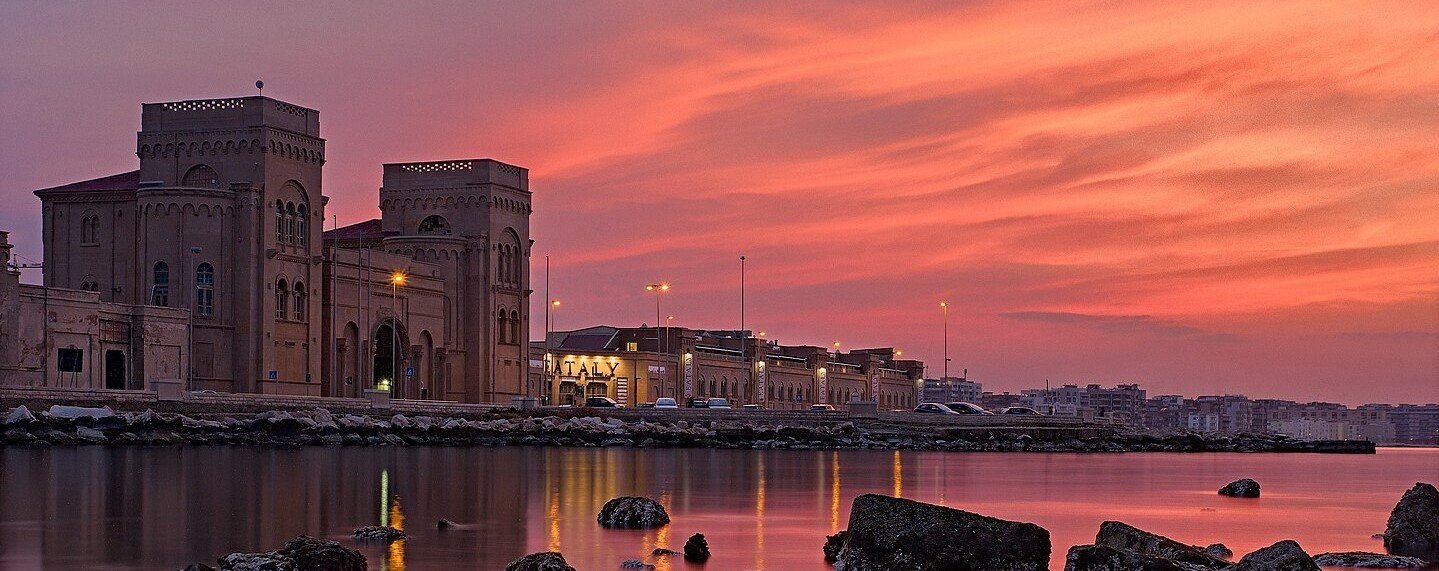
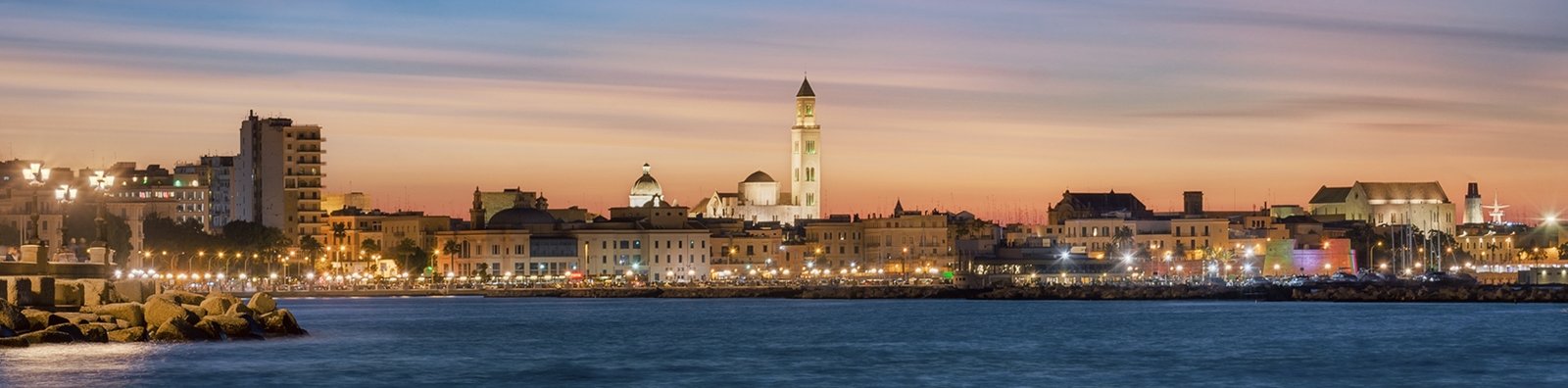
    Bari, lungomare Giovan Battista e Pietro Starita al tramonto

    Experiences in Bari: Tours, Tickets and Useful Info

    Quick Guide to Activities


    On this page you will find a selection of the best experiences 🏆 we have chosen for you in Bari, based on the offers of the main tour operators.

    To get a more complete overview of each attraction, you can click on the links to the detailed information pages +🔗.


    Experience the authentic soul of Bari through white alleys, the aromas of local cuisine, and living traditions. Discover Romanesque churches and artisan shops that reveal the city’s true essence.

    Powered by GetYourGuide

    Immerse yourself among the UNESCO trulli and the timeless atmosphere of Alberobello. A unique village where stone and silence create pure magic.

    • Alberobello: 2-hour guided trulli tour – A complete visit to the heart of Monti and Aia Piccola districts, led by a local expert. Perfect to discover the history, curiosities, and traditions of the trulli. Top Reviews 🏆
    • Alberobello: walking tour with olive oil tasting – A tour among the trulli with a tasting of local extra virgin olive oil, ideal for those who want to combine culture and regional flavors. Top Reviews 🏆
    Powered by GetYourGuide

    Feel the charm of an authentic seaside town overlooking crystal-clear waters. Between the old port and the bright historic center, every corner smells of the Mediterranean.

    Powered by GetYourGuide

    Admire spectacular cliffs and turquoise waters in one of the most iconic places in Puglia. Its white alleys and famous viewpoints offer unforgettable views.

    Powered by GetYourGuide
  • Historic Center of Bari: Experiences and Useful Info

    Historic Center of Bari: Experiences and Useful Info

    Bari, vista lungomare e Punta Perotti

    Historic Center of Bari: Experiences and Useful Info

    Quick Guide and Tours


    The Historic Center of Bari is a place full of history, culture, and traditions. Walking through its charming streets, lively squares, and historic buildings, you can discover the vibrant heart of the city.


    Visiting the Historic Center of Bari, also known as Bari Vecchia, means immersing yourself in a fascinating maze of alleys, traditions, aromas, and monuments that tell over a thousand years of history. Among ancient churches, Norman fortifications, and everyday life scenes, the heart of the city offers an authentic and lively experience that can surprise every visitor.

    Basilica of Saint Nicholas: a spiritual symbol of the city and a destination for international pilgrimage, the Basilica houses the relics of Saint Nicholas, venerated by both the Catholic and Orthodox worlds. Its Romanesque interiors, crypt, and precious altars convey a mystical and timeless atmosphere.

    Cathedral of Saint Sabinus: a masterpiece of Apulian Romanesque, the Cathedral is famous for its light effects during the summer solstice and its harmonious architecture, which dominates Bari Vecchia with elegance and spirituality.

    Norman-Swabian Castle: built by Roger the Norman and expanded by Frederick II, the castle is one of the most important fortresses in Southern Italy. Its imposing walls, moats, and interiors narrate the military and political history of the city over the centuries.

    Alleys and Courtyards of Bari Vecchia: walking through the alleys is a unique experience: between white houses, hanging laundry, artisan workshops, and ladies making orecchiette by hand, you can feel the most authentic and popular soul of the city.

    Bari Seafront: just a few steps from the historic center, the long seafront offers stunning views of the Adriatic Sea. Perfect for a relaxing walk, it is one of the most scenic in Italy.

    Piazza Mercantile and Piazza del Ferrarese: the vibrant hearts of Bari’s social life, these two historic squares host bars, cafés, and symbolic monuments such as the famous Colonna della Giustizia.


    Powered by GetYourGuide

    Discover the most popular experiences in the Historic Center of Bari to experience the city through art, traditions, authentic alleys, and local flavors:

    Powered by GetYourGuide

    Powered by GetYourGuide

    Visit Duration: Exploring the Historic Center of Bari typically takes 2 to 4 hours, but those wishing to fully experience the authentic atmosphere of Bari Vecchia can easily dedicate half a day. Short guided tours (1-2 hours) still allow visitors to discover iconic sites such as the Basilica of Saint Nicholas, the Norman-Swabian Castle, and traditional alleys where fresh pasta is made.

    Accessibility: Most of the historic center has regular pavements and pedestrian areas that are easy to walk. However, some older streets may be narrow or uneven. Major monuments and museums offer dedicated or facilitated access: it is advisable to check official websites for specific opening times and accessibility before visiting.

    Climate and Clothing: Bari enjoys a Mediterranean climate, with hot and sunny summers: water, a hat, and sunscreen are recommended. Winters are mild but can be windy, especially near the sea. Comfortable shoes are essential to move around alleys and squares.

    Available Services: The area is rich in bars, restaurants, historic bakeries, artisan shops, and cultural points of interest. Public fountains and well-marked pedestrian areas are also available. The area is served by public transport, taxis, and bike and rickshaw rental services.

    Powered by GetYourGuide

    Opening Hours and Tourist Flows: The Historic Center is always accessible and lively at all hours. Main monuments have specific opening times, while many shops open both in the morning and late afternoon. The busiest times are weekends and summer evenings.

    Recommended Times: Early morning is ideal to enjoy Bari Vecchia in peace, observe local life, and stroll through the most authentic alleys. At sunset, the ancient walls and seafront provide a suggestive atmosphere perfect for photography and relaxing walks.

    Safety and Conduct: The historic center is generally safe and well-frequented. It is advisable to respect places of worship, especially the Basilica of Saint Nicholas, and maintain respectful behavior in residential streets where locals live their daily lives.

    Photography: Photography is generally allowed throughout the historic center. Restrictions may apply in places of worship, especially during religious services. For professional shoots or using a tripod, authorization from the Municipality may be required.