
Categoria: EN

  • What to eat in Perugia

    What to eat in Perugia

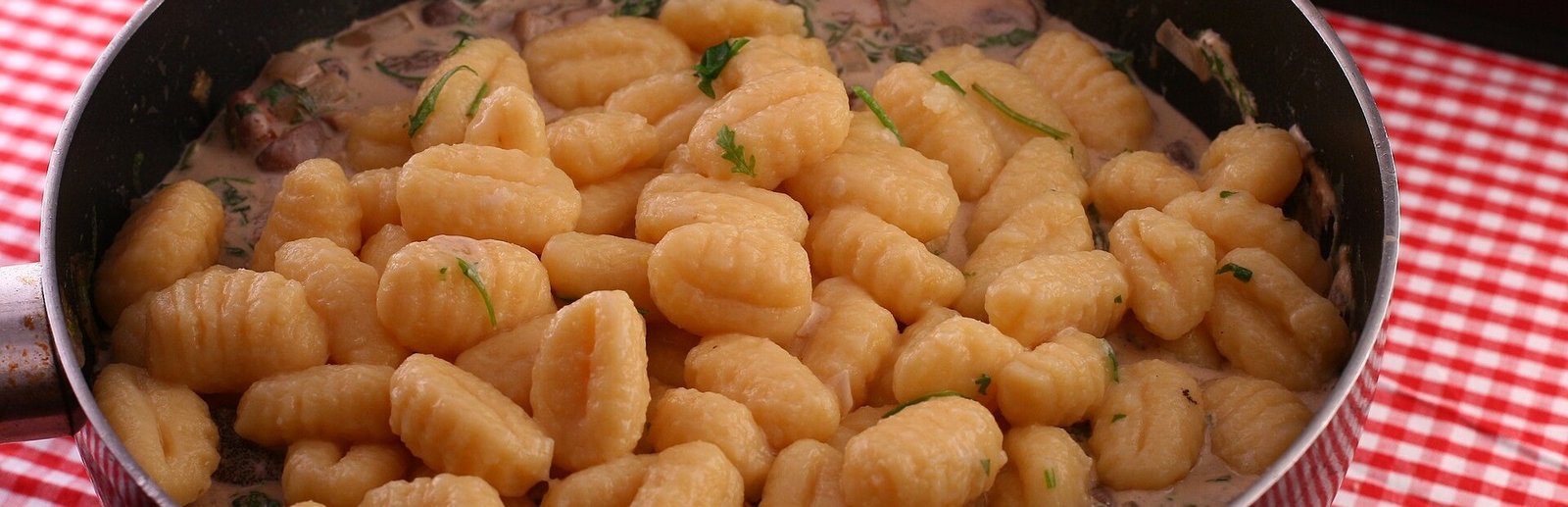
    Gnocchi al sugo

    What to eat in Perugia

    Quick Guide to Taste in the City


    On this page you will find an overview of some of the most representative dishes, products and wines of Perugia, which you can enjoy in one of the restaurants in our selection.


    Powered by GetYourGuide

    The city’s gastronomic identity

    The cuisine of Perugia combines Umbrian tradition and authentic flavors: black truffle, strangozzi pasta, porchetta, cured meats and traditional desserts such as torcolo tell the culinary story of the city. Local ingredients such as legumes, meat, extra virgin olive oil and chocolate define Perugia’s gastronomic identity and make every meal an unforgettable experience.

    Historical influences

    The roots of Perugian cuisine date back to medieval Umbria, shaped by noble courts and local markets. Many traditional dishes were born from the combination of regional products and ancient recipes, passed down from generation to generation, making Perugia’s gastronomy unique within the national culinary landscape.

    Territory and raw ingredients

    The Umbrian territory offers excellent-quality ingredients: black truffle, legumes such as Castelluccio lentils, extra virgin olive oil, local meats and cured products, typical cheeses and the famous chocolate of Perugia. Regional wines, such as Montefalco Sagrantino, complete the dishes, making Perugian gastronomy immediately recognizable and appreciated.

    An experience beyond the plate

    Eating in Perugia means savoring strangozzi with ragù in a historic trattoria, tasting freshly roasted porchetta, pairing everything with a glass of Sagrantino and breathing in the city’s medieval atmosphere. An authentic experience, rich in flavor and tradition, that remains in the memory of those who visit Perugia and discover its tastes.


    In the table below, you will find a list of typical local products and wines, classified according to the main national quality marks such as DOP, IGP, etc. (see the legend). Traditional dishes are included for their historical and cultural value.

    The table structure provides a clear criterion to understand the value and gastronomic identity of the territory.

    • Scroll the table down and to the right to view all data in the columns and access Wikipedia links 🌐 for further information (when available).
    • To see the explanation of each data column, click on the column title itself (e.g., Index, Ratings, Org, etc.) at the top of the table.

    ⏳ Caricamento tabella in corso…

    .

    .

    .

    .

    .

    .

    PERUGIA

    ***

    .

    cities and villages

    main city

    .

    .

    .

    .

    .

    .

    .

    Typical Dishes and Products

    .

    .

    .

    .

    .

    Gnocchi al sugo d'oca

    **

    .

    gastronomy

    first courses

    .

    Involtini alla perugina

    **

    .

    gastronomy

    main courses

    .

    Minestra alla perugina

    **

    .

    gastronomy

    first courses

    .

    Scaloppine perugine

    *

    .

    gastronomy

    main courses

    .

    Spiedini di granocchia

    *

    .

    gastronomy

    main courses

    .

    Torello alla perugina

    **

    .

    gastronomy

    main courses

    .

    Umbria

    .

    DOP

    oils and fats

    .

    .

    Brustengolo

    .

    PAT

    bread/pasta/sweets

    desserts

    .

    Caciotta

    .

    PAT

    cheese and dairy

    cheese

    .

    Capocollo

    .

    PAT

    meats and cured meats

    main courses

    .

    Castagnole

    .

    PAT

    bread/pasta/sweets

    desserts

    .

    Ciaramicola

    .

    PAT

    bread/pasta/sweets

    desserts

    .

    Cicerchia

    .

    PAT

    fruit/veg & grains

    .

    .

    Coglioni di mulo

    *

    PAT

    meats and cured meats

    main courses

    .

    Coppa di testa

    .

    PAT

    meats and cured meats

    cured meats

    .

    Corallina

    *

    PAT

    meats and cured meats

    cured meats

    .

    Cresciole di ciccioli

    .

    PAT

    bread/pasta/sweets

    one-dish meals

    .

    Fave dei morti

    .

    PAT

    bread/pasta/sweets

    desserts

    .

    Formaggio (farcito e misto)

    .

    PAT

    cheese and dairy

    cheese

    .

    Guanciale o barbozzo

    .

    PAT

    meats and cured meats

    cured meats

    .

    Lombetto

    .

    PAT

    meats and cured meats

    cured meats

    .

    Mazzafegati

    .

    PAT

    meats and cured meats

    cured meats

    .

    Passatelli

    *

    PAT

    bread/pasta/sweets

    first courses

    .

    Pasta di olive

    .

    PAT

    spices and cond.

    .

    .

    Paté di interiora di pollo

    .

    PAT

    spices and cond.

    .

    .

    Pecorino umbro

    .

    PAT

    cheese and dairy

    cheese

    .

    Pinoccate

    .

    PAT

    bread/pasta/sweets

    desserts

    .

    Pinolate

    .

    PAT

    bread/pasta/sweets

    desserts

    .

    Porchetta

    .

    PAT

    meats and cured meats

    cured meats

    .

    Prosciutto nostrano

    .

    PAT

    meats and cured meats

    cured meats

    .

    .

    Ravaggiolo

    .

    PAT

    cheese and dairy

    dairy

    .

    Salami di Norcia

    .

    PAT

    meats and cured meats

    cured meats

    .

    Sanguinaccio

    .

    PAT

    meats and cured meats

    cured meats

    .

    Schiacciata al formaggio

    .

    PAT

    bread/pasta/sweets

    one-dish meals

    .

    Strufoli

    .

    PAT

    bread/pasta/sweets

    desserts

    .

    Torciglione

    .

    PAT

    bread/pasta/sweets

    desserts

    .

    Torcolo di San Costanzo

    **

    PAT

    bread/pasta/sweets

    desserts

    .

    Torta al formaggio o di pasqua

    .

    PAT

    bread/pasta/sweets

    one-dish meals

    .

    Torta al testo

    .

    PAT

    bread/pasta/sweets

    .

    .

    Tozzetti

    .

    PAT

    bread/pasta/sweets

    desserts

    .

    Umbricelli

    **

    PAT

    bread/pasta/sweets

    first courses

    .

    Ventresca

    .

    PAT

    meats and cured meats

    cured meats

    .

    .

    .

    .

    .

    .

    .

    Wines and Beverages

    .

    .

    .

    .

    .

    Assisi DOC

    *

    DOC

    beverages

    wine

    .

    Colli Altotiberini DOC

    .

    DOC

    beverages

    wine

    .

    Colli del Trasimeno o Trasimeno DOC

    *

    DOC

    beverages

    wine

    .

    Colli Perugini DOC

    .

    DOC

    beverages

    wine

    .

    Vinosanto da uve affumicate dell’Alta Valle del Tevere

    *

    SWF

    beverages

    .

    .

    .

    .

    .

    .

    .

    See also:

    .

    .

    .

    .

    .

    .

    .

    .

    .

    .

    .

    .

    .

    📌 The dishes, products, and wines listed above, while representing the local gastronomic identity, are not always exclusive, but often shared with the provincial or regional territory.

    📌 For the main certifications (DOP, IGP, DOC, and DOCG), the selection is based on the official production specifications, checking – where possible – whether the municipality is included in the authorized area.


    Gnocchi

    Umbrian gnocchi, often served with game ragù or simply with butter and sage, are a traditional first course that combines simplicity and intense flavor. Perfect for appreciating the authentic tastes of Perugian cuisine.

    Strangozzi with black truffle

    The famous strangozzi, long and rough handmade pasta, are often seasoned with black truffle, a gastronomic symbol of Perugia. A refined dish that tells the story of the richness of the Umbrian territory.

    Pasta alla Norcina

    Pasta alla Norcina is prepared with local sausage, cream and, at times, truffle. A rich and enveloping first course that represents the culinary tradition of Perugia in a single bite.

    Spelt soup

    Spelt soup, nourishing and flavorful, can be enjoyed either as a first course or as a main dish. Simple and local ingredients such as legumes, vegetables and extra virgin olive oil make it a classic of Perugian cuisine.

    Stewed wild boar

    Stewed wild boar is a traditional main course, slowly prepared with wine, aromatic herbs and spices. A flavorful dish that expresses the love for meat and game typical of Umbria.

    Palombacci alla perusina

    Palombacci alla perusina, pigeons cooked according to the ancient local tradition, are a noble and typical dish of Perugia. A preparation that combines intense flavor and historical authenticity.

    Torello alla perusina

    Torello alla perusina is a robust meat dish, cooked with local ingredients and traditional aromas. Perfect for those who want to taste the authentic cuisine of the city.

    Torta al testo

    Torta al testo is a traditional Umbrian flatbread, cooked on stone, which can be filled with cured meats, cheeses or vegetables. A perfect example of Perugia’s rustic tradition.

    Torcolo di San Costanzo

    A traditional Perugian dessert, Torcolo di San Costanzo is prepared with dried fruit and delicate aromas. A symbol of local pastry-making and city celebrations.

    Ciaramicola

    Ciaramicola is a typical Easter cake from Perugia, characterized by colorful icing and a soft texture. A dessert that represents the city’s confectionery tradition.


    Premium black truffle from Umbria

    The premium black truffle from Umbria is a key ingredient in dishes such as strangozzi with truffle. Its intense aroma and unique flavor make it a gastronomic symbol of the province and a must of Perugian cuisine.

    Umbrian extra virgin olive oil

    Umbrian extra virgin olive oil is the base of many seasonings and of the cooking of meats, vegetables and legumes. Essential for preparing typical dishes such as spelt soup or game-based main courses, it enhances every dish with its fruity and harmonious taste.

    Umbrian wild boar

    Umbrian wild boar is a typical meat used for stews and main courses such as stewed wild boar. Its slow preparation and the use of local aromatic herbs enhance its robust flavor, making it a classic of Perugian tradition.

    Local cured meats and cheeses

    Local cured meats and cheeses, such as capocollo, coppa di testa, corallina, porchetta, pecorino umbro, caciotta, represent the heart of Perugian gastronomy. Used both as appetizers and as ingredients in typical dishes, they reflect the richness and variety of local products.

    Chocolate of Perugia

    Chocolate of Perugia is the basis of traditional desserts and iconic products of the city. From the famous dark chocolate to artisanal bars, it represents one of the sweet excellences of Umbria and a symbol of the city at both national and international level.

    📌 The products mentioned above, although not exclusive to the city of Perugia but widespread throughout the province and region, are pillars of local cuisine and are used daily in the preparation of the city’s signature dishes.


    Powered by GetYourGuide

    In Perugia, wines from the province and the surrounding hills are enjoyed, accompanying typical dishes and convivial occasions in the city. Among the most representative are Assisi DOC, elegant and versatile, perfect with first courses and white meats; Colli Altotiberini DOC, produced in the Upper Tiber Valley, ideal with local cured meats and cheeses; Colli del Trasimeno DOC, also known as Trasimeno DOC, with structured reds and fresh whites suited to traditional cuisine; and Colli Perugini DOC, a designation that identifies authentic, everyday wines closely linked to the territory.

    These are joined by the renowned Montefalco Sagrantino DOCG, a powerful and tannic red wine perfect with game and hearty meats, and Torgiano Rosso Riserva DOCG, elegant and complex, a symbol of the province’s winemaking excellence.

    Among the local specialties stands out Vinosanto from smoked grapes of the Upper Tiber Valley, a meditation wine rooted in ancient tradition. These wines represent the winemaking richness of the Perugian territory and complete the city’s gastronomic experience.

    Craft beers and local beverages

    Alongside wines, Perugia and Umbria boast a growing production of Umbrian craft beers, appreciated for the quality of their raw ingredients and the variety of styles, perfect for pairing with rustic dishes such as torta al testo, cured meats and grilled meats. Traditional beverages and non-alcoholic alternatives linked to local culture are also available, completing the city’s gastronomic landscape and offering valid options for every convivial moment.


    What is this page?

    An overview of the most representative dishes, products, and drinks of Perugia, selected to help you discover the city’s authentic flavors.

    How does it work?

    Scroll through the entries in the Table and the various sections; each section provides concise information and links for further reading 🔗.

    📌 View the Food-Wine Table

    Signature Dishes

    In this section you will find some of the city’s most iconic dishes, presented with brief descriptions.

    📌 See Signature Dishes

    Traditional Products

    Here are some traditional products, widespread also at a regional level, yet pillars of local cuisine.

    📌 See Traditional Products

    Wines and Beverages

    A selection of the city’s distinctive wines and drinks, with notes on the territory and traditional pairings.
    📌 See Wines and Beverages

  • What to eat in Palermo

    What to eat in Palermo

    Palermo_Pasta_con_le_sarde_3

    What to eat in Palermo

    Quick Guide to Taste in the City


    On this page you will find a selection of some of the most representative dishes, products, and wines of Palermo, which you can enjoy in one of the restaurants from our selection.


    Powered by GetYourGuide

    Gastronomic identity of the city

    The cuisine of Palermo is a journey through historic street food and Sicilian tradition: arancine, panelle, sfincione, pasta with sardines, and cannoli tell centuries of cultural influences. A unique mix of Arab, Norman, and Spanish heritage has created intense flavors, spiced aromas, and sweet-and-sour contrasts that define Palermo’s gastronomic identity and make every bite an authentic experience.

    Historical influences

    The culinary roots of Palermo lie in the dominations that shaped Sicily’s history. The Arabs introduced citrus, sugar, almonds, and spices; the Normans and Spaniards enriched the table with new techniques and ingredients. From these cultural layers, signature dishes were born that combine sweet and savory, sea and land, popular simplicity and aristocratic refinement.

    Territory and raw ingredients

    The Palermo area offers extraordinary raw ingredients: the freshest Tyrrhenian fish, fragrant citrus, eggplants, pistachios, almonds, and sheep’s ricotta. Sicilian extra virgin olive oil, capers, anchovies, and aromatic herbs complete recipes full of character. Even wines from the Sicilian hinterland perfectly accompany dishes, enhancing the intense flavors of local tradition.

    An experience beyond the plate

    Eating in Palermo means strolling through historic markets like Ballarò, Vucciria, or Capo, enjoying a freshly fried arancina, tasting warm pane e panelle in the streets of the city center, and finishing with a freshly filled cannolo. It is a lively, popular, intense experience, where food becomes story, identity, and conviviality. This is why Palermo’s cuisine stays in the heart of those who discover it.


    Powered by GetYourGuide

    In the table below, you will find a list of typical local products and wines, classified according to the main national quality marks such as DOP, IGP, etc. (see the legend). Traditional dishes are included for their historical and cultural value.

    The table structure provides a clear criterion to understand the value and gastronomic identity of the territory.

    • Scroll the table down and to the right to view all data in the columns and access Wikipedia links 🌐 for further information (when available).
    • To see the explanation of each data column, click on the column title itself (e.g., Index, Ratings, Org, etc.) at the top of the table.

    ⏳ Caricamento tabella in corso…

    .

    .

    .

    .

    .

    .

    PALERMO

    .

    .

    cities and villages

    main city

    .

    .

    .

    .

    .

    .

    .

    Typical Dishes and Products

    .

    .

    .

    .

    .

    Bomba e Bombette

    *

    .

    gastronomy

    appetizers

    .

    Sarde a beccaficu

    **

    PAT

    gastronomy

    appetizers

    .

    Pecorino siciliano

    .

    DOP

    cheese and dairy

    cheese

    .

    Caci figurati

    .

    PAT

    cheese and dairy

    cheese

    .

    Caciocavallo palermitano

    .

    PAT

    cheese and dairy

    cheese

    .

    Canestrato Siciliano

    *

    PAT

    cheese and dairy

    cheese

    .

    Canestrato vacchino

    .

    PAT

    cheese and dairy

    cheese

    .

    Pecorino rosso

    .

    PAT

    cheese and dairy

    cheese

    .

    Provola dei monti Sicani

    .

    PAT

    cheese and dairy

    cheese

    .

    Provola siciliana

    .

    PAT

    cheese and dairy

    cheese

    .

    Ricotta Infornata

    *

    PAT

    cheese and dairy

    dairy

    .

    Vasteḍḍa palermitana

    .

    PAT

    cheese and dairy

    cheese

    .

    Arancini di riso

    **

    PAT

    gastronomy

    street food

    .

    Crocchè

    **

    PAT

    gastronomy

    street food

    .

    Frittola

    *

    .

    gastronomy

    street food

    .

    Pani câ meusa

    .

    .

    gastronomy

    street food

    .

    Pannocchie bollite (pollànche)

    .

    .

    gastronomy

    street food

    .

    Panzerotti

    *

    PAT

    bread/pasta/sweets

    one-dish meals

    .

    Ravazzate

    .

    .

    gastronomy

    street food

    .

    Rizzuole

    .

    .

    gastronomy

    street food

    .

    Sfincione

    *

    PAT

    bread/pasta/sweets

    one-dish meals

    .

    Caldume

    .

    .

    gastronomy

    street food

    .

    Anelletti al forno

    *

    .

    gastronomy

    first courses

    .

    Pasta câ muḍḍica

    *

    PAT

    gastronomy

    first courses

    .

    Pasta che vròcculi arriminati

    *

    PAT

    gastronomy

    first courses

    .

    Pasta con le sarde

    **

    .

    gastronomy

    first courses

    .

    Sardina salata

    .

    PAT

    fish and products

    .

    .

    Capra Argentata dell'Etna

    *

    .

    animal breeds

    .

    .

    Pecora della Valle del Belice

    .

    .

    animal breeds

    .

    .

    Razza Modicana

    **

    .

    animal breeds

    .

    .

    Arrosto panato

    *

    .

    gastronomy

    main courses

    .

    Parmigiana di melanzane

    *

    PAT

    gastronomy

    main courses

    .

    Stigghiola

    **

    PAT

    gastronomy

    main courses

    .

    Panelle

    .

    PAT

    gastronomy

    main courses

    .

    Cotoletta alla Palermitana

    *

    .

    gastronomy

    main courses

    .

    Involtini alla Palermitana

    *

    gastronomy

    main courses

    .

    Caponata di melanzane

    *

    PAT

    gastronomy

    side dishes

    .

    Cardi in pastella

    *

    PAT

    gastronomy

    side dishes

    .

    Sicilia

    .

    DOP

    oils and fats

    .

    .

    Val di Mazara

    .

    DOP

    oils and fats

    .

    .

    Elioconcentrato

    .

    PAT

    spices and cond.

    .

    .

    Capperi e cucunci

    .

    PAT

    fruit/veg & grains

    .

    .

    Cavolo broccolo palermitano

    .

    PAT

    fruit/veg & grains

    .

    .

    Mandarino tardivo di Ciaculli

    .

    PAT

    fruit/veg & grains

    .

    .

    Nocciole dei Nebrodi

    .

    PAT

    fruit/veg & grains

    .

    .

    Oliva nera passuluni

    .

    PAT

    fruit/veg & grains

    .

    .

    Pistacchio

    **

    PAT

    fruit/veg & grains

    .

    .

    Pomodoro Siccagno della valle del Bilìci

    .

    .

    fruit/veg & grains

    .

    .

    Cannolo siciliano alla ricotta

    ***

    PAT

    bread/pasta/sweets

    desserts

    .

    Cassata siciliana

    ***

    PAT

    bread/pasta/sweets

    desserts

    .

    Cucchia

    .

    .

    bread/pasta/sweets

    desserts

    .

    Buccellato

    .

    PAT

    bread/pasta/sweets

    desserts

    .

    Frutti di Martorana

    .

    PAT

    bread/pasta/sweets

    desserts

    .

    Iris

    .

    PAT

    gastronomy

    desserts

    .

    Scursunera

    **

    PAT

    bread/pasta/sweets

    desserts

    .

    Sfincia di San Giuseppe

    .

    PAT

    bread/pasta/sweets

    desserts

    .

    Taralli

    .

    PAT

    bread/pasta/sweets

    desserts

    .

    .

    .

    .

    .

    .

    .

    Wines and Beverages

    .

    .

    .

    .

    .

    Sicilia DOC

    .

    DOC

    beverages

    wine

    .

    .

    .

    .

    .

    .

    See also:

    .

    .

    .

    .

    .

    .

    .

    .

    .

    .

    .

    .

    .

    📌 The dishes, products, and wines listed above, while representing the local gastronomic identity, are not always exclusive, but often shared with the provincial or regional territory.

    📌 For the main certifications (DOP, IGP, DOC, and DOCG), the selection is based on the official production specifications, checking – where possible – whether the municipality is included in the authorized area.


    STREET FOOD:

    Arancine

    Undisputed queens of Palermo street food, arancine are breaded and fried rice spheres, traditionally stuffed with ragù or with ham and béchamel. Crispy on the outside and soft inside, they are one of the city’s most beloved gastronomic symbols.

    Pani câ Meusa

    Pani câ meusa is a sandwich with boiled spleen and veal lung, then sautéed in lard. Served “schietto” or “maritato” with ricotta or caciocavallo, it is one of the most authentic and historic dishes of Palermo’s markets.

    Pane e Panelle

    Panelle are thin chickpea flour fritters, traditionally served in a soft sesame bun. Simple and flavorful, they tell the popular soul of Palermo’s cuisine.

    Crocchè (Cazzilli)

    Crocchè, locally called cazzilli, are fried potato croquettes flavored with parsley. Often sold together with panelle and arancine, they are an essential snack in the streets of the historic center.

    Sfincione

    Sfincione is the Palermo-style “pizza”: thick and fluffy, topped with tomato sauce, onions, anchovies, and caciocavallo cheese. An iconic baked product, especially popular during festive periods.

    Stigghiola

    Stigghiola are skewers of lamb or kid intestines grilled over coals. With an intense aroma and strong flavor, they are among Palermo’s most traditional and iconic street foods.

    Sicilian Cannoli

    Sicilian cannoli are crispy fried shells filled with sweetened sheep’s ricotta and enriched with candied peel or pistachio. Prepared on the spot, they are the signature dessert of Palermo’s pastry tradition.

    Granita with Brioche

    Granita, served with the traditional brioche col tuppo, is a sweet and refreshing Sicilian treat. Perfect on summer days, it is enjoyed at breakfast or as a light dessert.

    AT THE TABLE:

    Babbaluci

    Babbaluci are boiled snails seasoned with garlic, oil, and parsley. Traditionally consumed during popular festivals, they represent a typical appetizer of Palermo’s gastronomic culture.

    Octopus Salad

    Octopus salad is a fresh and fragrant dish made with boiled octopus, dressed with extra virgin olive oil, lemon, and parsley. A simple and genuine seafood appetizer, widely enjoyed in Palermo’s trattorias.

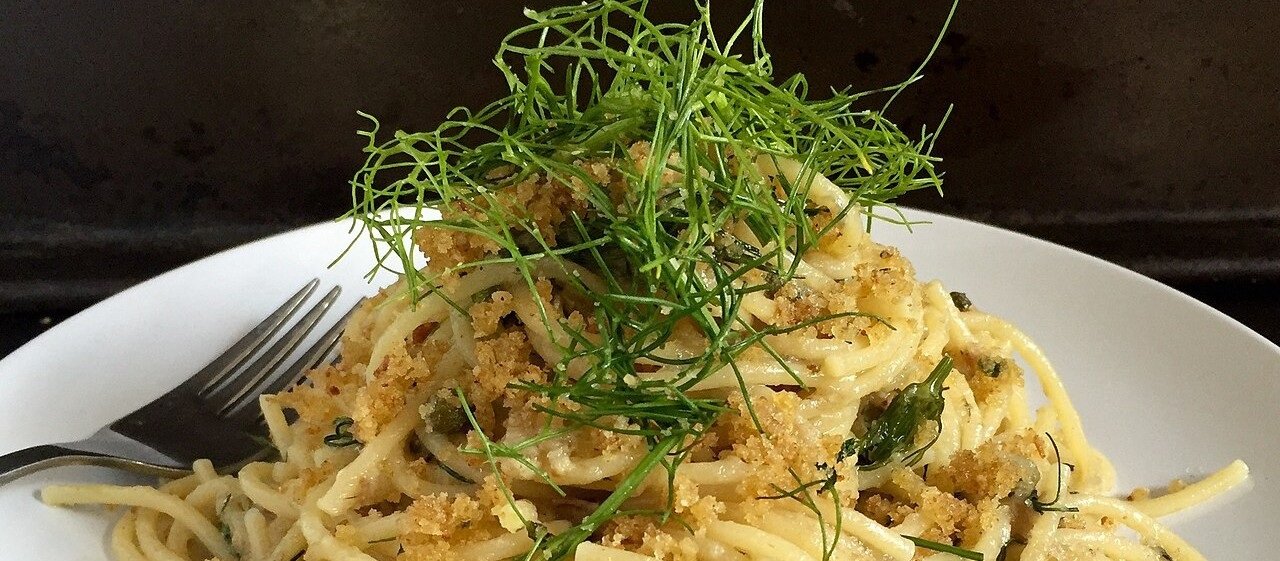
    Pasta with Sardines

    Pasta with sardines is one of Palermo’s signature first courses, made with fresh sardines, wild fennel, raisins, and pine nuts. The balance between sweet and savory reflects the Arab influences in Sicilian cuisine.

    Pasta alla Norma

    Pasta alla Norma combines fried eggplants, tomato sauce, and salted ricotta in a rich and flavorful dish. Although originating from Catania, it is widely appreciated and enjoyed in Palermo as well.

    Pasta câ muḍḍica

    Pasta câ muḍḍica is a simple yet tasty first course, seasoned with toasted breadcrumbs, anchovies, and extra virgin olive oil. Originally a humble recipe, it has become a classic of Sicilian tradition.

    Sarde a Beccafico

    Sarde a beccafico are sardines stuffed with breadcrumbs, raisins, and pine nuts, rolled and baked. This second course combines seafood with sweet-and-sour notes, typical of Palermo cuisine.

    Falsomagro

    Falsomagro is a meat roll filled with eggs, cured meats, and cheese, slowly cooked in sauce. Traditionally prepared for festive occasions, it is one of the most representative Sicilian main courses.

    Palermitan-Style Cutlet

    Palermitan-style cutlet is a slice of meat breaded with breadcrumbs, parsley, and oil, grilled or baked. Unlike the Milanese version, the breading does not contain egg.

    Sicilian Cassata

    Sicilian cassata is a spectacular dessert made with sponge cake, sweetened sheep ricotta, marzipan, and candied fruit. Rich and colorful, it is one of the symbols of Palermo’s pastry tradition.


    Powered by GetYourGuide

    Sicilian Cheeses

    Sicilian cheeses, such as Pecorino Siciliano, Caciocavallo Palermitano, Canestrato Siciliano, Provola Siciliana, and Sicilian Sheep Ricotta, represent the heart of the island’s dairy tradition. Often used as ingredients in Palermo’s signature dishes, they enhance the preparation of sfincione, cannoli, pasta alla Norma, and other local specialties.

    Typical Vegetables

    Among the vegetables that enrich Palermo cuisine, Wild Fennel stands out as a distinctive element of pasta with sardines, Sicilian Eggplant at the base of pasta alla Norma and parmigiana, Sicilian Almond used in cassata and traditional sweets, and Sicilian Citrus such as oranges and lemons, essential for dressings and seafood dishes.

    Sicilian Extra Virgin Olive Oil

    Sicilian Extra Virgin Olive Oil DOP Sicilia is a cornerstone of Palermo cuisine. Used to dress salads, vegetables, first and second courses, it adds flavor, aroma, and the characteristic Mediterranean note that defines the city’s signature dishes.

    Animal Breeds

    Among the native Sicilian breeds used in Palermo gastronomy are the Black Nebrodi Pig, the Valle del Belice Sheep, and the Modicana Breed. Their meat, milk, and derivatives are valuable ingredients in traditional recipes and typical main courses.

    📌 The products listed above, although not exclusive to Palermo but widespread across the province and region, are pillars of Palermo cuisine and are used daily in preparing the city’s signature dishes.


    Palermo and Sicilian Wines

    In Palermo, wines from the surrounding province and region are enjoyed, ideal for pairing with seafood dishes and local specialties. Among the most important are Monreale Bianco DOC, elegant and aromatic; Alcamo DOC Bianco, fresh and savory, perfect with pasta with sardines; and the varieties Grillo, Inzolia, and Catarratto, crisp white wines ideal for first courses and seafood dishes. These wines represent Sicilian winemaking tradition and complete the gastronomic experience of Palermo.

    Liqueurs and Spirits

    In addition to wines, Palermo is famous for its traditional liqueurs and spirits. Among the most representative are Zammù, a typical refreshing anise-based spirit; Rosolio, an aromatic liqueur often served as a digestif or with sweets; and Sicilian Limoncello, citrusy and fragrant, a symbol of Mediterranean tradition and perfect as an after-dinner drink. These beverages complete the city’s enogastronomic panorama and tell the story of its cultural and artisanal roots.


    What is this page?

    An overview of the most representative dishes, products, and drinks of Palermo, selected to help you discover the city’s authentic flavors.

    How does it work?

    Scroll through the entries in the Table and the various sections; each section provides concise information and links for further reading 🔗.

    📌 View the Food-Wine Table

    Signature Dishes

    In this section you will find some of the city’s most iconic dishes, presented with brief descriptions.

    📌 See Signature Dishes

    Traditional Products

    Here are some traditional products, widespread also at a regional level, yet pillars of local cuisine.

    📌 See Traditional Products

    Wines and Beverages

    A selection of the city’s distinctive wines and drinks, with notes on the territory and traditional pairings.
    📌 See Wines and Beverages

  • What to eat in Cagliari

    What to eat in Cagliari

    buridda di pesce

    What to eat in Cagliari

    Quick Guide to Taste in the City


    On this page you will find a selection of some of the most representative dishes, products, and wines of Cagliari, which you can enjoy at one of the restaurants in our selection.


    Powered by GetYourGuide

    Gastronomic identity of the city

    The cuisine of Cagliari blends Sardinian tradition and Mediterranean flavors: malloreddus, fregola, porceddu, seadas, and bottarga tell the story and culture of the city. Ingredients such as fresh fish, seasonal vegetables, local cheeses, and pane carasau define Cagliari’s gastronomic identity, making every meal an unforgettable experience.

    Historical influences

    Cagliari’s culinary roots intertwine with ancient Sardinian traditions and Mediterranean influences brought by trade and historical dominations. Many iconic dishes arise from combining fresh local ingredients with artisanal techniques passed down through generations, creating authentic and recognizable flavors.

    Territory and ingredients

    The Cagliari area offers excellent products: freshly caught fish, shellfish, crustaceans, Mediterranean vegetables, cheeses such as Pecorino Sardo and Fiore Sardo, and traditional sweets like seadas. Local wines such as Cannonau and Vermentino accompany the dishes, completing a gastronomic experience deeply connected to land and sea.

    An experience beyond the plate

    Eating in Cagliari means savoring a plate of fregola with clams at a seaside restaurant, enjoying a slowly roasted porceddu in an ancient trattoria, pairing it with a glass of Cannonau, and breathing in the lively atmosphere of the city markets. An authentic experience, rich in flavors and traditions, that stays in the heart of anyone visiting the city.


    In the table below, you will find a list of typical local products and wines, classified according to the main national quality marks such as DOP, IGP, etc. (see the legend). Traditional dishes are included for their historical and cultural value.

    The table structure provides a clear criterion to understand the value and gastronomic identity of the territory.

    • Scroll the table down and to the right to view all data in the columns and access Wikipedia links 🌐 for further information (when available).
    • To see the explanation of each data column, click on the column title itself (e.g., Index, Ratings, Org, etc.) at the top of the table.

    ⏳ Caricamento tabella in corso…

    .

    .

    .

    .

    .

    .

    CAGLIARI

    .

    .

    cities and villages

    main city

    .

    .

    .

    .

    .

    .

    Typical Dishes and Products

    .

    .

    .

    .

    .

    Fiore sardo

    **

    DOP

    cheese and dairy

    cheese

    .

    Pecorino Romano

    **

    DOP

    cheese and dairy

    cheese

    .

    Pecorino Sardo

    **

    DOP

    cheese and dairy

    cheese

    .

    Pane carasau

    **

    PAT

    bread/pasta/sweets

    .

    Pizzetta cagliaritana

    *

    .

    gastronomy

    one-dish meals

    .

    Culurgionis d'Ogliastra

    ***

    IGP

    bread/pasta/sweets

    first courses

    .

    Malloreddus

    ***

    PAT

    bread/pasta/sweets

    first courses

    .

    Fregola, Fregula

    *

    PAT

    bread/pasta/sweets

    first courses

    .

    Agnello di Sardegna

    ***

    IGP

    meats and cured meats

    main courses

    .

    Arrosto di capretto da latte

    ***

    .

    meats and cured meats

    main courses

    .

    Burrida alla cagliaritana

    **

    PAT

    fish and products

    main courses

    .

    Porcetto da latte

    ***

    PAT

    meats and cured meats

    main courses

    .

    Panada – Empanada

    *

    PAT

    bread/pasta/sweets

    .

    .

    Arsella di Santa Gilla

    **

    .

    fish and products

    .

    .

    Sebadas, Seadas, Sebada

    .

    PAT

    bread/pasta/sweets

    desserts

    .

    Pastine di mandorle, Pastissus

    .

    PAT

    bread/pasta/sweets

    desserts

    .

    .

    .

    .

    .

    .

    .

    Wines and Beverages

    .

    .

    .

    .

    .

    Cagliari DOC

    .

    DOC

    beverages

    wine

    .

    Campidano di Terralba o Terralba DOC

    .

    DOC

    beverages

    wine

    .

    Cannonau di Sardegna DOC

    ***

    DOC

    beverages

    wine

    .

    Girò di Cagliari DOC

    .

    DOC

    beverages

    wine

    .

    Monica di Sardegna DOC

    *

    DOC

    beverages

    wine

    .

    Moscato di Sardegna DOC

    *

    DOC

    beverages

    wine

    .

    Nasco di Cagliari DOC

    .

    DOC

    beverages

    wine

    .

    Nuragus di Cagliari DOC

    .

    DOC

    beverages

    wine

    .

    Sardegna Semidano DOC

    .

    DOC

    beverages

    wine

    .

    Vermentino di Sardegna DOC

    *

    DOC

    beverages

    wine

    .

    .

    .

    .

    .

    .

    See also:

    .

    .

    .

    .

    .

    .

    .

    .

    .

    .

    .

    .

    .

    📌 The dishes, products, and wines listed above, while representing the local gastronomic identity, are not always exclusive, but often shared with the provincial or regional territory.

    📌 For the main certifications (DOP, IGP, DOC, and DOCG), the selection is based on the official production specifications, checking – where possible – whether the municipality is included in the authorized area.


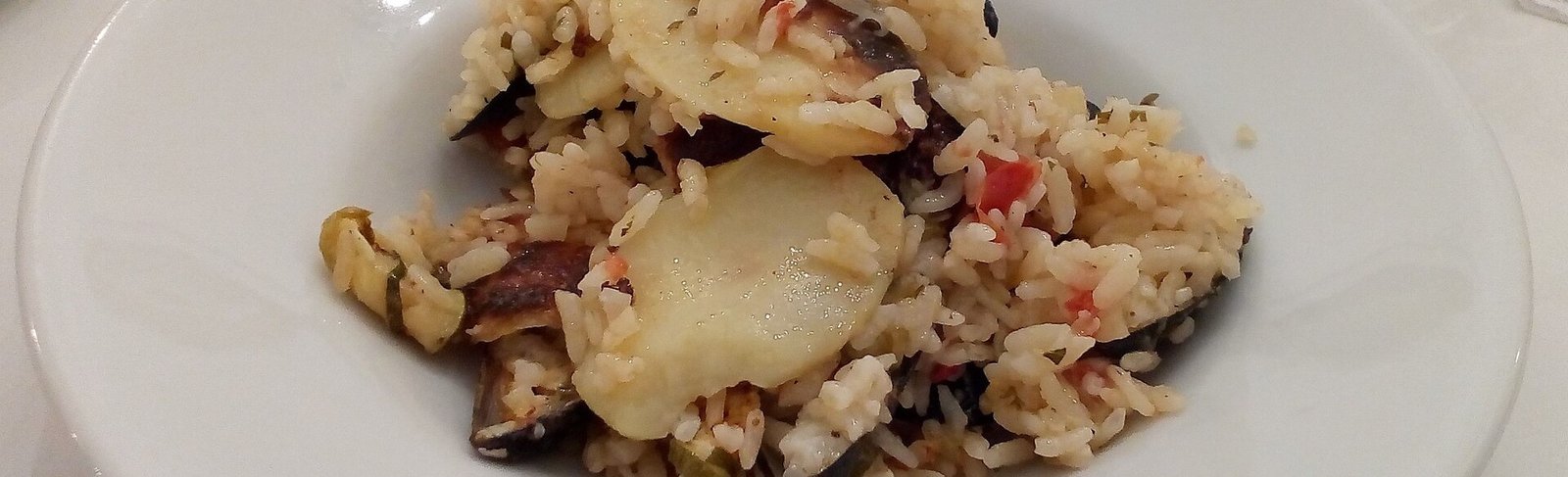
    Fregola with clams

    A symbol of Cagliari’s first courses, fregola with clams is toasted semolina pasta served with fresh clams and a light tomato and parsley sauce. A dish that tells the story of the city’s connection to the sea.

    Malloreddus alla campidanese

    Malloreddus, Sardinian semolina gnocchi, are prepared with sausage ragù and saffron, creating a first course rich in flavor and deeply rooted in the tradition of southern Sardinia.

    Culurgiones

    Typical stuffed pasta from Sardinian tradition, culurgiones contain a mix of potatoes, pecorino cheese, and mint. Served with melted butter or a light sauce, they represent a refined and authentic first course.

    Burrida

    Burrida is a fish stew with a sauce made from walnuts, vinegar, and Mediterranean herbs. A second course with an intense flavor, typical of Cagliari’s culinary tradition.

    Scabecciu of fish

    Fresh fish, fried and marinated in a sweet-and-sour sauce with vinegar and local herbs. Scabecciu is a flavorful second course distinctive of the city’s cuisine, perfect for those who love strong tastes.

    Porceddu (Sardinian suckling pig)

    Porceddu is a suckling pig slowly roasted with aromatic herbs. A symbolic dish of Sardinia, it represents the oldest and rustic tradition, beloved throughout the island.

    Cagliari-style mini pizzas

    Small focaccias or mini pizzas, perfect as street food. Light and tasty, they are ideal for savoring local flavors while walking through the city’s alleys.

    Cagliari-style potato omelette

    A tasty potato omelette, typical of Cagliari street food. Simple yet flavorful, it represents a classic snack of the city’s urban culinary tradition.

    Seadas (sebadas)

    A fried dessert filled with cheese and enriched with honey, seadas are Cagliari’s signature dessert. A sweet finale that embodies Sardinian pastry tradition and the intense taste of Sardinia.


    Mullet bottarga

    Mullet bottarga, dried and salted fish roe, is a local excellence of Cagliari. The queen of appetizers and seafood pasta dishes, it represents a symbolic product of the city’s and region’s gastronomic tradition.

    Pecorino Sardo

    Pecorino Sardo is a sheep’s milk cheese with a bold and authentic flavor, a key ingredient in Sardinian fillings and pasta dishes. Used in first courses such as culurgiones or served as an accompaniment, it is a symbolic product of Sardinia.

    Pane carasau and pane frattau

    Pane carasau, thin and crispy, and its variant pane frattau are staple elements of Sardinian cuisine. Used both as a side and as an ingredient in traditional dishes, they express the ingenuity of the island’s food culture.

    Sardinian fregola

    Sardinian fregola, toasted semolina pasta, is the cornerstone of dishes such as fregola with clams. A versatile and authentic product, symbol of southern Sardinia’s culinary tradition.

    Local extra virgin olive oil

    Local extra virgin olive oil is a basic ingredient of Mediterranean and Sardinian cuisine, used for dressings, light frying, and enhancing the flavor of traditional dishes. Its quality reflects the agricultural excellence of the territory.

    📌 The products mentioned above, although not exclusive to the city of Cagliari but widespread throughout the province and region, are pillars of Cagliari’s cuisine and are used daily in the preparation of the city’s signature dishes.


    Powered by GetYourGuide

    Cagliari wines

    In Cagliari, wines from the surrounding area and province are widely enjoyed, perfectly complementing local traditional dishes. Among the most important are Nuragus di Cagliari DOC and Nasco di Cagliari DOC, aromatic and fresh white wines, ideal with seafood dishes such as fregola with clams; Cagliari DOC, versatile and suitable for local first and main courses; and Girò di Cagliari DOC, an elegant and well-structured red wine. Completing the city’s wine scene are Cannonau di Sardegna DOC and Vermentino di Sardegna DOC, among the most widespread and appreciated wines in the province and city, perfect to accompany meat dishes or lighter recipes.

    Beverages and liqueurs

    In addition to wine, Cagliari is renowned for its traditional drinks and local liqueurs. Among the most representative are Mirto, an aromatic berry-based liqueur, symbol of Sardinia and perfect as an after-dinner digestif; and Ichnusa Beer, a widely consumed craft beer in the city, ideal to pair with street food or traditional local dishes. These beverages complete the Cagliari gastronomic experience, combining tradition and flavor.


    What is this page?

    An overview of the most representative dishes, products, and drinks of Cagliari, selected to help you discover the city’s authentic flavors.

    How does it work?

    Scroll through the entries in the Table and the various sections; each section provides concise information and links for further reading 🔗.

    📌 View the Food-Wine Table

    Signature Dishes

    In this section you will find some of the city’s most iconic dishes, presented with brief descriptions.

    📌 See Signature Dishes

    Traditional Products

    Here are some traditional products, widespread also at a regional level, yet pillars of local cuisine.

    📌 See Traditional Products

    Wines and Beverages

    A selection of the city’s distinctive wines and drinks, with notes on the territory and traditional pairings.
    📌 See Wines and Beverages

  • What to eat in Bari

    What to eat in Bari

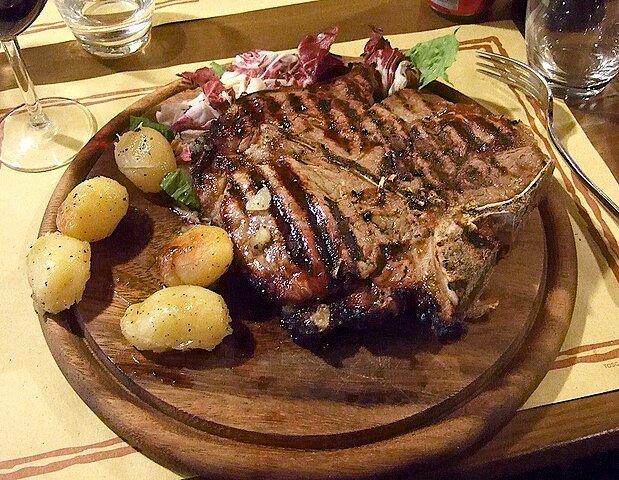
    La bistecca alla fiorentina

    What to eat in Bari

    Quick Guide to Taste in the City


    On this page you will find a selection of some of the most representative dishes, products, and wines of Bari, which you can enjoy in one of the restaurants in our selection.


    Powered by GetYourGuide

    Gastronomic identity of the city

    The cuisine of Bari expresses the most authentic soul of Puglia: simplicity, freshness, and maritime tradition. Handmade orecchiette, focaccia barese, panzerotti, tiella of rice, potatoes, and mussels, and raw seafood tell the story of a city deeply connected to its territory and the Adriatic Sea. Genuine ingredients such as durum wheat, extra virgin olive oil, tomatoes, seasonal vegetables, and the freshest seafood define Bari’s gastronomic identity and turn every dish into an authentic experience.

    Historical influences

    The culinary roots of Bari lie in the peasant and maritime traditions of Southern Italy. In the alleys of Bari Vecchia, orecchiette are still handmade following gestures passed down through generations. The successive dominations left traces in flavors and cooking techniques, creating a simple yet characterful cuisine that enhances local ingredients to the fullest.

    Territory and ingredients

    The Bari area offers excellent products: durum wheat for fresh pasta, sun-ripened tomatoes, broccoli rabe, legumes, burrata and other fresh cheeses, along with daily-caught seafood from the Adriatic. Pugliese extra virgin olive oil is the common thread in almost every recipe, while wines such as Primitivo and Negroamaro perfectly accompany traditional dishes.

    An experience beyond the plate

    Eating in Bari means savoring freshly baked focaccia along the seafront, enjoying orecchiette with broccoli rabe in a trattoria in the historic center, or trying raw seafood in front of the port, breathing in the scent of the sea. It is a convivial, simple, and intense experience where tradition and daily life meet. For this reason, Bari’s cuisine remains in the heart of those who discover it.


    In the table below, you will find a list of typical local products and wines, classified according to the main national quality marks such as DOP, IGP, etc. (see the legend). Traditional dishes are included for their historical and cultural value.

    The table structure provides a clear criterion to understand the value and gastronomic identity of the territory.

    • Scroll the table down and to the right to view all data in the columns and access Wikipedia links 🌐 for further information (when available).
    • To see the explanation of each data column, click on the column title itself (e.g., Index, Ratings, Org, etc.) at the top of the table.

    ⏳ Caricamento tabella in corso…

    .

    .

    .

    .

    .

    .

    BARI

    .

    .

    cities and villages

    main city

    .

    .

    .

    .

    .

    .

    .

    Typical Dishes and Products

    .

    .

    .

    .

    .

    Sgagliozze

    .

    PAT

    gastronomy

    appetizers

    .

    Canestrato Pugliese

    **

    DOP

    cheese and dairy

    cheese

    .

    Ricotta forte

    *

    PAT

    cheese and dairy

    dairy

    .

    Focaccia barese

    *

    PAT

    gastronomy

    one-dish meals

    .

    Tiella barese di patate, riso e cozze

    **

    PAT

    gastronomy

    one-dish meals

    .

    Orecchiette con le cime di rapa

    **

    PAT

    gastronomy

    first courses

    .

    Spaghetti all'assassina

    *

    .

    gastronomy

    first courses

    .

    Calzone di ricotta dolce

    .

    PAT

    gastronomy

    first courses

    .

    Strascinati

    .

    .

    gastronomy

    first courses

    .

    Marro (gastronomia)

    *

    PAT

    gastronomy

    main courses

    .

    Carne podolica, Bovino pugliese

    **

    PAT

    animal breeds

    .

    .

    Fave fresche cotte in pignatta

    .

    PAT

    gastronomy

    side dishes

    .

    Barattiere, Cianciuffo, Pagnottella, Cocomerazzo

    .

    PAT

    fruit/veg & grains

    .

    .

    Pomodoro Regina

    .

    PAT

    fruit/veg & grains

    .

    .

    Terra di Bari

    .

    DOP

    oils and fats

    .

    .

    Olio di Puglia

    .

    IGP

    oils and fats

    .

    .

    Intorchiate

    .

    PAT

    bread/pasta/sweets

    desserts

    .

    Mandorlaccio

    .

    PAT

    bread/pasta/sweets

    desserts

    .

    Panzerotti con ricotta dolce

    .

    PAT

    bread/pasta/sweets

    desserts

    .

    .

    .

    .

    .

    .

    .

    Wines and Beverages

    .

    .

    .

    .

    .

    Castel del Monte Bombino Nero DOCG

    **

    DOCG

    beverages

    wine

    .

    Castel del Monte Nero di Troia Riserva DOCG

    **

    DOCG

    beverages

    wine

    .

    Castel del Monte Rosso Riserva DOCG

    .

    DOCG

    beverages

    wine

    .

    Aleatico di Puglia DOC

    .

    DOC

    beverages

    wine

    .

    Castel del Monte DOC

    .

    DOC

    beverages

    wine

    .

    Martina o Martina Franca DOC

    .

    DOC

    beverages

    wine

    .

    .

    .

    .

    .

    .

    See also:

    .

    .

    .

    .

    .

    .

    .

    .

    .

    .

    .

    .

    .

    📌 The dishes, products, and wines listed above, while representing the local gastronomic identity, are not always exclusive, but often shared with the provincial or regional territory.

    📌 For the main certifications (DOP, IGP, DOC, and DOCG), the selection is based on the official production specifications, checking – where possible – whether the municipality is included in the authorized area.


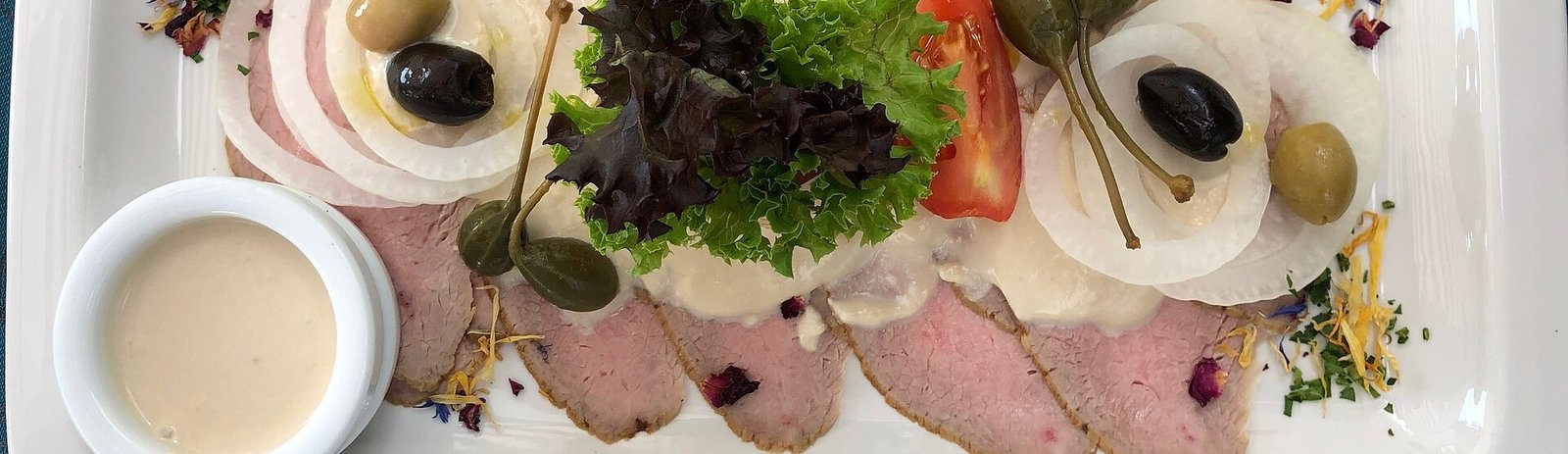
    Bari Focaccia

    Bari focaccia is the absolute symbol of the city’s street food. Soft on the inside and slightly crispy on the outside, it is made with durum wheat semolina, cherry tomatoes, olives, and plenty of extra virgin olive oil. It can be found everywhere, from historic bakeries to neighborhood ovens, and is perfect to enjoy warm while strolling along the seafront.

    Panzerotti

    Panzerotti are small stuffed turnovers, fried or baked, traditionally filled with tomato and mozzarella. Golden and fragrant, they are one of the most beloved expressions of Bari’s popular cuisine, perfect for a quick snack or an informal dinner.

    Sgagliozze

    Sgagliozze are slices of fried polenta, crispy on the outside and soft on the inside. Originally a humble recipe, today they are among the most authentic street foods of Bari Vecchia, often still prepared by local women following traditional methods.

    Raw Seafood

    Raw seafood is a true Bari ritual: sea urchins, oysters, mussels, and the freshest shellfish are enjoyed raw, often with a squeeze of lemon. It can be savored in port-side restaurants or directly at seaside kiosks, sometimes accompanied by a piece of freshly baked focaccia.

    Orecchiette with Broccoli Rabe

    Orecchiette with broccoli rabe is the signature first course of Pugliese tradition. Handmade fresh pasta is combined with the slightly bitter taste of broccoli rabe, often enriched with garlic, anchovies, and chili. A simple yet characterful dish.

    Spaghetti all’Assassina

    Spaghetti all’Assassina is a typically Bari specialty, characterized by a particular cooking technique that makes the pasta crispy and slightly charred. The spicy tomato sauce caramelizes during cooking, creating an intense and bold dish.

    Bari Tiella (Rice, Potatoes, and Mussels)

    Bari tiella is a one-dish meal combining rice, potatoes, and mussels cooked slowly in a baking tray. The result is a perfect balance between land and sea, with flavors harmoniously blended thanks to extra virgin olive oil and Mediterranean herbs.

    Bari-Style Salted Cod

    Bari-style salted cod is prepared in various ways, often with tomato, olives, and capers. It is a traditional second course, especially linked to festive occasions, reflecting the city’s popular and maritime cuisine.

    Bari-Style Octopus

    Bari-style octopus can be enjoyed roasted at seafront kiosks, simmered in tomato sauce, or slowly cooked in the typical terracotta pignata with herbs and cherry tomatoes. Tender and flavorful, it is one of the city’s most beloved seafood specialties.

    Cartellate and Pasticciotto

    Among the most appreciated desserts are cartellate, typical during the Christmas period, made with thin fried dough shaped into roses, and pasticciotto, filled with custard. Although not exclusively Bari specialties, they are widely enjoyed in the city and represent the perfect ending to a Pugliese gastronomic journey.


    Seafood products from the Bari coast

    Bari is considered one of the Italian capitals of raw seafood. The Adriatic coast from Bari to Molfetta and along the entire provincial shoreline offers daily fresh catches that are a regional excellence. Octopus, mussels, sea urchins, cuttlefish, and other fresh seafood fuel the tradition of raw seafood, roasted or stewed octopus, and the tiella with rice, potatoes, and mussels. The direct connection between the port, fish market, and restaurants keeps an authentic and deeply rooted supply chain alive.

    Burrata di Andria IGP

    The Burrata di Andria IGP, although originating from the BAT province, is widely consumed in Bari and is a star in appetizers and contemporary pairings. Creamy inside and delicate in flavor, it is often served with local tomatoes, extra virgin olive oil, and Altamura bread. It is one of the most representative dairy products of the Bari area.

    Terra di Bari Extra Virgin Olive Oil DOP

    The Terra di Bari Extra Virgin Olive Oil DOP is a cornerstone of Bari cuisine. Produced mainly from the Coratina cultivar, it is intense, fruity, and slightly spicy. It is used in focaccia barese, orecchiette, tiella, and even raw seafood. More than just a seasoning, it represents the gastronomic soul of the territory.

    Coratina Olives and Bari Olive Tradition

    The Coratina cultivar is one of the most widespread olive varieties in the province of Bari. Used both for DOP olive oil production and as table olives, it is an essential ingredient in focaccia barese and many traditional recipes. Olive cultivation shapes the landscape and agricultural identity of the area.

    Puglian Durum Wheat

    Puglian durum wheat forms the basis of the region’s cereal tradition. Its semolina is used to make hand-rolled orecchiette, focaccia barese, and panzerotti dough. The quality of locally grown wheat, cultivated between the Murgia and the Bari hinterland, ensures texture, aroma, and identity in the city’s signature dishes.

    📌 The products mentioned above, although not exclusive to the city of Bari but widespread throughout the province and, in some cases, the entire Puglia region, form the basis of Bari cuisine and are used daily in the preparation of the city’s traditional signature dishes.


    Powered by GetYourGuide

    Castel del Monte Wines

    The wines of the Castel del Monte DOC and DOCG denomination, including Bombino Nero DOCG, Nero di Troia Riserva DOCG, and Rosso Riserva DOCG, represent the excellence of northern Puglia. The rosé and red wines produced in the area between the provinces of Bari and BAT (Barletta-Andria-Trani) are distinguished by freshness, fruity aromas, spicy notes, and structure. They are widely enjoyed in Bari restaurants, paired with seafood dishes like raw fish and octopus, as well as with meat dishes and traditional preparations with bold flavors.

    Martina or Martina Franca DOC

    The Martina or Martina Franca DOC, produced in the Itria Valley, is especially known for its fresh and mineral white wines. Thanks to its lightness and aromatic character, it is highly appreciated in Bari when paired with seafood dishes, focaccia, and appetizers featuring burrata.

    Primitivo di Manduria DOC/DOCG

    The Primitivo di Manduria DOC and DOCG, produced in the province of Taranto, is one of the most renowned Puglian wines nationally and internationally. Full-bodied, intense, and rich in ripe fruit notes, it is also widely consumed in Bari, where it complements traditional dishes and flavorful meats.

    📌 The wines mentioned above, although not produced exclusively within the municipality of Bari, come from important wine-growing areas in central and southern Puglia and are among the most popular and widely consumed in Bari’s restaurants, wine shops, and dining tables.


    What is this page?

    An overview of the most representative dishes, products, and drinks of Bari, selected to help you discover the city’s authentic flavors.

    How does it work?

    Scroll through the entries in the Table and the various sections; each section provides concise information and links for further reading 🔗.

    📌 View the Food-Wine Table

    Signature Dishes

    In this section you will find some of the city’s most iconic dishes, presented with brief descriptions.

    📌 See Signature Dishes

    Traditional Products

    Here are some traditional products, widespread also at a regional level, yet pillars of local cuisine.

    📌 See Traditional Products

    Wines and Beverages

    A selection of the city’s distinctive wines and drinks, with notes on the territory and traditional pairings.
    📌 See Wines and Beverages

  • What to eat in Turin

    What to eat in Turin

    Vitello Tonnato piatto tipico torinese

    What to eat in Turin

    Quick Guide to Taste in the City


    On this page you will find a selection of some of the most representative dishes, products, and wines of Turin, which you can enjoy at one of the restaurants in our selection.


    Powered by GetYourGuide

    Gastronomic Identity of the City

    The cuisine of Turin combines Piedmontese tradition with contemporary creativity: agnolotti, bagna cauda, bollito misto, and artisanal chocolate tell the story of the city. Ingredients such as meat, seasonal vegetables, cheeses, and the renowned chocolate define Turin’s gastronomic identity and make every meal a unique experience.

    Historical Influences

    The culinary roots of Turin go back to medieval Piedmont and are enriched by the tradition of the Savoy courts. Many iconic dishes originate from the combination of local ingredients with refined techniques, turning simple raw materials into dishes celebrated nationally and internationally.

    Territory and Ingredients

    The Piedmontese territory offers excellent ingredients: quality meats, fresh vegetables, legumes, cheeses such as Castelmagno and Toma, and, of course, Turin’s famous chocolate. Local wines, such as Barolo and Barbera, complement the dishes, making Turin’s gastronomy immediately recognizable.

    An Experience Beyond the Plate

    Eating in Turin means savoring an agnolotto with ragù in a historic tavern, enjoying bagna cauda with freshly picked vegetables, pairing it all with a glass of Barolo, and soaking up the city’s elegant atmosphere. An authentic experience, full of flavor and tradition. This is why Turin’s cuisine remains memorable to all who taste it.


    In the table below, you will find a list of typical local products and wines, classified according to the main national quality marks such as DOP, IGP, etc. (see the legend). Traditional dishes are included for their historical and cultural value.

    The table structure provides a clear criterion to understand the value and gastronomic identity of the territory.

    • Scroll the table down and to the right to view all data in the columns and access Wikipedia links 🌐 for further information (when available).
    • To see the explanation of each data column, click on the column title itself (e.g., Index, Ratings, Org, etc.) at the top of the table.

    ⏳ Caricamento tabella in corso…

    .

    .

    .

    .

    .

    .

    TURIN

    ***

    .

    cities and villages

    main city

    .

    .

    .

    .

    .

    .

    Typical Dishes and Products

    .

    .

    .

    .

    .

    Crudo di Cuneo

    **

    DOP

    meats and cured meats

    cured meats

    .

    Salame Piemonte

    .

    IGP

    meats and cured meats

    cured meats

    .

    Bondiola

    .

    PAT

    meats and cured meats

    cured meats

    .

    Castrato biellese

    *

    PAT

    meats and cured meats

    main courses

    .

    Mocetta del Canavese

    *

    PAT

    meats and cured meats

    cured meats

    .

    Motsetta

    *

    PAT

    meats and cured meats

    cured meats

    .

    Mustardela delle Valli Valdesi

    .

    PAT

    meats and cured meats

    cured meats

    .

    Mustardela o mustardera

    .

    PAT

    meats and cured meats

    cured meats

    .

    Prosciutto crudo dell'alta Val Susa

    .

    PAT

    meats and cured meats

    cured meats

    .

    Salame di patate

    .

    PAT

    meats and cured meats

    cured meats

    .

    Salame di turgia

    .

    PAT

    meats and cured meats

    cured meats

    .

    Salame di capra

    .

    PAT

    meats and cured meats

    cured meats

    .

    Gallina bianca di Saluzzo

    .

    PAT

    animal breeds

    .

    .

    Lumache di Cherasco

    **

    PAT

    animal breeds

    .

    .

    Rane delle risaie piemontesi

    *

    PAT

    animal breeds

    .

    .

    Razza bovina Piemontese

    ***

    PAT

    animal breeds

    .

    .

    Pecora Frabosana Roaschina

    .

    .

    animal breeds

    .

    .

    Pecora Savoiarda

    .

    .

    animal breeds

    .

    .

    Toma Piemontese

    *

    IGP

    cheese and dairy

    cheese

    .

    Formaggio a crosta rossa

    .

    PAT

    cheese and dairy

    cheese

    .

    Formaggio del fieno

    .

    PAT

    cheese and dairy

    cheese

    .

    Montegranero

    .

    PAT

    cheese and dairy

    cheese

    .

    Mortrett o murtret

    .

    PAT

    cheese and dairy

    cheese

    .

    Murianengo o Moncenisio

    .

    PAT

    cheese and dairy

    cheese

    .

    Paglierina

    .

    PAT

    cheese and dairy

    cheese

    .

    Salignùn

    .

    PAT

    cheese and dairy

    cheese

    .

    Seirass del fen

    .

    PAT

    cheese and dairy

    cheese

    .

    Toma del lait brusc

    *

    PAT

    cheese and dairy

    cheese

    .

    Toma di Lanzo

    .

    PAT

    cheese and dairy

    cheese

    .

    Tomino canavesano asciutto

    .

    PAT

    cheese and dairy

    cheese

    .

    Tomino canavesano fresco

    .

    PAT

    cheese and dairy

    cheese

    .

    Tomino di Saronsella (chivassotto)

    .

    PAT

    cheese and dairy

    cheese

    .

    Saras del fen

    *

    .

    cheese and dairy

    cheese

    .

    Cavolfiore alla Cavour

    .

    .

    gastronomy

    side dishes

    .

    Pizza al tegamino

    **

    .

    gastronomy

    one-dish meals

    .

    Supa barbetta

    .

    .

    gastronomy

    first courses

    .

    Cremino (cioccolatino)

    **

    .

    bread/pasta/sweets

    desserts

    .

    Diablottino

    .

    .

    bread/pasta/sweets

    desserts

    .

    Canestrelli

    .

    PAT

    bread/pasta/sweets

    desserts

    .

    Cioccolatino alpino

    .

    PAT

    bread/pasta/sweets

    desserts

    .

    Cioccolatino cremino

    ***

    PAT

    bread/pasta/sweets

    desserts

    .

    Cioccolatino grappino

    .

    PAT

    bread/pasta/sweets

    desserts

    .

    Finocchini

    .

    PAT

    bread/pasta/sweets

    desserts

    .

    Gianduiotto

    ***

    PAT

    bread/pasta/sweets

    desserts

    .

    Grissino stirato

    **

    PAT

    bread/pasta/sweets

    .

    .

    Lose golose

    .

    PAT

    bread/pasta/sweets

    desserts

    .

    Miacce o Miasse o Miasce

    .

    PAT

    bread/pasta/sweets

    .

    .

    Pan barbarià

    .

    PAT

    bread/pasta/sweets

    .

    Torcetti

    .

    PAT

    bread/pasta/sweets

    desserts

    .

    Tinca Gobba Dorata del Pianalto di Poirino

    *

    DOP

    fish and products

    .

    .

    Marrone della Valle di Susa

    .

    IGP

    fruit/veg & grains

    .

    .

    Mela rossa Cuneo

    .

    IGP

    fruit/veg & grains

    .

    .

    Nocciola del Piemonte

    **

    IGP

    fruit/veg & grains

    .

    .

    Ajucche

    .

    PAT

    fruit/veg & grains

    .

    .

    Castagne delle valli di Lanzo

    .

    PAT

    fruit/veg & grains

    .

    .

    Cipolla piatta di Andezeno

    .

    PAT

    fruit/veg & grains

    .

    .

    Susine della collina torinese

    .

    PAT

    fruit/veg & grains

    .

    .

    Mais Ostenga del Canavese

    .

    .

    fruit/veg & grains

    .

    .

    Mais Pignoletto Rosso del Canavese

    .

    .

    fruit/veg & grains

    .

    .

    .

    .

    .

    .

    .

    .

    Wines and Beverages

    .

    .

    .

    .

    .

    Erbaluce di Caluso o Caluso DOCG

    **

    DOCG

    beverages

    wine

    .

    Canavese DOC

    *

    DOC

    beverages

    wine

    .

    Carema DOC

    *

    DOC

    beverages

    wine

    .

    Collina Torinese DOC

    .

    DOC

    beverages

    wine

    .

    Freisa di Chieri DOC

    .

    DOC

    beverages

    wine

    .

    Piemonte DOC

    .

    DOC

    beverages

    wine

    .

    Pinerolese DOC

    .

    DOC

    beverages

    wine

    .

    Valsusa DOC

    .

    DOC

    beverages

    wine

    .

    Arquebuse o Alpestre

    *

    PAT

    beverages

    .

    .

    Bicerin

    *

    PAT

    beverages

    .

    .

    Garus susino

    .

    PAT

    beverages

    .

    .

    Liquore di genziana

    .

    PAT

    beverages

    .

    .

    Rosolio

    .

    PAT

    beverages

    .

    .

    .

    .

    .

    .

    .

    See also:

    .

    .

    .

    .

    .

    .

    .

    .

    .

    .

    .

    .

    .

    📌 The dishes, products, and wines listed above, while representing the local gastronomic identity, are not always exclusive, but often shared with the provincial or regional territory.

    📌 For the main certifications (DOP, IGP, DOC, and DOCG), the selection is based on the official production specifications, checking – where possible – whether the municipality is included in the authorized area.


    Bagna càuda

    A symbol of Turin’s culinary tradition, bagna càuda is a warm sauce made with garlic and anchovies, served with raw or cooked vegetables for dipping. A convivial starter that tells the story of Piedmontese cuisine and its passion for intense flavors.

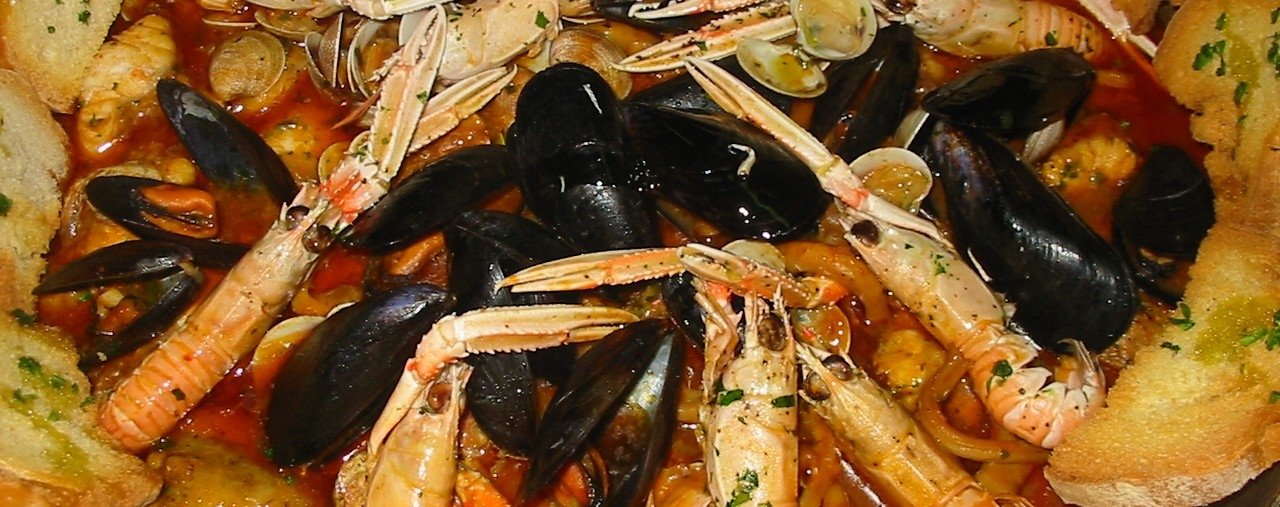
    Vitello tonnato

    Vitello tonnato (Vitel Tonné) consists of thin slices of veal served cold with a creamy tuna and caper sauce. A classic Piedmontese starter, elegant and flavorful, perfect to begin a Turin-style lunch.

    Agnolotti del plin

    The small meat-filled ravioli, known as agnolotti del plin, are an icon of Piedmontese fresh pasta. Served with butter and sage or a rich ragù, they represent the quintessential traditional first course.

    Tajarin

    The thin egg pasta called tajarin is often served with meat ragù or butter and sage, and sometimes enriched with truffle. An elegant and refined dish, symbolizing Turin’s gastronomic tradition.

    Bollito misto alla piemontese

    An assortment of boiled meats served with traditional sauces such as green sauce or mustard. Bollito misto is a hearty and flavorful second course, perfect to explore the richness of Turin’s cuisine.

    Fritto misto alla piemontese

    Piedmontese fritto misto combines meats, vegetables, and sometimes fruit in a crunchy sweet‑and‑savory mix. A rich and festive dish, symbolizing the indulgent side of Turin’s cuisine.

    Finanziera

    Finanziera is a stew of offal and premium meats, typical of the Piedmontese tradition. A historic dish that showcases the creativity and ingenuity of Turin’s chefs of the past.

    Grissini torinesi

    The famous Turin grissini, crispy and light, accompany every meal and are a symbol of the city. Born in Turin, they are appreciated throughout Italy and worldwide.

    Pizza al tegamino

    Typical of Turin, pizza al tegamino is a thick, soft pizza baked in small copper pans. An urban specialty, loved by locals for its texture and rich flavor.

    Giandujotto

    Giandujotto is the famous Turin chocolate made with chocolate and hazelnuts. A sweet symbol of the city, it represents the excellence of Piedmontese artisanal chocolate and one of Turin’s most beloved treats.


    Piedmontese Cheeses

    Piedmontese cheeses, such as Castelmagno DOP, Toma Piemontese, and the creamy La Tur, represent the heart of the region’s dairy tradition. Often used as accompaniments or ingredients in typical Turin dishes, they are highlighted in the preparation of first courses like tajarin and agnolotti, as well as served alongside local meats and cured products.

    Cured Meats

    Among Piedmontese cured meats stands out the Motsetta, a dried meat typical of the Alpine valleys, symbol of the local peasant tradition. Perfect to enjoy on its own, with cheeses, or as an accompaniment to more elaborate dishes, it represents a culinary excellence of Turin and the Piedmont region.

    Fassona Piedmontese Beef

    Fassona Piedmontese beef is a native cattle breed renowned for its tenderness and quality. Used in boiled meats, braised dishes, raw preparations, and other traditional Turin main courses, it is a fundamental ingredient to explore the richness of the local gastronomy.

    Piedmont Hazelnut

    The Piedmont Hazelnut is famous worldwide for its quality and unique flavor. Used in sweets like gianduiotto or in local pastries, it is an emblematic product of Turin’s and Piedmont’s confectionery tradition.

    📌 The products mentioned above, while not exclusive to the city of Turin but widespread across the province and region, are pillars of Turin cuisine and are used daily in the preparation of the city’s signature dishes.


    Powered by GetYourGuide

    Piedmontese Wines

    In Turin, wines from the province and the surrounding hills are widely enjoyed, accompanying traditional dishes and convivial occasions throughout the city. Among the most important are Collina Torinese DOC and Freisa di Chieri DOC, aromatic and fresh red wines ideal with Turin-style starters and first courses; Alta Langa DOCG, a traditional method sparkling wine often compared to an Italian champagne, perfect for aperitifs and celebratory moments; and Piemonte DOC, versatile and well suited to meat dishes and local cured meats. These wines represent Turin’s and Piedmont’s winemaking tradition and complete the city’s gastronomic experience.

    Traditional and Aromatized Beverages

    Beyond wine, Turin is famous for its traditional and aromatized beverages. Among the most representative are Bicerin, the hot drink made with coffee, chocolate, and cream; Vermouth di Torino, a historic aperitif created in the 18th century and the base of numerous cocktails; Barolo Chinato, an aromatized wine made from Barolo and spices, often served as a digestif; and local liqueurs such as Genziana, Rosolio, and Garus susino. Variants such as Arquebuse and Alpestre further enrich Turin’s range of specialties, symbolizing the city’s rich liqueur-making tradition.


    What is this page?

    An overview of the most representative dishes, products, and drinks of Turin, selected to help you discover the city’s authentic flavors.

    How does it work?

    Scroll through the entries in the Table and the various sections; each section provides concise information and links for further reading 🔗.

    📌 View the Food-Wine Table

    Signature Dishes

    In this section you will find some of the city’s most iconic dishes, presented with brief descriptions.

    📌 See Signature Dishes

    Traditional Products

    Here are some traditional products, widespread also at a regional level, yet pillars of local cuisine.

    📌 See Traditional Products

    Wines and Beverages

    A selection of the city’s distinctive wines and drinks, with notes on the territory and traditional pairings.
    📌 See Wines and Beverages

  • What to eat in Ancona

    What to eat in Ancona

    Zuppa di pesce a base di: pesce dell'Adriatico Foto scattata presso i laboratori dell'IIS Panzini Senigallia
    width=

    What to eat in Ancona

    Quick Guide to Taste in the City


    On this page you will find an overview of some of the most representative dishes, products and wines of Ancona, which you can enjoy in one of the restaurants from our selection.


    Powered by GetYourGuide

    Gastronomic Identity of the City

    The cuisine of Ancona is a perfect blend of sea and Marche tradition: fragrant brodetti, fresh Adriatic fish, and recipes passed down through generations tell the authentic soul of the city. Extra virgin olive oil, aromatic herbs, tomatoes, and local catch define Ancona’s gastronomic identity, making every meal a genuine and intense experience.

    Historical Influences

    The culinary roots of Ancona lie in its history as a maritime republic and strategic Adriatic port. Contacts with merchants and sailors enriched the local tradition, giving rise to flavorful yet balanced seafood dishes, where simplicity and the quality of raw ingredients take center stage.

    Territory and Ingredients

    The Adriatic Sea provides fresh bluefish, crustaceans, and mollusks daily, while the Marche hinterland contributes with olive oil, vegetables, legumes, and characterful wines. The union of sea and hills makes Ancona’s gastronomy diverse, seasonal, and deeply connected to the territory.

    An Experience Beyond the Plate

    Eating in Ancona is not just about tasting a plate of fish. It’s savoring a brodetto with a sea view, sharing a freshly fried dish in a harbor trattoria, accompanying it with a glass of Marche wine, and letting yourself be enveloped by the city’s authentic atmosphere.

    It’s a sincere, convivial experience, deeply connected to the sea. This is why Ancona’s cuisine remains in the hearts of those who discover it.


    In the table below, you will find a list of typical local products and wines, classified according to the main national quality marks such as DOP, IGP, etc. (see the legend). Traditional dishes are included for their historical and cultural value.

    The table structure provides a clear criterion to understand the value and gastronomic identity of the territory.

    • Scroll the table down and to the right to view all data in the columns and access Wikipedia links 🌐 for further information (when available).
    • To see the explanation of each data column, click on the column title itself (e.g., Index, Ratings, Org, etc.) at the top of the table.

    ⏳ Caricamento tabella in corso…

    .

    .

    .

    .

    .

    .

    ANCONA

    *

    .

    cities and villages

    main city

    .

    .

    .

    .

    .

    .

    .

    Typical Dishes and Products

    .

    .

    .

    .

    .

    Formaggio di fossa

    **

    PAT

    cheese and dairy

    cheese

    .

    Pecorino in botte

    .

    PAT

    cheese and dairy

    cheese

    .

    Ciauscolo

    *

    IGP

    meats and cured meats

    cured meats

    .

    Ciarimbolo

    *

    PAT

    meats and cured meats

    cured meats

    .

    Salame di soprassato

    .

    PAT

    meats and cured meats

    cured meats

    .

    Porchetta Marchigiana

    **

    PAT

    meats and cured meats

    cured meats

    .

    Crescia

    *

    PAT

    bread/pasta/sweets

    one-dish meals

    .

    Quadrelli pelusi

    .

    PAT

    bread/pasta/sweets

    first courses

    .

    Vincisgrassi

    **

    .

    gastronomy

    first courses

    .

    Bombetti in porchetta

    *

    .

    gastronomy

    main courses

    .

    Brodetto all’anconetana

    **

    .

    gastronomy

    main courses

    .

    Stoccafisso all’anconetana

    *

    .

    gastronomy

    main courses

    .

    Marche

    .

    DOP

    oils and fats

    .

    .

    Paccasassi

    .

    SWF

    spices and cond.

    platos únicos

    .

    Potacchio

    .

    .

    spices and cond.

    platos únicos

    .

    Tacchino bronzato rustico

    .

    PAT

    animal breeds

    .

    .

    Cavallo del Catria

    *

    PAT

    animal breeds

    .

    .

    Crocetta di Ancona

    .

    SWF

    fish and products

    .

    .

    Mosciolo selvatico di Portonovo

    **

    SWF

    fish and products

    .

    .

    Razza bovina marchigiana

    **

    PAT

    animal breeds

    .

    .

    Cavolfiore “precoce di Jesi”

    .

    PAT

    fruit/veg & grains

    .

    .

    Cipolla di Suasa

    .

    PAT

    fruit/veg & grains

    .

    .

    Anicetti

    .

    PAT

    bread/pasta/sweets

    desserts

    .

    Cavallucci

    .

    PAT

    bread/pasta/sweets

    desserts

    .

    Cicerchiata

    .

    PAT

    bread/pasta/sweets

    desserts

    .

    Lonza di fico

    .

    PAT

    bread/pasta/sweets

    desserts

    .

    Maiorchino – marocchino

    .

    PAT

    bread/pasta/sweets

    desserts

    .

    Scroccafusi

    .

    PAT

    bread/pasta/sweets

    desserts

    .

    Arancini

    .

    .

    bread/pasta/sweets

    desserts

    .

    .

    .

    .

    .

    .

    .

    Wines and Beverages

    .

    .

    .

    .

    .

    Conero DOCG

    **

    DOCG

    beverages

    wine

    .

    Esino DOC

    .

    DOC

    beverages

    wine

    .

    Lacrima di Morro d’Alba DOC

    **

    DOC

    beverages

    wine

    .

    Rosso Conero DOC

    .

    DOC

    beverages

    wine

    .

    Verdicchio dei Castelli di Jesi DOC

    ***

    DOC

    beverages

    wine

    .

    Vino di visciole

    .

    PAT

    beverages

    .

    .

    Caffè Borghetti

    .

    .

    beverages

    .

    .

    .

    .

    .

    .

    .

    See also:

    .

    .

    .

    .

    .

    .

    .

    .

    .

    .

    .

    .

    .

    📌 The dishes, products, and wines listed above, while representing the local gastronomic identity, are not always exclusive, but often shared with the provincial or regional territory.

    📌 For the main certifications (DOP, IGP, DOC, and DOCG), the selection is based on the official production specifications, checking – where possible – whether the municipality is included in the authorized area.


    Vincisgrassi

    Vincisgrassi are the Marche version of lasagna, richer and more structured than the Emilian variant. Made with meat ragù, béchamel, and sometimes offal, they represent the connection between Ancona and the hinterland. This is an important first course, served at festive lunches and in traditional city trattorias.

    Brodetto all’anconetana

    Ancona’s iconic seafood dish, brodetto all’anconetana is a fish soup prepared with various Adriatic fish, slowly cooked with tomatoes and herbs. Historically a fisherman’s dish, it now embodies the city’s maritime soul and is one of the most authentic gastronomic experiences to try.

    Stoccafisso all’anconetana

    Stoccafisso all’anconetana is a historic dish made with rehydrated dried cod cooked with potatoes, tomatoes, extra virgin olive oil, and herbs. Rich and flavorful, it tells the story of Ancona’s port trade and the local cuisine’s ability to transform simple ingredients into refined specialties.

    Passatelli in fish broth

    Passatelli in fish broth are a coastal variant of the traditional recipe, made with breadcrumbs, Parmesan, and eggs, served in a fragrant Adriatic broth. This dish combines peasant tradition with maritime culture and is highly appreciated in coastal restaurants.

    Moscioli di Portonovo

    Moscioli di Portonovo are wild mussels that grow naturally along the Conero Riviera. A local gastronomic specialty, they are enjoyed marinara-style or lightly seared and represent one of the most distinctive and prized products of the Ancona area.

    Bombetti in porchetta

    Bombetti in porchetta are small sea snails flavored with wild fennel, garlic, and pepper according to Marche tradition. Fragrant and intense, they are a true delicacy for connoisseurs, often featured in local festivals and traditional restaurants.

    Cicerchiata

    Cicerchiata is a traditional Marche dessert also found in Ancona, made with small fried dough balls bound with warm honey and decorated with colorful sugar sprinkles. Typical of Carnival season, it is a visually striking and convivial dessert, symbolizing popular tradition and local festivities.


    Wild Mosciolo of Portonovo

    The wild mosciolo of Portonovo is the emblematic product of the Ancona coast. It is a wild mussel that grows naturally on the rocks of the Conero, harvested according to tradition and featured in numerous local dishes, from brodetto to marinara preparations. It embodies Ancona’s maritime identity.

    Marche Cattle Breed

    The Marche cattle breed is one of Italy’s top livestock excellences, appreciated for the quality and tenderness of its meat. In Ancona, it is widely consumed in traditional trattorias and restaurants, often grilled or used in typical regional recipes.

    Traditional Marche Cured Meats

    Marche cured meats are an integral part of the local gastronomic culture. Among the most representative are ciauscolo, a soft, spreadable salami with a delicate taste, and porchetta from Marche, flavored with wild fennel and spices. These products are also widely enjoyed in Ancona, often served as appetizers or street food.

    Cheeses from the Marche Hinterland

    Marche cheeses enrich the Ancona table with intense flavors and unique aging processes. Notable examples include formaggio di fossa, matured in underground chambers to enhance its aroma, and pecorino in botte, aged in wooden barrels to develop complex notes. Although from the hinterland, they are common on the city’s menus.

    Marche DOP Extra Virgin Olive Oil

    Marche DOP extra virgin olive oil represents the pinnacle of the region’s olive oil production. Fruity and balanced, it is used daily in Ancona’s cuisine, especially in fish dishes and traditional preparations. It is a fundamental ingredient that highlights the simplicity and quality of local raw materials.

    📌 The products listed above, although not all originating solely from the city of Ancona, are pillars of the local gastronomic tradition.


    Powered by GetYourGuide

    Conero DOCG and DOC Wines

    The province of Ancona is famous for its robust and aromatic red wines. Among the most representative are Conero DOCG and Rosso Conero DOC, made mainly from Montepulciano grapes. Conero DOCG stands out for its structure, deep color, and complex aromas, making it ideal to pair with red meats and traditional Marche dishes, while Rosso Conero DOC, slightly lighter and fruitier, is perfect for aperitifs or flavorful first courses.

    Liqueurs and Coffee

    Among the typical liqueurs of the area, Caffè Borghetti stands out. This sweet and aromatic coffee liqueur can be enjoyed neat, over ice, or used as an ingredient in desserts and cocktails. Its intense and enveloping note makes it an ideal finish to Marche meals, completing the gastronomic experience of the province of Ancona.


    What is this page?

    An overview of the most representative dishes, products, and drinks of Ancona, selected to help you discover the city’s authentic flavors.

    How does it work?

    Scroll through the entries in the Table and the various sections; each section provides concise information and links for further reading 🔗.

    📌 View the Food-Wine Table

    Signature Dishes

    In this section you will find some of the city’s most iconic dishes, presented with brief descriptions.

    📌 See Signature Dishes

    Traditional Products

    Here are some traditional products, widespread also at a regional level, yet pillars of local cuisine.

    📌 See Traditional Products

    Wines and Beverages

    A selection of the city’s distinctive wines and drinks, with notes on the territory and traditional pairings.
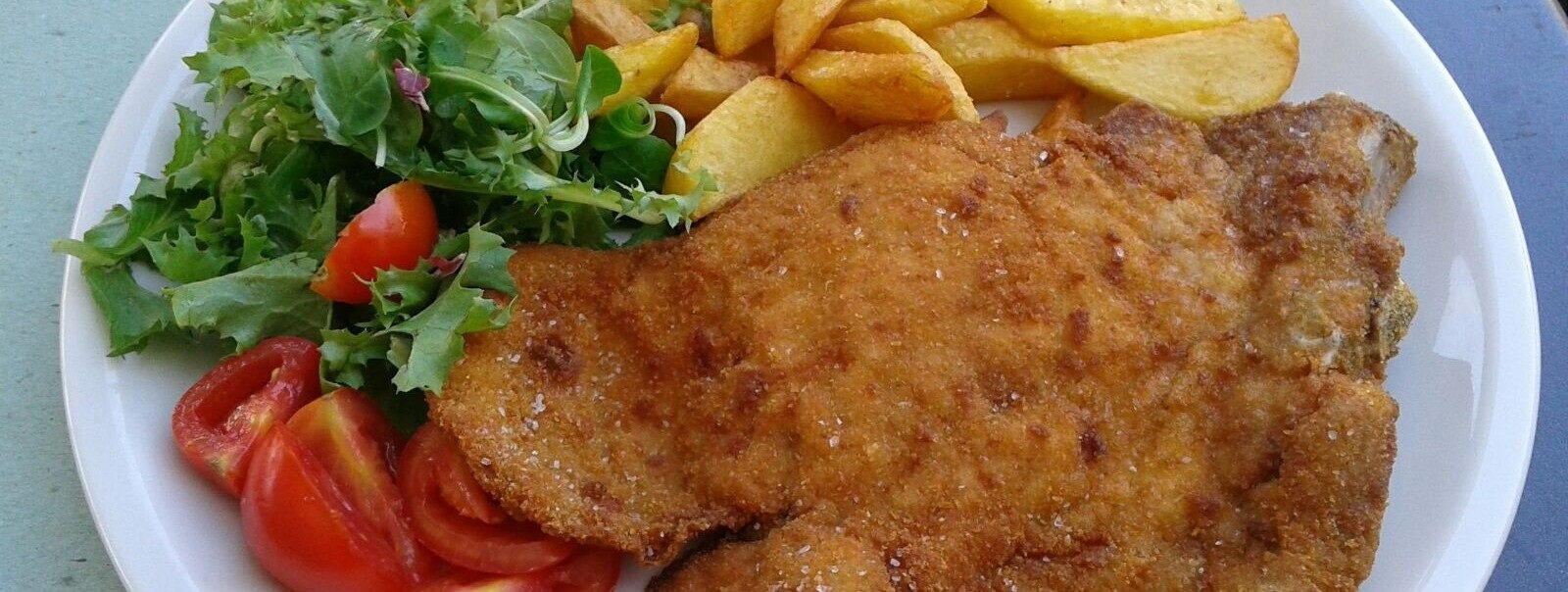
    📌 See Wines and Beverages

  • What to eat in Milan

    What to eat in Milan

    cottoletta milanese

    What to eat in Milan

    Quick Guide to Taste in the City


    On this page you will find a selection of some of the most representative dishes, products and wines of Milan, which you can enjoy in one of the restaurants in our selection.


    Powered by GetYourGuide

    Gastronomic Identity of the City

    Milan’s cuisine combines refinement, tradition and innovation: creamy risottos, succulent ossobuco and seasonal ingredients tell the story of the city. Butter, rice, meat and local cured meats define Milan’s gastronomic identity and make every meal a memorable experience.

    Historical Influences

    The culinary roots of Milan date back to the Middle Ages, later enriched by the aristocratic traditions of palaces and courts, all the way to modern cuisine. Many dishes were born from the creativity of Milanese chefs, transforming simple ingredients into iconic recipes of the city.

    Territory and Local Ingredients

    The Lombard plain and the surrounding lakes offer unique ingredients: rice, butter, cheeses, cured meats and premium meats take center stage. Local wines, such as Franciacorta, complete the dishes, making Milanese gastronomy instantly recognizable.

    An Experience Beyond the Plate

    Eating in Milan does not simply mean ordering a dish. It means savoring a saffron risotto at the table of a historic trattoria, enjoying ossobuco with gremolada, pairing it with a glass of Lombard wine and breathing in the vibrant atmosphere of the city.

    It is an elegant and convivial experience, intense and memorable. That is why Milanese cuisine remains etched in the memory of those who try it.


    In the table below, you will find a list of typical local products and wines, classified according to the main national quality marks such as DOP, IGP, etc. (see the legend). Traditional dishes are included for their historical and cultural value.

    The table structure provides a clear criterion to understand the value and gastronomic identity of the territory.

    • Scroll the table down and to the right to view all data in the columns and access Wikipedia links 🌐 for further information (when available).
    • To see the explanation of each data column, click on the column title itself (e.g., Index, Ratings, Org, etc.) at the top of the table.

    ⏳ Caricamento tabella in corso…

    .

    .

    .

    .

    .

    .

    MILAN

    .

    .

    cities and villages

    main city

    .

    .

    .

    .

    .

    .

    .

    Typical Dishes and Products

    .

    .

    .

    .

    .

    Anguilla in carpione

    .

    .

    gastronomy

    main courses

    .

    Aspic

    .

    .

    gastronomy

    appetizers

    .

    Barbajada

    *

    .

    gastronomy

    .

    .

    Bollito misto alla milanese

    .

    .

    gastronomy

    main courses

    .

    Brasato con Valtellina Superiore DOCG

    .

    .

    gastronomy

    main courses

    .

    Cassœula

    ***

    .

    gastronomy

    main courses

    .

    Castagnaccio milanese

    .

    .

    gastronomy

    desserts

    .

    Colomba pasquale

    **

    .

    gastronomy

    desserts

    .

    Cotoletta alla milanese

    ***

    .

    gastronomy

    main courses

    .

    Fritto misto alla milanese

    .

    .

    gastronomy

    one-dish meals

    .

    Galantina

    .

    .

    gastronomy

    main courses

    .

    Insalata di nervetti

    .

    .

    gastronomy

    appetizers

    .

    Lumache alla milanese

    .

    .

    gastronomy

    main courses

    .

    Michetta

    .

    .

    gastronomy

    .

    Minestra di zucca alla Milanese

    .

    .

    gastronomy

    first courses

    .

    Minestrone alla milanese

    .

    .

    gastronomy

    first courses

    .

    Mondeghili

    *

    .

    gastronomy

    main courses

    .

    Ossobuco alla milanese

    **

    .

    gastronomy

    main courses

    .

    Paté di fegato alla milanese

    .

    .

    gastronomy

    appetizers

    .

    Polenta alla milanese

    .

    .

    gastronomy

    first courses

    .

    Risotti alla milanese

    .

    .

    gastronomy

    first courses

    .

    Risotto al Gorgonzola

    *

    .

    gastronomy

    first courses

    .

    Risotto alla milanese

    ***

    .

    gastronomy

    first courses

    .

    Risotto alla monzese

    *

    .

    gastronomy

    first courses

    .

    Rustin negàa

    .

    .

    gastronomy

    main courses

    .

    Sanguinaccio alla milanese

    .

    .

    gastronomy

    desserts

    .

    Scaloppina al vino bianco

    .

    .

    gastronomy

    main courses

    .

    Tempia di maiale e ceci

    *

    .

    gastronomy

    main courses

    .

    Torta alla milanese

    .

    .

    gastronomy

    desserts

    .

    Trippa alla milanese

    *

    .

    gastronomy

    main courses

    .

    Gorgonzola

    ***

    DOP

    cheese and dairy

    cheese

    .

    Quartirolo Lombardo

    *

    DOP

    cheese and dairy

    cheese

    .

    Salame Brianza

    **

    DOP

    meats and cured meats

    cured meats

    .

    Taleggio

    ***

    DOP

    cheese and dairy

    cheese

    .

    Mascarpone artigianale

    .

    PAT

    cheese and dairy

    cheese

    .

    Pan méino

    .

    PAT

    bread/pasta/sweets

    desserts

    .

    Pane comune

    .

    PAT

    bread/pasta/sweets

    .

    Panettone di Milano

    ***

    PAT

    bread/pasta/sweets

    desserts

    .

    Razza varzese-ottonese-tortonese

    .

    .

    animal breeds

    .

    .

    .

    .

    .

    .

    .

    .

    Wines and Beverages

    .

    .

    .

    .

    .

    San Colombano al Lambro o San Colombano DOC

    .

    DOC

    beverages

    wine

    .

    .

    .

    .

    .

    .

    See also:

    .

    .

    .

    .

    .

    .

    .

    .

    .

    .

    .

    .

    .

    📌 The dishes, products, and wines listed above, while representing the local gastronomic identity, are not always exclusive, but often shared with the provincial or regional territory.

    📌 For the main certifications (DOP, IGP, DOC, and DOCG), the selection is based on the official production specifications, checking – where possible – whether the municipality is included in the authorized area.


    Risotto alla milanese

    The absolute symbol of Milan, risotto alla milanese is a creamy, golden dish thanks to saffron, which enhances its unique flavor. Prepared with butter and broth, it is the first course that represents the elegance and tradition of the city, to be enjoyed in historic trattorias or in the most renowned restaurants.

    Cotoletta alla milanese

    Another undisputed symbol of Milanese cuisine is cotoletta alla milanese, a breaded veal chop fried in butter, thick and succulent. It is an iconic main course that combines simplicity and intense flavor, symbol of local culinary tradition and traditional city lunches.

    Ossobuco alla milanese

    Ossobuco alla milanese is a veal shank slowly braised and served with gremolada. A refined and hearty dish, it represents the aristocratic tradition of the city and the mastery in preparing meat-based main courses.

    Cassoeula

    Cassoeula is a winter stew made with pork and Savoy cabbage, a robust dish from Lombard popular cuisine. Rich and flavorful, it tells the rural story of the city and the surrounding countryside, ideal for those seeking an authentic Milanese gastronomic experience.

    Minestrone alla milanese

    Minestrone alla milanese is a hearty soup made with vegetables and rice, prepared according to tradition. It is a simple yet nourishing dish that combines genuine and seasonal flavors, perfect for savoring the essence of Milanese cuisine.

    Polenta alla milanese

    Polenta alla milanese is made with high-quality cornmeal, slowly cooked and often served with cheeses, butter or meat ragù. Different from generic polenta, here it becomes a symbol of Lombard tradition, capable of accompanying both first and main courses.

    Busecca (Milanese-style tripe)

    Busecca is Milanese-style tripe, cooked with beans, vegetables and herbs. A rustic yet flavorful dish that tells the popular story of the city and the cuisine of historic trattorias, symbol of rural Milan.

    Rostin negàa / Drowned roast

    Rostin negàa is a veal roast slowly cooked in white wine, a rich and fragrant dish. Traditional for celebrations and Sunday lunches, it represents the care and attention to meat typical of Milanese cuisine.

    Lombard cheeses

    Lombard cheeses, such as Gorgonzola and Taleggio, are typical dairy products of the region. Tasting them is an experience that combines flavor and history, ideal both on their own and to accompany traditional Milanese first and main courses.

    Panettone

    Panettone is the most famous Milanese Christmas dessert in the world. Soft, fragrant and enriched with candied fruit and raisins, it represents the sweetness and tradition of Milan, symbol of the city during the holidays and beyond.


    Lombard PDO Cheeses and Butter

    Lombard PDO cheeses such as Gorgonzola, Taleggio, Grana Padano and Quartirolo Lombardo represent the dairy heart of the region. Often used as accompaniments or ingredients in typical Milanese dishes, they are enhanced by high-quality Lombard butter, essential in the preparation of risotto alla milanese, cotoletta and other traditional local recipes.

    Carnaroli / Arborio Rice

    Grown in Lombardy, especially in the province of Pavia and the Lomellina area, Carnaroli or Arborio rice is an essential ingredient for risotto alla milanese. Its ability to absorb flavors while maintaining a perfect texture makes it the star of the city’s most iconic dishes.

    Lombard Saffron

    Particularly Crocus sativus from Brianza, Lombard saffron is fundamental for the color and unique flavor of risotto alla milanese. A precious product, it symbolizes the refinement and gastronomic tradition of the region.

    Veal Bones / Veal Shank

    For dishes such as ossobuco and rostin negàa, veal bones and shank from Lombard breeds such as the Varzese-Ottonese-Tortonese are used. Tender and flavorful meat that gives these dishes the authentic taste of Milanese tradition.

    Lombard White or Yellow Corn Polenta

    The base of polenta alla milanese, this product is made with quality corn grown in Lombardy. It can be served as a side dish for meats and cheeses or as a main course, embodying the simplicity and richness of Lombard cuisine.

    📌 PDO cheeses and all the other products mentioned above, although not originally from the city of Milan itself, are pillars of Milanese cuisine and are used daily in the preparation of the city’s signature dishes.


    Powered by GetYourGuide

    In Milan, wines from various areas of Lombardy are enjoyed, accompanying traditional dishes and convivial city occasions. Among the most important are Franciacorta DOCG and the creamier version Franciacorta Satèn, ideal for aperitifs and celebratory moments; Valtellina Superiore DOCG and Sforzato di Valtellina DOCG, full-bodied reds perfect with hearty dishes such as ossobuco and rostin negàa; the fresh and fragrant white Lugana DOC; Bonarda dell’Oltrepò Pavese DOC and Oltrepò Pavese Metodo Classico DOCG, an elegant and versatile sparkling wine. Finally, a wine of particular importance for the city is San Colombano al Lambro DOC, produced in the surrounding provinces but widely enjoyed on Milanese tables.


    What is this page?

    An overview of the most representative dishes, products, and drinks of Milan, selected to help you discover the city’s authentic flavors.

    How does it work?

    Scroll through the entries in the Table and the various sections; each section provides concise information and links for further reading 🔗.

    📌 View the Food-Wine Table

    Signature Dishes

    In this section you will find some of the city’s most iconic dishes, presented with brief descriptions.

    📌 See Signature Dishes

    Traditional Products

    Here are some traditional products, widespread also at a regional level, yet pillars of local cuisine.

    📌 See Traditional Products

    Wines and Beverages

    A selection of the city’s distinctive wines and drinks, with notes on the territory and traditional pairings.
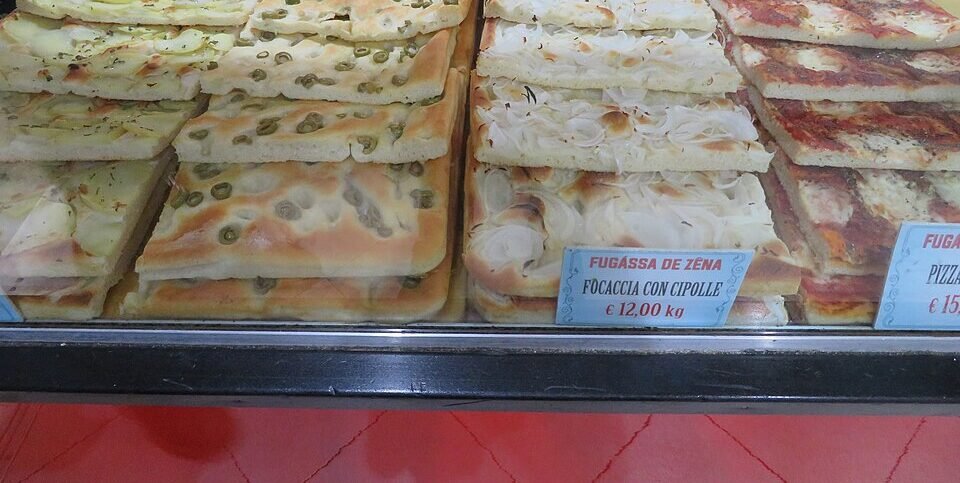
    📌 See Wines and Beverages

  • What to eat in Genoa

    What to eat in Genoa

    La focaccia genovese è una specialità tipica della cucina ligure

    What to eat in Genoa

    Quick Guide to Taste in the City


    On this page you will find a selection of some of the most representative dishes, products, and wines of Genoa, which you can taste in one of the restaurants from our selection.


    Powered by GetYourGuide

    Gastronomic identity of the city

    The cuisine of Genoa is rich and flavorful: land and sea dishes, fresh ingredients, and historic recipes tell the story of Ligurian tradition. Olive oil, basil, fresh fish, and focaccia define Genoa’s gastronomic identity, turning every meal into an authentic experience.

    Historical influences

    The culinary roots of Genoa go back to the maritime Middle Ages, with merchant influences from across the Mediterranean. Fish recipes, flavorful sauces, and specialties with aromatic herbs tell centuries of port and rural traditions.

    Territory and ingredients

    Coastlines, hills, and valleys shape Genoese cuisine: fresh fish, shellfish, seasonal vegetables, legumes, and the famous basil of pesto are the main ingredients. Bread, local extra virgin olive oil, and Ligurian wines complete every dish, making the gastronomy immediately recognizable.

    An experience beyond the plate

    Eating in Genoa means discovering unique traditions: enjoying warm focaccia in a historic bakery, savoring freshly made pesto, sharing a plate of trofie with pesto, or fresh fish by the seafront.

    It is a sensory and convivial experience, intense and authentic. This is why it remains memorable for everyone visiting the city.


    In the table below, you will find a list of typical local products and wines, classified according to the main national quality marks such as DOP, IGP, etc. (see the legend). Traditional dishes are included for their historical and cultural value.

    The table structure provides a clear criterion to understand the value and gastronomic identity of the territory.

    • Scroll the table down and to the right to view all data in the columns and access Wikipedia links 🌐 for further information (when available).
    • To see the explanation of each data column, click on the column title itself (e.g., Index, Ratings, Org, etc.) at the top of the table.

    ⏳ Caricamento tabella in corso…

    .

    .

    .

    .

    .

    .

    GENOA

    ***

    UN

    cities and villages

    main city

    .

    .

    .

    .

    .

    .

    Typical Dishes and Products

    .

    .

    .

    .

    .

    Basilico genovese

    .

    DOP

    fruit/veg & grains

    .

    .

    Riviera Ligure

    .

    DOP

    oils and fats

    .

    .

    Acciughe sotto sale del Mar Ligure

    **

    IGP

    gastronomy

    appetizers

    .

    Baciocca

    *

    PAT

    gastronomy

    one-dish meals

    .

    Biscotti del Lagaccio

    .

    PAT

    gastronomy

    desserts

    .

    Canestrelli

    .

    PAT

    gastronomy

    desserts

    .

    Carne sotto il testo

    **

    PAT

    gastronomy

    main courses

    .

    Condigion

    *

    PAT

    gastronomy

    appetizers

    .

    Corzetti o croxetti

    **

    PAT

    gastronomy

    first courses

    .

    Focaccia classica di Genova

    ***

    PAT

    gastronomy

    appetizers

    .

    Focaccine di mais

    .

    PAT

    gastronomy

    appetizers

    .

    Frittelle di baccalà

    .

    PAT

    gastronomy

    main courses

    .

    Gobelletti

    .

    PAT

    gastronomy

    desserts

    .

    Linguine alla genovese

    ***

    PAT

    gastronomy

    first courses

    .

    Lumache

    .

    PAT

    gastronomy

    main courses

    .

    Micotti

    .

    PAT

    gastronomy

    main courses

    .

    Minestrone alla genovese

    **

    PAT

    gastronomy

    first courses

    .

    Mostardella

    .

    PAT

    meats and cured meats

    cured meats

    .

    Pandolce (genovese)

    .

    PAT

    gastronomy

    desserts

    .

    Panèra

    .

    PAT

    gastronomy

    desserts

    .

    Pansoti

    **

    PAT

    gastronomy

    first courses

    .

    Preboggion

    *

    PAT

    gastronomy

    first courses

    .

    Prescinseûa

    **

    PAT

    cheese and dairy

    cheese

    .

    Sbira

    *

    PAT

    gastronomy

    first courses

    .

    Testa in cassetta o soppressata

    .

    PAT

    meats and cured meats

    cured meats

    .

    Testaroli o testaieu

    .

    PAT

    gastronomy

    first courses

    .

    Tomaselle, Tomaxelle

    **

    PAT

    gastronomy

    main courses

    .

    Torta di nocciole

    .

    PAT

    gastronomy

    desserts

    .

    Torta pasqualina

    .

    PAT

    gastronomy

    one-dish meals

    .

    Torta sacripantina

    .

    PAT

    gastronomy

    desserts

    .

    Trofie e trofiette

    .

    PAT

    gastronomy

    first courses

    .

    Battolli

    .

    .

    gastronomy

    first courses

    .

    Bavette

    .

    .

    gastronomy

    one-dish meals

    .

    Coniglio alla polceverasca

    **

    .

    gastronomy

    main courses

    .

    Deficeira (Pasta al frantoio)

    .

    .

    gastronomy

    first courses

    .

    Focaccia con le cipolle

    ***

    .

    gastronomy

    one-dish meals

    .

    Fricassea di pollo alla ligure

    *

    .

    gastronomy

    main courses

    .

    Friscieu de cioulette (Frittelle di cipolline)

    .

    .

    gastronomy

    main courses

    .

    Frito misto (Fritto misto)

    .

    .

    gastronomy

    main courses

    .

    Gianco e neigro d’agnelletto

    .

    .

    gastronomy

    main courses

    .

    Lasagne in perbureira

    .

    .

    gastronomy

    first courses

    .

    Maccaroin pin (Maccheroni ripieni)

    *

    .

    gastronomy

    first courses

    .

    Mandilli de Sea, “Fazzoletti di Seta”

    **

    .

    gastronomy

    first courses

    .

    Picagge de faenn-a dòce (Lasagne di farina di castagne)

    **

    .

    gastronomy

    first courses

    .

    Picagge verdi (Fettuccine verdi)

    **

    .

    gastronomy

    first courses

    .

    Pollastro ä zeneise (Pollo alla genovese)

    *

    .

    gastronomy

    main courses

    .

    Reginette co-e euve (Reginette con le uova)

    .

    .

    gastronomy

    first courses

    .

    Riso a-o forno a zeneize (Riso al forno alla genovese)

    .

    .

    gastronomy

    first courses

    .

    Stocchefisce e bacilli (Stoccafisso e fave secche)

    .

    .

    gastronomy

    main courses

    .

    Strufuggiu

    .

    .

    gastronomy

    one-dish meals

    .

    Zerarìa

    .

    SWF

    gastronomy

    main courses

    .

    .

    .

    .

    .

    .

    .

    Wines and Beverages

    .

    .

    .

    .

    .

    Golfo del Tigullio-Portofino o Portofino

    *

    DOC

    beverages

    wine

    .

    Val Polcevera

    .

    DOC

    beverages

    wine

    .

    Corochinato

    .

    .

    beverages

    wine

    .

    .

    .

    .

    .

    .

    See also:

    .

    .

    .

    .

    .

    .

    .

    .

    .

    .

    .

    .

    .

    📌 The dishes, products, and wines listed above, while representing the local gastronomic identity, are not always exclusive, but often shared with the provincial or regional territory.

    📌 For the main certifications (DOP, IGP, DOC, and DOCG), the selection is based on the official production specifications, checking – where possible – whether the municipality is included in the authorized area.


    Pasta with Pesto alla Genovese

    The ultimate symbol of Genoese cuisine, pasta with pesto alla Genovese combines fresh and authentic flavors. The typical varieties used are trofie, trenette, and corzetti, tossed with basil pesto, pine nuts, garlic, Parmesan cheese, and extra virgin olive oil. Each bite tells the story of the city’s maritime and rural culinary traditions.

    Pansoti with Walnut Sauce

    Pansoti are pasta filled with herbs and ricotta, served with the typical walnut sauce. This dish combines delicacy with intense flavor and is one of the most refined expressions of Ligurian cuisine.

    Genoese Minestrone

    Genoese minestrone is a soup rich in fresh seasonal vegetables, enhanced with a drizzle of pesto alla Genovese. Nutritious and flavorful, it represents Ligurian peasant tradition and the celebration of local produce.

    Genoese Focaccia (Fügassa)

    Genoese focaccia, or Fügassa, is a flatbread seasoned with extra virgin olive oil and salt. Crispy on the outside and soft inside, it is a must-try of the city and one of the symbols of Ligurian tradition.

    Chickpea Farinata

    Farinata is a savory cake made from chickpea flour, oil, and water. Simple yet flavorful, it is baked in the oven and enjoyed warm, representing humble cuisine elevated to Ligurian excellence.

    Pasqualina Pie

    Pasqualina pie is a rustic tart filled with vegetables and eggs, symbolizing Genoese tradition. Soft and flavorful, it is prepared according to historical recipes passed down through generations.

    Cima alla Genovese

    Cima alla Genovese is a veal roast stuffed with vegetables and aromatic herbs, served cold. Rich and tasty, it can be served either as an appetizer or as a typical main course of the city.

    Ligurian-style Rabbit

    Ligurian-style rabbit is stewed with olives, pine nuts, and local herbs. A traditional dish of Genoese cuisine, it balances intense flavor and delicacy perfectly.

    Genoese Buridda

    Genoese buridda is a soup or stew made with fresh fish, typical of maritime tradition. Rich in flavors, it is a dish that tells the story of Genoa’s port and culinary history.

    Genoese Pandolce

    Genoese pandolce is the city’s traditional dessert, prepared with candied fruit, raisins, and aromatic spices. Soft and fragrant, it concludes every meal with the typical sweetness of Liguria.


    Genovese Basil DOP

    A key ingredient of Genovese pesto, Genovese Basil DOP is one of the most famous Ligurian products worldwide. Its intense and fresh aroma gives character to pasta, sauces, and traditional Genovese dishes.

    Ligurian Extra Virgin Olive Oil / Riviera Ligure DOP

    Delicate and aromatic, Ligurian extra virgin olive oil is essential in Genovese cuisine. From focaccia to seasoned pasta, from pesto to vegetables, it enhances every preparation, making it unique and recognizable.

    Taggiasca Olives

    Typical of the Ligurian hinterland, Taggiasca olives are often used for seasoning dishes, preserved in oil, or as an ingredient in traditional recipes. Their delicate and fruity flavor characterizes many Genovese preparations.

    Prescinsêua (Traditional Cheese)

    A semi‑liquid cheese typical of the province of Genoa, prescinsêua is used in pasta fillings, savory pies, and other Ligurian preparations. Its slightly tangy taste enriches dishes, adding authenticity to local cuisine.

    Salted Anchovies from the Ligurian Sea IGP

    A key ingredient in many traditional recipes, such as pasta with anchovies or stuffed focaccia, salted anchovies from the Ligurian Sea IGP represent Genoa’s rich maritime tradition and the excellence of local products.


    Powered by GetYourGuide

    Genoa and Liguria offer a variety of wines and beverages that perfectly accompany local cuisine, from seafood dishes to rustic recipes, as well as aperitifs and traditional desserts. Some of these products are not exclusively from the city of Genoa but come from the province or the entire Ligurian region; however, they are widely used and appreciated in the city’s gastronomy.

    Table and Seafood White Wines

    Among the most representative white wines are the Golfo del Tigullio-Portofino DOC, aromatic and fresh, perfect with seafood, appetizers, and aperitifs; the Val Polcevera DOC, light and versatile, ideal with soups, seafood, and vegetables; and the Bianchetta Genovese, soft and fragrant, excellent with focaccias and light first courses. These wines express the freshness and elegance of Ligurian products, enhancing Genovese cuisine.

    Red and Rosé Wines

    For more structured dishes or those with meat, ideal choices include the Rossese di Dolceacqua DOC, fruity and light red, perfect with white meat or rustic dishes; the Ligurian Rosé, fresh and aromatic, excellent for summer aperitifs and land or seafood dishes; and the Riviera Ligure di Ponente Rosso DOC, a regional red that pairs well with heartier traditional Genovese preparations. These wines reflect the character of the territory and the conviviality of the city.

    Typical Genoese Beverages

    Genovese tradition is not only about wine. Historic beverages include Corochinato Genovese, a wine-based spiced aperitif, symbol of the city’s aperitif ritual; Amaro Camatti, a digestive liqueur made with Mediterranean herbs; and Sciacchetrà DOC, a sweet and aromatic passito wine, perfect with traditional desserts or aged cheeses. These beverages complete the gastronomic experience, showcasing the unique flavors of the city and Liguria.


    What is this page?

    An overview of the most representative dishes, products, and beverages of Genoa, selected to let you discover the city’s authentic flavors.

    How does it work?

    Scroll through the entries in the Table and the various sections; each section provides concise information and links for further reading 🔗.

    📌 View the Food-Wine Table

    Signature Dishes

    In this section you’ll find some of the city’s most iconic dishes, presented with brief descriptions.

    📌 See Signature Dishes

    Traditional Products

    Here are some traditional products, widespread also at a regional level, yet foundational in local cuisine.

    📌 See Traditional Products

    Wines and Beverages

    A selection of the city’s distinctive wines and beverages, with notes on the territory and traditional pairings.
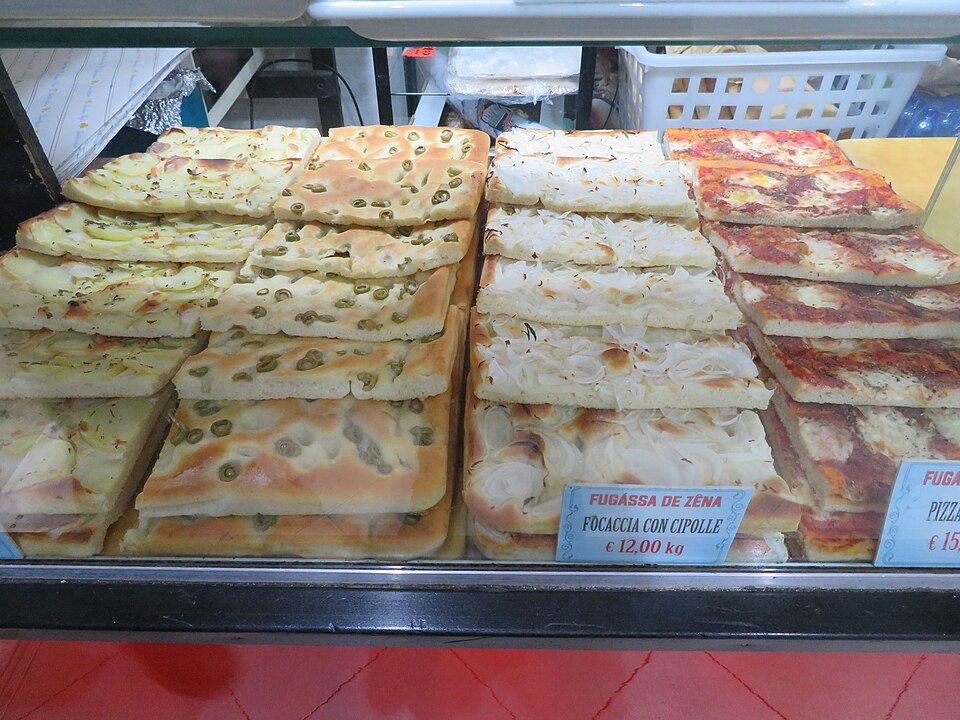
    📌 See Wines and Beverages

  • What to eat in Rome

    What to eat in Rome

    Roma, Spaghetti Cacio e Pepe

    What to eat in Rome

    Quick Guide to Taste in the City


    On this page you will find an overview of some of the most representative dishes, products and wines of Rome, which you can enjoy in one of the restaurants featured in our selection.


    Powered by GetYourGuide

    Gastronomic identity of the city

    Rome’s cuisine is rich, varied and deeply connected to the city’s history: flavorful dishes, genuine ingredients and millennia-old traditions reflect the Roman character. Fresh pasta, meats, cheeses and extra virgin olive oil define the gastronomic identity of the capital and make every meal a memorable experience.

    Historical influences

    Roman cuisine has its roots in ancient Rome, with recipes of rural and popular origin that have evolved over time. Medieval, Renaissance and bourgeois influences enriched simple dishes, transforming them into symbols of the city’s gastronomic tradition.

    Territory and raw materials

    Lazio and the surroundings of Rome offer fresh, high-quality ingredients: selected meats, seasonal vegetables, legumes, local cheeses and extra virgin olive oil take center stage. Regional wines complete the dishes, making Roman cuisine immediately recognizable and authentic.

    An experience beyond the plate

    Eating in Rome means immersing yourself in centuries of tradition: enjoying a creamy carbonara, breaking bread with coda alla vaccinara, savoring a freshly fried supplì and pairing it with a glass of Lazio wine. Every meal is a journey through history, flavors and conviviality.

    It is an intense, authentic and engaging experience that remains in the memory of those who visit the city.


    In the table below, you will find a list of typical local products and wines, classified according to the main national quality marks such as DOP, IGP, etc. (see the legend). Traditional dishes are included for their historical and cultural value.

    The table structure provides a clear criterion to understand the value and gastronomic identity of the territory.

    • Scroll the table down and to the right to view all data in the columns and access Wikipedia links 🌐 for further information (when available).
    • To see the explanation of each data column, click on the column title itself (e.g., Index, Ratings, Org, etc.) at the top of the table.

    ⏳ Caricamento tabella in corso…

    .

    .

    .

    .

    .

    .

    ROME

    ***

    .

    cities and villages

    capital

    .

    .

    .

    .

    .

    .

    .

    Typical Dishes and Products

    .

    .

    .

    .

    .

    Abbacchio alla giudia

    *

    .

    gastronomy

    main courses

    .

    Abbacchio alla romana

    **

    .

    gastronomy

    main courses

    .

    Baccalà alla Trasteverina

    .

    .

    gastronomy

    main courses

    .

    Carciofi alla giudia

    ***

    .

    gastronomy

    side dishes

    .

    Carciofi alla romana

    ***

    .

    gastronomy

    side dishes

    .

    Cicoria Strascinata

    .

    .

    gastronomy

    side dishes

    .

    Coda alla vaccinara

    *

    .

    gastronomy

    main courses

    .

    Fegato alla Romana

    .

    .

    gastronomy

    main courses

    .

    Fettuccine alla papalina

    **

    .

    gastronomy

    first courses

    .

    Filetti di baccalà fritti

    .

    .

    gastronomy

    main courses

    .

    Fritto misto alla romana

    *

    .

    gastronomy

    main courses

    .

    Gnocchi alla romana

    *

    .

    gastronomy

    first courses

    .

    Maritozzo

    .

    .

    gastronomy

    desserts

    .

    Pajata in Umido

    **

    .

    gastronomy

    main courses

    .

    Pasta alla zozzona

    .

    .

    gastronomy

    first courses

    .

    Pasta e broccoli in brodo d' arzilla

    .

    .

    gastronomy

    first courses

    .

    Penne all'arrabbiata

    *

    .

    gastronomy

    first courses

    .

    Pizza bianca

    .

    .

    gastronomy

    appetizers

    .

    Pollo ai peperoni alla romana

    **

    .

    gastronomy

    main courses

    .

    Quadrucci e piselli in brodo

    .

    .

    gastronomy

    first courses

    .

    Rigatoni con la pajata

    *

    .

    gastronomy

    first courses

    .

    Spaghetti alla carbonara

    ***

    .

    gastronomy

    first courses

    .

    Spaghetti alla checca

    .

    .

    gastronomy

    first courses

    .

    Spaghetti alla gricia

    ***

    .

    gastronomy

    first courses

    .

    Stracciatella Romana

    .

    .

    gastronomy

    first courses

    .

    Suppli'

    **

    .

    gastronomy

    appetizers

    .

    Trippa alla romana

    *

    .

    gastronomy

    main courses

    .

    Nocciola romana

    .

    DOP

    fruit/veg & grains

    .

    .

    Oliva di Gaeta

    .

    DOP

    fruit/veg & grains

    .

    .

    Sabina

    .

    DOP

    oils and fats

    .

    .

    Olio di Roma

    .

    IGP

    oils and fats

    .

    .

    Broccolo romanesco

    .

    PAT

    fruit/veg & grains

    .

    .

    Burrata di bufala

    .

    PAT

    cheese and dairy

    dairy

    .

    Cacio fiore

    .

    PAT

    cheese and dairy

    cheese

    .

    Caciocavallo di bufala

    .

    PAT

    cheese and dairy

    cheese

    .

    Cacioricotta di bufala

    .

    PAT

    cheese and dairy

    dairy

    .

    Razza bovina maremmana

    **

    PAT

    animal breeds

    .

    .

    Ciriola romana

    .

    PAT

    bread/pasta/sweets

    .

    Guanciale dei Monti Lepini al maiale nero

    *

    PAT

    meats and cured meats

    cured meats

    .

    Lardo stagionato al maiale nero

    *

    PAT

    meats and cured meats

    cured meats

    .

    Marzolino e/o marzolina

    .

    PAT

    cheese and dairy

    dairy

    .

    Pancetta tesa stagionata alle erbe al maiale nero

    *

    PAT

    meats and cured meats

    cured meats

    .

    Pane casareccio di Lariano

    .

    PAT

    bread/pasta/sweets

    .

    Pangiallo

    .

    PAT

    bread/pasta/sweets

    desserts

    .

    Pressato a mano

    .

    PAT

    cheese and dairy

    cheese

    .

    Prosciutto dei Monti Lepini al maiale nero

    *

    PAT

    meats and cured meats

    cured meats

    .

    Provola di bufala

    .

    PAT

    cheese and dairy

    cheese

    .

    Salame paesano

    .

    PAT

    meats and cured meats

    cured meats

    .

    Salsiccia Corallina Romana

    .

    PAT

    meats and cured meats

    cured meats

    .

    Salsiccia dei Monti Lepini al maiale nero

    .

    PAT

    meats and cured meats

    cured meats

    .

    Torta pasquale

    .

    PAT

    bread/pasta/sweets

    desserts

    .

    Tusichelle

    .

    PAT

    bread/pasta/sweets

    desserts

    .

    Mazzi

    .

    SWF

    meats and cured meats

    cured meats

    .

    .

    .

    .

    .

    .

    .

    Wines and Beverages

    .

    .

    .

    .

    .

    Cannellino di Frascati DOCG

    **

    DOCG

    beverages

    wine

    .

    Frascati Superiore DOCG

    **

    DOCG

    beverages

    wine

    .

    Bianco Capena DOC

    .

    DOC

    beverages

    wine

    .

    Castelli Romani DOC

    .

    DOC

    beverages

    wine

    .

    Cerveteri DOC

    .

    DOC

    beverages

    wine

    .

    Frascati DOC

    .

    DOC

    beverages

    wine

    .

    Marino DOC

    .

    DOC

    beverages

    wine

    .

    Roma DOC

    .

    DOC

    beverages

    wine

    .

    Tarquinia DOC

    .

    DOC

    beverages

    wine

    .

    Mistrà

    .

    PAT

    beverages

    .

    .

    Sambuca romana

    .

    PAT

    beverages

    .

    .

    .

    .

    .

    .

    .

    See also:

    .

    .

    .

    .

    .

    .

    .

    .

    .

    .

    .

    .

    .

    📌 The dishes, products, and wines listed above, while representing the local gastronomic identity, are not always exclusive, but often shared with the provincial or regional territory.

    📌 For the main certifications (DOP, IGP, DOC, and DOCG), the selection is based on the official production specifications, checking – where possible – whether the municipality is included in the authorized area.


    Pasta alla Carbonara

    The ultimate symbol of Roman cuisine, Pasta alla Carbonara combines crispy guanciale, Pecorino Romano cheese and fresh eggs. The perfect cooking technique creates a natural creamy sauce that coats the pasta, transforming a simple dish into an authentic and unforgettable gastronomic experience.

    Pasta Cacio e Pepe

    An emblem of Roman simplicity, Pasta Cacio e Pepe brings together just Pecorino cheese and freshly ground black pepper. Despite its few ingredients, the dish captivates with its balance of flavors and its ability to tell the story of the city’s rural culinary tradition.

    Gricia

    Considered the ancestor of Carbonara and Amatriciana, Gricia combines guanciale, Pecorino cheese and black pepper to create a dish with a bold and intense flavor. Its simplicity and authenticity make it a true symbol of traditional Roman cuisine.

    Coda alla Vaccinara

    A typical “quinto quarto” stew, Coda alla Vaccinara tells the story of working-class Rome through oxtail, tomato, celery and aromatic herbs. Slow cooking and rich flavors make this dish a must in the city’s historic trattorias.

    Saltimbocca alla Romana

    Thin slices of veal delicately pounded, topped with prosciutto and sage leaves: Saltimbocca alla Romana combines simple ingredients with technique and flavor. A dish that embodies the elegance of Roman cuisine and wins over every palate.

    Abbacchio alla Scottadito

    Milk-fed lamb grilled and served “alla scottadito” (so hot you burn your fingers), Abbacchio alla Scottadito is a classic of Roman festivals and celebrations. Simple in preparation yet intense in flavor, it represents Lazio’s culinary tradition at the table.

    Carciofi alla Romana and alla Giudia

    Carciofi alla Romana and alla Giudia are two icons of the Capitoline culinary heritage. One braised with mint and garlic, the other deep-fried until crisp, both reflect the history of Rome’s Jewish quarter and its historic trattorias.

    Puntarelle alla Romana

    A fresh chicory salad dressed with anchovy sauce, garlic and olive oil, Puntarelle alla Romana is a crisp and flavorful side dish. It reflects the Roman tradition of enhancing simple, seasonal ingredients with great taste.

    Supplì al telefono

    Fried rice croquettes with a melting mozzarella center, Supplì al telefono are Roman street food at its finest. Perfect as a snack or appetizer, they tell the story of the city’s popular food culture and love of conviviality.

    Maritozzo con la panna

    A soft sweet bun filled with fresh whipped cream, Maritozzo con la panna is a true Roman icon. Typical for breakfast or an afternoon treat, it brings the sweetness of tradition and the unique flavor of the city’s pastry shops to the table.


    Pecorino Romano PDO

    Aged sheep’s milk cheese typical of Lazio, a key ingredient in iconic dishes such as Carbonara, Cacio e Pepe and Gricia. Its bold and intense flavor makes it instantly recognizable on Roman tables and a true symbol of the city’s gastronomic tradition.

    Lazio milk-fed lamb

    The base of Abbacchio alla Scottadito, a symbol of Roman cuisine, Lazio milk-fed lamb brings delicate yet distinctive flavors to the table. It is part of the broader designation “Lamb of Central Italy” and represents a centuries-old culinary tradition.

    Guanciale from the Lepini Mountains

    Cured pork jowl, essential for dishes such as Carbonara, Gricia and Amatriciana. Guanciale from the Lepini Mountains, produced with black pig, combines tradition and quality, giving Roman dishes the authentic flavor of the capital’s historic cuisine.

    Roman artichokes – Lazio varieties

    Among the protagonists of Rome’s most iconic dishes, the famous Romanesco artichoke of Lazio and other local varieties are used in Carciofi alla Romana and Carciofi alla Giudia. Aromatic, seasonal vegetables that symbolize the quality of local produce.

    Lazio extra virgin olive oil

    An essential base for dressings and cooking, Lazio extra virgin olive oil includes the main PDO and PGI certifications: Oliva di Gaeta PDO, Sabina PDO and Olio di Roma PGI. The quality of local olives enhances typical Roman dishes, from pasta to vegetables and traditional seasonings.


    Powered by GetYourGuide

    Wines of Rome and its Province

    Roma DOC is the most representative wine of the city, available in white, red, and rosé versions, and a symbol of the urban winemaking tradition. Fresh and versatile, it perfectly accompanies pasta dishes, meats, and typical Roman specialties, telling the oenological story of the capital.

    Alongside Roma DOC, in local trattorias and restaurants you can also find wines from the surrounding areas: Castelli Romani DOC, Colli Albani, Frascati DOC and Frascati Superiore DOCG, Marino DOC, Capena DOC, and Tarquinia DOC. Although territorially provincial, these wines are an integral part of the Roman table, expressing the aromas and flavors of Lazio.

    Traditional Liqueurs

    Among the city’s typical beverages, Roman liqueurs hold a special place. Mistrà, a historic anise-flavored liqueur, is enjoyed as a digestif and represents the tradition of Roman cafés and pastry shops. Roman Sambuca, also anise-based with sweet and aromatic notes, accompanies desserts, coffee, and convivial moments, reflecting the liqueur culture of the capital.


    Overview

    An excerpt featuring the most representative dishes, products, and beverages of Rome, selected to introduce you to the authentic flavors of the city.

    How does it work?

    Scroll through the entries in the Table and the various sections; each section provides concise information and links for further reading 🔗.

    📌 View the Food-Wine Table

    Signature Dishes

    In this section you will find some of the city’s most iconic dishes, presented with concise descriptions.

    📌 View Signature Dishes

    Traditional Products

    This part mentions some typical products, also widespread at a regional level, yet pillars of the local cuisine.

    📌 View Traditional Products

    Wines and Beverages

    A selection of the city’s distinctive wines and beverages, with notes on the territory and traditional pairings.
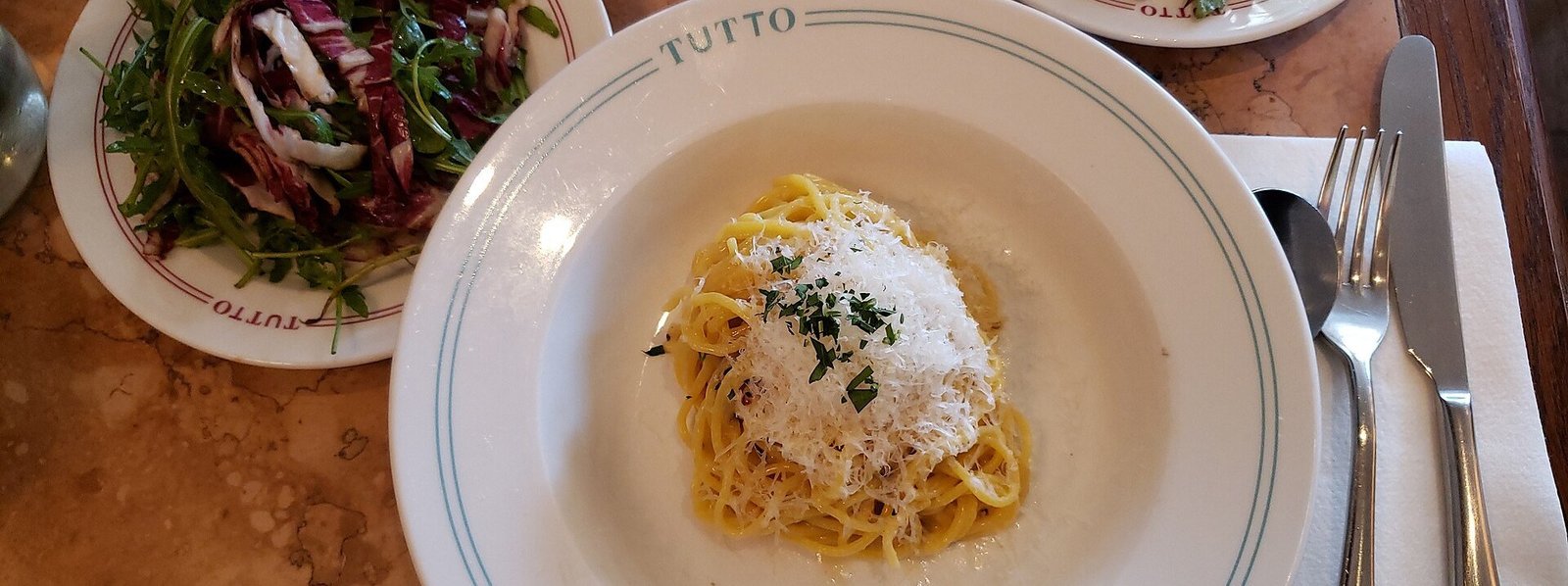
    📌 View Wines and Beverages

  • What to eat in Trieste

    What to eat in Trieste

    Il gulasch triestino

    What to eat in Trieste

    Quick Guide to Taste in the City


    On this page you will find a selection of some of the most representative dishes, products and wines of Trieste, which you can enjoy at one of the restaurants in our selection.


    Powered by GetYourGuide

    The cuisine of Trieste is a meeting of cultures: Central European flavors, maritime tradition, and Balkan influences coexist in intense and surprising dishes. Hearty soups, spiced meats, Adriatic fish, and Austro-Hungarian desserts tell the story of a border city, elegant and popular at the same time.

    Historical influences

    For centuries a port of the Austro-Hungarian Empire, Trieste absorbed Italian, Slovenian, Austrian, and Hungarian culinary traditions. Recipes like jota, goulash, and spiced desserts testify to this multicultural past, turning the local cuisine into a unique gastronomic mosaic in Italy.

    Territory and ingredients

    The Adriatic Sea and the Karst define Trieste’s culinary identity: blue fish, sardoni, cod, as well as sauerkraut, potatoes, legumes, and pork are central ingredients. Carso wines and the city’s unmistakable coffee culture complete a rich and recognizable gastronomic panorama.

    An experience beyond the plate

    Eating in Trieste is not just about choosing a typical dish. It is entering a historic trattoria, ordering a steaming plate of goulash with polenta, enjoying fried sardoni with a sea view, or stopping at a literary café for a traditional dessert.

    It is a border experience, intense and authentic, capable of surprising anyone who discovers it.


    In the table below, you will find a list of typical local products and wines, classified according to the main national quality marks such as DOP, IGP, etc. (see the legend). Traditional dishes are included for their historical and cultural value.

    The table structure provides a clear criterion to understand the value and gastronomic identity of the territory.

    • Scroll the table down and to the right to view all data in the columns and access Wikipedia links 🌐 for further information (when available).
    • To see the explanation of each data column, click on the column title itself (e.g., Index, Ratings, Org, etc.) at the top of the table.

    ⏳ Caricamento tabella in corso…

    .

    .

    .

    .

    .

    .

    TRIESTE

    .

    .

    cities and villages

    main city

    .

    .

    .

    .

    .

    .

    .

    Typical Dishes and Products

    .

    .

    .

    .

    .

    Granseole a la triestina

    *

    .

    gastronomy

    appetizers

    .

    Sardoni in savor

    .

    PAT

    fish and products

    appetizers

    .

    Sardoni salati

    .

    PAT

    fish and products

    appetizers

    .

    Tabor

    .

    PAT

    cheese and dairy

    cheese

    .

    Lujanie

    .

    PAT

    meats and cured meats

    cured meats

    .

    Marcundela

    .

    PAT

    meats and cured meats

    cured meats

    .

    Musetto

    *

    PAT

    meats and cured meats

    cured meats

    .

    Pestadice

    .

    PAT

    meats and cured meats

    cured meats

    .

    Pestat

    .

    PAT

    meats and cured meats

    cured meats

    .

    Brodetto di pesce

    .

    .

    gastronomy

    first courses

    .

    Cjalzòns o Cjarsons

    .

    PAT

    bread/pasta/sweets

    first courses

    .

    Gnochi de fegato

    .

    .

    gastronomy

    first courses

    .

    Gnochi de pan

    *

    .

    gastronomy

    first courses

    .

    Jota

    *

    .

    gastronomy

    first courses

    .

    Minestra de bobici con fagioli

    .

    .

    gastronomy

    first courses

    .

    Risi e bisi

    .

    .

    gastronomy

    first courses

    .

    Risi e fasoi

    .

    .

    gastronomy

    first courses

    .

    Agnello istriano

    **

    PAT

    animal breeds

    .

    .

    Agnello al rafano

    .

    .

    gastronomy

    main courses

    .

    Baccalà mantecato

    *

    .

    gastronomy

    main courses

    .

    Canocia de nassa

    .

    PAT

    fish and products

    .

    .

    Canocie o scampi in busara

    *

    .

    gastronomy

    main courses

    .

    Coppa di maiale lessata e crauti

    .

    .

    gastronomy

    main courses

    .

    Gulash

    **

    .

    gastronomy

    main courses

    .

    Mussolo de scoio

    .

    PAT

    fish and products

    .

    .

    Pedocio de Trieste, cozza di Trieste

    .

    PAT

    fish and products

    .

    .

    Sanganel

    .

    PAT

    meats and cured meats

    main courses

    .

    Pecora Istriana

    .

    .

    animal breeds

    .

    .

    Patate in tecia

    *

    .

    gastronomy

    side dishes

    .

    Tergeste

    .

    DOP

    oils and fats

    .

    .

    Olio del carso

    .

    PAT

    oils and fats

    .

    .

    Brovada

    .

    DOP

    fruit/veg & grains

    .

    .

    Favette triestine

    .

    PAT

    bread/pasta/sweets

    desserts

    .

    Pinza triestina

    .

    PAT

    bread/pasta/sweets

    desserts

    .

    Presnitz

    .

    PAT

    bread/pasta/sweets

    desserts

    .

    Putizza

    .

    PAT

    bread/pasta/sweets

    desserts

    .

    .

    .

    .

    .

    .

    .

    Wines and Beverages

    .

    .

    .

    .

    .

    Carso DOC

    *

    DOC

    beverages

    wine

    .

    Friuli o Friuli Venezia Giulia DOC

    .

    DOC

    beverages

    wine

    .

    Prosecco DOC

    **

    DOC

    beverages

    wine

    .

    .

    .

    .

    .

    .

    See also:

    .

    .

    .

    .

    .

    .

    .

    .

    .

    .

    .

    .

    .

    📌 The dishes, products, and wines listed above, while representing the local gastronomic identity, are not always exclusive, but often shared with the provincial or regional territory.

    📌 For the main certifications (DOP, IGP, DOC, and DOCG), the selection is based on the official production specifications, checking – where possible – whether the municipality is included in the authorized area.


    Jota Triestina

    The undisputed symbol of Trieste’s cuisine, jota is a hearty soup made with sauerkraut, beans, potatoes, and pork. Thick, flavorful, and substantial, it represents the Central European soul of the city and its link to rural traditions. It is the dish that best tells what to eat in Trieste, especially during the colder months.

    Triestine Goulash

    A spiced meat stew with paprika, Triestine goulash reflects the Austro-Hungarian heritage of the city. Rich and aromatic, it is often served with polenta or bread and represents one of the most iconic main courses of the local tradition.

    Sardoni in Savòr / Sardoni Impanai

    Sardoni express the deep connection between Trieste and the Adriatic Sea. Marinated with onion and vinegar in the “savòr” style or breaded and fried, they are a simple yet iconic appetizer found in all historic trattorias of the city.

    Triestine Brodetto

    A fish soup from the Upper Adriatic prepared with local varieties, brodetto represents the city’s maritime soul. Flavorful yet balanced, it highlights the freshness of the catch and the simplicity of traditional preparations.

    Triestine Cooked Ham with Mustard and Kren

    Served warm with mustard and kren (grated horseradish), Triestine cooked ham reflects the Austro-Hungarian influence on the local gastronomy. A historic appetizer, often featured in osmize and traditional venues.

    Cevapcici (Ćevapčići)

    Cylinders of spiced Balkan meat, grilled and served with mustard or ajvar sauce, cevapcici have become a stable part of Trieste’s tradition. Also popular as street food, they tell the story of the city’s long-standing cultural encounter.

    Triestine Gnocchi / Gnocchi de Susini

    Triestine gnocchi can be savory or sweet in the famous plum-filled version. This dual nature reflects Trieste’s border position, where Italian and Central European traditions coexist on the same plate.

    Bobici (Minestra de Bobici)

    A traditional soup of corn and beans, bobici represent the domestic and rural cuisine of the region. Simpler than jota but equally authentic, it is a recipe deeply connected to local culture.

    Patate in Tecia

    A traditional side dish of pan-fried potatoes with onion and pancetta, patate in tecia often accompany goulash and meat mains. Simple yet flavorful, they perfectly complete the richer dishes of Trieste’s cuisine.

    Presnitz

    A symbol of Triestine pastry, presnitz is a puff pastry roll filled with dried fruit, raisins, and spices. Born in the Austro-Hungarian era, it embodies the city’s Central European tradition and concludes the meal with elegance and character.


    Triestine Cooked Ham

    Symbolic local ingredient, Triestine cooked ham is served hot, often accompanied by mustard or kren. Rooted in the city’s tradition, it is present in all historic trattorias, telling the gastronomic identity of Trieste.

    Kren (Karst Horseradish)

    Spicy root typical of the Karst region, kren accompanies cooked ham, meats, and other traditional Triestine dishes. Aromatic and strong, it is an essential condiment reflecting the Central European influence on local cuisine.

    Adriatic Sardoni

    At the base of sardines in savòr or impanai, sardoni represent Trieste’s maritime soul. Fresh and flavorful local bluefish, they are central to appetizers and traditional dishes, reflecting the city’s connection to the Adriatic Sea.

    Brovada

    Fermented turnips typical of the Karst, brovada is a traditional side served with meats and winter dishes. Sour and intense, it represents peasant cuisine and the city’s gastronomic memory, keeping Karst tradition alive.

    Sauerkraut (Capuzi Garbi)

    An essential ingredient of Triestine jota, sauerkraut is deeply rooted in local and Karst tradition. Fermented and flavorful, it accompanies meat dishes and soups, highlighting the Central European influence on the city’s cuisine.

    Karst Oil

    High-quality local product, Karst oil is used to dress appetizers, salads, and warm dishes. Its intense and aromatic flavor enhances traditional preparations, giving Triestine dishes authenticity and character.


    Powered by GetYourGuide

    Carso DOC

    The Carso DOC wines are the most authentic expression of the Triestine territory. Among the main varieties are Vitovska, a mineral and savory white, ideal with appetizers and fish dishes; Terrano, an intense and structured red, perfect with goulash and meat dishes; Malvasia, a dry aromatic white, excellent with sardoni and light dishes; and macerated wines from the Carso, complex whites with intense aromas that tell the story of Carso’s winemaking tradition. Drinking a glass of Carso DOC means immersing yourself in the scents and flavors of the city and its historic vineyards.

    Triestine Coffee

    Triestine coffee is a true institution of the city, symbolizing a taste culture rooted in historic cafés. Aromatic and intense, it is served in various local blends and brewing methods, representing a daily ritual that accompanies both quick breaks and social moments. Enjoying a coffee in Trieste means savoring the history, tradition, and unique atmosphere of the city.


    What is this page about?

    An overview of the most representative dishes, products, and beverages of Trieste, selected to let you discover the city’s authentic flavors.

    How does it work?

    Scroll through the entries in the Table and the various sections; each section provides concise information and links for further reading 🔗.

    📌 View the Food-Wine Table

    Signature Dishes

    Here you will find some of the city’s most iconic dishes, presented with brief descriptions.

    📌 See Signature Dishes

    Traditional Products

    This section highlights some typical products, also spread regionally, but pillars of the local cuisine.

    📌 See Traditional Products

    Wines and Beverages

    A selection of the city’s distinctive wines and beverages, with notes on the territory and traditional pairings.
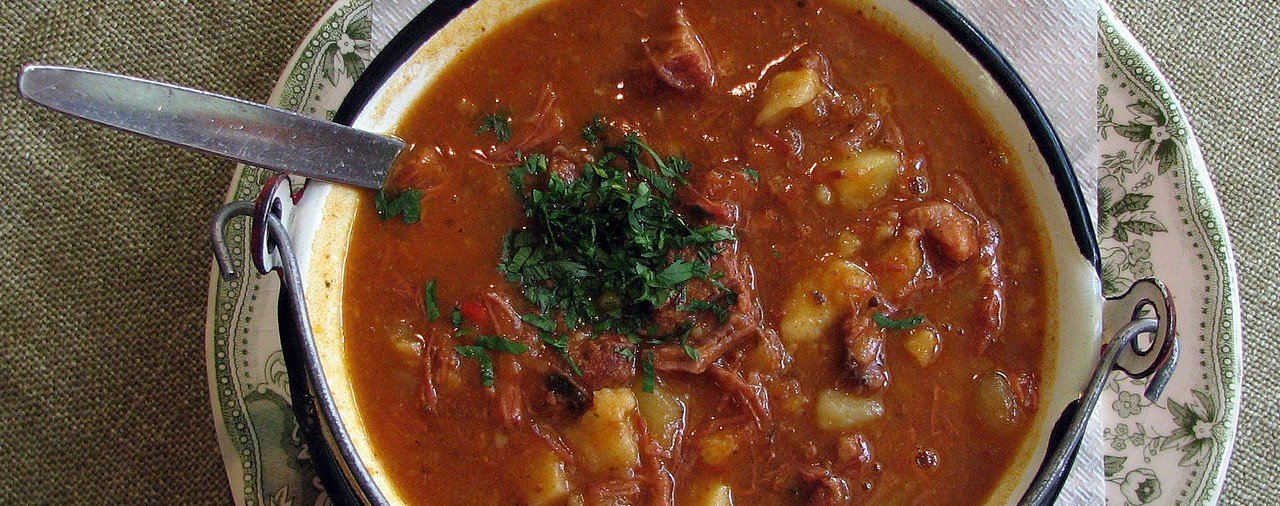
    📌 See Wines and Beverages