HO AGGIUNTO 4 E 5 PER AVERE LE VOCI ELENCO PER I TOUR COMPLETO
QUI DI SOTTO INVECE C’E’ IL MODELLO PER LO SVILUPPO INDICE DI TC, NEL BLOCCO HTML HO MESSO 5 PERCORSI MA SE NE SERVONO DI PIU’ SI POSSONO AGGIUNGERE E OVVIAMENTE POI BISOGNA METTERE GLI ANCHOR AGGINTIVI #parte6 ecc, E OVVIAMENTE UNIFORMARE LE AGGIUNTE NELLA PAGINA
DESCRIZIONE PERCORSO LO USO IN 1G + 3G MONO MAPPA, MENTRE IN TUTTI GLI ALTRI CASI USO IL TITOLO PANORAMICA +++++++++++ LA NOTA SOTTO E’ SOLO PER LE PAGINE CON PANORAMICA E DUNQUE MULTI MAPPA, SUBITO SOTTO LA NOTA DEVO METTERE UNO SPAZIO VUOTO 25PX OPPURE LO APSAZIO 50PX E IL TITOLONE SU MAPPE E DETTAGLI
📌 All walking routes are connected (shared stop 🧩), so you always have continuity if you want to skip one or more stops. See also Itinerary Info.
Routes: Maps, Descriptions, Details
+++++++++++++++++ ATTENZIONE +++++++++++++++++ SOLO PER GLI ITINERARI MONO MAPPA, L’ANCORAGGIO QUI SOTTO VA CAMBIATO, DA parte1 DIVENTA mappaPERCHE’ parte1 è il Mattina in DETTAGLIO TAPPE
* These values may differ from those shown on Google Maps, as they are continuously recalculated in real time. See also Itinerary Info and Navigator + See here for Shared Stop 🧩
NELLE VERSIONI 1G E 3G A MAPPA UNICA, QUI SEGUE DIRETTAMENTE IL DETTAGLIO DELL’ITINERARIO SENZA ALCUN BLOCCO DETTAGLI
>>>>>> DI CONSEGUENZA TUTTO QUELLO CHE VIENE DA DESCRIZIONE PERCORSO (COMPRESO) QUI SOTTO FINO A MANGIARE (ESCLUSO) E’ DA CANELLARE <<<<<<
+ MENTRE PER I 3G E TC CHE HANNO PIU’ MAPPE SEGUE LA DESCRIZIONE PERCORSO (ATTENZIONE: devo vedere per i 3G con piu’ percorsi perche’ Firenze 3g era monopercorso, di conseguenza anche il titolo sopra DESCRIZIONE PERCORSO E’ DA CAMBIARE)
* These values may differ from those shown on Google Maps, as they are continuously recalculated in real time. See also Itinerary Info and Navigator + See here for Shared Stop 🧩
* These values may differ from those shown on Google Maps, as they are continuously recalculated in real time. See also Itinerary Info and Navigator + See here for Shared Stop 🧩
* These values may differ from those shown on Google Maps, as they are continuously recalculated in real time. See also Itinerary Info and Navigator + See here for Shared Stop 🧩
* These values may differ from those shown on Google Maps, as they are continuously recalculated in real time. See also Itinerary Info and Navigator + See here for Shared Stop 🧩
Route Description
SUMMARY
Expand STEP DETAIL
QUESTO WIDGET CON I 2 SPAZI VUOTI VA BENE PER LE VERSIONI 3G + TC MENTRE IN 1G VA TOLTO E MESSO UNO SPAZIO VUOTO DA 1PX
Eating
Sleeping
📊 Itinerary Table
Scroll the table down and to the right 📱🔄 Rotate your phone horizontally to get an overview of opening days, hours, prices of attractions, and for further details on Wikipedia 🌐 and Google Maps ➡️.
⚠️ Always check the opening days and hours of attractions through the Google Maps entries linked in the table. See also Itinerary Info and/or Navigator Info.
To see the explanation of each data column, click its title (e.g. Attractions Index, Ratings, Org, etc.) at the top of the table.
Itinerary Info: How to Understand and Experience Each Route
Quick Guide to Using Google Maps & Turplan360 Tables
Our itineraries are created by integrating Google Maps with the 📊 Turplan360 Tables: a visual tool to help you navigate and a structured system to efficiently organize times, distances, and stops.
📌 No need to read everything; you can consult only the sections that interest you by clicking the items in the index.
Cattedrale di San Giusto (X) → Museo d’Antichità “J.J. Winckelmann” (A) → Basilica di San Silvestro (B) → Arco di Riccardo (C) → Museo Joyce (D) → Basilica paleocristiana Madonna del Mare (E) → Museo Civico Sartorio (F) → Museo Revoltella (G) → Acquario Marino di Trieste (H) → Civico Museo d’Arte Orientale (I-X*) 🧩
* These values may differ from those shown on Google Maps, as they are continuously recalculated in real time. See also Itinerary Info and Navigator + See here for Shared Stop 🧩
ROUTE TITLE
Route Title (in this case: Trieste in 3 Days > Day 1) on colored background (red): the background matches the one used in the tables that title and detail the same route, helping users visually associate the two tools. This is especially useful for multi-map tours, like in this Trieste example, which supports 3 different Google Maps/Table routes: red for day 1, green for day 2, and yellow for day 3.
GOOGLE MAPS MAP
Thanks to Google Maps, users immediately see the route with stops, distance, time, and travel mode, along with an aerial overview in relief or satellite view. The map can be consulted even without enabling the phone’s geolocation. Once enabled, simply click “other options” to open the screen and start navigation.
ROUTE MAP BOX
This box contains all the essential information for the route, such as:
Route Map clickable here too, to open the itinerary in Google Maps Navigator.
Mode, distance, travel time: sometimes these values—especially for car routes where traffic affects times—may differ from those shown on Google Maps as it is always recalculated in real time.
Visit Duration: 5 hours; this is the sum of the estimated visit times listed in the table for each attraction in the itinerary (here, the first day of the 3-day Trieste tour has an estimated 5-hour visit).
Main and Secondary Stops: shows the total number of attractions in the itinerary, from the starting stop X to the final stop I and related sub-stops (see details in Itinerary Table 📊).
Main Stops Sequence: allows you to see at a glance the order of the main stops along the route (here: Cattedrale di San Giusto (X) → Museo d’Antichità “J.J. Winckelmann” (A) → Basilica di San Silvestro (B) → Arco di Riccardo (C) → etc.), consistent with the Google Maps route and Table.
📊 Itinerary Table
📌 To see the explanation of each data column in the table, click on its title (e.g. Attraction Index, Ratings, Hours, etc.) at the top.
Tourplan360 itineraries are designed following a precise criterion: to minimize distances between attractions and organize the day logically based on the opening hours of the main monuments and museums.
The sequence of stops is therefore structured to allow a smooth visit from morning to evening, alternating attractions with specific opening hours and places that are always accessible such as squares, parks, and viewpoints of the destination. Let’s look in more detail, using the Trieste in 3 days itinerary as an example:
This row is always placed below the name of the destination, in this case Trieste. As shown in the table, the route title has a red background, consistent with the Route Title in the Map Block. Scrolling to the right, we find the following data:
Route type, linear as in this case, but it could also be circular or wedge-shaped.
Then we reach the link ➡️ that opens the itinerary on Google Maps.
Immediately after, still on a red background, a number is shown—5 in this case (5 hours)—which indicates the total estimated visit time of the itinerary (this is the same number shown in the Map Block > Visit Duration). As already explained, this number is simply the sum of the estimated visit times for all the attractions in the itinerary, clearly displayed in bold in the same column. The numbers shown in red (excluded from the total) instead indicate the distribution of visit hours across the different days of the multi-map tour.
Movement Block – This is followed by 4 values indicating: P on foot, travel time 0.37 minutes, distance 2.6 km in C, which stands for City Center or Historic Center.
ATTRACTION ROWS
By Attraction Rows we mean all the rows dedicated to each attraction in the itinerary, such as Cattedrale di San Giusto, Museo d’Antichità “J.J. Winckelmann”, Basilica di San Silvestro, etc. After the first columns dedicated to Ratings, Organizations, Categories, Types, and Wikipedia links, we move into the core itinerary data:
As in the previous case, each attraction also has its own Google Maps ➡️ link. However, this link does not open the itinerary, but rather the specific Google Maps location related to the selected attraction.
💡 As often happens, users use these links to customize their itinerary.
For explanations about the Stops Column, please refer to the detailed section in Attractions Table Legend > Stops. However, here we take the opportunity to clarify some important concepts:
Each itinerary can include up to 10 main stops (X, A, B, C, D, E, F, G, H, I), since Google Maps does not allow more than 10 waypoints.
⚠️ Attention: the starting stop X and the final stop I are a convention used only within the table. Google Maps, in fact, does not assign any letter to starting and ending points.
Shared Stops 🧩: due to the 10-stop limit imposed by Google Maps, for multi-map tours like this one, the walking routes for the first and second day are connected, allowing users to maintain continuity if they wish to skip one or more stops and merge the two routes.
Therefore, in the table, shared stops are always marked with a purple background cell and the label X-I or I-X depending on their position. In Google Maps, shared stops are repeated to link the routes, meaning that the final stop of one itinerary is also the starting point of the next.
For the Movement Block columns (see details 🔗) mentioned above, and the Notes columns (see details 🔗), please refer to the Attractions Table Legend.
MONTHS, DAYS, HOURS COLUMNS
For the Months, Days, and Attraction Opening Hours columns, please refer to the dedicated sections in Attractions Table Legend > Calendar Columns. Here, however, we clarify another key aspect for fully understanding the itineraries.
As mentioned earlier, although the stop sequence is carefully designed to ensure a smooth visit based on attraction schedules, extraordinary closures, public holidays, or seasonal changes may affect opening hours.
For this reason, it is always recommended to check updated information (via the ➡️ Google Maps link in the table) before your visit. This allows users to easily adapt the itinerary without missing the most important stops.
Navigator
📌 Some of the content in this section has already been covered in previous sections.
Every day, about one in four people on the planet use Google Maps to navigate their movements. For this reason, all Tourplan360 itineraries are developed based on this satellite navigator.
If you were redirected to this Navigator section, we reiterate below 3 key points discussed above:
The maps associated with each route are already set with the main stops in the correct order, allowing simple and immediate navigation along the entire itinerary.
It is important to note that Google Maps allows a maximum of 10 stops per single route. For this reason, in multi-map tours, itineraries may be divided into multiple connected parts (see Shared Stops 🧩).
Thanks to the Tourplan360 Table system, each route is designed to ensure continuity of movement: even skipping one or more stops, it will always be possible to continue without interruption following the logic of the route (see Itinerary Table).
💡 You can start from any point of the route, but …
Recommended Starting Point – When opening a route map on Google Maps, it is natural to begin from the point closest to your location. However, to best follow the route logic, we recommend starting from the first stop listed in the table (point X or I-X/X-I).
What happens if I start from another point – You can start from any point of the route without compromising the experience. In this case, just locate the nearest stop on the map and continue following the logical order of the subsequent stops.
SKIP STOPS WITHOUT GETTING LOST
💡 If you skip some stops, nothing serious happens
Routes are flexible – Tourplan360 itineraries are designed to be flexible: it is not necessary to follow every single stop rigidly. If you decide to skip one or more stops, the route remains valid and easily navigable.
Connect the shared stops – This is possible thanks to the linear structure of the itineraries and the shared stops 🧩 system, which links the different points of the route. In this way, even if you modify the journey, it is always possible to maintain continuity without interruptions.
REAL TIMES AND DISTANCE ACCURACY
💡Times and distances may vary
Time and Distance Calculation – The times and distances indicated in the itineraries are calculated in real time by Google Maps. Travel times are estimated based on the preset mode, e.g., walking or driving, while distances refer to the actual route to be traveled (not a straight line).
Time and Distance Variations – It is important to consider that times and distances can vary due to different factors, such as traffic or possible detours for restricted areas due to construction or other reasons.
ITINERARY TABLE vs NAVIGATOR: WHO’S IN CHARGE?
💡In Tourplan360 itineraries, Google Maps and the table serve two different but complementary functions.
The Google Maps navigator is the operational tool: it guides you step by step along the route, helping you move easily from one stop to the next.
The itinerary table, instead, provides strategic control of the entire route: it allows you to have a complete overview of the stops, times, distances, and to better organize your visit.
PRACTICAL TIPS
💡 Small tips to get a great result
To best follow the itineraries during your visit, it is important to use your smartphone effectively, especially when using the Google Maps navigator.
Battery: make sure you have enough charge before starting the route. Continuous use of the navigator can quickly drain the battery, so having a power bank can be useful.
Disconnect the Geolocator: when visiting attractions such as museums, disconnect the geolocator but keep the Google Maps itinerary screen open. This will prevent unnecessary battery consumption. At the end of the visit, restart the phone’s geolocator and continue with the itinerary.
Connection: ensure you have a stable data connection. In some areas, especially abroad or in less covered zones, navigation may be slower.
Offline mode: you can download Google Maps in advance, allowing you to consult the maps even without an internet connection.
Zoom and orientation: use zoom to better view individual stops and orient yourself on the map to correctly follow the route, especially in historic centers with narrow streets.
These tips allow you to follow the itinerary more smoothly, avoiding interruptions and improving the overall experience during your visit.
L’Aquila, a city of suspended villages and mountains embracing the sky, invites you to get lost among ancient alleys, quiet squares, and landscapes that tell centuries of history.
📌 To get a more complete overview of some items in the index, click on the links to detailed pages +🔗
📌 Most of the references covered in this section are summarized in the Itinerary Table & Overview 📊 with further details on Wikipedia 🌐 and Google Maps ➡️ where available.
GEOGRAPHY
As seen from the satellite map below, L’Aquila is located in the heart of Abruzzo, set within a mountainous landscape of great natural impact. The city stretches along the Aterno River valley, at about 721 meters above sea level, and stands out for a balance between urban areas and wide natural spaces.
From the satellite, the urban boundaries emerge clearly, and above all, the strong presence of the mountain ranges surrounding the city, allowing an immediate understanding of its strategic location and geographic context.
🛰️ L’Aquila viewed from satellite:
North / North-East: the Gran Sasso d’Italia massif extends here, with impressive peaks and alpine landscapes included in the Gran Sasso e Monti della Laga National Park; locations such as Assergi and Campo Imperatore are popular for hiking and winter sports.
South: the hills lead towards the Majella massif, with a gentler but still mountainous terrain, featuring villages and natural areas of great scenic value.
East: the Aterno valley continues towards towns like San Demetrio ne’ Vestini and Popoli, creating a natural connection between the L’Aquila hinterland and the Adriatic area.
West: the territory opens towards the Abruzzo inland and connections to other cities, with routes leading towards Rieti and Rome, making L’Aquila a key passage point between Abruzzo and Lazio.
The location of L’Aquila, set in the heart of the central Apennines, makes it an ideal destination for nature lovers, hikers, and winter sports enthusiasts, while also serving as a strategic point to reach cities such as Teramo, Pescara, and Chieti.
HISTORY
L’Aquila, founded in the 13th century, has been from its origins an important political, cultural, and religious center of the central Apennines, distinguished by a history marked by growth, destruction, and rebirth.
Medieval Foundation (13th century): The city was established in 1254 by Frederick II of Swabia as a union of dozens of surrounding castles, with an organized urban layout and a strong autonomous identity.
Development and dominations: In the following centuries, L’Aquila grew as a significant commercial and cultural center, undergoing several dominations, including Angevin and Aragonese, which contributed to its economic and architectural development.
Modern Age: The city continued to develop between the 16th and 18th centuries, maintaining an important role in the Abruzzo hinterland, while facing seismic events and periods of decline that deeply shaped its urban structure.
Contemporary Age: The earthquake of April 6, 2009, was one of the most dramatic events in recent history, causing severe damage to the historic center; since then, L’Aquila has been undergoing a long and significant process of reconstruction and enhancement of its heritage.
MAIN ATTRACTIONS
L’Aquila boasts numerous monuments of great historical and artistic value:
Basilica of San Bernardino: Built in the 15th century, it is one of the masterpieces of the Renaissance in L’Aquila. The façade, rebuilt after the earthquake, still retains its original elegance.
Basilica of Santa Maria di Collemaggio: Built in 1287, it is famous for being the place where Pope Celestine V was crowned and for housing the Holy Door, opened every year during the “Perdonanza Celestiniana”.
Spanish Fortress: An imposing 16th-century fortress built under Spanish rule.
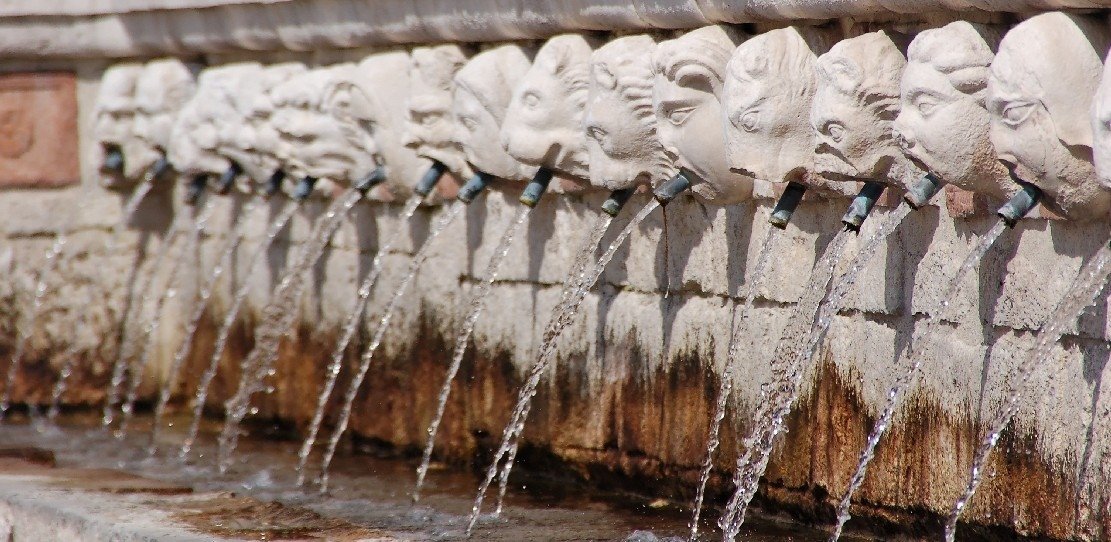
Fountain of the 99 Spouts: Built in 1272, this fountain is one of the city’s symbols, with 99 spouts from which pure water flows, each representing one of the castles that gave rise to L’Aquila.
MUNDA Museum: The National Museum of Abruzzo, offering a comprehensive overview of the region’s history, art, and culture.
L’Aquila is surrounded by some of the most beautiful natural areas in Italy:
Gran Sasso and Monti della Laga National Park: This park is a true natural gem, ideal for hiking, climbing, and for those who love unspoiled nature. It is also home to Corno Grande, the highest peak in the Apennines.
Campo Imperatore: Nicknamed “Little Tibet”, this vast plateau is the ideal place for trekking and cross-country skiing in winter. It is also home to the Astronomical Observatory and the famous hotel where Benito Mussolini was imprisoned in 1943.
Lake Campotosto: Another natural paradise, perfect for fishing enthusiasts and outdoor activities.
EVENTS & CELEBRATIONS
The Perdonanza Celestiniana: Since 1294, every year between August 28 and 29, this important religious and historical celebration takes place, culminating in the opening of the Holy Door of the Basilica of Santa Maria di Collemaggio. In 2019, UNESCO recognized the Perdonanza as an Intangible Cultural Heritage of Humanity.
FOOD & WINE AND RESTAURANTS
L’Aquila offers a rich gastronomic tradition, with restaurants, typical dishes, and local products that reflect the city’s culinary culture. To explore some of the most interesting highlights, please refer to the Itinerary Table & Overview 📊
PARKING & MOBILITY
L’Aquila is a compact city, with a historic center that can be easily explored on foot or by bicycle.
On Foot or by Bike: Visiting the center on foot or by bicycle allows you to discover hidden views and characteristic corners of the city.
Public Transport: Urban buses connect the main areas of the center with bus terminals and other strategic zones.
Parking: The main reference point for parking is the Collemaggio Terminal, with underground parking options and direct connections to urban buses.
Route Description
SUMMARY
This one-day itinerary will guide you through the historic heart of L’Aquila, exploring art, culture, and traditions. With a walking route of approximately 6.9 km and an estimated visit duration of 7 hours, you will discover the city’s most significant places, admiring historical architecture, picturesque corners, and important traces of the past.
💡 The route has been designed as a loop, allowing you to comfortably return to the starting point without retracing the same path, making the visit smoother and more organized.
Forte Spagnolo (X) → Fontana Luminosa (A) → Maxxi L’Aquila (B) → Piazza del Palazzo (C) → Basilica di San Bernardino (D) → Piazza del Duomo (E) → Basilica di Santa Maria di Collemaggio (F) → Villa comunale dell’Aquila (G) → Fontana delle 99 Cannelle (H) → MUNDA Museo Nazionale d’Abruzzo (I)
* These values may differ from those shown on Google Maps, as they are continuously recalculated in real time. See also Itinerary Info and Navigator + See here for Shared Stop 🧩
Morning
⬇️ starting point
X. Forte Spagnolo
Start at the majestic Forte Spagnolo, an imposing 16th-century structure and symbol of the city. Inside, it hosts events and temporary exhibitions. Admire the Parco del Castello, a large green area surrounding the fortress, perfect for a relaxing walk.
⬇️
A: Fontana Luminosa
Continue towards the Fontana Luminosa, an iconic fountain adorned with statues of women in traditional dress. This spot offers a beautiful panoramic view and is one of the most photographed places in the city.
⬇️
B: Maxxi L’Aquila
The Maxxi L’Aquila is the local branch of the National Museum of 21st Century Arts. Inside, you can explore contemporary art exhibitions that harmonize with the historic architecture of the hosting building.
⬇️
C: Piazza del Palazzo
Reach Piazza del Palazzo, a lively area that includes the Palazzo del Convitto. Continue towards the Quattro Cantoni, the city’s most famous historical crossroads, connecting the main street, Corso Vittorio Emanuele, full of shops and cafés.
⬇️
D: Basilica di San Bernardino
Visit the Basilica di San Bernardino (National Monument), a Renaissance masterpiece dedicated to Saint Bernardino of Siena. The richly decorated interior houses the saint’s tomb. This is one of the most important places of worship in L’Aquila.
Arrive in the heart of the city, Piazza del Duomo, dominated by the Cattedrale di San Massimo (National Monument), L’Aquila Cathedral. In the same square, find the picturesque Chiesa di Santa Maria del Suffragio, known as the Church of the Holy Souls. Don’t miss the Fontana Vecchia, a hidden little gem near the square.
⬇️
F: Basilica di Santa Maria di Collemaggio
The Basilica di Santa Maria di Collemaggio (National Monument) is one of L’Aquila’s most iconic monuments, famous for its white and pink stone façade and the Portale della Perdonanza. Inside lie the remains of Pope Celestino V.
⬇️
G: Villa Comunale
Reach the Villa Comunale dell’Aquila, a city park perfect for a break. Visit the nearby Palazzo dell’Emiciclo, home of the Abruzzo Regional Council, an example of elegant and monumental architecture.
⬇️
H: Fontana delle 99 Cannelle
One of the city’s most famous symbols, the Fontana delle 99 Cannelle is a medieval masterpiece linked to the legend of L’Aquila’s foundation. Each spout represents one of the castles that contributed to the city’s construction.
⬇️
I: MUNDA – Museo Nazionale d’Abruzzo
End the tour at MUNDA, a museum housing important artworks and historical artifacts from Abruzzo. It is located in a modern building that integrates well with the city’s historical tradition.
Off-Route Attractions
If you have extra time, it’s worth visiting:
Grotte di Stiffe: A natural wonder with stalactites, stalagmites, and stunning water features.
Parco Archeologico di Amiternum: Explore the ruins of this ancient Roman settlement, including the theater and Roman Amphitheater(National Monument).
Santuario della Madonna d’Appari: A sanctuary embedded in the rock, a place of peace and spirituality.
📌 The Sanctuary is visitable upon request. You can find the phone number on the Google Maps card clickable from the table link.
Dinner
End the day in one of L’Aquila’s typical restaurants, savoring traditional dishes along with local wines and products. See below What to Eat.
📊 Itinerary Table & Overview
In the table below, you will find all the information needed to make the most of your one-day visit to XXX:
Scroll the table down and to the right 📱🔄 Rotate your phone horizontally to get an overview of opening days, hours, prices of attractions, and for further details on Wikipedia 🌐 and Google Maps ➡️.
⚠️ Always check the opening days and hours of attractions through the Google Maps entries linked in the table. See also Itinerary Info and/or Navigator Info.
To see the explanation of each data column, click its title (e.g. Attractions Index, Ratings, Org, etc.) at the top of the table.
The best time to visit L’Aquila depends on your interests:
Winter: attracts winter sports enthusiasts, thanks to the proximity of the Campo Imperatore and Ovindoli ski resorts.
Spring and summer: ideal for hiking and outdoor activities, with pleasant weather and various cultural events.
Autumn: perfect for those who love the colors of nature and seasonal products such as mushrooms and chestnuts.
GETTING THERE
By car: L’Aquila is well connected thanks to the A24 motorway, which links it directly to Rome (about 100 km) and Teramo.
By train: L’Aquila train station is connected to the main Abruzzo cities and Rome, although services are not very frequent.
By bus: Several bus companies offer daily connections to and from Rome, Pescara, and other cities in Abruzzo.
By plane: The nearest airports are Pescara (see info page 🔗) and Rome Fiumicino (about 130 km).
✅ To search for or book a flight to/from XXX you can check Booking.com Flights. ✅ You can check routes, schedules, prices and buy train or bus tickets with Trainline. ✅ For car rentals you can refer to Booking.com Cars.
USEFUL TIPS
Book in advance if you plan to visit the city during the Perdonanza or other major events.
Clothing: Always bring a jacket or sweater, even in summer, as evenings can be cool due to the altitude.
Public transport: If you decide to visit the mountain areas, it is advisable to rent a car, as public connections may be limited.
WHAT TO EAT
The cuisine of L’Aquila is rich in genuine and authentic flavors, influenced by pastoral traditions:
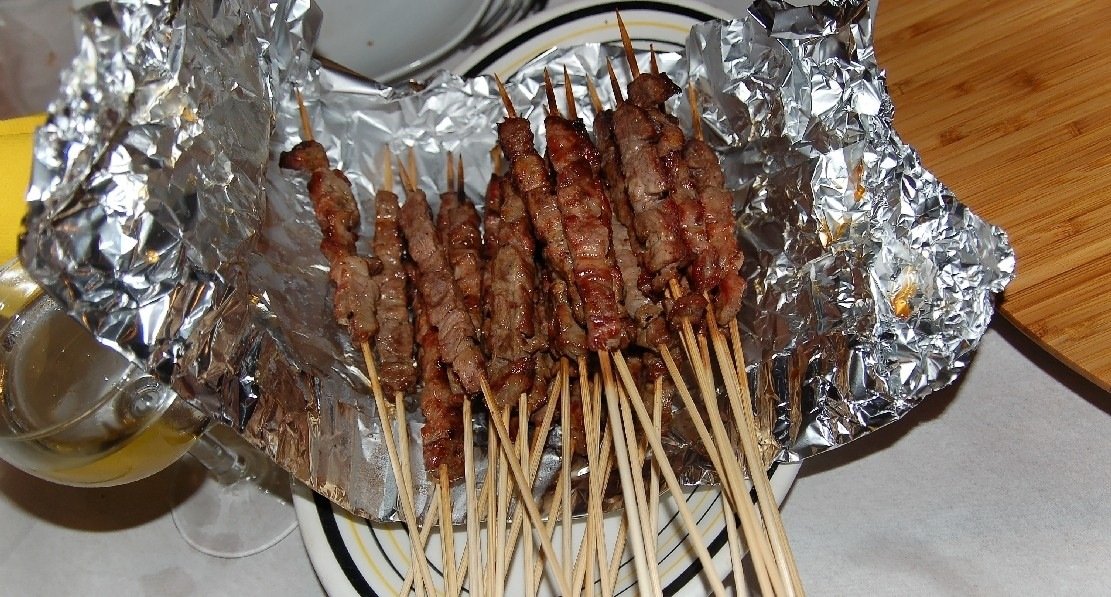
Arrosticini: Skewers of sheep meat, grilled and served with bread and oil.
Sagne e ceci: A homemade pasta dish paired with chickpeas and a simple garlic and tomato seasoning.
Spaghetti alla chitarra: Typical Abruzzo pasta, made using a special tool called a “chitarra,” served with meat ragù.
Formaggio pecorino: Abruzzo pecorino is one of the most appreciated in Italy.
For those who want to conveniently visit all the attractions of L’Aquila, the most practical solution is to stay in the historic center. Here you will find hotels, B&Bs, and apartments near Piazza del Duomo, Piazza Palazzo, and Corso Vittorio Emanuele II, just steps away from the main museums and monuments in the heart of L’Aquila. This choice allows you to explore the city on foot without wasting time on transfers and is ideal if you plan to follow itineraries connected to churches, museums, and central squares.
If you are looking for a quieter and more authentic experience, the Pettino district or the surroundings of San Giacomo offer accommodations surrounded by greenery, near parks and residential areas. This area allows you to combine cultural visits with moments of relaxation and is perfect for those who want to explore the outskirts and enjoy more peaceful views.
FAQ
Where can I find the map and the route description?
You can open the Route Map📍 from here as well.
Or you can check the dedicated paragraph with all details, divided into morning, afternoon, and evening.
How long does it take to visit L’Aquila in one day?
The itinerary allows you to visit the main attractions of the historic center in about 7 hours, excluding breaks and transfers between stops.
Can this itinerary be done on foot?
Yes. The route is about 6.9 km long and crosses the historic center, which is largely pedestrian and perfect for a relaxed walking tour.
Is it possible to do this itinerary in half a day?
Yes. In half a day, you can see only some of the main attractions of the historic center. You can adjust the stops according to your interests.
Where can I find opening days, hours, and ticket prices?
All updated information is available in the table dedicated to the itinerary, where direct links to Google Maps ➡️ and Wikipedia 🌐 are also provided for each attraction.
Florence Complete Tour – Part 2 guides you through the famous Michelangelo’s David and the city’s hidden gems, with walking routes and a driving itinerary dedicated to the Medici Villas, allowing you to experience Florence in a full and complete way.
If in Part 1 of the Florence Complete Tour the focus was on the city’s most important and famous attractions, in Part 2 the perspective changes: here you will find a mix of major attractions and hidden gems, often excluded from the typical mass tourism circuits. The only truly must-see attraction included is the Accademia Gallery with its famous David by Michelangelo, while the rest of the routes will allow you to discover interesting places, lesser-known museums, churches, and palaces that tell the story and art of Florence from different perspectives.
Florence Complete Tour – Part 2 is structured around five itineraries: four walking routes through the historic center and the Oltrarno district, and one driving itinerary dedicated to the Medici Villas and the surroundings of the city. In total, the estimated duration of the visits is about 43 hours, corresponding to full days of around 8 hours each, perfect for experiencing Florence without rushing.
📌 All walking routes are connected (shared stop 🧩), so you always have continuity if you want to skip one or more stops. See also Itinerary Info.
Museo Fondazione Scienza e Tecnica (I/X)🧩 → Chiostro dello Scalzo (A) → Basilica di San Marco (B) → Orto Botanico “Giardino dei Semplici” (C) → Museo Archeologico Nazionale di Firenze (D) → Museo Opificio delle Pietre Dure (E) → Spedale degli Innocenti (F) → Basilica della Santissima Annunziata (G) → Museo dè Medici (H) → Selfie Museum Firenze (I/X)🧩
* These values may differ from those shown on Google Maps, as they are continuously recalculated in real time. See also Itinerary Info and Navigator + See here for Shared Stop 🧩
Route Description
SUMMARY
The Science and Faith itinerary guides you through a cultural and scientific side of Florence on a route of about 2.6 km on foot with an estimated duration of 10 hours. It includes 10 main stops that traverse the historic heart of the city.
During the day, you can visit iconic places such as the Chiostro dello Scalzo and the Basilica of San Marco, explore the art and history of the Opificio delle Pietre Dure Museum, and complete the route with stops like the Spedale degli Innocenti and the Medici Museum. The itinerary offers a unique combination of science, art, and faith, telling the rich cultural heritage of Florence.
Expand STEP DETAIL
Morning
⬇️ starting point
I/X. Museo della Fondazione Scienza e Tecnica
Our itinerary begins with the Museo della Fondazione Scienza e Tecnica, an extraordinary collection of historical scientific instruments, machines, and educational models. The museum also includes the Museo FirST, an interactive path designed to explore the wonders of physics and technology. The visit concludes with the Planetario di Firenze, where visitors can explore the mysteries of the universe through spectacular projections.
📌Museo della Fondazione Scienza e Tecnica, Museo FirST, Planetario di Firenze can be visited upon request. The phone number can be found on the Google Maps card accessible from the table link.
⬇️
A. Chiostro dello Scalzo
Next, we reach the Chiostro dello Scalzo, a small Renaissance gem known for Andrea del Sarto’s monochrome fresco cycle, which depicts episodes from the life of Saint John the Baptist with an extraordinary chiaroscuro effect.
⬇️
B. Basilica di San Marco
Another unmissable stop is the Basilica di San Marco (National Monument), which houses the Museo Nazionale di San Marco, famous for Fra Angelico’s frescoes in the convent cells. Among the most celebrated works is the iconic “Annunciation.” The visit also includes the Cenacolo di San Marco, which preserves a Last Supper painted by Domenico Ghirlandaio.
⬇️
C. Orto Botanico “Giardino dei Semplici”
Founded in 1545 by the will of Cosimo I de’ Medici, the Giardino dei Semplici is one of the oldest botanical gardens in Europe. Here, visitors can admire a vast collection of exotic plants, centuries-old trees, and historic greenhouses, making it an oasis of peace in the heart of the city.
⬇️
D. Museo Archeologico Nazionale di Firenze
The Museo Archeologico Nazionale di Firenze hosts one of Italy’s most important collections of Etruscan, Greek, and Roman artifacts. Inside, there is also the Museo Egizio, the second most significant Egyptian collection in Italy after Turin, with statues, mummies, and papyri of great historical value.
⬇️
E. Museo Opificio delle Pietre Dure
The last stop of the morning is the Museo Opificio delle Pietre Dure, dedicated to the art of working semi-precious stones. Here, visitors can admire extraordinary inlays and mosaics made with refined Florentine techniques, as well as learn about the restoration work carried out by the institute.
The afternoon begins with a visit to the Spedale degli Innocenti, one of the first Renaissance institutions dedicated to childhood, designed by Filippo Brunelleschi. The Museo degli Innocenti tells the story of the orphanage through documents, artworks, and daily life testimonies.
⬇️
G. Basilica della Santissima Annunziata
Next, we arrive at the Basilica della Santissima Annunziata (National Monument), one of the most revered places of worship in Florence, famous for the miraculous Annunciation fresco. Inside is the Cappella di San Luca, home of the Compagnia di San Luca, the confraternity of Florentine artists. The visit also includes Piazza della Santissima Annunziata, a perfect example of Renaissance harmony, surrounded by elegant porticoes.
⬇️
H. Museo dè Medici
The visit continues at the Museo dè Medici, an exhibition dedicated to the history of the powerful Florentine family, featuring portraits, documents, and memorabilia related to the Medici. Inside is also the Rotonda del Brunelleschi, an interesting architectural space attributed to the famous Renaissance architect.
⬇️
I/X. Selfie Museum Firenze
The itinerary ends with an unusual stop: the Selfie Museum Firenze, an interactive museum dedicated to digital art and visual experience. Here, visitors can take photos in immersive installations and creative sets, combining fun and artistic innovation.
Selfie Museum Firenze (I/X)🧩 → Galleria dell’Accademia di Firenze (A) → Biblioteca Marucelliana (B) → Museo del Cenacolo di Sant’Apollonia (C) → Fortezza da Basso (D) → Basilica di Santa Maria Novella (E) → Orti Oricellari (F) → Chiesa di Ognissanti (G) → Officina Profumo (H) → Museo Novecento (I/X)🧩
* These values may differ from those shown on Google Maps, as they are continuously recalculated in real time. See also Itinerary Info and Navigator + See here for Shared Stop 🧩
Route Description
SUMMARY
The Accademia and Novella itinerary takes you to discover some of the most important artistic and cultural wonders of Florence on a route of about 3.5 km on foot with an estimated duration of 9 hours.
During the day, you can visit landmark places such as the Accademia Gallery of Florence and Michelangelo’s David, explore the history and frescoes of the Sant’Apollonia Complex, and complete the route with the Basilica of Santa Maria Novella and the Novecento Museum. The itinerary is of great artistic relevance, offering a complete experience of Florence’s art, history, and culture.
The tour begins with a visit to the famous Galleria dell’Accademia di Firenze 🔗, home of Michelangelo’s ultimate masterpiece: David di Michelangelo 🔗. Beyond the most famous Renaissance sculpture, the museum also houses the Prigioni, unfinished works showing the master’s creative process, and a wide collection of medieval and Renaissance paintings.
⬇️
B. Biblioteca Marucelliana
Next, we reach the Biblioteca Marucelliana, an elegant 18th-century institution preserving rare manuscripts, ancient volumes, and historical maps. It’s a perfect stop for those who love to immerse themselves in the history of Florentine literature and scholarship.
📌 Biblioteca Marucelliana is open by request. The phone number is available on the Google Maps card accessible from the table link.
⬇️
C. Museo del Cenacolo di Sant’Apollonia
The next stop is the Museo del Cenacolo di Sant’Apollonia, where visitors can admire the magnificent Last Supper fresco by Andrea del Castagno. The museum is part of the Complesso di Sant’Apollonia, an ancient Benedictine convent preserving an extraordinary testimony of 15th-century art.
⬇️
D. Fortezza da Basso
The last stop of the morning is the Fortezza da Basso, a powerful 16th-century military structure designed by Antonio da Sangallo the Younger for the Medici family. Today, the fortress hosts major cultural events and international fairs but still preserves its original defensive structure.
Afternoon
⬇️
E. Basilica di Santa Maria Novella
The afternoon begins with a visit to the Basilica di Santa Maria Novella (National Monument), one of Florence’s most beautiful churches, with its unmistakable marble façade designed by Leon Battista Alberti. Inside are masterpieces such as Giotto’s Crucifix and the famous Trinity fresco by Masaccio.
The visit also includes the Cappella Rucellai and the Cappella Tornabuoni, with frescoes by Domenico Ghirlandaio. The tour continues through the Complesso di Santa Maria Novella, which includes cloisters and the museum of the former Dominican convent. Finally, a stop at Piazza Santa Maria Novella allows visitors to admire the architectural harmony of one of the city’s most charming spaces.
⬇️
F. Orti Oricellari
The next stop is the Orti Oricellari (National Monument), a historic Renaissance garden linked to the Rucellai family, once a meeting place for scholars and philosophers. This hidden green corner offers a tranquil atmosphere, perfect for a refreshing break.
⬇️
G. Chiesa di Ognissanti
The tour continues with a visit to the Chiesa di Ognissanti, home to masterpieces by artists such as Giotto and Botticelli (who is buried here). Next to it is the Cenacolo di Ognissanti, frescoed by Domenico Ghirlandaio, featuring one of the finest representations of the Last Supper.
⬇️
H. Officina Profumo
A hidden gem in Florence is the historic Officina Profumo-Farmaceutica di Santa Maria Novella, active since the 13th century and famous for producing perfumes, essences, and cosmetics with ancient herbal formulas. A unique sensory experience combining art and tradition.
⬇️
I/X. Museo Novecento
The tour concludes with a visit to the Museo Novecento, dedicated to 20th-century Italian art. The museum houses works by great artists such as Giorgio De Chirico, Guttuso, and Morandi, offering a modern and contemporary perspective to beautifully close this journey through Florentine history and culture.
Museo Novecento (I/X)🧩 → Basilica di Santa Maria del Carmine (A) → Fontana dello Sprone (B) → Ponte Santa Trinita (C) → Basilica di Santa Trinita (D) → Museo Scarpa Salvatore Ferragamo (E) → Palazzo Davanzati (F) → Chiesa dei Santi Apostoli (G) → Palazzo Corsini al Parione (H) → Palazzo Rucellai (I/X)🧩
* These values may differ from those shown on Google Maps, as they are continuously recalculated in real time. See also Itinerary Info and Navigator + See here for Shared Stop 🧩
Route Description
SUMMARY
The Art and Palaces itinerary guides you through the rich architecture and splendid historic palaces of Florence on a route of about 2.6 km on foot with an estimated duration of 6 hours.
During the day, you can visit places of notable artistic and cultural interest off the beaten tourist path, such as the Basilica of Santa Maria del Carmine with the famous Brancacci Chapel, stroll to Ponte Santa Trinita, and discover the charm of the Basilica of Santa Trinita and the Sassetti Chapel. Complete the route with visits to museums and historic palaces such as the Scarpa Salvatore Ferragamo Museum and Palazzo Davanzati, offering glimpses of squares and Renaissance architecture.
The tour begins with a visit to the Basilica di Santa Maria del Carmine (National Monument), famous for the Cappella Brancacci, a true gem of the early Renaissance. Here you can admire the wonderful frescoes by Masaccio and Masolino, including the famous “Payment of the Tribute”, a work that marks a turning point in art history thanks to its innovative use of perspective.
⬇️
B. Fontana dello Sprone
Next, you come across the Fontana dello Sprone, a small and charming fountain located at the corner of via dello Sprone and Borgo San Jacopo. This Baroque fountain, decorated with a bronze mask, represents a picturesque corner of the Oltrarno district.
⬇️
C. Ponte Santa Trinita
The route continues with the evocative crossing of the Ponte Santa Trinita, one of the most elegant bridges in Florence. Faithfully rebuilt after its destruction in World War II, it offers a spectacular view of the Ponte Vecchio and the Arno River.
⬇️
D. Basilica di Santa Trinita
After crossing the bridge, you reach the Basilica di Santa Trinita, a Gothic church housing extraordinary Renaissance frescoes. The Cappella Sassetti, decorated by Domenico Ghirlandaio, contains a magnificent cycle of frescoes dedicated to the life of Saint Francis and an important Adoration of the Shepherds.
The journey continues into the world of fashion with a visit to the Museo della Scarpa Salvatore Ferragamo, located inside Palazzo Spini Feroni. This museum celebrates the history and creativity of the famous Italian designer, featuring a collection of iconic shoes, sketches, and photographs that illustrate the evolution of the Ferragamo brand.
⬇️
F. Palazzo Davanzati
The tour continues with Palazzo Davanzati, a perfect example of a medieval Florentine residence. The museum inside the palace preserves furnishings, frescoes, and period objects, offering a fascinating immersion into domestic life in the 14th and 15th centuries.
⬇️
G. Chiesa dei Santi Apostoli
The next stop is the Chiesa dei Santi Apostoli, one of the oldest churches in Florence. This small, little-known Romanesque gem offers an intimate atmosphere and valuable works of art, including paintings and frescoes attributed to the Giotto school.
⬇️
H. Palazzo Corsini al Parione
The tour continues with another hidden gem, Palazzo Corsini al Parione, one of Florence’s most spectacular noble residences. The Baroque building houses an extraordinary private art collection, featuring works by Caravaggio, Luca Giordano, and Guercino.
📌 Visiting Palazzo Corsini al Parione requires a reservation. The phone number is available on the Google Maps card accessible from the table link.
⬇️
I/X. Palazzo Rucellai
The route concludes with a visit to Palazzo Rucellai, a masterpiece of Renaissance architecture designed by Leon Battista Alberti. Considered one of the most harmonious buildings in Florence, the palace is a symbol of Florentine elegance and architectural refinement.
Palazzo Rucellai (I/X)🧩 → Museo Marino Marini (A) → Chiesa dei Santi Michele e Gaetano (B) → Palazzo Strozzi (C) → Piazza della Repubblica (D) → Chiesa di Santa Maria Maggiore (E) → Museo di Casa Martelli (F) → Leonardo Interactive Museum (G) → Palazzo Medici Riccardi (H) → Mercato Centrale Firenze (I)
* These values may differ from those shown on Google Maps, as they are continuously recalculated in real time. See also Itinerary Info and Navigator + See here for Shared Stop 🧩
Route Description
SUMMARY
Another route with attractions off the usual circuits, the Strozzi and Leonardo itinerary takes you to discover some of the most fascinating places in the historic center of Florence along a route of about 2.5 km on foot, with an estimated duration of 10 hours.
During the day, you can discover historical sites such as Palazzo Strozzi, one of the most elegant examples of Florentine Renaissance architecture, stroll through Piazza della Repubblica, and visit the refined Casa Martelli Museum. The itinerary continues with experiences dedicated to the genius of Leonardo da Vinci at the Leonardo Interactive Museum and the Leonardo Da Vinci Museum, reaching the historic Palazzo Medici Riccardi and the lively Mercato Centrale Florence.
The tour begins with a visit to Museo Marino Marini, dedicated to the 20th-century artist famous for his modernist sculptures and paintings. The museum is housed in a deconsecrated church and represents a fascinating fusion of contemporary art and historic architecture. Inside there is also the Cappella Rucellai o del Santo Sepolcro, a small Renaissance masterpiece designed by Leon Battista Alberti.
⬇️
B. Chiesa dei Santi Michele e Gaetano
Continuing along the itinerary, you reach the Chiesa dei Santi Michele e Gaetano, one of the most beautiful Baroque churches in Florence. Located in Piazza Antinori, the church features an imposing façade and an interior rich in frescoes and marble decorations.
⬇️
C. Palazzo Strozzi
The third stop is the majestic Palazzo Strozzi, one of the greatest examples of Florentine Renaissance architecture. Today it hosts important temporary exhibitions of modern and contemporary art, as well as an inner courtyard that represents a perfect example of architectural harmony.
⬇️
D. Piazza della Repubblica
Continuing on, you reach Piazza della Repubblica, the modern heart of the city. This square, once home to the old ghetto and the Mercato Vecchio, is now a lively meeting place surrounded by historic literary cafés such as Caffè Gilli and Caffè Paszkowski.
⬇️
E. Chiesa di Santa Maria Maggiore
The itinerary continues with the Chiesa di Santa Maria Maggiore (National Monument), one of the oldest churches in Florence. Of early Christian origin, the church preserves medieval frescoes and a legend linked to the mysterious “Stone Head” embedded in its façade.
⬇️
F. Museo di Casa Martelli
The final stop of the morning is the Museo di Casa Martelli, a historic residence that preserves the furnishings and art collections of the noble Martelli family. The museum offers a glimpse into Florentine aristocratic life between the 17th and 18th centuries.
After the lunch break, the tour resumes with a visit to the Leonardo Interactive Museum and the Museo Leonardo Da Vinci. These exhibition spaces offer an interactive experience, with working reproductions of the inventions of the Tuscan genius and detailed explanations of his studies.
⬇️
H. Palazzo Medici Riccardi
The itinerary continues with Palazzo Medici Riccardi, one of the first Renaissance residences of the Medici family. The building houses the extraordinary Cappella dei Magi, frescoed by Benozzo Gozzoli with a pictorial cycle depicting the procession of the Magi, a symbol of Medici power and prestige.
⬇️
I. Mercato Centrale Firenze
The tour concludes with an unmissable stop: Mercato Centrale Firenze. Located in the San Lorenzo district, this covered market is the ideal place to discover the authentic flavors of Tuscan gastronomic tradition, among stalls of fresh products and restaurants serving local cuisine.
Museo Stibbert (X) → Villa medicea di Careggi (A) → Villa La Quiete (B) → Villa Corsini a Castello (C) → Giardino della Villa Medicea di Castello (D) → Villa Medicea del Poggio Imperiale (E) → Certosa di Firenze (F) → Villa Favard (G) → Giardino di Villa Gamberaia (H) → Parco di Villa il Ventaglio (I)
* These values may differ from those shown on Google Maps, as they are continuously recalculated in real time. See also Itinerary Info and Navigator + See here for Shared Stop 🧩
Route Description
SUMMARY
The Medici Villas itinerary is the only one of the 9 Complete Florence Tours to be done by car, as it takes you to discover the historic residences of the Medici family, some of which are UNESCO World Heritage Sites.
During the 44.2 km route with an estimated duration of 8 hours, you can visit remarkable sites such as the Stibbert Museum, the elegant residences of the Villa Medicea of Careggi and Villa La Petraia, as well as the beautiful gardens of the Villa Medicea of Castello. The itinerary continues through monumental complexes such as the Certosa of Florence and the panoramic Garden of Villa Gamberaia, offering a journey through Renaissance architecture, nature, and history.
Expand STEP DETAIL
Morning
⬇️ starting point
X. Museo Stibbert
The tour begins with a visit to Museo Stibbert, a fascinating house-museum created by the collector Frederick Stibbert. The museum houses a vast collection of weapons, armor, costumes and works of art, with particular attention to European medieval and Renaissance art, as well as pieces from Asia and the Middle East.
⬇️
A. Villa medicea di Careggi
The itinerary continues to Villa medicea di Careggi (UNESCO World Heritage Site), one of the most important residences of the Medici family. Here Lorenzo the Magnificent spent much of his life and hosted meetings of the Neoplatonic Academy. The villa preserves historical frescoes and furnishings, as well as a charming Italian-style garden.
⬇️
B. Villa La Quiete
The third stop is Villa La Quiete, once the summer residence of the nuns of San Jacopo di Ripoli and later owned by the Medici family. The villa houses frescoes by artists such as Giovanni da San Giovanni and preserves an evocative seventeenth-century garden.
📌 XVilla La Quiete can be visited upon request. You will find the phone number in the Google Maps listing accessible from the clickable link in the table.
⬇️
C. Villa Corsini a Castello
You then arrive at Villa Corsini a Castello (UNESCO World Heritage Site), one of the most elegant villas in the Florentine area. The villa hosts a valuable collection of ancient sculptures, including Etruscan and Roman artifacts, donated to the city of Florence by the Corsini family.
📌 Villa Corsini a Castello can be visited upon request. You will find the phone number in the Google Maps listing accessible from the clickable link in the table.
⬇️
D. Giardino della Villa Medicea di Castello
The itinerary continues with a double stop: Giardino della Villa Medicea di Castello and Villa La Petraia (UNESCO World Heritage Site). The garden is one of the best examples of an Italian-style garden, with fountains, statues and an impressive geometric layout. Villa La Petraia, on the other hand, is famous for its frescoes and for having been one of the favorite residences of Vittorio Emanuele II.
📌 Villa La Petraia can be visited upon request. You will find the phone number in the Google Maps listing accessible from the clickable link in the table.
In the afternoon, the tour continues with a visit to Villa Medicea del Poggio Imperiale (UNESCO World Heritage Site), located on the hills south of Florence. This sumptuous Medici residence, now home to an educational institute, still preserves interior decorations in neoclassical and baroque styles.
Note: Villa Medicea del Poggio Imperiale can be visited by reservation. You will find the phone number in the Google Maps listing accessible from the clickable link in the table.
⬇️
F. Certosa di Firenze
The itinerary continues toward the majestic Certosa di Firenze, a monastic complex located on a hill with panoramic views over the city. Founded in the 14th century, the charterhouse hosts frescoes by Pontormo and preserves impressive architecture, with cloisters and monastic spaces of great charm.
⬇️
G. Villa Favard
The next stop is Villa Favard, a refined 19th-century residence set within a centuries-old park. The villa, now home to academic institutions, retains its historical charm thanks to its elegant interiors and decorations.
⬇️
H. Giardino di Villa Gamberaia
Continuing on, you reach Giardino di Villa Gamberaia, one of the jewels of the Florentine landscape. This Italian-style garden, with panoramic terraces and water features, is considered one of the most charming in Europe and offers breathtaking views of Florence.
⬇️
I. Parco di Villa il Ventaglio
The itinerary concludes with a walk through Parco di Villa il Ventaglio, a green oasis at the gates of the city. This historic park is perfect for relaxing after an intense day of visits, thanks to its tree-lined paths and peaceful atmosphere.
During each itinerary, indulge in a culinary experience at the restaurants located along the routes. You can taste some of the most famous Florentine specialties such as: bistecca alla fiorentina, ribollita, or pappa al pomodoro, all accompanied by a glass of excellent Chianti (see also What to eat in Florence).
Along the Science and Faith itinerary, you can enjoy a light and traditional lunch at Cibrèo Trattoria or try creative dishes at Cibrèo Ristorante, both located in central areas convenient for continuing your visits.
During the Accademia and Novella itinerary, you can stop at Ristorante Oliviero 1962 for a refined lunch or at Trattoria Mario for a typical Florentine experience highly appreciated by locals.
For those following the Art and Palaces route, we recommend Ristorante & Wine Bar dei Frescobaldi, perfect for an elegant lunch with local products.
At the end of the Strozzi and Leonardo itinerary, you can stop at Borgo San Jacopo for a refined dinner overlooking the Arno.
For those who want to comfortably visit all the stops of the Florence Complete Tour Part 2, the most practical solution is to stay in the historic center, particularly in the areas around Piazza della Repubblica, Piazza Santa Maria Novella, and Piazza della Signoria. Here you will find boutique hotels, apartments, and guesthouses just steps away from the routes related to Accademia and Novella and Strozzi and Leonardo. This choice allows you to move on foot between museums, churches, and palaces without wasting time on transfers, ideal for those who want to follow the main highlights of the city.
For those seeking a more authentic and relaxed experience, the Oltrarno area is perfect: accommodations along the Arno River, in the Santo Spirito district, or near Palazzo Pitti and the Boboli Gardens allow you to combine cultural visits with a quieter atmosphere, historic cafes, and artisan shops. This area is ideal for the Art and Palaces and Gardens and Panoramas routes, offering a more direct connection with the historic Oltrarno and its gardens.
If you want to experience the city surrounded by greenery and with unique views, properties located on the hills around Forte Belvedere, Bardini Garden, and Piazzale Michelangelo, or near the Medici Villas such as Villa La Petraia and Villa del Poggio Imperiale, offer spectacular views of Florence. They are the best choice for those who want to combine the tour of gardens, panoramas, and Medici villas with relaxing moments away from the crowds.
To discover the most convenient and recommended accommodations, see also Where to sleep in Florence: Info and Tips. You will find specific suggestions for choosing the right district based on the routes you plan to follow and the type of experience you want to have.
📊 Itinerary Table
The following table details all the stops of the five routes of the Florence Complete Tour Part 2, to help you optimize your visit.
Scroll the table down and to the right 📱🔄 Rotate your phone horizontally to get an overview of opening days, hours, prices of attractions, and for further details on Wikipedia 🌐 and Google Maps ➡️.
⚠️ Always check the opening days and hours of attractions through the Google Maps entries linked in the table. See also Itinerary Info and/or Navigator Info.
To see the explanation of each data column, click its title (e.g. Attractions Index, Ratings, Org, etc.) at the top of the table.
Yes, the first four itineraries of the tour are designed to be walked between museums, churches, squares, and gardens in the historic center. The last route, dedicated to the Medici Villas, is outside Florence city.
How much time is needed to complete Part 2 of the tour?
Part 2 of the Florence Complete Tour involves approximately 43 hours of visiting across 5 routes, all designed to be completed in one day each (around 8 hours per itinerary, more or less).
Where can I find days, hours, and prices of the attractions?
All up-to-date information is available in the Itinerary Table 📊, with direct links to Google Maps and Wikipedia for further details.
Florence Complete Tour is an in-depth journey into the heart of one of the most fascinating cities in the world, as each route allows you to discover both the most famous attractions and the city’s hidden, authentic corners.
In perfect TourPlan360 style, Florence Complete Tour offers a true 360-degree analysis of the city’s attractions, aiming to satisfy these 3 key aspects:
Going beyond mass tourist circuits
Highlighting the many hidden gems
Experiencing the very essence of the city
Florence Complete Tour is therefore designed both for first-time visitors who want to explore the city in depth, and for those who have already been to Florence (or even locals) seeking to discover something new. Some numbers to give you an idea:
Overall, the tour includes 9 thematic itineraries, all mapped with Google Maps and easily customizable according to your interests, for a total estimated duration of 90 hours with over 150 points of interest, including:
49 museums
39 places of worship
20 villas and palaces
16 monuments
12 squares, markets, and neighborhoods
9 historic gardens and viewpoints
Eight itineraries take place on foot within Florence’s historic center, while the last one is designed to explore the Medici villas outside the city, reachable by car.
On this page you will find the first four routes, which make up Part 1 of Florence Complete Tour. On the next page dedicated to Part 2, you will find the remaining five itineraries, with all attractions and detailed routes.
📌 All walking routes are connected (shared stop 🧩), so you always have continuity if you want to skip one or more stops. See also Itinerary Info.
Visit duration: 20 hours divided into 10 hours per day for 2 days
Stops: 10 main (X →I/X)* + 18 secondary
Duomo di Firenze (X) → Basilica di San Lorenzo (A) → Museo di Antropologia ed Etnologia (B) → Museo Casa di Dante (C) → Chiesa di Orsanmichele (D) → Museo Nazionale del Bargello (E) → Museo Franco Zeffirelli (F) → Museo Gucci (G) → Palazzo Vecchio (H) → Galleria degli Uffizi (I/X) 🧩
* These values may differ from those shown on Google Maps, as they are continuously recalculated in real time. See also Itinerary Info and Navigator + See here for Shared Stop 🧩
Route Description
SUMMARY
This 2-day itinerary takes you through the historic heart of Florence, following a walking route of approximately 1.9 km among some of the most emblematic sites of the UNESCO World Heritage historic center. Along the route, you can explore the monumental complex of the Duomo di Firenze with the Battistero di San Giovanni and the Cupola del Brunelleschi, visit the Basilica di San Lorenzo and the Cappelle Medicee, and reach Piazza della Signoria and the majestic Palazzo Vecchio, the political and symbolic heart of the city.
Expand STEP DETAIL
Day 1
⬇️ starting point
X. Duomo di Firenze
We start our tour by visiting one of the most iconic sites in Florence, the Duomo di Santa Maria del Fiore 🔗 (National Monument), located in the heart of the city. The entire complex, which includes the cathedral, the Museo dell’Opera del Duomo, the Battistero di San Giovanni, and the famous Cupola del Brunelleschi 🔗, is an extraordinary work that showcases centuries of history and art. Visits also include the Cripta di Santa Reparata and the Campanile di Giotto 🔗, as well as the Piazza Duomo, a central reference point for the entire city.
📌 Visiting the Cupola del Brunelleschi requires a reservation. You can find the phone number on the clickable Google Maps link in the table. 📌 During high tourist seasons, it is recommended to book in advance or join guided tours to avoid queues and ensure entry. See the detailed page 🔗.
⬇️
A. Basilica di San Lorenzo
The route continues with the Basilica di San Lorenzo, one of the oldest churches in Florence, designed by Filippo Brunelleschi. Inside the basilica are masterpieces such as the Sagrestia Vecchia and the Cappelle Medicee 🔗, designed by Michelangelo. Visiting the Sagrestia Nuova and the Biblioteca Medicea Laurenziana, which houses important manuscripts, completes this essential stop to understand the history of the Medici dynasty.
Day 2
⬇️
B. Museo di Antropologia ed Etnologia di Firenze
The second day takes us to the Museo di Antropologia ed Etnologia, an institution that collects and preserves ethnographic collections from around the world, offering an overview of different cultures and traditions.
⬇️
C. Museo Casa di Dante
We continue with a visit to the Casa di Dante(National Monument), a museum celebrating the life and works of Dante Alighieri, the father of the Italian language. Here, you can explore sites connected to his figure and poetry.
⬇️
D. Chiesa di Orsanmichele
The Chiesa di Orsanmichele, famous for its elegant sculptures and its role as an important center of devotion, also hosts the Museo di Orsanmichele, where works by artists such as Donatello and Ghiberti can be admired.
⬇️
E. Museo Nazionale del Bargello
A visit to the Museo Nazionale del Bargello 🔗, which exhibits a vast collection of Renaissance sculptures, allows us to appreciate works by artists such as Michelangelo and Donatello. Nearby is the Badia Fiorentina, an ancient monastery worth a stop.
⬇️
F. Museo Franco Zeffirelli
An immersion into cinematic art is a must at the Museo Franco Zeffirelli, which collects objects, costumes, and sets related to the films of the famous Italian director.
⬇️
G. Museo Gucci
A dive into fashion and luxury at the Museo Gucci, exploring the history of the famous Florentine brand through a collection of clothes, accessories, and advertising materials.
⬇️
H. Palazzo Vecchio
The route concludes with a visit to the majestic Palazzo Vecchio 🔗, symbol of Florence’s civic power. The Museo di Palazzo Vecchio hosts the Donazione Loeser and the famous Studiolo di Francesco I, providing insights into the life and works of the Medici court. Piazza della Signoria, with its Loggia dei Lanzi and Fontana del Nettuno, is one of the city’s most iconic squares, where history and open-air art converge.
Galleria degli Uffizi (I-X)🧩 → Mercato del Porcellino (A) → Corridoio vasariano (B) → Ponte Vecchio (C) → Chiesa di Santa Felicita (D) → Palazzo Pitti (E) → Basilica di Santo Spirito (F) → Museo della Moda e del Costume (G) → Oratorio di San Sebastiano (H) → Museo di Zoologia “La Specola” (I-X)🧩
* These values may differ from those shown on Google Maps, as they are continuously recalculated in real time. See also Itinerary Info and Navigator + See here for Shared Stop 🧩
Route Description
SUMMARY
This 1-day itinerary takes you to discover some of the most famous artistic and architectural masterpieces of Florence, following a walking route of approximately 1.8 km between the heart of the historic center and the authentic atmosphere of the Oltrarno. Along the route, you can visit the extraordinary Galleria degli Uffizi, one of the most important art galleries in the world, cross the historic Ponte Vecchio, a symbol of the city famous for its goldsmith shops, and reach the majestic Palazzo Pitti, a grand Renaissance complex housing important museums and overlooking the beautiful Giardini di Boboli.
Expand STEP DETAIL
Morning
⬇️ starting point
I/X. Galleria degli Uffizi 🧩
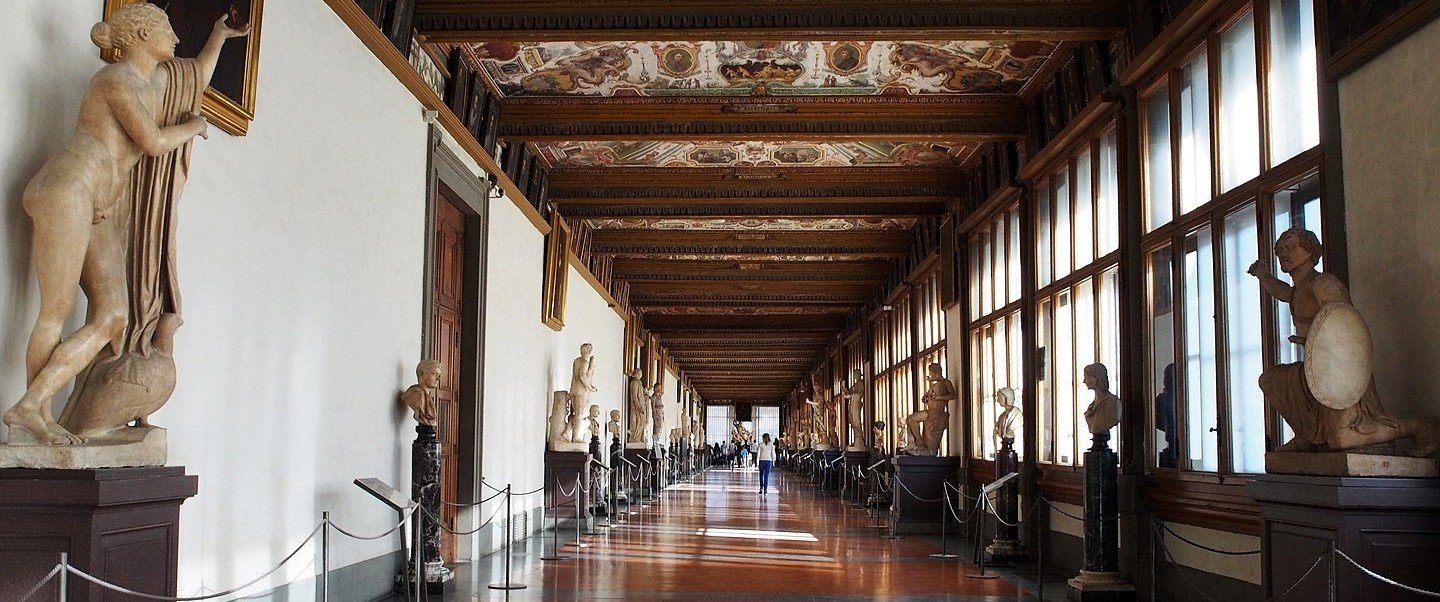
Our route begins with one of the most famous galleries in the world: the Galleria degli Uffizi 🔗, a true cradle of Renaissance art. The collection includes extraordinary works by masters such as Botticelli, Leonardo da Vinci, Michelangelo and Raphael. We cannot miss the Collezione Contini Bonacossi, which adds an additional layer of charm to this visit, as well as the Gabinetto dei Disegni e delle Stampe, which houses some of the most significant drawings of Renaissance art.
📌 the Gabinetto dei Disegni e delle Stampe can be visited upon request. You will find the phone number in the Google Maps listing accessible via the link in the table.
⬇️
A. Mercato del Porcellino
We continue with a visit to the Mercato del Porcellino, an iconic place where tradition and commerce meet. The Loggia del Mercato Nuovo is the reference point for those looking for local crafts and souvenirs. The Fontana del Porcellino, famous for a tradition linked to good luck, is another attraction that enriches this corner of Florence.
⬇️
B. Corridoio vasariano
The Corridoio Vasariano is one of the most fascinating and secret works in Florence, an elevated passage that connects Palazzo Vecchio to the Uffizi, passing above Ponte Vecchio. Originally created to allow members of the Medici family to move safely, today it is a true artistic treasure, with numerous works to discover along its route.
⬇️
C. Ponte Vecchio
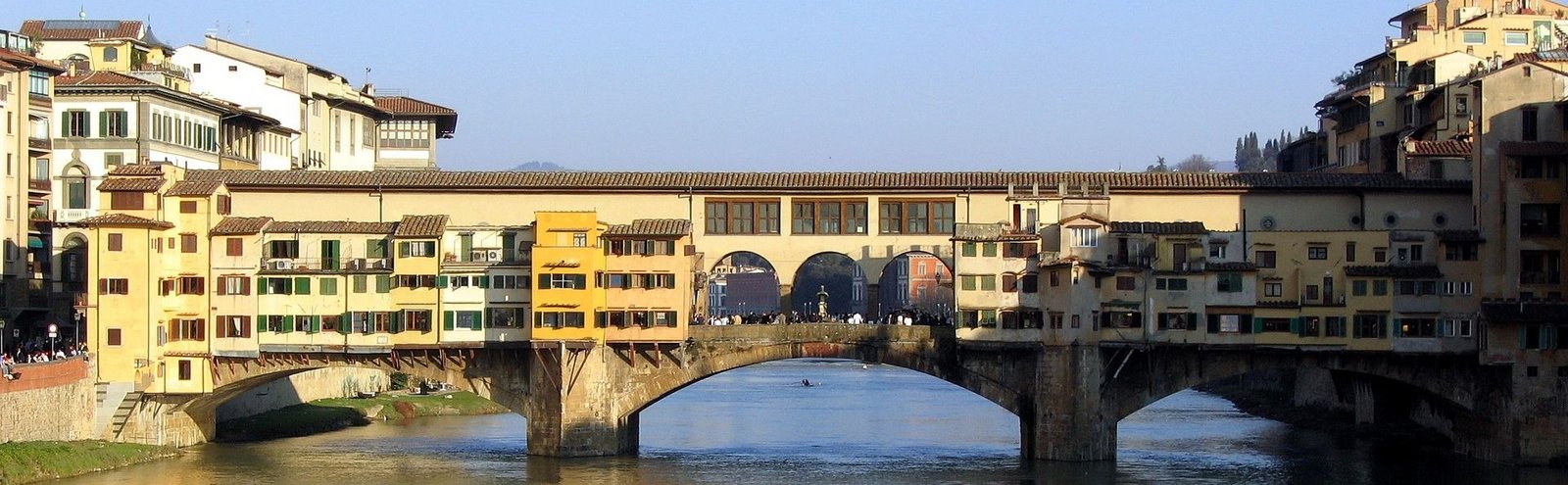
One of the most famous bridges in the world, the Ponte Vecchio is renowned for its goldsmith shops displaying their creations in a unique atmosphere. The bridge is also a perfect panoramic spot to take breathtaking photos of the city and the Arno River.
Afternoon
⬇️
D. Chiesa di Santa Felicita
The Chiesa di Santa Felicita is another place of great religious and artistic importance in Florence. Inside is the Cappella Capponi, designed by the famous architect Giorgio Vasari, which houses magnificent works.
⬇️
E. Palazzo Pitti
Palazzo Pitti 🔗 is one of the most majestic historic residences in Florence. Inside, the Galleria Palatina displays works by some of the greatest Italian artists, including Raphael and Titian. The Galleria d’Arte Moderna offers an overview of 19th-century art, while the Tesoro dei Granduchi tells the story of the Medici through precious objects. The Appartamenti Imperiali e Reali and the Museo delle Carrozze are further testimonies of the grandeur of the Florentine court.
📌 the Museo delle Carrozze di Palazzo Pitti can be visited upon request. You will find the phone number in the Google Maps listing accessible via the link in the table.
⬇️
F. Basilica di Santo Spirito
The Basilica di Santo Spirito(National Monument), designed by Filippo Brunelleschi, is an extraordinary example of Renaissance art. The Quartiere Santo Spirito, located around the church, is one of the most authentic areas of Florence, full of small artisan workshops and characteristic cafés.
⬇️
G. Museo della Moda e del Costume
A dive into the world of fashion and style is a must at the Museo della Moda e del Costume of Palazzo Pitti, which houses collections of clothing and accessories that tell the story of the evolution of Florentine and international fashion and taste.
⬇️
H. Oratorio di San Sebastiano De’ Bini
The itinerary concludes with a visit to the Oratorio di San Sebastiano De’ Bini, a small but fascinating place of worship that houses valuable works of art, including paintings and sculptures that deserve attention.
Museo di Zoologia “La Specola” (I-X)🧩 → Chiesa di San Giovanni Batt. della Calza (A) → Giardino delle Scuderie Reali (B) → Giardino di Boboli (C) → Museo delle Porcellane (D) → Forte Belvedere (E) → Giardino Bardini (F) → Piazzale Michelangelo (G) → Torre di San Niccolò (H) → Museo Stefano Bardini (I-X)🧩
* These values may differ from those shown on Google Maps, as they are continuously recalculated in real time. See also Itinerary Info and Navigator + See here for Shared Stop 🧩
Route Description
SUMMARY
This 1-day itinerary takes you among the historic gardens and the most scenic viewpoints of Florence, following a walking route of approximately 5.3 km in the Oltrarno hill area. Along the route, you can visit the Giardino di Boboli, one of the most famous Italian-style gardens in Europe, explore historic sites such as Porta Romana and Forte Belvedere, and stroll through elegant historic gardens like the Giardino Bardini. The route concludes with some of the most spectacular city views, from the famous Piazzale Michelangelo to the scenic viewpoints overlooking the rooftops and monuments of the historic center.
Expand STEP DETAIL
Morning
⬇️ starting point
I/X. Museo di Zoologia “La Specola” 🧩
Our route begins with the Museo di Zoologia “La Specola”, the oldest scientific museum in Europe that still exists today. Here we can admire an extraordinary collection of taxidermied animals, natural history specimens, and the famous collection of anatomical wax models, unique of its kind for precision and realism.
⬇️
A. Chiesa di San Giovanni Battista della Calza
We continue with the Chiesa di San Giovanni Battista della Calza, an ancient place of worship that houses the evocative Cenacolo della Calza, a fascinating representation of the Last Supper frescoed by Franciabigio, a work of great artistic and religious significance.
⬇️
B. Giardino delle Scuderie Reali
Crossing the Giardino delle Scuderie Reali, a little-known but charming green area, we reach Porta Romana, one of the main historic entrances to the city and part of the ancient Florentine city walls.
⬇️
C. Giardino di Boboli
A must-see stop is the Giardino di Boboli 🔗(UNESCO World Heritage Site), the famous Renaissance park that became the model for many European royal gardens. Inside stands the remarkable Grotta del Buontalenti, a scenic structure enriched with artificial stalactites, water features, and extraordinary sculptures, representing a perfect example of Mannerist taste.
⬇️
D. Museo delle Porcellane
Inside the Giardino di Boboli, we visit the Museo delle Porcellane, located in the Palazzina del Cavaliere. The collection includes refined porcelain pieces that once belonged to royal families, including items from the manufactories of Meissen, Sèvres, and Doccia.
Afternoon
⬇️
E. Forte Belvedere
The afternoon begins with the climb to Forte Belvedere, one of the most important fortifications in the city, built by the Medici to defend Florence and provide a safe refuge in case of danger. Today it is also an extraordinary panoramic viewpoint and hosts contemporary art exhibitions.
⬇️
F. Giardino Bardini
Continuing onward, we reach Giardino Bardini, a lesser-known but extremely beautiful corner of Florence. The path leads us through flowered terraces, wisteria pergolas, and fountains, all the way to Villa Bardini, which hosts art exhibitions and a terrace offering one of the most spectacular views over the city.
⬇️
G. Piazzale Michelangelo
One of the most evocative moments of the itinerary is the visit to Piazzale Michelangelo, from which you can enjoy an unparalleled view of Florence. Here we can admire the Belvedere Franco Zeffirelli, dedicated to the famous Florentine director, and walk along the Sistema delle Rampe del Poggi, a masterpiece of urban engineering that leads up to the square. Finally, we take a relaxing break at the Giardino delle Rose, a fragrant oasis with more than 350 varieties of roses and contemporary sculptures.
⬇️
H. Torre di San Niccolò
The final stop of the route takes us to the Torre di San Niccolò, one of the few medieval towers of Florence that remains intact. Built in the 14th century as part of the city’s defensive walls, today it is accessible during the summer months and offers a suggestive view over the city and the Arno River.
Museo Stefano Bardini (I-X)🧩 → Museo Horne (A) → Museo Galileo (B) → Basilica di Santa Croce (C) → Casa Buonarroti (D) → Loggia del Pesce (E) → Chiesa di Sant’Ambrogio (F) → Sinagoga di Firenze (G) → Teatro della Pergola (H) → Museo Fondazione Scienza e Tecnica (I)🧩
* These values may differ from those shown on Google Maps, as they are continuously recalculated in real time. See also Itinerary Info and Navigator + See here for Shared Stop 🧩
Route Description
SUMMARY
This 1-day itinerary takes you to explore the Santa Croce area and several important museums dedicated to science and culture in Florence, following a walking route of approximately 3.3 km among historic museums, places of worship, and monumental theaters. Along the route, you can visit institutions of great cultural value such as the Museo Galileo, dedicated to the history of science, and the majestic Basilica di Santa Croce, one of the city’s most important religious complexes. The itinerary continues through historic palaces, museums, and sites of great artistic interest until it concludes at the historic Teatro della Pergola, one of the oldest and most prestigious theaters in Italy.
Expand STEP DETAIL
⬇️ starting point
I/X. Museo Stefano Bardini 🧩
The itinerary begins with the Museo Stefano Bardini, a hidden gem that houses an eclectic collection of artworks gathered by the antiquarian Stefano Bardini. Among Renaissance sculptures, paintings, antique furniture, and musical instruments, the museum offers a fascinating glimpse into the collecting tastes of the period.
📌the Museo Stefano Bardini can be visited by appointment. You can find the phone number in the Google Maps listing accessible from the link in the table.
⬇️
A. Museo Horne
We continue with the Museo Horne, created from the collection of the English antiquarian and art historian Herbert Horne. The museum is housed in a Renaissance palace and offers an exceptional collection of works, including paintings by Giotto, Simone Martini and Filippino Lippi, as well as furniture and decorative art objects.
⬇️
B. Museo Galileo
A must-see stop for science and history enthusiasts, the Museo Galileo preserves one of the most important collections of historical scientific instruments, including those that belonged to Galileo Galilei. Here you can admire telescopes, globes, measuring instruments, and the famous telescope of the great scientist.
⬇️
C. Basilica di Santa Croce
One of the most significant stops of the tour is the Basilica di Santa Croce (National Monument), one of the most important churches in Florence and the burial place of great personalities such as Michelangelo, Galileo and Machiavelli. Inside the basilica you can find Giotto’s frescoes in the Cappelle Bardi e Peruzzi, as well as the magnificent Cappella Pazzi, a masterpiece of Renaissance architecture designed by Filippo Brunelleschi. The Museo dell’Opera di Santa Croce preserves artworks originating from the basilica, while the Cenacolo di Santa Croce houses an important fresco of the Last Supper. Finally, Piazza Santa Croce is one of the most characteristic places in the city, home to historic events such as the Calcio Storico Fiorentino.
Dedicated to Michelangelo, the Casa Buonarroti is a small museum that gathers works and drawings by the great master, as well as testimonies about his life and career. Among the most famous pieces are his early sculptural reliefs, such as the “Madonna della Scala” and the “Battaglia dei Centauri”.
⬇️
E. Loggia del Pesce
Located in Piazza dei Ciompi, the Loggia del Pesce is a Renaissance architectural work designed by Giorgio Vasari. In the past it served as the city’s fish market, and today it represents an interesting example of the restoration of historical heritage.
⬇️
F. Chiesa di Sant’Ambrogio
The Chiesa di Sant’Ambrogio is one of the oldest places of worship in Florence, with a history dating back to the 8th century. Inside you can admire important works of art, including the “Miracolo dell’Ostia” by Cosimo Rosselli.
⬇️
G. Sinagoga di Firenze, Museo Ebraico di Firenze
Another essential stop is the Sinagoga di Firenze, one of the most beautiful and monumental in Europe, characterized by a spectacular green dome and Moorish-style decorations. Inside is the Museo Ebraico di Firenze, which tells the story of the Florentine Jewish community through documents, ritual objects and historical testimonies.
⬇️
H. Teatro della Pergola
The tour concludes with a visit to the Teatro della Pergola, one of the oldest theaters in Italy, inaugurated in 1657. This splendid Italian-style theater hosted the first performances of many opera works and still today represents an important reference point for the Florentine theater scene.
📌 The visit to the Teatro della Pergola requires advance booking. You can find the phone number in the Google Maps listing accessible from the link in the table.
⬇️
I/X. Museo della Fondazione Scienza e Tecnica is a shared stop 🧩 – See the starting stop of the first route of Florence Complete Tour Part 2.
At the end of each itinerary, treat yourself to a culinary experience in one of the restaurants located along the route. Here you can savor some of the most famous specialties of the local cuisine, such as the renowned bistecca alla fiorentina, crostini toscani, or pici al cinghiale, typical dishes that tell the gastronomic tradition of the city (see also What to eat in Florence).
Among the numerous restaurants in the area, we suggest these interesting references:
In the Heart of Florence, between Duomo and San Lorenzo, you can stop at historic trattorias such as Trattoria Mario, Trattoria Zà Zà, or Buca San Giovanni.
In the area of Piazza della Signoria and the Uffizi, you can find highly appreciated places like Gustavino Piazza Signoria, Hosteria Ganino, and the famous Gucci Osteria.
Crossing the Arno towards Oltrarno, between Santo Spirito and Palazzo Pitti, you can try authentic trattorias such as Trattoria La Casalinga, Cammillo Trattoria, or Il Magazzino.
If you are visiting the area of gardens and viewpoints between Bardini and Piazzale Michelangelo, restaurants like La Leggenda dei Frati or Lungarno 23 offer refined cuisine with splendid views over the city.
To see our selection of restaurants and other useful suggestions, check out the page Where to Eat in Florence.
Sleeping
For those who want to comfortably visit all the stops of the Florence Complete Tour Part 1, the most practical solution is to stay in the historic center. Here you will find boutique hotels, apartments, and guesthouses near Piazza Duomo, Piazza della Signoria, and Borgo Stretto, just steps from the main attractions of the Heart of Florence. This choice allows you to start each day on foot, without losing time on transportation, and is ideal if you plan to follow routes connected to museums, churches, and central squares.
If you are looking for a quieter and more authentic experience, the Oltrarno offers charming accommodations along the Arno river, in the Santo Spirito district or towards the East Oltrarno, near Santa Croce and its museums. This area allows you to combine cultural visits with relaxed atmospheres, historic cafes, and artisan shops, and is perfect for those following routes related to Palazzo Pitti, Galleria Palatina, and the smaller churches of the Oltrarno.
For those seeking breathtaking views and a stay immersed in greenery, accommodations located on the San Miniato hill or near Forte Belvedere, Giardino Bardini, and Piazzale Michelangelo offer unique city views. These accommodations are ideal if you want to combine the gardens and viewpoints tour with moments of relaxation in larger and less crowded spaces.
To discover the most convenient and recommended accommodations, see also Where to Sleep in Florence: Info and Tips. You will find specific suggestions for choosing the right neighborhood based on your itineraries and the type of experience you want to have.
📊 Itinerary Table
The following table shows all the stops of the four routes of Florence Full Tour Part 1, to help you make the most of your visit.
Scroll the table down and to the right 📱🔄 Rotate your phone horizontally to get an overview of opening days, hours, prices of attractions, and for further details on Wikipedia 🌐 and Google Maps ➡️.
⚠️ Always check the opening days and hours of attractions through the Google Maps entries linked in the table. See also Itinerary Info and/or Navigator Info.
To see the explanation of each data column, click its title (e.g. Attractions Index, Ratings, Org, etc.) at the top of the table.
Yes. The four itineraries in Part 1 are connected, so you can remove stops or change their order while maintaining continuity. This allows you to adapt the route based on your interests and available time.
Yes, all four itineraries in Part 1 are designed to be walked. You will stroll between piazzas, museums, churches, and gardens without needing public transport, fully enjoying the historic center and the Oltrarno.
How much time is needed to complete Part 1 of the tour?
Part 1 of the Florence Full Tour covers approximately 47 hours of sightseeing over 5 days: the first 2 days focus on the Heart of Florence (about 10 hours each), while the other 3 itineraries are planned as single-day tours.
Where can I find days, times, and prices of attractions?
All updated information is available in the Itinerary Table 📊, with direct links to Google Maps and Wikipedia for further details.
Discovering Florence in three days means immersing yourself in its history, art, and culture. This itinerary will guide you through the most iconic and captivating places that make Florence unique.
This 3-day itinerary will take you to discover the main wonders of Florence, following a walking route of approximately 5.8 km through the heart of the historic center, a UNESCO World Heritage Site. The main stops are spread over three days of sightseeing, allowing you to calmly explore museums, historic palaces, and some of the most representative sites of the Renaissance.
Along the route, you will admire some of the city’s most famous symbols, such as the monumental complex of the Florence Cathedral, the magnificent Ponte Vecchio, the extraordinary Uffizi Gallery, the majestic Palazzo Pitti with the Boboli Gardens, and the renowned Accademia Gallery where Michelangelo’s David is housed.
Walking through historic squares, museums, and unique artistic masterpieces, this itinerary will allow you to experience a complete journey through one of the most extraordinary cities in Europe.
Duomo di Firenze (X) → Palazzo Vecchio (A) → Ponte Vecchio (B) → Galleria degli Uffizi (C) → Palazzo Pitti (D) → Giardino di Boboli (E) → Basilica di Santa Maria Novella (F) → Basilica di San Lorenzo (G) → Galleria dell’Accademia di Firenze (H) → Mercato Centrale Firenze (I)
* These values may differ from those shown on Google Maps, as they are continuously recalculated in real time. See also Itinerary Info and Navigator + See here for Shared Stop 🧩
Day 1 – Morning
⬇️ starting point
X. Duomo di Firenze
Begin your adventure at Piazza Duomo, the heart of the city and a symbol of the Renaissance. Admire the Cattedrale di Santa Maria del Fiore 🔗 (National Monument), with the famous Cupola del Brunelleschi 🔗, an engineering and artistic masterpiece. Climbing the Dome or the Campanile di Giotto 🔗 offers spectacular views over the city.
Don’t forget to visit the Battistero di San Giovanni with its beautiful mosaics and the evocative Cripta di Santa Reparata. The Museo della Misericordia and the Museo dell’Opera del Duomo preserve artworks and historical pieces that allow you to delve deeper into the cathedral’s history.
📌 Visiting the Cupola del Brunelleschi requires prior booking. Find the phone number in the clickable Google Maps link in the table.
📌 During peak tourist periods, it is advisable to book in advance or join guided tours to avoid queues and ensure entry. See more details🔗.
Day 1 – Afternoon
⬇️
A. Palazzo Vecchio and Piazza della Signoria
After lunch, reach Piazza della Signoria, home to the Palazzo Vecchio, an icon of Medici power. Visit the Museum of Palazzo Vecchio 🔗, rich in frescoes and historical furnishings, and discover the Studiolo di Francesco I, a Mannerist masterpiece. Walk under the Loggia dei Lanzi to admire important sculptures such as Cellini’s Perseus and Giambologna’s Rape of the Sabine Women. Complete your visit with a stop at the Fontana del Nettuno.
Day 2 – Morning
⬇️
B. Ponte Vecchio and Corridoio Vasariano
The second day begins at the famous Ponte Vecchio, known for its jewelry shops and as the first permanent bridge over the Arno. This site is one of Florence’s symbols and a must-see. Nearby passes the Corridoio Vasariano, a secret passage connecting Palazzo Vecchio with Palazzo Pitti, used by the Medici to move safely between residences and offices.
⬇️
C. Galleria degli Uffizi
After crossing the Ponte Vecchio, head to the Galleria degli Uffizi 🔗, one of the most important museums in the world. Here you will find masterpieces by Botticelli, Leonardo da Vinci, Michelangelo, and Caravaggio. Take the time to admire the Collezione Contini Bonacossi and the Gabinetto dei Disegni e delle Stampe, which house precious drawings and prints by the great masters.
📌 The Gabinetto dei Disegni e delle Stampe is visitable on request. Find the phone number in the clickable Google Maps link in the table.
Day 2 – Afternoon
⬇️
D. Palazzo Pitti and its Museums
In the afternoon, explore the sumptuous Palazzo Pitti 🔗, former Medici residence, now hosting several museums, including the Galleria Palatina with masterpieces by Titian, Raphael, and Rubens, and the Galleria d’Arte Moderna di Firenze. Don’t miss the Tesoro dei Granduchi, the Imperial and Royal Apartments, and the Museum of Carriages, offering a fascinating glimpse into court life.
📌 The Museum of Carriages is visitable on request. Find the phone number in the clickable Google Maps link in the table.
⬇️
E. Giardino di Boboli and Grotta del Buontalenti
The second day ends with a visit to the Giardino di Boboli 🔗 (UNESCO World Heritage), the quintessential Renaissance garden. Admire the meticulously landscaped avenues, fountains, and the evocative Grotta del Buontalenti, an artificial grotto decorated with sculptures and water features.
Day 3 – Morning
⬇️
F. Basilica di Santa Maria Novella and Monumental Complex
Continue to the Basilica di Santa Maria Novella (National Monument), one of Florence’s most important Gothic buildings. The church houses extraordinary artworks, including frescoes by Masaccio, Giotto, and Ghirlandaio. Visit the Cappella Rucellai and the Cappella Tornabuoni, and take a moment to appreciate the historic Piazza Santa Maria Novella.
Day 3 – Afternoon
⬇️
G. Basilica di San Lorenzo and the Medici Chapels
In the afternoon, visit the Basilica di San Lorenzo, historically linked to the Medici family and home to extraordinary treasures. Inside, don’t miss the Cappelle Medicee 🔗, including the Sagrestia Vecchia and the Sagrestia Nuova, designed by Michelangelo and housing the tombs of important Medici members. Also admire the Biblioteca Medicea Laurenziana, an architectural masterpiece by Michelangelo.
⬇️
H. Galleria dell’Accademia di Firenze
Continue your tour to the Galleria dell’Accademia 🔗, one of Florence’s most famous museums. Here you can admire the legendary David di Michelangelo 🔗, a universal symbol of anatomical perfection and Renaissance mastery. Besides David, the gallery hosts a vast collection of other works by Michelangelo and Florentine artists, including historical musical instruments and unfinished statues that reveal creative genius and artistic techniques of the era. A must-see for anyone wishing to fully understand Florence’s art and history.
⬇️
I. Mercato Centrale di Firenze
End your tour in the heart of local life at the Mercato Centrale 🔗, where you can taste Tuscan specialties, shop for typical products, and conclude your journey with a final immersion into Florentine cuisine.
Eating
If you prefer not to stop at the Mercato Centrale, you can end the day with dinner at one of the typical Florentine restaurants, where you can taste some of the most beloved local dishes, such as ribollita, pappa al pomodoro, and the famous bistecca alla fiorentina. Pair your meal with a good glass of Chianti or Vernaccia for an authentic Tuscan culinary experience (see also What to Eat in Florence).
Florence offers a variety of venues, from traditional historic taverns to contemporary restaurants, where you can try both classic Tuscan recipes and modern reinterpretations of Florentine cuisine (check our guide on Where to Eat in Florence for more recommendations).
Sleeping
To comfortably visit all the stops of the itinerary in a single day, the best choice is to stay in the historic center of Florence, close to Piazza Duomo and Ponte Vecchio. Here you will find boutique hotels, apartments, and guesthouses just steps from the main attractions, ideal to start the day on foot without losing time on transfers.
Alternatively, the Oltrarno offers quieter accommodations but still within walking distance from the main museums and squares, perfect if you are looking for a more relaxed and authentic atmosphere (see also Where to sleep in Florence: Info and Tips).
📊 Itinerary Table
In the table below you will find all the attractions included in the itinerary, to make the most of your three-day visit to Florence:
Scroll the table down and to the right 📱🔄 Rotate your phone horizontally to get an overview of opening days, hours, prices of attractions, and for further details on Wikipedia 🌐 and Google Maps ➡️.
⚠️ Always check the opening days and hours of attractions through the Google Maps entries linked in the table. See also Itinerary Info and/or Navigator Info.
To see the explanation of each data column, click its title (e.g. Attractions Index, Ratings, Org, etc.) at the top of the table.
How long does it take to visit Florence in 3 days?
The full 3-day itinerary covers approximately 30 hours in total, divided into days of about 10 hours each, including museum visits, walks among squares and monuments, breaks, and walking transfers between stops.
Can this itinerary be done on foot?
Yes. The total route is about 5.8 km on foot and is designed to cross the pedestrian historic center at a relaxed pace, visiting all the main attractions.
Yes, it can be adapted to 1 or 2 days, but some main attractions will need to be selected. A one-day visit covers the main iconic sites, while 2 days allow you to explore museums and historic palaces in more depth.
Where can I find days, opening times, and ticket prices for attractions?
All updated information is available in the Itinerary Table 📊, with direct links to Google Maps and Wikipedia for each attraction.
Discovering Florence in just one day requires a well-planned route, and this carefully structured itinerary will allow you to visit some of the city’s most iconic landmarks, immersing yourself in its history, art, and culture.
Summary: this itinerary of approximately 12 hours will take you to discover 10 unmissable stops in Firenze, following a walking route of about 3.1 km through the heart of the historic center, a UNESCO World Heritage Site.
During the day you will pass through some of the city’s most iconic places, from the area of the Duomo to historic squares such as Piazza della Signoria, passing through the famous Ponte Vecchio.
The route ends with one of the most spectacular views of the city from Piazzale Michelangelo. Walking among Renaissance palaces, museums, and unique artistic masterpieces, you will experience a complete and unforgettable journey.
* These values may differ from those shown on Google Maps, as they are continuously recalculated in real time. See also Itinerary Info and Navigator + See here for Shared Stop 🧩
Morning
⬇️ starting point
X. Duomo di Firenze
Start your tour in the beating heart of Florence, Piazza Duomo, one of the most extraordinary monumental complexes in Europe, dominated by the magnificent Cattedrale di Santa Maria del Fiore 🔗. This immense church, symbol of the city and masterpiece of Italian Gothic architecture, immediately impresses visitors with its imposing façade in white, green and pink marble.
Visit the majestic Duomo di Firenze (Monumento Nazionale), famous all over the world for the extraordinary Cupola del Brunelleschi 🔗, one of the greatest engineering achievements of the Renaissance, built without the use of supporting centering and still studied today by architects and engineers.
Just a few steps away stands the famous Campanile di Giotto 🔗, an elegant tower covered with polychrome marble which, with its height of over 80 meters, offers those who reach the top one of the most spectacular panoramic views over Florence and the surrounding hills.
Opposite the cathedral stands the magnificent Battistero di San Giovanni, one of the oldest religious buildings in the city, famous for its bronze doors decorated with extraordinary Renaissance bas-reliefs depicting biblical scenes.
Beneath the cathedral floor lies the evocative Cripta di Santa Reparata, where you can admire the remains of the ancient early Christian basilica on which the current Duomo was built.
Complete your visit with the Museo della Misericordia, located directly on the square, which houses important works of sacred art and also offers a splendid view from above over the monumental complex of the Duomo.
📌 Access to the Cupola del Brunelleschi requires a reservation. You can find the phone number in the Google Maps listing accessible via the clickable link in the table. 📌 During periods of high tourist demand, it is advisable to book in advance or join guided tours to avoid queues and secure entry. See the detailed page 🔗.
Afternoon
⬇️
A. Museo dell’Opera del Duomo di Firenze
After a morning entirely dedicated to the Cattedrale di Santa Maria del Fiore, continue with a visit to the Museo dell’Opera del Duomo, which houses a vast collection of works from the cathedral, the bell tower and the baptistery. Here you can admire sculptures by Michelangelo, Donatello and Arnolfo di Cambio, as well as some of the original panels of the famous “Porta del Paradiso” of the Battistero.
⬇️
B. Piazza della Repubblica
Continue your route towards Piazza della Repubblica, a meeting point and symbol of modern Florence, rich in historic cafés and a lively atmosphere. It is the ideal place for a short break and to enjoy the essence of the city.
⬇️
C. Loggia del Mercato Nuovo e Fontana del Porcellino
Walk towards the Loggia del Mercato Nuovo, once a silk market and today famous for the Fontana del Porcellino. Touch the snout of the bronze boar to make sure you will return to Florence!
⬇️
D. Piazza della Signoria
Then arrive at Piazza della Signoria, the historic seat of Florentine political power. Here you can admire the splendid statues of the Loggia dei Lanzi, including the Perseus by Benvenuto Cellini and the Ratto delle Sabine by Giambologna, as well as the monumental Fontana del Nettuno by Bartolomeo Ammannati.
⬇️
E. Palazzo Vecchio e Museo di Palazzo Vecchio
Visit Palazzo Vecchio 🔗, seat of the Municipality of Florence and symbol of the city. The museum houses the splendid Donazione Loeser and the Studiolo di Francesco I, a room decorated with unique Mannerist artworks. The palace preserves works by Vasari and fascinating historical rooms that bring visitors back to the time of the Medici.
Evening
⬇️
F. Corridoio Vasariano
After visiting Museo di Palazzo Vecchio, head towards the famous Corridoio Vasariano, which connects Palazzo Vecchio with Palazzo Pitti by crossing the Arno River via Ponte Vecchio. Although not always accessible, the corridor is a unique example of Renaissance architecture and showcases the ingenuity and passion for art of the Medici family.
⬇️
G. Ponte Vecchio
Walk along the famous Ponte Vecchio, the oldest bridge in Florence, known for its characteristic jewelry shops. This bridge is a symbol of the city and offers a magnificent romantic view over the Arno River.
⬇️
H. Lungarno Torrigiani
Continue along the Lungarno Torrigiani to enjoy a stroll by the river and capture breathtaking photos of Ponte Vecchio and panoramic views of the city. The walk is relaxing and allows you to see Florence from a fresh perspective.
⬇️
I. Piazzale Michelangelo
End the day at Piazzale Michelangelo, a viewpoint where you can admire spectacular views of Florence and its architectural wonders. Here you will also find a replica of Michelangelo’s David. It is the perfect spot for photography and to enjoy the sunset over the Florentine skyline.
Eating
End your evening with dinner at one of the restaurants near the Duomo, where you can taste typical Florentine dishes, such as the famous bistecca alla fiorentina, crostini toscani, and pici al cinghiale (see also What to Eat in Florence).
Recommended places include Trattoria Mario, All’Antico Vinaio, Ristorante Oliviero 1962, and Buca San Giovanni, all just steps from the cathedral. For more details, check our guide on Where to Eat in Florence.
Sleeping
To make the most of your days in Florence, the historic center remains the ideal choice. Staying near Piazza Duomo, Ponte Vecchio, or Piazza della Signoria, you will have boutique hotels, apartments, and guesthouses just steps from the main attractions, allowing you to move around comfortably on foot and experience the city stress-free.
If you prefer a more authentic and lively atmosphere, the Oltrarno offers quiet yet central accommodations, perfect for those who want a closer connection with everyday Florentine life and traditional restaurants away from the crowds (see also Where to Sleep in Florence: Info and Tips).
📊 Itinerary Table
In the table below you will find all the attractions included in the itinerary, to make the most of your one-day visit to Florence:
Scroll the table down and to the right 📱🔄 Rotate your phone horizontally to get an overview of opening days, hours, prices of attractions, and for further details on Wikipedia 🌐 and Google Maps ➡️.
⚠️ Always check the opening days and hours of attractions through the Google Maps entries linked in the table. See also Itinerary Info and/or Navigator Info.
To see the explanation of each data column, click its title (e.g. Attractions Index, Ratings, Org, etc.) at the top of the table.
How long does it take to visit Florence in one day?
A well-organized itinerary allows you to visit the main attractions of the historic center in about 10-12 hours, including breaks, visits, and walking between stops.
Can this Florence itinerary be done on foot?
Yes. The route is about 3.1 km long and goes through the historic center, mostly pedestrian, perfect for a calm walking tour.
Is it possible to do this itinerary in half a day?
Yes. In half a day, you can only see some of the main attractions of the historic center. You can adjust the stops according to your interests.
Where can I find opening days, hours, and prices for attractions?
All updated information is available in the dedicated itinerary table, which also includes direct links to Google Maps ➡️ and Wikipedia 🌐 for each attraction.
Florence is one of the most fascinating and visited cities in Italy. UNESCO World Heritage Site since 1982, its historic center offers a unique mix of art, architecture, and culture.
📌 For a more complete overview of certain items, click on the links to detailed pages +🔗
📌 Most of the references covered in this section are summarized in the Orientation Table 📊 with further details on Wikipedia 🌐 and Google Maps ➡️ where available.
GEOGRAPHY
As can be seen from the satellite map below, Florence is located in the heart of Tuscany, set within a highly varied natural and urban landscape. The city develops along the Arno River, which crosses it from east to west, and is characterized by a balance between built-up areas and green spaces.
From above, the city boundaries are clearly visible, along with the denser urban areas and the surrounding green zones, making it possible to distinguish central districts from peripheral areas.
🛰️ Florence from above:
North / North-Northwest: the hills and green areas of the Mugello extend here, with towns and small centers such as Fiesole and Calenzano, while Sesto Fiorentino represents the main suburban area to the north of the city.
South / Southwest: the gentle hills of Chianti lead toward famous locations such as Greve in Chianti, Castellina, and Radda in Chianti; within the urban area, Scandicci stands out as a major residential zone.
East: the Arno River continues toward the Valdarno, with towns and municipalities such as Pontassieve, Figline Valdarno, and Incisa, connecting Florence to other eastern Tuscan destinations.
West: the urban landscape gradually gives way to residential districts and public parks such as Parco delle Cascine, creating a balance between built areas and greenery, and opening connections toward towns like Campi Bisenzio and Scandicci.
Florence’s central location makes it easily accessible from major Tuscan cities such as Siena, Pisa, Lucca, and Arezzo, offering an excellent starting point to explore the entire region and appreciate the diversity of its landscape from an aerial perspective.
HISTORY
Florence, founded by the Romans in 59 BC as Florentia, has played a leading role in Italian and European history, evolving over time from a Roman settlement into a major commercial, political, and cultural center.
Roman Era: Florence originated as a Roman settlement along the Arno River, with a regular urban layout that marked the first foundations of the city.
Middle Ages: The city grew into an important commercial and financial hub, governed by powerful families such as the Medici, while significant political and religious structures began to develop.
Renaissance (15th–16th century): Florence became the heart of European art and culture, with geniuses such as Leonardo da Vinci, Michelangelo, Botticelli, and Brunelleschi leaving a lasting mark on its artistic heritage.
Modern Era and Italian Unification: Florence continued to be a major cultural and political center, also serving as the capital of Italy from 1865 to 1871, reinforcing its importance in national history.
MAIN ATTRACTIONS
Firenze is a true open-air museum, where every building and square tells centuries of Renaissance history, art, and culture. The city offers a unique combination of architecture, sculpture, and painting that fascinates visitors from all over the world.
Cathedral of Santa Maria del Fiore+🔗: With its spectacular Brunelleschi’s Dome +🔗, and the magnificent Giotto’s Bell Tower +🔗, it represents the undisputed symbol of Firenze.
Ponte Vecchio: Iconic medieval bridge crossing the Arno River, famous for the goldsmith shops that have made it a meeting point between history and commercial tradition.
Palazzo Vecchio +🔗 and Piazza della Signoria: The political heart of the city, the setting of important historical events and home to numerous sculptures by Renaissance artists.
Uffizi Gallery+🔗: One of the most famous museums in the world, housing masterpieces by Botticelli, Michelangelo, and Caravaggio, offering a unique journey through Renaissance painting.
Accademia Gallery+🔗: Home to the famous Michelangelo’s David +🔗, a symbol of Renaissance artistic perfection and a worldwide icon of sculpture.
Pitti Palace+🔗: An imposing historic residence located in the Oltrarno district, hosting important museums and art galleries, including the Galleria Palatina and the Tesoro dei Granduchi.
Basilica di Santa Croce: Burial place of illustrious historical figures such as Galileo, Michelangelo, and Machiavelli, a true treasure chest of history and sacred art.
Firenze offers several historic gardens and green spaces ideal for relaxing between visits. These places allow you to discover a quieter side of the city, with scenic views, historic statues, and corners immersed in greenery.
Boboli Gardens+🔗: Located behind Pitti Palace, it is one of the most famous Renaissance gardens in Italy. With monumental avenues, fountains, and historic sculptures, it offers stunning views of the city.
Bardini Garden: An elegant terraced garden combining nature, architecture, and spectacular views over Firenze, particularly striking during the spring wisteria bloom.
Rose Garden: A small panoramic garden at the foot of Piazzale Michelangelo, famous for its varieties of roses and for the splendid views of the city and the Cathedral dome.
Villa il Ventaglio Park: A more secluded public park, perfect for a peaceful walk among meadows, centuries-old trees, and relaxing spots away from the historic center.
EVENTS AND FESTIVALS
Firenze hosts numerous cultural and traditional events throughout the year, offering both historic performances and contemporary celebrations of art, fashion, and local culture.
Pitti Immagine (January and June): An international fashion event that transforms Firenze into a global showcase for designers, stylists, and trends, attracting enthusiasts and professionals from all over the world.
Scoppio del Carro (Easter): A centuries-old tradition in Piazza Duomo, symbolizing good luck and fertility, with an elaborate cart that “explodes” in fireworks.
Calcio Storico Fiorentino (June): An ancient medieval game combining sport and spectacle, with teams representing the city’s historic districts, played in traditional costumes in Piazza Santa Croce.
Estate Fiorentina: A summer program including concerts, theatrical performances, and outdoor cultural events, offering entertainment for both residents and visitors.
FOOD AND WINE
Florentine cuisine is simple and genuine, rooted in peasant tradition and respect for local ingredients. Each dish tells the story of the city and its surrounding countryside, highlighting authentic and seasonal flavors.
Bistecca alla Fiorentina: The city’s signature dish, a succulent Chianina beef steak cooked rare and served in generous portions, ideal for lovers of authentic meat.
Pappa al pomodoro and Ribollita: Rustic soups made with stale bread, seasonal vegetables, and legumes, expressing the Florentine peasant tradition.
Lampredotto: A typical local street food sandwich, made with the cow’s fourth stomach, often seasoned with green or spicy sauce, to be enjoyed standing for an authentic experience.
Cantucci and Vin Santo: Almond biscotti to dip in sweet wine, a classic way to end a meal combining simplicity and refinement.
Chianti Wines: The nearby region offers some of Italy’s best wines, perfect to accompany typical Florentine dishes and complete a traditional meal.
Firenze offers a rich and varied gastronomic scene, capable of satisfying both those seeking gourmet experiences and those preferring traditional street dishes. Among the most renowned restaurants are
Enoteca Pinchiorri, an institution of Florentine and Italian cuisine, famous for its extensive wine list and elegant dishes.
Trattoria da Burde, one of the best trattorias in Firenze, with traditional dishes expertly prepared using local ingredients.
All’Antico Vinaio, an unmissable street food experience praised by thousands of TripAdvisor reviews, offering Florentine sandwiches and specialties in a lively and authentic atmosphere.
Firenze is easy to explore due to the compactness of its historic center, offering several solutions to park and move around comfortably.
On Foot or by Bike: Walking or renting a bicycle is the best way to visit Firenze, discovering hidden corners and scenic views along the way.
Public Transport: For those who prefer public transport, the city offers an efficient system of buses and trams, with frequent connections between the main attractions.
ZTL: The historic center is largely a ZTL (Limited Traffic Zone), so it is advisable to check the rules and book available parking in advance.
Parking: The main paid parking lots are located near strategic points such as Santa Maria Novella Station, Piazzale Michelangelo, and the Lungarno. If you arrive by car, in Table > Parking and Transport, we have highlighted the most interesting solutions in our opinion.
In the table below you will find a summary of the main references, to best orient and organize your visit through our itineraries (see Itinerary Overview).
Scroll the table down and to the right 📱🔄 Rotate your phone horizontally to get an overview of opening days, hours, prices of attractions, and for further details on Wikipedia 🌐 and Google Maps ➡️.
⚠️ Always check the opening days and hours of attractions through the Google Maps entries linked in the table. See also Itinerary Info and/or Navigator Info.
To see the explanation of each data column, click its title (e.g. Attractions Index, Ratings, Org, etc.) at the top of the table.
The must-see sites listed in the table have been carefully divided into the three routes we have designed, to guarantee you a complete, well-structured visiting experience suitable for any time availability.
To make the choice easier, below we have summarized with short descriptions the content of each itinerary, helping you quickly identify the one that best suits your preferences.
1 DAY
This route, designed to optimize the time available, will take you in 12 hours to discover the essence of the city, through the most representative artistic and architectural wonders of Florence, among iconic monuments, breathtaking views, and picturesque corners.
Spending three days in Florence will allow you to discover the city in a relaxed and in-depth way, fully immersing yourself in its art, history, and culture.
This itinerary of 10 hours of visits per day has been designed to optimize travel between attractions and ensure a smooth and stress-free experience while visiting all the city’s must-see highlights.
Florence Complete Tour is the route designed for those who have at least a week to dedicate to the Tuscan capital. Perfect both for first-time visitors and for those who wish to deepen their knowledge of the city, it offers a 360° experience, going beyond the most famous landmarks to discover hidden and authentic places in Florence.
Thanks to 2 optimized routes, the tour allows a complete immersion in the beauty and history of Florence. Here are some numbers that demonstrate the scale of this journey: over 7 days, for a total of 90 hours of visits and 148 attractions, including: 47 museums, 38 places of worship, 19 historic villas and palaces, 15 monuments, 11 main streets and squares.
More than a simple tourist itinerary, Florence Complete Tour is a journey into the soul of the city, an unmissable experience for those who truly want to experience the cradle of the Renaissance.
Florence is a city that offers different experiences in every season. Weather, events, and tourist crowds change throughout the year, so it’s important to choose the right period:
Spring (April–June): Mild temperatures and sunny days, ideal for walks and garden visits. The city is lively but not yet too crowded.
Summer (July–August): Hotter weather and higher tourist traffic. Perfect if you enjoy outdoor events and lively evenings, but it’s advisable to book museums and hotels in advance.
Autumn (September–October): Pleasant weather and warm colors in the city and surrounding hills. Fewer crowds than in summer, ideal for cultural visits and photography routes.
Winter (November–March): Colder temperatures, but the atmosphere is charming, with Christmas markets, quieter museums, and shorter lines at major attractions.
Getting There
Florence is easily reachable by all means of transport. Whether you arrive by plane, train, bus, or car, here is some practical information to plan your trip and move easily toward the city center.
By plane: Florence Peretola Airport (Amerigo Vespucci) is about 15 minutes from the city center. It is connected with shuttle services, taxis, and city buses. 🔗 See also Florence Peretola Airport Info & Tips.
By train: Santa Maria Novella station is the main railway hub, well connected with major Italian cities and regional services for smaller towns and nearby tourist spots.
By bus: Numerous connections link Florence with nearby cities, other regions, and surrounding airports. There are also direct lines for tourism and special events.
By car: Florence is easily reachable from the A1 and A11 highways. The historic center has limited traffic (ZTL), so it’s recommended to park outside and use public transport or walk in central areas.
To visit Florence in the most comfortable and organized way possible, here are some practical tips that can help you save time, money, and make the experience even more enjoyable.
Firenze Card: One of the most convenient solutions to visit the city is the Firenze Card, which allows access to numerous museums and offers various advantages for transportation and tourist services. 🔗 See also Firenze Card: how it works and where to buy.
Hop-on Hop-off Bus: Always very convenient thanks to the hop-on/hop-off formula, tourist buses combine transport flexibility with the possibility to have an overview of the historic center with stops near strategic points. 🏆 Hop-on Hop-off Bus Tour with 24, 48, or 72-hour ticket.
Combined tickets: Some attractions offer combined tickets that allow you to save on entry to multiple monuments.
Comfortable shoes: We strongly recommend wearing comfortable shoes, as the route involves a lot of walking on historic pavements.
Water and sun protection: Especially in summer, bring water and sunscreen to protect yourself from the heat.
Dress Code: For visiting places of worship, respect the required clothing by covering shoulders and, if possible, knees, always maintaining a respectful behavior.
Where to sleep
Florence offers accommodations for all tastes and budgets, from boutique hotels in the historic heart to quieter apartments in Oltrarno. Choosing the right area to sleep is essential to optimize travel, visit main attractions, and fully enjoy the city’s unique atmosphere.
Here are some of the main areas to sleep in Florence, selected for location, convenience, and atmosphere:
Centro Storico – San Giovanni: Ideal for those who want monuments, museums, shops, and restaurants within reach. Perfect for short stays and intense cultural visits.
Santa Maria Novella: Convenient area for those arriving by train or needing to move frequently. Offers functional accommodations near the station and city center.
Oltrarno – Santo Spirito / San Niccolò: Authentic neighborhoods on the other side of the Arno, ideal for those looking for local atmosphere, tranquility, or evening nightlife.
Campo di Marte / Rifredi: Perfect for more economical or longer stays, away from the city center bustle but well connected by tram and bus.
On this page you will find a selection of some of the most representative dishes, products, and wines of L’Aquila, which you can enjoy in one of the restaurants from our selection displayed at the end of the Food-Wine table.
The cuisine of L’Aquila combines Abruzzese tradition and mountain authenticity: arrosticini, maccheroni alla chitarra, rustic soups, and local cured meats tell the story of the territory. Ingredients such as sheep meat, legumes, truffle, and cheeses define L’Aquila’s gastronomic identity, making every meal a genuine and flavorful experience.
Historical Influences
The culinary roots of L’Aquila lie in the pastoral tradition of the Apennines and the Abruzzese peasant culture. Many iconic dishes originate from simple recipes passed down through centuries, where popular ingenuity transformed humble ingredients into specialties now appreciated throughout Italy.
Territory and Ingredients
The L’Aquila area offers high-quality products: sheep meat, mountain lentils, black truffle, Zafferano dell’Aquila DOP, and aged cheeses. Abruzzese wines, such as Montepulciano and Trebbiano, perfectly accompany the dishes, making the local gastronomy balanced, intense, and distinctive.
An Experience Beyond the Plate
Eating in L’Aquila means savoring freshly made arrosticini in a trattoria in the historic center, enjoying a plate of maccheroni alla chitarra with ragù, pairing it with a glass of Montepulciano, and breathing in the authentic atmosphere of the city. A sincere experience, tied to tradition and territory, that remains memorable for those who live it.
Food-Wine Table
In the table below, you will find a list of typical local products and wines, classified according to the main national quality marks such as DOP, IGP, etc. (see the legend). Traditional dishes are included for their historical and cultural value.
The table structure provides a clear criterion to understand the value and gastronomic identity of the territory.
Scroll the table down and to the right to view all data in the columns and access Wikipedia links 🌐 for further information (when available).
To see the explanation of each data column, click on the column title itself (e.g., Index, Ratings, Org, etc.) at the top of the table.
📌 Dishes, products, and wines listed below, while representing the local gastronomic identity, are not always exclusive, but often shared with the provincial or regional territory.
📌 For the main certifications (DOP, IGP, DOC, and DOCG), the selection is based on the official production specifications, checking – where possible – whether the municipality is included in the authorized area.
The table also includes a selection of representative restaurants of the destination, analyzed by cross-referencing data from 10 of the most authoritative Italian and international gastronomic guides.
🔎 The guides considered in this selection are: Michelin Guide, Gambero Rosso, l’Espresso Guide, Italian Academy of Cuisine, Slow Food Guide, Bibenda, Il Golosario, Identità Golose, Touring Club Italiano, and TripAdvisor.
Signature Dishes
Arrosticini
Arrosticini are skewers of grilled sheep meat, a symbol of L’Aquila’s pastoral tradition. A simple yet flavorful dish, connected to the transhumance culture and the conviviality of local trattorias.
Pecora alla Callara
Pecora alla Callara is a slow-cooked mutton stew with aromatic herbs and vegetables. More than a dish: it tells the story of the shepherds of the L’Aquila Apennines and the rustic mountain cuisine.
Spaghetti alla Chitarra
Spaghetti alla Chitarra is handmade fresh pasta typical of inland Abruzzo. Served with meat ragù or rustic sauces, it is the traditional pasta most loved by locals and visitors alike.
Lamb Offal (Coratella d’Agnello)
Lamb offal includes liver, heart, and kidneys, cooked with onion and herbs. A rustic and flavorful dish, typical of L’Aquila tables, that values every part of the animal according to peasant tradition.
Torcinelli (Turcinil)
Torcinelli are rolls of lamb offal wrapped in the intestine and grilled. A specialty from L’Aquila with a strong flavor, symbol of mountain cuisine and local festivals.
Saffron Mussels
Saffron mussels combine seafood with the precious L’Aquila DOP saffron. A dish that unites tradition and territory, with an unmistakable aroma and intense color.
Sagne a Pezze with Cicerchie
Sagne a pezze are rustic handmade pasta, often served with cicerchie beans or local sauces. A first course that tells the story of the simple yet flavorful cuisine of the L’Aquila countryside.
Abruzzese-Style Polenta
Abruzzese-style polenta, prepared with local flours and served with meat sauces or aged cheeses, is a classic of L’Aquila mountain cuisine, hearty and rich in flavor.
Abruzzese-Style Cod
Abruzzese-style cod is cooked with tomato, peppers, and local herbs. A dish from the inland that, despite its simplicity, brings the authentic flavors of the region and L’Aquila tradition to the table.
L’Aquila-Style Gravy
L’Aquila-style gravy is a thick sauce made with meat and local spices, used to flavor roasts and boiled meats. A symbol of L’Aquila home cooking, it enhances the authentic flavors of the territory.
Traditional Products
L’Aquila Saffron
L’Aquila Saffron is one of Abruzzo’s most prestigious products and a symbol of the L’Aquila territory. Cultivated on the Navelli plateau, it is prized for its intense color and distinctive aroma. Used in dishes such as saffron mussels and various traditional preparations, it represents a nationally recognized gastronomic excellence.
Caciofiore of L’Aquila
Caciofiore of L’Aquila is a sheep’s milk cheese typical of the mountain area, produced according to ancient pastoral techniques. Delicate yet aromatic in flavor, it can be enjoyed on its own or used to enhance rustic dishes and local pasta specialties. It is one of the most authentic expressions of L’Aquila’s cheesemaking culture.
Aquila Salami
Aquila Salami is a typical local cured meat, made with selected pork and seasoned according to recipes handed down through time. Eaten as an appetizer or paired with rustic bread and cheeses, it represents a cornerstone of L’Aquila’s charcuterie tradition.
Soft Chocolate Nougat of L’Aquila
Soft Chocolate Nougat of L’Aquila is a sweet specialty tied to local tradition, especially popular during the Christmas season. Made with almonds, honey, and coated in chocolate, it is a symbol of L’Aquila pastry art and showcases the territory’s confectionery craftsmanship.
Extra-Virgin Olive Oil of the L’Aquila Valleys
Extra-virgin olive oil of the L’Aquila Valleys comes from olives grown in the province’s hilly areas. With a balanced, fruity taste, it forms the base of many traditional preparations, from sauces to roasted meats, helping define the aromatic profile of local cuisine.
📌 The products mentioned above, although not exclusive to the municipality of L’Aquila but widespread across the province, represent pillars of the local gastronomy and are used in preparing the signature dishes of L’Aquila’s culinary tradition.
In the L’Aquila area, wines are produced that perfectly accompany typical dishes and convivial occasions throughout the province. Among the most representative are Abruzzo DOC, Cerasuolo d’Abruzzo DOC, Montepulciano d’Abruzzo DOC, and Trebbiano d’Abruzzo DOC, characterized by intense aromas and balanced structures. These wines—full-bodied reds, fresh rosés, or aromatic whites—perfectly complement first courses, meat dishes, and rustic local specialties, representing the enological excellence of the L’Aquila area.
Traditional Liquors and Drinks
In addition to wines, L’Aquila and its province boast a rich tradition of liquors and typical drinks. Among the most characteristic are Gentian Liqueur, bitter and digestive; Saffron Liqueur, linked to L’Aquila saffron; Cooked Must, sweet and dense, used as a drink or dessert ingredient; L’Aquila Ponche, a hot coffee and liqueur drink; Ratafià, a cherry or morello liqueur; and Cooked Wine, obtained by slowly fermenting concentrated must. These beverages reflect the local liquor culture and complete the L’Aquila gastronomic experience.
FAQ
What is this page?
An overview of the most representative dishes, products, and drinks of L’Aquila, selected to help you discover the city’s authentic flavors.
How does it work?
Scroll through the entries in the Table and the various sections; each section provides concise information and links for further reading 🔗.
On this page you will find an excerpt of some of the most representative dishes, products, and wines of Venice, which you can enjoy at one of the restaurants in our selection.
The cuisine of Venice combines maritime tradition and Eastern influences: cicchetti, sarde in saor, baccalà mantecato, and black squid ink risotto tell the millenary story of the Serenissima. The connection with the sea, spices from the East, and ancient trade routes shaped a unique gastronomic identity, where fresh fish is the absolute protagonist and every dish carries a historic soul deeply rooted in the lagoon territory.
Historical Influences
Venetian culinary roots go back to the era of the Maritime Republic. Trade with the East brought spices, sugar, and new ingredients that enriched local cuisine. Dishes like sarde in saor were created to preserve fish during long sea voyages, while rice-based preparations testify to commercial exchanges with the Venetian hinterland. The tradition evolved over centuries while maintaining its distinctive character.
Territory and Ingredients
The Venetian lagoon offers an extraordinary variety of fish and shellfish: cuttlefish, clams, moeche, sea bass, and sardines are the basis of many typical recipes. Not lacking are Veneto rice, polenta, vegetables from the lagoon islands, and extra virgin olive oil from the hinterland. All of this is complemented by local wines such as Prosecco and Raboso, which perfectly enhance the strong and briny flavors of Venetian tradition.
An Experience Beyond the Plate
Eating in Venice means stopping at a bacaro to enjoy cicchetti with a small glass of wine, savoring a plate of bigoli in sauce overlooking a canal, or indulging in a freshly prepared mixed fry at a historic trattoria. It is an authentic experience where flavors, history, and atmosphere merge in an unrepeatable way. This is why Venetian cuisine stays in the hearts of those who discover it.
Food-Wine Table
In the table below, you will find a list of typical local products and wines, classified according to the main national quality marks such as DOP, IGP, etc. (see the legend). Traditional dishes are included for their historical and cultural value.
The table structure provides a clear criterion to understand the value and gastronomic identity of the territory.
Scroll the table down and to the right to view all data in the columns and access Wikipedia links 🌐 for further information (when available).
To see the explanation of each data column, click on the column title itself (e.g., Index, Ratings, Org, etc.) at the top of the table.
📌 The dishes, products, and wines listed above, while representing the local gastronomic identity, are not always exclusive, but often shared with the provincial or regional territory.
📌 For the main certifications (DOP, IGP, DOC, and DOCG), the selection is based on the official production specifications, checking – where possible – whether the municipality is included in the authorized area.
Signature Dishes
Sarde in saor
An icon of Venetian tradition, sarde in saor are fried sardines marinated with stewed onions, vinegar, raisins, and pine nuts. This dish was originally a preservation method for lagoon fishermen and today represents one of the most authentic appetizers of Venetian cuisine, where the perfect balance between sweet and sour tells centuries of maritime history.
Baccalà mantecato
Baccalà mantecato is a soft cream of salted cod, worked for a long time with extra virgin olive oil until it reaches a velvety consistency. Traditionally served on crostini or grilled polenta, it is one of the most loved cicchetti in Venetian bacari and represents the fusion of technique and simplicity typical of local cuisine.
Polenta e schie
Polenta e schie combines soft yellow polenta with small grey shrimp from the Venetian lagoon. It is a simple yet identity-rich dish, often served as an appetizer or a light main course. The schie, caught in the lagoon waters, give a delicate, briny flavor that tells the story of Venice’s deep connection with its territory.
Bigoli in salsa
Bigoli in salsa are one of the most representative first courses of Venice. This long, thick pasta is dressed with a rich sauce made of stewed onions and slowly melted anchovies. Traditionally prepared on lean days, bigoli tell the story of Venetian popular cuisine, made of simple ingredients but bold flavors.
Risotto al nero di seppia
Dark in color and rich in flavor, black squid ink risotto is one of the most spectacular dishes in Venetian gastronomy. Made with fresh cuttlefish and their natural ink, this creamy risotto expresses the full depth of sea flavors and is a classic of the city’s historic trattorias.
Risi e bisi
Risi e bisi is a dish halfway between risotto and soup, prepared with rice and fresh peas. Historically, it was served to the Doge on Saint Mark’s Day, becoming a symbol of Venetian tradition. Creamy and delicate, it is one of the first courses that best expresses the link between Venice and the Veneto hinterland.
Fegato alla veneziana
Fegato alla veneziana is one of the oldest main courses in the city. Prepared with veal liver and abundant slowly stewed white onions, it is often served with soft polenta. It symbolizes the Venetian land cuisine, capable of highlighting intense flavors with great balance.
Seppie in umido
Seppie in umido are cuttlefish slowly cooked with tomato, white wine, and aromatics until tender and flavorful. Often served with polenta, they represent one of the most traditional seafood main courses of Venetian cuisine, simple but deeply connected to the lagoon.
Granseola alla veneziana
Granseola is the typical crab of the Venetian lagoon. It is boiled and simply dressed with extra virgin olive oil, lemon, and parsley to enhance the delicate meat. It is a refined and symbolic dish, perfectly expressing the quality of local catch.
Frìtole veneziane
A sweet symbol of the Venice Carnival, frìtole are soft fritters enriched with raisins and sometimes cream or zabaglione. Originally prepared in the calli during festivals, today they represent the traditional dessert par excellence, able to close a Venetian gastronomic journey with a sweet and festive note.
The Venice lagoon offers an extraordinary variety of seafood that forms the basis of the local cuisine. Among these stand out the moeche (green crabs caught during molting season), the schie from the lagoon, small shrimp used in the traditional polenta, the Adriatic granseola, cuttlefish and Adriatic sardines. These ingredients, fished between the lagoon and the Upper Adriatic, are essential in the preparation of Venice’s signature dishes and tell of the city’s millennial bond with the sea.
Delta del Po Rice IGP
Delta del Po Rice IGP is one of Veneto’s agricultural excellences. Grown between the provinces of Rovigo and Ferrara, it is perfect for creamy risottos such as squid ink risotto and the traditional risi e bisi. Its quality and ability to absorb flavors make it a central ingredient in Venetian gastronomy.
Biancoperla Corn
Biancoperla Corn is a traditional Venetian variety used to prepare white polenta, a typical accompaniment for many Venetian dishes such as fegato alla veneziana, seppie in umido, and polenta e schie. Its delicate taste and soft texture make it an identifying element of regional cuisine.
Violet Artichoke of Sant’Erasmo
The Violet Artichoke of Sant’Erasmo is one of the agricultural rarities of the Venetian lagoon. Grown on the island of Sant’Erasmo, it is prized for its tenderness and delicate flavor. Eaten raw, fried, or as an ingredient in spring first courses, it represents one of the few true vegetable uniquenesses directly linked to the Venetian territory.
📌 The products mentioned above, although not exclusive to the city of Venice alone but spread across the lagoon, province, and Veneto region, form the authentic foundation of Venetian cuisine and are essential in preparing the signature dishes of the local tradition.
In Venice, wines from the province and metropolitan area are consumed, perfect to accompany seafood dishes and lagoon specialties. Among the most representative are Lison DOCG, an elegant and structured white ideal with fish and shellfish; Piave Malanotte DOCG, an intense red suitable for richer dishes like fegato alla veneziana; Lison Pramaggiore DOC and Piave DOC, historic productions of the Venetian area; Riviera del Brenta DOC, a vinous expression of the lagoon hinterland; Venezia DOC, a denomination that directly identifies the territory; and the famous Prosecco DOC, symbol of the Venetian aperitif and perfect with cicchetti and seafood appetizers. These wines represent the enological identity of the Venetian area and complete the gastronomic experience of the city.
Iconic Venetian Drinks and Distillates
In addition to wines, Venice is famous for its iconic drinks. Above all stands the Venetian Spritz, a true city must-have, born among the calli and becoming the symbol of the aperitif in bacari: traditionally prepared with Prosecco, bitter, and a splash of soda, it pairs perfectly with cicchetti. To conclude the meal, there is the Venetian Grappa, a distillate obtained from grape pomace and deeply rooted in regional tradition, served as a digestif in historic osterie and trattorie.
FAQ
What is this page?
An overview of the most representative dishes, products, and drinks of Venice, selected to help you discover the city’s authentic flavors.
How does it work?
Scroll through the entries in the Table and the various sections; each section provides concise information and links for further reading 🔗.