
Galleria Doria Pamphilj: Tours, Tickets and Useful Info
Quick Guide and Experiences


The Doria Pamphilj Gallery, in the heart of Rome, houses one of the world’s most important private art collections, featuring masterpieces by Caravaggio, Raphael, and Titian. A journey through elegant rooms and extraordinary works to discover the history and prestige of this noble residence.
Main Attractions
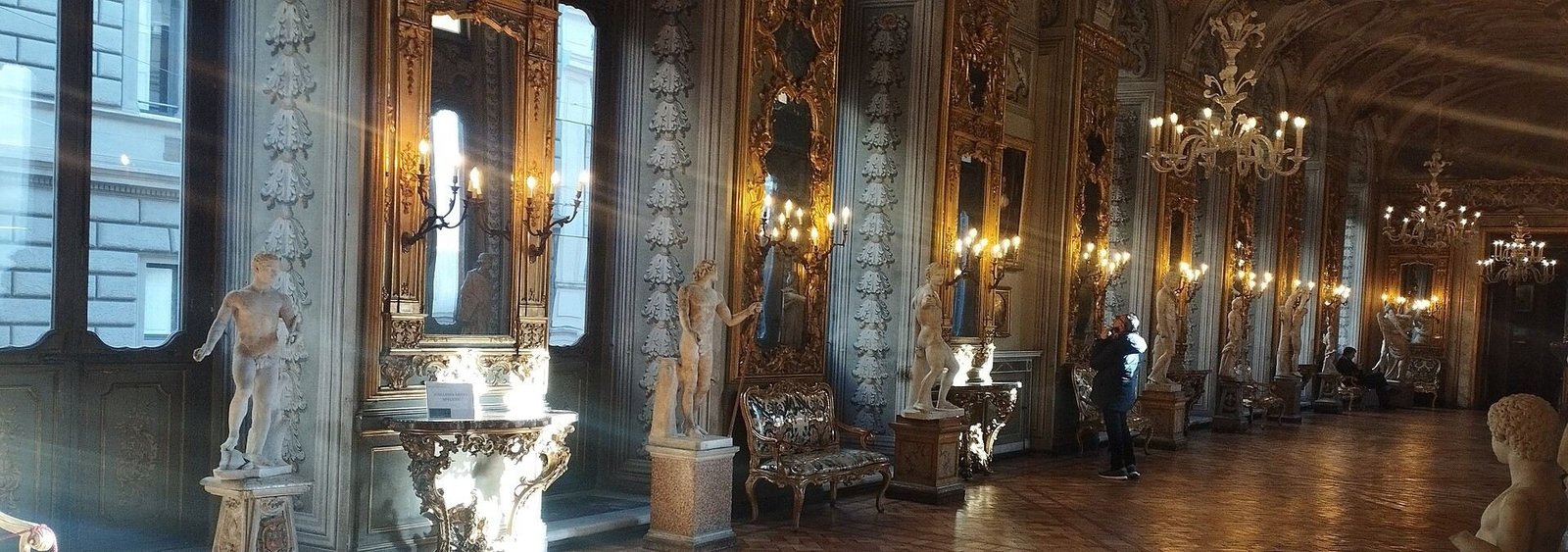
Doria Pamphilj Gallery: Visiting the Doria Pamphilj Gallery means immersing yourself in a journey through art and history in one of Rome’s most important noble residences. Elegantly furnished rooms and preserved artworks tell centuries of history and the prestige of the Doria Pamphilj family.
Main rooms: Among the most significant rooms are the Venus Room, the Fasti Hall, and the Landscape Hall, each enriched with frescoes, stuccoes, and original furnishings that showcase the Baroque elegance of the palace.
Artworks: The collection includes masterpieces by great masters such as Caravaggio, Raphael, and Titian. Paintings, portraits, sculptures, and decorations offer an artistic itinerary ranging from the Renaissance to the Baroque period.
Noble spaces: In addition to artworks, the palace preserves halls, libraries, and private rooms that provide insight into aristocratic Roman life. The refined atmosphere makes the visit an immersive and fascinating experience.
An unmissable experience: A guided tour or audio guide allows visitors to discover the history of the Doria Pamphilj family, artistic details, and anecdotes related to the works, turning the tour into an educational and unforgettable experience.
Selected Experiences
Discover the most popular experiences in Rome to experience up close the art and history of the Doria Pamphilj Palace:
- Rome: Priority Access to Palazzo Doria Pamphilj – Skip the lines and access the main rooms directly with a priority ticket, exploring the palace’s artworks and noble interiors. Top Reviews 🏆
- Doria Pamphilj Gallery: Skip-the-Line Ticket – Fast access to the palace and main rooms, perfect for those who want to enjoy the visit without stress and take their time admiring the most famous artworks.
Useful Information and Tips
Visit duration: Exploring the Doria Pamphilj Gallery typically takes 1-2 hours. To fully appreciate the beauty of the artworks and the history of the palace, it is recommended to also spend time discovering the noble rooms and private collections.
Opening hours, tickets and bookings: The gallery is open daily, with hours varying depending on the season (visit the official website). Online booking in advance is recommended, especially during peak periods; see Selected Experiences.
Available services: There is an information point and restrooms at the entrance. Nearby, you will find cafés and snack points for quick breaks.
Accessibility: Some rooms may have stairs and narrow spaces. Access is therefore partially limited for visitors with reduced mobility. It is recommended to inquire in advance at the entrance about accessible areas.
Temperature and clothing: The gallery rooms have a stable climate. Comfortable clothing and suitable shoes for walking on marble or stone floors are recommended. In winter, a light jacket may be useful for areas exposed to outdoor air between rooms.
Recommended time slots: To enjoy the visit calmly and avoid crowds, it is suggested to enter in the early morning or late afternoon. Small group guided tours offer a more intimate and in-depth experience.
Photography: Photography without flash is allowed. The use of professional equipment or video recording requires special authorization requested at the entrance.
How to Get There
On foot: If you are staying in the historic center of Rome or near Piazza Venezia, you can easily reach the Doria Pamphilj Gallery with a 5–10 minute walk, enjoying the view of the surrounding historic buildings.
By metro: The nearest station is Barberini (Line A), about an 8-minute walk from the gallery. From the station, follow signs to Via del Corso and Piazza Venezia.
By bus: Several lines connect the center of Rome to the main tourist spots. The most convenient stops to reach the gallery are at Piazza Venezia and Via del Corso.
By car: The area is subject to ZTL restrictions. It is recommended to park in nearby garages or paid parking areas and continue on foot or by public transport. You can book a parking space online here.
By taxi or private transfer: From any area in Rome, you can book a taxi or private transfer that takes you directly to the Doria Pamphilj Gallery. Average travel time is 10–20 minutes depending on traffic.
Group access and tourist buses: Tourist buses can use dedicated parking areas near Piazza Venezia, from which it is possible to walk directly to the gallery.
FAQ
How long does the visit to the Doria Pamphilj Gallery take?
The visit usually takes 1–1.5 hours, depending on the chosen route and whether you join a guided tour or use the audio guide.
Is it accessible for people with reduced mobility?Yes, some main areas are accessible; ramps and dedicated routes allow visiting the principal rooms. Some rooms may have limited access, so it is recommended to check before your visit.
Where can I find updated opening hours and prices?Hours and prices may vary; check the official Doria Pamphilj Gallery website.
📌 For more details on this group of questions, see the section Useful info & tips.
Are guided tours available?
Yes, guided tours are available that explore the history of the Doria Pamphilj family, the artworks, and the palace’s monumental rooms, ideal for families and couples.
Can I visit the gallery without a guide?Yes, with a standard ticket you can explore the gallery independently and at your own pace.
📌 For more details on this group of questions, see the section Selected experiences.
What is the best way to reach the Doria Pamphilj Gallery?
The gallery is located in Rome’s historic center, near Piazza Venezia, and can be easily reached on foot, by bus, metro, or taxi.
Can I go by car?The area is subject to ZTL restrictions; it is recommended to park in nearby garages and continue on foot or by public transport.
📌 For more details, see the section How to get there.