
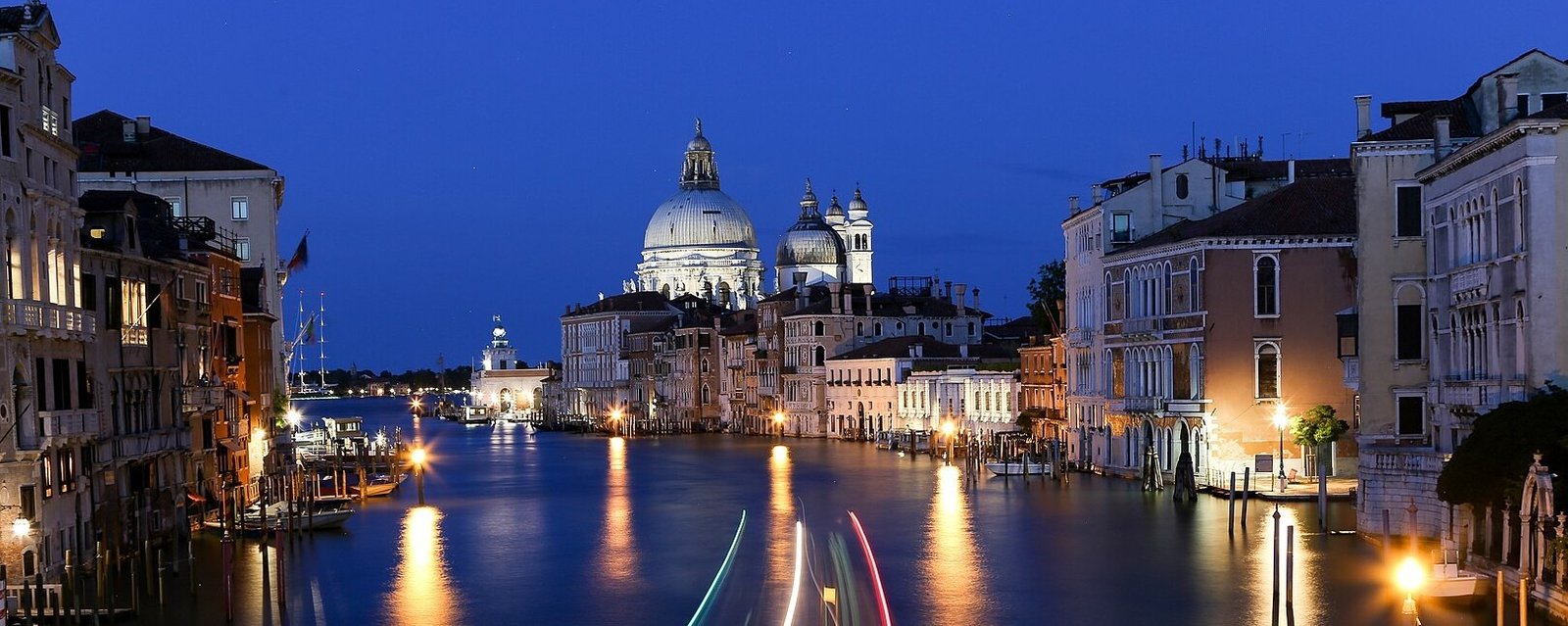
Getting around Venice: Info and Tips
Quick Guide to Getting Around the City


Venice is a unique city in the world, characterized by canals, alleys, and bridges, where getting around may seem complicated at first glance. In reality, once you understand the main modes of transport, moving around Venice becomes simple and efficient.
Overview
Getting around Venice requires some planning, given the city’s unique layout across canals and islands. The city combines the historic center on the main island, with alleys and bridges, and several smaller islands, each accessible via specific transport options.
In the historic center, where many major landmarks and points of interest such as St. Mark’s Square, the Rialto Bridge, and the Grand Canal are located, walking is often the best way to get around: distances are short, and walking allows you to fully experience the city’s unique atmosphere, avoiding queues and the crowds on public transport.
To cover longer distances or reach islands like Murano, Burano, and Lido, Venice offers an efficient and scenic public transport network, based on vaporetti and ferries. These connect the main attractions, train stations, and tourist ports effectively.
Using a private car is practically impossible in the historic center and generally not recommended even on the mainland areas such as Mestre, due to access restrictions and limited parking.
A helpful support for first-time visitors to Venice can be a guided walking tour or a vaporetto tour, useful to understand the structure of the districts, navigate canals and bridges, and gain practical references for subsequent movements (see more info🔗).
Finally, in recent years alternative mobility solutions have grown, such as shared water taxis, private gondolas for short trips, or bike rental services on Lido Island. Their use should be carefully planned, considering the traffic on main canals and tourist seasonality.
Getting There
Venice is connected nationally and internationally thanks to an extensive network of air, rail, road, and sea links. The city develops on an archipelago of islands, making an organized arrival essential to move easily between the historic center, the mainland, and the smaller islands.
By plane
Venice-Tessera Airport (see more info 🔗) is served by numerous domestic and international flights, including low-cost connections. From the airport, the city center can be reached via shuttle buses, vaporetti, water taxis, private transfers, or rental cars, with average travel times of 20–40 minutes depending on the destination.
✅ To search or book flights to/from Venice you can use Booking.com Flights.
By train
Venezia Santa Lucia is the city’s main train station, located on the Grand Canal and connected to all major Italian cities via high-speed, Intercity, and regional trains. From the station, you can quickly reach the historic center, St. Mark’s Square, and main districts using vaporetti, water taxis, or on foot. Those arriving in Mestre can use local buses and trains to reach Venice.
✅ You can check routes, schedules, prices, and buy tickets with Trainline.
By car
Venice is connected to the main Italian highways via the A4 and SS309 “Romea”. Those arriving by car should consider that access to the historic center is prohibited for private vehicles: it is advisable to park at Piazzale Roma or Tronchetto and continue with vaporetti, water taxis, or on foot.
✅ For car rentals you can refer to Booking.com Cars.
By bus
Venice is connected to many Italian and European cities via long-distance buses, with main stops in Mestre and Tronchetto. Services are integrated with the urban bus network and vaporetti, making transfers to the historic center and main attractions easy.
✅ You can check routes, schedules, and buy tickets with Trainline.
By taxi or private transfer
Water taxis and private transfer services allow you to reach Venice from airports, train stations, or nearby cities directly and comfortably. Travel times vary depending on the departure point and canal conditions, offering a convenient option for those who prefer direct transfers.
By ship
Those arriving by sea can use the Port of Venice (see more info🔗), located near Tronchetto and Piazzale Roma. The port is connected to the historic center via vaporetti, water taxis, and private transfer services, with average travel times of 10–30 minutes depending on the destination.
✅ You can check schedules, companies, and available sea connections via DirectFerries.
Getting Around on Foot
Walking is one of the best ways to explore Venice, especially within the historic center, where the main monuments, squares and bridges are located relatively close to one another.
Historic center and districts
The historic center of Venice is ideal for walking: areas such as St Mark’s Square, Rialto Bridge, Campo Santa Margherita, Cannaregio and Dorsoduro are easily connected by short walks. Distances between points of interest are often shorter than they appear on the map, though bridges and winding routes should be taken into account.
Distances and walking times
Many routes in the historic center require limited walking time: for example, from St Mark’s Square to the Rialto Bridge it takes about 5–10 minutes on foot, while from Campo Santa Margherita to Dorsoduro the walk lasts around 15–20 minutes. Longer routes, such as from Piazzale Roma to St Mark’s Square, take approximately 20–30 minutes.
Road surface and comfort
Venice features varied ground surfaces, including cobblestones, stone slabs and historic paving, especially on bridges and in narrow calli. Wearing comfortable shoes suitable for long walks and steps is strongly recommended, avoiding stiff footwear or thin soles.
Bridges and crossings
When walking, it is important to consider the many bridges connecting districts and islands: some have steep steps and longer routes than suggested by maps. Planning short breaks and following recommended pedestrian paths can make the experience easier.
Safety and liveability
Venice is generally a safe city to explore on foot, especially in central and tourist areas. As in any city, it is advisable to stay alert in the evening hours and in crowded zones such as St Mark’s Square or major bridges, where crowds can be intense.
Urban experience
Walking through Venice means experiencing the city authentically: narrow calli, hidden campos, historic bridges, monumental squares and artisan workshops turn every journey into an integral part of the travel experience, transforming simple routes into continuous discoveries.
Public Transport
Public transport in Venice allows you to move between the historic center, the mainland and the smaller islands, covering a truly unique city. The public transport system includes water buses (vaporetti), urban buses, the Mestre tram line and island connections, offering solutions suitable for both short and medium-to-long journeys.
Vaporetti
Vaporetti are the main form of public transport in Venice. They operate along the Grand Canal, connect the main districts and reach islands such as Murano, Burano and the Lido. Routes are numbered and serve both major tourist paths and more local connections. Vaporetti are useful for avoiding long walking routes or multiple bridges.
Urban buses
In Mestre and on the mainland, the urban bus network connects the historic center with the railway station, the airport and nearby destinations. Buses are essential for those staying outside the historic center who need quick access to Piazzale Roma or Tronchetto.
Tram and integrated lines
The Mestre tram line provides fast connections between Mestre, the city center and the railway station, integrating with buses and vaporetti. Integrated lines offer a reliable and efficient alternative for travel on the mainland.
Water taxis
Water taxis provide direct and private transfers between the historic center, stations, airports and nearby islands. They are especially convenient for travelers with luggage or groups, but fares are higher than vaporetti.
Gondolas and alternative services
Gondolas and other private services are more of a tourist experience than a practical transport option, ideal for short scenic rides or panoramic tours. They are not suitable for fast or everyday travel, but they enhance the urban experience.
Tickets and passes
The fare system includes single tickets, daily passes and travel cards valid on vaporetti, urban buses and the tram line. Cost-effective options are available for multi-day stays or island hopping. For updated information on fares, timetables and routes, it is recommended to consult the official ACTV website.
When to use public transport
Public transport is especially useful for quickly reaching the islands, travelling along the Grand Canal or moving between more distant districts. In the historic center, particularly between St Mark’s Square and Rialto, walking often remains the most practical and atmospheric option.
Getting Around by Car
Driving a car in Venice can be convenient for arrivals, departures or travel to the mainland and minor islands, but it requires attention, especially due to the presence of Limited Traffic Zones (ZTL), numerous access points, heavy traffic and limited parking in the historic city.
Limited Traffic Zone (ZTL)
The historic center of Venice is entirely pedestrian: car access is allowed only to residents and authorized vehicles. Electronic gates and access points regulate entry, making it necessary to leave the car in interchange areas such as Piazzale Roma or Tronchetto. Before entering, it is essential to check permits and access times.
Parking areas and interchange points
Venice offers parking facilities at Piazzale Roma, Tronchetto and private garages, ideal for leaving your car and continuing on foot, by vaporetto or by water taxi. Blue lines indicate paid parking, while paid parking areas inside garages provide guaranteed spaces, often with daily rates. Parking facilities are also available in Mestre, connected to the historic center by bus or tram.
Traffic and practical tips
Traffic on the mainland can be heavy, especially during peak hours towards Mestre or Piazzale Roma. It is advisable to plan journeys in advance and consider using park-and-ride facilities to avoid stress and long waits.
When it is convenient to use a car
Using a car is mainly recommended for those arriving from other cities, heading to Mestre or nearby areas, or transporting luggage or planning trips to nearby destinations such as Padua, Treviso or the Lido. For getting around Venice’s historic center, vaporetti, water taxis and walking remain the most effective choices.
✅ For more options and online bookings, you can check the ParkingMyCar service, which allows you to find parking throughout the city.
FAQ
What is the best way to get around Venice?
The best option is to walk in the historic center and use vaporetti or water taxis for longer routes and islands.
Is Venice difficult for first-time visitors?At first it may seem confusing, but once you learn the main canals and routes, moving around is easy.
📌 Learn more in the Overview section.
How do you get to Venice from the airport?
From Marco Polo or Treviso Airport you can reach Venice by shuttle bus, water taxi, vaporetto, or car to parking areas.
Can you arrive in Venice by train or ship?Yes. Venice Santa Lucia station serves national trains, while the Port of Venice handles ferries and cruise ships.
📌 Learn more in the Getting There section.
What is the fastest public transport in Venice?
Vaporetti and water taxis are the fastest options for islands and long routes. Walking is best for short distances.
Are transport passes available?Yes. Daily and multi-day passes are valid on ACTV vaporetti and public transport lines.
📌 Learn more in the Public Transport section.
Is using a car in Venice recommended?
Only for reaching the mainland or parking areas. Cars are not allowed in the historic center.
Where should you park when visiting Venice?Park at Piazzale Roma, Tronchetto, or Mestre. These areas connect easily to Venice by public transport.
📌 Learn more in the Getting Around by Car section.