
L’Aquila: What to See, Do and Eat
Travel Guide and 1-Day Itinerary


L’Aquila, a city of suspended villages and mountains embracing the sky, invites you to get lost among ancient alleys, quiet squares, and landscapes that tell centuries of history.
📌 To get a more complete overview of some items in the index, click on the links to detailed pages +🔗
L’Aquila in 1 Day
- Route Description
- Google Maps Map 📍
- Etappen Details
Overview
📌 Most of the references covered in this section are summarized in the Itinerary Table & Overview 📊 with further details on Wikipedia 🌐 and Google Maps ➡️ where available.
GEOGRAPHY
As seen from the satellite map below, L’Aquila is located in the heart of Abruzzo, set within a mountainous landscape of great natural impact. The city stretches along the Aterno River valley, at about 721 meters above sea level, and stands out for a balance between urban areas and wide natural spaces.
From the satellite, the urban boundaries emerge clearly, and above all, the strong presence of the mountain ranges surrounding the city, allowing an immediate understanding of its strategic location and geographic context.
🛰️ L’Aquila viewed from satellite:
- North / North-East: the Gran Sasso d’Italia massif extends here, with impressive peaks and alpine landscapes included in the Gran Sasso e Monti della Laga National Park; locations such as Assergi and Campo Imperatore are popular for hiking and winter sports.
- South: the hills lead towards the Majella massif, with a gentler but still mountainous terrain, featuring villages and natural areas of great scenic value.
- East: the Aterno valley continues towards towns like San Demetrio ne’ Vestini and Popoli, creating a natural connection between the L’Aquila hinterland and the Adriatic area.
- West: the territory opens towards the Abruzzo inland and connections to other cities, with routes leading towards Rieti and Rome, making L’Aquila a key passage point between Abruzzo and Lazio.
The location of L’Aquila, set in the heart of the central Apennines, makes it an ideal destination for nature lovers, hikers, and winter sports enthusiasts, while also serving as a strategic point to reach cities such as Teramo, Pescara, and Chieti.
HISTORY
L’Aquila, founded in the 13th century, has been from its origins an important political, cultural, and religious center of the central Apennines, distinguished by a history marked by growth, destruction, and rebirth.
- Medieval Foundation (13th century): The city was established in 1254 by Frederick II of Swabia as a union of dozens of surrounding castles, with an organized urban layout and a strong autonomous identity.
- Development and dominations: In the following centuries, L’Aquila grew as a significant commercial and cultural center, undergoing several dominations, including Angevin and Aragonese, which contributed to its economic and architectural development.
- Modern Age: The city continued to develop between the 16th and 18th centuries, maintaining an important role in the Abruzzo hinterland, while facing seismic events and periods of decline that deeply shaped its urban structure.
- Contemporary Age: The earthquake of April 6, 2009, was one of the most dramatic events in recent history, causing severe damage to the historic center; since then, L’Aquila has been undergoing a long and significant process of reconstruction and enhancement of its heritage.
MAIN ATTRACTIONS
L’Aquila boasts numerous monuments of great historical and artistic value:
- Basilica of San Bernardino: Built in the 15th century, it is one of the masterpieces of the Renaissance in L’Aquila. The façade, rebuilt after the earthquake, still retains its original elegance.
- Basilica of Santa Maria di Collemaggio: Built in 1287, it is famous for being the place where Pope Celestine V was crowned and for housing the Holy Door, opened every year during the “Perdonanza Celestiniana”.
- Spanish Fortress: An imposing 16th-century fortress built under Spanish rule.
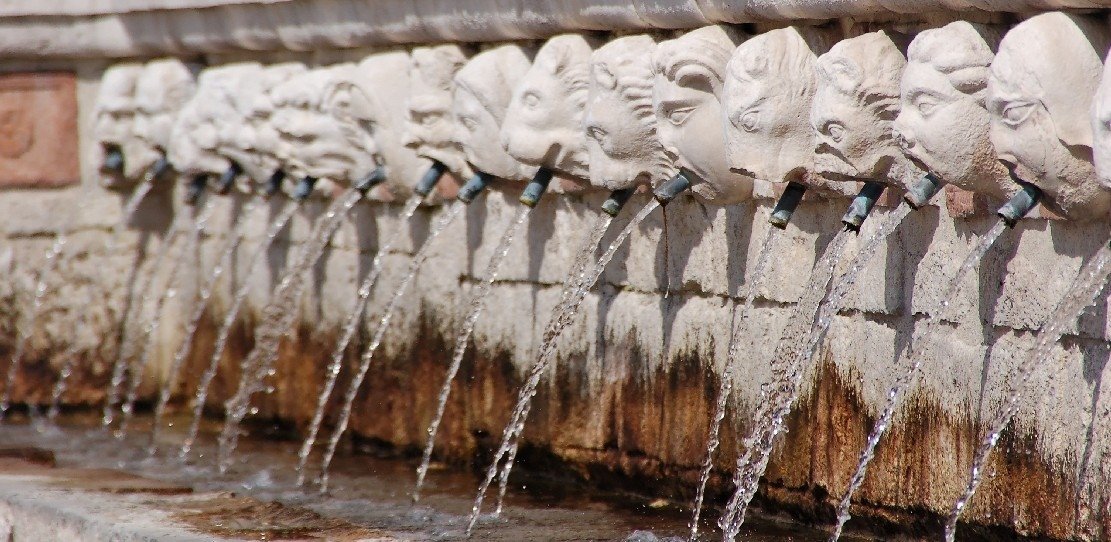
- Fountain of the 99 Spouts: Built in 1272, this fountain is one of the city’s symbols, with 99 spouts from which pure water flows, each representing one of the castles that gave rise to L’Aquila.
- MUNDA Museum: The National Museum of Abruzzo, offering a comprehensive overview of the region’s history, art, and culture.
PARKS AND NATURE
L’Aquila is surrounded by some of the most beautiful natural areas in Italy:
- Gran Sasso and Monti della Laga National Park: This park is a true natural gem, ideal for hiking, climbing, and for those who love unspoiled nature. It is also home to Corno Grande, the highest peak in the Apennines.
- Campo Imperatore: Nicknamed “Little Tibet”, this vast plateau is the ideal place for trekking and cross-country skiing in winter. It is also home to the Astronomical Observatory and the famous hotel where Benito Mussolini was imprisoned in 1943.
- Lake Campotosto: Another natural paradise, perfect for fishing enthusiasts and outdoor activities.
EVENTS & CELEBRATIONS
The Perdonanza Celestiniana: Since 1294, every year between August 28 and 29, this important religious and historical celebration takes place, culminating in the opening of the Holy Door of the Basilica of Santa Maria di Collemaggio. In 2019, UNESCO recognized the Perdonanza as an Intangible Cultural Heritage of Humanity.
FOOD & WINE AND RESTAURANTS
L’Aquila offers a rich gastronomic tradition, with restaurants, typical dishes, and local products that reflect the city’s culinary culture. To explore some of the most interesting highlights, please refer to the Itinerary Table & Overview 📊
PARKING & MOBILITY
L’Aquila is a compact city, with a historic center that can be easily explored on foot or by bicycle.
- On Foot or by Bike: Visiting the center on foot or by bicycle allows you to discover hidden views and characteristic corners of the city.
- Public Transport: Urban buses connect the main areas of the center with bus terminals and other strategic zones.
- Parking: The main reference point for parking is the Collemaggio Terminal, with underground parking options and direct connections to urban buses.
Route Description
SUMMARY
This one-day itinerary will guide you through the historic heart of L’Aquila, exploring art, culture, and traditions. With a walking route of approximately 6.9 km and an estimated visit duration of 7 hours, you will discover the city’s most significant places, admiring historical architecture, picturesque corners, and important traces of the past.
💡 The route has been designed as a loop, allowing you to comfortably return to the starting point without retracing the same path, making the visit smoother and more organized.
L’AQUILA IN 1 DAY
- Open Route Map📍
- Distance: 6,9* km on foot
- Time: 1,42* min on foot
- Visit duration: 7 hours
- Stops: 10 main (X →I)* + 8 secondary
- Forte Spagnolo (X) → Fontana Luminosa (A) → Maxxi L’Aquila (B) → Piazza del Palazzo (C) → Basilica di San Bernardino (D) → Piazza del Duomo (E) → Basilica di Santa Maria di Collemaggio (F) → Villa comunale dell’Aquila (G) → Fontana delle 99 Cannelle (H) → MUNDA Museo Nazionale d’Abruzzo (I)
- For days, times, prices and other info see Itinerary Table & Overview 📊
* These values may differ from those shown on Google Maps, as they are continuously recalculated in real time. See also Itinerary Info and Navigator + See here for Shared Stop 🧩
Morning
⬇️ starting point
X. Forte Spagnolo
Start at the majestic Forte Spagnolo, an imposing 16th-century structure and symbol of the city. Inside, it hosts events and temporary exhibitions. Admire the Parco del Castello, a large green area surrounding the fortress, perfect for a relaxing walk.
⬇️
A: Fontana Luminosa
Continue towards the Fontana Luminosa, an iconic fountain adorned with statues of women in traditional dress. This spot offers a beautiful panoramic view and is one of the most photographed places in the city.
⬇️
B: Maxxi L’Aquila
The Maxxi L’Aquila is the local branch of the National Museum of 21st Century Arts. Inside, you can explore contemporary art exhibitions that harmonize with the historic architecture of the hosting building.
⬇️
C: Piazza del Palazzo
Reach Piazza del Palazzo, a lively area that includes the Palazzo del Convitto. Continue towards the Quattro Cantoni, the city’s most famous historical crossroads, connecting the main street, Corso Vittorio Emanuele, full of shops and cafés.
⬇️
D: Basilica di San Bernardino
Visit the Basilica di San Bernardino (National Monument), a Renaissance masterpiece dedicated to Saint Bernardino of Siena. The richly decorated interior houses the saint’s tomb. This is one of the most important places of worship in L’Aquila.
Afternoon
⬇️
E: Piazza del Duomo
Arrive in the heart of the city, Piazza del Duomo, dominated by the Cattedrale di San Massimo (National Monument), L’Aquila Cathedral. In the same square, find the picturesque Chiesa di Santa Maria del Suffragio, known as the Church of the Holy Souls. Don’t miss the Fontana Vecchia, a hidden little gem near the square.
⬇️
F: Basilica di Santa Maria di Collemaggio
The Basilica di Santa Maria di Collemaggio (National Monument) is one of L’Aquila’s most iconic monuments, famous for its white and pink stone façade and the Portale della Perdonanza. Inside lie the remains of Pope Celestino V.
⬇️
G: Villa Comunale
Reach the Villa Comunale dell’Aquila, a city park perfect for a break. Visit the nearby Palazzo dell’Emiciclo, home of the Abruzzo Regional Council, an example of elegant and monumental architecture.
⬇️
H: Fontana delle 99 Cannelle
One of the city’s most famous symbols, the Fontana delle 99 Cannelle is a medieval masterpiece linked to the legend of L’Aquila’s foundation. Each spout represents one of the castles that contributed to the city’s construction.
⬇️
I: MUNDA – Museo Nazionale d’Abruzzo
End the tour at MUNDA, a museum housing important artworks and historical artifacts from Abruzzo. It is located in a modern building that integrates well with the city’s historical tradition.
Off-Route Attractions
If you have extra time, it’s worth visiting:
- Grotte di Stiffe: A natural wonder with stalactites, stalagmites, and stunning water features.
- Parco Archeologico di Amiternum: Explore the ruins of this ancient Roman settlement, including the theater and Roman Amphitheater (National Monument).
- Santuario della Madonna d’Appari: A sanctuary embedded in the rock, a place of peace and spirituality.
📌 The Sanctuary is visitable upon request. You can find the phone number on the Google Maps card clickable from the table link.
Dinner
End the day in one of L’Aquila’s typical restaurants, savoring traditional dishes along with local wines and products. See below What to Eat.
📊 Itinerary Table & Overview
In the table below, you will find all the information needed to make the most of your one-day visit to XXX:
- Scroll the table down and to the right 📱🔄 Rotate your phone horizontally to get an overview of opening days, hours, prices of attractions, and for further details on Wikipedia 🌐 and Google Maps ➡️.
- ⚠️ Always check the opening days and hours of attractions through the Google Maps entries linked in the table. See also Itinerary Info and/or Navigator Info.
- To see the explanation of each data column, click its title (e.g. Attractions Index, Ratings, Org, etc.) at the top of the table.
⏳ Caricamento tabella in corso…
📌 This table is updated every 6–12 months.
🛡️ The tables on Tourplan360.com are original content protected by copyright © and monitored through anti-plagiarism tracking systems.
Practical Info
WHEN TO GO
The best time to visit L’Aquila depends on your interests:
- Winter: attracts winter sports enthusiasts, thanks to the proximity of the Campo Imperatore and Ovindoli ski resorts.
- Spring and summer: ideal for hiking and outdoor activities, with pleasant weather and various cultural events.
- Autumn: perfect for those who love the colors of nature and seasonal products such as mushrooms and chestnuts.
GETTING THERE
- By car: L’Aquila is well connected thanks to the A24 motorway, which links it directly to Rome (about 100 km) and Teramo.
- By train: L’Aquila train station is connected to the main Abruzzo cities and Rome, although services are not very frequent.
- By bus: Several bus companies offer daily connections to and from Rome, Pescara, and other cities in Abruzzo.
- By plane: The nearest airports are Pescara (see info page 🔗) and Rome Fiumicino (about 130 km).
✅ To search for or book a flight to/from XXX you can check Booking.com Flights.
✅ You can check routes, schedules, prices and buy train or bus tickets with Trainline.
✅ For car rentals you can refer to Booking.com Cars.
USEFUL TIPS
- Book in advance if you plan to visit the city during the Perdonanza or other major events.
- Clothing: Always bring a jacket or sweater, even in summer, as evenings can be cool due to the altitude.
- Public transport: If you decide to visit the mountain areas, it is advisable to rent a car, as public connections may be limited.
WHAT TO EAT
The cuisine of L’Aquila is rich in genuine and authentic flavors, influenced by pastoral traditions:
- Arrosticini: Skewers of sheep meat, grilled and served with bread and oil.
- Sagne e ceci: A homemade pasta dish paired with chickpeas and a simple garlic and tomato seasoning.
- Spaghetti alla chitarra: Typical Abruzzo pasta, made using a special tool called a “chitarra,” served with meat ragù.
- Formaggio pecorino: Abruzzo pecorino is one of the most appreciated in Italy.
To see our selection of restaurants, dishes, and typical products, check the page What and where to eat in L’Aquila 🔗
WHERE TO SLEEP
For those who want to conveniently visit all the attractions of L’Aquila, the most practical solution is to stay in the historic center. Here you will find hotels, B&Bs, and apartments near Piazza del Duomo, Piazza Palazzo, and Corso Vittorio Emanuele II, just steps away from the main museums and monuments in the heart of L’Aquila. This choice allows you to explore the city on foot without wasting time on transfers and is ideal if you plan to follow itineraries connected to churches, museums, and central squares.

If you are looking for a quieter and more authentic experience, the Pettino district or the surroundings of San Giacomo offer accommodations surrounded by greenery, near parks and residential areas. This area allows you to combine cultural visits with moments of relaxation and is perfect for those who want to explore the outskirts and enjoy more peaceful views.
FAQ
You can open the Route Map📍 from here as well. Or you can check the dedicated paragraph with all details, divided into morning, afternoon, and evening.
📌 Check the Route Description
How long does it take to visit L’Aquila in one day?
The itinerary allows you to visit the main attractions of the historic center in about 7 hours, excluding breaks and transfers between stops.
Can this itinerary be done on foot?
Yes. The route is about 6.9 km long and crosses the historic center, which is largely pedestrian and perfect for a relaxed walking tour.
Is it possible to do this itinerary in half a day?
Yes. In half a day, you can see only some of the main attractions of the historic center. You can adjust the stops according to your interests.
Where can I find opening days, hours, and ticket prices?
All updated information is available in the table dedicated to the itinerary, where direct links to Google Maps ➡️ and Wikipedia 🌐 are also provided for each attraction.
📌 Check the Itinerary Table & Overview 📊