
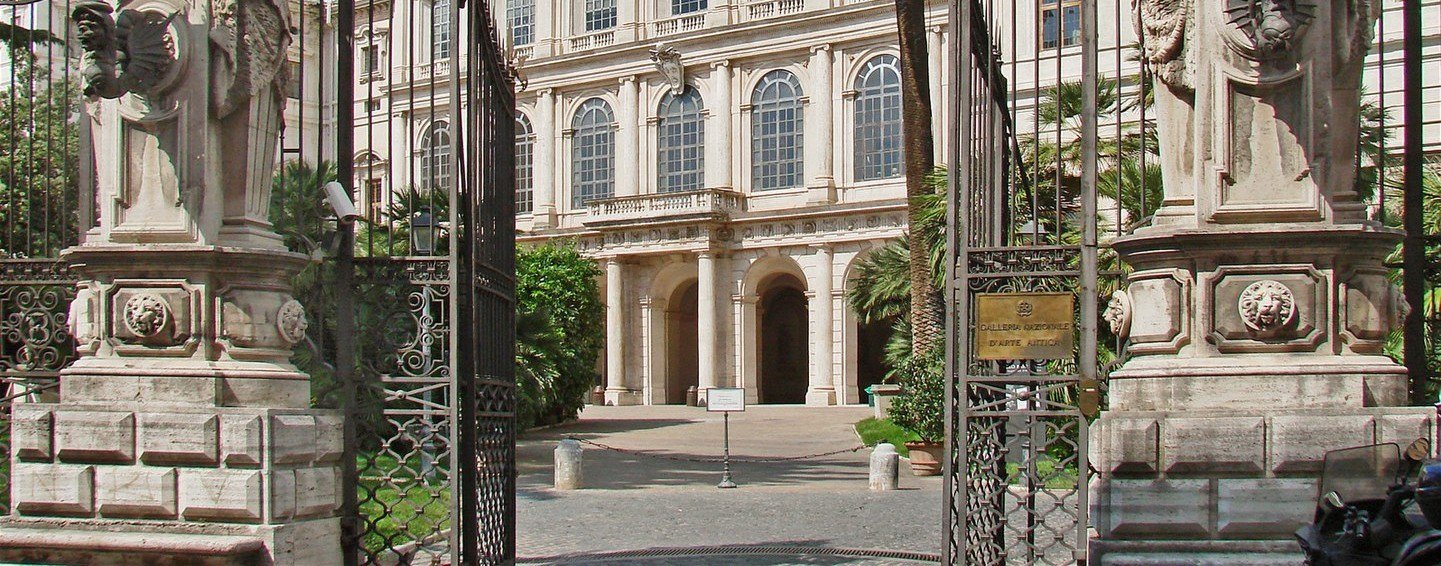
Palazzo Barberini: Experiences and Useful Info
Quick Guide and Tours


Palazzo Barberini is one of the masterpieces of Baroque architecture in Rome and houses the prestigious National Gallery of Ancient Art.
Main Attractions
Palazzo Barberini: Visiting Palazzo Barberini allows you to explore one of the most important noble palaces in Rome, a symbol of Roman Baroque. The building, designed by architects such as Carlo Maderno, Gian Lorenzo Bernini, and Francesco Borromini, houses artistic masterpieces and historically significant rooms of great charm.
The National Gallery of Ancient Art: At the heart of the palace, the gallery hosts one of the most prestigious painting collections in Italy. Among the most famous works are Holbein’s Portrait of Henry VIII, Caravaggio’s Judith and Holofernes, and masterpieces by Raphael, Titian, and El Greco.
The Pietro da Cortona Hall: One of the most spectacular rooms of the palace is the large hall frescoed with the famous Triumph of Divine Providence. This extraordinary Baroque ceiling is one of the finest examples of illusionistic painting of the seventeenth century.
The historic rooms and monumental staircases: During the visit, you can admire the representative rooms, elegant noble apartments, and the two famous staircases designed by Bernini and Borromini, unique examples of monumental Roman architecture.
A complete cultural experience: Palazzo Barberini offers a rich and engaging itinerary, ideal for lovers of art, history, and architecture. A self-guided or guided visit allows visitors to fully appreciate the artistic and historical value of one of Rome’s most fascinating museums.
Selected Experiences
Discover the selected experiences at Palazzo Barberini and Galleria Corsini for a complete cultural journey in the heart of Rome:
- Entrance to Palazzo Barberini and Galleria Corsini – One ticket to visit two extraordinary sites of the National Gallery of Ancient Art, featuring masterpieces by Caravaggio, Raphael, and Bernini, stress-free with guaranteed access.
- Rome: Palazzo Barberini, Galleria Corsini and audio guide – Explore the collections independently with a clear and engaging digital audio guide, perfect to learn about artworks, artists, and historical context at your own pace.
Useful Information and Tips
Duration of the visit: Visiting Palazzo Barberini takes on average 1.5–2 hours. The time may increase if you want to linger over key artworks, such as masterpieces by Caravaggio, Raphael, and the famous fresco by Pietro da Cortona in the Central Hall.
Opening hours, prices, and bookings: Palazzo Barberini is generally open from Tuesday to Sunday, with hours that may vary depending on the season and special events (always check the official website). Online advance booking is recommended, especially on weekends and during peak periods; see Selected Experiences.
Available services: Inside the palace there is a ticket office, bookshop, and restrooms. Nearby, you will find bars, restaurants, and cafes, ideal for a break before or after your visit.
Accessibility: Palazzo Barberini is largely accessible to visitors with reduced mobility thanks to ramps and elevators. Some historic rooms may have minor limitations; it is advisable to ask the staff at the entrance for details.
Comfort and clothing: The museum is indoors and air-conditioned. Comfortable clothing and suitable shoes for walking are recommended, especially if you plan to visit multiple museums or attractions in the same day.
Recommended time slots: For a more relaxed visit, early morning or early afternoon on weekdays is ideal. Visits with an audio guide or in small groups allow you to explore the artworks in greater depth without rushing.
Photography: Photography for personal use without flash is allowed. The use of tripods, professional equipment, or video recording requires authorization from the museum management.
How to Get There
On foot: Palazzo Barberini is in the heart of Rome, close to Via Veneto, Piazza di Spagna, and the Trevi Fountain. From the historic center, it can be reached easily within 10–20 minutes on foot.
Metro: The nearest station is Barberini – Fontana di Trevi (Line A), about 300 meters from the entrance. Alternatively, Spagna (Line A) is also convenient.
Bus: Numerous ATAC lines stop at Piazza Barberini and along Via del Tritone, with direct connections from Termini, Trastevere, and Piazza Venezia.
From Termini Station: About 10 minutes via Metro Line A (towards Battistini), getting off at Barberini. Alternatively, use taxi or urban buses.
Car and parking: The area is subject to ZTL and street parking is limited. Private garages are available, especially around Via Veneto.
Taxi and transfers: Taxis and private transfers (NCC) can take you directly to the entrance, a practical solution if coming from the airport or train station.
Entrance: The main entrance is on Via delle Quattro Fontane, well signposted and easily recognizable.
FAQ
How long does a visit to Palazzo Barberini take?
The visit usually takes 1.5–2 hours, depending on your interest in the collections and the time spent in the main rooms and monumental frescoes.
Is a guided tour or audio guide recommended?Yes, an audio guide or guided tour helps you better understand the most important works and the history of the palace, making the experience more complete.
Where can I find updated hours and prices?Hours and rates may vary throughout the year; it is recommended to check the official Palazzo Barberini website.
📌 For further details on these aspects, see the section Useful info & tips.
Are combination tickets with other attractions available?
Yes, combination tickets are available that also include the Galleria Corsini, ideal for visiting both branches of the National Galleries of Ancient Art.
Is it recommended to book in advance?Online booking is advised, especially on weekends and during peak periods, to avoid waiting at the entrance.
📌 For available options, see the section Selected experiences.
What is the best way to reach Palazzo Barberini?
The most convenient way is by metro (Line A, Barberini stop), but the palace is also easily reachable on foot from the historic center.
Is Palazzo Barberini accessible for people with reduced mobility?Yes, the museum has elevators and accessible paths, although some historic rooms may have slight limitations.
📌 For all transport details, see the section How to get there.