
What to eat in Florence
Quick Guide to Taste in the City


On this page you will find an overview of some of the most representative dishes, products and wines of Florence, which you can enjoy in one of the restaurants from our selection.
See also:
- Where to eat in Florence
- Florence Travel Guide
- Itineraries: 1d, 3d, CT1 + CT2
- Experiences, Getting Around
- Eating: Where & What
- Where to Sleep
Overview
Gastronomic Identity of the City
Florence’s cuisine is simple yet intense: hearty dishes, authentic ingredients and essential cooking techniques tell the story of the city. Bread, olive oil, quality meat and wine define Florentine gastronomic identity and make every restaurant a unique experience.
Historical Influences
The culinary roots of Florence date back to the Middle Ages, enriched during the Renaissance with new techniques and ingredients, yet always closely tied to rural traditions. Many dishes were born from simplicity and became symbols of the city.
Territory and Raw Ingredients
Hills, countryside and pastures shape Florentine cuisine: beef, legumes, cabbage, olive oil and Tuscan bread are the true protagonists. The wines from the surrounding hills complete the dishes, making the local gastronomy immediately recognizable.
An Experience Beyond the Plate
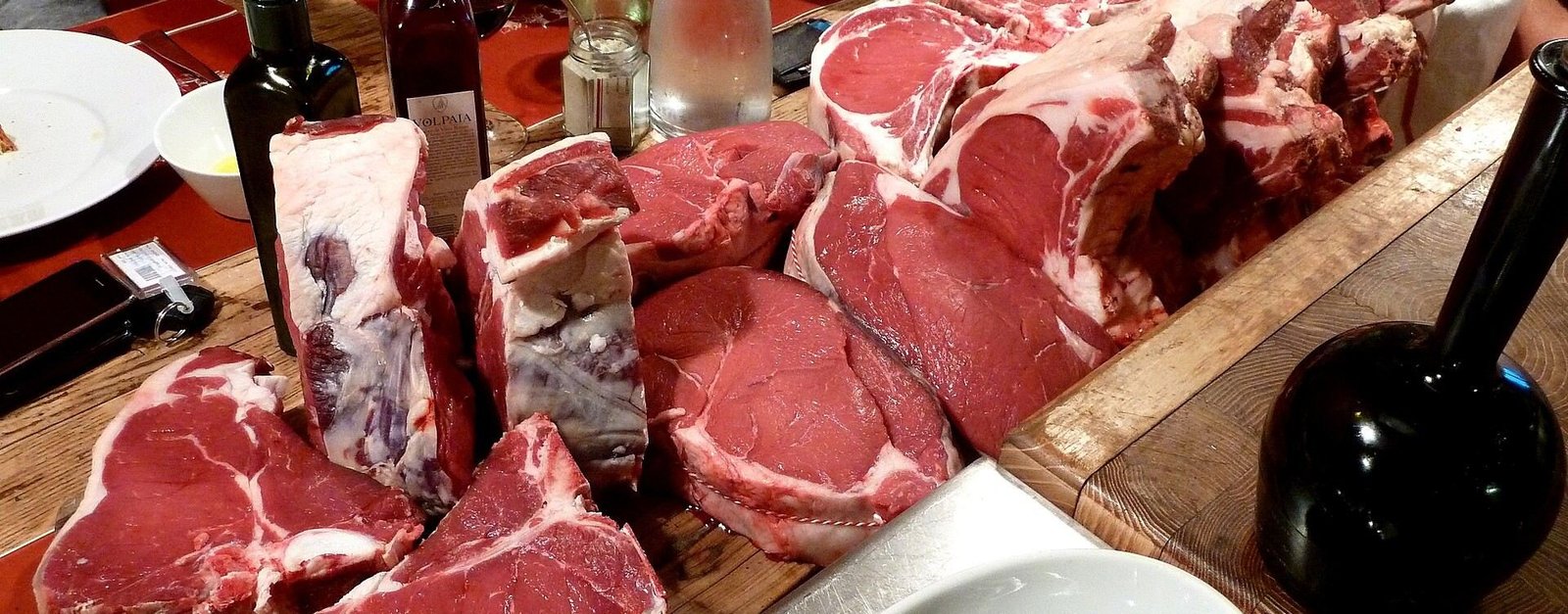
Eating in Florence is not just about choosing what to order. It means sitting in a historic trattoria, sharing a three-fingers-thick steak, dipping bread into ribollita sauce, and drinking a bold glass of red wine.
It is a convivial, intense, uncompromising experience. That is precisely why it leaves a lasting impression.
Food-Wine Table
In the table below, you will find a list of typical local products and wines, classified according to the main national quality marks such as DOP, IGP, etc. (see the legend). Traditional dishes are included for their historical and cultural value.
The table structure provides a clear criterion to understand the value and gastronomic identity of the territory.
- Scroll the table down and to the right to view all data in the columns and access Wikipedia links 🌐 for further information (when available).
- To see the explanation of each data column, click on the column title itself (e.g., Index, Ratings, Org, etc.) at the top of the table.
⏳ Caricamento tabella in corso…
📌 The dishes, products, and wines listed above, while representing the local gastronomic identity, are not always exclusive, but often shared with the provincial or regional territory.
📌 For the main certifications (DOP, IGP, DOC, and DOCG), the selection is based on the official production specifications, checking – where possible – whether the municipality is included in the authorized area.
Signature Dishes
Florentine Steak (Bistecca alla Fiorentina)
The absolute symbol of Florence, the Florentine steak is a thick-cut T-bone from Chianina beef sirloin, grilled rare over hot embers. Enjoying it in a historic trattoria is a ritual that combines technique, flavor and tradition, turning every meal into an authentic experience of the city.
Lampredotto
Lampredotto is the true Florentine street food: the fourth stomach of the cow, boiled and served in a sandwich with green or spicy sauce. It is a popular dish that tells the story of the city, where simplicity and intense flavor meet in every bite.
Florentine-Style Tripe
Stewed with tomato, celery and carrot, Florentine-style tripe is a classic of historic trattorias. More refined than lampredotto, it retains the rustic flavor of peasant tradition and represents traditional Florentine cuisine.
Ribollita
A soup made with black cabbage, Tuscan bread and cannellini beans, ribollita is the quintessence of humble cuisine transformed into excellence. Every spoonful tells the story of rural life and the deep connection with Florentine land.
Pappa al Pomodoro
An essential dish of Florentine tradition, pappa al pomodoro combines unsalted Tuscan bread, tomatoes, garlic and basil. Minimalist yet intense, it is a symbol of the flavorful simplicity that defines the city’s cuisine.
Fagioli all’uccelletto
Cannellini beans with sage and tomato, often served alongside steak. This dish represents the perfect combination of humble ingredients and authentic flavor, found in all traditional Florentine trattorias.
Crespelle alla fiorentina
Crêpes filled with ricotta and spinach, baked with béchamel sauce. Elegant yet rustic at the same time, this dish shows how Florentine cuisine transforms simple ingredients into refined flavors.
Baccalà alla fiorentina
Salt cod stewed with tomato and potatoes, widely rooted in the city’s tradition. A flavorful and historic dish that brings to the table the intense taste of preserved fish and the memory of old recipes.
Minestra di pane
A rustic soup made with bread and black cabbage, simpler than ribollita yet equally historic. A dish that speaks of tradition, resourcefulness and conviviality at Florentine tables.
Pan di ramerino
A traditional sweet bread with raisins and rosemary, typical of Florentine bakeries. Historic and aromatic, it accompanies festivities and special occasions, bringing the sweetness of local tradition to the table.
Traditional Products
Pane Toscano DOP
Unsalted bread is the symbol of Florentine cuisine. An essential base for ribollita, pappa al pomodoro and crostini, it represents the simplicity and authenticity of local tradition.
Pecorino Toscano DOP
Fresh or aged sheep’s milk cheese, found in all the city’s trattorias. Its bold flavor and local production make it a defining product of Florentine gastronomy.
Tuscan Extra Virgin Olive Oil PGI
A fundamental element of Florentine cuisine, extra virgin olive oil accompanies bruschetta, soups, vegetables and grilled meat. The quality of Tuscan olives enhances every dish, making it instantly recognizable.
Chianina Beef
The traditional base of bistecca alla fiorentina, Chianina is a cattle breed typical of Tuscany. Lean, flavorful and tender meat, it is a symbol of quality and authenticity on the city’s tables.
Wines and Beverages
Chianti
Chianti is the symbolic red wine of the Florentine territory and its surrounding hills. Structured and bold in character, it comes from centuries-old vineyards that produce elegant tannins and complex aromas of red fruit and spices. It is the perfect pairing for bistecca alla fiorentina, but it also complements soups, legumes and rustic traditional dishes. Drinking a glass of Chianti means savoring the winemaking history of Tuscany and the convivial spirit typical of the Florentine table.
Vin Santo del Chianti
Vin Santo is the meditation wine of Florentine tradition, sweet and aromatic, historically served with cantucci biscuits. Obtained from dried grapes, it offers notes of almond, honey and dried fruit. Its presence accompanies the city’s sweet breaks, between historic cafés and trattorias, telling the story of Florence’s gastronomic culture and the refined taste of festivities and special occasions.
Alchermes di Firenze
A historic red liqueur, used in zuccotto and various traditional desserts. It represents the legacy of the city’s traditional flavors, intense and recognizable, capable of adding an aromatic and colorful touch to every Florentine pastry preparation.
FAQ
What is this page?
An overview of the most representative dishes, products, and drinks of Florence, selected to help you discover the city’s authentic flavors.
How does it work?Scroll through the entries in the Table and the various sections; each section provides concise information and links for further reading 🔗.
Signature DishesIn this section you will find some of the city’s most iconic dishes, presented with brief descriptions.
Traditional ProductsHere are some traditional products, widespread also at a regional level, yet pillars of local cuisine.
Wines and BeveragesA selection of the city’s distinctive wines and drinks, with notes on the territory and traditional pairings.
See also
- Where to eat in Florence
- Florence Travel Guide
- Itineraries: 1d, 3d, CT1 + CT2
- Experiences, Getting Around
- Eating: Where & What
- Where to Sleep