
What to eat in Milan
Quick Guide to Taste in the City


On this page you will find a selection of some of the most representative dishes, products and wines of Milan, which you can enjoy in one of the restaurants in our selection.
Overview
Gastronomic Identity of the City
Milan’s cuisine combines refinement, tradition and innovation: creamy risottos, succulent ossobuco and seasonal ingredients tell the story of the city. Butter, rice, meat and local cured meats define Milan’s gastronomic identity and make every meal a memorable experience.
Historical Influences
The culinary roots of Milan date back to the Middle Ages, later enriched by the aristocratic traditions of palaces and courts, all the way to modern cuisine. Many dishes were born from the creativity of Milanese chefs, transforming simple ingredients into iconic recipes of the city.
Territory and Local Ingredients
The Lombard plain and the surrounding lakes offer unique ingredients: rice, butter, cheeses, cured meats and premium meats take center stage. Local wines, such as Franciacorta, complete the dishes, making Milanese gastronomy instantly recognizable.
An Experience Beyond the Plate
Eating in Milan does not simply mean ordering a dish. It means savoring a saffron risotto at the table of a historic trattoria, enjoying ossobuco with gremolada, pairing it with a glass of Lombard wine and breathing in the vibrant atmosphere of the city.
It is an elegant and convivial experience, intense and memorable. That is why Milanese cuisine remains etched in the memory of those who try it.
Food-Wine Table
In the table below, you will find a list of typical local products and wines, classified according to the main national quality marks such as DOP, IGP, etc. (see the legend). Traditional dishes are included for their historical and cultural value.
The table structure provides a clear criterion to understand the value and gastronomic identity of the territory.
- Scroll the table down and to the right to view all data in the columns and access Wikipedia links 🌐 for further information (when available).
- To see the explanation of each data column, click on the column title itself (e.g., Index, Ratings, Org, etc.) at the top of the table.
⏳ Caricamento tabella in corso…
📌 The dishes, products, and wines listed above, while representing the local gastronomic identity, are not always exclusive, but often shared with the provincial or regional territory.
📌 For the main certifications (DOP, IGP, DOC, and DOCG), the selection is based on the official production specifications, checking – where possible – whether the municipality is included in the authorized area.
Signature Dishes
Risotto alla milanese
The absolute symbol of Milan, risotto alla milanese is a creamy, golden dish thanks to saffron, which enhances its unique flavor. Prepared with butter and broth, it is the first course that represents the elegance and tradition of the city, to be enjoyed in historic trattorias or in the most renowned restaurants.
Cotoletta alla milanese
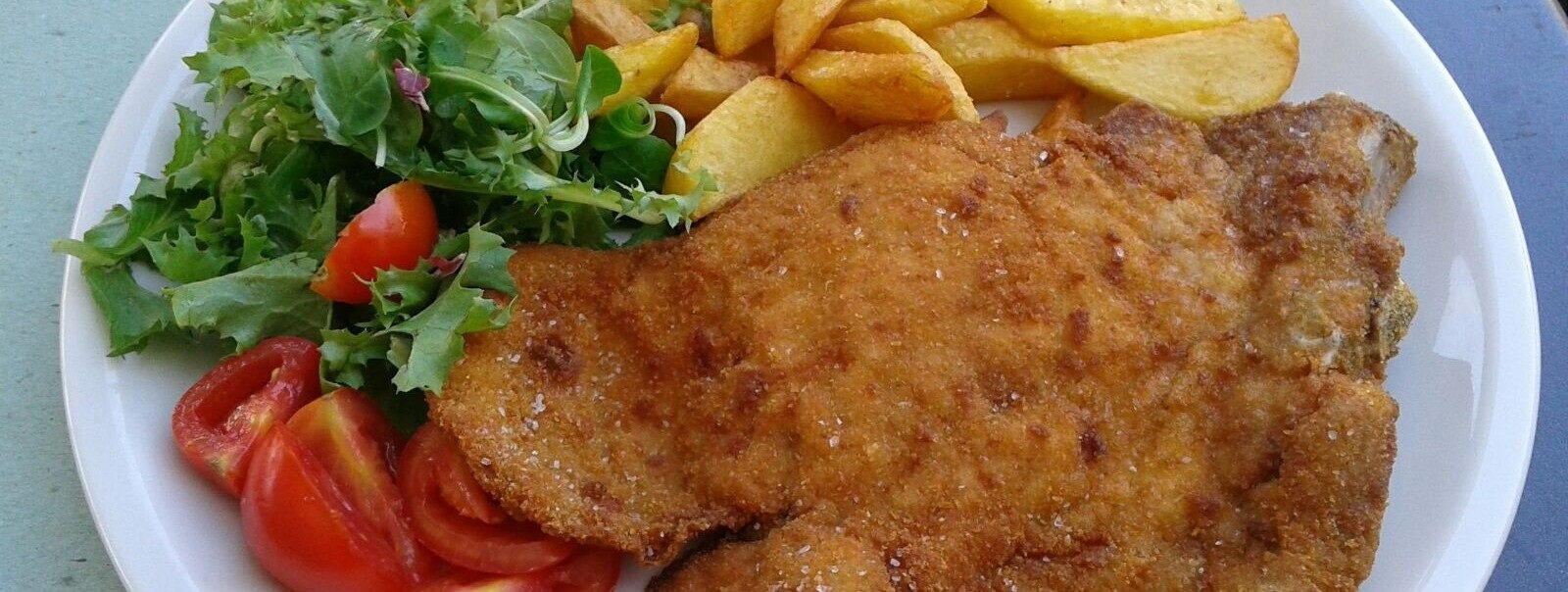
Another undisputed symbol of Milanese cuisine is cotoletta alla milanese, a breaded veal chop fried in butter, thick and succulent. It is an iconic main course that combines simplicity and intense flavor, symbol of local culinary tradition and traditional city lunches.
Ossobuco alla milanese
Ossobuco alla milanese is a veal shank slowly braised and served with gremolada. A refined and hearty dish, it represents the aristocratic tradition of the city and the mastery in preparing meat-based main courses.
Cassoeula
Cassoeula is a winter stew made with pork and Savoy cabbage, a robust dish from Lombard popular cuisine. Rich and flavorful, it tells the rural story of the city and the surrounding countryside, ideal for those seeking an authentic Milanese gastronomic experience.
Minestrone alla milanese
Minestrone alla milanese is a hearty soup made with vegetables and rice, prepared according to tradition. It is a simple yet nourishing dish that combines genuine and seasonal flavors, perfect for savoring the essence of Milanese cuisine.
Polenta alla milanese
Polenta alla milanese is made with high-quality cornmeal, slowly cooked and often served with cheeses, butter or meat ragù. Different from generic polenta, here it becomes a symbol of Lombard tradition, capable of accompanying both first and main courses.
Busecca (Milanese-style tripe)
Busecca is Milanese-style tripe, cooked with beans, vegetables and herbs. A rustic yet flavorful dish that tells the popular story of the city and the cuisine of historic trattorias, symbol of rural Milan.
Rostin negàa / Drowned roast
Rostin negàa is a veal roast slowly cooked in white wine, a rich and fragrant dish. Traditional for celebrations and Sunday lunches, it represents the care and attention to meat typical of Milanese cuisine.
Lombard cheeses
Lombard cheeses, such as Gorgonzola and Taleggio, are typical dairy products of the region. Tasting them is an experience that combines flavor and history, ideal both on their own and to accompany traditional Milanese first and main courses.
Panettone
Panettone is the most famous Milanese Christmas dessert in the world. Soft, fragrant and enriched with candied fruit and raisins, it represents the sweetness and tradition of Milan, symbol of the city during the holidays and beyond.
Traditional Products
Lombard PDO Cheeses and Butter
Lombard PDO cheeses such as Gorgonzola, Taleggio, Grana Padano and Quartirolo Lombardo represent the dairy heart of the region. Often used as accompaniments or ingredients in typical Milanese dishes, they are enhanced by high-quality Lombard butter, essential in the preparation of risotto alla milanese, cotoletta and other traditional local recipes.
Carnaroli / Arborio Rice
Grown in Lombardy, especially in the province of Pavia and the Lomellina area, Carnaroli or Arborio rice is an essential ingredient for risotto alla milanese. Its ability to absorb flavors while maintaining a perfect texture makes it the star of the city’s most iconic dishes.
Lombard Saffron
Particularly Crocus sativus from Brianza, Lombard saffron is fundamental for the color and unique flavor of risotto alla milanese. A precious product, it symbolizes the refinement and gastronomic tradition of the region.
Veal Bones / Veal Shank
For dishes such as ossobuco and rostin negàa, veal bones and shank from Lombard breeds such as the Varzese-Ottonese-Tortonese are used. Tender and flavorful meat that gives these dishes the authentic taste of Milanese tradition.
Lombard White or Yellow Corn Polenta
The base of polenta alla milanese, this product is made with quality corn grown in Lombardy. It can be served as a side dish for meats and cheeses or as a main course, embodying the simplicity and richness of Lombard cuisine.
📌 PDO cheeses and all the other products mentioned above, although not originally from the city of Milan itself, are pillars of Milanese cuisine and are used daily in the preparation of the city’s signature dishes.
Wines and Beverages
In Milan, wines from various areas of Lombardy are enjoyed, accompanying traditional dishes and convivial city occasions. Among the most important are Franciacorta DOCG and the creamier version Franciacorta Satèn, ideal for aperitifs and celebratory moments; Valtellina Superiore DOCG and Sforzato di Valtellina DOCG, full-bodied reds perfect with hearty dishes such as ossobuco and rostin negàa; the fresh and fragrant white Lugana DOC; Bonarda dell’Oltrepò Pavese DOC and Oltrepò Pavese Metodo Classico DOCG, an elegant and versatile sparkling wine. Finally, a wine of particular importance for the city is San Colombano al Lambro DOC, produced in the surrounding provinces but widely enjoyed on Milanese tables.
FAQ
What is this page?
An overview of the most representative dishes, products, and drinks of Milan, selected to help you discover the city’s authentic flavors.
How does it work?Scroll through the entries in the Table and the various sections; each section provides concise information and links for further reading 🔗.
Signature DishesIn this section you will find some of the city’s most iconic dishes, presented with brief descriptions.
Traditional ProductsHere are some traditional products, widespread also at a regional level, yet pillars of local cuisine.
Wines and BeveragesA selection of the city’s distinctive wines and drinks, with notes on the territory and traditional pairings.