
What to eat in Turin
Quick Guide to Taste in the City


On this page you will find a selection of some of the most representative dishes, products, and wines of Turin, which you can enjoy at one of the restaurants in our selection.
Overview
Gastronomic Identity of the City
The cuisine of Turin combines Piedmontese tradition with contemporary creativity: agnolotti, bagna cauda, bollito misto, and artisanal chocolate tell the story of the city. Ingredients such as meat, seasonal vegetables, cheeses, and the renowned chocolate define Turin’s gastronomic identity and make every meal a unique experience.
Historical Influences
The culinary roots of Turin go back to medieval Piedmont and are enriched by the tradition of the Savoy courts. Many iconic dishes originate from the combination of local ingredients with refined techniques, turning simple raw materials into dishes celebrated nationally and internationally.
Territory and Ingredients
The Piedmontese territory offers excellent ingredients: quality meats, fresh vegetables, legumes, cheeses such as Castelmagno and Toma, and, of course, Turin’s famous chocolate. Local wines, such as Barolo and Barbera, complement the dishes, making Turin’s gastronomy immediately recognizable.
An Experience Beyond the Plate
Eating in Turin means savoring an agnolotto with ragù in a historic tavern, enjoying bagna cauda with freshly picked vegetables, pairing it all with a glass of Barolo, and soaking up the city’s elegant atmosphere. An authentic experience, full of flavor and tradition. This is why Turin’s cuisine remains memorable to all who taste it.
Food-Wine Table
In the table below, you will find a list of typical local products and wines, classified according to the main national quality marks such as DOP, IGP, etc. (see the legend). Traditional dishes are included for their historical and cultural value.
The table structure provides a clear criterion to understand the value and gastronomic identity of the territory.
- Scroll the table down and to the right to view all data in the columns and access Wikipedia links 🌐 for further information (when available).
- To see the explanation of each data column, click on the column title itself (e.g., Index, Ratings, Org, etc.) at the top of the table.
⏳ Caricamento tabella in corso…
📌 The dishes, products, and wines listed above, while representing the local gastronomic identity, are not always exclusive, but often shared with the provincial or regional territory.
📌 For the main certifications (DOP, IGP, DOC, and DOCG), the selection is based on the official production specifications, checking – where possible – whether the municipality is included in the authorized area.
Signature Dishes
Bagna càuda
A symbol of Turin’s culinary tradition, bagna càuda is a warm sauce made with garlic and anchovies, served with raw or cooked vegetables for dipping. A convivial starter that tells the story of Piedmontese cuisine and its passion for intense flavors.
Vitello tonnato
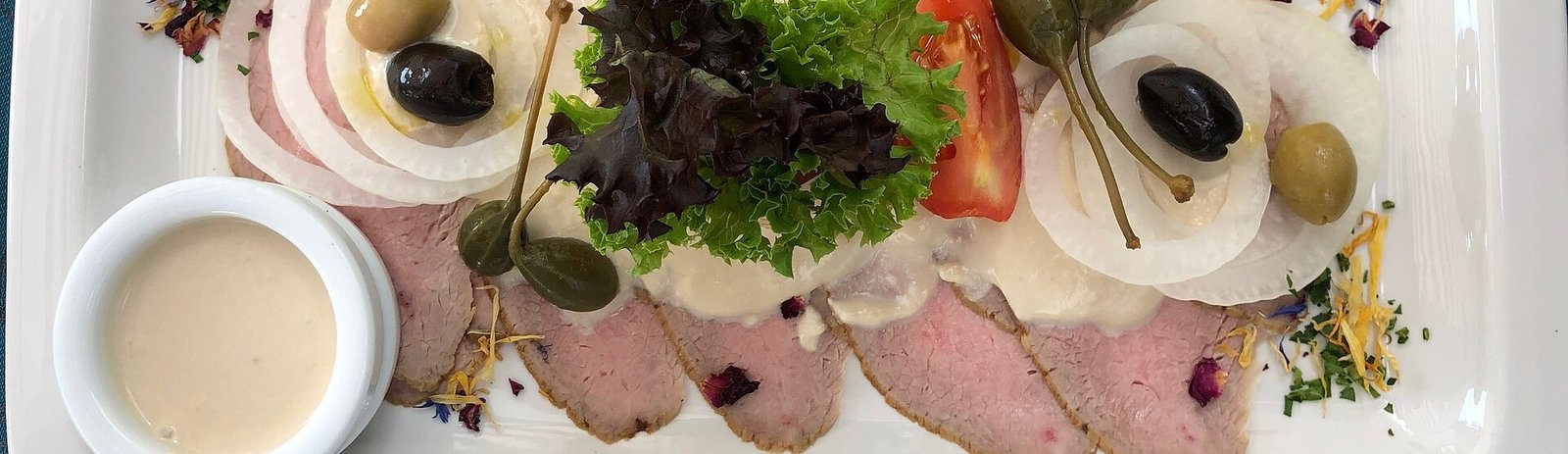
Vitello tonnato (Vitel Tonné) consists of thin slices of veal served cold with a creamy tuna and caper sauce. A classic Piedmontese starter, elegant and flavorful, perfect to begin a Turin-style lunch.
Agnolotti del plin
The small meat-filled ravioli, known as agnolotti del plin, are an icon of Piedmontese fresh pasta. Served with butter and sage or a rich ragù, they represent the quintessential traditional first course.
Tajarin
The thin egg pasta called tajarin is often served with meat ragù or butter and sage, and sometimes enriched with truffle. An elegant and refined dish, symbolizing Turin’s gastronomic tradition.
Bollito misto alla piemontese
An assortment of boiled meats served with traditional sauces such as green sauce or mustard. Bollito misto is a hearty and flavorful second course, perfect to explore the richness of Turin’s cuisine.
Fritto misto alla piemontese
Piedmontese fritto misto combines meats, vegetables, and sometimes fruit in a crunchy sweet‑and‑savory mix. A rich and festive dish, symbolizing the indulgent side of Turin’s cuisine.
Finanziera
Finanziera is a stew of offal and premium meats, typical of the Piedmontese tradition. A historic dish that showcases the creativity and ingenuity of Turin’s chefs of the past.
Grissini torinesi
The famous Turin grissini, crispy and light, accompany every meal and are a symbol of the city. Born in Turin, they are appreciated throughout Italy and worldwide.
Pizza al tegamino
Typical of Turin, pizza al tegamino is a thick, soft pizza baked in small copper pans. An urban specialty, loved by locals for its texture and rich flavor.
Giandujotto
Giandujotto is the famous Turin chocolate made with chocolate and hazelnuts. A sweet symbol of the city, it represents the excellence of Piedmontese artisanal chocolate and one of Turin’s most beloved treats.
Traditional Products
Piedmontese Cheeses
Piedmontese cheeses, such as Castelmagno DOP, Toma Piemontese, and the creamy La Tur, represent the heart of the region’s dairy tradition. Often used as accompaniments or ingredients in typical Turin dishes, they are highlighted in the preparation of first courses like tajarin and agnolotti, as well as served alongside local meats and cured products.
Cured Meats
Among Piedmontese cured meats stands out the Motsetta, a dried meat typical of the Alpine valleys, symbol of the local peasant tradition. Perfect to enjoy on its own, with cheeses, or as an accompaniment to more elaborate dishes, it represents a culinary excellence of Turin and the Piedmont region.
Fassona Piedmontese Beef
Fassona Piedmontese beef is a native cattle breed renowned for its tenderness and quality. Used in boiled meats, braised dishes, raw preparations, and other traditional Turin main courses, it is a fundamental ingredient to explore the richness of the local gastronomy.
Piedmont Hazelnut
The Piedmont Hazelnut is famous worldwide for its quality and unique flavor. Used in sweets like gianduiotto or in local pastries, it is an emblematic product of Turin’s and Piedmont’s confectionery tradition.
📌 The products mentioned above, while not exclusive to the city of Turin but widespread across the province and region, are pillars of Turin cuisine and are used daily in the preparation of the city’s signature dishes.
Wines and Beverages
Piedmontese Wines
In Turin, wines from the province and the surrounding hills are widely enjoyed, accompanying traditional dishes and convivial occasions throughout the city. Among the most important are Collina Torinese DOC and Freisa di Chieri DOC, aromatic and fresh red wines ideal with Turin-style starters and first courses; Alta Langa DOCG, a traditional method sparkling wine often compared to an Italian champagne, perfect for aperitifs and celebratory moments; and Piemonte DOC, versatile and well suited to meat dishes and local cured meats. These wines represent Turin’s and Piedmont’s winemaking tradition and complete the city’s gastronomic experience.
Traditional and Aromatized Beverages
Beyond wine, Turin is famous for its traditional and aromatized beverages. Among the most representative are Bicerin, the hot drink made with coffee, chocolate, and cream; Vermouth di Torino, a historic aperitif created in the 18th century and the base of numerous cocktails; Barolo Chinato, an aromatized wine made from Barolo and spices, often served as a digestif; and local liqueurs such as Genziana, Rosolio, and Garus susino. Variants such as Arquebuse and Alpestre further enrich Turin’s range of specialties, symbolizing the city’s rich liqueur-making tradition.
FAQ
What is this page?
An overview of the most representative dishes, products, and drinks of Turin, selected to help you discover the city’s authentic flavors.
How does it work?Scroll through the entries in the Table and the various sections; each section provides concise information and links for further reading 🔗.
Signature DishesIn this section you will find some of the city’s most iconic dishes, presented with brief descriptions.
Traditional ProductsHere are some traditional products, widespread also at a regional level, yet pillars of local cuisine.
Wines and BeveragesA selection of the city’s distinctive wines and drinks, with notes on the territory and traditional pairings.