
Paestum: Tours, Tickets and Useful Info
Quick Guide and Tours


Paestum is a world-renowned archaeological site and a UNESCO World Heritage Site since 1998. Immersed in a landscape of sea and countryside, it is famous for its perfectly preserved Doric temples. A unique place where history, nature, and culture come together.
See also
- Guide to Naples
- Itineraries: 1d, 3d, CT
- Experiences in Naples
- Where and What to Eat in Naples
Main Attractions
Paestum: Visiting Paestum means immersing yourself in one of the most important archaeological sites of Magna Graecia, featuring perfectly preserved Doric temples and a landscape suspended between sea and countryside. Rich in history, culture, and nature, Paestum offers unique experiences for all lovers of archaeology and Mediterranean beauty.
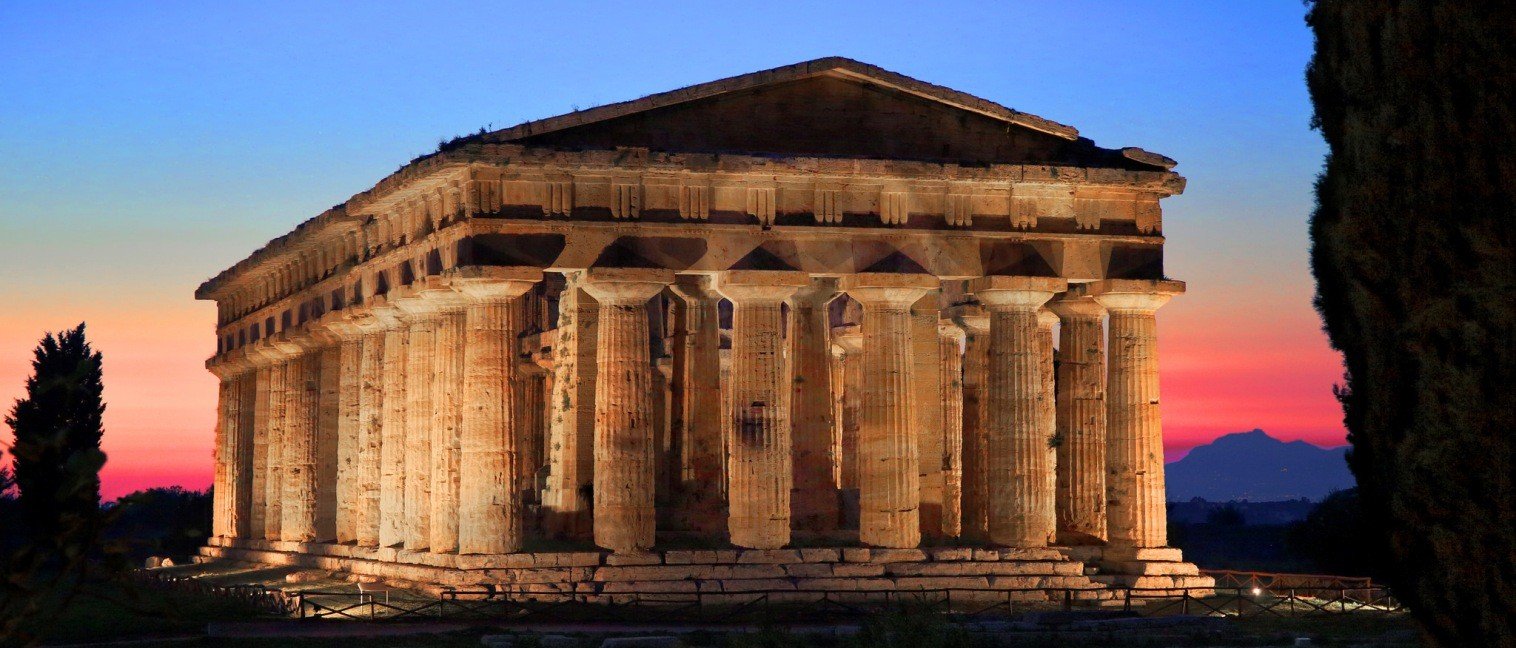
The Temples of Paestum: The three main temples – the Temple of Hera, the Temple of Neptune, and the Temple of Athena – are true masterpieces of Greek architecture. A visit allows you to admire their proportions, columns, and sculptural details unique in the world.
The Archaeological Museum: The National Archaeological Museum of Paestum houses valuable artifacts, including statues, vases, and frescoes that illustrate everyday life and religious beliefs of the ancient inhabitants.
Walks among the ruins: Strolling along the ancient streets and temples offers a direct connection with history, providing perfect views for photography and moments of contemplation.
An experience not to be missed: Guided tours, archaeological routes, and cultural activities make Paestum a perfect blend of history, nature, and Mediterranean charm. Organized tours or audioguides help visitors fully enjoy the site and its surroundings.
Selected Experiences
Discover the most popular experiences in Paestum to fully enjoy the millennial history of the Archaeological Park:
- Paestum: Small-group tour with an archaeologist (tickets included) – Visit the temples and the archaeological area with a real archaeologist, ideal for those who want an in-depth experience. Top Reviews 🏆
- Paestum: Tour of the Greek Temples and Archaeological Museum – A 2-hour guided tour through the three Doric temples and the museum’s artifacts, perfect for a complete visit.
- Paestum: Temple and Museum Tour with Archaeological Guide – Enjoy an in-depth visit with a specialist who shares the site’s history, myths, and discoveries.
- Paestum: Private Tour of the Best-Preserved Temples in the World (UNESCO) – An exclusive experience among some of the best-preserved Doric temples on the planet, recognized by UNESCO.
Useful Information and Tips
Duration of the visit: exploring Paestum usually takes between 2 and 4 hours, depending on how much time you dedicate to the three Doric Temples and the National Archaeological Museum. For a complete and relaxed visit, especially if you want to include strolls in the green areas and the more detailed exhibition spaces, it is recommended to consider half a day.
Accessibility: the archaeological area of Paestum offers relatively flat and mostly accessible paths, although some areas inside the temples or older sections of terrain may be uneven. The Archaeological Museum is largely accessible and equipped with adequate services for visitors with reduced mobility.
Temperature and clothing: in the warmest months temperatures can exceed 30°C and the archaeological area is very exposed to the sun. A hat, water, sunscreen and light clothing are recommended. In winter the climate is mild, but comfortable shoes are advisable, especially for walking on dirt paths.
Available services: near the entrance you will find cafés, restaurants and refreshment points. The archaeological area offers basic services such as toilets and limited shaded zones, while the Museum provides cloakrooms and dedicated visitor facilities.
Opening hours, prices and bookings: opening times and ticket prices may vary depending on the season, temporary exhibitions or special events. For updated information on hours, tickets and reservations, it is advisable to consult the official website of the Archaeological Park of Paestum and Velia.
Recommended time slots: to avoid the hottest hours and peak attendance, it is best to visit the archaeological area early in the morning or late in the afternoon. Late-afternoon light enhances the golden tones of the temples and offers ideal conditions for atmospheric photographs.
Photography: Paestum is one of the most scenic archaeological sites in Italy, offering its best at sunrise and sunset, when the low light enhances the Doric columns and creates an almost mystical atmosphere. The large banner at the top of the page shows one of the temples at its most evocative moment: 📱if you’re browsing from a smartphone, rotate your device horizontally to appreciate the image at its best.
In the Archaeological Museum, photography for personal use is allowed, without flash, unless otherwise indicated for temporary exhibitions.
How to Get There
By car: Paestum is easily accessible via the SS18 Tirrena Inferiore. Paid parking is available near the archaeological area and the Museum. For greater flexibility, you can book a car here with Booking Rent.
By bus: Paestum is well connected with Salerno, Naples, and many towns in Cilento through regional buses. The most frequent lines depart from Salerno, with travel times between 50 and 70 minutes depending on traffic and the time of day. Tickets can be purchased at authorized retailers, or you can book online directly here with TrainLine.
By train: Paestum train station is just a few minutes’ walk from the entrance to the archaeological site. It is served by regional trains from Salerno and Naples, with frequent connections especially during the central hours of the day. The train is one of the most convenient and fastest ways to reach the site. You can book online here with TrainLine.
By taxi or private transfer: Paestum can be reached via transfer services from Salerno, Naples, or the towns along the Cilento Coast. This option ensures comfort, reliable travel times, and often includes drop-off near the main entrances of the park.
Parking: around the temples there are both private and municipal parking areas, most of them paid. On spring and summer weekends, it is recommended to book when possible or arrive in the morning to avoid waiting times.
Other Destinations



🔐 Some images on this page are used under Creative Commons license:
By Baldo Simone – Own work, CC BY-SA 4.0 – Wikimedia Commons –
By Architas – Own work, CC BY-SA 4.0 – Wikimedia Commons –
By Francesco Mocellin – Own work, CC BY-SA 4.0 – Wikimedia Commons –
By Luca Aless – Own work, CC BY-SA 4.0 – Wikimedia Commons –
By Repuli – Own work, CC BY-SA 4.0 – Wikimedia Commons –
By prt – Own work – Opera CC BY-SA 4.0 – Wikimedia Commons