
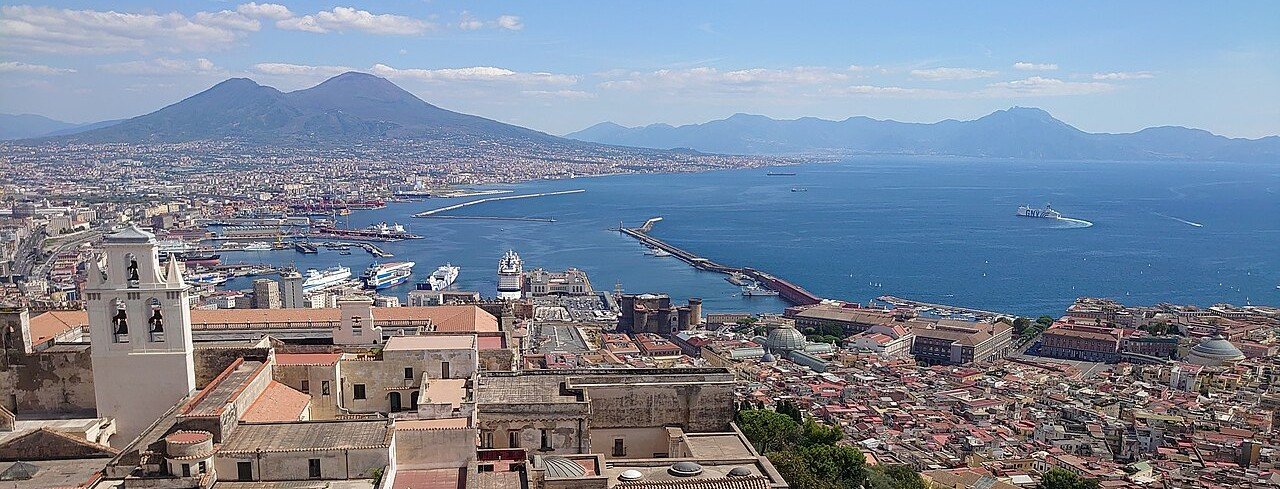
Guide to Naples: what to see, do, eat
Travel Guide to the Best of the City


Naples is one of the most authentic and vibrant cities in Italy. Its Centro Storico, a UNESCO World Heritage Site since 1995, is among the largest in Europe and tells over two thousand years of history, with art, traditions, panoramas, and one of the most famous cuisines in the world.
📌 For a more complete overview of certain items, click on the links to detailed pages +🔗
- Geography and History
- Main Attractions +🔗
- Parks and Nature +🔗
- Sea and Beaches
- Islands and Rocks
- Events and Celebrations
- When to Go
- Getting There
- Getting Around +🔗
- Useful Tips +🔗
- What +🔗 and Where +🔗 to Eat
- Where to Sleep +🔗
Must-see


Overview
📌 A large part of the references covered in this Overview section and in the Practical Info section, are summarized in the Orientation Table 📊 with further details on Wikipedia 🌐 and Google Maps ➡️ where available.
Naples, the vibrant capital of Campania, is a place where ancient history, art, culture, and culinary tradition merge into a unique mosaic. Its warm atmosphere and lively rhythm make it an irresistible destination for those who wish to discover the essence of Southern Italy.
GEOGRAPHY
Naples overlooks the same-named gulf, between the sea and volcanic hills, in one of the most evocative and complex areas of southern Italy. The surrounding territory is characterized by a unique balance between coastal landscapes, urban hills, and volcanic areas, with panoramic views, historic centers, and natural environments coexisting in a space rich in history and identity.
From an analysis of the territory, the main directions of the Naples area clearly emerge:
- North: urban and suburban areas develop here, connecting Naples to the inland of Campania, with residential districts and routes towards Caserta and the Apennines.
- North-West: the area of the Campi Flegrei extends here, characterized by volcanic landscapes, craters, lakes, and archaeological sites of great historical and natural value.
- West: the Phlegraean coastal belt develops here, with locations such as Pozzuoli and Baia, between the sea, natural thermal baths, and traces of the ancient Roman era.
- South: the territory opens onto the Golfo di Napoli, with panoramic sea views and connections to the islands of Capri, Ischia, and Procida.
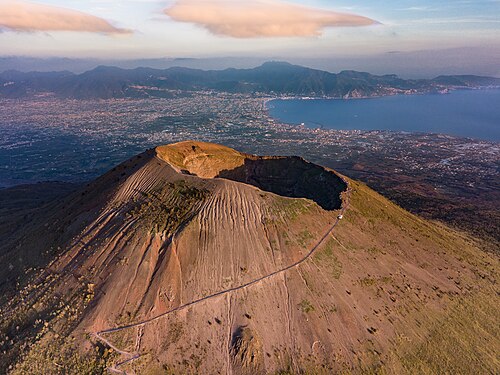
- South-East: the presence of Mount Vesuvius dominates the landscape, one of the most famous volcanoes in the world, linking Naples to the archaeological areas of Pompei and Ercolano.
- East: urban and industrial areas develop here, connecting Naples towards the Campanian plain and the main transport routes of southern Italy.
The city is strategically connected to other important provincial capitals and urban centers in southern Italy, including Caserta, Salerno, Benevento, and Avellino, as well as the main routes towards Rome and southern Lazio. This central position within the Campanian system makes Naples a key hub for exploring the entire region and surrounding areas.
Expand OVERVIEW ⬇️
HISTORY
Naples, one of the oldest continuously inhabited cities in Europe, boasts a millennia-old history shaped by Greek and Roman influences as well as foreign dominations, evolving over time into one of the main cultural, artistic, and political centers of the Mediterranean.
- Ancient origins: founded by the Greeks under the name Neapolis (“new city”), Naples began as a colony of Magna Graecia and quickly became an important commercial and cultural hub of the Mediterranean.
- Roman period: under Roman rule, the city retained a strong Greek identity, becoming a holiday destination for the aristocracy and a prominent cultural center thanks to its privileged position on the Golfo di Napoli.
- Middle Ages: after the fall of the Roman Empire, Naples experienced various dominations (Byzantine, Norman, Swabian, and Angevin), consolidating its political role and developing the core of its historic center.
- Early modern period: between the 15th and 18th centuries, the city became one of the European capitals under Aragonese and later Spanish rule, undergoing major urban and cultural expansion and establishing itself as one of the most populous cities on the continent.
- Contemporary era: with the arrival of the Bourbons and later the unification of Italy, Naples underwent profound social and urban transformations while maintaining a strong cultural identity, becoming one of the main centers of southern Italy.
MAIN ATTRACTIONS
Naples is a true open-air museum where history, art, and culture intertwine within a unique urban fabric. The historic center, listed as a UNESCO World Heritage Site, is a maze of churches, historic palaces, and monuments of extraordinary artistic value. Among the must-see highlights are:
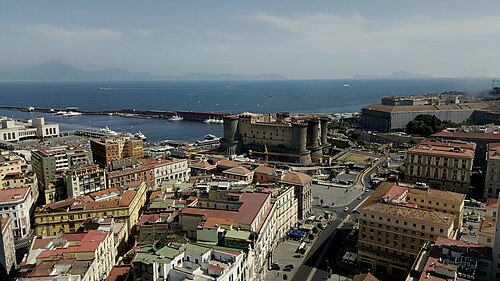
- Castel Nuovo (Maschio Angioino) – A medieval fortress symbolizing Angevin and Aragonese power.
- Duomo di Napoli – Home to the Chapel of the Treasure of San Gennaro and the famous miracle of the blood.
- Palazzo Reale di Napoli – Former Bourbon royal residence with richly frescoed halls.
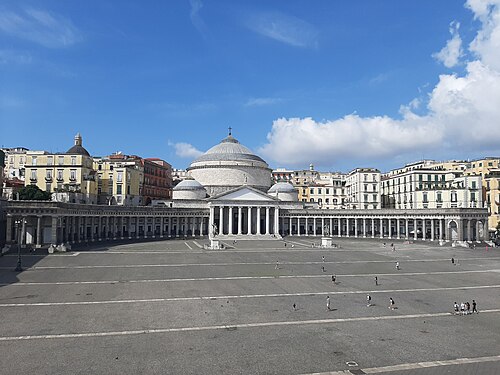
- Piazza del Plebiscito – The city’s most monumental square, surrounded by iconic landmarks.
- Certosa di San Martino – A Baroque monastery offering a spectacular view over the Golfo di Napoli.
Cultural Offer: Naples offers an extremely rich and varied cultural scene, ranging from museums to archaeological sites, with priceless art collections and historical evidence. Among the highlights:
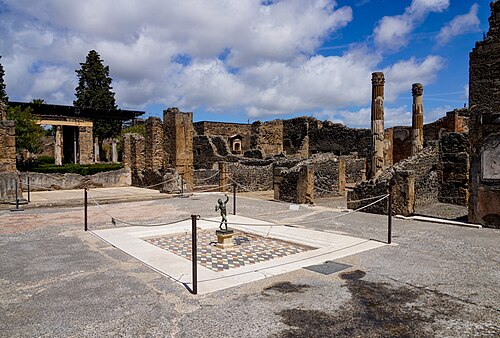
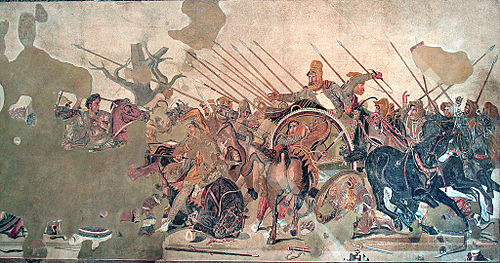
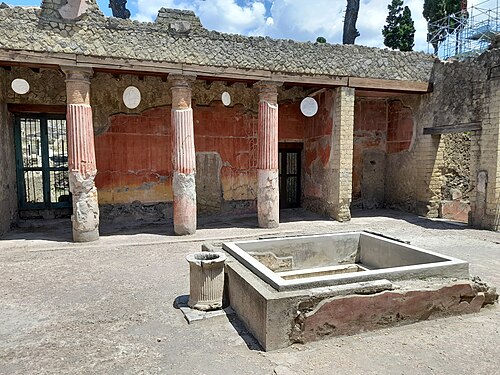
- Archaeological Parks: in the surroundings of Naples are some of the world’s most extraordinary archaeological sites, including Pompei and Ercolano, perfectly preserved after the eruption of Mount Vesuvius in 79 AD.
- Museo Archeologico Nazionale di Napoli, one of the most important archaeological museums in the world, with artifacts from Pompei and Ercolano.
- Museo Cappella Sansevero – Famous for the Cristo Velato, one of the most fascinating sculptures in Neapolitan art.
- Museo Nazionale di Capodimonte – Located in the Reggia di Capodimonte, it houses masterpieces by Caravaggio, Titian, and Raphael.
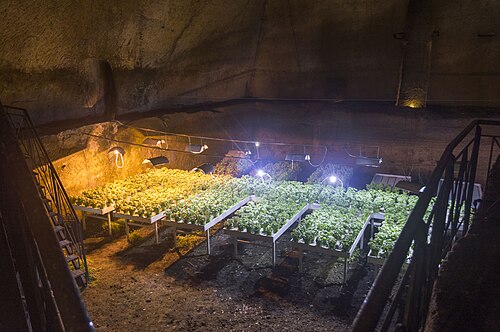
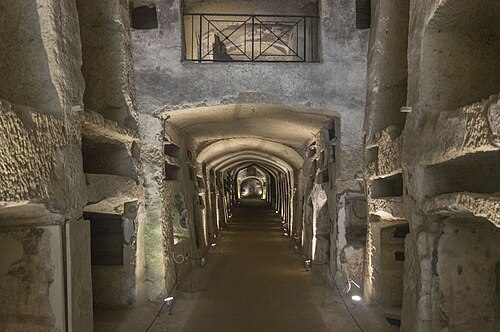
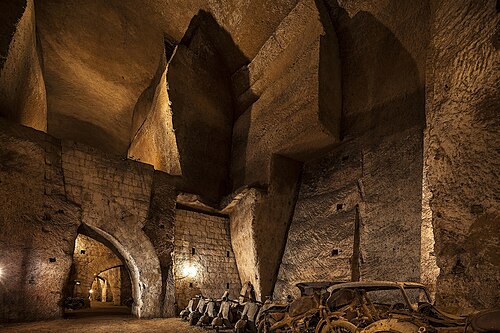
- Napoli Sotterranea – A fascinating journey beneath the city through tunnels and archaeological remains, including Napoli Sotterranea, the Catacombe di San Gennaro, and the Galleria Borbonica.
A perfect mix of history, art, and mystery makes Naples one of the most fascinating cities in Italy.
See also Experiences in Naples: Tours, Tickets and Useful Info
PARKS AND NATURE
Despite its high urban density, Naples also boasts important natural and panoramic areas between the city and its surroundings.
- Parco Nazionale del Vesuvio, established in 1995, extends around the famous Mount Vesuvius, one of the most well-known active volcanoes in the world. The park covers an area of about 135 square kilometers and includes not only the Vesuvius crater but also the surrounding territory, characterized by a rich and varied ecosystem.
- Parco Regionale dei Campi Flegrei extends northwest of Naples, covering an area of about 80 square kilometers. The Campi Flegrei are a vast active volcanic area characterized by numerous craters, fumaroles, solfataras, and thermal springs.
- Parco Virgiliano, located on the Posillipo hill, offers a spectacular view over the Golfo di Napoli, Mount Vesuvius, and the islands.
- Parco di Capodimonte, with its vast English-style garden, is ideal for walks and picnics and is adjacent to the Reggia di Capodimonte.
SEA AND BEACHES
The Golfo di Napoli offers a unique mix of urban landscape and natural coastline, with several beaches and coves that allow you to enjoy the sea both within the city and in the surrounding areas.
- Golfo di Napoli – One of the most iconic gulfs in the Mediterranean, featuring spectacular views embracing Mount Vesuvius and the islands.
- Spiaggia delle Monache – A small and charming urban beach, set in a მშვიდ and natural setting.
- Spiaggia della Gaiola – A protected marine area known for its clear waters and the volcanic landscape of the Campi Flegrei.
- Spiaggia di Miseno – A wide sandy beach located in the flegrean area, among the most popular near Naples.
ISLANDS AND ROCKS
The Golfo di Napoli is enriched by the presence of a unique archipelago, where nature, history, and tradition intertwine among some of the most famous islands in the Mediterranean.
- Capri – One of the most iconic destinations in the world, famous for the Faraglioni, the Grotta Azzurra, and its exclusive landscape.
- Ischia – The largest island in the Golfo di Napoli, known for its natural thermal baths, lush landscapes, and seaside villages.
- Procida – The most authentic and characteristic island of the archipelago, with its colorful historic center and still traditional atmosphere.
- Isole Flegree – An insular area connected to the Campi Flegrei region, characterized by small islets and volcanic natural environments.
EVENTS & CELEBRATIONS
Naples is a lively city all year round, with a calendar full of events and celebrations that reflect its cultural, religious, and contemporary identity. Some of these events represent true symbols of local tradition and city life.
- Festa di San Gennaro – The most important religious celebration in the city, dedicated to the patron saint of Naples and linked to the famous miracle of the liquefaction of the blood.
- Maggio dei Monumenti – A cultural festival that highlights the city’s artistic and historical heritage through events, guided tours, and special openings.
- Comicon Napoli – One of the main Italian festivals dedicated to comics, anime, cinema, and pop culture, with international appeal.
- Festa di Piedigrotta – A historic popular celebration linked to Neapolitan musical and religious tradition.
📊 Orientation Table
In the table below you will find a summary of the main references, to best orient and organize your visit through our itineraries (see Itinerary Overview).
- Scroll the table down and to the right 📱🔄 Rotate your phone horizontally to get an overview of opening days, hours, prices of attractions, and for further details on Wikipedia 🌐 and Google Maps ➡️.
- ⚠️ Always check the opening days and hours of attractions through the Google Maps entries linked in the table. See also Itinerary Info.
- To see the explanation of each data column, click its title (e.g. Attractions Index, Ratings, Org, etc.) at the top of the table.
⏳ Caricamento tabella in corso…
📌 This table is updated every 6–12 months.
🛡️ The tables on Tourplan360.com are original content protected by copyright © and monitored through anti-plagiarism tracking systems.
Itinerary Overview
The best of Naples summarized in a table has been divided into three itineraries to offer you a complete experience suited to any length of stay. Below you will find a short overview to quickly choose the one that best fits your needs.
1 DAY
Visiting Napoli in one day means immersing yourself in an intense journey through art, history, and culture, following an itinerary of about 11 hours. You will discover some of the city’s most iconic landmarks, from the Duomo to the extraordinary collections of the Museo Archeologico Nazionale and Capodimonte, all the way to Castel Nuovo and the elegant Piazza del Plebiscito.

3 DAYS
The Napoli in 3 days tour includes the must-see attractions of the city in a single itinerary, divided into three days of 7 hours of visits each (21 hours total).
In addition to the main stops already included in the 1-day itinerary, this route expands the experience with places such as the Museo Cappella Sansevero with the famous Cristo Velato, the Belvedere di San Martino, and the fascinating Napoli Sotterranea, offering a more complete and relaxed journey through art, views, and local traditions.
COMPLETE TOUR PART 1 AND 2
Naples Complete Tour is the ideal itinerary to explore the city in all its historical, artistic, and cultural richness. With approximately 83 hours of visits spread over 10 days, it offers a complete experience between iconic landmarks and lesser-known corners of the city.
A few numbers better illustrate the completeness of Napoli Tour Completo: 61 places of worship, 35 museums, 26 main streets and squares, 20 monuments, 17 villas and historic palaces, 11 archaeological sites.
More than just a tourist itinerary, Naples Complete Tour is a journey into the soul of the city, an unmissable experience for those who truly want to experience the capital of Southern Italy.
Practical Info
WHEN TO GO
Naples is a city that can be visited all year round, but each season offers a different experience in terms of weather, events, and tourist crowds. Choosing the right time can make your visit even more enjoyable:
- Spring (April–June): Mild temperatures and bright days, perfect for walking along the seafront and exploring the historic center. The city is lively but still manageable in terms of tourism.
- Summer (July–August): Intense heat and large crowds, especially in central and coastal areas. Ideal for enjoying the sea and outdoor evenings, but early booking of accommodations and attractions is recommended.
- Autumn (September–October): Pleasant weather and fewer crowds compared to summer. Perfect for visiting museums, archaeological sites, and enjoying the city at a more relaxed pace.
- Winter (November–March): Cooler temperatures but an authentic atmosphere, with fewer queues at attractions and a city more lived in by locals. Ideal for those seeking a more local experience.
GETTING THERE
Naples is easily reachable by any means of transport. Whether you arrive by plane, train, bus, or car, here is some practical information to help you plan your trip.
- By plane: The Aeroporto di Napoli-Capodichino is located just a few kilometers from the city center and is connected by bus, taxi, and private transfers.
- By sea: The Porto di Napoli is one of the most important in the Mediterranean and connects the city with the islands of the Gulf (Capri, Ischia, Procida) as well as numerous national and international destinations.
- By train: Napoli Centrale station is the main railway hub in Southern Italy, with high-speed connections to Rome, Milan, and other major cities, as well as regional lines.
- By bus: Naples is well connected with many Italian cities through national and international routes, mainly arriving at the Piazza Garibaldi terminal.
- By car: The city is served by the A1, A3, and A16 motorways. Traffic can be heavy in the historic center, so it is recommended to use external parking areas and public transport for getting around the city.
✅ To search for or book a flight you can check Booking.com Flights.
✅ You can check routes, schedules, prices and buy train or bus tickets with Trainline.
✅ For car rentals you can refer to Booking.com Cars.
GETTING AROUND
Naples is a dynamic and very extensive city, but well connected between the historic center, hilly areas, and coastal zones. There are several options to move around easily and visit the main attractions.
- On foot or by bike: The historic center of Naples is ideal to explore on foot, through narrow streets, squares, and monuments. Some areas are also suitable for bike or e-bike rental, especially along the seafront.
- Public transport: Metro, funiculars, buses, and trams connect the main areas of the city. The metro lines are particularly useful for reaching the center, hillside districts, and the central station.
- ZTL: The historic center is subject to Limited Traffic Zones, so it is advisable to check access rules and consider parking outside the central area.
- Parking: The main parking areas are located near strategic zones such as the Central Station, the Port, and peripheral areas well connected by public transport. In Table > Parking and Mobility you will find the most practical solutions.
See also Getting around Naples: Info and Tips
USEFUL TIPS
To visit Naples in the most comfortable and organized way possible, here are some practical tips that can help you save time and money while improving your travel experience.
- Naples Pass: A useful solution to access selected museums and attractions, with benefits on tickets and tourist services.
See also Naples Pass: how it works and where to buy. - Hop-on Hop-off bus: A convenient way to explore the city with a hop-on/hop-off formula, ideal for visiting the main points of interest without stress.
🏆 Panoramic tours available with stops at the city’s main landmarks. - Combined tickets: Some museums and attractions offer combined tickets that allow savings on entry to multiple cultural sites.
- Comfortable shoes: Highly recommended, especially in the historic center where many streets are cobbled and walking distances can be long.
- Water and sunscreen: In the warmer months, it is important to bring water and sunscreen, especially during walking tours.
- Dress code: In places of worship, appropriate clothing is required, with shoulders and knees covered, always maintaining respectful behavior.
WHAT TO EAT
Neapolitan cuisine is one of the richest in Italy, based on simple ingredients, intense flavors, and a strong popular tradition. Every dish represents a piece of the city’s history and identity.
- Pizza napoletana: The absolute symbol of Naples, with a soft dough, high crust, and genuine ingredients such as San Marzano tomatoes and buffalo mozzarella.
- Pasta alla Genovese: One of the most representative dishes of Neapolitan tradition, made with onions and meat slowly cooked until a rich and flavorful sauce is obtained.
- Melanzane alla Parmigiana: Layers of fried eggplant, tomato sauce, mozzarella, and basil—a classic of Southern Italian cuisine also loved in Naples.
- Sfogliatella e Babà: The city’s iconic desserts: the sfogliatella riccia or frolla and the rum babà represent Neapolitan pastry tradition worldwide.
Neapolitan street food: Naples is also a capital of street food, with specialties to enjoy while walking through the historic center’s alleys. Among the most famous are the cuoppo of mixed fried foods, pizza a portafoglio, pasta fritters, and Neapolitan taralli—perfect for an authentic and quick experience.
See also What to eat in Naples
WHERE TO EAT
Naples offers an incredibly rich gastronomic landscape, where fine dining and popular tradition coexist in a unique way. From gourmet restaurants to historic pizzerias, the city stands as one of the world’s capitals of taste.
- 50 Kalò di Ciro Salvo, one of Naples’ most renowned pizzerias, famous for its light and highly digestible dough and the quality of its ingredients.
- Pizzeria Starita a Materdei, a historic Neapolitan institution, known for its traditional pizza and the authentic atmosphere of the neighborhood.
- Palazzo Petrucci Ristorante, a gourmet dining experience overlooking the sea, combining signature cuisine with local ingredients in an elegant setting.
See also Where to eat in Naples
WHERE TO SLEEP
Naples offers accommodation solutions for all needs, from boutique hotels in the historic center to panoramic apartments by the sea or in the quieter areas of the city. Choosing the right area to stay is essential to move comfortably and fully enjoy the Neapolitan experience.

Here are some of the main areas where to stay in Naples, selected for their location, convenience, and atmosphere:
- Historic Center: The best choice for those who want to experience Naples on foot, among narrow streets, monuments, pizzerias, and main attractions.
- Chiaia: An elegant and refined area near the seafront, perfect for those looking for quality hotels, shopping, and high-end restaurants.
- Vomero: A quiet and panoramic hillside district, well connected by funiculars and metro, ideal for a more relaxed stay.
- Stazione Centrale / Garibaldi: A strategic area for those arriving by train or wanting easy access to other destinations in Campania.
See also Where to sleep in Naples: Info and Tips
FAQ
Must-see highlights include Duomo di Napoli, Castel Nuovo, Piazza del Plebiscito, and Palazzo Reale.
Which museums should I visit in Naples?The city hosts important cultural sites such as Museo Archeologico Nazionale, Museo di Capodimonte, Napoli Sotterranea, and Museo Cappella San Severo.
📌 Read more in the section Main Attractions.
Are there parks or green areas in Naples?
Yes, the most famous include Parco Nazionale del Vesuvio and Bosco di Capodimonte.
📌 Read more in the section Parks and Nature.
Is Naples suitable for a short visit?
Yes, the historic center allows you to visit many attractions even with 1- or 3-day itineraries.
📌 Read more in the section Itinerary Overview.
What is the best time to visit Naples?
Spring and autumn offer pleasant temperatures and fewer crowds compared to summer.
Is Naples easy to visit?Yes, but the historic center is lively and busy: it is recommended to move on foot or use public transport such as metro and funiculars.
📌 Read more in the section When to Go.
Which typical dishes should I try in Naples?
Local specialties include pizza napoletana, pasta alla genovese, melanzane alla parmigiana, sfogliatella, and babà.
📌 Read more in the section What to eat.
Where to eat well in Naples?The most popular areas for food are the historic center, Chiaia, Vomero, and the Central Station area.
📌 Read more in the section Where to eat.
What is the best area to stay in Naples?
The historic center is ideal for exploring on foot, while Chiaia offers elegance and sea views, Vomero provides tranquility and panoramas, and the Central Station area is perfect for transport connections.
Are there budget hotels in Naples?Yes, areas such as the Central Station and peripheral neighborhoods offer more affordable options with good connections.
📌 Read more in the section Where to Sleep.
Where can I find days, hours, and prices of attractions?
All information is available in the Orientation Table with complete details for each attraction.
Where can I find links and online information about attractions?The table also includes direct links to Google Maps ➡️ and Wikipedia 🌐 for each attraction.
📌 Check the Orientation Table 📊
See also
- Guide to Naples
- Itineraries: 1d, 3d, CT1, CT2
- See: Attractions
- Do: Experiences
- Eat: Where and What
- Getting Around, Pass, Stay
Other Destinations
🔐 Some images on this page are used under Creative Commons licenses:
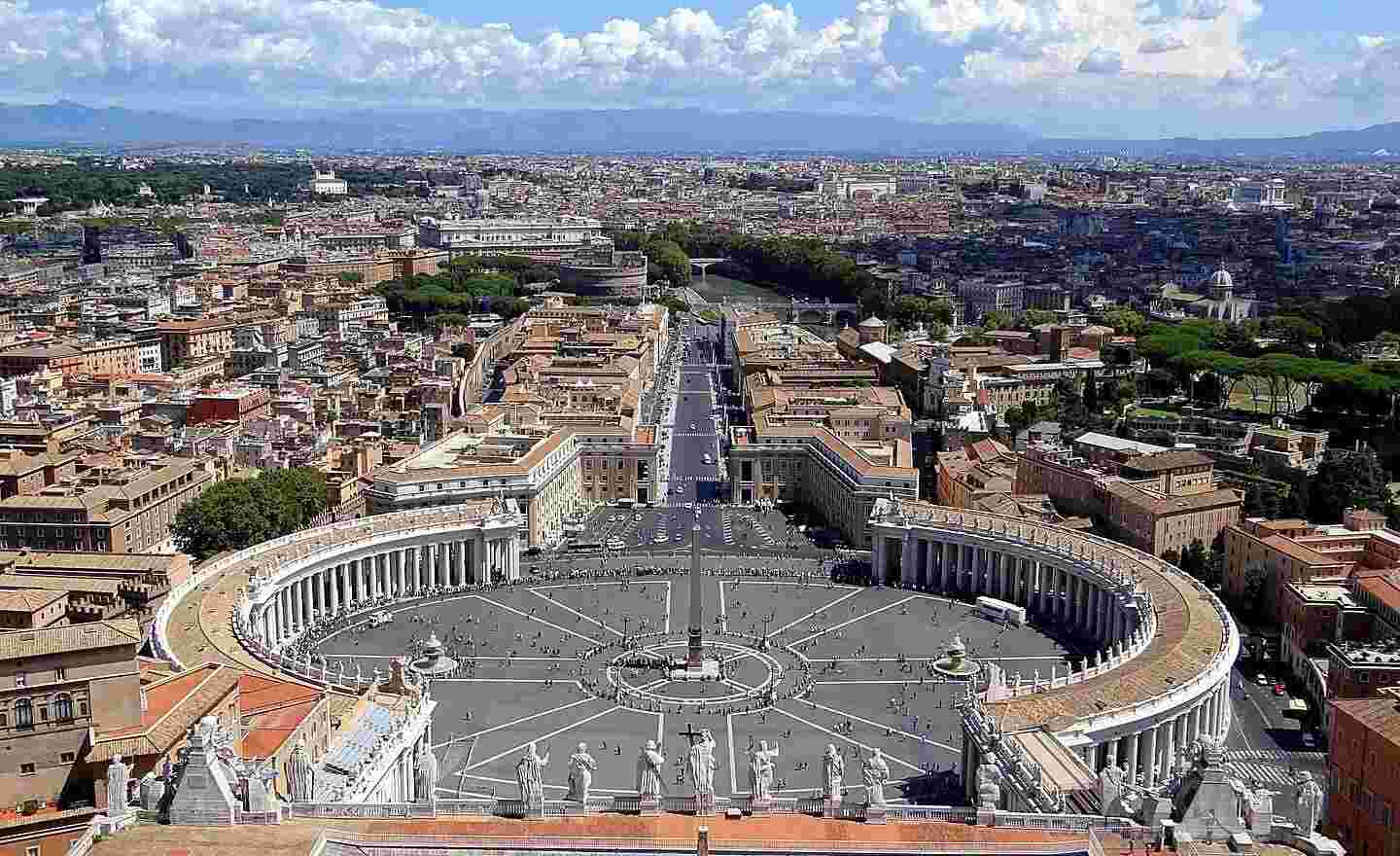
By Anne Offermanns– Panoramic view of Rome from St. Peter’s Basilica – Own work – CC BY-SA 3.0 – Wikimedia Commons
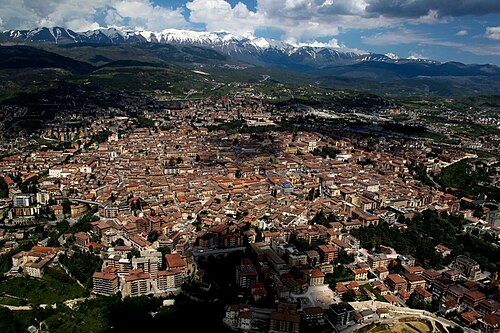
By Lasagnolo9 – Abruzzo, L’Aquila, panoramic view of the city – Own work – CC BY-SA 4.0 – Wikimedia Commons
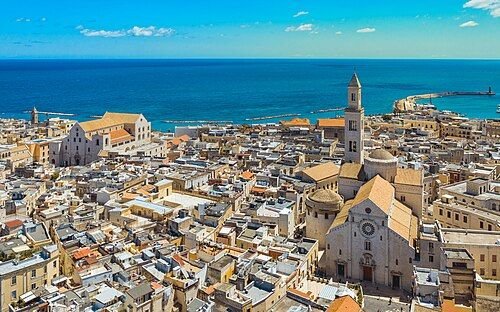
By Francesco Di Stefano 08 – Bari, panoramic view of the Old Town – Own work – CC BY-SA 4.0 – Wikimedia Commons
By Richard Nevell – Naples, panoramic view of the city and Mount Vesuvius – Own work, CC BY-SA 4.0 – Wikimedia Commons


Expand image credits
By Dominik Matus – Underground basilica garden, Naples Underground – Own work – CC BY-SA 4.0 – Wikimedia Commons
By Dominik Matus – Corridor of the lower catacomb of San Gennaro – Own work – CC BY-SA 4.0 – Wikimedia Commons
By Associazione Culturale Borbonica Sotterranea – Shelter of the Bourbon Tunnel – CC BY-SA 4.0 – Wikimedia Commons
By Magrippa at the English Wikipedia – Battle of Issus, National Archaeological Museum of Naples – CC BY-SA 3.0 – Wikimedia Commons
By David Sivyer from United Kingdom – Sansevero Chapel, Veiled Christ – CC BY-SA 2.0 – Wikimedia Commons
By NikonZ7II – House of the Faun, Pompeii – Own work – CC BY-SA 4.0 – Wikimedia Commons
By Argo Navis – Archaeological Park of Herculaneum – Own work – CC BY-SA 4.0 – Wikimedia Commons
By The Dronaut – Mount Vesuvius, symbol of Campania – Own work – CC BY-SA 4.0 – Wikimedia Commons
By Baku – Panoramic view of Piazza del Plebiscito, Naples – Own work – CC BY-SA 4.0 – Wikimedia Commons
By randreu – Naples, Piazza del Municipio towards the Royal Palace and the maritime station – CC BY 3.0 – Wikimedia Commons