
![Cagliari, Il castello di San Michele, sull'omonimo colle, era parte delle fortificazioni di Santa Igia. In seguito fu residenza della famiglia Carroz[46]](https://tourplan360.com/wp-content/uploads/2026/05/Cagliari-Castello_di_San_Michele_vista_del_colle-01.jpg)
Cagliari Complete Tour: travel itinerary
What to see, opening hours, prices, map


The evocative setting of Castello di San Michele 📱🔄️ introduces this Complete Tour dedicated to discovering Cagliari, through historic districts, panoramic bastions, and iconic places that tell the story of the city’s soul.
See also:
- Guide to Cagliari
- Itineraries: 1d, 3d, CT
- See: Attractions
- Do: Experiences
- Eat: Where and What
- Getting Around, Stay
Overview
This complete tour will allow you to explore Cagliari in depth, following a well-structured itinerary that will guide you through the historical wonders, both famous and lesser-known, of the Sardinian capital.
The route is divided into four itineraries:
- Three walking routes through the historic center, to discover the timeless charm of the city’s most characteristic districts, among ancient towers, museums, panoramic bastions, and historic churches.
- One itinerary by car or public transport, to reach the natural and archaeological attractions located outside the city center.
Overall, the estimated time required to complete all four itineraries is 34 hours, allowing you to experience Cagliari in its entirety over 6 days, without missing any detail.
📌 All walking routes are connected (shared stop 🧩), so you always have continuity if you want to skip one or more stops. See also Itinerary Info.
Routes: Maps, Descriptions, Details
CAGLIARI COMPLETE TOUR > PART 1
- Open Open Route Map📍
- Distance: 3,4* km on foot
- Time: 0,51* min. on foot
- Duration of visit: 8 hours
- Stops: 10 main (X →I-X)* + 7 secondary
- Cattedrale di Cagliari (X) → Bastione di Santa Croce (A) → Piccolo “museo” Contus de Arrejolas (B) → Torre dell’Elefante (C) → Bastione di Saint Remy (D) → Giardino Sotto le Mura (E) → Basilica di San Saturnino (F) → Area Archeologica di Sant’Eulalia (G) → Chiesa di Santo Sepolcro (H) → Cripta di Sant’Agostino (I-X)🧩
- For days, times, prices and other info see Itinerary Table 📊
* These values may differ from those shown on Google Maps, as they are continuously recalculated in real time. See also Itinerary Info and Navigator + See here for Shared Stop 🧩
Route Description
SUMMARY
The heart of this itinerary is the historic center of Cagliari, where layers of history, defensive architecture, and religious landmarks intertwine to tell the story of the city’s evolution through the medieval, Pisan, and modern eras.
This 3.4 km walking route unfolds between Castello and Marina, connecting some of the most representative landmarks of the urban landscape, for a total of approximately 8 hours of sightseeing spread throughout the day.
Expand STEP DETAIL ⬇️
📌 All the stops summarized here are structured in the Itinerary Table 📊 with days, opening hours, prices, and Wikipedia 🌐 and Google Maps insights.
Morning
⬇️ starting point
X. Cattedrale di Cagliari
The visit begins at the Cattedrale di Cagliari (National Monument), one of the city’s landmark buildings and a key reference point of the Castello district. Its layered architecture tells the story of centuries of transformations, while inside you will find a mix of Baroque elements and valuable historical testimonies.
Among the most evocative spaces stands the Santuario dei Martiri, with its frescoed crypts that preserve a collected and highly atmospheric setting, almost suspended in time. Completing the complex, the Torre Campanaria offers one of the highest and most open views over the historic center, with a panorama that embraces rooftops, hills, and the sea in the distance.
✨ The combination of underground spaces, historical decorations, and panoramic viewpoints makes this complex one of the most complete and scenic highlights of the entire city itinerary.
❌ Access to the Torre Campanaria is regulated and involves narrow staircases: during peak hours, waiting times and slower movement along the route may occur.
❌ In high season periods or during cruise ship arrivals, both the cathedral and the underground areas may take longer to visit.
The Museo Diocesano of the Cathedral houses valuable sacred artworks, while the Antico Palazzo di Città offers a window into the administrative history of Cagliari.
📌 The Museo Diocesano del Duomo di Cagliari is currently closed to the public.
⬇️
A. Bastione di Santa Croce
Continuing on, you reach the Bastione di Santa Croce, a less-known panoramic spot compared to the Bastione di Saint Remy, yet equally fascinating. From here you enjoy a splendid view over the city rooftops, and the evening atmosphere is particularly evocative.
⬇️
B. Piccolo “museo” Contus de Arrejolas
This little-known museum offers an interesting immersion into Sardinian traditions and folk tales. Perfect for those who want to discover the most authentic side of Cagliari.
✨ A small treasure chest of popular memory: objects, stories, and traditions that bring back the most authentic and now almost disappeared Cagliari.
❌ Optional stop: it can be skipped if time is limited without affecting the overall itinerary.
⬇️
C. Torre dell’Elefante
A medieval symbol of Cagliari, the Torre dell’Elefante is one of the best-preserved defensive structures. Climbing to the top means enjoying a breathtaking view over the Castello district and the port.
❌ The staircase is narrow and may cause delays in visitor flow, especially on weekends.
Afternoon
⬇️
D. Bastione di Saint Remy
One of the most iconic places in the city, the Bastione di Saint Remy is an unmissable stop. With its impressive staircase and the Umberto I terrace, it is the perfect spot for a photographic break.
✨ Sunset from the Bastion turns Cagliari into a golden mosaic suspended between sky and sea.
❌ At sunset hours the terrace fills up quickly: finding a clear spot to stop or take photos without people in the frame may require waiting or constantly moving around.
⬇️
E. Giardino Sotto le Mura
After the Bastion, you descend towards the Giardino Sotto le Mura, a green area that offers a pleasant moment of relaxation among trees and flowerbeds, perfect for a refreshing break.
⬇️
F. Basilica di San Saturnino
One of the oldest religious buildings in Cagliari, the Basilica di San Saturnino is a masterpiece of early Christian architecture. Its ancient history and archaeological remains make it a fascinating visit.
⬇️
G. Area Archeologica di Sant’Eulalia
This complex is a true journey through the history of Cagliari. The underground archaeological area preserves Roman-era remains, while the Museo del Tesoro houses precious sacred artworks. The Chiesa di Sant’Eulalia, with its elegant style, completes the visit.
✨ A vertical journey through the history of Cagliari: Roman remains, museum, and church coexist in a single layered space.
❌ The full visit may require more time compared to other stops on the itinerary.
⬇️
H. Chiesa di Santo Sepolcro
The final stop leads to the Chiesa di Santo Sepolcro, a building with a mystical charm and ancient crypts. A place steeped in history, it perfectly concludes this first part of the tour with a suggestive and fascinating experience.
⬇️
I/X. Cripta di Sant’Agostino is a shared stop 🧩 – See starting point of the next route
CAGLIARI COMPLETE TOUR > PART 2
- Open Open Route Map📍
- Distance: 2,4* km on foot
- Time: 0,38* min. on foot
- Duration of visit: 5 hours
- Stops: 10 main (I-X →I-X)* + 1 secondary
- Cripta di Sant’Agostino (I-X)🧩 → Palazzo Civico di Cagliari (A) → Museo ferroviario Sardo (B) → Nuragica Museo Mostra (C) → Chiesa di San Michele (D) → Cripta di Santa Restituta (E) → Chiesa di Sant’Efisio (F) → Basilica Magistrale Mauriziana Santa Croce (G) → Palazzo Regio (H) → Torre di San Pancrazio (I-X)🧩
- For days, times, prices and other info see Itinerary Table 📊
* These values may differ from those shown on Google Maps, as they are continuously recalculated in real time. See also Itinerary Info and Navigator + See here for Shared Stop 🧩
Route Description
SUMMARY
This walking itinerary of approximately 2.4 km follows a route that connects religious architecture such as the Chiesa di San Michele, institutional buildings such as the Palazzo Regio, and thematic museums such as the Nuragica Museo Mostra, offering a complete and coherent overview of the city’s history.
The route includes 9 main stops and 1 sub-stop, for a total visiting time of approximately 5 hours spread throughout the day.
Expand STEP DETAIL ⬇️
I/X. Cripta di Sant’Agostino
The journey begins in a place full of charm and mystery: the Cripta di Sant’Agostino. This underground space dates back to the 16th century and is linked to the presence of the Augustinians in Cagliari. With its evocative atmosphere and centuries-old history, it represents an excellent starting point for this second day of exploration.
📌 The Cripta di Sant’Agostino is currently closed to the public.
⬇️
A. Palazzo Civico di Cagliari
Continuing on, you reach the Palazzo Civico, one of the most important institutional buildings in the city. Located in the Stampace district, this imposing neo-Gothic/Spanish-style building is decorated with highly refined artistic details, including stained glass windows and sculptures that enrich its façade. A true symbol of Cagliari’s administrative life.
📌 The Palazzo Civico di Cagliari can be visited by appointment. You can find the phone number on its Google Maps listing accessible via the link in the table.
⬇️
B. Museo Ferroviario Sardo
A dive into the history of Sardinian railways awaits visitors at the Museo Ferroviario. Here you can admire old trains, locomotives, and artifacts related to the island’s railway transport. Perfect for history and technology enthusiasts, this museum offers an interesting overview of the development of infrastructure in Sardinia.
⬇️
C. Nuragica Museo Mostra
An unmissable experience for anyone who wants to learn about the Nuragic civilization, one of Sardinia’s defining cultural features. This interactive exhibition allows visitors to immerse themselves in the traditions, customs, and lifestyle of this ancient people through reconstructions, videos, and archaeological finds.
❌ The experience is more effective when visited without rushing: during busy hours, part of its immersive impact may be reduced.
⬇️
D. Chiesa di San Michele
One of the finest examples of Baroque architecture in the city, the Chiesa di San Michele stands out for the richness of its interior decorations and its impressive dome. This religious building, once belonging to the Jesuits, preserves splendid altars and artworks of notable value.
❌ Short visit: it may feel secondary compared to other more iconic stops along the route.
⬇️
E. Cripta di Santa Restituta
Another highly interesting stop is the Cripta di Santa Restituta, an underground space carved into the rock that over the centuries has served different purposes, including as a Christian place of worship and a shelter during World War II. Next to it, the Chiesa Collegiata di Sant’Anna stands out with its monumental staircase and Baroque façade, offering a truly scenic view.
⬇️
F. Chiesa di Sant’Efisio
A symbolic place for the city, dedicated to the patron saint of Sardinia. Despite its small size, this church holds great spiritual and historical importance, as it is the starting point of the famous Sant’Efisio procession, which every year attracts thousands of pilgrims and visitors.
⬇️
G. Basilica Magistrale Mauriziana Santa Croce
Once a synagogue in the Jewish quarter, today this basilica is one of the most fascinating religious buildings in Cagliari. With its elegant interior and a history intertwined with the city’s Jewish community, it is definitely a stop worth visiting.
✨ A surprising historical layering, where religious memory and cultural transformations intertwine.
⬇️
H. Palazzo Regio
The visit concludes at Palazzo Regio, the former residence of Spanish and Savoy viceroys. Located in the heart of the Castello district, this historic building preserves elegant decorated halls, frescoes, and period furnishings that testify to the city’s noble past. A perfect final stop to end this day of discovery in style.
❌ Access is often subject to limited opening hours or non-continuous availability: always check access conditions before visiting.
⬇️
I/X. Torre di San Pancrazio is a shared stop 🧩 – See starting point of the next route
CAGLIARI COMPLETE TOUR > PART 3
- Open Open Route Map📍
- Distance: 3,7* km on foot
- Time: 0,55* min. on foot
- Duration of visit: 10 hours evenly split over 2 days
- Stops: 10 main (I-X →I)* + 5 secondary
- Torre di San Pancrazio (I-X)🧩 → Porta Cristina (A) → Museo Archeologico Nazionale di Cagliari (B) → Mercato Civico di San Benedetto (C) → Parco della Musica (D) → Galleria Comunale d’Arte di Cagliari (E) → Anfiteatro romano di Cagliari (F) → Chiesa Cappuccini Santuario di Sant’Ignazio (G) → Orto Botanico di Cagliari (H) → Villa di Tigellio (I)
- For days, times, prices and other info see Itinerary Table 📊
* These values may differ from those shown on Google Maps, as they are continuously recalculated in real time. See also Itinerary Info and Navigator + See here for Shared Stop 🧩
Route Description
SUMMARY
This circular itinerary of approximately 3.7 km unfolds between Cagliari’s historic center and important cultural and panoramic areas, following a route that connects the Torre di San Pancrazio with the Museo Archeologico Nazionale and the complex of the Basilica di Bonaria.
The route includes 10 main stops and 4 sub-stops, for a total visiting time of approximately 10 hours spread over 2 days.
Expand STEP DETAIL ⬇️
📌 All the stops summarized here are structured in the Itinerary Table 📊 with days, opening hours, prices, and Wikipedia 🌐 and Google Maps insights.
Day 1
⬇️
I/X. Torre di San Pancrazio
The itinerary begins at the Torre di San Pancrazio, one of the tallest medieval towers in Cagliari. Built by the Pisans in the 13th century, this imposing defensive structure rises over the Castello district and offers a breathtaking panoramic view of the city. Its history is fascinating: over time, it has served both defensive purposes and as a prison.
⬇️
A. Porta Cristina
Not far away is Porta Cristina, an elegant gateway to the historic Castello district. Built in the 19th century in honor of Maria Cristina of Bourbon, this monumental structure represents a passage point between the upper part of the city and the Citadel of Museums. A place rich in history, perfect for continuing the exploration.
⬇️
B. Museo Archeologico Nazionale di Cagliari
The next stop is the Citadel of Museums, a complex that houses four important cultural institutions. The Museo Archeologico Nazionale is the core of the visit, with Nuragic, Punic, and Roman artifacts that directly reveal the complexity of Sardinia’s ancient history.
❌ During peak tourist periods, the internal route may slow down, especially in the most iconic sections of the museum.
The Pinacoteca Nazionale offers a more artistic and regional perspective, with works that trace local pictorial evolution and its dialogue with Sardinian tradition.
❌ Compared to the Archaeological Museum, it has a more limited impact: it may feel secondary in short itineraries.
The sub-section of the Museo d’Arte Siamese introduces a completely unexpected element, with a rare Eastern collection in a European context that creates a strong contrast with the rest of the museum path.
❌ Compact space and quick visit: best included only for those interested in Asian art collections.
The Museo Etnografico Regionale closes the visit with an immersion into Sardinian folk traditions, featuring objects, tools, and testimonies of past daily life.
❌ Highly specialized experience: less suitable for those seeking scenic or high visual impact attractions.
⬇️
C. Mercato Civico di San Benedetto
To end the first day in a vibrant atmosphere, nothing beats the Mercato Civico di San Benedetto, the largest covered market in Italy. A triumph of colors, aromas, and flavors awaits among stalls of fresh fish, local products, and regional specialties. Here you can experience the true gastronomic essence of Cagliari, perhaps enjoying a tasting of cheeses, bottarga, or Sardinian sweets.
Day 2
⬇️
D. Parco della Musica
The second day begins with a relaxing stop at Parco della Musica. This modern and well-maintained green space is a cultural hub of Cagliari, home to the Auditorium and the Teatro Lirico. A walk through its landscaped gardens is the perfect way to start the day.
⬇️
E. Galleria Comunale d’Arte di Cagliari
Continuing on, you reach the Galleria Comunale d’Arte, where collections of modern art are displayed in compact and well-organized rooms designed to guide visitors through a clear and continuous path.
❌ At times, the presence of small guided groups may slow down the visit, especially in narrower passageways between rooms.
Just nearby, the Museo delle Cere Anatomiche offers a surprising leap into historical science, where the precision of anatomical models combines with strong visual and educational impact.
❌ Highly subjective stop: the experience may feel less relevant if you are not interested in the history of medicine.
The route ends at the Giardini Pubblici di Cagliari, a green space that offers a natural pause between urban stops, ideal for slowing down and taking a moment to rest.
❌ During peak daytime hours, the area can be quite busy, reducing the sense of tranquility.
⬇️
F. Anfiteatro romano di Cagliari
Among the archaeological wonders of Cagliari, the Anfiteatro Romano holds a special place. Carved into the rock, this ancient imperial-era structure once hosted gladiatorial games and still preserves its powerful historical charm today.
⬇️
G. Chiesa Cappuccini Santuario di Sant’Ignazio
A peaceful oasis awaits visitors at the Chiesa dei Cappuccini, which houses the Santuario di Sant’Ignazio. This church is a deeply felt place of worship for locals and represents an interesting stop to discover the religious side of the city.
⬇️
H. Orto Botanico di Cagliari
Not far away is the Orto Botanico di Cagliari, a perfect stop for nature lovers. With its exotic plants, Mediterranean species, and ancient Roman cisterns, this garden is a true gem in the heart of the city.
❌ Midday hours reduce the quality of the visit due to heat and strong sunlight.
⬇️
I. Villa di Tigellio
The itinerary concludes at the Villa di Tigellio, an archaeological site preserving the remains of an ancient Roman residence. Walking among the ruins of the domus and admiring the remaining mosaics and columns is a fascinating experience that ends the tour with one last glimpse into Cagliari’s ancient history.
📌 The Villa di Tigellio is currently closed to the public.
CAGLIARI COMPLETE TOUR > PART 4
- Open Open Route Map📍
- Distance: 46* km by car
- Time: 1,12* min. by car
- Duration of visit: 11 hours split over 2 days
- Stops: 10 main (X →I)* + 4 secondary
- Castello di San Michele (X) → Villa Pollini (A) → Parco Naturale Molentargius Saline (B) → Fortino di Sant’Ignazio (C) → Torre di Calamosca (D) → Santuario di Nostra Signora di Bonaria (E) → Cimitero Monumentale di Bonaria (F) → Necropoli di Tuvixeddu (G) → Grotta della Vipera (H) → Saline Conti Vecchi (I)
- For days, times, prices and other info see Itinerary Table 📊
* These values may differ from those shown on Google Maps, as they are continuously recalculated in real time. See also Itinerary Info and Navigator + See here for Shared Stop 🧩
Route Description
SUMMARY
This fourth itinerary, the only one by car in the entire Complete Tour, covers a route of approximately 46 km across the territory of Cagliari, passing through historic fortifications such as Castello di San Michele, scenic seaside viewpoints like Torre di Calamosca, and reaching major natural areas such as Parco Molentargius and Saline Conti Vecchi.
The route includes 10 main stops and 4 sub-stops, for a total visiting time of approximately 11 hours spread over 2 days.
Expand STEP DETAIL ⬇️
📌 All the stops summarized here are structured in the Itinerary Table 📊 with days, opening hours, prices, and Wikipedia 🌐 and Google Maps insights.
Day 1
⬇️ starting point
X. Castello di San Michele
The itinerary begins with one of the most fascinating fortifications in the city, the Castello di San Michele. Located on a hill overlooking Cagliari, this medieval castle was built by the Pisans and later used by the Aragonese for defensive purposes. Today it hosts cultural events and exhibitions, but its main attraction is the breathtaking view over the city and the Gulf of Angels.
✨ The most spectacular panoramic point in Cagliari: from the hilltop, the view embraces the city, the sea, and the lagoons in a single sweeping glance.
Surrounding the castle is the Parco di San Michele, a green area perfect for a relaxing walk among trees and scenic paths.
❌ On windy days, the climb can be less pleasant and visibility of the panorama may be reduced.
⬇️
A. Villa Pollini
After enjoying the view from the castle, the route continues to Villa Pollini, a historic residence representing an interesting example of Cagliari’s aristocratic architecture. The villa’s charm lies not only in its elegant structure but also in its long and layered history.
📌 Villa Pollini can be visited by appointment. You will find the phone number on its Google Maps listing accessible via the table link.
⬇️
B. Parco Naturale Molentargius Saline
Leaving the villa behind, it is time to immerse yourself in nature with a visit to the Parco Naturale Molentargius Saline. This vast wetland, once used for salt extraction, is now one of the most important birdwatching areas in Europe.
Here you can admire the famous pink flamingos that have made this area their natural habitat, along with many other bird species and rich vegetation. A true paradise for nature lovers and photography enthusiasts.
❌ During peak hours, the main viewing areas can become crowded.
❌ The park is very large: without a bike or car, you may only cover a limited portion of it.
Book one of the recommended experiences:
✅ 2-hour bike tour in the flamingo oasis
✅ Segway tour of Molentargius Natural Park with coffee
⬇️
C. Fortino di Sant’Ignazio
After a break in nature, the itinerary continues with a visit to the Fortino di Sant’Ignazio, an old defensive structure built by the Spanish in the 17th century. Located in a strategic position on Sant’Elia hill, the fort once protected the coast from sea attacks. Today, its ruins offer an incredible panoramic view of the Cagliari coastline.
⬇️
D. Torre di Calamosca
The final stop of the day is the Torre di Calamosca, one of the coastal watchtowers built during the Spanish period. Its position dominates the sea, offering a spectacular landscape of crystal-clear waters and rugged cliffs.
Next to it stands the Faro di Capo Sant’Elia, an iconic landmark of the Cagliari coastline, perfect for ending the day with a breathtaking sunset view.
✨ The lighthouse is one of the most scenic and photogenic spots along the entire coastal itinerary.
Day 2
⬇️
E. Santuario di Nostra Signora di Bonaria
The second day begins with a visit to one of the most important places of worship in Sardinia: the Santuario di Nostra Signora di Bonaria. This religious complex, which also includes the basilica and museum, is a key landmark for both pilgrims and history enthusiasts.
The sanctuary is linked to the legend of the miraculous arrival of a statue of the Virgin in 1370, and its solemn architecture makes it one of the most fascinating stops on the itinerary.
❌ During religious services or Marian events, access to the interior spaces may be limited or less smooth.
⬇️
F. Cimitero Monumentale di Bonaria
Not far away is the Cimitero Monumentale di Bonaria, one of the oldest cemeteries in the city, featuring sculptures, chapels, and funerary monuments that tell the story of Cagliari through its notable figures. Walking along its shaded paths, visitors can admire highly valuable funerary art, making the visit a cultural and evocative experience.
⬇️
G. Necropoli di Tuvixeddu
The journey continues with one of Cagliari’s most important archaeological sites: the Necropoli di Tuvixeddu. This vast burial complex dates back to the Punic era and is considered the largest of its kind in the Mediterranean. Here you can observe rock-cut tombs, inscriptions, and traces of frescoes, evidence of the ancient Carthaginian civilization that once inhabited the island.
✨ A place that takes you back in time, between history and mystery.
⬇️
H. Grotta della Vipera
A short walk from the necropolis lies the Grotta della Vipera, a striking Roman funerary monument from the 1st century AD. Its name comes from the carved serpents on the tomb’s façade, which holds the story of Atilia Pomptilla, a woman who sacrificed her life for her exiled husband. The beauty of the inscriptions and the touching love story behind this site make it a must-see for archaeology enthusiasts.
📌 The Grotta della Vipera can be visited by appointment. You will find the phone number on its Google Maps listing accessible via the table link.
❌ Very small site and short visit: best included only if already in the Tuvixeddu area.
⬇️
I. Saline Conti Vecchi
The final stop of the itinerary is the Saline Conti Vecchi, a place that combines industrial history and nature. This historic saltworks, still in operation today, tells the story of traditional salt extraction through an immersive route featuring historic buildings, vintage machinery, and stunning landscapes.
In addition to the guided tour, visitors may spot flamingos and other bird species that inhabit the area, ending the journey with a relaxing and fascinating experience.
📌 Although booking for the Saline Conti Vecchi is not strictly required, due to high visitor numbers in certain seasons it is recommended to contact the site before visiting. You will find the phone number on its Google Maps listing accessible via the table link.
Book one of the recommended experiences:
✅ Salt flats museum and train tour of Conti Vecchi
Eating
During the Complete Tour of Cagliari, the gastronomic experience becomes an integral part of the journey, turning lunch breaks and dinners into moments of authentic discovery between sea and tradition.
Among the must-try traditional dishes we highlight:
- Fregola con arselle di Santa Gilla, a symbol of the connection between Cagliari cuisine and the sea.
- Malloreddus alla campidanese, traditional pasta with a rich and flavorful meat sauce.
- Porcetto da latte, one of Sardinia’s most iconic preparations, with an intense and authentic taste.
- Culurgionis d’Ogliastra, traditional stuffed pasta with a rich filling and distinctive wheat-ear closure.
- Pane carasau, thin and crispy flatbread, perfect as a side during meals.
- Pizzetta cagliaritana, the most popular local street food between the city center and the port.
- Burrida alla cagliaritana, a historic fish-based dish tied to the city’s maritime tradition.
To accompany the dishes, Sardinian wines complete the gastronomic experience with balance and character:
- Cannonau di Sardegna DOC, structured and intense, ideal with meats and flavorful dishes.
- Vermentino di Sardegna DOC, fresh and aromatic, perfect with seafood dishes.
- Moscato di Sardegna DOC, ideal to end the meal with sweet and fragrant notes.
Ending the day among the alleys of the historic center or in the port area means experiencing local cuisine in its most authentic context, where every dish becomes part of the city’s story.
See also What to eat in Cagliari
Below you will find a small selection of typical restaurants and venues across the city center, historic districts, and port area, ideal for enjoying Cagliari’s cuisine:
- Sa Domu Sarda, traditional cuisine in the heart of the historic center, ideal for an authentic experience of Sardinian gastronomy.
- Ristorante Luigi Pomata, a benchmark for contemporary seafood cuisine, strongly linked to local catch.
- Trattoria Lillicu, historic trattoria in the Marina district, famous for traditional Cagliari-style fish dishes.
- Sa Piola Restaurant, informal atmosphere with traditional dishes reinterpreted while respecting local heritage.
- Da Marino al St. Remy, seafood cuisine with a panoramic view over one of the most iconic spots in the historic center.
See also Where to eat in Cagliari.
Sleeping
For the Complete Tour of Cagliari, the choice of accommodation directly affects the ease of movement between the different routes, which range from the historic center to museum areas, from religious districts to natural and coastal landscapes.
The historic center (Castello, Marina and Stampace) represents the most strategic base for the initial urban routes: it allows you to reach the Cathedral, Bastione di Saint Remy, main museums, and most cultural stops on foot, without the need for transport, maximizing the days dedicated to exploring the city.

For nature-oriented routes and external areas — such as Molentargius, Poetto, Tuvixeddu and Saline Conti Vecchi — it can be advantageous to consider the Poetto / seafront area, which allows quicker access to the coastline and reduces travel times to the natural sites.
See also Where to sleep in Cagliari: Info and Tips.
📊 Itinerary Table
The following table shows all the stops of the four Cagliari Complete Tour routes, helping you to optimize your visit in the best possible way.
- Scroll the table down and to the right 📱🔄 Rotate your phone horizontally to get an overview of opening days, hours, prices of attractions, and for further details on Wikipedia 🌐 and Google Maps ➡️.
- ⚠️ Always check the opening days and hours of attractions through the Google Maps entries linked in the table. See also Itinerary Info.
- To see the explanation of each data column, click its title (e.g. Attractions Index, Ratings, Org, etc.) at the top of the table.
⏳ Caricamento tabella in corso…
📌 This table is updated every 6–12 months.
🛡️ The tables on Tourplan360.com are original content protected by copyright © and monitored through anti-plagiarism tracking systems.
FAQ
Cagliari Complete Tour is organized into 4 routes: three itineraries mainly develop in the historic center and can be done on foot, while the fourth route is dedicated to the outer areas of the city and requires travel by car or public transport.
📌 See also Overview
Is it possible to skip stops or customize the itineraries?
Yes. In the four itineraries of Cagliari Complete Tour you can remove stops or change their order while maintaining continuous flow. This allows you to adapt the route based on your interests and available time.
📌 See also Info Itineraries
Can these itineraries be done on foot?
Yes, the first three itineraries of Cagliari Complete Tour are designed to be walked in the historic center. The fourth itinerary, focused on natural areas and the outer zones of the city, is instead designed to be done by car or public transport.
📌 See also Getting around Cagliari: Info and Tips
Is it worth booking the main attractions?
During peak tourist periods it is recommended to book in advance or join guided tours to avoid waiting times and secure entry to the most popular attractions.
- ✅ Bike tour in the Flamingo Oasis
- ✅ Segway tour of Molentargius Natural Park with coffee
- ✅ Conti Vecchi Salt Flats museum and train tour
📌 See also Experiences in Cagliari
How long does it take to complete the Cagliari Complete Tour?
The Cagliari Complete Tour requires approximately 34 hours of visiting time spread over 6 days.
Where can I find opening days, times, and prices of attractions?
All updated information is available in the Itinerary Table 📊, with direct links to Google Maps and Wikipedia for further insights.
See also
- Cagliari in 1 Day
- Cagliari in 3 Days
- Guide to Cagliari
- See: Attractions
- Do: Experiences
- Eat: Where and What
- Getting Around, Stay
Other Destinations
🔐 Some images on this page are used under a Creative Commons license:
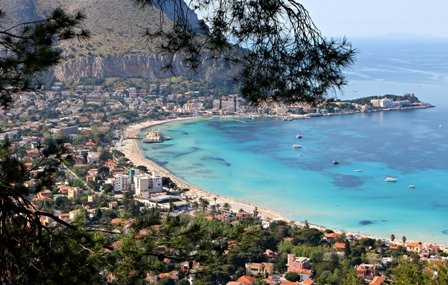
By Andrea Calcagno – Palermo, Gulf of Mondello – Own work – CC BY-SA 2.0 – Wikimedia Commons
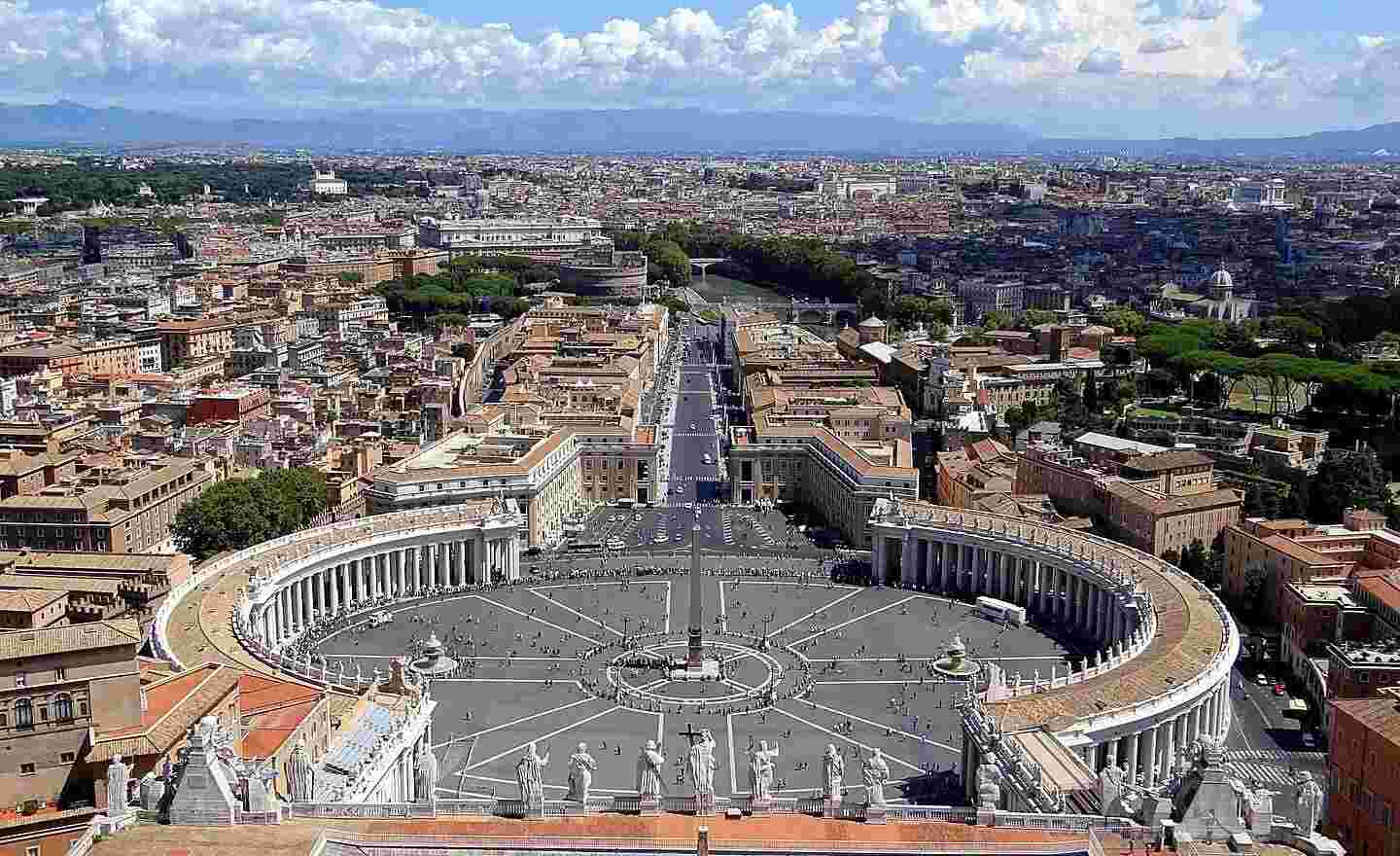
By Anne Offermanns– Panoramic view of Rome from St. Peter’s Basilica – Own work – CC BY-SA 3.0 – Wikimedia Commons
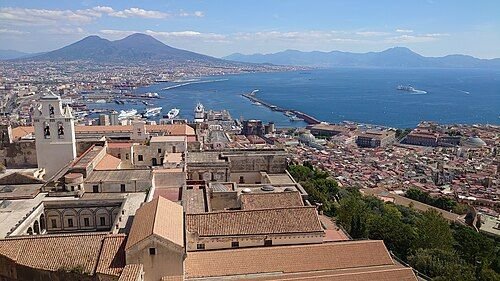
By Richard Nevell – Naples, panoramic view of the city and Mount Vesuvius – Own work – CC BY-SA 4.0 – Wikimedia Commons
By Elisa.Mnn – Cagliari, San Michele Castle viewed from the hill – Own work – CC BY-SA 4.0 – Wikimedia Commons
