
Guide to Cagliari: what to see, do, eat
Travel Guide to the Best of the City


Perched on seven limestone hills and overlooking the blue waters of the Gulf of Angels, Cagliari preserves thousands of years of history among medieval alleyways, breathtaking views, and authentic flavors.
📌 For a more complete overview of certain items, click on the links to detailed pages +🔗
- When to Go
- Getting There
- Getting Around +🔗
- Useful Tips
- What +🔗 and Where +🔗 to Eat
- Where to Sleep +🔗
Must-see
Overview
📌 A large part of the references covered in this Overview section and in the Practical Info section, are summarized in the Orientation Table 📊 with further details on Wikipedia 🌐 and Google Maps ➡️ where available.
Cagliari, the capital of the Sardinia Region, is a fascinating city overlooking the Mediterranean Sea and located in the heart of the Gulf of Angels. With a history spanning thousands of years and a central role on the island, it is now an important cultural, administrative, and economic center where tradition and modernity coexist in a unique setting of sea, hills, and historic districts.
GEOGRAPHY
Cagliari is located in the southern part of Sardinia, overlooking the Mediterranean Sea and in particular the Golfo degli Angeli, one of the largest and most picturesque bays on the island.
The city extends between the sea and a complex hilly system, characterized by limestone elevations, compact urban areas, port districts, and scenic waterfronts alternating with historic and modern neighborhoods.
Its coastal and island location has always made Cagliari a strategic point in the western Mediterranean, with a strong commercial, military, and cultural vocation.
A clear reading of the territory highlights the main geographical directions of the Cagliari area:
- North: the territory extends toward the Campidano plain and the inland municipalities, with towns such as Assemini, Elmas (home to the airport), and connections to Oristano and central Sardinia.
- North-West: important lagoon and natural areas develop here, such as the Santa Gilla lagoon, along with connections to the inland territory and the agricultural areas of Campidano.
- West: the landscape opens toward the western coast of Sardinia, with connections to locations such as Capoterra and protected natural areas between the sea and coastal lagoons.
- South: the coastline continues toward the island’s south-western shore, characterized by beaches, cliffs, and tourist destinations stretching toward Pula and Chia.
- South-East: one of Sardinia’s most spectacular coastal areas unfolds here, with beaches and coves extending toward Villasimius, renowned for its crystal-clear waters and protected natural areas.
- East: the territory is dominated by the Mediterranean Sea, linking Cagliari to historic routes toward the Italian peninsula and North Africa. The Port of Cagliari remains one of the island’s main maritime hubs for both commercial and passenger traffic.
The city is strategically connected to Sardinia’s main centers, including Sassari, Oristano, Nuoro, and Olbia, as well as maritime and air links to the Italian mainland, particularly Rome, Milan, and Naples.
Thanks to the Cagliari-Elmas Airport: Info & Tips, the port, and the island’s main road network, Cagliari represents one of the key hubs for mobility, tourism, and economic exchange in Sardinia.
Expand OVERVIEW ⬇️
HISTORY
Cagliari is one of the oldest cities in the western Mediterranean, with a history that spans the Nuragic civilization, Phoenician and Punic rule, the Roman period, Byzantine, Pisan, and Aragonese domination, leading to the modern city we know today.
- Ancient origins: the area of Cagliari has been inhabited since prehistoric times, but it was during the Nuragic civilization that the territory began to develop stable settlements. Later, the Phoenicians founded Karalis, taking advantage of the strategic location of the natural harbor in the Gulf of Angels.
- Roman period: under Roman rule, Carales became one of the main centers of Roman Sardinia, serving important administrative, commercial, and military functions thanks to its strategic position in the western Mediterranean.
- Middle Ages: after the fall of the Roman Empire, the city came under Byzantine control and later experienced Pisan and Aragonese rule. During this period, the district of Castello and the major fortifications that still define the historic center today were developed.
- Modern Age: between the 16th and 18th centuries, Cagliari strengthened its role as the administrative and military center of the Kingdom of Sardinia. Urban growth was closely linked to the strategic importance of the port and the presence of Spanish and later Savoy institutions.
- Contemporary Age: following the Unification of Italy and throughout the 20th century, Cagliari became the regional capital and the island’s leading economic, academic, and port city, reinforcing its position as a key gateway between Italy and the Mediterranean.
MAIN ATTRACTIONS
The architecture of Cagliari reflects its long and layered Mediterranean history. The city center combines Phoenician, Roman, Pisan, Aragonese, and modern elements, creating a unique urban landscape made of perched historic districts, panoramic bastions, Romanesque churches, and contemporary waterfront areas:
- Bastione di Saint Remy: one of the symbols of the city, it connects the Marina district with Castello and is known for its monumental staircase and panoramic terrace overlooking the Gulf of Angels.
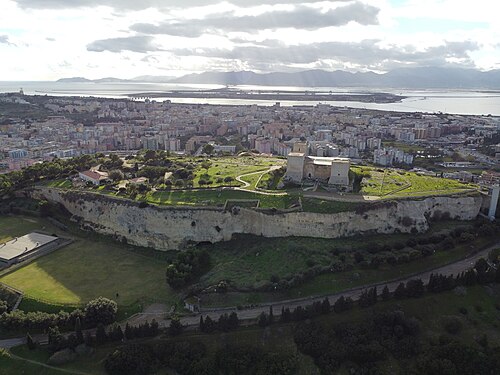
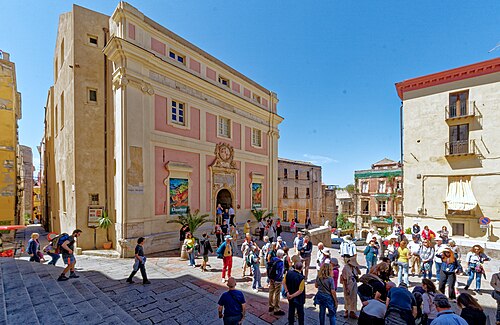
- Castello: the fortified historic district of Cagliari, the medieval heart of the city, featuring Pisan towers, narrow stone streets, and important historical and museum buildings.
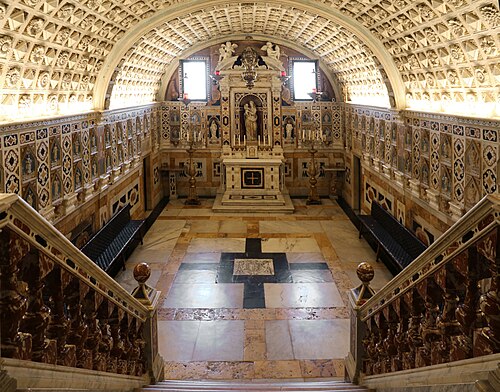
- Cattedrale di Santa Maria: the main religious building of the city, located in the Castello district, characterized by Romanesque, Gothic, and Baroque elements.
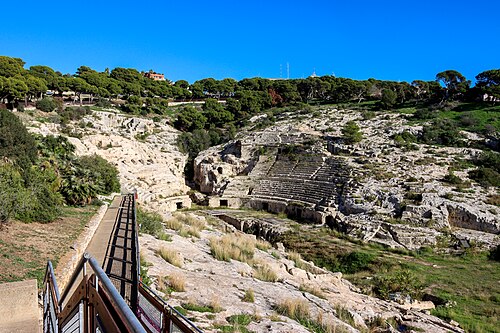
- Anfiteatro Romano: built in the 2nd century AD, it is one of the most important archaeological sites in the city, once used for gladiator fights and today for open-air performances.
Cagliari also offers a rich cultural and museum heritage:
- Museo Archeologico Nazionale: preserves artifacts that tell the story of Sardinia, from the Nuragic civilization to the Phoenician and Roman eras, offering a complete journey through the island’s origins.
- Galleria Comunale d’Arte di Cagliari: located in the Public Gardens, it exhibits works by Sardinian and Italian artists from the 19th century to contemporary art.
- Pinacoteca Nazionale di Cagliari: housed in the Castello district, it contains important collections of sacred art and Sardinian painting from the Middle Ages to the modern era.
See also Experiences in Cagliari: Tours, Tickets & Useful Info
PARKS AND NATURE
Despite being a highly urbanized city historically linked to its port and administrative role, Cagliari offers numerous natural spaces, protected areas, and wetlands that significantly contribute to the quality of life and the biodiversity of the urban territory.
- Stagno di Cagliari (Santa Gilla) is one of the most important lagoon areas in Sardinia. It is a rich ecosystem of flora and fauna, essential for environmental balance and for traditional activities such as fishing and salt production.
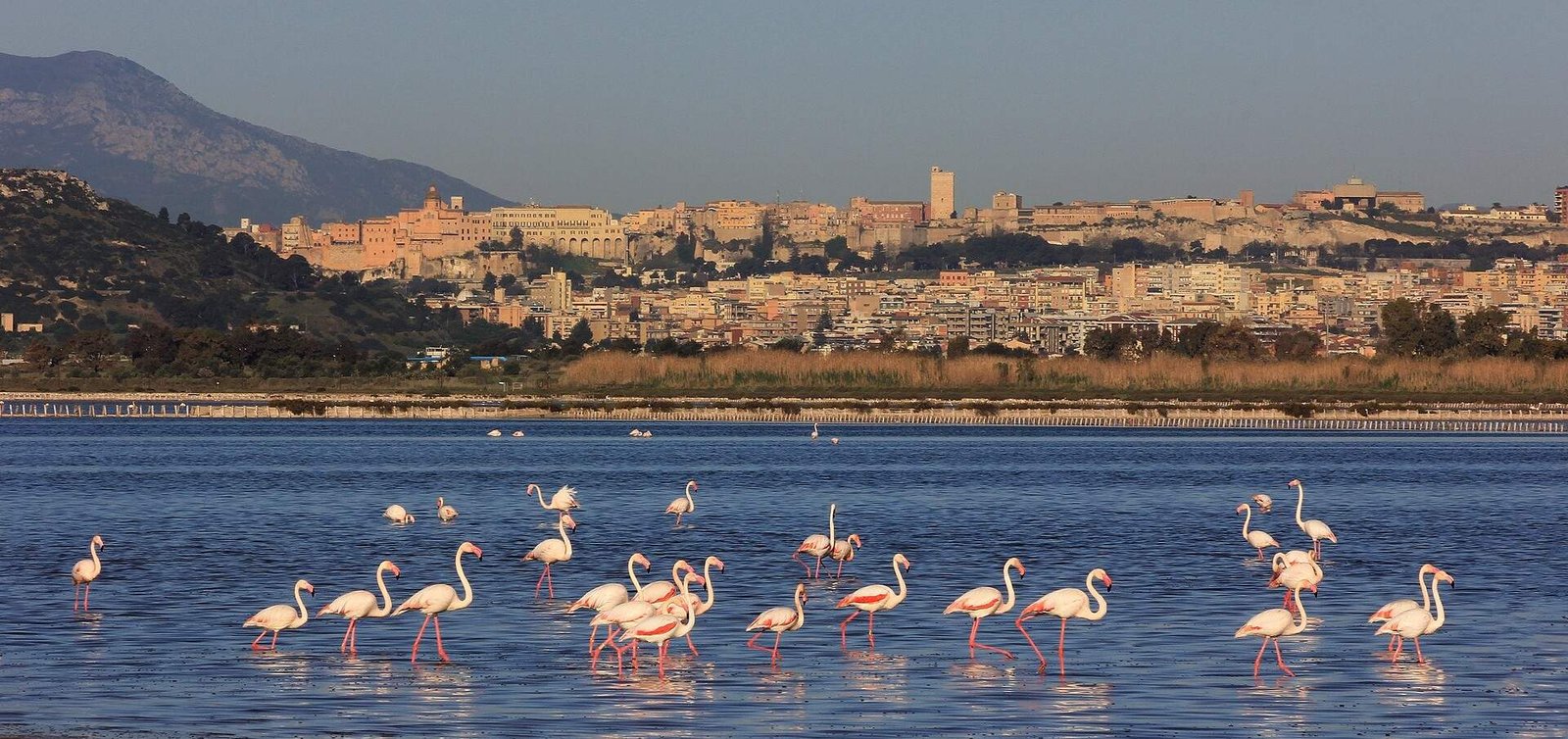
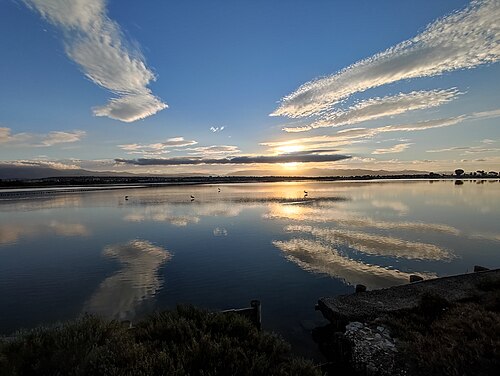
- Parco Naturale Regionale Molentargius – Saline is one of the main protected areas of the city, famous for its pink flamingos and its natural trails through wetlands, salt flats, and cycling paths immersed in nature.
- Saline Conti Vecchi is an important historical and natural area located near the city. Beyond its scenic value, it represents an example of industrial archaeology linked to salt production and offers visitor routes among basins, canals, and unique landscapes.
SEA AND BEACHES
Cagliari has a direct and continuous relationship with the sea, expressed through a long coastal system made up of urban beaches, natural coves, and scenic views that accompany the city’s daily life with relaxation, sports, and walks along the waterfront.
- Spiaggia del Poetto is the city’s main beach, a long sandy shoreline easily accessible from the center, very popular with both residents and tourists throughout the year.
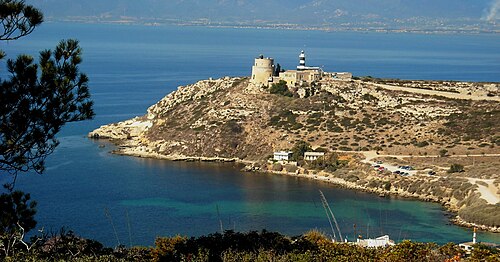
- Calamosca is a small bay nestled at the foot of the Sella del Diavolo, appreciated for its calm waters and sheltered location, ideal for those seeking a more intimate setting than Poetto.
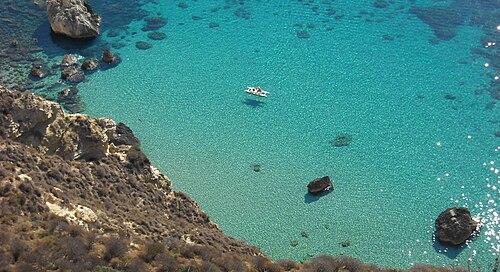
- Cala Fighera is a wilder and rockier natural cove, highly valued for its crystal-clear waters and unspoiled environment, especially frequented by hikers and lovers of authentic seaside landscapes.
- Sella del Diavolo is Cagliari’s iconic promontory, a panoramic natural area overlooking the Golfo degli Angeli and offering hiking trails with spectacular coastal views.
EVENTS & CELEBRATIONS
Cagliari is a city deeply connected to its religious, cultural, and popular traditions. Throughout the year, it hosts events and celebrations that reflect its Mediterranean identity, combining faith, folklore, the sea, and major trade fairs of regional and national importance.
- Carnevale di Cagliari (February) – A traditional celebration featuring parades, masks, and performances that bring the city to life with events dedicated to Sardinian folk culture and Carnival festivities.
- Fiera Campionaria di Cagliari (April–May) – A historic trade fair dedicated to commerce, craftsmanship, innovation, and agri-food products, serving as a key reference point for exhibitors and visitors at both regional and national levels.
- Festa di Sant’Efisio (May 1) – The most important religious celebration in Sardinia. The procession crosses the city to Nora, involving thousands of devotees in one of the island’s most heartfelt events.
📊 Orientation Table
In the table below you will find a summary of the main references, to best orient and organize your visit through our itineraries (see Itinerary Overview).
- Scroll the table down and to the right 📱🔄 Rotate your phone horizontally to get an overview of opening days, hours, prices of attractions, and for further details on Wikipedia 🌐 and Google Maps ➡️.
- ⚠️ Always check the opening days and hours of attractions through the Google Maps entries linked in the table. See also Itinerary Info.
- To see the explanation of each data column, click its title (e.g. Attractions Index, Ratings, Org, etc.) at the top of the table.
⏳ Caricamento tabella in corso…
📌 This table is updated every 6–12 months.
🛡️ The tables on Tourplan360.com are original content protected by copyright © and monitored through anti-plagiarism tracking systems.
Itinerary Overview
All the main attractions of Cagliari shown in the table have been carefully divided into the three itineraries we created to ensure a complete, well-planned visit experience that is suitable for any amount of time available.
To make the choice easier, below you will find short descriptions of each itinerary, helping you quickly select the one that best matches your needs.
CAGLIARI IN 1 DAY
If you only have one day available, this itinerary allows you to discover the heart of Cagliari with a walking route through the main attractions of the historic center.
The tour includes iconic landmarks such as the Bastione di Saint Remy, the Cattedrale di Cagliari, and the Museo Archeologico Nazionale, combining history, culture, and panoramic views.
CAGLIARI IN 3 DAYS
With three days available, you can explore Cagliari in a complete and relaxed way, following a well-structured itinerary that combines history, art, and nature.
The first two days are dedicated to exploring the historic center, with a walking route that lets you fully immerse yourself in the city’s culture and architectural beauty.
The third day, instead, is designed for nature and landscape lovers, with visits to the stunning Parco Naturale Molentargius Saline and the fascinating Saline Conti Vecchi, both easily reachable by car or public transport.
CAGLIARI COMPLETE TOUR
Complete Cagliari Tour is an itinerary designed for those who want to explore the city in depth over six days, combining walking routes in the historic center with trips to the outer areas.
The experience allows you to discover Cagliari in all its facets, alternating cultural visits, urban landscapes, and natural settings, for a complete overview of the Sardinian capital.
All the main attractions included in the route are already part of the 1-day and 3-day itineraries, which are here expanded and explored in greater depth for a slower and more detailed experience of the city and its surroundings.
Practical Info
WHEN TO GO
Cagliari can be visited throughout the year, but each season offers a different experience thanks to its Mediterranean climate, local events, and the varying atmosphere of its urban and coastal areas. The chosen period mainly affects temperatures, sea activities, and tourist crowds.
- Spring (April–June): one of the best times to visit, with mild temperatures and bright days. Ideal for exploring the historic center and coastal areas before the arrival of the summer tourist season.
- Summer (July–August): a warm and lively season, with a large number of tourists and vibrant activity along the beaches and waterfront. Perfect for enjoying the sea, but less suitable for sightseeing during the hottest hours of the day.
- Autumn (September–October): a balanced period with pleasant weather and fewer tourists. Excellent for experiencing the city in a more authentic and relaxed way, combining seaside enjoyment and cultural visits.
- Winter (November–March): a quieter and more local season, with generally mild temperatures. The historic center remains enjoyable to visit, although beach-related activities are more limited.
GETTING THERE
Cagliari is a major transportation hub in Sardinia and is easily accessible both nationally and internationally. The city is served by an airport, seaport, railway network, and road connections, making it reachable throughout the year.
- By plane: Cagliari is served by the Cagliari-Elmas Airport, the main airport in Sardinia, with both domestic and international connections. From the airport, the city center can be reached quickly by train, bus, or taxi.
- By ferry: the Port of Cagliari is one of the island’s main ports and connects Sardinia with several ports in mainland Italy and across the Mediterranean, serving both passenger and commercial traffic.
- By train: Cagliari railway station is Sardinia’s main rail hub, with regional services linking the capital to major cities on the island such as Oristano, Sassari, and Olbia.
- By car: Cagliari is connected to Sardinia’s main road network through the SS131 Carlo Felice highway and the island’s principal regional roads, providing easy access to the rest of Sardinia. Urban traffic is generally smooth, with heavier congestion during peak hours.
✅ To search for or book a flight you can check Booking.com Flights.
✅ You can check routes, schedules, prices and buy train or bus tickets with Trainline.
✅ For car rentals you can refer to Booking.com Cars.
GETTING AROUND
Cagliari is a medium-sized and fairly compact city in its central areas, making it easy to get around both on foot and by public transport. The urban mobility system allows convenient travel between the historic center, modern neighborhoods, and the main points of interest.
- On foot: the historic center of Cagliari, particularly the districts of Castello, Marina, and Stampace, is easy to explore on foot. Many of the main attractions are located within a compact area connected by pedestrian routes.
- Public transport: city buses and local transport services provide connections between the center, suburban districts, and coastal areas. They are especially useful for reaching beaches and locations outside the city center.
- Urban rail service: the railway network connects the city center with Cagliari-Elmas Airport and several locations within the metropolitan area, offering fast travel along key routes.
- Cars and parking: the historic center includes limited traffic zones (ZTL), so vehicle access is regulated. It is advisable to park in the outer areas and continue on foot or by public transport. In Table > Parking and Mobility you will find the most useful options for parking and getting around the city.
See also Getting around Cagliari: Info and Tips
USEFUL TIPS
To visit Cagliari in the most comfortable and organized way possible, here are some practical tips that can help you enjoy the city and make the most of your travel experience.
- Comfortable shoes: highly recommended for exploring the historic center and hillside areas such as Castello, which feature steep streets, stairways, and uneven paving.
- Water and sun protection: during the warmer months, it is essential to carry water and sunscreen, especially when visiting the city center and coastal areas exposed to the sun.
- Binoculars and camera: recommended for visitors to natural areas such as the Molentargius–Saline Regional Park and the Conti Vecchi Salt Pans, and also useful for the wide-open views of the Sella del Diavolo and the Gulf of Angels.
- Respect for religious sites: appropriate clothing and respectful behavior are required in churches and sacred places, particularly in the Cathedral and the city’s main historic buildings.
- Boat experiences: one of the best ways to experience Cagliari is from the sea. Boat tours in the Golfo degli Angeli and around the Sella del Diavolo allow visitors to discover hidden coves, enjoy snorkeling, and admire the coastline from a unique perspective.
Book one of these recommended experiences:
✅ Boat tour with 4 swimming stops at Sella del Diavolo
✅ Boat tour with 4 stops, swimming, snorkeling and 1 spritz
✅ Boat tour with snorkeling, GoPro and Sardinian beer
✅ Boat tour in the Golfo di Cagliari with aperitif
WHAT TO EAT
Cagliari’s cuisine represents one of the most authentic expressions of Sardinian gastronomic tradition, characterized by simple ingredients, intense flavors, and a strong connection to the sea and the local territory. Among the dishes not to be missed are:
- Bottarga: an iconic specialty of Sardinia’s coastal cuisine, often served sliced or grated, with a rich and savory flavor.
- Fregola con le arselle: a traditional dish made with small handmade semolina pasta and clams, known for its intense seafood flavor.
- Malloreddus alla campidanese: Sardinia’s signature pasta dish, served with a rich and flavorful meat sauce.
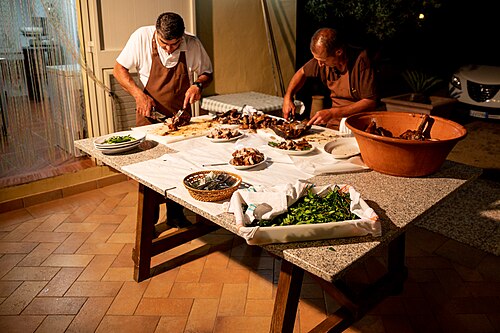
- Porceddu: roasted suckling pig, a symbol of Sardinian cuisine, characterized by tender meat and crispy skin.
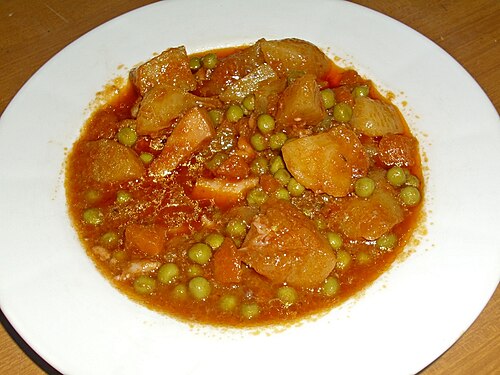
- Burrida alla cagliaritana: a historic marinated fish dish closely linked to the city’s seafaring tradition.
- Desserts – Seadas: a traditional Sardinian dessert made of fried pastry filled with cheese and topped with honey, famous for its sweet and savory contrast.
To accompany lunch and dinner, Sardinian wines enhance every dish with balance and character:
- Cannonau di Sardegna DOC, full-bodied and intense, ideal with meat dishes and rich recipes.
- Vermentino di Sardegna DOC, fresh and aromatic, perfect with seafood dishes.
- Moscato di Sardegna DOC, ideal for ending a meal with sweet and aromatic notes.
See also What to eat in Cagliari
WHERE TO EAT
Cagliari offers an authentic and highly varied gastronomic scene that combines traditional Sardinian cuisine, seafood specialties, and more contemporary proposals. From historic restaurants in the city center to traditional trattorias in the most characteristic neighborhoods, it is possible to discover local flavors in settings deeply connected to the island’s culture:
- Sa Domu Sarda, one of the key references for traditional Cagliari cuisine, offers typical Sardinian dishes prepared according to authentic recipes in a warm and carefully designed atmosphere.
- Trattoria Lillicu, a historic trattoria in the Marina district, famous for its simple and genuine seafood cuisine, highly appreciated by both locals and visitors.
- Ristorante Luigi Pomata, a benchmark for contemporary seafood cuisine, where tradition and creativity come together in elegant and well-crafted dishes.
- Sa Piola Restaurant, an informal and authentic venue offering traditional Cagliari dishes reinterpreted in a modern way, while maintaining a strong connection to local cuisine.
- Da Marino al St. Remy, a seafood restaurant located in a panoramic position, ideal for enjoying fish specialties with views of one of the city’s most iconic landmarks.
See also Where to eat in Cagliari.
WHERE TO SLEEP
Cagliari offers a variety of accommodation options, from hotels in the historic center to modern properties located in the city’s newer and well-connected areas.
Choosing the right area to stay in is essential to fully experience the city and move comfortably between the historic center, the sea, and the main points of interest.

Here are some of the main areas where to stay in Cagliari, selected for their location, convenience, and atmosphere:
- Castello: the historic hilltop district, ideal for those who want to stay among ancient streets, panoramic bastions, and the city’s main cultural attractions.
- Marina: a central and lively area, perfect for those looking for restaurants, nightlife, and proximity to both the port and the historic center.
- Stampace: a historic and authentic neighborhood, convenient for reaching the city center on foot and experiencing a more local and less touristy atmosphere.
- Poetto: a seaside area ideal for those who want to stay close to the beach, with direct access to the shoreline and waterfront venues.
See also Where to sleep in Cagliari: Info and Tips
FAQ
Must-see highlights include Bastione di Saint Remy, Castello district, and Poetto Beach.
Which museums and monuments should I visit in Cagliari?The city hosts important museums and landmarks, including Museo Archeologico Nazionale, Galleria Comunale d’Arte di Cagliari, and Pinacoteca Nazionale di Cagliari.
📌 Read more in the section Main Attractions.
Are there parks or green areas in Cagliari?
Yes, the most famous include Stagno di Molentargius, Parco Naturale Molentargius-Saline, and Saline Conti Vecchi.
📌 Read more in the section Parks and Nature.
Is Cagliari suitable for a short visit?
Yes, the historic center is compact and allows visitors to explore many attractions even with 1- or 3-day itineraries, with easy access between key areas of the city.
📌 Read more in the section Itinerary Overview.
What is the best time to visit Cagliari?
Spring and autumn offer mild temperatures and ideal conditions to visit both the city and nearby beaches without the summer crowds.
Is Cagliari easy to visit?Yes, the historic center is compact and the main attractions are easily reachable on foot or with short transfers.
📌 Read more in the section When to Go.
Which typical dishes should I try in Cagliari?
Local specialties include malloreddus, fregola with seafood, porceddu, and seadas.
📌 Read more in the section What to eat.
Where to eat well in Cagliari?The most popular areas for enjoying Cagliari cuisine are Marina district, Castello historic quarter, and Poetto area.
📌 Read more in the section Where to eat.
What is the best area to stay in Cagliari?
The historic center is ideal for exploring on foot, while Marina, Stampace, and Poetto also offer excellent well-connected accommodation options.
Are there budget hotels in Cagliari?Yes, areas such as Stampace or well-connected outskirts offer more affordable stays compared to the historic center.
📌 Read more in the section Where to Sleep.
Where can I find days, hours, and prices of attractions?
All information is available in the table in dedicated columns.
Where can I find links and online information about attractions?The table also contains direct links to Google Maps ➡️ and Wikipedia 🌐 for each attraction.
📌 Check the Orientation Table 📊
See also
- Itineraries: 1d, 3d, CT
- See: Attractions
- Do: Experiences
- Eat: Where and What
- Getting Around, Stay
Other Destinations
🔐 Some images on this page are used under a Creative Commons license:
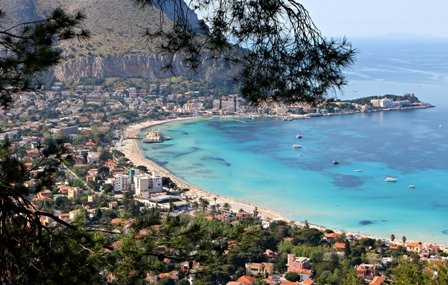
By Andrea Calcagno – Palermo, Gulf of Mondello – Own work – CC BY-SA 2.0 – Wikimedia Commons
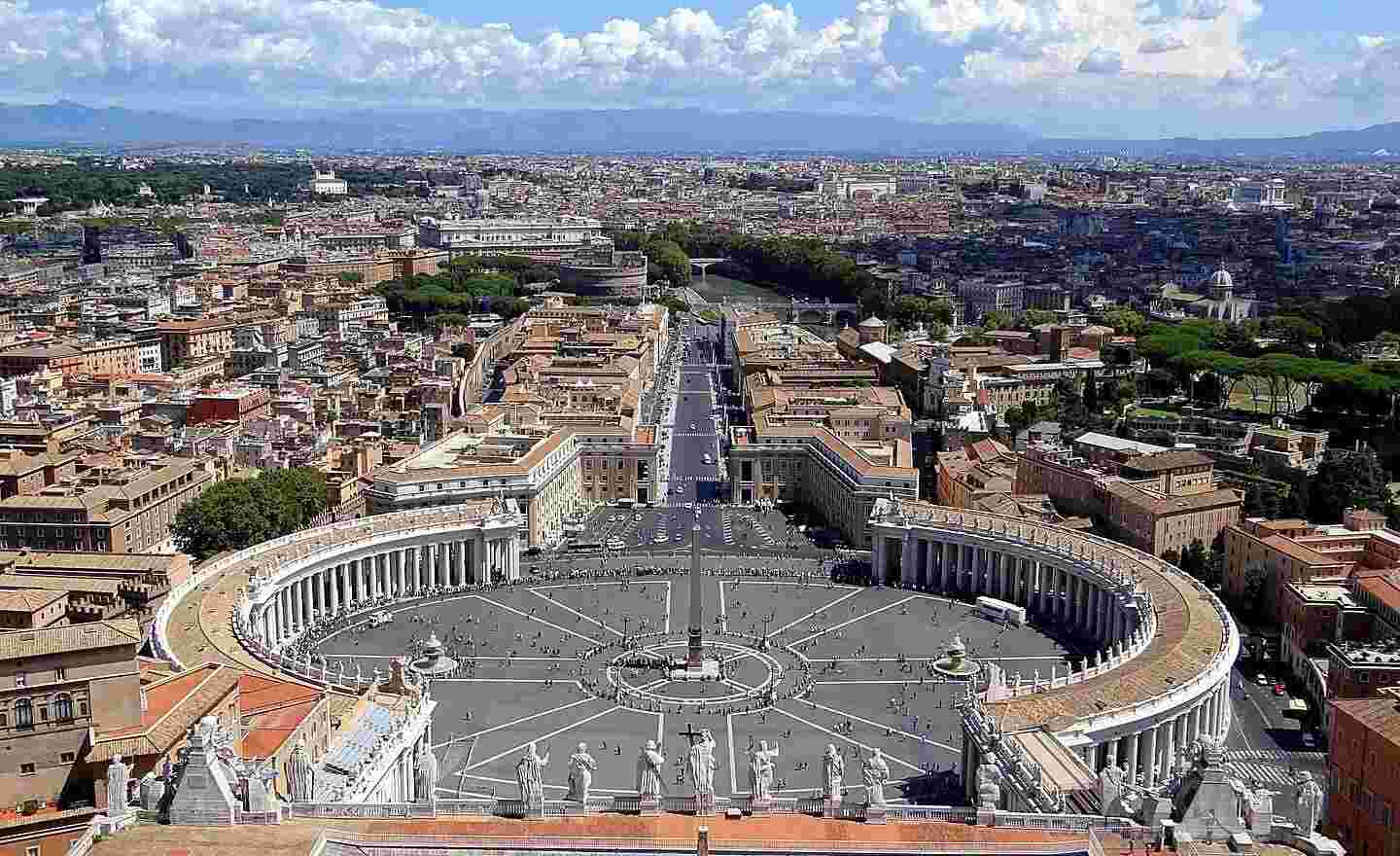
By Anne Offermanns– Panoramic view of Rome from St. Peter’s Basilica – Own work – CC BY-SA 3.0 – Wikimedia Commons
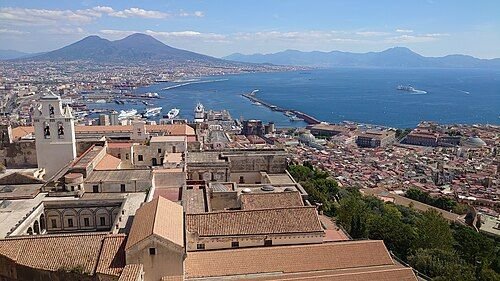
By Richard Nevell – Naples, panoramic view of the city and Mount Vesuvius – Own work – CC BY-SA 4.0 – Wikimedia Commons
By Stefano Marrocu – Cagliari, pink flamingos in Molentargius Park – Own work – CC BY-SA 3.0 – Wikimedia Commons

Expand image credits
By Sailko – Cagliari, Cathedral of Saint Mary, Sanctuary of the Martyrs in the crypt – Own work – CC BY 3.0 – Wikimedia Commons
By Mike Peel – Cagliari, Roman amphitheatre – Own work – CC BY-SA 4.0 – Wikimedia Commons
By Elisa.Mnn – Cagliari, Castle of San Michele, view of the hill – Own work – CC BY-SA 4.0 – Wikimedia Commons
By Cristiano Cani – Cagliari, Calamosca tower and lighthouse – Photograph taken in Cagliari – CC BY 2.0 – Wikimedia Commons
By Holger Uwe Schmitt – Cagliari, glimpse of the historic centre – Own work – CC BY-SA 4.0 – Wikimedia Commons
By Cristiano Cani – Cagliari, Devil’s Saddle – Photograph published on Flickr – CC BY 2.0 – Wikimedia Commons
By Marystella1 – Cagliari, Molentargius-Saline Regional Nature Park at sunset – Own work – CC BY-SA 4.0 – Wikimedia Commons
By Alessio Sbarbaro (Yoggysot) – Cuttlefish buridda, a traditional Ligurian and Sardinian dish – Own work – CC BY-SA 3.0 – Wikimedia Commons
By dronepicr – Sardinia, preparation of traditional roast suckling pig – Photograph published on Flickr – CC BY 2.0 – Wikimedia Commons