Categoria: EN

  • Sorrento: Experiences and Useful Info

    Sorrento: Experiences and Useful Info

    Vista golfo di Napoli e Vesuvio da Villa Silvana

    Sorrento: Experiences and Useful Info

    Quick Guide and Tours


    Sorrento is a city with a unique charm, famous for its breathtaking views of the Gulf of Naples, colorful streets, and lively local life. Panoramic walks, delicious cuisine, and a mix of history and Mediterranean atmosphere make it perfect for an unforgettable experience.

    See also


    Sorrento: visiting Sorrento means discovering a city with authentic charm, famous for its panoramic views of the Gulf of Naples, picturesque streets, and the characteristic alleys of the historic center. Among gardens, lively squares, and sea views, Sorrento offers unique experiences for every type of traveler.

    Piazza Tasso: The beating heart of Sorrento, Piazza Tasso is a lively meeting point with historic cafés, typical shops, and cultural activities. Walking here means breathing in the local energy and immersing yourself in Sorrentine life.

    Panoramic terraces and the sea: Sorrento is famous for its breathtaking views of the Gulf of Naples and Mount Vesuvius. Places like Terrazza Tasso and the Belvedere di Villa Comunale offer unforgettable views and perfect spots for photos and relaxing moments.

    Historic center and alleys: Every street tells stories of craftsmanship, culture, and local traditions. Strolling among limoncello shops, ceramic stores, and charming squares, Sorrento’s historic center is a true gem to explore.

    An unmissable experience: Between walks through evocative alleys, moments of relaxation on panoramic terraces, tastings of local products, and cultural visits, Sorrento offers a perfect mix of history, nature, and Mediterranean traditions.


    Discover the most loved experiences in Sorrento, one of Italy’s most famous and desired destinations.

    NB – Precisely because the Sorrento experiences offer is particularly wide and varied – including sea, culture, nature, and gastronomy – we have collected only the best activities, divided into well-defined thematic categories.

    This organization allows you to immediately find what interests you most and easily choose your ideal experience according to your tastes and available time.


    Tours from Sorrento to the Amalfi Coast
    Powered by GetYourGuide

    Excursions from Sorrento to Capri
    Powered by GetYourGuide

    Excursions from Sorrento to Pompeii & Vesuvius

    Tastings in Sorrento

    Workshops in Sorrento

    Combined Tours from Naples and Sorrento
    Powered by GetYourGuide

    Powered by GetYourGuide

    Duration of the visit: visiting Sorrento can take from half a day to several days, depending on the activities chosen. Typical experiences include walks through the historic center, visits to squares and characteristic streets, moments of relaxation on panoramic terraces, and tours along the coast to iconic locations such as Marina Grande.

    Accessibility: many areas of the city, such as the historic center and Marina Grande, are accessible to people with reduced mobility. Some narrow streets, staircases, or scenic sections may present obstacles; it is advisable to check in advance the conditions of the more natural attractions or coastal paths.

    Temperature and clothing: in summer, temperatures can exceed 30°C, especially in sunny areas. Light clothing, a hat, sunscreen, and water are recommended. In winter, the climate remains mild, but for walks through streets and panoramic terraces, it is preferable to wear comfortable, non-slip shoes.

    Available services: Sorrento offers numerous bars, restaurants, historic cafes, typical shops, equipped viewpoints, and relaxation areas. For longer excursions or full-day walks, it is recommended to bring water and sun protection.

    Hours, prices, and reservations: many activities, such as guided tours, boat trips to the Amalfi Coast, or tastings, may require advance booking, especially during high season. It is advisable to use reliable platforms to secure spots and updated rates (see Selected Experiences).

    Recommended time slots: to fully enjoy the historic center, characteristic streets, and views over the Gulf of Naples, morning and late afternoon hours are the most pleasant. Boat tours are particularly scenic near sunset, when the light highlights the shades of the sea and the city.


    Powered by GetYourGuide

    By bus: the city is served by a bus network connecting the historic center, Marina Grande, and the main tourist areas. Buses run frequently and provide a convenient way to get around without a car. You can book online directly here with TrainLine.

    By ferry or hydrofoil: Sorrento is a departure point for sea excursions to Capri, Ischia, Positano, and the Amalfi Coast. Travel times vary depending on the destination, and departures are frequent throughout the year. Tickets can be purchased online or at the ports. Book here.

    By taxi or private transfer: you can book a full service including transfer by car from the port or airport to your accommodation. This is the most convenient option if you are traveling with luggage or children.

    Parking: if you arrive in Sorrento by car, there are guarded parking lots and facilities near the center or ports. Some areas have traffic restrictions, so it is recommended to park in authorized facilities and continue on foot or by public transport.


    🔐 Some images on this page are used under Creative Commons license:
    By Baldo SimoneOwn work, CC BY-SA 4.0 – Wikimedia Commons –
    By ArchitasOwn work, CC BY-SA 4.0 – Wikimedia Commons –
    By Francesco MocellinOwn work, CC BY-SA 4.0 – Wikimedia Commons –
    By Luca AlessOwn work, CC BY-SA 4.0 – Wikimedia Commons –
    By RepuliOwn work, CC BY-SA 4.0 – Wikimedia Commons –
    By SorrentouristOpera CC BY-SA 4.0 – Wikimedia Commons

  • Procida: Experiences and Useful Info

    Procida: Experiences and Useful Info

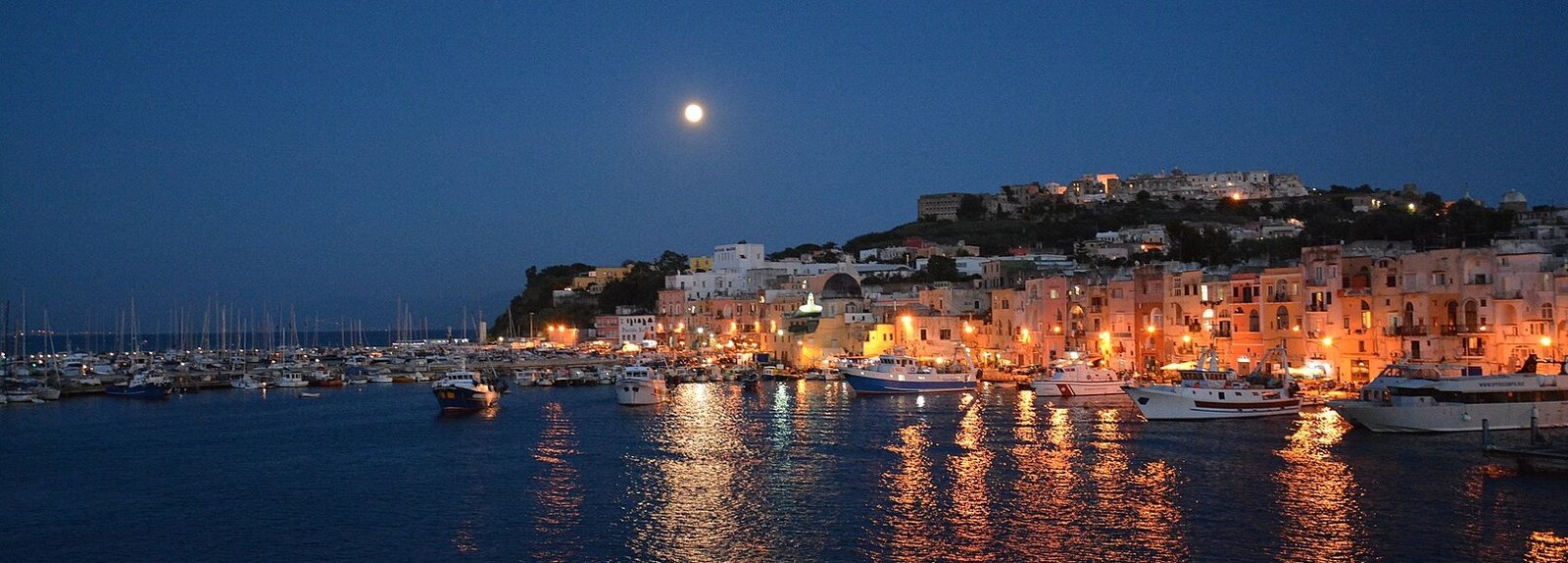
    La contrada di Marina Grande a Procida con la superluna del 10 agosto 2014

    Procida: Experiences and Useful Info

    Quick Guide and Tours


    Procida is an island with a unique charm, famous for its vibrant colors, the picturesque houses overlooking the harbor, its peaceful beaches and scenic villages such as Marina Corricella, Marina di Chiaiolella and Terra Murata. A perfect mix of nature, local traditions and authentic atmospheres, ideal for a relaxing experience in the heart of the Gulf of Naples.

    See also


    Procida: Visitare Procida significa immergersi in un’isola dal fascino autentico, famosa per le sue case colorate, i borghi pittoreschi e le spiagge tranquille. Tra vicoli vivaci, natura mediterranea e tradizioni secolari, Procida offre esperienze uniche per ogni tipo di viaggiatore.

    Terra Murata: Arroccata sul punto più alto dell’isola, Terra Murata è il borgo storico di Procida. Le sue stradine antiche, le chiese e i panorami spettacolari sul mare rendono la visita un vero tuffo nella storia e nella cultura procidana.

    Le spiagge e il mare: Procida è rinomata per le sue spiagge tranquille come Chiaiolella, Ciraccio e Ficogrande. Tra sabbia dorata, calette appartate e acque cristalline, l’isola offre momenti di puro relax immersi nella natura.

    Marina Corricella e Marina di Chiaiolella: Ogni borgo racconta un’anima diversa dell’isola: Marina Corricella con le sue case pastello affacciate sull’acqua, Marina di Chiaiolella con i suoi ristoranti sul porto e l’atmosfera vivace, e Terra Murata con i suoi vicoli storici e panorami mozzafiato.

    Un’esperienza da non perdere: Tra passeggiate panoramiche lungo i vicoli dell’isola, giri in barca tra calette e grotte nascoste, degustazioni di piatti tipici e giornate di relax in riva al mare, Procida regala un mix perfetto di natura, cultura e tradizioni mediterranee.


    Discover the most popular experiences in Procida to enjoy the sea, nature and local traditions:


    Powered by GetYourGuide

    Duration of the visit: visiting Procida can take from half a day to several days, depending on the activities chosen. The most typical experiences include boat tours along the coast, walks through the colorful villages such as Marina Corricella and Terra Murata, relaxing moments on quiet beaches, and panoramic routes to iconic places like the Abbey of San Michele Arcangelo.

    Accessibility: many areas of the island, such as Marina Grande and Marina Corricella, are accessible even to people with reduced mobility. However, some panoramic paths, coves and steeper stretches may have steps or uneven terrain. It is advisable to check in advance the conditions of the more natural attractions or hiking routes.

    Temperature and clothing: in summer, temperatures can exceed 30°C, especially in areas exposed to the sun. Light clothing, a hat, sunscreen and plenty of water are recommended. In winter, the climate remains mild, but for walks between the villages or panoramic routes, comfortable and non-slip shoes are preferable.

    Available services: Procida offers many bars, restaurants, traditional cafés, small equipped beaches and relaxation areas along the coastline and in the main villages. For longer excursions or full days at the beach, it is advisable to bring water and sun protection.

    Hours, prices and bookings: many activities, such as boat tours or guided visits, may require advance booking, especially during high season. It is advisable to use reliable platforms such as GetYourGuide to secure spots and updated rates.

    Recommended time slots: to fully enjoy the colorful villages and beaches, the morning and late afternoon hours are the most pleasant. Boat tours are particularly charming at sunset, when the light enhances the shades of the buildings and the island’s waters.


    Powered by GetYourGuide

    By bus: the island is served by a bus network that connects the main villages such as Marina Grande, Corricella, Terra Murata and Chiaiolella. Services are frequent and offer a convenient way to get around without a car. You can book online directly here with TrainLine.

    By ferry or hydrofoil: the main way to reach Procida from Naples, Pozzuoli or Ischia. From Naples Beverello, the hydrofoil takes about 40 minutes, while the ferry from Calata Porta di Massa takes around 1 hour. Departures are frequent throughout the year and tickets can be purchased both online and at the port. Book here.

    By taxi or private transfer from Naples: you can book a complete service that includes transfer by car to the port and a ticket for the hydrofoil or ferry. It is the most convenient option if you travel with luggage or children.

    Parking: if you arrive by car at the ports of Naples or Pozzuoli, there are supervised parking areas and partner facilities near the embarkation points. On the island, restrictions apply to non-resident vehicles, so it is advisable to leave your car on the mainland and continue by ferry or hydrofoil.


    🔐 Some images on this page are used under Creative Commons license:
    By Baldo SimoneOwn work, CC BY-SA 4.0 – Wikimedia Commons –
    By ArchitasOwn work, CC BY-SA 4.0 – Wikimedia Commons –
    By Francesco MocellinOwn work, CC BY-SA 4.0 – Wikimedia Commons –
    By Luca AlessOwn work, CC BY-SA 4.0 – Wikimedia Commons –
    By RepuliOwn work, CC BY-SA 4.0 – Wikimedia Commons –
    By Mentnafunangann – Own workOpera CC BY-SA 4.0 – Wikimedia Commons

  • Ischia: Experiences and Useful Info

    Ischia: Experiences and Useful Info

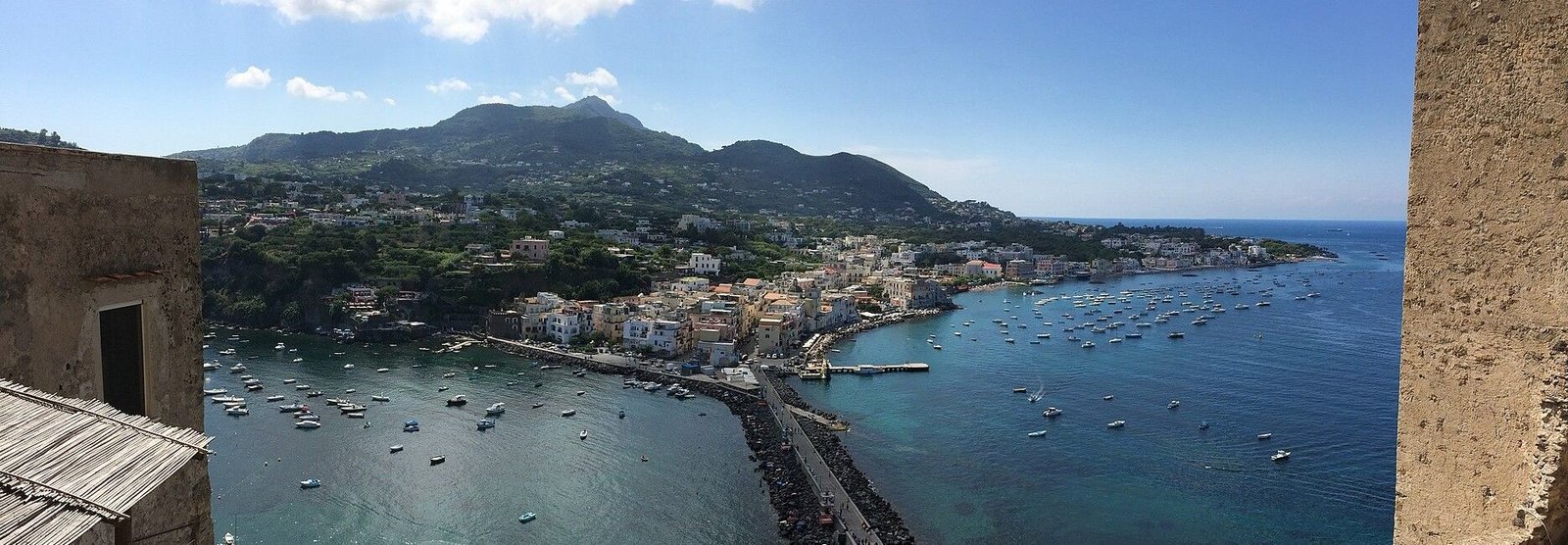
    Ischia – Veduta panoramica

    Ischia: Experiences and Useful Info

    Quick Guide and Tours


    Ischia is a charming island, famous for its natural thermal waters, volcanic landscapes, golden beaches, and picturesque villages such as Forio, Lacco Ameno, and Ischia Ponte. A perfect blend of nature, relaxation, and local traditions, ideal for an authentic experience in the heart of the Gulf of Naples.

    See also


    Ischia: Visiting Ischia means discovering an island of authentic charm, famous for its thermal waters, lush landscapes, and beaches that alternate golden sand and volcanic coves. Among lively villages, thriving nature, and local traditions, Ischia offers unforgettable experiences for every type of traveler.

    The Aragonese Castle: Dominating the sea from a small islet connected by a stone bridge, the Aragonese Castle is Ischia’s historical symbol. With breathtaking views, ancient paths, and centuries-old testimonies, visiting it is a journey through time that reveals the island’s soul.

    Thermal baths and natural springs: Ischia is famous for its thermal waters used since ancient times. Thermal parks like Poseidon, Negombo, and Castiglione offer warm pools, lush gardens, and pure relaxation moments, perfect for regenerating body and mind.

    Forio, Lacco Ameno, and Ischia Porto: Each village has a unique atmosphere: Forio with its towers and sea sunsets, Lacco Ameno dominated by the famous Mushroom Rock, and Ischia Porto with elegant streets, shops, and waterfront venues.

    An experience not to be missed: From panoramic trails such as the climb to Mount Epomeo, coastal boat tours, tasting local products, and relaxing days at the thermal baths, Ischia offers a perfect blend of nature, wellness, and Mediterranean traditions.


    Discover the most popular experiences in Ischia to enjoy the sea, nature, and local traditions of the island:


    Powered by GetYourGuide

    Visit duration: Visiting Ischia generally requires from half a day up to several days, depending on the chosen activities. Typical experiences include boat tours, visits to villages such as Forio and Ischia Ponte, relaxation in thermal parks, and scenic walks to iconic sites like the Aragonese Castle.

    Accessibility: Many areas of the island, such as Ischia Porto and Forio, are accessible to people with reduced mobility. However, some scenic trails, coves, and coastal stretches may have slopes, steps, or uneven terrain. It is advisable to check the conditions of natural attractions or hiking paths in advance.

    Temperature and clothing: In summer, temperatures can exceed 30 °C, especially in sun-exposed areas. Light clothing, a hat, sunscreen, and water are recommended. In winter, the climate remains mild, but for walks and climbs, such as those leading to viewpoints or natural paths, comfortable and non-slip shoes are preferable.

    Available services: Ischia offers numerous bars, restaurants, beaches, thermal parks, and relaxation areas across the island, particularly in Ischia Porto, Forio, Lacco Ameno, and Sant’Angelo. For longer excursions or beach days, it is recommended to bring water and sun protection.

    Hours, prices, and bookings: Many activities, such as thermal parks, boat tours, or guided visits, may require advance bookings, especially during high season. It is recommended to use reliable platforms such as GetYourGuide to secure spots and updated rates.

    Recommended time slots: To enjoy the beaches and villages at their best, morning and late afternoon are the most pleasant hours. Boat tours are particularly enchanting near sunset, when the light enhances the volcanic coast of the island.


    Powered by GetYourGuide

    By bus: The island is served by an efficient bus network connecting all main towns (Ischia, Casamicciola, Lacco Ameno, Forio, Serrara Fontana, and Barano). Buses run frequently and are the most convenient way to get around without a car. You can book online directly here with TrainLine.

    By ferry or hydrofoil: The main way to reach Ischia from Naples, Pozzuoli, or Procida. From Naples Beverello, the hydrofoil takes about 50 minutes, while the ferry from Calata Porta di Massa lasts about 1 hour 30 minutes. From Pozzuoli, the trip may be slightly shorter. Departures are numerous year-round, and tickets can be purchased online or at the port. Book here.

    By taxi or private transfer from Naples: You can book a complete service including car transfer to the port and a ticket for the hydrofoil or ferry. This is the most convenient solution if traveling with luggage or children.

    Parking: If you arrive by car to the ports of Naples or Pozzuoli, guarded parking lots and affiliated structures are available near the docks. On the island, traffic restrictions apply to non-residents during high season, so it is recommended to leave your car on the mainland and continue by ferry or hydrofoil.


    🔐 Some images on this page are used under Creative Commons license:
    By Baldo SimoneOwn work, CC BY-SA 4.0 – Wikimedia Commons –
    By ArchitasOwn work, CC BY-SA 4.0 – Wikimedia Commons –
    By Francesco MocellinOwn work, CC BY-SA 4.0 – Wikimedia Commons –
    By Luca AlessOwn work, CC BY-SA 4.0 – Wikimedia Commons –
    By RepuliOwn work, CC BY-SA 4.0 – Wikimedia Commons –
    By Marktristan from Bristol, UK – Ischia – view from Castello AragoneseOpera CC BY-SA 2.0 – Wikimedia Commons

  • Capri: Experiences and Useful Info

    Capri: Experiences and Useful Info

    Capri, vista panoramica dei Faraglioni

    Capri: Experiences and Useful Info

    Quick Guide and Tours


    English: Capri is an iconic island, famous for its breathtaking views, crystal-clear sea, and unique spots such as the Blue Grotto, the Faraglioni, and the famous Piazzetta. A perfect blend of nature, elegance, and local traditions, ideal for an unforgettable experience in the heart of the Gulf of Naples.

    See also


    English: Capri: Visiting Capri means immersing yourself in an island of rare beauty, famous for its panoramic views, turquoise sea, and timeless elegance. Between nature, history, and glamorous life, Capri offers unforgettable experiences for every type of traveler.

    English: The Blue Grotto: An iconic spot on the island, the Blue Grotto is a sea cave where the light creates incredible blue reflections. A boat visit is a magical experience that should be planned according to sea conditions.

    English: The Faraglioni and the views: The Faraglioni are Capri’s natural symbol: don’t miss the view from Marina Piccola or the viewpoints along the trails. Panoramas from Monte Solaro and the Costa Tragara offer spectacular photographic opportunities.

    English: The Piazzetta and Anacapri: The famous Piazzetta is the social heart of the island, perfect for coffee, strolling, and chic shopping. In Anacapri, you’ll find quieter atmospheres, artisan shops, and access to the funicular for Monte Solaro.

    English: An experience not to miss: From coastal excursions, boat trips, tastings, to walks through flowered alleys, Capri offers a perfect mix of nature, relaxation, and discreet luxury. A guide or organized tour helps you discover the best spots and make the most of the island.


    Discover the most loved experiences in Capri to experience the magic of the island, its caves, and crystal-clear waters:

    Powered by GetYourGuide

    Powered by GetYourGuide

    Duration of the visit: Visiting Capri generally takes from half a day to a full day, depending on the experiences chosen, such as boat tours, excursions to the Faraglioni or the Blue Grotto. Short guided tours allow you to discover the main points of the island such as Marina Grande, the Piazzetta, and the Gardens of Augustus.

    Accessibility: Some areas of the island, such as the Piazzetta and Marina Grande, are accessible to people with reduced mobility, but routes like the Blue Grotto or walking excursions may have steps and uneven terrain. It is advisable to check conditions and available alternatives in advance.

    Temperature and clothing: In summer, temperatures can exceed 30°C, so light clothing, a hat, sunglasses, and sunscreen are recommended. In winter, the climate is mild, but for outdoor excursions it is advisable to wear comfortable, non-slip shoes, especially on trails or cliffs.

    Available services: Capri has numerous dining options, bars, cafés, and relaxation areas, particularly in Marina Grande, Anacapri, and the main tourist areas. It is recommended to bring water for longer excursions, such as boat tours or walking routes.

    Hours, prices, and bookings: Main activities such as boat tours, guided visits, and excursions to iconic sites may require advance booking, especially in summer. It is recommended to book through reliable partners like GetYourGuide to ensure availability and priority access.

    Recommended time slots: To enjoy Capri without crowds and in milder temperatures, it is preferable to visit the Piazzetta and Marina Grande early in the morning or late afternoon. Boat tours are particularly beautiful at sunrise or sunset.


    Powered by GetYourGuide

    By ferry or hydrofoil: The main way to reach Capri from Naples, Sorrento, or Positano. From Naples, the journey takes about 40 minutes by hydrofoil or 1 hour by traditional ferry. From Sorrento, it takes about 20-30 minutes. Departures are frequent, and tickets can be purchased online or directly at the port. Book here.

    By taxi or private transfer from Naples or Sorrento: You can combine the car transfer to Marina Grande with boarding on the ferry or hydrofoil. It is recommended to book in advance to ensure availability and punctuality.

    Parking: For those arriving by car to Naples or Sorrento, there are large parking lots near the boarding ports. In Capri, parking at Marina Grande is limited and often reserved for residents, so it is recommended to leave the car in authorized facilities before boarding.


    🔐 Some images on this page are used under Creative Commons license:
    By Baldo SimoneOwn work, CC BY-SA 4.0 – Wikimedia Commons –
    By ArchitasOwn work, CC BY-SA 4.0 – Wikimedia Commons –
    By Francesco MocellinOwn work, CC BY-SA 4.0 – Wikimedia Commons –

    By Luca AlessOwn work, CC BY-SA 4.0 – Wikimedia Commons –
    By RepuliOwn work, CC BY-SA 4.0 – Wikimedia Commons –
    By Capri_Centre_Belvedere.jpg: Paolo Costa Baldiderivative work CC BY-SA 3.0 – Wikimedia Commons

  • Vesuvius: Tours and Useful Info

    Vesuvius: Tours and Useful Info

    Vesuvio, Simbolo della Campania

    Vesuvius: Tours and Useful Info

    Quick Guide and Experiences


    The Vesuvius offers a unique experience to explore the history and geology of one of the world’s most famous volcanoes, with breathtaking views and exciting trails up to the crater.

    See also


    Vesuvius: Visiting Vesuvius means discovering one of the most famous active volcanoes in the world. The trails and natural paths offer spectacular views and the chance to observe the crater up close, experiencing a unique journey through nature and geology.

    Main trails: The paths of Vesuvius National Park lead up to the crater and offer unique panoramic points. Among the most famous are the Gran Cono and the Sentiero del Pianoro, ideal for guided tours or independent walks, immersed in Mediterranean flora and volcanic landscapes.

    Observing the crater: Reaching the crater allows you to admire the volcano’s mouth up close and understand its geological activity. Here you can see fumaroles, volcanic rocks, and natural formations created by eruptions over the centuries.

    Breathtaking views: From Vesuvius, you enjoy an extraordinary view of the Bay of Naples, Pompei, and Herculaneum. Panoramic points along the trails offer unique photo opportunities and moments of contemplation of nature and the geological history of the area.

    An unmissable experience: Visiting Vesuvius means immersing yourself in the geological and natural history of this world-famous volcano. An expert guide or an independent excursion helps you understand its history, past eruptions, and surrounding environment, making the visit exciting, educational, and unforgettable.


    Discover the most popular experiences on Vesuvius to fully enjoy the majesty and history of this famous volcano:

    Powered by GetYourGuide

    Powered by GetYourGuide

    Duration of the visit: exploring Mount Vesuvius generally takes between 2 and 4 hours, depending on the chosen trail and participation in guided tours. For those wishing to combine the climb to the crater with experiences such as tastings or visits to nearby vineyards, it is advisable to dedicate half a day or more.

    Accessibility: some areas of the Vesuvius National Park are accessible to people with reduced mobility, but the main paths leading to the crater include steps and steep trails. Comfortable shoes are recommended, and it’s best to check updated information on the official Vesuvius National Park website.

    Temperature and clothing: temperatures at higher altitudes can be cooler than in the city, even in summer. It is recommended to wear layered clothing, trekking or non-slip shoes, a hat, and sunscreen. In winter, wind and rain can make the path slippery, so waterproof and warm clothing is necessary.

    Available services: along some trails of the Park there are refreshment points, public toilets, and rest areas. It is advisable to bring water and snacks, especially during hot days, and to respect the environment by avoiding littering.

    Recommended visiting hours: to avoid crowds and enjoy better views, it’s best to climb early in the morning or in the late afternoon. Hours may vary depending on the season and the management of the Vesuvius National Park.

    Photography: taking photos without flash is allowed. The use of drones or professional equipment may require special permits issued by the Vesuvius National Park administration.


    Powered by GetYourGuide

    By train: the most practical way for those coming from Naples is the Circumvesuviana line to Ercolano or Pompeii. From there, local buses or organized shuttles can be used to reach the main parking areas of Mount Vesuvius. You can book online here with TrainLine.

    By bus or shuttle: several tour companies offer connections from Naples, Pompeii, and Sorrento directly to the parking areas of the Vesuvius National Park. Shuttles allow you to avoid traffic and conveniently depart from major urban centers. You can book online directly here with TrainLine.

    By car: you can reach the Vesuvius parking areas via the A3 Naples–Salerno highway, taking the Ercolano or Pompeii exit, and following the signs to the Vesuvius National Park. Paid parking is available near the start of the main trails. For greater flexibility, you can book a car here with Booking Rent.

    By camper or tour bus: the Vesuvius National Park has designated parking areas that provide convenient and direct access to the main trails, ideal for large groups or oversized vehicles.

    By taxi or private transfer: from Naples, Pompeii, or Sorrento you can book a private service that takes you directly to the Vesuvius parking areas, with travel times ranging from 30 to 50 minutes depending on traffic and departure point.


    🔐 Some images on this page are used under Creative Commons license:
    By Baldo SimoneOwn work, CC BY-SA 4.0 – Wikimedia Commons –
    By ArchitasOwn work, CC BY-SA 4.0 – Wikimedia Commons –
    By Francesco MocellinOwn work, CC BY-SA 4.0 – Wikimedia Commons –
    By Luca AlessOwn work, CC BY-SA 4.0 – Wikimedia Commons –
    By RepuliOwn work, CC BY-SA 4.0 – Wikimedia Commons –
    By The DronautOpera propria, CC BY-SA 4.0 – Wikimedia Commons

  • Herculaneum: Tours, Tickets and Useful Info

    Herculaneum: Tours, Tickets and Useful Info

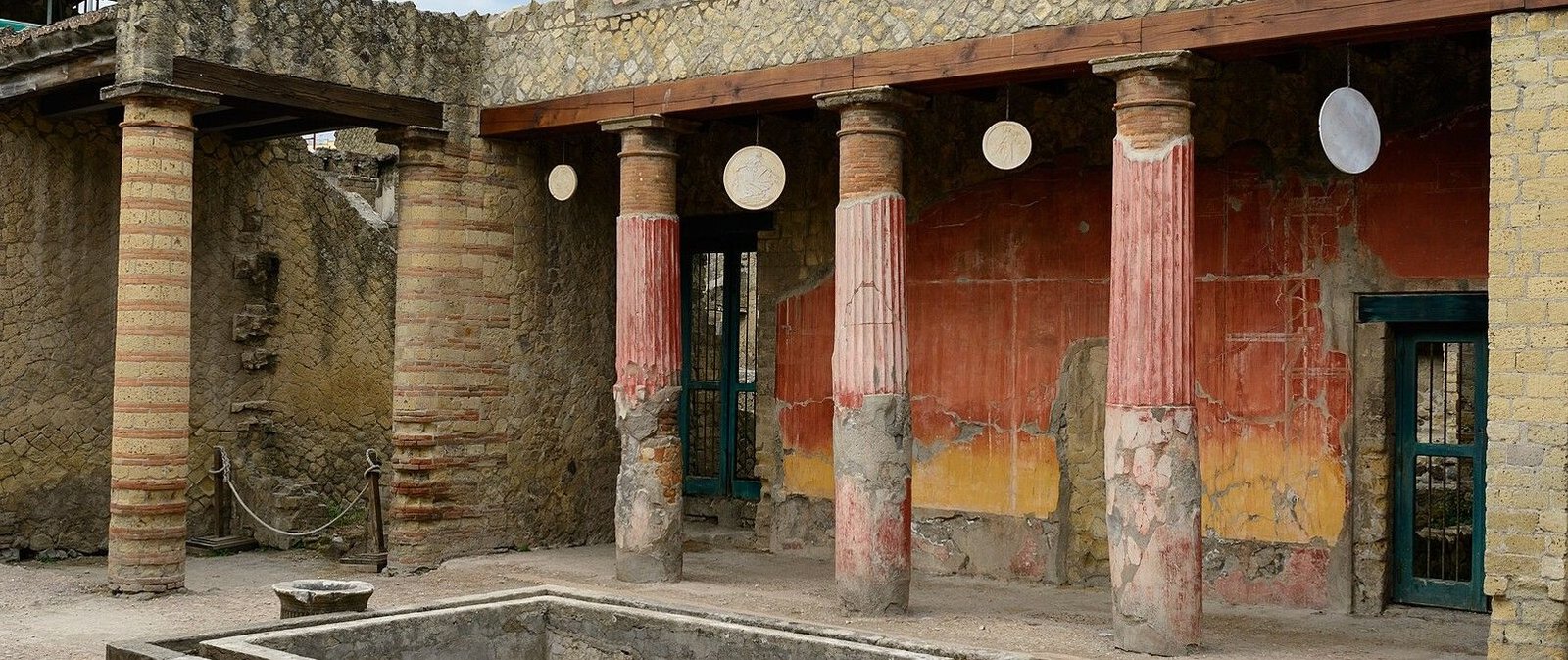
    Parco Archeologico di Ercolano

    Herculaneum: Tours, Tickets and Useful Info

    Quick Guide and Experiences


    The Herculaneum excavations allow visitors to relive the history of this ancient Roman city, perfectly preserved by the eruption of Mount Vesuvius — a truly unique archaeological experience.

    See also


    Herculaneum Excavations: Visiting the excavations of Herculaneum means discovering a remarkably well-preserved Roman city buried by the eruption of Mount Vesuvius in 79 AD. The houses, streets, and public buildings offer a detailed look into everyday life over two thousand years ago, making the visit both unique and fascinating.

    The Forum and Public Buildings: At the heart of the city, the Forum of Herculaneum was surrounded by important public structures such as the Temple of Augustus and the Basilica. These buildings reflect the city’s political and religious life, providing tangible evidence of Roman civilization.

    The Houses and Frescoes: Private homes, such as the House of the Deer and the House of the Beautiful Courtyard, preserve splendid frescoes and mosaics. These decorations depict mythological scenes, daily life, and the elegance of Roman residences, allowing visitors to relive Herculaneum’s refined culture.

    The Theatre: The Theatre of Herculaneum is an extraordinary example of ancient architecture dedicated to public entertainment. It hosted theatrical performances, cultural events, and ceremonies, highlighting the importance of social life in the ancient city.

    An Experience Not to Be Missed: Visiting Herculaneum means immersing yourself in the history and art of a perfectly preserved Roman city. A guided tour or audio guide helps visitors understand the architectural and cultural details, making the experience both educational and unforgettable.


    Discover the most popular experiences in Herculaneum to immerse yourself in the history and magic of this extraordinary archaeological site:

    Powered by GetYourGuide

    Powered by GetYourGuide

    Visit Duration: Exploring the archaeological site of Herculaneum generally takes between 1.5 and 3 hours. For those who wish to explore the domus, mosaics, and frescoes in depth, or combine the visit with Mount Vesuvius, it is advisable to dedicate at least half a day. Short guided tours (1–2 hours) allow visitors to discover main attractions such as the House of the Deer, the Palestra, and the Theatre.

    Accessibility: Some areas of the site are accessible to visitors with reduced mobility thanks to dedicated paths and ramps, although certain ancient sections still have steps and uneven paving. It is recommended to ask for detailed accessibility information at the main entrance or on the official website of the Archaeological Park.

    Temperature and Clothing: In summer, temperatures can exceed 30°C, so lightweight clothing, a hat, and sunscreen are recommended. In winter, the climate is generally mild, but it’s always best to wear comfortable, non-slip shoes for safely walking among the ruins.

    Available Services: Inside the park, there are refreshment areas, water fountains, public toilets, and shaded zones — ideal for short breaks during the visit.

    Opening Hours, Prices, and Booking: The site is open daily, with hours varying by season. For up-to-date information on opening times and tickets, it’s best to consult the official website of the Archaeological Park of Herculaneum. It is also recommended to book entrance tickets in advance online, especially on weekends and during spring and summer months, through trusted partners such as GetYourGuide or Tiqets.

    Recommended Time Slots: To avoid the hottest hours and possible queues, it’s preferable to visit the site early in the morning or late in the afternoon. Visiting during quieter hours also allows for beautiful photos without too many visitors around.

    Photography: Photography is freely permitted without flash. The use of tripods or professional equipment requires a special permit issued by the administration of the Archaeological Park of Herculaneum.


    On foot: If you are staying near the center of Herculaneum or close to the train station, you can easily reach the main entrance of the Archaeological Park with a short 5–10 minute walk.

    By train: The most practical and recommended way to reach Herculaneum. From Naples Central Station, take the Circumvesuviana line towards Sorrento and get off at Ercolano Scavi, located just a few meters from the park entrance. You can book online here with TrainLine.

    By bus: Several local and tourist buses connect Herculaneum with Naples, Sorrento, and other destinations along the coast. The main stop is near the entrance of the Archaeological Park, providing easy access for visitors. You can book online directly here with TrainLine.

    By car: Herculaneum is easily accessible via the A3 Naples–Salerno motorway. Exit at Ercolano and follow the signs for the Archaeological Park. Paid parking areas are available near the main entrance. You can book a car here with Booking Rent.

    By camper or tourist bus: Dedicated parking areas are located near the park entrance, providing convenient access for groups and large vehicles.

    By taxi or private transfer: From Naples or Sorrento, you can book a private taxi or transfer service that takes you directly to the archaeological site entrance, with an average travel time of about 30 minutes depending on traffic.


    🔐 Some images on this page are used under Creative Commons license:
    By Baldo SimoneOwn work, CC BY-SA 4.0 – Wikimedia Commons –
    By ArchitasOwn work, CC BY-SA 4.0 – Wikimedia Commons –
    By Francesco MocellinOwn work, CC BY-SA 4.0 – Wikimedia Commons –
    By Luca AlessOwn work, CC BY-SA 4.0 – Wikimedia Commons –
    By RepuliOwn work, CC BY-SA 4.0 – Wikimedia Commons –
    By Argo Navis – Own workOwn work, CC BY-SA 4.0 – Wikimedia Commons

  • BASE ESPERIENZE ATTRAZIONE + POSTO – EN

    BASE ESPERIENZE ATTRAZIONE + POSTO – EN

    Posto o Attraz – EN

    Quick Guide and Experiences + Tours


    XXX

    See also


    XXX


    XXX


    XXX


    XXX


    🔐 Some images on this page are used under Creative Commons license:
    By Baldo SimoneOwn work, CC BY-SA 4.0 – Wikimedia Commons –
    By ArchitasOwn work, CC BY-SA 4.0 – Wikimedia Commons –
    By Francesco MocellinOwn work, CC BY-SA 4.0 – Wikimedia Commons –
    By Luca AlessOwn work, CC BY-SA 4.0 – Wikimedia Commons –
    By RepuliOwn work, CC BY-SA 4.0 – Wikimedia Commons –
    By NikonZ7IIOpera propria, CC BY-SA 4.0 – Wikimedia Commons

  • Pompeii: Tours, Tickets and Useful Info

    Pompeii: Tours, Tickets and Useful Info

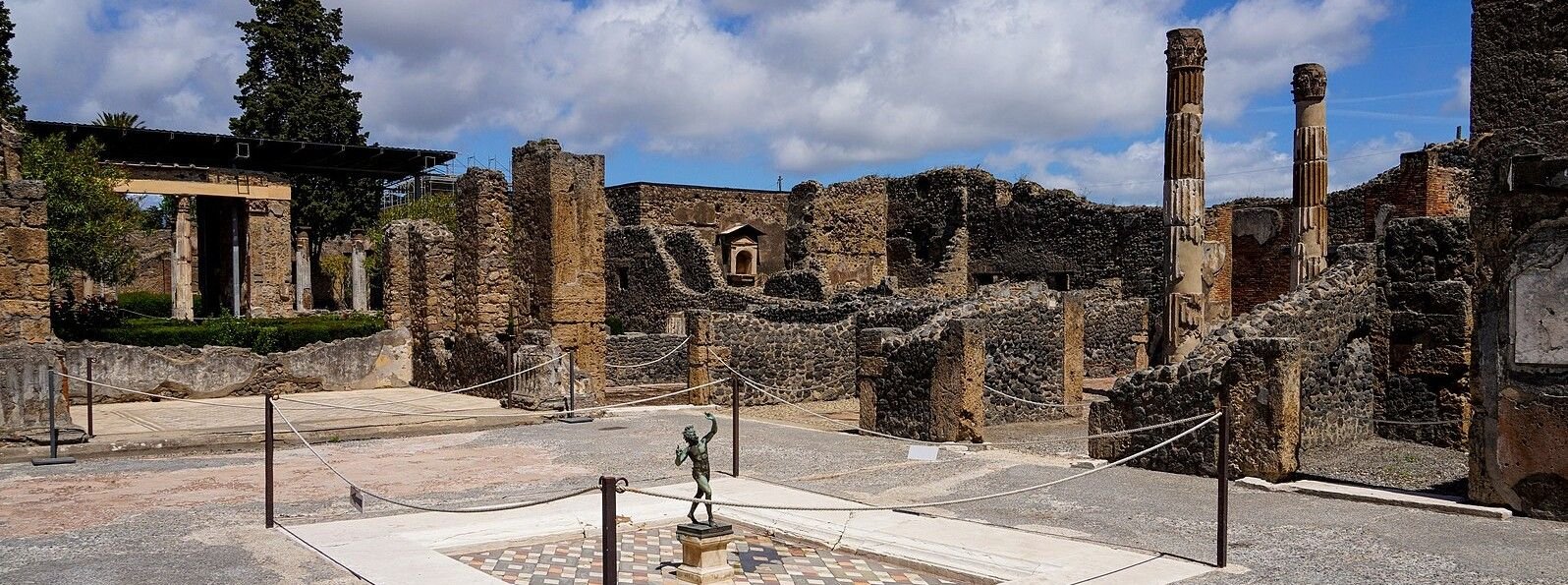
    Napoli, Pompei, Casa del Fauno

    Pompeii: Tours, Tickets and Useful Info

    Quick Guide and Experiences


    The Pompeii excavations offer a unique journey through time: an ancient Roman city preserved under the ash of Mount Vesuvius, today one of the most fascinating archaeological sites in the world.

    See also


    Pompeii Archaeological Site: Visiting the ruins of Pompeii means taking an extraordinary journey back in time, discovering an ancient Roman city buried under the ashes of Mount Vesuvius in 79 AD. The remarkably preserved ruins tell the story of daily life over two thousand years ago, offering a truly unique experience.

    The Forum and Temples: The political and religious heart of the city, Pompeii’s Forum was surrounded by temples and public buildings of great importance. Among the most significant are the Temple of Apollo, the Temple of Jupiter, and the Basilica, all testifying to the power and organization of Roman civilization.

    The Houses and Frescoes: Ancient residences such as the House of the Faun and the Villa of the Mysteries preserve mosaics and frescoes of extraordinary beauty. These decorations, perfectly preserved, depict mythological scenes, still lifes, and moments of daily life, revealing the refinement of Pompeian art.

    The Theatre and Amphitheatre: Pompeii features two exceptional examples of entertainment architecture: the Large Theatre and the Amphitheatre. The latter, one of the oldest in the world, could seat up to 20,000 spectators and hosted gladiatorial games and public events.

    An experience not to be missed: Visiting Pompeii means coming face to face with history. A guided tour or audio guide helps visitors understand the archaeological and cultural details of this extraordinary UNESCO site, making the visit exciting, educational, and unforgettable.


    Discover the most popular experiences in Pompeii and immerse yourself in the magic and history of this unique archaeological site:

    Powered by GetYourGuide

    Powered by GetYourGuide

    Visit duration: exploring the archaeological site of Pompeii takes on average between 2 and 4 hours, but for a more complete experience, it is recommended to dedicate a full day. Shorter guided tours (1.5–2 hours) allow visitors to discover the main attractions such as the Forum, the House of the Faun, and the Amphitheatre.

    Accessibility: many areas of the site are accessible to visitors with reduced mobility thanks to dedicated routes and ramps, although some ancient sections still have uneven surfaces and differences in level. Detailed information is available at the main entrance or on the official website of the Archaeological Park.

    Weather and clothing: during the summer months, temperatures can exceed 30 °C, so light clothing, a hat, and sunscreen are recommended. In winter, the mild climate makes for a pleasant visit, but comfortable, non-slip shoes are advised for walking safely among the ruins.

    Available services: inside the park there are refreshment areas, water points, public toilets, and shaded rest zones.

    Opening hours, prices, and bookings: the site is open daily, with schedules varying by season. It is advisable to book tickets online in advance—especially on weekends and during spring and summer—through official channels or trusted partners such as GetYourGuide and Tiqets.

    Recommended visiting hours: to avoid heat and queues, it’s best to enter the site early in the morning or after 3 p.m. Sunset visits offer a beautiful light ideal for spectacular photos.

    Photography: photography is allowed without flash. The use of tripods or professional equipment requires a special permit issued by the Pompeii Archaeological Park administration.


    On foot: if you are staying near the center of Pompeii or close to the train station, you can easily reach the main entrances to the Archaeological Park (Porta Marina, Piazza Esedra, or Piazza Anfiteatro) with a short 5–10 minute walk.

    By train: this is the most practical and recommended way to reach Pompeii. From Naples Central Station, take the Circumvesuviana line toward Sorrento and get off at Pompei Scavi – Villa dei Misteri, located just a few meters from the Porta Marina entrance. Alternatively, Trenitalia trains stop at the “Pompei” station (city center), convenient for access from Piazza Anfiteatro. You can book online here with TrainLine.

    By bus: several tourist and public buses connect Pompeii with Naples, Sorrento, Salerno, and other towns along the Coast. The main stops are located near the Porta Marina and Piazza Esedra entrances. You can book online directly here with TrainLine.

    By car: Pompeii is easily accessible from the A3 Naples–Salerno motorway. Take the Pompei Ovest exit (for Porta Marina) or Pompei Est–Scafati (for Piazza Anfiteatro). Several paid parking areas are available near the main entrances, offering hourly and daily rates. You can book a car here with Booking Rent.

    By camper or tourist bus: dedicated parking areas are located on Via Plinio and Via Villa dei Misteri, both close to the Porta Marina entrance. From there, you can directly access the park or use private shuttle services.

    By taxi or private transfer: from Naples or Sorrento, you can book a private transfer or tourist taxi that takes you directly to the archaeological site entrances, with an average travel time of 30–40 minutes depending on traffic.


    🔐 Some images on this page are used under Creative Commons license:
    By Baldo SimoneOwn work, CC BY-SA 4.0 – Wikimedia Commons –
    By ArchitasOwn work, CC BY-SA 4.0 – Wikimedia Commons –
    By Francesco MocellinOwn work, CC BY-SA 4.0 – Wikimedia Commons –
    By Luca AlessOwn work, CC BY-SA 4.0 – Wikimedia Commons –
    By RepuliOwn work, CC BY-SA 4.0 – Wikimedia Commons –
    By NikonZ7IIOpera propria, CC BY-SA 4.0 – Wikimedia Commons

  • San Severo Chapel > Veiled Christ: Tours, Tickets and Useful Info

    San Severo Chapel > Veiled Christ: Tours, Tickets and Useful Info

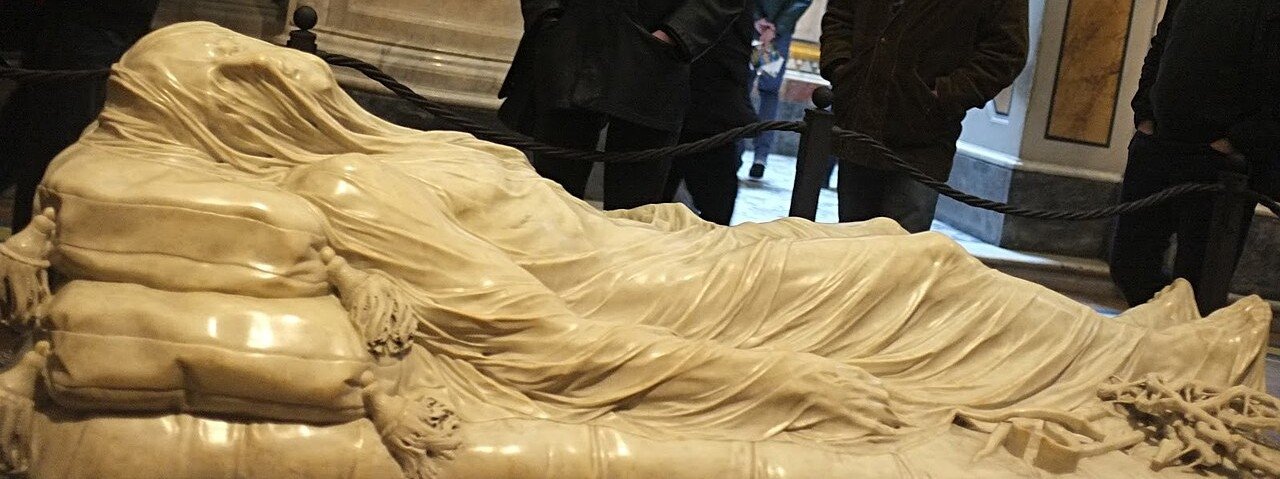
    Napoli, Ceppalla San Severo, Cristo Velato di Giuseppe Sanmartino

    San Severo Chapel and Veiled Christ: Tours, Tickets and Useful Info

    Quick Guide and Experiences


    The San Severo Chapel in Naples houses one of the most extraordinary masterpieces of Baroque art: the Veiled Christ, admired for its stunning beauty and sculptural skill.

    See also


    San Severo Chapel: Visiting the San Severo Chapel means entering a masterpiece of Neapolitan Baroque art, where religion, art, and history merge into a unique experience. Every architectural and decorative detail reflects the passion and devotion of the patrons and artists who made this chapel one of Naples’ most visited sites.

    The Veiled Christ: At the center of the chapel stands the famous Veiled Christ, a marble sculpture created with incredible skill depicting Jesus lying under a transparent veil. The perfection of details, from the folds of the veil to the facial expression, makes the work a true symbol of Baroque artistic mastery and an unmissable attraction for visitors.

    Hidden works and symbols: Besides the Veiled Christ, the chapel houses numerous other works and symbols, including allegorical statues, bas-reliefs, and Masonic symbols. Each element is designed to convey deep and mysterious meanings, offering visitors a journey of discovery and reflection on the spirituality and art of the period.

    Atmosphere and layout: The interior of the chapel, rich in marble, stuccoes, and polychrome decorations, creates a suggestive and immersive atmosphere. The arrangement of the works and the natural light filtering through the windows enhance every detail, making the visit an exciting and unforgettable experience.

    An experience for all visitors: The San Severo Chapel and the Veiled Christ fascinate both art and history enthusiasts as well as first-time visitors to Naples. A guided visit or organized tour allows guests to fully understand the history, symbols, and artistic value of the works, turning every moment into an engaging and memorable story.


    Discover the most popular experiences for getting up close to the wonders of the San Severo Chapel and the Veiled Christ:

    • Naples: Historic Center Tour & Veiled Christ Entry – Enjoy a complete experience among the wonders of Naples’ historic center, with a guided visit to the San Severo Chapel and admire the famous Veiled Christ, a masterpiece of Baroque art.
    • Naples: Old Town Tour & Veiled Christ – Explore the streets of the old town with an expert guide and discover the history and secrets of the San Severo Chapel, admiring the magnificent Veiled Christ in a captivating and immersive journey.

    Powered by GetYourGuide

    Visit Duration: The standard route takes approximately 30–60 minutes to admire the main artworks, with particular attention to the famous Veiled Christ.

    Accessibility: Some areas of the San Severo Chapel have stairs and narrow spaces and may not be fully accessible to visitors with reduced mobility. It is recommended to contact the site in advance to check the availability of adapted routes or specific assistance.

    Temperature and Clothing: The Chapel maintains a constant internal temperature throughout the year, generally around 20 °C. Comfortable clothing and closed shoes are recommended, especially to walk along the path and observe the artworks at leisure.

    Opening Hours, Prices, and Booking: For up-to-date information on opening times, access, and ticket prices, visit the official San Severo Chapel website.

    Recommended Time Slots: To avoid crowds, it is preferable to visit the Chapel in the morning or early afternoon. Visiting at less busy times allows you to admire the Veiled Christ and other artworks in peace.

    Photography: Photography without flash is allowed in some areas of the Chapel. For conservation or safety reasons, it may be required to limit camera use in certain zones or for specific artworks.


    On foot: The main entrance of the San Severo Chapel is located at Via Francesco de Sanctis, 19, in Naples’ historic center. It is easily reachable on foot from Piazza del Gesù or Piazza San Domenico Maggiore in about 5–10 minutes.

    By metro: The nearest station is “Dante” on Line 1. From there, continue on foot following the signs to Via Francesco de Sanctis until you reach the Chapel.

    By bus: Several urban lines stop near the Chapel, including C12, R2, and others passing through Piazza Dante or Via Toledo. Alternatively, you can get off at Piazza del Gesù and walk a few minutes.

    By car: Naples’ historic center is subject to ZTL zones and heavy traffic. It is recommended to park in private garages on Via Toledo or near Piazza Dante, a few minutes on foot from the Chapel.

    By train: From the Central Station (Piazza Garibaldi), you can reach the San Severo Chapel in about 15–20 minutes on foot or take Line 1 of the metro to the “Dante” station.

    By tourist bus or camper: The most convenient parking areas are Piazzale Tecchio or along Corso Garibaldi. From there, you can continue by public transport or on foot to the Chapel.


    🔐 Some images on this page are used under Creative Commons license:
    By Baldo SimoneOwn work, CC BY-SA 4.0 – Wikimedia Commons –
    By ArchitasOwn work, CC BY-SA 4.0 – Wikimedia Commons –
    By Francesco MocellinOwn work, CC BY-SA 4.0 – Wikimedia Commons –
    By Luca AlessOwn work, CC BY-SA 4.0 – Wikimedia Commons –
    By RepuliOwn work, CC BY-SA 4.0 – Wikimedia Commons –
    By Di David SivyerOpera propria, CC BY-SA 4.0 – Wikimedia Commons

  • Archaeological Museum of Naples: Tours, Tickets and Useful Info

    Archaeological Museum of Naples: Tours, Tickets and Useful Info

    Napoli Museo Archeologico Nazionale, Battaglia di Isso

    Archaeological Museum of Naples: Tours, Tickets and Useful Info

    Quick Guide and Experiences


    The Archaeological Museum of Naples houses one of the richest collections of ancient artifacts, featuring art, history, and archaeological wonders:

    See also


    Visiting the Archaeological Museum of Naples means embarking on a fascinating journey through art, history, and archaeology, exploring one of the richest and most prestigious collections in the world.

    Classical collections: The museum houses an extraordinary selection of Greek and Roman statues, marble and bronze sculptures, and reliefs showcasing the artistic skill of ancient Mediterranean civilizations. Among the most famous works are statues of deities and emperors, as well as portraits of Roman citizens, offering a vivid glimpse into the society of the time.

    Egyptian section: The museum’s Egyptian collection is one of the most important in Europe, featuring mummies, sarcophagi, papyri, and ritual objects. This section allows visitors to understand the life, beliefs, and rituals of ancient Egypt, providing an immersive journey through the civilizations of the ancient Mediterranean.

    Pompeii and Herculaneum: Among the museum’s most iconic treasures are the mosaics, frescoes, and everyday objects from the excavations of Pompeii and Herculaneum. Walking through the galleries, visitors can admire depictions of domestic and public life in antiquity, from banquets to temples, as well as the tools and furnishings that illustrate daily life before the eruption of Vesuvius.

    Thanks to carefully curated displays and thematic exhibitions, a visit to the Archaeological Museum of Naples becomes a complete and engaging experience, captivating both history and archaeology enthusiasts and those approaching the ancient world for the first time.


    Discover the most popular experiences among visitors to get up close to the wonders of the National Archaeological Museum of Naples:

    Powered by GetYourGuide

    Powered by GetYourGuide

    Visit duration: the standard route takes about 1–2 hours to admire the main collections.

    Accessibility: some areas of the museum, especially those with stairs or narrow spaces, are not fully accessible to visitors with reduced mobility. It is recommended to contact the museum in advance to check for adapted routes or specific assistance.

    Temperature and clothing: the museum halls maintain a constant temperature throughout the year, usually around 20 °C. Comfortable clothing and closed shoes are recommended, especially for long visits through the rooms and exhibitions.

    Opening hours, tickets, and reservations: for up-to-date information on hours, access, and rates, visit the official website of the National Archaeological Museum of Naples.

    Recommended visiting times: to avoid crowds, it is preferable to visit the museum in the morning or early afternoon. Visiting during less busy times allows for a better experience of the collections and more relaxed photography.

    Photography: most rooms allow photography without flash. However, in some areas or for specific artifacts, restrictions may apply to protect the items or for safety reasons.


    On foot: the main entrance of the National Archaeological Museum of Naples is located at Via Museo, 19, near Piazza Museo Nazionale. It is easily reachable on foot from Piazza del Plebiscito or via Toledo in about 10–15 minutes.

    By metro: the nearest station is “Museo” on Line 1. From there, continue on foot following the signs to the museum along Via Toledo and Via Depretis.

    By bus: several urban lines stop near the museum, including R1, 151, and other lines passing through Piazza Museo Nazionale. Alternatively, get off at Piazza Garibaldi and walk along Via Depretis.

    By car: the center of Naples is subject to ZTL restrictions. It is recommended to park in private garages along Via Toledo, Via Medina, or near Piazza Municipio, all a few minutes’ walk from the museum.

    By train: from the Central Station (Piazza Garibaldi), you can reach the museum in about 15 minutes on foot or by taking Line 1 of the metro to the “Museo” stop.

    By tourist bus or camper: the most convenient parking areas are located in Piazzale Tecchio or along Corso Garibaldi. From there, you can continue by public transport or on foot to the museum.


    🔐 Some images on this page are used under Creative Commons license:
    By Baldo SimoneOwn work, CC BY-SA 4.0 – Wikimedia Commons –
    By ArchitasOwn work, CC BY-SA 4.0 – Wikimedia Commons –
    By Francesco MocellinOwn work, CC BY-SA 4.0 – Wikimedia Commons –
    By Luca AlessOwn work, CC BY-SA 4.0 – Wikimedia Commons –
    By RepuliOwn work, CC BY-SA 4.0 – Wikimedia Commons –
    By Magrippa at the EnglishOpera propria, CC BY-SA 3.0 – Wikimedia Commons