
Guide to Bolzano: what to see, do, eat
Travel Guide to the Best of the City


Bolzano is a fascinating city where Alpine elegance meets Italian culture, among breathtaking landscapes, authentic traditions, and unforgettable flavors.
📌 For a more complete overview of certain items, click on the links to detailed pages +🔗
Overview
📌 A large part of the references covered in this Overview section and in the Practical Info section, are summarized in the Orientation Table 📊 with further details on Wikipedia 🌐 and Google Maps ➡️ where available.
Bolzano, capital of Alto Adige, is a city where Italian culture blends harmoniously with German culture, creating a fascinating and cosmopolitan atmosphere.
Located in the heart of the Dolomites, Bolzano offers visitors a perfect combination of history, nature, art, and gastronomy. Known for its quality of life and its stunning landscapes, Bolzano is an ideal destination for those seeking a vacation that combines culture, adventure, and relaxation.
GEOGRAPHY
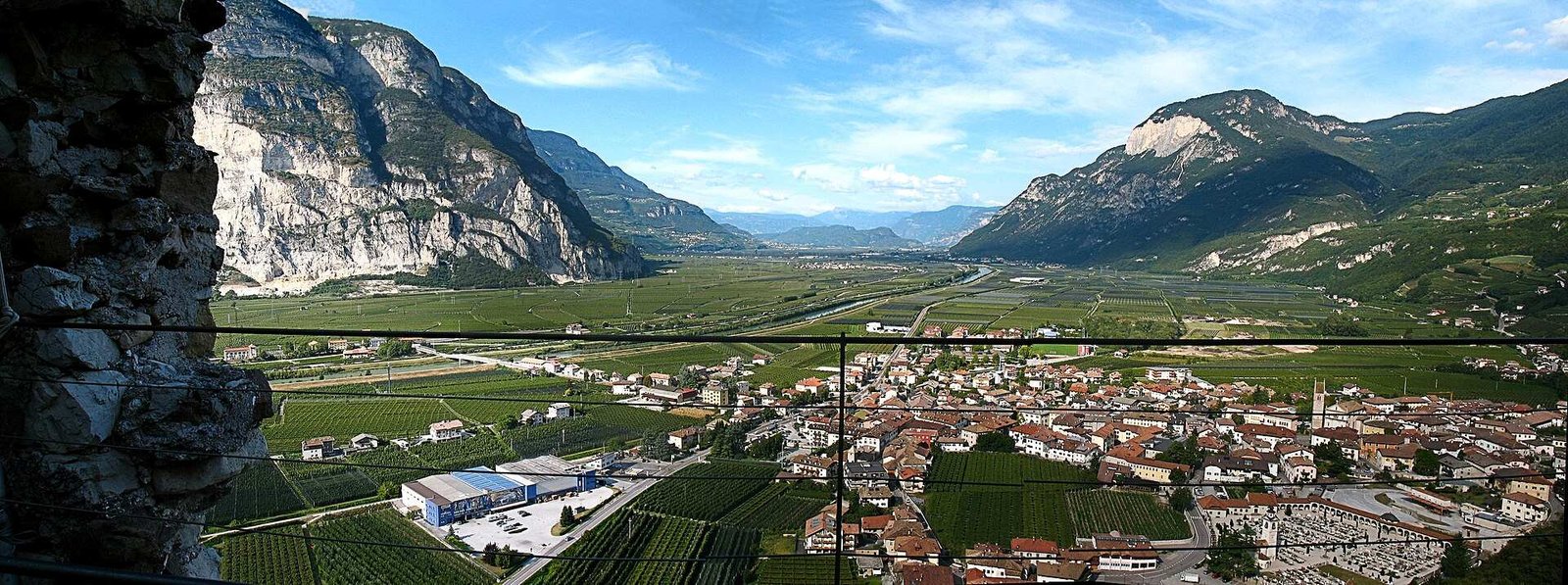
Bolzano is located in the far north of Italy, in the heart of Alto Adige, in a strategic position between the Alps and the main routes connecting Italy with Central Europe.
By observing the territory of the Municipality of Bolzano as a whole (red and white perimeter), it is possible to clearly recognize the shape of the basin in which the city develops, surrounded by mountains and crossed by the Adige and Isarco rivers.
You can distinguish the most densely populated urban areas, the agricultural zones, and the vineyards climbing up the mountain slopes, along with the main infrastructures that connect Bolzano to the rest of Alto Adige and neighboring regions.
From the analysis of the satellite map, the main territorial directions of the city clearly emerge:
- North / North-East: the mountains of the Val Sarentino and the first Alpine elevations develop here, characterized by dense forests, small villages, and nature trails leading towards the Dolomites.
- South: the Adige Valley continues towards Trento, with a landscape dominated by vineyards, apple orchards, and waterways that accompany the descent toward the plains.
- East: the Val d’Isarco extends here, connecting Bolzano to Alpine towns such as Bressanone, with a territory rich in forests, villages, and mountain slopes.
- West: the landscape opens towards the mountains of the Renon and the Oltradige area, with natural terraces, vineyards, and small panoramic villages overlooking the Bolzano basin.
The strategic position of Bolzano makes it a key connection point between Italy and Central Europe, easily accessible from cities such as Trento, Verona, and Innsbruck (Austria).
HISTORY
Bolzano, with ancient origins and developed as an important connection point between different worlds, has a history deeply linked to its strategic position between Italy and Central Europe:
- Roman Era: the area of Bolzano was already frequented during Roman times thanks to its location along the routes connecting the Po Valley to the Alpine passes. The territory served as a transit point for trade and military movements across the Alps.
- Middle Ages: during the Middle Ages, Bolzano developed as an important commercial center thanks to fairs and its position along the routes between Italy and Germany. The city gradually came under the influence of bishopric principalities and local lordships, strengthening its strategic role.
- Habsburg Era (14th–19th century): Bolzano came under Habsburg control, becoming a key hub for trade between the Italian and Austrian worlds. During this period, the city grew economically and urbanistically, developing a bilingual and multicultural character that still distinguishes it today.
- 20th Century and Contemporary Era: after the First World War, with its annexation to Italy, Bolzano underwent a process of political and cultural transformation. After the Second World War, it established itself as the capital of Alto Adige, becoming an example of coexistence between Italian and German cultures and an important Alpine economic and tourist center.
MAIN ATTRACTIONS
Bolzano is rich in historical monuments and museums that tell its millennia-old history and culture. Among the main points of interest:
- Il Duomo di Bolzano (Cattedrale di Santa Maria Assunta): A masterpiece of Gothic architecture, with its characteristic bell tower. Inside, you can admire beautiful frescoes and a Baroque altar.
- Il Museo Archeologico dell’Alto Adige: Here you can find the famous mummy of Ötzi, the Iceman, discovered in 1991 in the Ötztal Alps. The museum offers a fascinating journey through time, from the Copper Age to the Roman era.
- Castel Roncolo: Located on a hill overlooking the city, this medieval castle is famous for its well-preserved frescoes, offering a unique insight into courtly life in the 14th century.
- Piazza Walther: The beating heart of Bolzano, this square is dedicated to the German poet Walther von der Vogelweide. Elegant buildings overlook the square, and numerous cultural events take place here.
PARKS AND NATURE
Bolzano offers numerous opportunities for nature lovers and outdoor activities, thanks to its location surrounded by the Alps and the landscapes of Alto Adige. Among the most interesting references we mention:
- Parco naturale dello Sciliar-Catinaccio: One of the symbols of the Dolomites, characterized by imposing mountains, plateaus, and panoramic trails. It is one of the most spectacular areas of Alto Adige, ideal for hiking, trekking, and observing Alpine wildlife.
✨ A landscape that seems suspended in time, where the Dolomites rise like glowing stone walls at sunset, creating one of the most iconic sceneries in the entire Alpine range.
- Parco naturale Puez-Odle: A protected area that perfectly represents the Dolomite landscape, with rocky spires, alpine meadows, and mountain huts. It offers hiking routes suitable for both experienced hikers and less experienced visitors.
✨ Vertical spires and absolute silence: here the mountains are not just seen, but experienced within a landscape that seems sculpted by a primordial force.
- Lago di Caldaro: The warmest lake in the Alps, located just south of Bolzano, is one of the most popular destinations for relaxation, water sports, walks, and tastings in the surrounding vineyards.
✨ A lake perfectly nestled between vineyards and mountains, where the reflection of the water at sunset turns the landscape into a living postcard.
- Lago di Monticolo: Surrounded by woodland near Appiano, it consists of two small lakes encircled by forests, ideal for swimming, hiking, and relaxing moments in nature.
EVENTS & CELEBRATIONS
Bolzano hosts numerous events throughout the year, attracting visitors from everywhere. Among the most important:
- Mercatino di Natale: One of the most famous in Europe, the Bolzano Christmas market transforms the city into an enchanting holiday village, with stalls selling handmade products, Christmas decorations, and local specialties.
✨ When the historic center lights up with lights and scents, Bolzano becomes a fairytale village where Christmas comes to life among wood, snow, and Alpine traditions.
- Bolzano Festival Bozen: An important music festival held in summer, featuring classical and contemporary music concerts performed by internationally renowned artists.
📊 Orientation Table
In the table below you will find a summary of the main references, to best orient and organize your visit through our itineraries (see Itinerary Overview).
- Scroll the table down and to the right 📱🔄 Rotate your phone horizontally to get an overview of opening days, hours, prices of attractions, and for further details on Wikipedia 🌐 and Google Maps ➡️.
- ⚠️ Always check the opening days and hours of attractions through the Google Maps entries linked in the table. See also Itinerary Info.
- To see the explanation of each data column, click its title (e.g. Attractions Index, Ratings, Org, etc.) at the top of the table.
⏳ Caricamento tabella in corso…
📌 This table is updated every 6–12 months.
🛡️ The tables on Tourplan360.com are original content protected by copyright © and monitored through anti-plagiarism tracking systems.
Itinerary Overview
All the main attractions of Bolzano listed in the table have been carefully divided into the two itineraries we designed to ensure a complete, well-structured travel experience that can be adapted to any available time.
To make your choice easier, below you will find a summary with brief descriptions of each route, allowing you to quickly identify the one that best suits your preferences.
BOLZANO IN 1 DAY
This itinerary combines culture, history, and nature to help you discover the city in an essential yet in-depth way.
- Historic center on foot: a pedestrian route through Duomo, historic squares, and museums, including a stop at the South Tyrol Archaeological Museum to admire the Ötzi mummy, the symbol of the city.
- Surroundings by car: a second route between culture and nature including Castel Roncolo, MMM Firmian at Castel Firmiano, and Cantina Bolzano, ending with the scenic Funivia del Colle offering views over the Dolomites.
🔗 Go to Bolzano in 1 day: travel itinerary
BOLZANO IN 3 DAYS
Bolzano in 3 days is a complete itinerary combining the historic center, culture, and exploration of the surrounding territory.
- Day 1: visit of the historic center including Duomo, Piazza Walther, Museo Mercantile, and Castel Mareccio, up to the Convento dei Francescani, along a route rich in history and architecture.
- Day 2: cultural itinerary including the Archaeological Museum (Ötzi), Museion, and Monumento alla Vittoria, ending with local products at the Loacker world.
- Day 3: excursion in the surroundings including Passeggiata del Guncina, Abbazia di Muri-Gries, Castel Roncolo, and MMM Firmian, with wine tastings and a panoramic cable car ride.
🔗 Go to Bolzano in 3 days travel itinerary
Practical Info
WHEN TO GO
Bolzano is a destination that offers different experiences in every season. The alpine climate, events, and tourist flow vary throughout the year, making it important to choose the most suitable period for your visit:
- Spring (April–June): mild temperatures and nature in full bloom, ideal for walking in the city and surrounding areas, among vineyards, scenic trails, and early hikes in nearby hills and valleys. It is also a perfect time to visit museums and historic centers with fewer crowds.
- Summer (July–August): warm but generally cooler than lowland cities, ideal for mountain hikes, panoramic cable cars, and visits to the Dolomites. This is the peak tourist season, so booking accommodation and activities in advance is recommended.
- Autumn (September–October): one of the best times to visit Bolzano, with pleasant temperatures and spectacular landscapes of vineyards, apple orchards, and forests in warm colors. Perfect for wine tastings, cultural routes, and scenic walks.
- Winter (November–March): a magical winter atmosphere with Christmas markets among the most famous in Italy, snowy landscapes, and skiing opportunities in nearby resorts. The historic center becomes especially charming thanks to lights and seasonal events.
GETTING THERE
Bolzano is easily reachable by different means of transport, thanks to its strategic position in the heart of South Tyrol. Whether you arrive by plane, train, bus or car, here are the main useful details to organize your trip to the city.
- By plane: Bolzano Airport is the closest airport to the city and is only a few minutes from the center. It offers seasonal connections and transfer services by taxi and bus.
🔗 See also Bolzano Airport Info & Tips. - By train: Bolzano railway station is well connected with major Italian cities such as Verona, Milan and Venice, as well as regional connections throughout South Tyrol.
- By bus: Numerous lines connect Bolzano with major Italian and European cities. The bus terminal is located near the city center and is well integrated with the local urban network.
- By car: Bolzano is reachable via the A22 Brenner motorway, the main north–south route between Italy and Austria. The city center is partly a restricted traffic zone, so it is recommended to use peripheral parking areas connected to the center.
✅ To search for or book a flight you can check Booking.com Flights.
✅ You can check routes, schedules, prices and buy train or bus tickets with Trainline.
✅ For car rentals you can refer to Booking.com Cars.
GETTING AROUND
Bolzano is an easily visitable city thanks to the compactness of its historic center and the efficiency of its urban and suburban connections, which allow easy movement both on foot and by public transport.
- On foot or by bike: The historic center of Bolzano is ideal for exploring on foot or by bicycle, among arcades, historic squares, and characteristic views. The city is well equipped with cycle paths that also connect the peripheral areas.
- Public transport: Bolzano has an efficient network of urban and suburban buses that connect the city center with outlying districts and major destinations in Alto Adige, such as Merano, Bressanone, and the surrounding valleys.
- Restricted Traffic Zone (ZTL): The historic center is partially a Limited Traffic Zone. It is advisable to pay attention to access rules and use external parking areas connected to the center via shuttle services or short walking routes.
- Parking: The main parking areas are located in strategic spots such as Parcheggio Bolzano Centro, Parcheggio Fiera, Piazza Walther, and areas near the historic center. In Table > Parking and Mobility we have selected the most convenient solutions for visiting the city.
USEFUL TIPS
To visit Bolzano in the most comfortable and organized way possible, here are some practical tips that can help you save time, optimize your movements, and fully enjoy your experience in the city and its surroundings.
- Comfortable shoes: The historic center is ideal to explore on foot, but it includes cobblestone streets and routes that require comfortable footwear, especially for long walks among museums, squares, and arcades.
- Cable cars and scenic transfers: Using cable cars (such as those to Renon or Colle) is a great way to admire the alpine landscape and quickly reach panoramic viewpoints and natural areas nearby.
- Water and appropriate clothing: In summer, it is recommended to bring water and sunscreen for excursions, while in winter it is essential to dress in layers to handle temperature changes between the city and the mountains.
- Respect for historic and natural areas: Bolzano is very protective of its cultural and environmental heritage, so it is important to behave respectfully in historic centers, museums, and natural trails.
WHAT TO EAT
Bolzano offers a gastronomic scene that combines South Tyrolean tradition with Italian and Central European influences, offering a wide variety of authentic flavors. Among the must-try dishes:
- Canederli (Knödel): Large bread dumplings served in broth or dressed with melted butter, often accompanied by speck or cheese.
- Speck: A typical smoked cured ham from Alto Adige, with a unique and unmistakable flavor.
- Strudel di mele: A traditional dessert made with apples, raisins, pine nuts, and cinnamon, wrapped in a thin, crispy pastry.
- Vini dell’Alto Adige: Bolzano is also famous for producing excellent wines, including Lagrein and Gewürztraminer, perfect for pairing with local traditional dishes.
WHERE TO EAT
Bolzano offers a varied selection of restaurants, taverns, and traditional venues, creating a rich and authentic gastronomic scene in the heart of the city.
- Ristorante Laurin (Park Hotel Laurin), an elegant venue located in the city center, known for its refined cuisine that combines local tradition with modern interpretations, set in a historic and carefully designed setting.
- Vögele, a historic restaurant in the heart of Bolzano, famous for its traditional atmosphere and typical South Tyrolean dishes served in an environment rich in history and local charm.
- Franziskanerstuben, a typical venue offering authentic regional cuisine, with Tyrolean and Italian specialties in a rustic and welcoming setting in the historic center.
- Batzen Häusl, a well-known brewery-restaurant, appreciated for its traditional cuisine, craft beers, and lively atmosphere typical of Bolzano’s city center.
See also Restaurant Selection Table 📊
WHERE TO SLEEP
Bolzano offers accommodation for all tastes and budgets, from hotels in the historic center to farm stays and properties surrounded by vineyards and hillside areas. Choosing the right area to stay in is essential to optimize travel and fully experience the atmosphere between city, nature, and mountains.

Here are some of the main areas where to stay in Bolzano, selected for their location, convenience, and atmosphere:
- Historic center – Piazza Walther and Portici: ideal for those who want to stay in the heart of the city, with museums, restaurants, shops, and attractions just a few steps away. Perfect for a complete cultural experience without the need for transportation.
- Gries area: a quiet residential district well connected to the city center, close to parks and green areas. An excellent choice for those seeking relaxation while staying near the center.
- Fair district and surroundings: a modern and functional area, convenient for events, road connections, and quick access to the highway. Also ideal for business stays.
- Oltradige and Renon: perfect for those seeking nature, panoramic views, and tranquility, with farm stays and scenic hotels surrounded by vineyards, hills, and views of the Dolomites.
FAQ
Must-see stops include the Duomo of Bolzano, Piazza Walther, the Archaeological Museum with Ötzi, and Castel Roncolo.
Is Bolzano a cultural city?Yes, the city offers important museums such as Museion and the archaeological area related to the famous glacier mummy, as well as a rich historical and architectural heritage.
📌 Learn more in the section Main Attractions.
Are there parks and nature areas near Bolzano?
Yes, in the surrounding area you can find spectacular natural areas such as Sciliar-Catinaccio, Puez-Odle, and the lakes of Caldaro and Monticolo.
📌 Learn more in the section Parks and Nature.
Is Bolzano suitable for a short visit?
Yes, the city center is compact and can be visited in one day, but the surrounding areas require more time to fully explore.
📌 Learn more in the section Itinerary Overview.
What is the best time to visit Bolzano?
Spring and autumn are ideal for climate and landscapes, while winter is perfect for Christmas markets and snow activities.
Is Bolzano easy to visit?Yes, the historic center is pedestrian-friendly and well organized, while connections to surrounding areas are efficient thanks to trains, buses, and cable cars.
📌 Learn more in the section When to Go.
Which typical dishes should you try in Bolzano?
Local specialties include dumplings, speck, apple strudel, and traditional South Tyrolean and Tyrolean dishes.
📌 Learn more in the section What to eat.
Where to eat in Bolzano?The historic center offers traditional restaurants, taverns, and historic venues such as Vögele, Franziskanerstuben, and Batzen Häusl.
📌 Learn more in the section Where to eat.
What is the best area to stay in Bolzano?
The historic center is ideal for exploring the city on foot, while areas such as Gries or the outskirts offer more tranquility.
Are there hotels surrounded by nature?Yes, in the surroundings of Bolzano you can find farm stays and panoramic hotels surrounded by vineyards and mountains.
📌 Learn more in the section Where to Stay.
Where can I find information on opening hours, routes, and attractions in Bolzano?
All information is organized in dedicated sections of the website and reference tables, with details on attractions, itineraries, and points of interest.
Where can I find maps and useful links?In the attractions table section, you will find Google Maps links and useful information to help you plan your visit.
📌 Check the Orientation Table 📊