
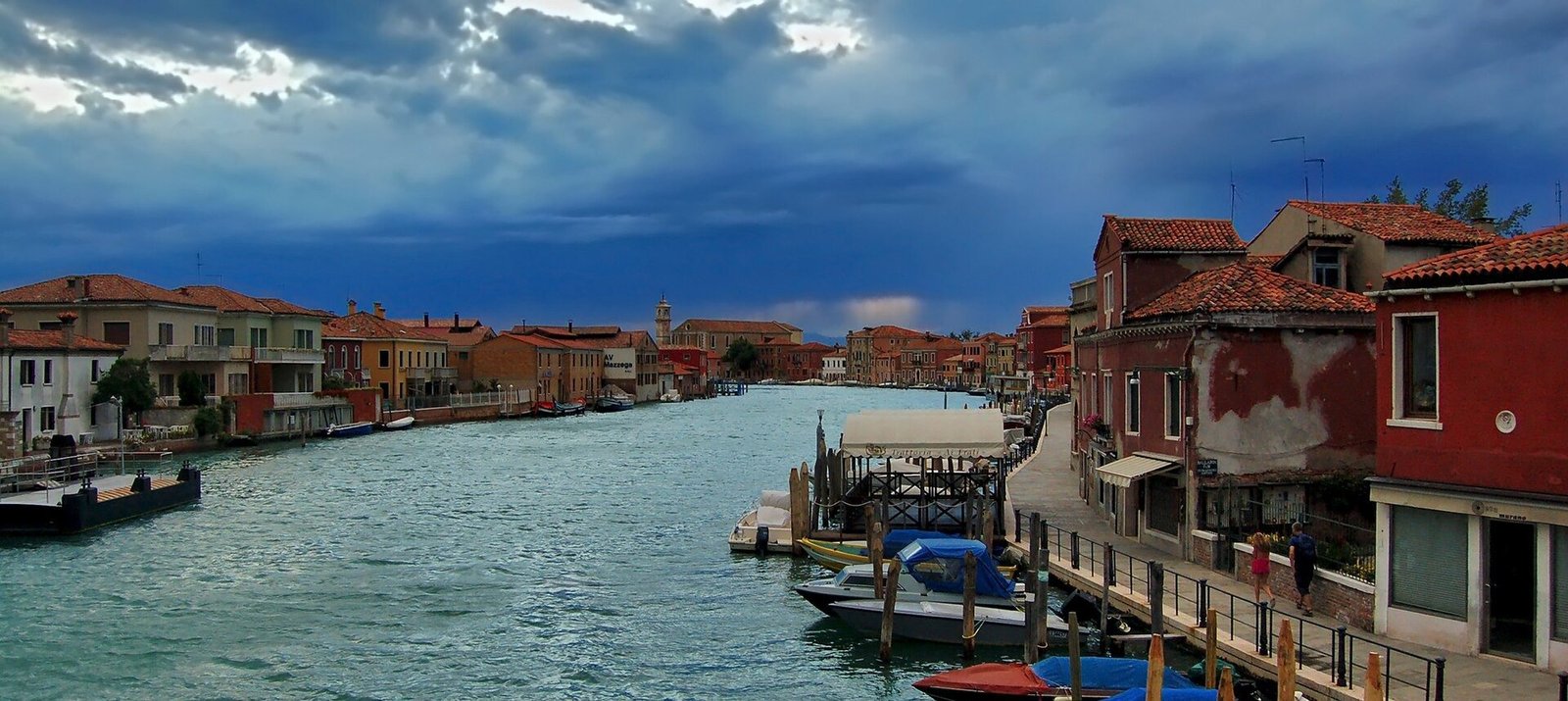
Venice Murano Island: what to see and complete itinerary
Travel guide, opening hours, prices, map


The Murano Island, in the heart of the Venice lagoon, is a unique place where art, tradition, and craftsmanship have intertwined for centuries, giving life to one of the city’s most iconic symbols: Murano glass.
See also:
- Back to Complete Tour
- Guide to Venice
- Itineraries: 1d, 3d
- See: Attractions
- Do: Experiences
- Eat: Where and What
- Getting Around, Pass, Stay
Route Description
The tour of Murano Island is a journey dedicated to discovering the world capital of glass art, which from the Faro di Murano area unfolds through canals, fondamenta, and historic palaces until reaching the island’s historic heart.
The itinerary passes through some of its most representative attractions, such as the evocative The Glass Cathedral, the prestigious Palazzo Barovier & Toso with its centuries-old glassmaking tradition, the magnificent Duomo Basilica dei Santi Maria e Donato, and the famous Museo del Vetro, guardian of the history and evolution of one of Venice’s most iconic arts.
The route ends inside the rooms of the Museo del Vetro, offering a total itinerary of about 4 hours of visiting time over a 2.5 km linear route, ideal for discovering this world-famous island.
MURANO ISLAND
- Open Route Map📍
- Distance: 2,5* km walking
- Time: 0,33* min. walking
- Visit duration: 4 hours
- Stops: 9 main (X → H)* + 3 secondary
- Murano Faro “A” (X) → Faro di Murano (A) → Ex Chiesa di Santa Chiara (B) → Palazzo Barovier&Toso (C) → Chiesa Arcipretale di San Pietro Martire (D) → Palazzo da Mula (E) → Chiesa di Santa Maria degli Angeli (F) → Duomo Basilica dei Santi Maria e Donato (G) → Museo del Vetro di Murano (H)
- For days, times, prices and other info see Itinerary Table 📊
* These values may differ from those shown on Google Maps, as they are continuously recalculated in real time. See also Itinerary Info and Navigator + See here for Shared Stop 🧩
Steps Details
📌 All the stops summarized here are structured in the Itinerary Table 📊 with days, opening hours, prices, and Wikipedia 🌐 and Google Maps insights.
⬇️ starting point
X. Murano Faro A Stop – this is the arrival stop of the vaporetto, from which the Murano island tour begins.
⬇️
A. Faro di Murano
The Faro di Murano is an icon of the island, built in the 19th century and still used for navigation today. Its elegant appearance, with a cylindrical structure clad in Istrian marble, makes it a perfect panoramic spot to begin exploring the island.
✨ From here you get one of the first authentic views of the island, with the constant passage of boats reflecting everyday life in the lagoon.
⬇️
B. Ex Chiesa di Santa Chiara
Continuing on, you reach the Ex Chiesa di Santa Chiara, a place that has found a new life as a space dedicated to glass art. Today known as The Glass Cathedral, this former church has been transformed into a fascinating glass workshop, where visitors can watch live demonstrations of glassblowing. The carefully restored interiors blend sacred architecture with modern lighting, creating a truly magical atmosphere.
✨ Watching glass being born from fire inside an ancient church creates a striking contrast that makes this experience unique in Murano.
💡 The live demonstrations allow you to observe gestures and techniques passed down through generations of master glassmakers.
⬇️
C. Palazzo Barovier&Toso
Murano is synonymous with artistic glass, and one of the most famous families in this tradition is Barovier&Toso, active since the Middle Ages. Inside their historic palace, visitors can admire an extraordinary collection of ancient and contemporary glass pieces, including unique works characterized by the famous colors and techniques that made Murano glass renowned worldwide.
✨ Some of the displayed creations seem to defy the laws of matter, transforming glass into true works of art.
❌ If you have already visited several showrooms and glass furnaces during the day, this stop can be considered optional to save time.
⬇️
D. Chiesa Arcipretale di San Pietro Martire
This church, built in the 14th century and later rebuilt in the 16th century after a fire, is an important testimony to Murano’s religious past. Inside, it preserves works by great Venetian masters, including paintings by Giovanni Bellini and Palma il Giovane. Its wooden trussed ceiling and refined blown-glass chandeliers make it an unmissable stop.
⬇️
Located along Murano’s main canal, Palazzo da Mula is one of the most fascinating examples of Venetian Gothic architecture. Its portico, decorated with marble elements and frescoes now faded by time, tells the glorious past of Murano’s nobility. Today, the palace hosts events and exhibitions dedicated to the culture and history of the lagoon, offering an interesting perspective on life in Murano over the centuries.
⬇️
F. Chiesa di Santa Maria degli Angeli
This church, less known than others, is a small hidden gem on the island. Built in the 12th century and later rebuilt in the 16th century, it is linked to numerous legends and stories of miracles. Inside, you can find frescoes and decorations that testify to the deep connection between Murano and Venetian spirituality.
⬇️
G. Duomo Basilica dei Santi Maria e Donato
The Duomo di Murano is one of the oldest buildings in the lagoon, dating back to the 7th century and later expanded in Romanesque style. Its Byzantine mosaic floor, featuring animal figures and geometric patterns, is among the most spectacular in Venice. According to legend, the basilica houses the bones of a dragon slain by Saint Donatus, a story that adds to the mystical charm of this place.
✨ The mosaic floor looks like a stone carpet suspended in time: one of the most extraordinary and lesser-known treasures of the entire Venetian lagoon.
💡 The alleged dragon bones preserved in the basilica add an aura of mystery that fascinates both adults and children.
⬇️
H. Museo del Vetro di Murano
The journey through the art of glass concludes with a visit to the Museo del Vetro, located in the 18th-century Palazzo Giustinian. Here, visitors can trace the history of Murano glassmaking through an extraordinary collection ranging from the Middle Ages to the present day. The museum offers insight into glassmaking techniques, showcasing unique pieces and telling the story of the master glassmakers who made Murano famous worldwide.
✨ After seeing the furnaces and workshops of the island, this is where you truly understand how Murano became the world capital of glass art.
❌ The visit may take longer than expected if you want to carefully explore the historical collections and production techniques.
Dinner
Murano preserves a simple cuisine closely tied to the lagoon, where fresh fish and traditional Venetian recipes accompany the island’s slower pace of life.
- Seppie al nero, an iconic dish of Venetian tradition, where the intense flavor of cuttlefish blends with the characteristic squid ink sauce.
- Risotto di gò, a typical specialty of lagoon taverns, prepared with local “poor fish” and offering a delicate, authentic taste.
- Polenta e schie, a simple lagoon tradition dish made with small shrimp and soft polenta.
- Baccalà mantecato alla veneziana, a smooth and flavorful whipped cod cream served with bread or polenta.
- Pesca bianca di Venezia, a typical fruit of the islands, light and fragrant, often used in local pastry-making.
- Frìtole veneziane, the only dessert in the selection, soft and sweet, tied to the popular festivities of the lagoon.
Among the island’s restaurants where you can enjoy an authentic experience:
- Osteria Al Duomo – a historic Murano restaurant known for simple and well-executed Venetian cuisine, just steps from the Basilica dei Santi Maria e Donato.
- Ristorante Busa alla Torre – overlooking the lagoon, it offers traditional Venetian fish dishes in a relaxed and scenic setting.
- Trattoria Valmarana – a local reference point for traditional Venetian cuisine and a family-like atmosphere away from mass tourism.
See also Where and What to Eat in Venice.
Sleeping
To explore Murano at a relaxed pace and discover the island’s most authentic atmosphere, staying nearby allows you to experience a different side of Venice, far from the busiest flows of the historic center. Between quiet canals, artisan workshops, and historic glass furnaces, Murano offers an ideal setting for those seeking relaxation and a closer connection with lagoon traditions.

Alternatively, the areas between the Canale degli Angeli and Fondamenta dei Vetrai allow easy access to the island’s main attractions, including the Museo del Vetro and the Basilica dei Santi Maria e Donato, while still maintaining a pleasant and relaxed atmosphere.
See also Where to sleep in Venice: Info and Tips.
📊 Itinerary Table
In the table below you will find all the attractions included in the itinerary, designed to enhance and better guide your visit to Murano:
- Scroll the table down and to the right 📱🔄 Rotate your phone horizontally to get an overview of opening days, hours, prices of attractions, and for further details on Wikipedia 🌐 and Google Maps ➡️.
- ⚠️ Always check the opening days and hours of attractions through the Google Maps entries linked in the table. See also Itinerary Info.
- To see the explanation of each data column, click its title (e.g. Attractions Index, Ratings, Org, etc.) at the top of the table.
⏳ Caricamento tabella in corso…
📌 This table is updated every 6–12 months.
🛡️ The tables on Tourplan360.com are original content protected by copyright © and monitored through anti-plagiarism tracking systems.
FAQ
You can open the Route Map 📍 directly from here. Alternatively, you can check the dedicated section with all the details.
📌 See the Route Description
How much time do I need to visit Murano Island?
The itinerary allows you to visit the main attractions in about 4 hours.
Can this Murano itinerary be done on foot?
Yes. The route is approximately 2.5 km long and runs entirely across the island, through glass furnaces, characteristic streets, and canals.
📌 See also Getting around Venice
Is it worth booking the main attractions in advance?
During peak tourist periods, it is advisable to book in advance or join guided tours to avoid queues and ensure entry.
📌 See also Experiences in Venice
Where can I find opening days, times, and prices for the attractions?
All updated information is available in the dedicated itinerary table, which also includes direct links to Google Maps ➡️ and Wikipedia 🌐 for each attraction.
📌 See the Itinerary Table 📊
See also
- Back to Complete Tour
- Venice in 1 day
- Venice in 3 days
- Guide to Venice
- See: Attractions
- Do: Experiences
- Eat: Where and What
- Getting Around, Pass, Stay
Other Destinations
🔐 Some images on this page are used under Creative Commons licenses:
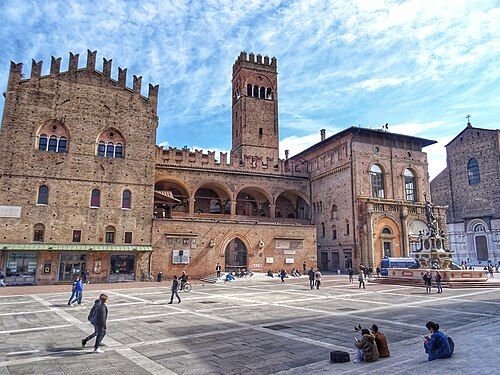
By Maretta Angelini – Bologna, panoramic view of Piazza Maggiore – Own work – CC BY-SA 4.0 – Wikimedia Commons
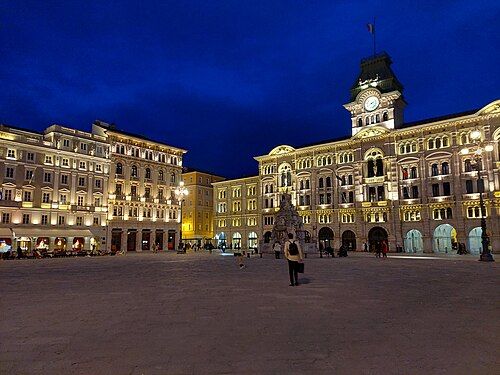
By Meri Valenti (TCI) – Trieste, Piazza Unità d’Italia at night – Own work – CC BY 4.0 – Wikimedia Commons
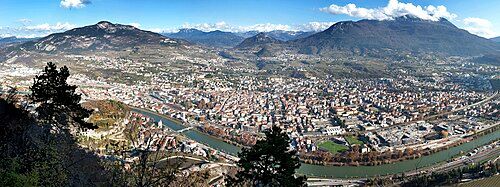
By Franco Visintainer – Trento, city panorama – Own work – CC BY-SA 3.0 – Wikimedia Commons
By Aqwis – Venice, Murano Island, panoramic view of Murano’s Grand Canal from Vivarini Bridge – Own work, CC BY-SA 3.0 – Wikimedia Commons