
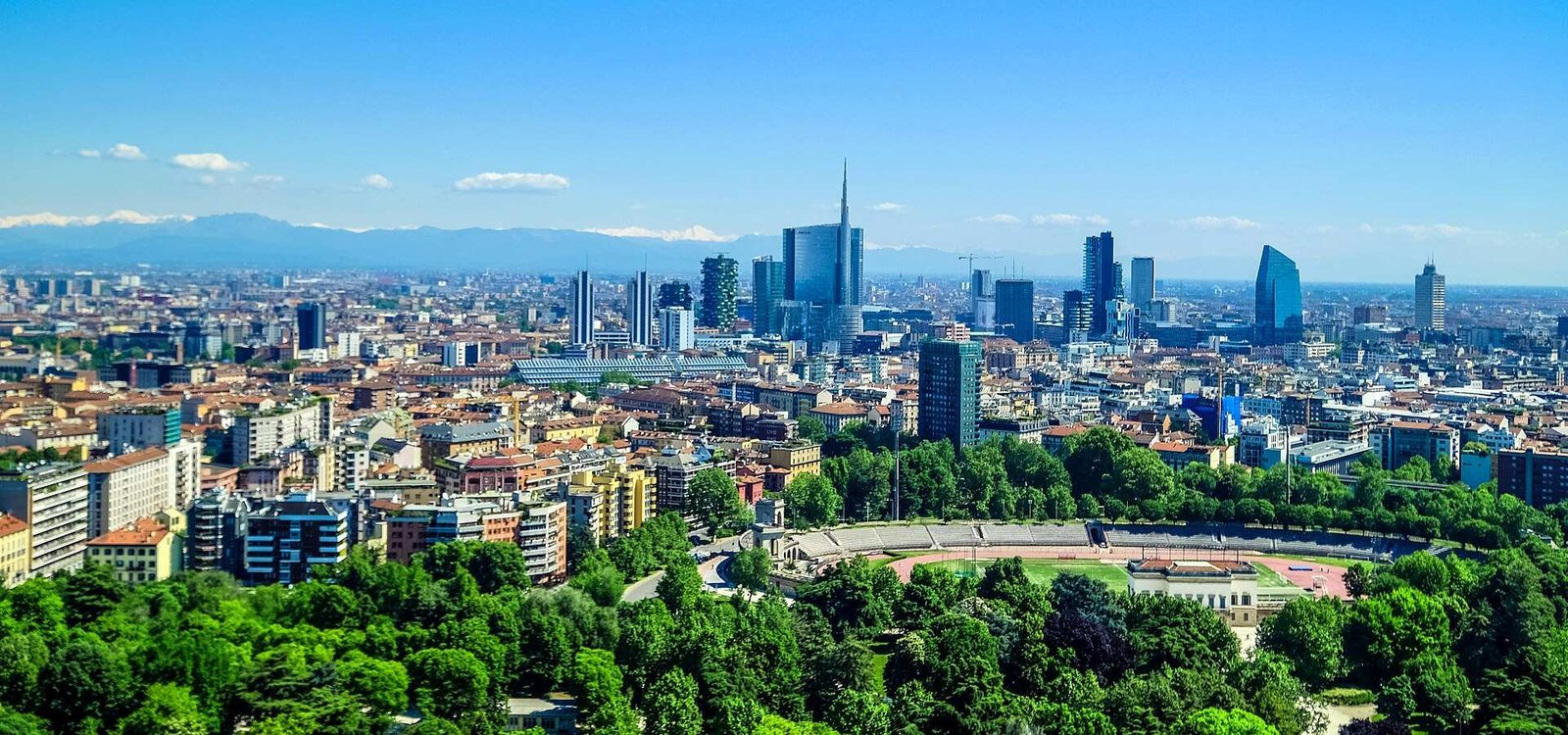
Guide to Milan: what to see, do, eat
Travel Guide to the Best of the City


Milan, Italy’s economic hub, where history, fashion, and innovation come together among famous monuments, modern districts, and a vibrant cultural and gastronomic scene.
📌 For a more complete overview of certain items, click on the links to detailed pages +🔗
- When to Go
- Getting There
- Getting Around +🔗
- Useful Tips +🔗
- What +🔗 and Where +🔗 to Eat
- Where to Sleep +🔗
Must-see
Overview
📌 A large part of the references covered in this Overview section and in the Practical Info section, are summarized in the Orientation Table 📊 with further details on Wikipedia 🌐 and Google Maps ➡️ where available.
Milan, the economic and fashion capital of Italy, is a vibrant and dynamic city located in the heart of Lombardy. With a population of over 1.3 million inhabitants, it is the second most populous city in the country and an important cultural, artistic, and financial center.
GEOGRAPHY
Milan is located in the northern part of Italy, in the center of the Po Valley, one of the most urbanized and productive areas of the country. The city is not connected to a sea or immediate mountain ranges, but it develops across a completely flat territory, characterized by a strong urban presence, modern infrastructure, and a historic canal system such as the Navigli, which in the past connected the city to lakes and rivers of Lombardy.
A satellite reading of the territory clearly highlights the main directions of the Milan area:
- North: urban and residential areas extend toward Monza and the Brianza area, reaching the pre-Alpine hills and the Lombard Alps. In this direction there are also important industrial hubs, densely populated towns, and connections toward Switzerland.
- North-West: residential and commercial districts extend toward Varese and Lago Maggiore, with a strong presence of railway and motorway infrastructure that makes this area one of the main corridors toward Piedmont and Switzerland.
- West: the route toward Turin and Piedmont develops here, characterized by industrial areas, agricultural zones of the lower plain, and important logistics hubs connecting Milan with the rest of northwestern Italy.
- South: the territory opens toward the central Po Valley and the provinces of Pavia and Lodi, with wide agricultural areas, waterways, and railway and road links toward Emilia-Romagna.
- South-East: routes develop toward Cremona and Brescia, with an increasingly agricultural and industrial landscape, where Milan maintains strong economic and infrastructural ties with eastern Lombardy.
- East: the metropolitan area extends toward Bergamo and Lago di Como, with a territory that gradually approaches the pre-Alpine reliefs, characterized by an extensive transport network and connections with the main Lombard cities.
The city is strategically connected to the main centers of northern Italy, including Turin, Venice, Bologna, and Genoa, as well as major international links toward Switzerland and the rest of Europe. This central position in the Po Valley makes Milan one of the main economic, logistical, and cultural hubs of the continent.
Expand OVERVIEW ⬇️
HISTORY
Milan is one of the most important cities in Europe for historical, political, and economic development, with very ancient origins spanning the Celtic era, Roman rule, the medieval period, the Renaissance, and industrial transformation up to the modern economic capital of today.
- Ancient origins: the Milan area was initially inhabited by the Celtic Insubres, who founded an early settlement before the arrival of the Romans, thanks to its strategic position in the Po Valley.
- Roman era: Mediolanum became one of the most important cities of the Western Roman Empire, serving in some periods as an imperial capital and as a major administrative, political, and military center.
- Middle Ages: after the fall of the Roman Empire, Milan experienced alternating phases of power until the rise of the Commune and later the rule of the Visconti and Sforza families, who transformed the city into an important European political and cultural center.
- Modern age: between the 16th and 18th centuries Milan came under Spanish and then Austrian control, becoming a key administrative center of Northern Italy and developing an important urban and infrastructural system.
- Contemporary era: with the Unification of Italy and the Industrial Revolution, Milan established itself as the country’s economic and financial capital, becoming today one of Europe’s leading centers for fashion, design, innovation, and advanced services.
MAIN ATTRACTIONS
The architecture of Milan reflects its historical evolution. The city center combines medieval, Renaissance, and contemporary elements, creating a unique and original urban landscape:
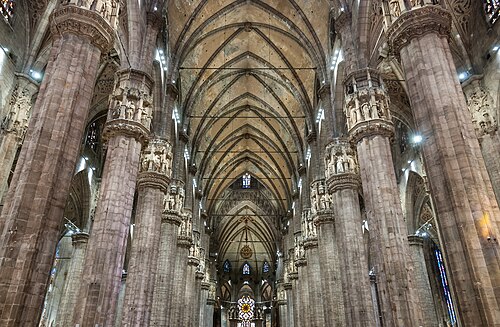
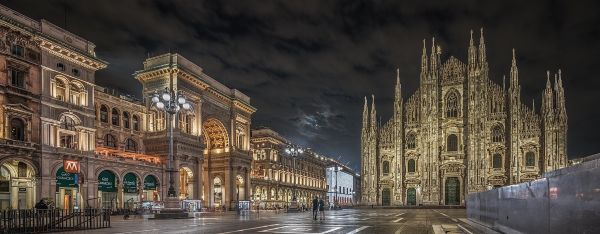
- Duomo di Milano: one of the greatest examples of Gothic architecture in Europe and the symbol of the city. The terrace offers an extraordinary view over the center of Milan and, on clear days, the Alps.
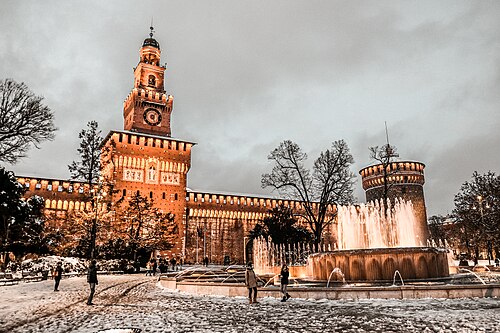
- Castello Sforzesco: an ancient Renaissance fortress now transformed into one of the city’s main museum hubs, surrounded by Parco Sempione.
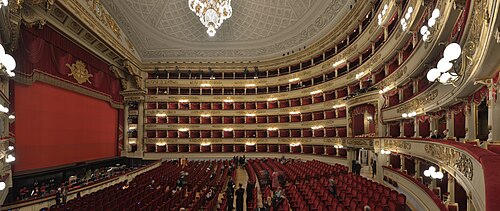
- Teatro alla Scala: one of the most prestigious opera houses in the world, symbol of Milan’s musical and cultural tradition.
Milan also boasts an important museum offering:
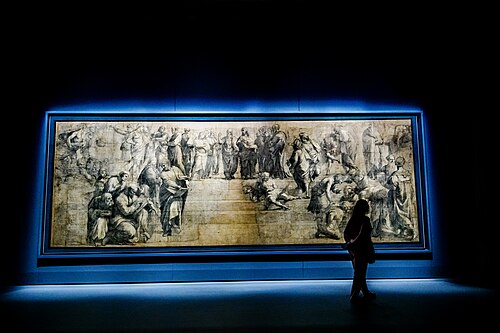
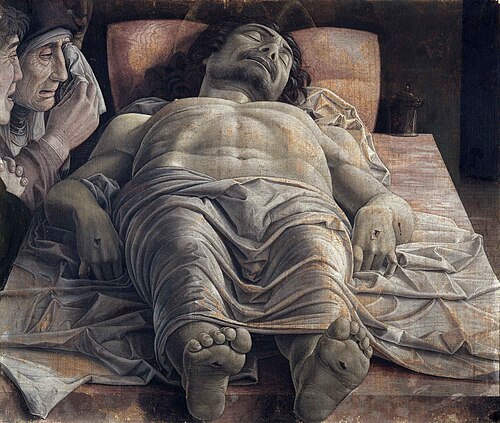
- Pinacoteca di Brera: one of Italy’s most important art galleries, featuring masterpieces by Caravaggio, Raphael, and Mantegna.
- Pinacoteca Ambrosiana: one of Milan’s most prestigious cultural sites, with paintings, drawings, and manuscripts, including Leonardo da Vinci’s Codex Atlanticus.
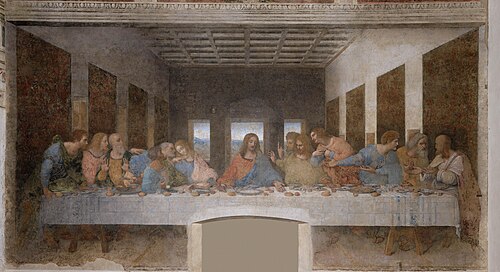
- Cenacolo Vinciano (Ultima Cena): preserved in the refectory of the Convent of Santa Maria delle Grazie, it is one of Leonardo da Vinci’s absolute masterpieces and one of the most famous artworks in the world.
See also Experiences in Milan: Tours, Tickets and Useful Info
PARKS AND NATURE
Although it is one of the most urbanized cities in Italy, Milan offers numerous green spaces, urban parks, and water areas that help improve the quality of life and create relaxing zones within the metropolitan context.
- Parco Sempione, located behind the Castello Sforzesco, is the main green lung of the city center. It is a large urban park with centuries-old trees, small lakes, and relaxation areas, widely frequented by both residents and tourists.
- Parco Nord Milano is one of the most important green areas in the metropolitan region. It is a large regenerated urban park with cycling paths, natural areas, and spaces dedicated to sports and biodiversity.
- Parco Agricolo Sud Milano is a vast rural area surrounding the city, characterized by historic farmsteads, cultivated fields, and natural trails that connect Milan to the Lombard countryside.
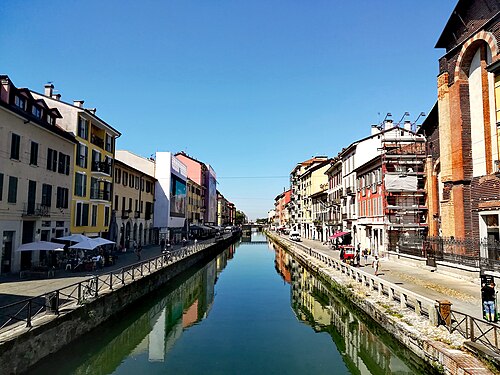
- Navigli di Milano represent one of the most fascinating historic water systems in Europe. Today they form a lively and atmospheric area, with canals, tree-lined walkways, restaurants, and cultural spaces that blend urban nature and social life, especially in the Navigli and Darsena districts.
- Idroscalo, often referred to as the “sea of Milan,” is a large artificial lake surrounded by greenery, used for water sports, outdoor activities, and summer relaxation.
EVENTS & CELEBRATIONS
Milan is a dynamic and international city, with an events calendar that reflects its role as a capital of fashion, design, economy, and culture. Throughout the year, globally renowned events take place, attracting visitors, professionals, and creatives from all over the world.
- Settimana della Moda di Milano – One of the most important global events in the fashion industry, it transforms the city into an international showcase of style, trends, and creativity, involving fashion houses, designers, and influencers from around the world.
- Salone Internazionale del Mobile – The world’s largest event dedicated to design and furnishings, a key reference point for architects, designers, and companies in the sector. Milan becomes the global center of design innovation.
- Carnevale Ambrosiano – Celebrated according to the Ambrosian rite, it is a unique carnival in Italy that continues several days beyond the traditional Carnival period, featuring parades, events, and historical traditions linked to the city.
- Fiera degli “Oh Bej! Oh Bej!” – A historic Milanese market linked to the feast of Sant’Ambrogio, featuring stalls, crafts, local products, and a Christmas atmosphere in the heart of the city.
📊 Orientation Table
In the table below you will find a summary of the main references, to best orient and organize your visit through our itineraries (see Itinerary Overview).
- Scroll the table down and to the right 📱🔄 Rotate your phone horizontally to get an overview of opening days, hours, prices of attractions, and for further details on Wikipedia 🌐 and Google Maps ➡️.
- ⚠️ Always check the opening days and hours of attractions through the Google Maps entries linked in the table. See also Itinerary Info.
- To see the explanation of each data column, click its title (e.g. Attractions Index, Ratings, Org, etc.) at the top of the table.
⏳ Caricamento tabella in corso…
📌 This table is updated every 6–12 months.
🛡️ The tables on Tourplan360.com are original content protected by copyright © and monitored through anti-plagiarism tracking systems.
Itinerary Overview
All the attractions selected in the table have been included in the three itineraries designed for visiting Milan based on the time available.
To make the choice easier, you will find below a summary of the routes with indications on times, distances, and main highlights, so you can easily identify the most suitable experience.
MILAN IN 1 DAY
If you only have one day available, the itinerary is designed to focus on the heart of the city, between Duomo di Milano, Galleria Vittorio Emanuele II, Pinacoteca di Brera, and Castello Sforzesco.
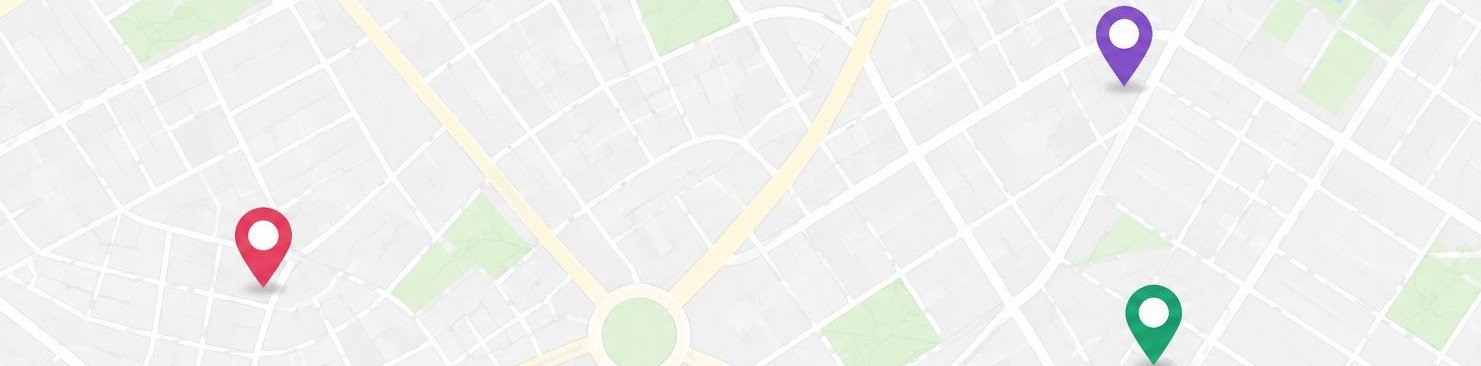
The route is entirely on foot, with a total length of about 1.8 km and an overall duration of approximately 9 hours, ideal for discovering the main icons of the historic center without complex transfers.
MILAN IN 3 DAYS
With three days available, the itinerary allows for a deeper exploration of the city, including, in addition to the main attractions of the 1-day route, iconic places such as the Pinacoteca Ambrosiana, the Cenacolo Vinciano, and the characteristic Navigli, offering a more complete experience of art, history, and city life.
The route is structured for a total duration of about 21 hours, spread over three days of approximately 7 hours each, with movements mainly on foot and by metro.
MILAN COMPLETE TOUR PART 1 AND 2
The Complete Tour of Milan is designed for those who want to go beyond the main tourist circuits and explore the city in greater depth.
The itinerary includes all the main attractions already featured in the previous routes, enriched with more specific stops such as the Teatro alla Scala and the Stadio San Siro, offering a journey that combines the historic center with the cultural, artistic, and sporting dimensions of the city.
The full route requires approximately 74 hours of visiting time, including walking itineraries and car transfers, and is divided into two interconnected parts.
Practical Info
WHEN TO GO
Milan is a city that can be visited throughout the year, but each season offers a different experience in terms of weather, international events, and tourist crowds. Choosing the right period can significantly affect the quality of your visit:
- Spring (April–June): one of the best times to visit Milan, with mild temperatures and bright days. Ideal for walking through historic districts such as Brera and the city center, as well as enjoying urban parks and the Navigli in a more pleasant atmosphere.
- Summer (July–August): a hot season, with fewer residents in the city as many leave for holidays. Many events move outdoors and the atmosphere becomes calmer, although the heat can make midday visits less comfortable.
- Autumn (September–October): a very favorable period, with still pleasant weather and the return of major events such as fashion and design. It is one of the best moments to fully experience Milan through culture, museums, and urban life.
- Winter (November–March): the coldest season but also very atmospheric, especially during the Christmas period. Lights, events, and traditions make the city center particularly charming, with fewer tourists compared to peak months.
GETTING THERE
Milan is one of Europe’s main transport hubs and can be easily reached by all means of transport. Whether you arrive by plane, train, bus, or car, the city offers fast and efficient connections from all over Italy and abroad.
- By plane: Milan is served by three main airports. Aeroporto di Milano Malpensa is the most important international airport, followed by Aeroporto di Milano Linate, which is closer to the city center, and Bergamo Orio al Serio, widely used for low-cost flights. All airports are connected to the city by buses, trains, and shuttles.
- By train: Milano Centrale is one of the most important railway stations in Europe, with high-speed connections to Rome, Turin, Venice, Florence, and many international destinations.
- By bus: numerous national and international companies connect Milan with major Italian and European cities, with arrivals at various terminals close to the city center and main stations.
- By car: Milan is connected by an extensive motorway network (A1, A4, A7, A8, A9). However, traffic can be heavy and the city center is subject to restricted traffic zones (ZTL) and Area C, so it is recommended to use park-and-ride facilities and public transport.
✅ To search for or book a flight you can check Booking.com Flights.
✅ You can check routes, schedules, prices and buy train or bus tickets with Trainline.
✅ For car rentals you can refer to Booking.com Cars.
GETTING AROUND
Milan is a modern city that is well organized from a transport perspective, with an extensive public transport network that makes it easy to move between the city center, outer districts, and metropolitan areas.
- On foot: the historic center is relatively compact and allows visitors to reach many main attractions on foot, such as Duomo di Milano, Brera, and the area around Galleria Vittorio Emanuele II.
- Public transport: the city has a metro, tram, and bus network that efficiently covers all urban areas. The metro is the fastest way to reach the main attractions.
- ZTL and Area C: the historic center is subject to traffic restrictions (Area C), so car access is regulated and often not recommended for visitors. It is better to use public transport or park-and-ride facilities.
- Parking: parking areas are available in peripheral zones and near metro stations. In Table > Parking and Mobility you can find the most practical solutions for getting around the city.
See also Getting around Milan: Info and Tips
USEFUL TIPS
To visit Milan in the most comfortable and well-organized way possible, here are some practical tips that can help you save time and make the most of your travel experience.
- Milan City Pass: a useful solution for accessing museums, transport, and selected attractions, with benefits on entries and tourist services.
See also Milan City Pass: how it works and where to buy it. - Hop-on Hop-off buses: a convenient way to explore the city with a hop-on/hop-off formula, ideal for visiting the main points of interest without stress.
🏆 Panoramic tours available with stops at strategic points across the city. - Combined tickets: many museums and attractions offer bundled tickets that allow savings on entry to multiple cultural sites, especially between Duomo di Milano, Pinacoteca di Brera, and Castello Sforzesco.
- Comfortable shoes: highly recommended, especially for the historic center and districts like Brera and Navigli, where you walk a lot on cobblestone streets and pedestrian areas.
- Water and sunscreen: during the warmer months, it is important to bring water and sunscreen, especially when visiting the more exposed areas of the city on foot.
- Dress code: in places of worship such as Duomo di Milano, appropriate clothing is required, with shoulders and knees covered and respectful behavior.
WHAT TO EAT
Milanese cuisine reflects the gastronomic tradition of Lombardy, characterized by rich, flavorful dishes linked to the city’s rural and bourgeois culture. Alongside historic recipes, Milan also offers a vibrant modern and international culinary scene. Among the must-try dishes are:
- Risotto alla milanese: one of the city’s signature dishes, made with rice and saffron, featuring a golden color and a rich, refined flavor.
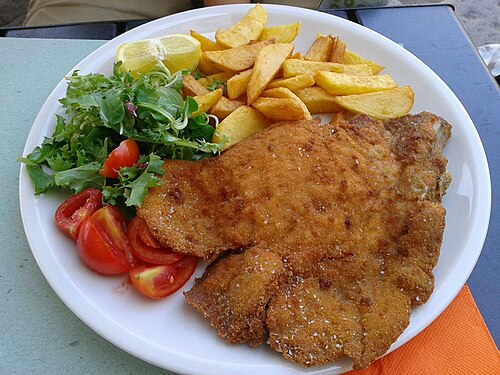
- Cotoletta alla milanese: an iconic main course made of breaded veal fried in butter, crispy on the outside and tender inside, traditionally served with the bone in.
- Ossobuco: a typical Lombard dish made with slow-cooked veal shank, often served with risotto alla milanese.
- Cassoeula: a traditional winter dish made with cabbage and pork, rooted in Lombardy’s rural cuisine.
- Panettone: Milan’s iconic sweet bread, originally a Christmas dessert but now enjoyed year-round, soft and enriched with raisins and candied fruit.
- Michetta: a traditional Milanese bread roll with a light, hollow interior, symbol of the city’s popular food culture.
Street food and modern cuisine: Milan also offers a highly developed contemporary food scene, with international street food, covered markets, and modern reinterpretations of traditional Lombard dishes, especially in areas such as Navigli, Brera, and Isola.
See also What to eat in Milan
WHERE TO EAT
Milan offers an extremely diverse gastronomic scene, combining historic Milanese trattorias, traditional restaurants, and high-end contemporary venues. The city allows you to experience culinary journeys ranging from typical Lombard cuisine to fine dining.
- Trattoria Milanese – Dal 1933, one of the city’s historic restaurants, offers traditional Lombard dishes in an authentic atmosphere deeply connected to old Milan.
- Masuelli San Marco, a historic Milanese restaurant that blends tradition and family continuity, serving carefully prepared classic Lombard cuisine.
- Cracco in Galleria, the restaurant by chef Carlo Cracco located in Galleria Vittorio Emanuele II, a symbol of contemporary haute cuisine in Milan.
- Nerino Dieci Trattoria, a modern restaurant in the city center offering traditional Italian and Milanese dishes reinterpreted in a contemporary style.
See also Where to eat in Milan
WHERE TO SLEEP
Milan offers accommodation options for every need, from luxury hotels in the historic center to modern apartments in the liveliest districts or well-connected residential areas. Choosing the right area to stay in is essential to optimize travel and experience the city at its best.

Here are some of the main areas to stay in Milan, selected for their location, convenience, and atmosphere:
- Centro Storico (Duomo): the most strategic area for those who want to stay in the heart of the city, just steps away from major attractions such as Duomo di Milano, Galleria Vittorio Emanuele II, and Teatro alla Scala.
- Brera: an elegant district full of atmosphere, ideal for those looking for a central but quieter area, surrounded by art galleries, restaurants, and historic streets.
- Navigli: a lively area especially popular with young people, famous for its canals, nightlife, and many bars and restaurants.
- Porta Nuova / Isola: a modern and dynamic district characterized by skyscrapers, contemporary design, and excellent connections to the rest of the city.
- Stazione Centrale: a practical and budget-friendly option, ideal for travelers who frequently move by train or arrive from the main airports.
See also Where to sleep in Milan: Info and Tips
FAQ
Must-see highlights include Duomo di Milano, Galleria Vittorio Emanuele II, and Castello Sforzesco.
Which museums and monuments should I visit in Milan?The city hosts major cultural landmarks and museums such as Pinacoteca di Brera, Pinacoteca Ambrosiana, Cenacolo Vinciano, and Museo del Novecento.
📌 Read more in the section Main Attractions.
Are there parks or green areas in Milan?
Yes, among the most famous are Parco Sempione, Parco Nord Milano, Parco Agricolo Sud Milano, and the Navigli area with its waterside paths.
📌 Read more in the section Parks and Nature.
Is Milan suitable for a short visit?
Yes, the city center is well organized and allows visitors to explore the main attractions even with well-planned 1- or 3-day itineraries.
📌 Read more in the section Itinerary Overview.
What is the best time to visit Milan?
Spring and autumn are ideal, with pleasant weather and numerous cultural events and international fairs.
Is Milan easy to visit?Yes, thanks to the metro system and the relatively compact city center, the main attractions are easy to reach on foot or with short transfers.
📌 Read more in the section When to Go.
Which typical dishes should I try in Milan?
Local specialties include risotto alla milanese, cotoletta alla milanese, ossobuco, and panettone.
📌 Read more in the section What to Eat.
Where to eat well in Milan?The best areas for dining are Brera, Navigli, the historic center, and Porta Nuova, offering a mix of traditional trattorias and modern restaurants.
📌 Read more in the section Where to Eat.
What is the best area to stay in Milan?
The historic center is ideal for visiting the city on foot, but Brera, Porta Romana, and Navigli also offer excellent accommodation options.
Are there budget hotels in Milan?Yes, areas such as Loreto, Lambrate, and Bicocca offer more affordable options that are still well connected by metro.
📌 Read more in the section Where to Sleep.
Where can I find opening days, hours, and prices of attractions?
All information is available in the table in the dedicated columns.
Where can I find links and online information about attractions?The table also includes direct links to Google Maps ➡️ and Wikipedia 🌐 for each attraction.
📌 Check the Orientation Table 📊
See also
- Itineraries: 1d, 3d, CT1, CT2
- See: Attractions
- Do: Experiences
- Eat: Where and What
- Getting Around, Pass, Stay
Other Destinations
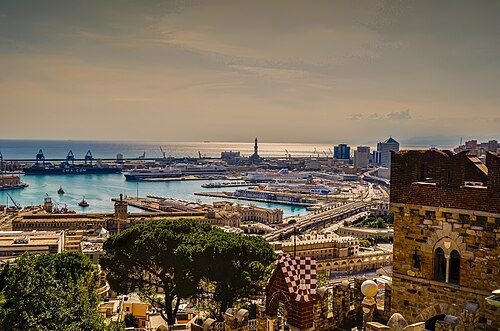
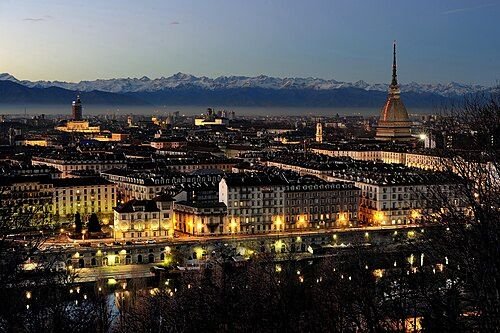
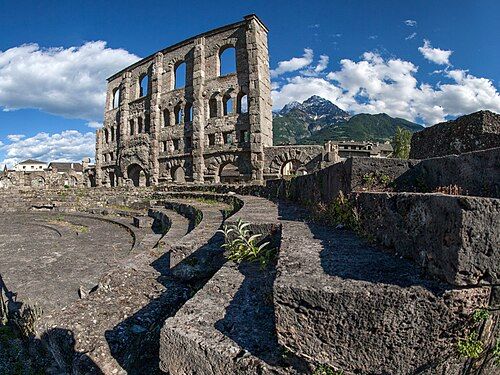
🔐 Some images on this page are used under Creative Commons licenses:
By Maurizio Beatrici – Genoa, port and Lanterna from Castello d’Albertis – Own work – CC BY-SA 4.0 – Wikimedia Commons
By Hpnx9420 – Turin, view from Monte dei Cappuccini – Own work – CC BY 3.0 – Wikimedia Commons
By Alexis Courthoud – Aosta, panoramic view of the Ancient Roman Theatre – Own work – CC BY-SA 4.0 – Wikimedia Commons
By https://www.pexels.com/u/ghostpresenter/ – Milan Skyline Porta Nuova – Own work – CC BY 0 – WikiCommons
.jpg)
Expand image credits
By MauriTz3 – Milan, Sforza Castle in winter – Own work, CC BY-SA 4.0 – Wikimedia Commons
By Marco Pagani – Milan, Galleria Vittorio Emanuele – Imported from 500px by the Archive Team, CC BY 3.0 – Wikimedia Commons
By Wolfgang Moroder – Interior view of Teatro alla Scala in Milan – Own work, CC BY-SA 3.0 – Wikimedia Commons
By FlavMi – Milan, Naviglio Grande – Own work, CC BY-SA 3.0 – Wikimedia Commons
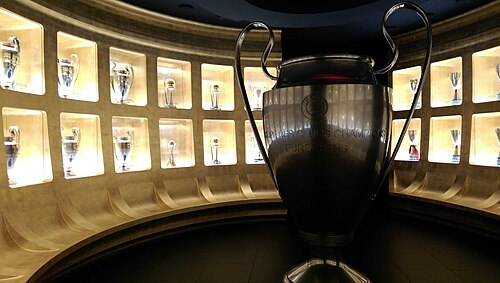
By Andre86 – Casa Milan Trophy Room with a reproduction of the UEFA Champions League trophy – Own work, CC BY-SA 4.0 – Wikimedia Commons
By Andrea Mantegna – Milan, Pinacoteca di Brera, Lamentation of Christ – Own work, Public domain – Wikimedia Commons
By Pietroarco – Milan, Pinacoteca Ambrosiana – Own work, CC BY-SA 4.0 – Wikimedia Commons
By Gary Ullah – Milan, Duomo, central nave – Own work, CC BY 2.0 – Wikimedia Commons
By Leonardo da Vinci – Milan, The Last Supper – Public domain – Wikimedia Commons
By pier – Milanese cotoletta – Own work, CC BY-SA 4.0 – Wikimedia Commons