
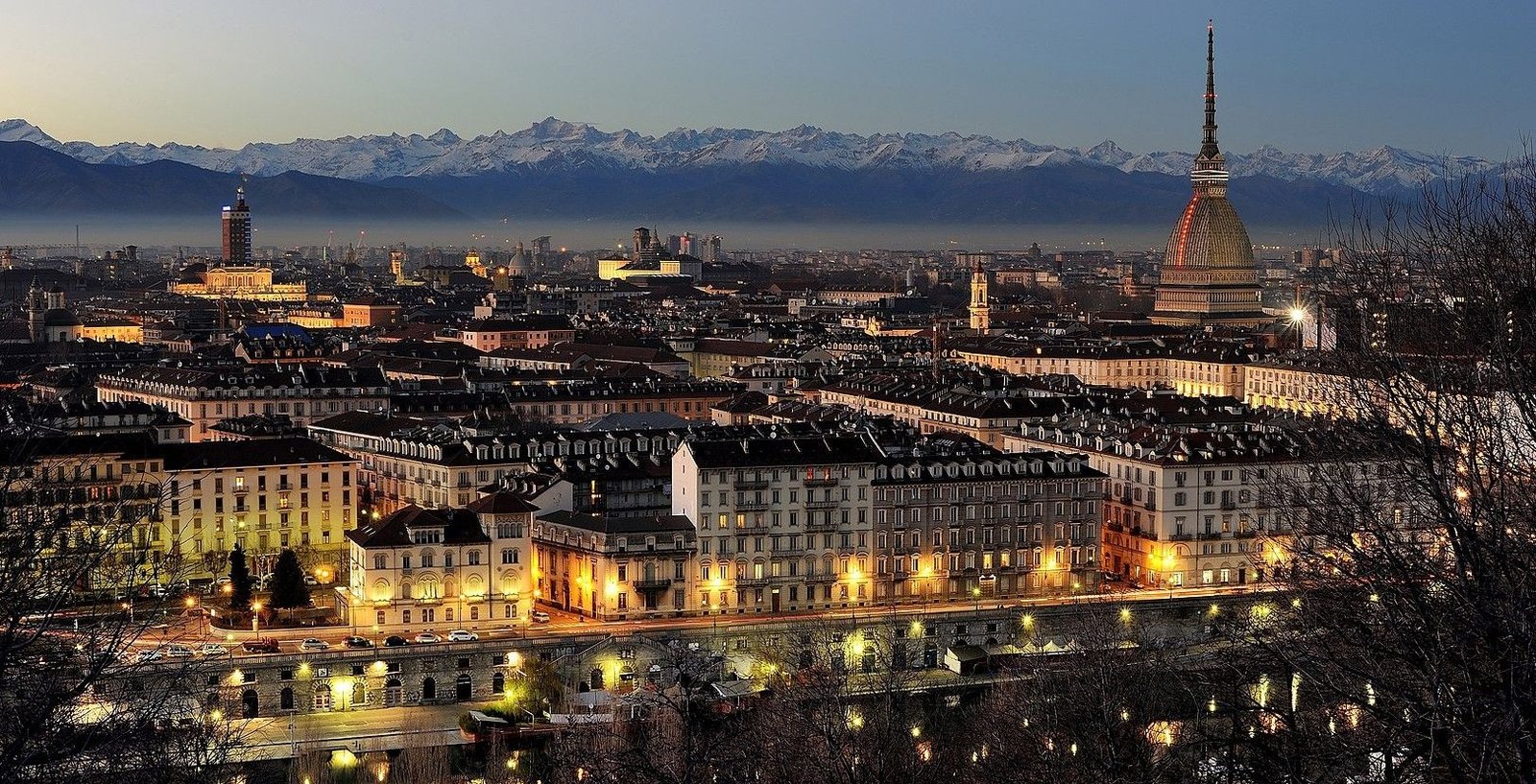
Guide to Turin: what to see, do, eat
Travel Guide to the Best of the City


Torino is an elegant city in Piedmont, where royal history, culture, innovation, and gastronomic traditions come together among iconic palaces, famous museums, historic cafés, and unique atmospheres at the foot of the Alps.
📌 For a more complete overview of certain items, click on the links to detailed pages +🔗
- When to Go
- Getting There
- Getting Around +🔗
- Useful Tips +🔗
- What +🔗 and Where +🔗 to Eat
- Where to Sleep +🔗
Must-see
Overview
📌 A large part of the references covered in this Overview section and in the Practical Info section, are summarized in the Orientation Table 📊 with further details on Wikipedia 🌐 and Google Maps ➡️ where available.
Welcome to the beautiful Torino, capital of Piemonte, an unmissable tourist destination thanks to its history full of important events, its extraordinary cultural heritage, and a fascinating atmosphere enriched by delicious cuisine.
GEOGRAPHY
Torino is located in the north-western part of Italy, at the foot of the Alps and along the Po River, in a strategic position between plains, hills, and mountain ranges.
The city mainly develops on flat terrain, but it is surrounded by a landscape that alternates urban areas, scenic hills, and important natural routes toward France and the alpine valleys of Piemonte.
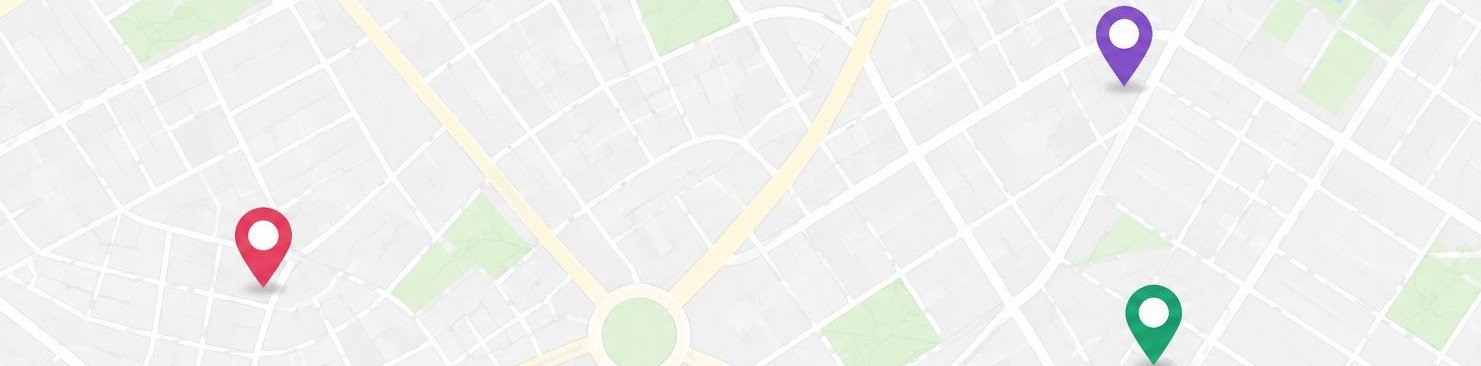
From satellite analysis of the territory, the main directions of the Torino area clearly emerge:
- North: the area extends toward the urban and industrial zones leading to Venaria Reale, Caselle, and the Torino airport, with strategic connections toward Valle d’Aosta and northern Piemonte.
- North-West: the alpine routes open toward Val di Susa and the border with France, crossing major railway and motorway corridors connecting Torino to Lione and Western Europe.
- West: the landscape gradually becomes mountainous, with the alpine valleys of Piemonte and numerous natural and ski resorts that represent one of the main tourist areas of the region.
- South: the territory extends toward the hilly and agricultural areas of southern Piemonte, in the direction of Cuneo and the Langhe, famous for vineyards, historic villages, and gastronomic production.
- South-East: the hills of Monferrato and the routes toward Asti and Alessandria develop here, with a landscape characterized by vineyards, small historic towns, and important rail and motorway connections.
- East: the city connects toward the Po Valley and the industrial area of eastern Piemonte, in the direction of Milano, through one of the main economic and infrastructural corridors of northern Italy.
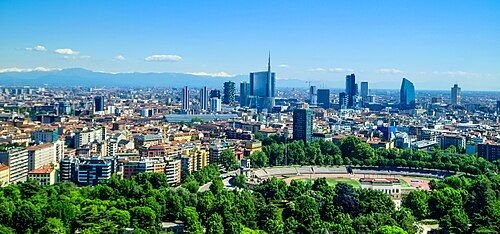
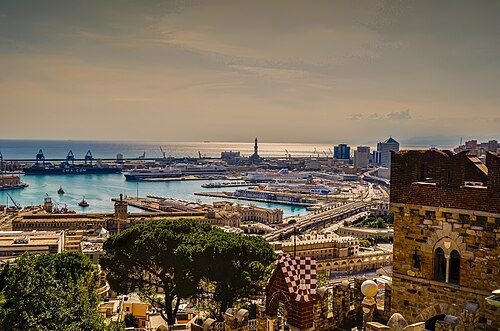
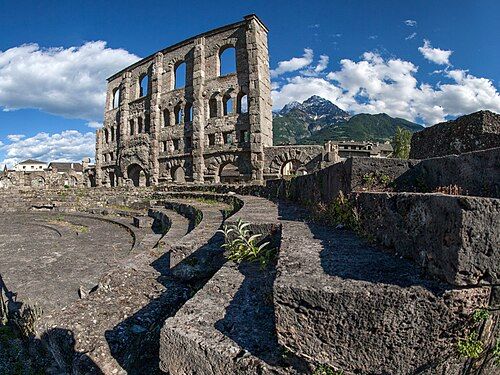
Torino is strategically connected to the main cities of northern Italy, including Milano, Genova, Aosta, and Lione, as well as routes toward France and the rest of Western Europe. This position between the Po Valley and the Alps makes Torino one of the main historical, industrial, and logistical hubs of northwestern Italy.
Expand OVERVIEW ⬇️
HISTORY
Torino is one of the most important cities in Italy for its historical, political, and industrial development, with ancient origins that span the pre-Roman era, Roman rule, the medieval period, the Savoy age, and industrial transformation up to its role as a major contemporary urban and cultural center.
- Ancient origins: the area of Torino was initially inhabited by the Taurini, a Celtic-Ligurian population that settled in the region before the Roman conquest, thanks to its strategic position at the foot of the Alps and along important communication routes.
- Roman era: Augusta Taurinorum was founded by the Romans in the 1st century BC as a military colony and a control center for the alpine routes, rapidly developing according to the typical Roman urban structure.
- Middle Ages: after the fall of the Roman Empire, Torino went through a phase of political transformation until the rise of episcopal power and later the House of Savoy, which began consolidating the city’s strategic role.
- Modern era: between the 16th and 18th centuries, Torino became the capital of the Duchy of Savoy and later of the Kingdom of Sardinia, developing as a major political, military, and cultural center in Europe.
- Contemporary era: with the Unification of Italy and early industrialization, Torino became the first capital of the Kingdom of Italy and later one of the country’s main industrial hubs, especially in the automotive and manufacturing sectors, evolving today into a cultural, university, and innovative city.
MAIN ATTRACTIONS
Architecture and Monuments – Torino boasts a rich architectural heritage that reflects its long and fascinating history. From majestic royal palaces to imposing churches, every corner of the city tells a chapter of its cultural legacy. Here is an overview of its most significant monuments:
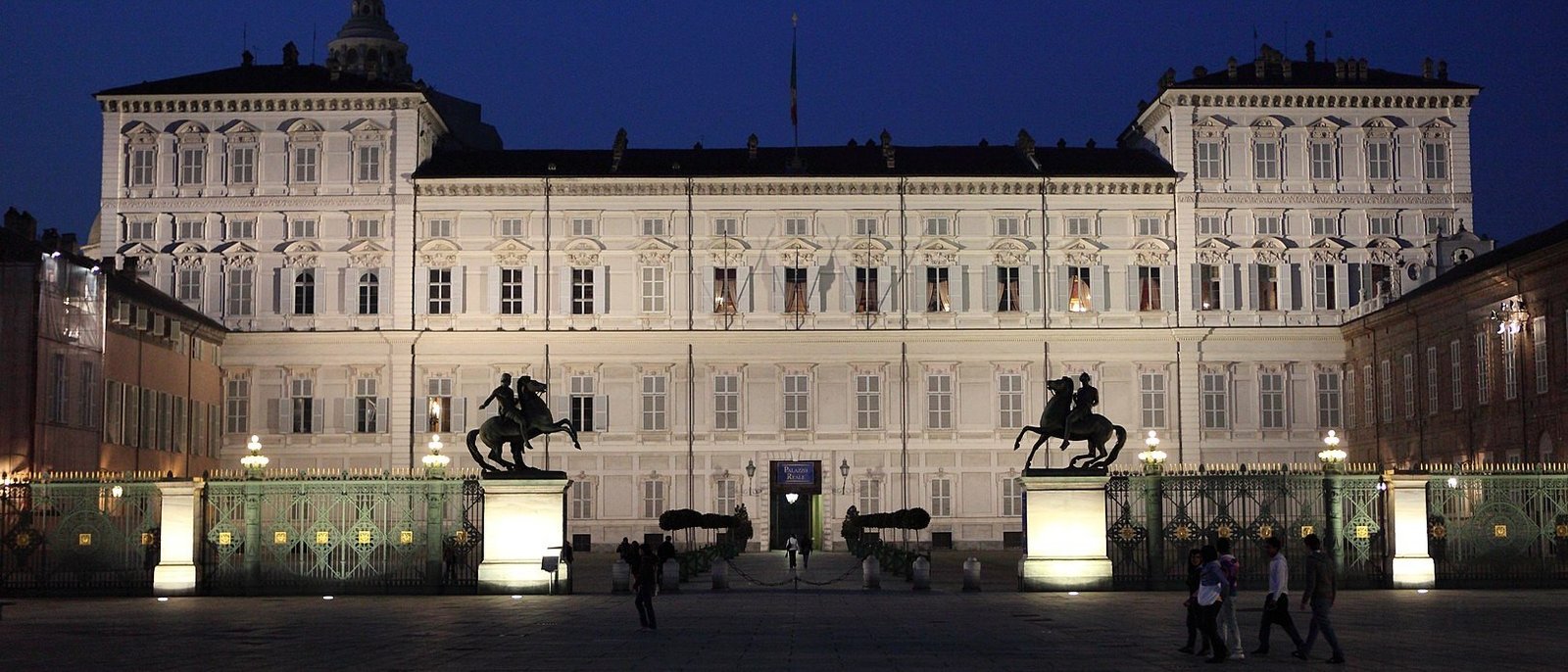
- Palazzo Reale di Torino: In the heart of Torino, the Royal Palace is an elegant royal residence featuring frescoes, richly decorated halls, and a vast art collection. Visitors can explore the luxurious rooms that once hosted the royal family.
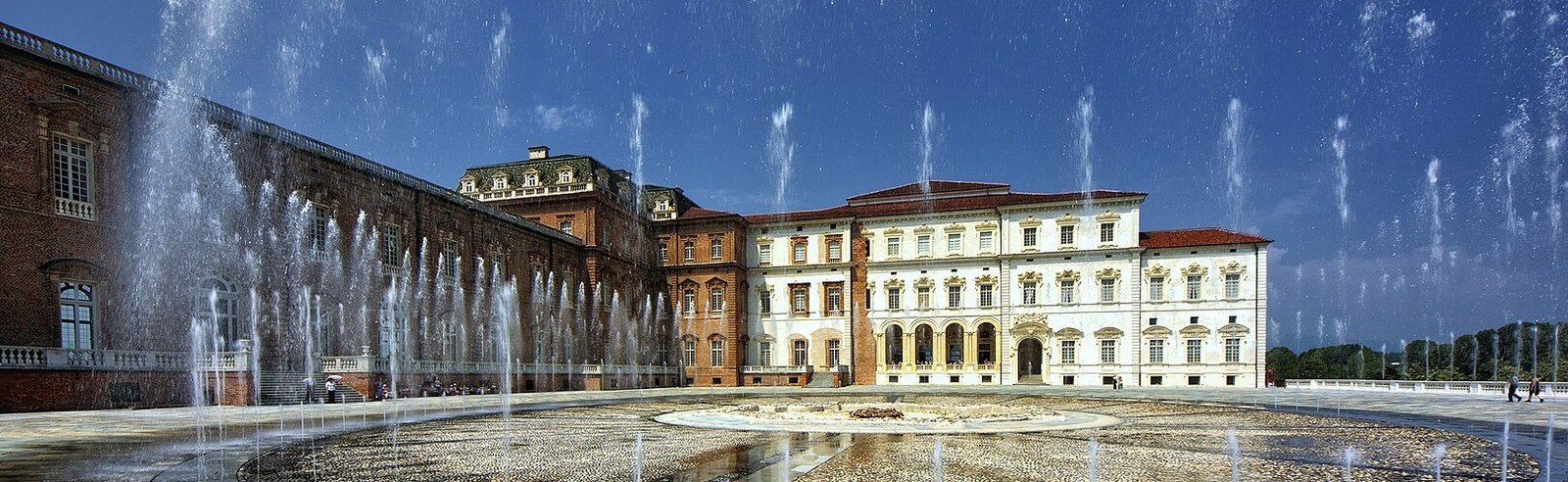
- Reggia di Venaria Reale: One of the greatest masterpieces of European Baroque architecture, the Reggia di Venaria Reale is a magnificent Savoy residence surrounded by spectacular gardens and monumental spaces, showcasing the power and refinement of the House of Savoy.
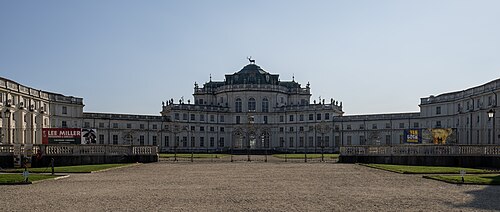
- Palazzina di caccia di Stupinigi: A masterpiece of Piedmontese Baroque, the Palazzina di caccia di Stupinigi was a hunting lodge for the Savoy court. With its scenic layout and refined interiors, it is one of the architectural jewels of the Torino area.
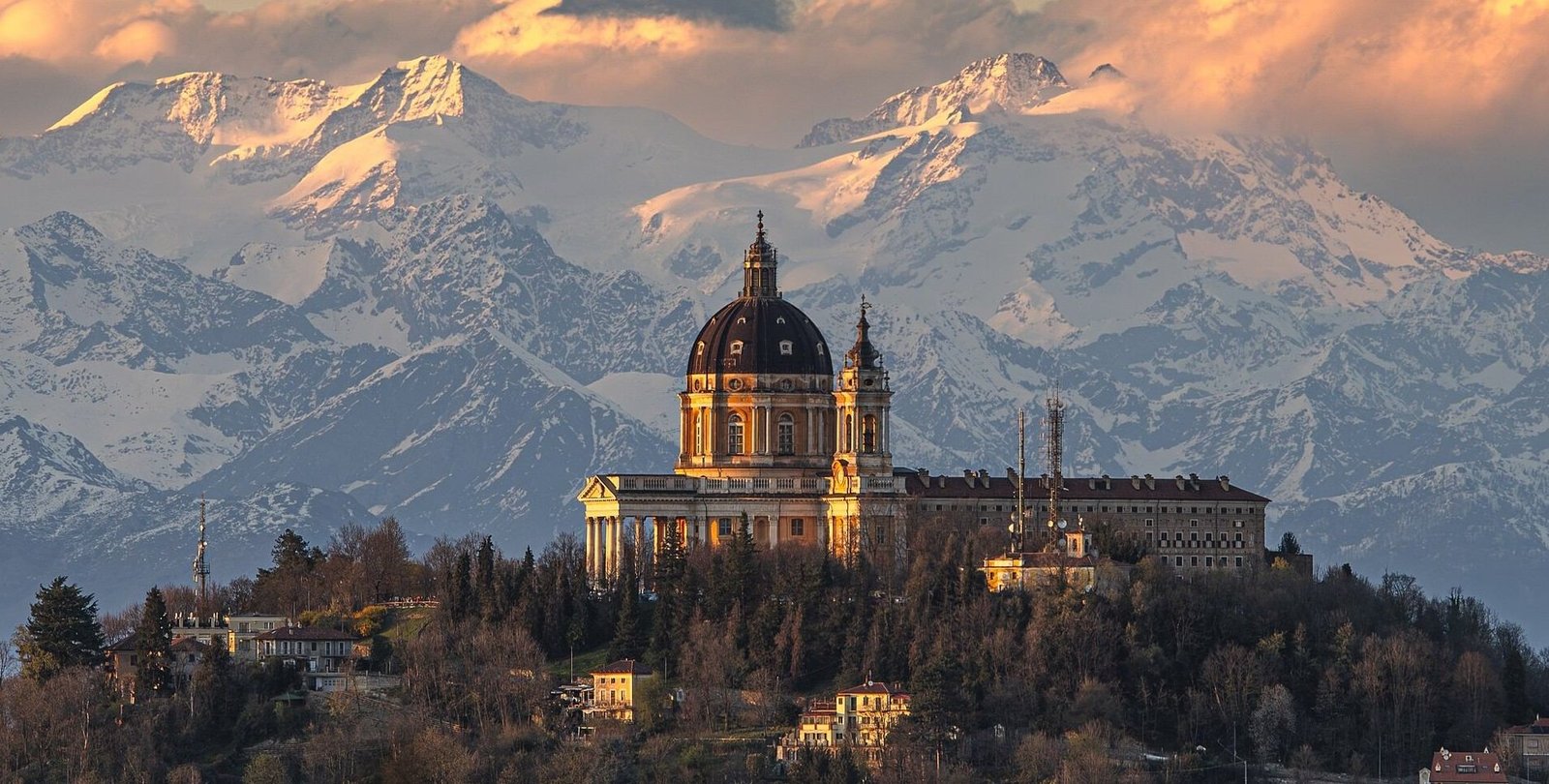
- Basilica di Superga: Located on Superga hill, this Baroque basilica offers panoramic views of the city. Built to commemorate the Savoy victory over the French, it is both a place of worship and remembrance.
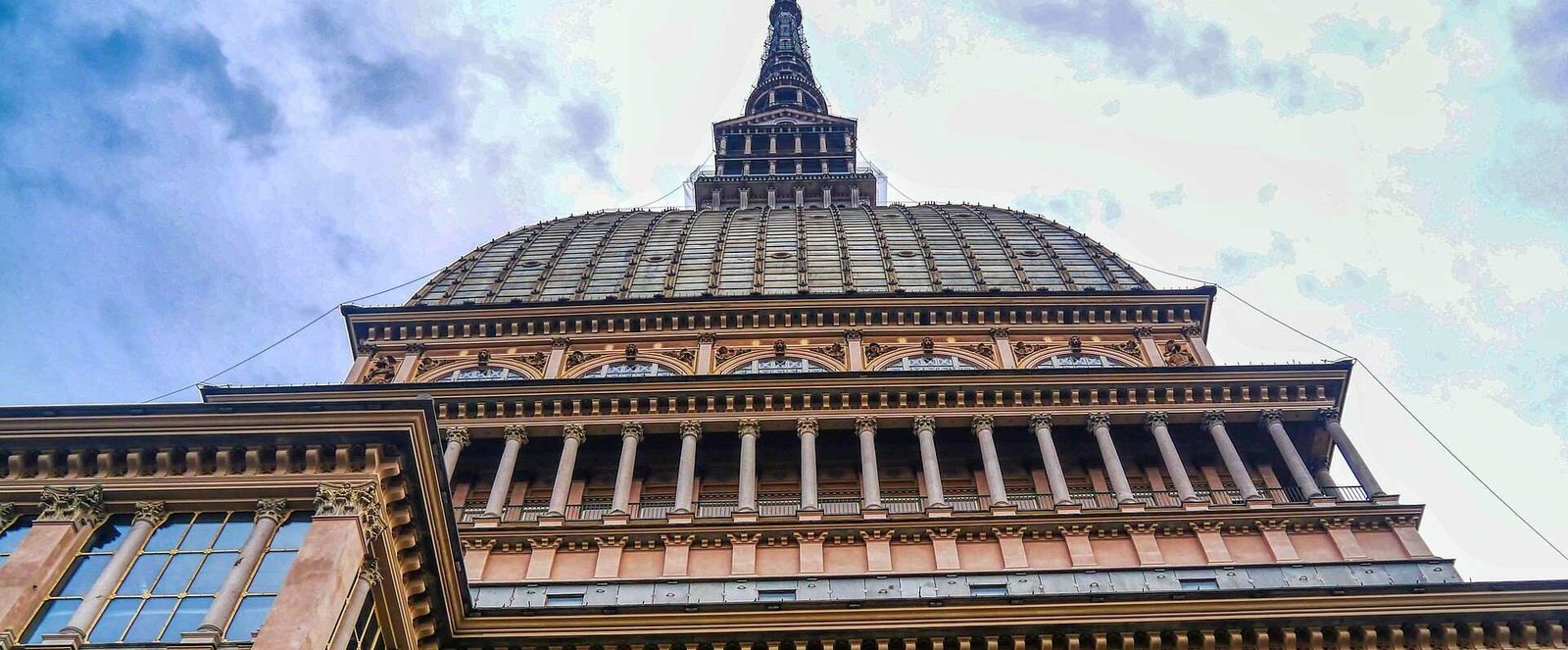
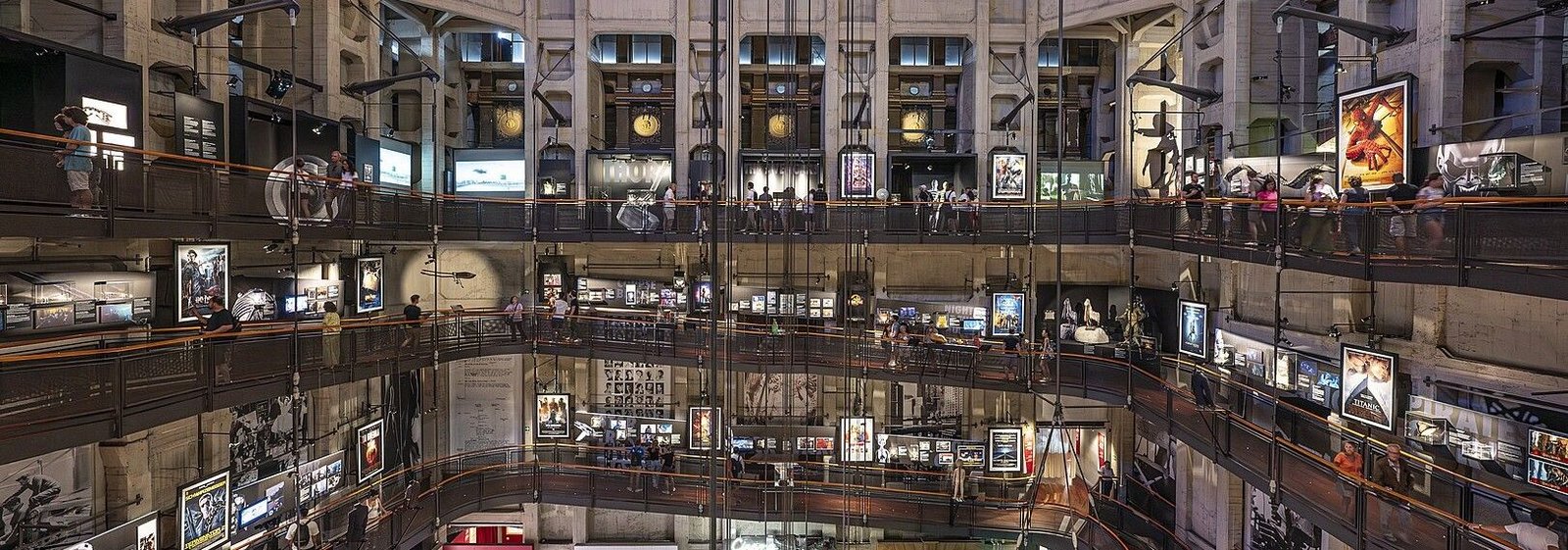
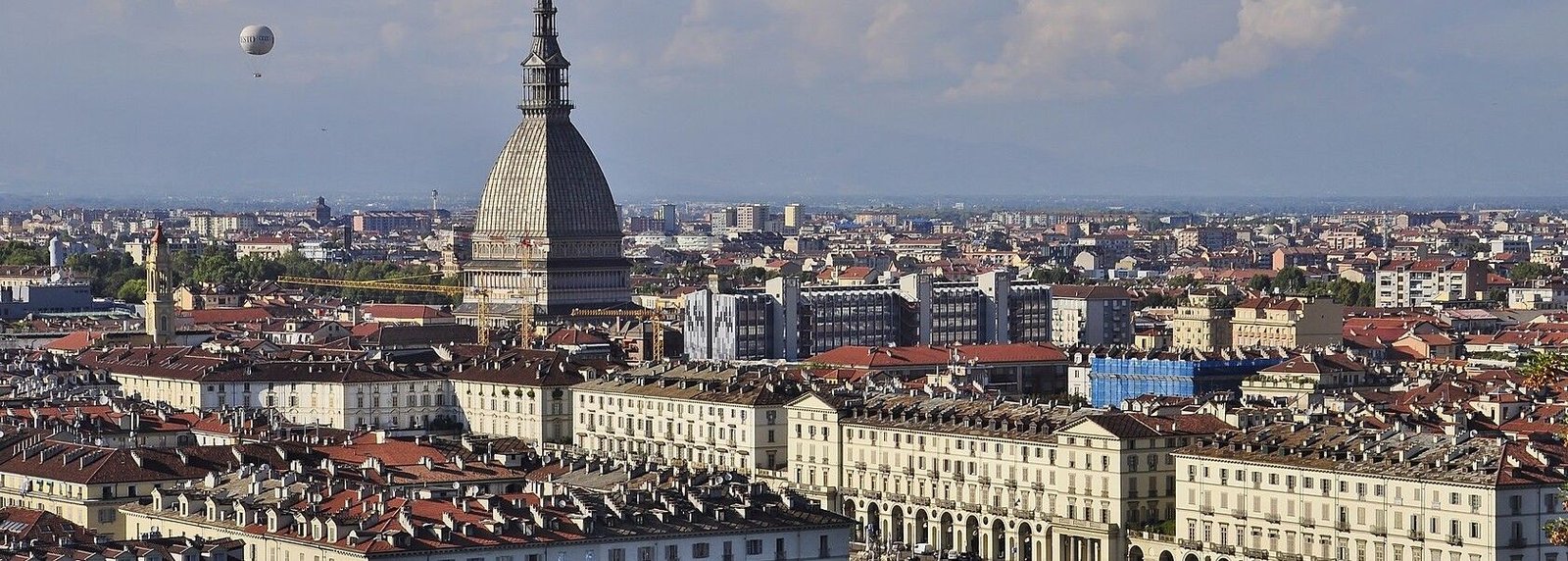
- Mole Antonelliana: The undisputed symbol of Torino, the Mole Antonelliana is an impressive 167-meter-high structure. Originally built as a synagogue, it now houses the National Cinema Museum and offers spectacular views over the city and surrounding Alps.
Exploring these monuments will take you on a journey through the history, art, and culture of Torino, offering an unforgettable experience in the heart of Piemonte.
Art and Culture – Torino is home to a wide range of museums covering different historical periods, artistic disciplines, and cultural themes. From ancient artifacts to world-famous masterpieces, there is something for every visitor.
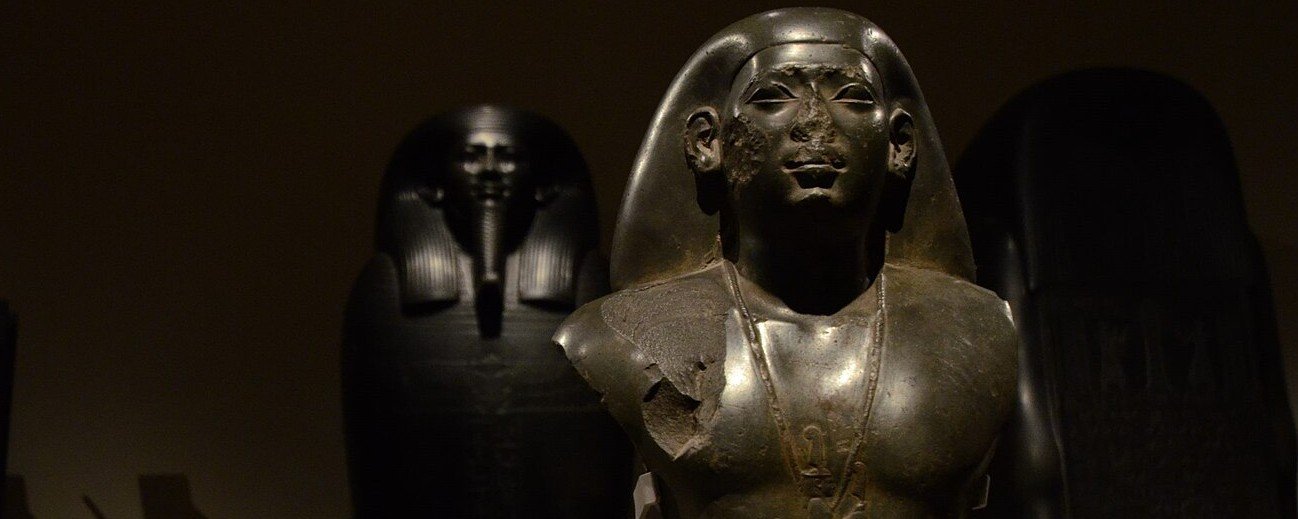
- Museo Egizio di Torino: One of the most important Egyptian museums in the world, it features an extensive collection of ancient Egyptian artifacts, including mummies, sarcophagi, statues, and papyri.
- Galleria Sabauda: An art gallery famous for its collection of paintings from the House of Savoy, featuring works by Rembrandt, Van Dyck, and other Flemish and Italian masters.
- Museo di Antichità (Palazzo Reale): Located inside the Royal Palace, this museum showcases classical antiquities from ancient Greece and Rome, including statues, vases, mosaics, and other precious artifacts.
- Museo dell’Automobile: A paradise for car enthusiasts, this museum tells the story of the Italian automotive industry with a vast collection of historic vehicles and design icons.
- Museo Nazionale del Cinema (Mole Antonelliana): Located inside the Mole Antonelliana, this museum is dedicated to the history of cinema and features an impressive collection of film equipment, costumes, posters, and a spectacular cinema hall.
Exploring these museums allows you to immerse yourself in the many facets of Torino’s art, history, and culture, making your visit rich in knowledge and inspiration.
Discover experiences in Turin here.
PARKS AND NATURE
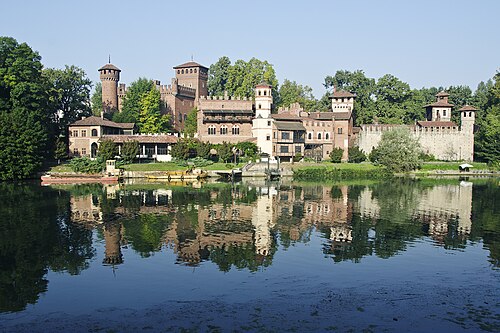
Despite being a highly urbanized and industrial city, Turin offers numerous green spaces, natural parks and river areas that help improve the quality of life and create a balance between the city, the hills and the natural environment.
- Parco Naturale della Collina di Superga is located on the hills overlooking Turin and represents one of the most scenic green areas in the region. It is characterized by woods, panoramic trails and viewpoints over the city and the Alpine arc.
- Parco Naturale del Po Piemontese follows the course of the Po river through the metropolitan area of Turin. It is a large protected area including riparian forests, wetlands and nature trails ideal for hiking and cycling.
- Riserva Naturale del Meisino e dell’Isolone di Bertolla is one of the main urban natural areas along the Po, characterized by river environments, biodiversity and green spaces used for recreational activities and nature observation.
EVENTS & CELEBRATIONS
Turin is a culturally vibrant and constantly evolving city, with a calendar of events that reflects its identity as the cultural, artistic and creative capital of Northern Italy. Throughout the year, major international events take place, attracting visitors, artists and professionals from all over the world.
- Salone Internazionale del Libro di Torino (May) – One of the most important publishing events in Europe, a key meeting point for authors, publishers and readers with talks, presentations and debates.
- Festa di San Giovanni (24 June) – Turin’s patron saint festival featuring cultural events, concerts and fireworks that involve the entire city, creating a lively and festive atmosphere.
- MITO SettembreMusica (September) – An international music festival shared by Turin and Milan, featuring classical, contemporary and experimental music concerts in prestigious venues.
- Artissima – Fiera Internazionale di Arte Contemporanea (October – November) – One of Europe’s most important contemporary art fairs, bringing together galleries, artists and collectors from around the world.
- Torino Film Festival (November) – An international film festival dedicated to independent and auteur cinema, turning Turin into a global stage for filmmakers, actors and film enthusiasts.
- Luci d’Artista (November – January) – An iconic winter event that transforms Turin into an open-air museum thanks to light installations created by contemporary artists.
📊 Orientation Table
In the table below you will find a summary of the main references, to best orient and organize your visit through our itineraries (see Itinerary Overview).
- Scroll the table down and to the right 📱🔄 Rotate your phone horizontally to get an overview of opening days, hours, prices of attractions, and for further details on Wikipedia 🌐 and Google Maps ➡️.
- ⚠️ Always check the opening days and hours of attractions through the Google Maps entries linked in the table. See also Itinerary Info.
- To see the explanation of each data column, click its title (e.g. Attractions Index, Ratings, Org, etc.) at the top of the table.
⏳ Caricamento tabella in corso…
📌 This table is updated every 6–12 months.
🛡️ The tables on Tourplan360.com are original content protected by copyright © and monitored through anti-plagiarism tracking systems.
Itinerary Overview
All the selected attractions in the table have been carefully divided into the three itineraries we developed to offer you a complete, well-organized experience suitable for any amount of time available.
To make your choice easier, below we have summarized each itinerary with short descriptions, helping you quickly identify the one that best suits your needs.
TURIN IN 1 DAY
If you only have one day available, this itinerary focuses on the heart of the city, including Porta Palatina, Duomo di Torino, Palazzo Reale, Piazza Castello, Museo Egizio and the Mole Antonelliana.
The route is entirely walkable, covering approximately 2 km with a total duration of around 10 hours, ideal for discovering the main icons of the historic center without complex transfers.
TURIN IN 3 DAYS
With three days available, this itinerary allows you to explore the city in more depth, including not only the main attractions from the 1-day route but also important cultural and museum sites such as the Pinacoteca Albertina, Palazzo Carignano, GAM – Galleria Civica d’Arte Moderna and the Museo della Sindone.
The itinerary is structured for a total duration of approximately 19 hours, spread over three days of about 6–7 hours each, with walking as the main mode of transport.
TURIN COMPLETE TOUR PART 1 AND 2
The Turin Complete Tour is designed for those who want to go beyond the main tourist circuits and explore the city and its surrounding territory in greater depth.
The itinerary includes all the main attractions already covered in the previous routes, enriched with more extensive and symbolic stops such as the Museo Nazionale dell’Automobile, the Basilica di Superga, the Reggia di Venaria e la Palazzina di Stupinigi, offering a journey that connects the historic center with the royal, cultural and Savoy heritage of the Piedmont region.
The full itinerary requires approximately 63 hours of visiting time, combining walking routes and car transfers, and is divided into two parts.
Practical Info
WHEN TO GO
Turin can be visited throughout the year, but each season offers a different experience in terms of weather, events, urban atmosphere and tourist crowds. Choosing the right period can significantly affect the quality of your visit:
- Spring (April–June): one of the best times to visit Turin, with mild temperatures and bright days. Ideal for walking through the historic center and along the Po River, as well as enjoying parks, hills and historic squares.
- Summer (July–August): generally warm but quieter in terms of tourism, as many residents leave the city. Visits are more pleasant in the morning and evening, when the city feels more livable and relaxed.
- Autumn (September–October): a very favorable period, with still pleasant weather and the return of cultural and artistic events. It is one of the best times to visit museums, exhibitions and experience the city through culture and gastronomy.
- Winter (November–March): colder but very atmospheric, especially during the Christmas season. The city lights and cultural events make Turin particularly charming, with an elegant and intimate atmosphere.
GETTING THERE
Turin is an important transport hub in northwestern Italy and is easily accessible by various means of transport. The city is well connected both nationally and internationally, thanks to its strategic location between Italy, France and the Alpine arc.
- By plane: Turin is served by Turin-Caselle Airport, the city’s main airport, connected to the city centre by bus, taxi and shuttle services. It handles domestic and European flights and is the main access point for air travellers.
- By train: the city is served by major railway stations such as Porta Nuova and Porta Susa, with high-speed connections to Milan, Rome, Florence and other major Italian cities, as well as extensive regional links throughout Piedmont.
- By bus: numerous national and international companies connect Turin with major Italian and European cities, with arrivals at terminals located near the city centre and main train stations.
- By car: Turin is connected by an efficient motorway network (A4, A5, A6, A21 and A32), making it easily reachable from Milan, Genoa, France and the Alpine valleys. Traffic is generally smoother than in other major cities, although the historic centre includes limited traffic zones.
✅ To search for or book a flight you can check Booking.com Flights.
✅ You can check routes, schedules, prices and buy train or bus tickets with Trainline.
✅ For car rentals you can refer to Booking.com Cars.
GETTING AROUND
Turin is a city well organized in terms of urban mobility, with an efficient public transport network and a historic centre that can be easily explored on foot. Getting around is generally simple both within the city and towards the metropolitan area.
- On foot: the historic centre is compact and allows visitors to reach many of the main attractions, such as Piazza Castello, the Duomo and the royal area, through pleasant and well-connected walking routes.
- Public transport: the city has a metro, trams and buses that efficiently connect the centre with the suburbs. The metro line is particularly useful for fast travel along the city’s main axis.
- Restricted Traffic Zones (ZTL): some central areas are subject to traffic restrictions, so car access may be regulated. It is recommended to use public transport or park-and-ride facilities.
- Parking: several parking options are available in peripheral areas and near the main access points to the city. In Table > Parking and Mobility you can find the most practical options for visiting Turin.
See also Getting around Turin: Info and Tips
USEFUL TIPS
To visit Turin in the most comfortable and well-organized way possible, here are some practical tips that can help you save time and optimize your travel experience.
- Torino Piemonte Card: a useful solution for accessing museums, attractions and affiliated tourist services, with benefits on admissions and transport.
See also Turin Piemonte Card: how it works and where to buy. - Hop-on Hop-off bus: a practical way to explore the city with a hop-on/hop-off formula, ideal for visiting the main points of interest without stress.
🏆 Panoramic tours available with stops at key locations around the city. - Combined tickets: many museums and attractions offer combined tickets that allow you to save on entry to multiple cultural sites, especially the Museo Egizio, Palazzo Reale and Mole Antonelliana.
- Comfortable shoes: highly recommended, especially in the historic centre where many attractions are located in pedestrian areas and historic squares.
- Water and sunscreen: during warmer months it is important to bring water and sunscreen, especially when walking along the Po River and through the city centre.
- Dress code: in places of worship such as the Duomo di Torino, appropriate clothing is required, with shoulders and knees covered and respectful behaviour.
WHAT TO EAT
The cuisine of Turin and Piedmont is one of the richest and most refined in Italy, characterized by traditional dishes linked to the Savoy court, rural cooking and a strong food and wine culture. Among the must-try dishes and products we highlight:
- Piedmontese appetizers: a set of traditional specialties including cured meats such as salami and cured ham from Piedmont and local cheeses such as Toma piemontese and Robiola.
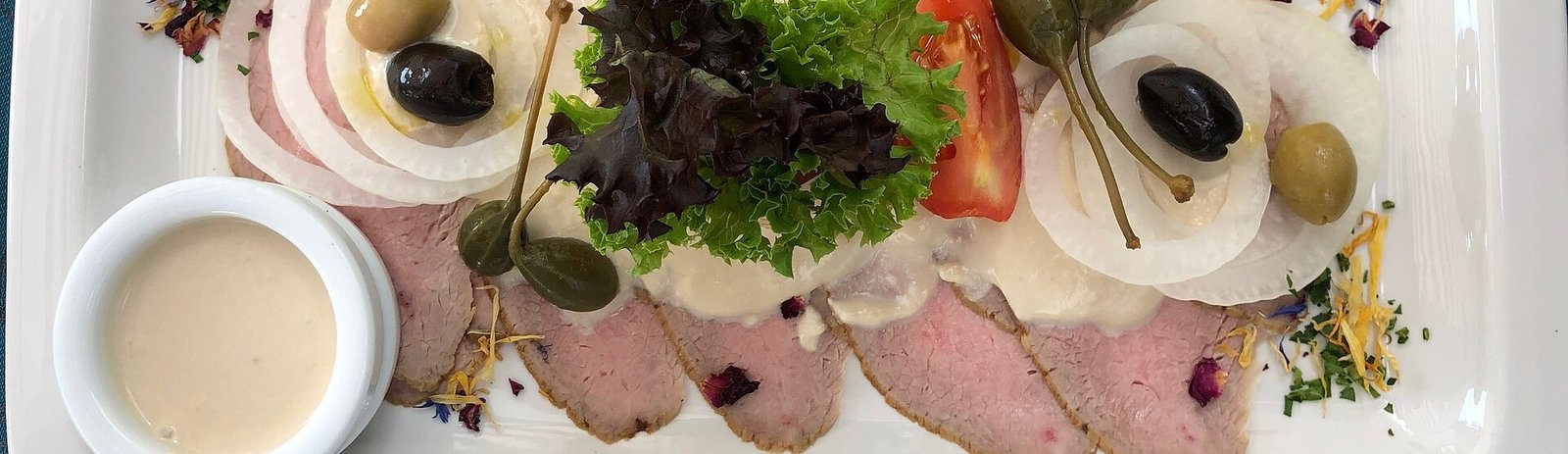
- Vitello tonnato: one of the signature dishes of Piedmontese cuisine, made with cold sliced veal served with a tuna, capers and anchovy sauce.
- Bagna cauda: a traditional recipe from the Langhe and Piedmont region, made with garlic, anchovies and olive oil, served warm with raw or cooked vegetables.
- Agnolotti del plin: typical Piedmontese stuffed pasta, usually filled with roasted meat and served with roast juices or butter and sage.
- Brasato al Barolo: iconic traditional dish made with beef slowly cooked in the famous Barolo wine.
- Gianduiotto: the famous Turin chocolate made with Piedmont hazelnuts, symbol of the city’s confectionery tradition.
See also What to eat in Turin
WHERE TO EAT
Turin offers a rich and varied gastronomic scene, combining historic Piedmontese trattorias, traditional restaurants and high-level contemporary venues:
- Del Cambio, one of the most iconic historic restaurants in Turin, symbol of Savoy elegance and the city’s great gastronomic tradition.
- Ristorante Consorzio, a reference point for contemporary Piedmontese cuisine, with a strong focus on local ingredients and tradition reinterpreted in a modern key.
- Le Vitel Étonné, a characteristic venue in the historic centre specializing in Piedmontese cuisine, famous for its vitello tonnato and regional dishes.
- Scannabue Caffè Restaurant, a modern and highly appreciated restaurant offering contemporary reinterpretations of Piedmontese cuisine with great technical care.
See also Where to eat in Turin
WHERE TO SLEEP
Turin offers accommodation options for all needs, from elegant hotels in the historic centre to modern apartments in the most dynamic districts or well-connected residential areas. Choosing the right area to stay in is essential to optimize travel and make the most of the city.

Here are some of the main areas where to stay in Turin, selected based on location, convenience and atmosphere:
- Historic Centre (Piazza Castello): the most strategic area to stay in the heart of the city, just a few steps from attractions such as Palazzo Reale, the Duomo and the Museo Egizio.
- Quadrilatero Romano: a lively and characteristic district, ideal for those looking for atmosphere, restaurants and nightlife in the historic centre.
- San Salvario: a dynamic and multicultural area, highly appreciated for its bars, restaurants and proximity to Parco del Valentino.
- Crocetta: an elegant and quiet residential area, well connected to the city centre and ideal for a more relaxed stay.
- Porta Nuova / Porta Susa Station area: a practical solution for those arriving by train or frequently moving around, with excellent connections to the entire city and the airport.
See also Where to sleep in Turin: Info and Tips
FAQ
Among the must-see highlights are the Museo Egizio, the Mole Antonelliana, the Palazzo Reale, Palazzo Carignano, the Reggia di Venaria and the Palazzina di Caccia di Stupinigi, and the Superga Basilica.
📌 Read more in the section Main Attractions.
Are there parks or green areas in Turin?
Yes, the most famous include Parco del Valentino, Parco della Collina di Superga, Parco del Po Piemontese, and the Meisino and Isolone di Bertolla Nature Reserve.
📌 Read more in the section Parks and Nature.
Is Turin suitable for a short visit?
Yes, the historic center is compact and allows visitors to explore many attractions even with 1- or 3-day itineraries.
📌 Read more in the section Itinerary Overview.
What is the best time to visit Turin?
Spring and autumn offer mild temperatures and ideal conditions for visiting the city without excessive crowds.
Is Turin easy to visit?Yes, the historic center is compact and the main attractions are easily reachable on foot.
📌 Read more in the section When to Go.
Which typical dishes should I try in Turin?
Local specialties include vitello tonnato, bagna cauda, agnolotti del plin, and brasato al Barolo.
📌 Read more in the section What to Eat.
Where to eat well in Turin?The most popular areas for enjoying Turin cuisine are the historic center, the Quadrilatero Romano, San Salvario, and Piazza Vittorio Veneto area.
📌 Read more in the section Where to Eat.
What is the best area to stay in Turin?
The historic center is ideal for exploring the city on foot, but Quadrilatero Romano, San Salvario, and the Porta Nuova area also offer excellent options.
Are there budget hotels in Turin?Yes, neighborhoods like Crocetta or areas near the train stations offer more affordable accommodations well connected to the center.
📌 Read more in the section Where to Sleep.
Where can I find days, hours, and prices of attractions?
All information is available in the table in dedicated columns.
Where can I find links and online information about attractions?The table also contains direct links to Google Maps ➡️ and Wikipedia 🌐 for each attraction.
📌 Check the Orientation Table 📊
See also
- Itineraries: 1d, 3d, CT1, CT2
- See: Attractions
- Do: Experiences
- Eat: Where and What
- Getting Around, Pass, Stay
Other Destinations
🔐 Some images on this page are used under Creative Commons licenses:
By Maurizio Beatrici – Genoa, port and Lanterna from Castello d’Albertis – Own work – CC BY-SA 4.0 – Wikimedia Commons
By https://www.pexels.com/u/ghostpresenter/ – Milan, Porta Nuova skyline – CC0 – Public Domain – Wikimedia Commons
By Alexis Courthoud – Aosta, panoramic view of the Ancient Roman Theatre – Own work – CC BY-SA 4.0 – Wikimedia Commons
By Hpnx9420- Turin, panoramic view from Monte dei Cappuccini – Own work – CC BY-SA 3.0 – Wikimedia Commons
Expand image credits
🔐 Some images on this page are used under Creative Commons licences:
By Zairon – Turin, Mole Antonelliana seen from the street below – Own work – CC BY-SA 4.0 – Wikimedia Commons
By ElisabettaCastellano – Turin, Egyptian Museum, sarcophagus of the royal scribe Shepmin – Own work – CC BY-SA 4.0 – Wikimedia Commons
By Domeian – Turin, Mole Antonelliana, view of the Cinema Museum inside the Mole – Own work – CC BY-SA 4.0 – Wikimedia Commons
By Ste73ve – Turin, façade of the Royal Palace in the evening – Own work – CC BY-SA 3.0 – Wikimedia Commons
By Tiziano Photography – Turin, Venaria Reale, panoramic view from the fountain – Own work – CC BY-SA 3.0 – Wikimedia Commons
By Derbrauni – Turin, Chapel of the Holy Shroud, inside the Cathedral – Own work – CC BY 4.0 – Wikimedia Commons
By TorinoDoc – Turin, Stupinigi Hunting Lodge, main entrance – Own work – CC BY-SA 4.0 – Wikimedia Commons
By Pmk58 – Turin, Basilica of Superga with panoramic view of the Alps – Own work – CC BY-SA 4.0 – Wikimedia Commons
By Angelomalvasia – Turin, Medieval Village, Valentino Park – Own work – CC BY-SA 3.0 – Wikimedia Commons
By nonmisvegliate – View of Turin from Monte dei Cappuccini with Piazza Vittorio Veneto and Mole Antonelliana – CC0 – Wikimedia Commons
By Adrian Michael – Vitello Tonnato, a traditional Turin dish – Own work – CC BY-SA 3.0 – Wikimedia Commons