
Guide to Genoa: what to see, do, eat
Travel Guide to the Best of the City


Genoa is one of the most fascinating cities in Italy. Its Historic Center, one of the largest in Europe, preserves centuries of maritime history, noble palaces, characteristic alleyways, sea views, and a gastronomic tradition famous all over the world.
📌 For a more complete overview of certain items, click on the links to detailed pages +🔗
- When to Go
- Getting There
- Getting Around +🔗
- Useful Tips +🔗
- What +🔗 and Where +🔗 to Eat
- Where to Sleep +🔗
Must-see
Overview
📌 A large part of the references covered in this Overview section and in the Practical Info section, are summarized in the Orientation Table 📊 with further details on Wikipedia 🌐 and Google Maps ➡️ where available.
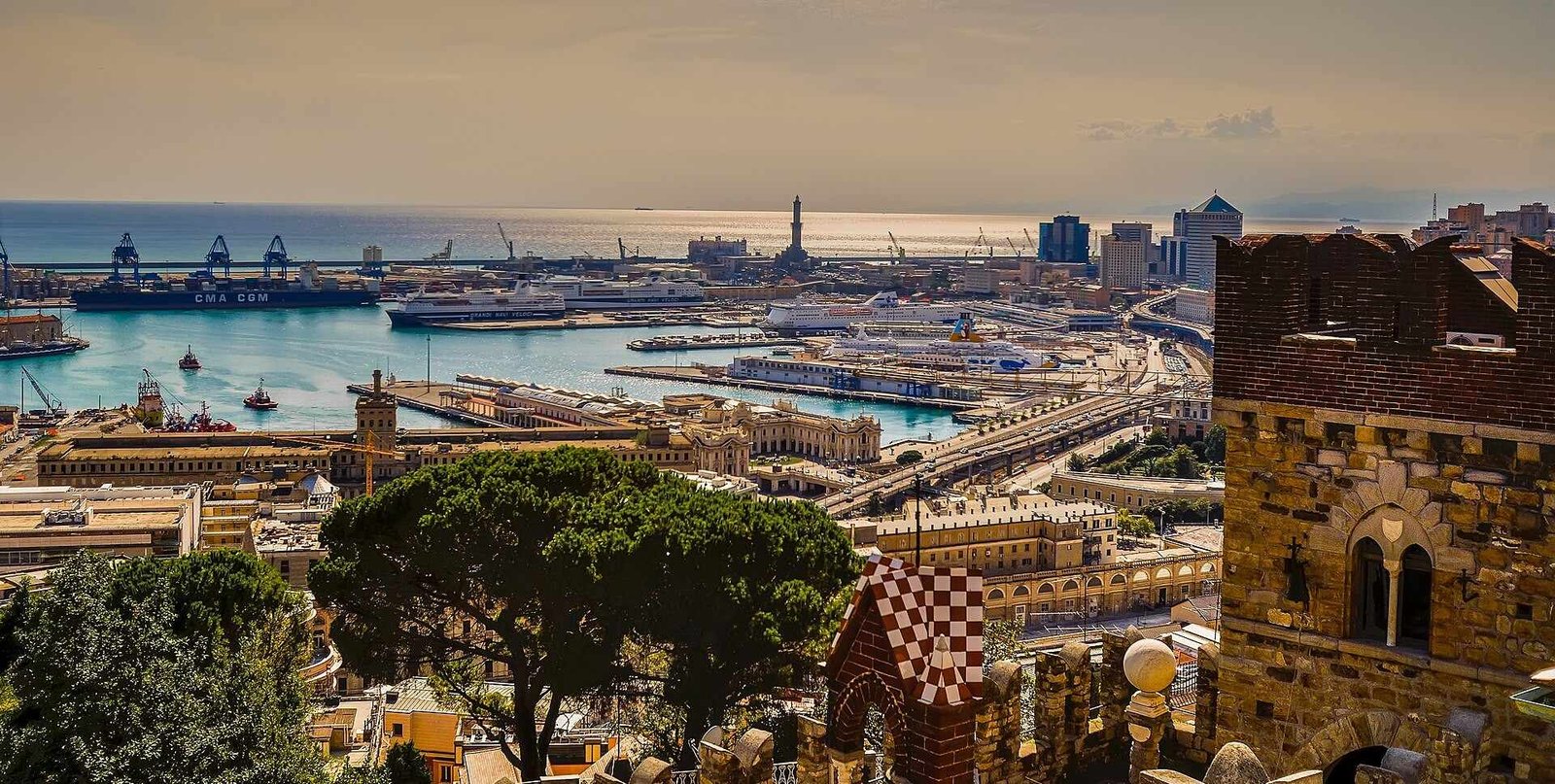
Genoa, known as “La Superba”, is a historic port city overlooking the Ligurian Sea, where sea, culture, and architecture blend together in a unique way. An ancient Maritime Republic and the capital of the Liguria Region, it preserves a historic center full of narrow alleyways (“caruggi”), noble palaces, and monumental squares.
GEOGRAPHY
Genoa overlooks the Ligurian Sea, nestled between the sea and the mountains, in one of the most scenic and complex areas of northern Italy. Its territory develops in a unique balance between coastline, steep hills, and urban valleys, where historic ports, vertical neighborhoods, Mediterranean nature, and modern infrastructure coexist in a space deeply connected to its maritime identity.
The main directions of the Genoa area clearly emerge from the satellite reading of the territory:
- North: the hilly and Apennine areas develop here, connecting Genoa to the Ligurian and Piedmont hinterland, characterized by villages, green valleys, and natural trails towards the Ligurian Apennines.
- North-West: residential districts and urban valleys extend towards the Riviera di Ponente, with connections to coastal towns and historic industrial areas.
- West: the coastal strip of western Genoa stretches out, with fishing villages, beaches, and views over the Ligurian Sea, heading towards cities such as Savona and the Riviera delle Palme.
- South: the territory opens directly onto the Ligurian Sea with the historic port and the city center overlooking the sea, the heart of Genoa’s economic, tourist, and cultural life.
- South-East: the Levante area of Genoa dominates here, characterized by a rugged coastline, bays, villages such as Boccadasse, and connections towards Portofino and the Riviera di Levante.
- East: urban and valley areas develop here, connecting Genoa towards La Spezia and the rest of eastern Liguria, with important road and railway infrastructures.
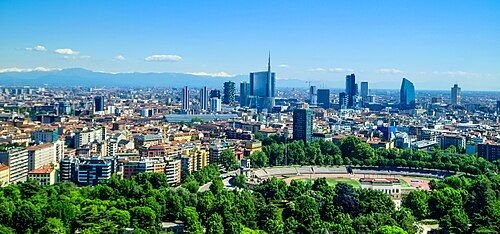
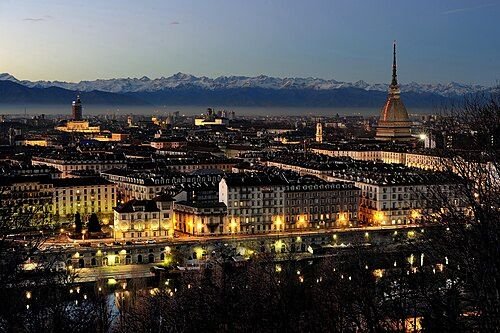
The city is strategically connected to other important centers in northern Italy, including Milan, Turin, Savona, and La Spezia, as well as the main routes towards Lombardy and the Po Valley. This location, between sea and mountains, makes Genoa a key hub for exploring both Liguria and the major urban areas of northern Italy.
Expand OVERVIEW ⬇️
HISTORY
Among the oldest historic cities in the western Mediterranean, Genoa boasts a long evolution that developed through pre-Roman settlements, medieval splendor, and centuries of maritime power, establishing itself as one of the main Maritime Republics and a strategic center for European trade routes.
- Ancient origins: the Genoa area has been inhabited since ancient times, first by Ligurian settlements and later under Roman influence, thanks to the natural position of its port, which encouraged trade and commercial activities.
- Roman era: Genoa (Genua) became an important strategic and commercial hub, connecting the Ligurian coast with the Po Valley hinterland, while still maintaining a secondary role compared to other Roman centers.
- Middle Ages: the city established itself as a powerful Maritime Republic, strengthening its role in Mediterranean trade and shaping the medieval historic center, characterized by the famous “caruggi” and the palaces of noble families.
- Modern era: between the 15th and 18th centuries, Genoa reached its peak economic and financial splendor, becoming one of the leading maritime powers in the Mediterranean and influencing European trade through its fleets and banks.
- Contemporary era: with the Unification of Italy and industrial development, Genoa transformed into a major modern port and industrial center, while preserving its historic identity and strong connection with the sea and navigation.
MAIN ATTRACTIONS
Genoa’s architecture reflects its multicultural history. The city’s historic center is a maze of medieval alleyways, lined with elegant noble palaces and baroque churches. Among the most important monuments and attractions are:
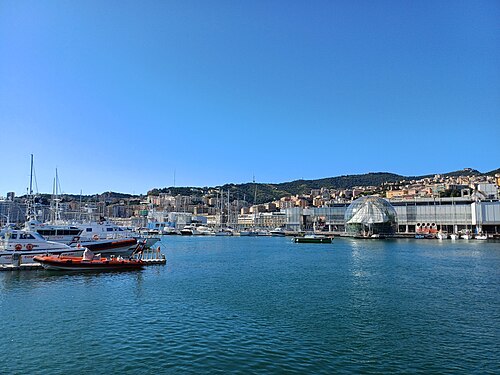
- Acquario di Genova: It is one of the largest aquariums in Europe and hosts a wide variety of marine species from all over the world. It is an unmissable stop for lovers of nature and marine life.
- Centro Storico (Caruggi): The maze of narrow alleyways in Genoa’s historic center is full of history and charm. Walking through the “caruggi” is a journey through time, among ancient artisan shops, historic churches, and noble palaces.
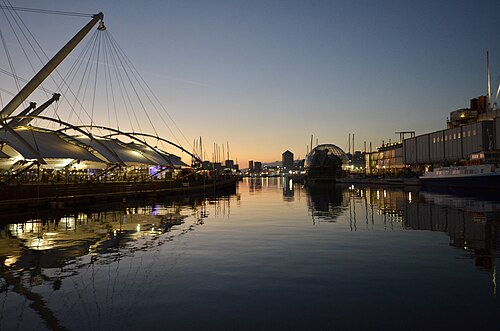
- Porto Antico: Once the beating heart of Genoa’s maritime trade, today Porto Antico is a lively and modern area with restaurants, bars, shops, and attractions such as the Acquario and the Lanterna.
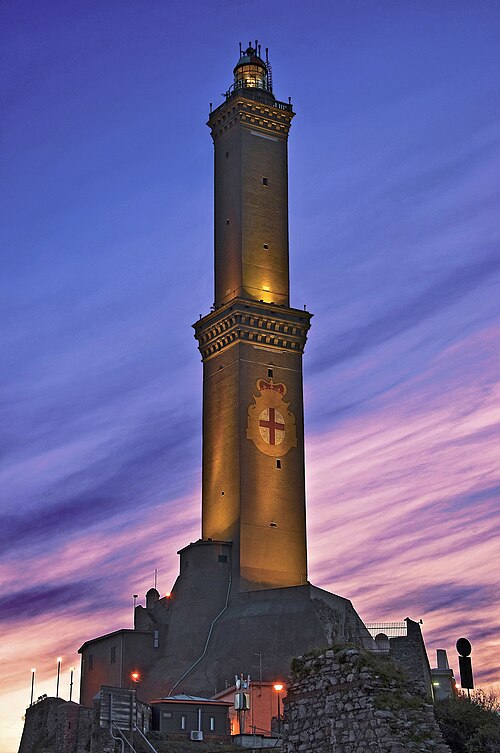
- Lanterna di Genova: This iconic lighthouse, symbol of the city, offers spectacular panoramic views over Genoa and the Ligurian Sea. Visitors can climb to the top to enjoy breathtaking scenery.
- Palazzi dei Rolli: Declared a UNESCO World Heritage Site, the Palazzi dei Rolli are a collection of sumptuous noble residences dating back to the Renaissance and Baroque periods, used to host Genoa’s distinguished visitors.
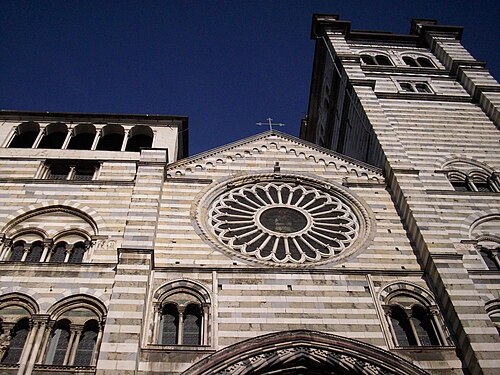
- Cattedrale di San Lorenzo: This masterpiece of Gothic and Baroque architecture is one of the most important churches in Genoa, rich in artworks by renowned artists such as Rubens and Van Dyck.
Genoa also boasts an excellent museum offering:
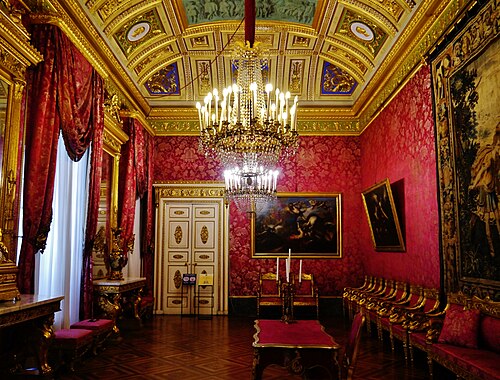
- Museo di Palazzo Reale: Located inside Palazzo Reale, this museum hosts an exceptional collection of paintings, period furnishings, and porcelain, offering an overview of Genoese history and culture.
- Musei di Strada Nuova: This museum complex includes three Renaissance palaces housing a rich collection of art and antique furnishings. It is an essential stop for lovers of art and history.
- Museo di Storia Naturale, one of the city’s most important museums, hosts fascinating collections dedicated to fauna, biodiversity, and natural sciences, with routes suitable for both adults and families.
See also Experiences in Genoa: Tours, Tickets and Useful Info
PARKS AND NATURE
Despite its strong urban density, Genoa offers numerous natural and panoramic areas that stretch between the sea, hills, and Apennine reliefs, providing unique viewpoints over the city and the Ligurian Sea.
- Parco Naturale Regionale del Beigua, located just outside the city, is one of the most important parks in Liguria and a UNESCO Global Geopark heritage site. It offers mountain landscapes, biodiversity, and hiking trails between the coast and the Apennines.
- Parco del Peralto is one of the city’s main green lungs, located on the hills above Genoa. It offers nature trails and spectacular panoramic views over the entire urban center and the port.
- Laghi di Nervi, in the coastal district of Nervi, are a peaceful green area with walking paths, gardens, and direct connections to the famous seaside promenade.
- Terme di Genova are located in a natural hilly setting and represent a place of wellness and relaxation surrounded by greenery, between nature and the urban landscape.
SEA AND BEACHES
The coastal territory of Genoa is characterized by a succession of gulfs, coves, and beaches that alternate urban stretches with natural scenery, offering a direct relationship between the city and the sea along the entire Ligurian Riviera.
- Golfo Paradiso – Located to the east of Genoa, it is one of the most scenic coastal stretches, characterized by small fishing villages, clear waters, and landscapes typical of the Riviera di Levante.
- Golfo del Tigullio – Continuing eastward, it is one of the most renowned areas of Liguria, with iconic locations such as Santa Margherita Ligure and Portofino, famous for their elegant scenery and crystal-clear waters.
- Spiaggia di Boccadasse – One of Genoa’s most iconic beaches, located in an ancient fishing village with colorful houses directly facing the sea.
- Spiaggia di Vernazzola – A small natural bay in the Sturla district, characterized by an authentic atmosphere and mainly frequented by locals.
- Spiaggia di Sturla – An easily accessible urban beach, ideal for enjoying the sea while staying within the city.
- Spiaggia di Pegli – Located to the west, it is one of the main city beaches, featuring beach clubs and free-access areas along the seafront.
- Spiaggia di Voltri – A wide beach in western Genoa, characterized by more open spaces and a long coastal stretch especially popular during the summer months.
EVENTS & CELEBRATIONS
Genoa is an active city throughout the year, with a calendar of events and festivals that reflect its historical, cultural, and maritime identity. Some events represent true symbols of the city and attract visitors from all over Italy and abroad.
- Rolli Days – A major cultural event that opens the prestigious Palazzi dei Rolli to the public, a UNESCO World Heritage Site, allowing visitors to discover the elegance of Genoese aristocracy through art, history, and architecture.
- Salone Nautico Internazionale – One of the most important boating events in the Mediterranean, symbol of Genoa’s maritime vocation, transforming the port into a major international showcase dedicated to boating and naval design.
- Euroflora – A major international exhibition dedicated to floriculture, celebrating biodiversity and botanical creativity through spectacular displays across parks and urban spaces.
- Festival della Scienza – An internationally relevant event that brings science to the general public through exhibitions, workshops, and meetings, making Genoa a key reference point for scientific outreach.
📊 Orientation Table
In the table below you will find a summary of the main references, to best orient and organize your visit through our itineraries (see Itinerary Overview).
- Scroll the table down and to the right 📱🔄 Rotate your phone horizontally to get an overview of opening days, hours, prices of attractions, and for further details on Wikipedia 🌐 and Google Maps ➡️.
- ⚠️ Always check the opening days and hours of attractions through the Google Maps entries linked in the table. See also Itinerary Info.
- To see the explanation of each data column, click its title (e.g. Attractions Index, Ratings, Org, etc.) at the top of the table.
⏳ Caricamento tabella in corso…
📌 This table is updated every 6–12 months.
🛡️ The tables on Tourplan360.com are original content protected by copyright © and monitored through anti-plagiarism tracking systems.
Itinerary Overview
All the attractions selected in the table have been included in the three itineraries we have developed to help you discover Genoa according to the time you have available.
To make your choice easier, we have summarized with short comments what you will find in the Itinerary sections, helping you quickly identify the route best suited to your needs.
GENOA IN 1 DAY
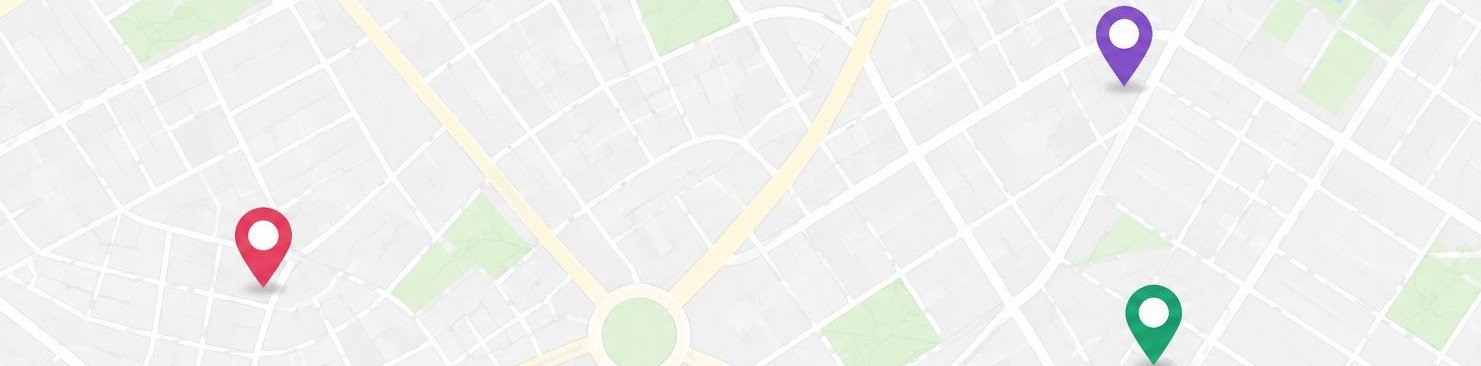
If you only have one day available, this itinerary is designed to let you experience the best of Genoa without unnecessary travel, focusing on the Porto Antico area, which is easily walkable.
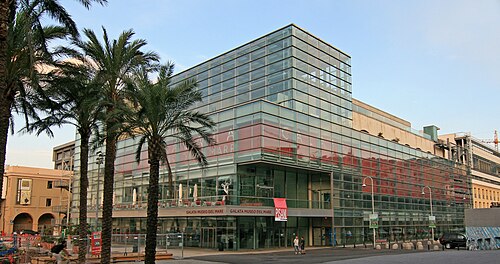
In about seven hours, you can visit the city’s main attractions, including the Acquario di Genova and the Galata Museo del Mare, two essential stops to understand the city’s connection with the sea. The route is about 3.4 km on foot and allows for an intense but well-organized visit.
GENOA IN 3 DAYS
With three days available, this itinerary allows you to discover Genoa in a more complete way, alternating visits to the historic center with the city’s more panoramic and outlying areas.
The first two days are dedicated to central areas such as Porto Antico and the Centro Storico, both easily explored on foot. The third day is instead focused on more distant areas such as the Lanterna, Pegli, Staglieno, Boccadasse, and Nervi, which can be reached by public transport or car, offering a broader experience of the Genoese territory.
GENOA COMPLETE TOUR 1 AND 2
The Genoa Complete Tour is designed for those who want to experience the city in depth, with more days available to explore both the main attractions and the lesser-known ones.
The itinerary spans several days and allows you to discover Genoa at a relaxed pace, alternating between the historic center, characteristic neighborhoods, and less touristy areas. It is ideal for those who have about one week and want a complete and authentic experience of the city.
Practical Info
WHEN TO GO
Genoa can be visited throughout the year, but each season offers a different experience in terms of weather, events, and tourist crowds. Choosing the right period can greatly influence the quality of your visit:
- Spring (April–June): The ideal period to visit the city, with mild temperatures and bright days. Perfect for walking through the caruggi, along the Nervi promenade, and on the panoramic hills without the summer heat.
- Summer (July–August): The hottest and most touristy season, with higher crowds especially in coastal areas and along the seafront. Ideal for enjoying the sea and the Riviera beaches, but with higher prices and tourist flows.
- Autumn (September–October): Still pleasant weather and a less crowded city. An excellent period to visit museums, historic palaces, and enjoy Genoa with more tranquility compared to summer.
- Winter (November–March): Cooler temperatures and a more authentic atmosphere. The city is mainly lived by residents, with fewer queues and a more local and intimate experience between the historic center and the Porto Antico.
GETTING THERE
Genoa is easily accessible by all means of transport. Whether you arrive by plane, train, bus, or car, here is some practical information to help you plan your trip.
- By air: Genoa Cristoforo Colombo Airport is located a short distance from the city center and is connected by bus, taxi, and private transfer services, making access quick and convenient.
- By sea: The Port of Genoa is one of the most important in the Mediterranean and represents a strategic hub for ferries and cruises to Sardinia, Corsica, and other destinations in the Ligurian Sea.
- By train: Genoa Piazza Principe and Genoa Brignole stations are the main railway hubs, with high-speed connections to Milan, Turin, Rome, and other major Italian cities.
- By bus: Genoa is well connected to many Italian and European cities through national and international bus routes, with main terminals located near the train stations.
- By car: The city is served by the A7, A10, and A12 motorways. Due to its hilly layout and urban traffic, it is recommended to use park-and-ride facilities and public transport to reach the historic center.
✅ To search for or book a flight you can check Booking.com Flights.
✅ You can check routes, schedules, prices and buy train or bus tickets with Trainline.
✅ For car rentals you can refer to Booking.com Cars.
GETTING AROUND
Genoa is a complex city developed between the sea and the hills, but it is well connected between the historic center, coastal districts, and hillside areas. There are several options to move around easily and reach the main attractions.
- On foot: Genoa’s historic center is perfect to explore on foot, among caruggi, hidden squares, and historic buildings. It is the best way to experience the city’s authenticity.
- Public transport: Buses, metro, and urban lifts connect the different areas of the city, making it easy to move between the center, the port, and the hillside districts.
- Limited Traffic Zone (ZTL): The city center is also subject to restricted traffic areas, so it is advisable to check access rules and consider using external parking areas connected to public transport.
- Parking: The main parking areas are located near the port, train stations, and well-connected peripheral zones. In Table > Parking and Mobility you will find the most practical solutions for getting around the city.
See also Getting around Genoa: Info and Tips
USEFUL TIPS
To visit Genoa in the most comfortable and well-organized way possible, here are some practical tips that can help you save time and make the most of your travel experience.
- Genoa City Pass: A useful solution for accessing museums, transport, and selected attractions, with benefits on tickets and tourist services.
See also Genoa City Pass: how it works and where to buy. - Hop-on Hop-off bus: A convenient way to explore the city with a hop-on/hop-off formula, ideal for visiting the main points of interest without stress.
🏆 Panoramic tours available with stops at key locations across the city. - Combined tickets: Some museums and attractions offer combined tickets that allow savings on entry to multiple cultural sites, especially in the main historic center venues.
- Comfortable shoes: Highly recommended, especially in Genoa’s historic center, characterized by uphill and downhill streets and uneven paving in the caruggi.
- Water and sun protection: During the warmer months, it is important to bring water and sunscreen, especially when walking along the port and panoramic areas.
- Dress code: In places of worship, appropriate clothing is required, with shoulders and knees covered, and respectful behavior is always expected.
WHAT TO EAT
Genoese cuisine is one of the most authentic expressions of Ligurian tradition, characterized by simple ingredients, Mediterranean aromas, and recipes deeply connected to the territory between the sea and the inland areas.
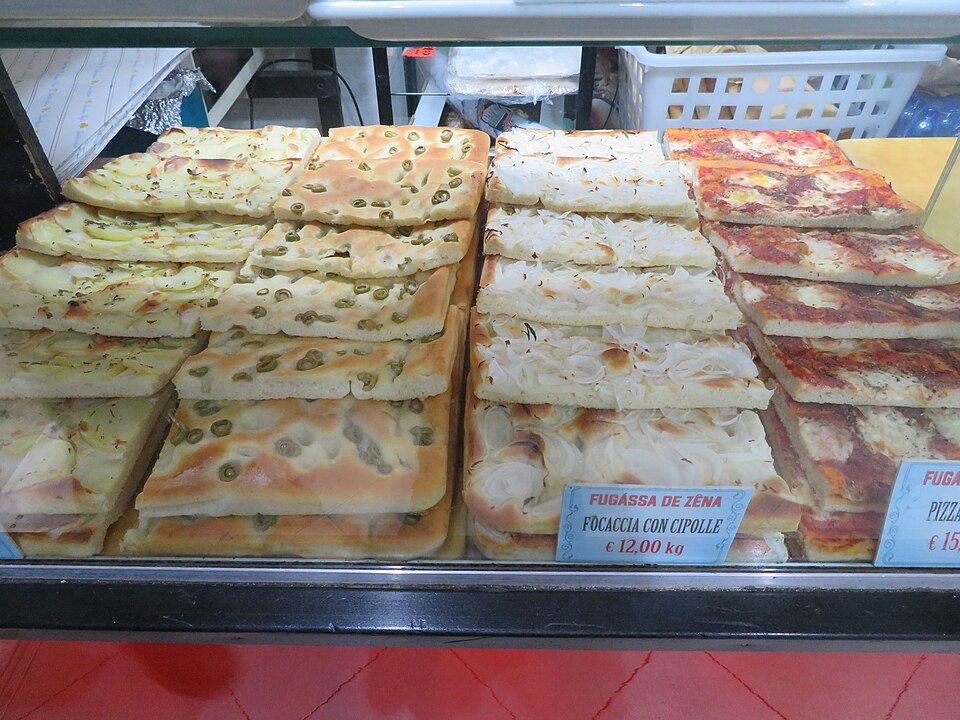
- Focaccia Genovese: The foundation of the city’s gastronomic tradition. This soft, golden focaccia with extra virgin olive oil and salt is enjoyed at any time of day, from breakfast to snacks.
- Anchovies from the Ligurian Sea: One of the symbols of Genoese seafood cuisine, used in many traditional recipes and appreciated for their intensity and freshness.
- Trofie al pesto: The absolute icon of Ligurian cuisine, made with traditional pesto based on Genoese basil, pine nuts, garlic, olive oil, and Parmesan cheese.
- Mandilli de sea: Very thin pasta sheets, among the most refined preparations of Genoese tradition, often served with pesto or delicate sauces.
- Cima Genovese: One of the most representative main dishes, made with stuffed meat filled with herbs, vegetables, and eggs, served cold in slices.
- Ligurian-style rabbit: A typical inland dish cooked with Taggiasca olives, herbs, and white wine, expressing the authentic identity of regional cuisine.
- Pan dolce Genovese: The traditional sweet of the city, rich and fragrant, typical of holidays but enjoyed throughout the year.
Genoese street food: Genoa also offers a strong street food tradition, perfect for a quick and authentic experience among the caruggi and the Porto Antico, with specialties to enjoy while walking through the city center.
See also What to eat in Genoa
WHERE TO EAT
Genoa offers an extremely rich gastronomic scene, where maritime tradition and inland cuisine meet through historic taverns, trattorias and contemporary restaurants. The city is one of the capitals of Ligurian taste, with venues that enhance local ingredients and authentic recipes.
- Il Marin (Eataly – Porto Antico), a restaurant overlooking the Porto Antico, offers contemporary cuisine inspired by the sea and Ligurian excellence, with strong attention to the quality of raw ingredients.
- Trattoria da Maria, in the heart of the historic center, is one of the best-known trattorias in the city, appreciated for its homemade Genoese cuisine and its authentic, informal atmosphere.
- Il Genovese, a symbolic place of Ligurian tradition, specializes in historic recipes such as fresh pasta and inland dishes, reinterpreted with great respect for tradition.
See also Where to eat in Genoa
WHERE TO SLEEP
Genoa offers accommodation solutions for all needs, from hotels in the historic center to panoramic stays by the sea or in the quieter hillside areas. Choosing the right area to stay is essential to move comfortably and make the most of the Genoese experience.

Here are some of the main areas to stay in Genoa, selected for their location, convenience and atmosphere:
- Centro Storico: The best choice for those who want to experience Genoa on foot, among narrow caruggi, historic palaces, local venues and the city’s main attractions.
- Porto Antico: A modern and lively area, perfect for those seeking a scenic seaside location, close to the aquarium, museums and restaurants.
- Carignano: An elegant and quiet district, located in a panoramic position above the city center, ideal for more relaxed stays while still being central.
- Stazione Principe / Darsena: A strategic area for those arriving by train or looking to easily travel to other destinations in Liguria and northern Italy.
See also Where to sleep in Genoa: Info and Tips
FAQ
Must-see highlights include Porto Antico, the Acquario di Genova, the historic center with its caruggi, Strade Nuove and Palazzi dei Rolli, and the charming seaside village of Boccadasse.
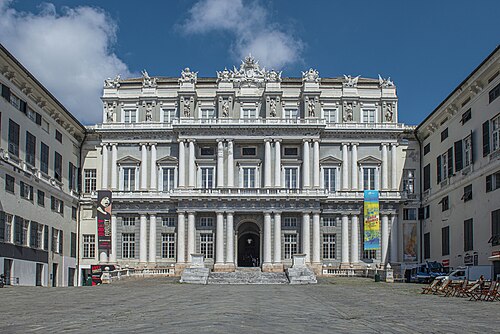
Which museums and monuments should I visit in Genoa?The city hosts important cultural sites such as the Galata Museo del Mare, Palazzo Ducale, and the historic churches of the center, which tell the story of the Maritime Republic.
📌 Read more in the section Main Attractions.
Are there parks or green areas in Genoa?
Yes, the main natural areas include Parco del Peralto, Monte Fasce, and the Nervi Parks, as well as the nearby Parco del Beigua, a protected natural area of great value.
📌 Read more in the section Parks and Nature.
Is Genoa suitable for a short visit?
Yes, the historic center and Porto Antico allow you to visit many attractions even with well-planned 1- or 3-day itineraries.
📌 Read more in the section Itinerary Overview.
What is the best time to visit Genoa?
Spring and early autumn are ideal thanks to the mild climate and fewer crowds compared to summer.
Is Genoa easy to visit?The historic center is compact but full of hills and narrow streets: it is best explored on foot, while metro, elevators, and funiculars help with getting around.
📌 Read more in the section When to Go.
Which typical dishes should I try in Genoa?
Local specialties include focaccia genovese, trofie al pesto, mandilli de sea, cima genovese, and coniglio alla ligure.
📌 Read more in the section What to eat.
Where to eat well in Genoa?The best areas are Porto Antico, the historic center, and the districts of Carignano and Portoria, full of traditional trattorias and restaurants.
📌 Read more in the section Where to eat.
What is the best area to stay in Genoa?
The historic center is ideal for exploring on foot, while Porto Antico is perfect for families and modern tourism. Other great options include Nervi and areas near the main stations.
Are there budget hotels in Genoa?Yes, more affordable options can be found in the outskirts or well-connected areas compared to the historic center.
📌 Read more in the section Where to Sleep.
Where can I find days, hours, and prices of attractions?
All information is available in the table in dedicated columns.
Where can I find links and online information about attractions?The table also includes direct links to Google Maps ➡️ and Wikipedia 🌐 for each attraction.
📌 Check the Orientation Table 📊
See also
- Guide to Genoa
- Itineraries: 1d, 3d, CT1, CT2
- See: Attractions
- Do: Experiences
- Eat: Where and What
- Getting Around, Pass, Stay
Other Destinations
🔐 Some images on this page are used under Creative Commons licenses:
By https://www.pexels.com/u/ghostpresenter/ – Milan, Porta Nuova skyline – CC0 – Public Domain – Wikimedia Commons
By Hpnx9420 – Turin, view from Monte dei Cappuccini – Own work – CC BY 3.0 – Wikimedia Commons
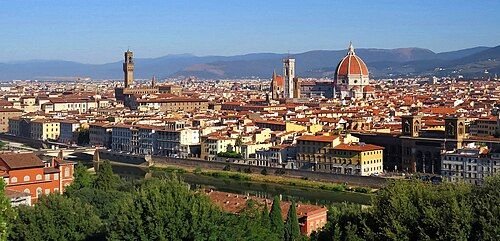
By PROPOLI87 – Florence, panorama from Piazzale Michelangelo – Own work – CC BY-SA 4.0 – Wikimedia Commons
By Maurizio Beatrici – Genoa, view of the harbor from Castello d’Albertis – Own work – CC BY-SA 4.0 – Wikimedia Commons
Expand image credits
By Lunna Campos – Genoa, Porto Antico, aquarium and Biosphere – Genoa – CC BY 2.0 – Wikimedia Commons
By Radosław Botev – Porto Antico of Genoa, aquarium and Biosphere – Own work – CC BY 3.0 pl – Wikimedia Commons
By Jensens – Genoa, Galata Museo del Mare, entrance – Own work – Public domain – Wikimedia Commons
By Carlo grifone – Genoa, Lanterna di Genova, symbol of the city – Own work – CC BY-SA 4.0 – Wikimedia Commons
By Zairon – Genoa, Palazzo Reale, interior room – Own work – CC BY-SA 4.0 – Wikimedia Commons
By Alessio Sbarbaro (User_talk:Yoggysot) – Genoa, Cathedral of San Lorenzo, façade – Own work – CC BY-SA 3.0 – Wikimedia Commons
By Marek Śliwecki – Genoa, Palazzo Ducale – Own work – CC BY-SA 4.0 – Wikimedia Commons
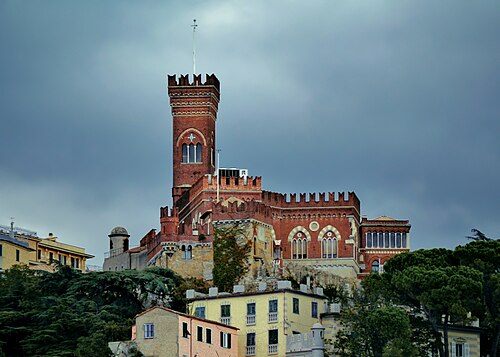
By Zairon – Genoa, Castello d’Albertis, panoramic view – Own work – CC BY-SA 4.0 – Wikimedia Commons
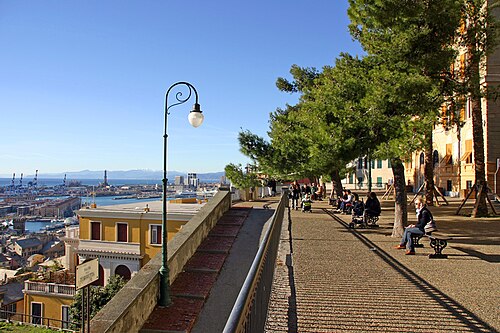
By Alessandro Vecchi – Genoa, panoramic view from Belvedere Castelletto – Own work – CC BY-SA 3.0 – Wikimedia Commons
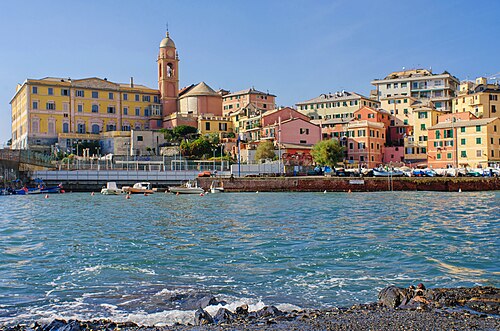
By Nikita Roytman – Genoa, Nervi harbour – Own work – CC BY-SA 4.0 – Wikimedia Commons
By User:Rachel Dalby photographer – Genoese focaccia is a typical speciality of Ligurian cuisine – Own work – CC BY-SA 4.0 – Wikimedia Commons