Categoria: EN

  • San Siro & Casa Milan: Tours, Tickets and Useful Info

    San Siro & Casa Milan: Tours, Tickets and Useful Info

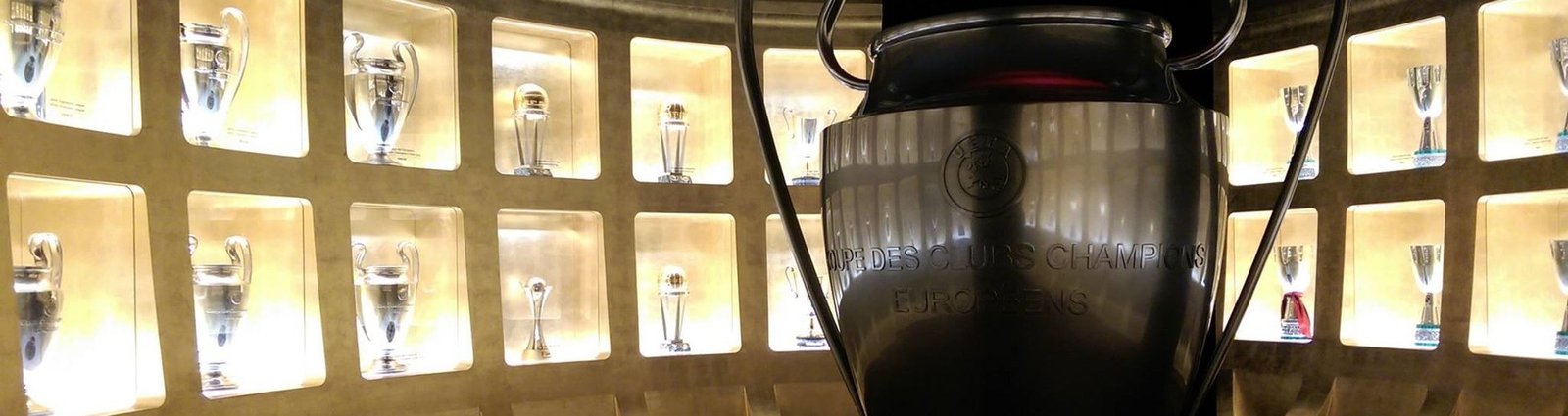
    Sala Trofei di Casa Milan con all'interno una riproduzione della coppa della UEFA Champions League.

    San Siro & Casa Milan: Tours, Tickets and Useful Info

    Quick Guide and Experiences


    San Siro and Casa Milan are two of the most important icons of the city for football fans and beyond. The famous Milanese stadium, together with the modern headquarters of AC Milan, offers visitors a unique journey through sport, history, and emotions, with dedicated tours, exhibition areas, and interactive spaces.


    San Siro Stadium: Known as “The Football Opera House,” San Siro is one of the most famous stadiums in the world and an iconic place for millions of fans. Its majestic structure, featuring the iconic exterior towers and the impressive upper ring, offers visitors a unique perspective and an atmosphere full of sports history.

    Inside the stadium tour: The tour allows access to areas usually reserved for professionals, such as team locker rooms, the players’ tunnel, and the pitch side. Walking through the same corridors as international champions gives football enthusiasts a truly special experience.

    Stands and panoramic views: Access to the stands allows visitors to admire the stadium from above, appreciating its architectural grandeur and spectacular impact while imagining the energy of the most memorable matches.

    San Siro Museum: Within the complex, a museum is dedicated to both Milanese clubs, featuring historic jerseys, trophies, photographs, and memorabilia that tell the story of Milan and Inter’s most important moments. It’s an exciting journey through decades of derbies, finals, and legendary players.

    Casa Milan: The visit can continue at AC Milan’s official headquarters, a modern and striking building housing the Mondo Milan Museum. Here, interactive installations, immersive videos, and multimedia spaces narrate the Rossoneri history in an engaging and contemporary way, perfect for families and fans.

    A complete journey for fans: Between the stadium, museum, and multimedia area, San Siro and Casa Milan offer a rich and engaging experience. It is a must-visit for those who want to explore the emotions, places, and key figures of Milanese football up close.


    Discover the most popular experiences at San Siro Stadium and Casa Milan. Experience the heart of Milanese football with official tours, reserved access, and iconic museums dedicated to AC Milan and Inter.


    Powered by GetYourGuide

    Visit duration: A visit to San Siro Stadium or Casa Milan usually takes between 1 and 2 hours for each experience. The stadium tour, which includes locker rooms, player tunnel, pitch-side access, and the museum, may take longer, especially on busy days. The Mondo Milan Museum visit is generally shorter but rich in multimedia and interactive content.

    Accessibility: Both San Siro and Casa Milan offer accessible routes for visitors with reduced mobility. The stadium has ramps and elevators that facilitate access to the main areas of the tour, although some technical zones may have limitations. Casa Milan is fully accessible and designed to provide a comfortable experience for everyone.

    Temperature and clothing: The stadium is partly outdoors and may be exposed to wind, sun, or rain depending on the season. It is recommended to wear comfortable and weather-appropriate clothing, especially for the section of the tour that includes the stands. Casa Milan, being an indoor museum space, provides a climate-controlled and comfortable environment year-round.

    Available services: San Siro has restrooms, refreshment points, and a large area dedicated to official Milan and Inter merchandise. Casa Milan offers additional services such as the “Casa Milan Bistrot” restaurant, information points, and the official Milan store. Both sites have relaxation areas and spaces suitable for families.

    Hours, prices, and reservations: Opening hours may vary depending on sports events, matches, or other activities taking place in the stadium. It is advisable to check updated details on the official websites before visiting (see official sites San Siro Stadium and AC Milan). To avoid queues and guarantee entry, it is preferable to book online via dedicated platforms (see section Selected Experiences).

    Recommended visiting times: The best times to visit San Siro are in the morning or early afternoon when the crowds are smaller and the tour is smoother. Casa Milan can be visited throughout the day with a steady but manageable flow, although early morning remains the quietest time for taking photos and enjoying the museum calmly.

    Photography: San Siro Stadium offers many vantage points for memorable photos, particularly from the stands and pitch-side. Casa Milan features multimedia installations, historic trophies, and scenic spaces perfect for sharing photos. Both attractions allow photography without major restrictions, except in specific staff-designated areas.


    Powered by GetYourGuide

    On foot: San Siro Stadium and Casa Milan are not located in the historic center, but both attractions are accessible on foot if you are in nearby areas such as QT8, Lotto, or Portello. Walking around the surrounding neighborhoods allows you to discover modern residential areas and well-connected green spaces.

    By car: San Siro and Casa Milan are easily reachable by car via main city roads such as Viale Certosa and the San Siro exit of the Tangenziale. Paid parking is available near the stadium, especially on non-match days. On match days, traffic can be heavy, and some areas may have restrictions, so it is advisable to arrive early.

    By metro: San Siro Stadium is served by the M5 (purple) line with the “San Siro Stadio” stop, just a few minutes’ walk from the tour entrance. Casa Milan is reachable via the “Portello” stop on the same line, about a 10-minute walk. The metro remains the fastest and most convenient way to reach both attractions.

    By bus and tram: Several lines connect San Siro and Casa Milan with the rest of the city. For the stadium, the most used lines are tram 16 (to/from the center) and buses 49 and 78. Casa Milan is served by lines 57, 90/91, and 14. Tickets can be purchased online, via the ATM app, or at authorized retailers.

    Parking: Several paid parking lots are available near San Siro, especially adjacent to the stadium and along main streets. Casa Milan has an underground parking lot in Piazza Gino Valle, convenient and easily accessible. On sports or concert event days, it is recommended to use public transport to avoid heavy traffic and long waits.


  • La Scala Theatre Milan: Tours, Tickets and Useful Info

    La Scala Theatre Milan: Tours, Tickets and Useful Info

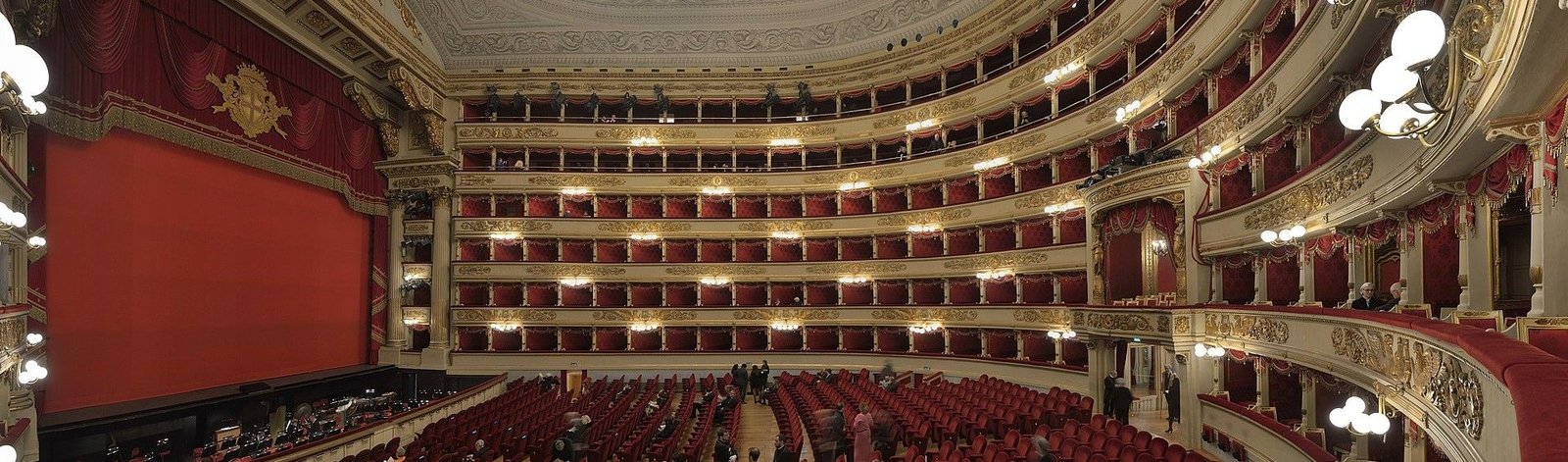
    Veduta interna del Teatro alla Scala di Milano

    La Scala Theatre Milan: Tours, Tickets and Useful Info

    Quick Guide and Experiences


    La Scala Theatre in Milan is one of the most renowned opera houses in the world and an undisputed symbol of Italian musical culture. Located in the heart of the city, this historic theatre offers visitors a fascinating journey through art, music, and extraordinary stage designs thanks to its guided tours and the collections of the Teatro alla Scala Museum.


    La Scala Theatre Milan: La Scala is renowned for its perfect acoustics, world premieres, and the cultural legacy that links it to the greatest composers and artists in history. Located in the elegant Piazza della Scala, the theatre is an international landmark for music, ballet, and opera.

    Guided tours and Theatre Museum: The tour allows visitors to explore the historic boxes, the foyer, the main hall, and the rich Theatre Museum, which exhibits original costumes, musical instruments, historical documents, and objects linked to Verdi, Toscanini, and major La Scala productions. A must-see for anyone passionate about the history of performing arts.

    Backstage access and thematic exhibitions: Some tours include exclusive access to backstage areas, offering a privileged look at set construction, workshops, and rehearsals. Temporary exhibitions and thematic routes enrich the experience by exploring the evolution of the theatre, its productions, and its musical heritage.

    Piazza della Scala and surroundings: The theatre is surrounded by iconic places such as Galleria Vittorio Emanuele II, the Quadrilatero della Moda, and the pedestrian area of Via Manzoni. Strolling around the area lets visitors experience the elegant and cultural atmosphere of Milan’s historic centre.

    An unmissable experience: Between guided tours, thematic itineraries, and the discovery of the Theatre Museum, La Scala offers a fascinating journey into the history of Italian music and behind the scenes of one of the world’s most important stages.


    Powered by GetYourGuide

    Discover the most popular experiences at La Scala Theatre in Milan to get up close to one of the world’s iconic opera and music venues.


    Powered by GetYourGuide

    Duration of the visit: A visit to the Teatro alla Scala generally takes between 1 and 2 hours, depending on the chosen itinerary (theatre visit, access to the boxes, Theatre Museum, or special guided tours).

    Accessibility: La Scala is accessible to visitors with disabilities thanks to dedicated entrances, elevators, and suitable routes inside the theatre and museum. Some historical areas or backstage zones may have limitations; it is advisable to check for any restrictions on the official website.

    Temperature and clothing: The indoor areas of the theatre and museum are air-conditioned. There are no specific clothing requirements for visits, but comfortable shoes are recommended for those joining longer tours or routes that include museum areas.

    Available services: Near the Teatro alla Scala, visitors will find restrooms, a cloakroom, and information points. In the immediate surroundings, between Piazza della Scala and the Galleria Vittorio Emanuele II, there are cafés, elegant restaurants, and historic shops that make the visit even more enjoyable.

    Opening hours, prices and booking: Hours and availability may vary depending on rehearsals, performances, or special events. It is always advisable to consult the official Teatro alla Scala website for updated information. To avoid waiting times and to access thematic tours or guided experiences, booking tickets online through dedicated platforms is recommended (see Selected Experiences above).

    Recommended visiting times: Morning and early afternoon are generally the best times to visit the theatre and museum, with fewer crowds and a more peaceful atmosphere. During rehearsals or before performances, some areas may not be accessible.

    Photography: Photography without flash is allowed in the Theatre Museum. In the main hall and boxes, rules may vary depending on the presence of rehearsals or internal activities; therefore, it is advisable to follow the staff’s instructions during the visit.


    Powered by GetYourGuide

    On foot: The Teatro alla Scala is located in the heart of Milan, between Piazza della Scala and Via Filodrammatici, and is easily reachable on foot from major attractions such as the Duomo, Galleria Vittorio Emanuele II, and the Fashion Quadrilateral. Walking around the surrounding area allows visitors to discover elegant views, historic buildings, and charming streets.

    By car: The theatre can be reached via the main roads leading to central Milan. Due to the ZTL (Area C) and heavy traffic, especially during evening shows and events, it is advisable to check access restrictions or use public transport.

    By metro: The easiest way to reach La Scala is via lines M1 (red) and M3 (yellow) with the “Duomo” stop, or M1 with the “Montenapoleone” stop. Both are just a few minutes’ walk from the theatre and allow you to avoid traffic and parking difficulties.

    By bus and tram: Numerous urban lines stop near the theatre. The main stops are “Teatro alla Scala” and “Duomo M1/M3.” Tickets can be purchased at authorized retailers, ticket machines, online, or via Milan public transport apps.

    Parking: Paid parking lots are available near the Teatro alla Scala in strategic locations for convenient access. On show days, when visitor numbers are higher, it is recommended to book in advance or use public transport to avoid delays and waiting.


  • Brera Art Gallery: Tours, Tickets and Useful Info

    Brera Art Gallery: Tours, Tickets and Useful Info

    Milano, Pinacoteca di Brera, Lamentation of Christ, Andra Mantegna

    Brera Art Gallery: Tours, Tickets and Useful Info

    Quick Guide and Experiences


    Brera Art Gallery is one of the most important and prestigious museums in Milan, housed within the renowned Palazzo di Brera. The collection features masterpieces by Italian and international artists, offering visitors a journey through Renaissance, Baroque, and modern art.


    Permanent collection: The Pinacoteca di Brera houses an extraordinary collection of Italian paintings from the 14th to the 20th century, featuring masterpieces by Caravaggio, Raphael, Hayez, and Mantegna. Visitors can admire iconic works that tell centuries of Italian art and history, offering a unique cultural experience.

    Main exhibition rooms: The museum’s rooms are organized into thematic paths that allow visitors to follow the evolution of Italian art, with carefully curated displays that highlight the details and beauty of the works. Each room provides an immersive experience into art history, with information on artists and historical context.

    Temporary exhibitions and events: In addition to the permanent collection, the Pinacoteca hosts temporary exhibitions, cultural events, and educational programs. These insights allow visitors to discover lesser-known aspects of art and participate in interactive experiences designed for adults and families.

    Palazzo di Brera and surroundings: The museum is located within the Palazzo di Brera, in the heart of the district of the same name, famous for its artistic and cultural atmosphere. Strolling around allows visitors to explore historic shops, cafés, and galleries, complementing the visit with an immersion into Milanese life.

    An unmissable experience: Between discovering masterpieces, temporary exhibitions, and the beauty of the historic palace, the Pinacoteca di Brera represents a must-see stop for those wishing to experience a cultural and exciting journey in the heart of Milan.


    Powered by GetYourGuide

    Discover the most popular experiences at the Brera Art Gallery to make the most of one of Milan’s most prestigious art galleries, exploring masterpieces, history, and the charm of the Brera district.


    Powered by GetYourGuide

    Visit duration: A visit to the Brera Art Gallery generally takes between 1.5 and 2.5 hours, depending on the rooms explored and the pace of the visit.

    Accessibility: The gallery is accessible to visitors with disabilities, with elevators and suitable paths. Some exhibition areas may have limitations, so it is advisable to check the official website for any restrictions.

    Temperature and clothing: The gallery is air-conditioned. Comfortable shoes are recommended, especially if you plan to explore the Brera district on foot after the museum visit.

    Available services: Inside and near the gallery there are restrooms, a cloakroom, information points, and a café. Nearby, there are also typical restaurants and cafés in the Brera district.

    Opening hours, prices and bookings: Opening hours may vary depending on the season or special events. It is advisable to check the official website of the Brera Art Gallery for updated information. To avoid queues, it is recommended to book tickets online via dedicated platforms (see above Selected Experiences).

    Recommended visiting times: The best times to visit the gallery are early morning or late afternoon when visitor flow is lower, allowing a more relaxed visit and the opportunity to view the artworks calmly.

    Photography: Photography without flash is allowed in many rooms. The most famous works, such as masterpieces by Caravaggio and Hayez, offer perfect scenarios for art photography enthusiasts.


    Powered by GetYourGuide

    On foot: The Brera Art Gallery is located in the heart of Milan’s Brera district and is easily reachable on foot from the main squares, such as Piazza del Duomo and Piazza della Scala. Walking through the streets of the district allows visitors to enjoy the lively atmosphere and surrounding historic architecture.

    By car: The gallery is accessible via the main streets of the city center. During peak periods, especially on weekends and during events, it is advisable to arrive early or use alternative transportation.

    By metro: The gallery is served by the M2 (green) line with the “Lanza” stop and the M3 (yellow) line with the “Montenapoleone” stop, both within a short walking distance from the museum. This is the fastest way to avoid city center traffic.

    By bus and tram: Several urban lines connect central Milan to the Brera district. Main stops are “Via Brera” and “Piazza della Scala.” Tickets can be purchased at authorized retailers, online, or through transport apps.

    Parking: Paid parking is available near the gallery, such as Parking Brera and Garage Montenapoleone. During busy periods, it is recommended to book in advance or use public transport to reach the museum conveniently.


  • Ambrosian Art Gallery: Tours, Tickets and Useful Info

    Ambrosian Art Gallery: Tours, Tickets and Useful Info

    Milamo, Pinacoteca Ambrosiana

    Ambrosian Art Gallery: Tours, Tickets and Useful Info

    Quick Guide and Experiences


    Pinacoteca Ambrosiana is one of Milan’s most prestigious cultural treasures, a unique museum that preserves some of the greatest masterpieces of Italian and European art. Located in the heart of the city, inside the historic Ambrosiana Library, it offers visitors a fascinating journey through paintings, manuscripts, and works of immeasurable value.


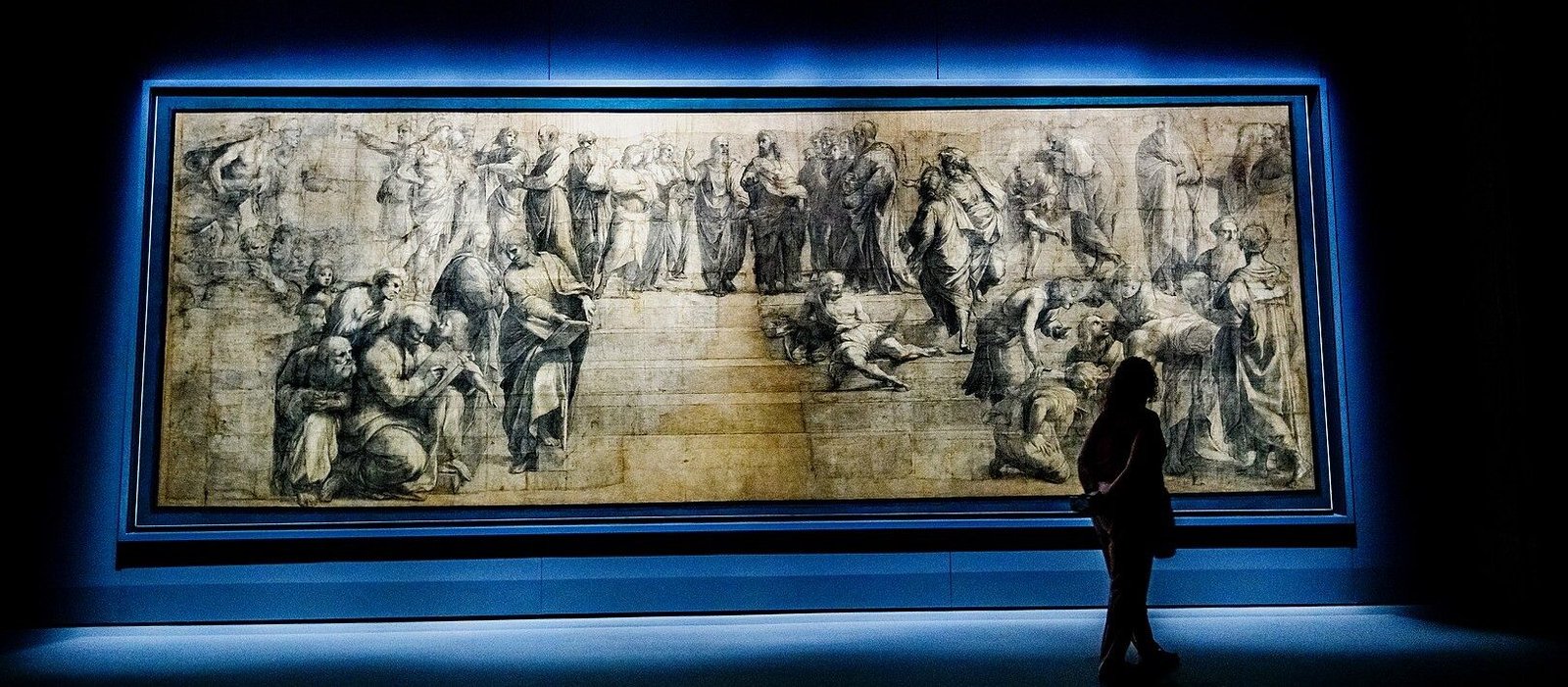
    Masterpieces by Caravaggio and Italian masters: The Pinacoteca Ambrosiana preserves extraordinary works by artists such as Caravaggio, Titian, Botticelli, and Brueghel. Among the unmissable pieces stand the famous Basket of Fruit by Caravaggio and the magnificent Preparatory Cartoon for the School of Athens by Raphael, true cornerstones in the history of art.

    Manuscripts and historical documents: The exhibition path includes precious manuscripts and ancient codices from the Ambrosiana Library. Among them are unique testimonies of European culture and historical documents that recount centuries of knowledge, carefully preserved in evocative spaces.

    Themed rooms and exhibition routes: The rooms of the Pinacoteca are organized into thematic sections that guide visitors through collections of painting, sculpture, decorative arts, and rare books. Panels and guided routes allow for a deeper understanding of the history of the works, their authors, and the events that led them to become part of the museum.

    Ambrosiana Library and historic interiors: The visit also allows you to explore some areas of the legendary Ambrosiana Library, one of the oldest study centers in Europe. The atmosphere of the historic rooms, enriched by wooden shelves and ancient collections, makes the experience intense and full of cultural charm.

    An itinerary rich in art and knowledge: Between invaluable paintings, historic halls, and literary testimonies, the Pinacoteca Ambrosiana offers a complete and profound cultural experience. It is an unmissable destination for those who love art, history, and timeless beauty preserved in the heart of Milan.


    Discover the most popular experiences at the Pinacoteca Ambrosiana to make the most of one of Milan’s most prestigious museums, exploring masterpieces, manuscripts, and unique treasures.


    Powered by GetYourGuide

    Duration of the visit: A visit to the Pinacoteca Ambrosiana generally takes between 1.5 and 2.5 hours, depending on the time dedicated to each room, the main masterpieces and any related exhibitions such as the Codex Atlanticus.

    Accessibility: The Pinacoteca is largely accessible to visitors with disabilities, thanks to accessible routes, elevators and spacious exhibition areas. Some historic sections or specific areas may present limitations: it is advisable to check possible restrictions in advance.

    Temperature and clothing: The rooms are climate-controlled to ensure proper conservation of the artworks. Comfortable shoes are recommended, as the visit includes several different environments and an articulated museum route.

    Available services: Inside the complex there are restrooms, cloakroom, bookshop and information points. In the surrounding streets you will find bars, restaurants and cafés ideal for a break before or after the visit.

    Opening hours, prices and reservations: Opening hours may vary depending on temporary exhibitions and cultural initiatives. It is advisable to consult the official website of the Pinacoteca Ambrosiana for updated information. To avoid queues and secure access to the most popular exhibitions (such as the Codex Atlanticus), it is recommended to purchase tickets online through reliable platforms (see the section Selected Experiences above).

    Recommended times: The best moments to visit the Pinacoteca are early in the morning or late morning on weekdays, when attendance is lower and the artworks can be enjoyed more calmly.

    Photography: In many areas of the Pinacoteca it is permitted to take photos without flash. The rooms dedicated to Caravaggio, Raphael and the Leonardesque collection offer particularly evocative views for impactful shots.


    Powered by GetYourGuide

    On foot: The Pinacoteca Ambrosiana is located in the historic center of Milan, just a few minutes from the Duomo and Piazza Cordusio. Reaching it on foot allows you to immerse yourself in the elegant streets and characteristic atmospheres of the city center, among historic buildings, shops and traditional cafés.

    By car: The area is located in Milan’s central zone and includes certain traffic restrictions (Area C). Paid parking is available nearby. During peak periods it is advisable to arrive early or consider alternative solutions.

    By metro: The Pinacoteca is easily served by several metro lines. The closest stations are “Cordusio” (M1 – red line), “Duomo” (M1/M3) and “Cairoli Castello” (M1). All are located 5–10 minutes on foot from the museum, making the metro one of the fastest and most convenient options.

    By bus and tram: Numerous bus and tram lines connect the area to the rest of the city. The closest stops are “Via Orefici”, “Cordusio” and “Via Meravigli”. Tickets can be purchased at authorized retailers, via the ATM app or in metro stations.

    Parking: Paid parking is available near the Pinacoteca, such as Garage Meravigli, Autosilo Diaz and underground car parks in the Via Torino and Piazza Cordusio area. On public holidays or weekends, it is advisable to reserve a spot in advance or use public transportation to move more easily around the historic center.


  • The Last Supper: Tours, Tickets and Useful Info

    The Last Supper: Tours, Tickets and Useful Info

    Public Domain version of Leonardo da Vinci's Last Supper. High-resolution JPEG image, with no watermarks.

    The Last Supper: Tours, Tickets and Useful Info

    Quick Guide and Experiences


    The Last Supper by Leonardo da Vinci is one of the most famous masterpieces in the world, housed in the refectory of Santa Maria delle Grazie in Milan. Visiting this extraordinary work means immersing yourself in history, Renaissance art, and the genius of Leonardo.


    The Last Supper by Leonardo da Vinci: The Last Supper is one of the most famous masterpieces in the world, housed in the refectory of the convent of Santa Maria delle Grazie in Milan. The visit allows you to admire Leonardo’s work up close, appreciating its details, colors, and technique, offering a unique experience for lovers of art, history, and culture.

    Exhibitions and insights: During the visit, you can access exhibition areas and temporary shows dedicated to Leonardo, his art, and the studies on the conservation of the work. These additional paths enrich the experience, making the visit educational and engaging, even for children or school groups.

    Santa Maria delle Grazie and surroundings: The refectory is located inside the Santa Maria delle Grazie complex, a UNESCO World Heritage Site, surrounded by historic squares, cafés, and characteristic streets of Milan. Walking around the area allows you to enjoy the city’s atmosphere and complete the visit with further cultural or gastronomic experiences.

    An unmissable experience: Admiring the Last Supper, accompanied by expert guides or digital audio guides, means immersing yourself in Leonardo’s genius and the history of the Renaissance. This visit represents an essential and emotional cultural moment for anyone wishing to experience Milan through one of its most iconic artistic treasures.


    Discover the most popular experiences dedicated to Leonardo da Vinci’s Last Supper, including guided tours, walking experiences, and skip-the-line tickets that explore the history of the masterpiece, the Renaissance artistic context, and Leonardo’s painting techniques.

    Powered by GetYourGuide

    Powered by GetYourGuide

    Duration of the visit: A visit to Leonardo da Vinci’s Last Supper generally lasts between 30 and 60 minutes, depending on the chosen tour and the depth of the guide’s explanations. Some itineraries also include walking tours through Milan’s historic center.

    Accessibility: The Cenacolo Vinciano is accessible to visitors with disabilities, although some areas may have limitations due to the historical structure and conservation measures. It is advisable to check in advance for any restrictions.

    Temperature and clothing: The Last Supper hall is climate-controlled to preserve the artwork. Comfortable clothing and suitable footwear are recommended, especially if your tour includes walking routes through the historic center.

    Available services: Inside and around the refectory of Santa Maria delle Grazie, visitors will find information points and reception areas. Nearby there are also cafés, restaurants, and spaces dedicated to guided tours or related cultural activities.

    Hours, prices and reservations: Visiting hours may vary depending on the season, holidays, or cultural events. Always check the updated schedule on the official Last Supper website. To avoid queues and secure guided tours or priority tickets, it is best to purchase passes online through dedicated platforms (see above Selected Experiences).

    Recommended time slots: The best times to visit the Last Supper are early in the morning or late in the afternoon, when there are fewer visitors. This ensures a more peaceful experience and the chance to observe the details of the artwork without rushing.

    Photography: For conservation reasons, flash photography is not allowed inside the Last Supper hall. However, visitors can still appreciate the precision of the pictorial details and enjoy a fully immersive Renaissance art experience.


    Powered by GetYourGuide

    On foot: The Cenacolo Vinciano is located just a short walk from Milan’s historic center and Piazza Santa Maria delle Grazie. Reaching it on foot allows you to enjoy the neighborhood atmosphere and admire the surrounding historic architecture.

    By car: The Last Supper can be reached by car through the main roads leading to the city center. Nearby paid parking areas include Parking Santa Maria delle Grazie and Garage Conciliazione. During peak times, especially weekends or special events, it is advisable to arrive early or use public transport.

    By metro: The nearest station is “Cadorna FN,” served by lines M1 (red) and M2 (green), from which the Cenacolo is just a short walk away. This is the fastest way to avoid city-center traffic.

    By bus and tram: Several urban lines connect the Cenacolo Vinciano with the rest of the city. The main nearby stops are “Conciliazione” and “Santa Maria delle Grazie.” Tickets can be purchased at authorized retailers, online, or via dedicated public transport apps.

    Parking: Several paid parking options are available near the Cenacolo, such as Parking Santa Maria delle Grazie and Garage Conciliazione. During periods of high attendance, it is recommended to book in advance or reach the site using public transport for extra convenience.


  • Sforza Castle: Tours, Tickets and Useful Info

    Sforza Castle: Tours, Tickets and Useful Info

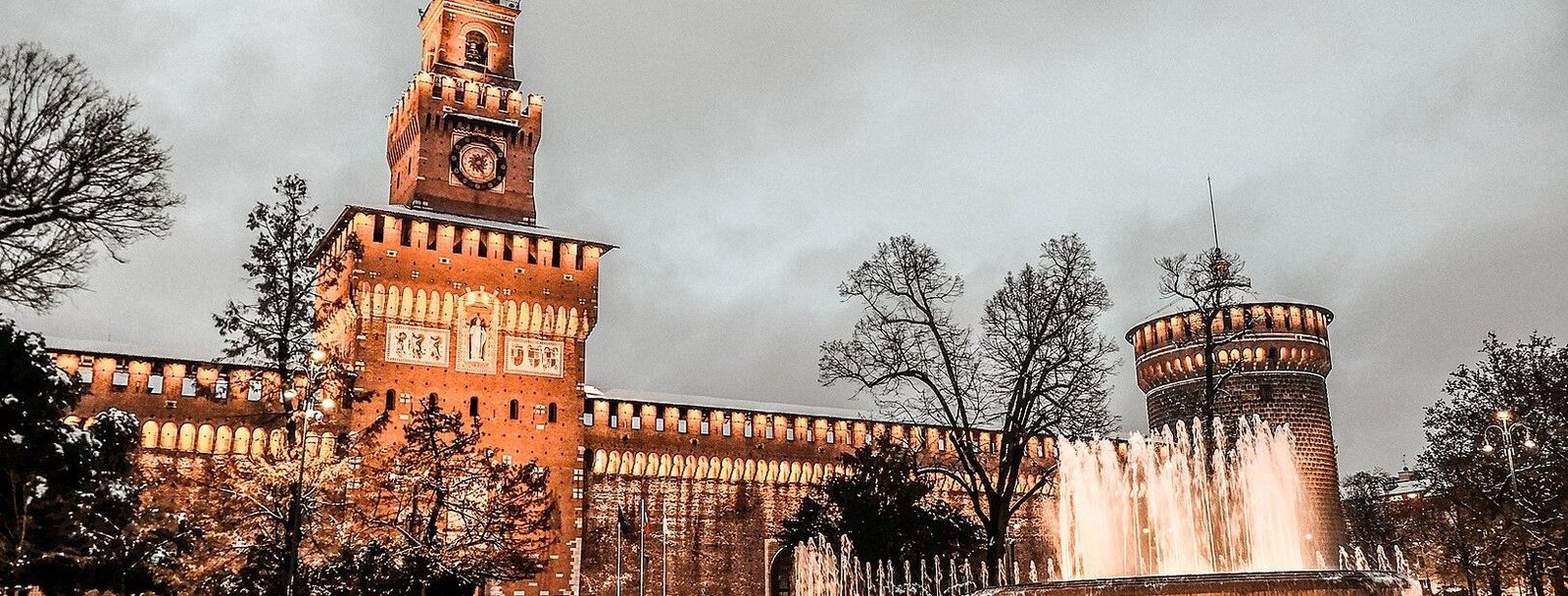
    Milano, Castello Sforzesco d'inverno

    Sforza Castle: Tours, Tickets and Useful Info

    Quick Guide and Experiences


    Sforza Castle is one of Milan’s most iconic monuments and one of the most important historical complexes in Europe. Located on the edge of the historic center and surrounded by the large Sempione Park, the castle offers a fascinating journey through art, history, and Renaissance architecture, thanks to its museums, art collections, and monumental spaces filled with historical treasures.


    Sforza Castle: Sforza Castle is an imposing Renaissance fortress that tells the story of the city through its courtyards, towers, and numerous museums housed within. Located just a short walk from the Duomo, it is a must-visit for anyone wanting to explore Milan’s artistic and cultural past.

    Museums and Collections: The castle hosts some of the city’s most prestigious collections, including the Museum of Ancient Art, the Egyptian Museum, the Picture Gallery, and the Museum of Musical Instruments. Here you can admire famous works like Michelangelo’s Last Pietà and discover historical artifacts, Renaissance frescoes, and key pieces of Milanese heritage.

    Architecture and Historic Spaces: Its towers, internal courtyards, and ancient bastions offer a captivating journey through military and Renaissance architecture. Walking through the Rocchetta Courtyard, the Ducal Courtyard, and the Filarete Tower allows visitors to relive the Sforza era and the family’s influence on the city.

    Sempione Park: Behind the castle lies Sempione Park, one of Milan’s green lungs. Perfect for a relaxing walk after the visit, the park connects the castle to the Arch of Peace and offers scenic views, well-kept green spaces, and ideal spots for photography and leisure.

    A Place Rich in History and Culture: With its museums, imposing architecture, and proximity to Sempione Park, Sforza Castle provides a complete experience for art, history, and nature lovers. A must-see for anyone looking to discover the historical and cultural heart of Milan.


    Powered by GetYourGuide

    Discover the most popular experiences at Sforza Castle, one of Italy’s most important historical fortresses. Enjoy guided tours, immersive audio guides, and itineraries that reveal Milan’s art and history.


    Powered by GetYourGuide

    Duration of the visit: A visit to Sforza Castle usually takes between 2 and 3 hours, especially if you choose itineraries that include the internal museums, the Pietà Rondanini, the courtyards, and the exhibition areas. Visitors who prefer to explore only the exterior can complete the visit in about 1 hour.

    Accessibility: The Castle is partially accessible for people with disabilities. The courtyards and many ground floor areas are easily reachable, while some museums and historical zones may have stairs or narrow passages. It is advisable to check the accessibility of individual museum sections in advance.

    Temperature and clothing: Most areas of the Castle are not air-conditioned. In summer, the courtyards can get very hot, while in winter it may be cold inside. Comfortable shoes are recommended, as the visit includes historical pavements, walkways, and outdoor areas.

    Available services: Inside the complex, you will find restrooms, information points, museum areas, guided tours, and bookshops. Nearby, there are bars, restaurants, and large green areas such as Parco Sempione, ideal for completing the visit with a walk.

    Opening hours, tickets and reservations: Internal museum hours may vary depending on the season and ongoing events. For updated information on openings, tickets, and temporary exhibitions, it is recommended to consult the official Sforza Castle website. To avoid queues and ensure access to museums and guided tours, it is preferable to purchase tickets online via the platforms suggested in the Selected Experiences section.

    Recommended visiting times: Morning hours are ideal for visiting the Castle with more tranquility, especially on weekends. Late afternoon is perfect for photographing the courtyards and outer walls with softer light.

    Photography: Sforza Castle offers numerous scenic points: Renaissance courtyards, towers, outer walls, and the famous Filarete Tower. The museum interiors, especially the historic rooms and the Pietà Rondanini, also provide suggestive photographic opportunities, always respecting the rules of each exhibition area.


    Powered by GetYourGuide

    On foot: Sforza Castle is located between the center of Milan and the entrance to Parco Sempione, easily reachable with a pleasant walk from the main streets of the city center such as Via Dante, Piazza Duomo, and the Cordusio area. Walking to the Castle allows you to admire historical sights and one of the most picturesque areas of the city.

    By car: The Castle is in a central area where traffic can be heavy. Nearby paid parking is available, such as Parking Sempione, Car Parking Buonaparte, and underground parking in Foro Buonaparte. On weekends and during major events, the area can be particularly crowded: it is advisable to arrive early or opt for public transportation.

    By metro: The closest stations to the Castle are “Cairoli” on the M1 (red) line and “Lanza” on the M2 (green) line. Both are a few minutes’ walk from the Castle’s main entrance and represent the fastest way to reach it without facing city traffic.

    By bus and tram: Numerous surface transport lines connect the Castle with the rest of the city. Tram lines 1, 4, and 12, and buses 50, 57, and 61 stop nearby. The main stops are “Cairoli Castello” and “Lanza.” Tickets can be purchased at authorized outlets, online, or via apps dedicated to public transport.

    Parking: Nearby the Castle, there are several paid parking areas such as Parking Sempione and Car Parking Buonaparte, located just a few minutes on foot. During peak periods, it is recommended to book in advance or use public transport to reach the Castle more conveniently.


  • Milan Cathedral: Tours, Tickets and Useful Info

    Milan Cathedral: Tours, Tickets and Useful Info

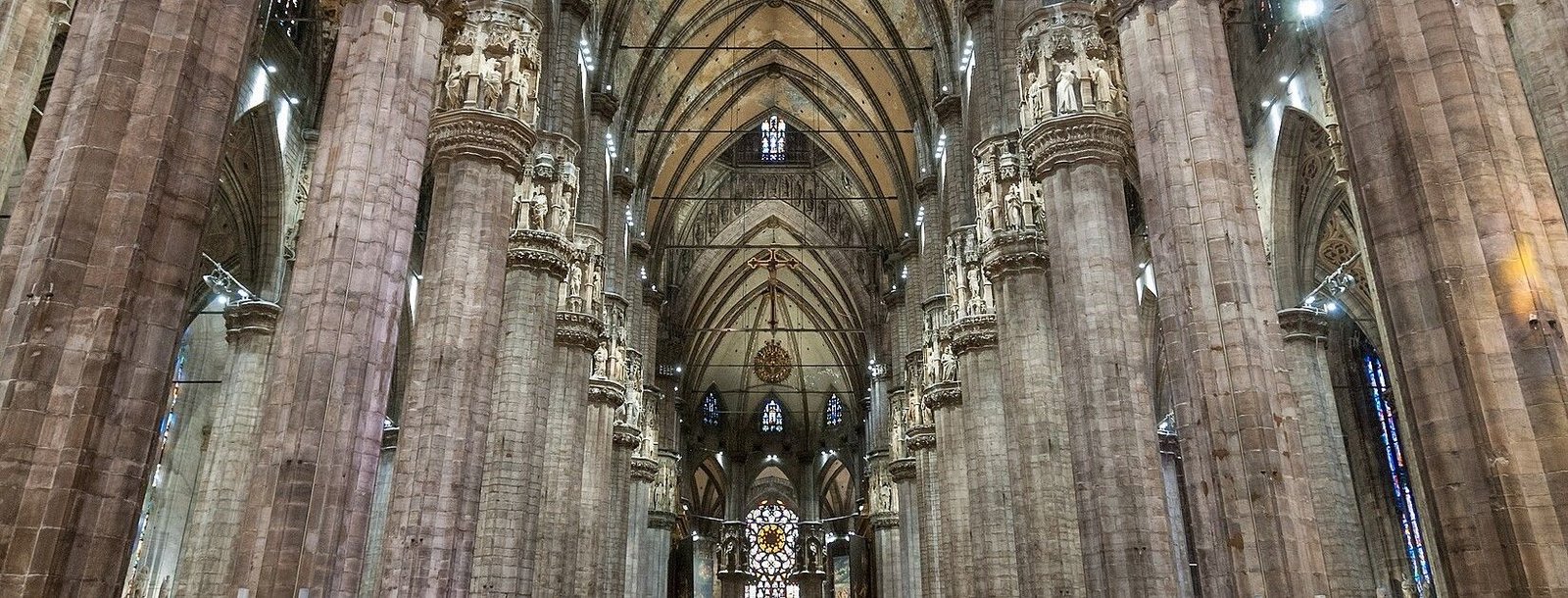
    Milano, Duomo, navata centrale

    Milan Cathedral: Tours, Tickets and Useful Info

    Quick Guide and Experiences


    Milan Cathedral is one of the most iconic symbols of the city and one of the most extraordinary Gothic cathedrals in Europe. Located in the heart of Milan, this historic monument offers visitors unique experiences of art, architecture, and spirituality.


    Milan Cathedral: The Duomo is Milan’s quintessential Gothic monument. Located in Piazza del Duomo, it allows visitors to admire spectacular stained glass windows, spires, and statues that tell centuries of art and history, offering a unique experience for enthusiasts of architecture, history, and culture.

    Panoramic terraces: The visit includes access to the terraces, where you can walk among the spires and statues and enjoy breathtaking views of the city and, on clear days, the Alps. Guided paths and informative panels help visitors discover architectural details and curiosities about the cathedral’s decorations.

    Themed tours and exhibitions: The Duomo hosts temporary exhibitions and themed tours that explore the history of its construction, works of art, and secrets within, such as the crypt and the Duomo Museum area. These tours make the visit educational and fascinating for adults and children alike.

    Piazza del Duomo and surroundings: The cathedral is located in the heart of the city, surrounded by squares, historic shops, and iconic sites like the Galleria Vittorio Emanuele II. Walking around allows visitors to experience Milan’s vibrant atmosphere and complement the visit with cultural and gastronomic experiences.

    An unmissable experience: From exploring the naves, climbing the terraces, and discovering exhibitions and historical secrets, Milan Cathedral represents a must-see destination for those seeking an immersive, cultural, and exciting experience in the heart of one of Europe’s most dynamic cities.


    Discover the most popular experiences at Milan Cathedral to make the most of one of the city’s most iconic attractions, combining art, history, and breathtaking views.

    Powered by GetYourGuide

    Powered by GetYourGuide

    Duration of the visit: A visit to the Duomo of Milan generally takes between 1.5 and 3 hours, depending on the chosen route and the areas visited (inside the cathedral, terraces, museum, and rooftops).

    Accessibility: The Duomo is accessible to visitors with disabilities, with ramps and elevators allowing access to most areas. Some paths, such as terraces or archaeological zones, may have limitations, so it is recommended to check for any restrictions in advance.

    Temperature and clothing: The cathedral is covered and partially air-conditioned. Comfortable shoes are recommended for a pleasant visit, especially if you plan to climb the terraces or walk on the rooftops.

    Available services: Inside and around the Duomo, you will find restrooms, refreshment areas, information points, and souvenir shops. Nearby the square there are also cafés, restaurants, and spaces for guided tours or cultural events.

    Opening hours, tickets, and reservations: Opening hours may vary depending on the season, holidays, or religious events. Always check the updated hours on the official website of the Duomo of Milan. To visit without waiting and to book special experiences (tickets with terrace access, guided tours, or combinations with the museum and rooftops), it is recommended to purchase tickets online via dedicated platforms (see above Selected Experiences).

    Recommended visiting times: The best times to visit the Duomo are early in the morning or late in the afternoon, when visitor flows are lower, allowing a more relaxed visit and the possibility to take photos without crowds.

    Photography: The Duomo offers spectacular scenes both inside, with the naves and stained-glass windows, and outside on the terraces, where you can admire the city of Milan and, on clear days, the Alps. The main paths are well lit and the terraces provide perfect spots for memorable photos.


    Powered by GetYourGuide

    On foot: The Duomo of Milan is located in the heart of the city and is easily reachable on foot from the main squares and streets of the city center. Walking through the pedestrian streets of the historic center allows you to enjoy the lively atmosphere of Milan and admire the surrounding architecture.

    By car: The Duomo can be reached via the main access roads to central Milan. Paid parking is available nearby, such as Parking Duomo, Palazzo Reale Parking, and underground parking in the surrounding streets. During busy periods, especially on weekends and during events, it is recommended to arrive early or use alternative transportation.

    By metro: The cathedral is served by the M1 (red) and M3 (yellow) lines, with the “Duomo” stop located directly under Piazza del Duomo. This is the fastest and most convenient way to reach the cathedral while avoiding city center traffic.

    By bus and tram: Several urban lines connect Milan city center with Piazza del Duomo. Main stops include “Duomo M1/M3” and “Piazza del Duomo”. Tickets can be purchased at authorized sales points, online, or via apps dedicated to urban transport.

    Parking: Paid parking is available near the Duomo, such as Parking Duomo, Palazzo Reale Parking, and other underground facilities. During high-traffic periods, it is recommended to book in advance or use public transport to reach the cathedral more comfortably and quickly.


  • Experiences in Genoa: Tours, Tickets and Useful Info

    Experiences in Genoa: Tours, Tickets and Useful Info

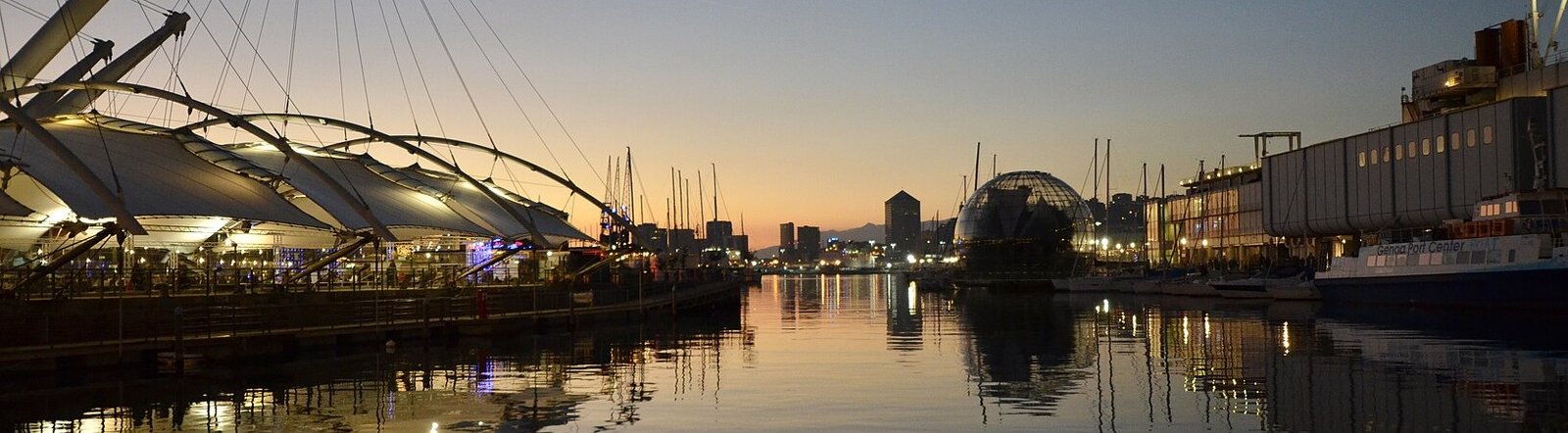
    Veduta dall'Arena del Mare del Porto Antico di Genova

    Experiences in Genoa: Tours, Tickets and Useful Info

    Quick Guide to Activities


    Discovering Genoa means immersing yourself in a city where history, sea, and culture intertwine in a unique setting. This page guides you through the best experiences offered by tour operators, organized into three main sections: Historic Center, the beating heart of the city; Aquarium and Porto Antico, where the beauty of the sea meets history and educational fun; Excursions and Cruises, to explore Liguria from a different perspective, through boat trips, nature tours, and breathtaking panoramas.


    In the heart of Genoa you’ll find some of the most interesting experiences in the historic center, among narrow alleyways, historic squares, and noble palaces that tell centuries of history and tradition. Below is a selection of the best activities to explore Genoa at a slow pace, immersing yourself in its culture, charming corners, and unique curiosities.

    Powered by GetYourGuide

    Powered by GetYourGuide

    The Genoa Aquarium is one of Italy’s most iconic attractions and an unmissable experience for anyone visiting the city. Located in the Old Port area, it offers an exciting journey through marine habitats, tropical environments, and rare species from around the world. Below you’ll find a selection of the best activities related to the Aquarium and nearby attractions, perfect for enjoying a full day of discovery and fun.

    • Genoa Aquarium: timed-entry ticket – The simplest and most convenient way to visit the famous Aquarium. Choose your preferred time slot and access the exhibition path directly, avoiding long waits.
    • Genoa Aquarium: entry ticket and lunch – A perfect experience for those who want a worry-free visit: includes the entrance ticket and a full lunch in one of the partner restaurants in the Old Port area.
    • Genoa: Biosphere admission ticket – Located next to the Aquarium, the Biosphere is a scenic glass-and-steel structure designed by Renzo Piano. Inside, you can explore a fascinating tropical microcosm with butterflies, exotic plants, and small animals. A perfect combination with your Aquarium visit.

    Powered by GetYourGuide

    Genoa is one of the most fascinating departure points in Italy for exploring the Ligurian coast by sea. The boat excursions from Genoa allow you to discover iconic destinations such as Portofino, Camogli, San Fruttuoso, and even the Cinque Terre, with panoramic cruises, nature tours, and full-day trips ideal for experiencing the beauty of Liguria. Below you’ll find a selection of the best sea activities designed to let you enjoy the very best of the gulf and its most beloved towns.


    Powered by GetYourGuide

    Visit duration: Activities in Genoa range from 1.5 to 4 hours for Porto Antico, the Aquarium, and nearby museums (Biosfera, Galata, Submarine, FantaCinema, Città dei Bambini). Walking tours in the historic center last 2–3 hours, while panoramic tours with funicular or Hop-on Hop-off buses last about 1.5–2 hours. Boat trips to Portofino, Camogli, San Fruttuoso, and the Cinque Terre can take half a day to a full day; whale watching lasts about 4–5 hours.

    Accessibility: Porto Antico, the Aquarium, Galata, and Biosfera are fully accessible. In the historic center, some sections have uneven paving, but tours are generally suitable for everyone. Panoramic tours are easy to enjoy. Boat excursions are usually accessible, although boarding may involve small steps: check according to the chosen tour.

    Temperature and clothing: In summer, light clothing, a hat, and water are recommended; indoors, a light layer is useful. On a boat it can be windy: bring a sweatshirt or windbreaker. In winter, dress in layers and wear comfortable shoes for the historic center.

    Available services: Porto Antico offers full services: bars, restaurants, restrooms, shops, and relaxation areas. The Aquarium and museums are also well-equipped. Boarding points are easily reachable. Booking is recommended, especially on weekends and during peak season.

    Hours, prices, and reservations: Major attractions require timed-entry tickets. Boat trips should be booked in advance during high season. Combo tickets (Aquarium + museums or Lanterna) offer good savings.

    Recommended time slots: Early morning or late afternoon for the Aquarium and Porto Antico. Historic center tours preferably in the morning. Boat trips are best in the morning, while sunset cruises offer spectacular views. Whale watching is ideal around midday.

    Photography: Porto Antico, the Aquarium, Bigo, Biosfera, and Lanterna offer excellent photo spots. The historic center is perfect for evocative shots. Boat excursions provide unique views of Portofino, San Fruttuoso, Camogli, and Cinque Terre; during whale watching, you can photograph dolphins and whales while respecting safety rules.


  • Aquarium of Genoa: Tickets and Useful Info

    Aquarium of Genoa: Tickets and Useful Info

    Genova, Porto antico, acquario e biosfera

    Aquarium of Genoa: Tickets and Useful Info

    Quick Guide and Experiences


    Genoa Aquarium is one of Italy’s most famous attractions and the largest aquarium in the country, located in the charming Porto Antico of Genoa. It is a place where marine life, biodiversity and educational fun come together, offering unique experiences with fish, marine mammals and interactive paths for the whole family.


    Genoa Aquarium: The Genoa Aquarium is one of the most important marine centers in Europe. Located in the heart of the Old Port, it allows visitors to explore over 70 tanks with hundreds of species, from dolphins to sharks, seahorses to penguins, offering a unique immersive experience for adults and children.

    Themed paths and exhibitions: The aquarium is organized into thematic routes that guide visitors through different ecosystems, from coral reefs to cold seas, tropical rivers to lagoons. Temporary exhibitions and interactive workshops make the visit educational and fun, revealing curiosities and secrets of the marine world.

    Animal experiences: Beyond the standard visit, the Aquarium offers special experiences such as close encounters with dolphins, guided feedings, and behind-the-scenes tours to learn more about the animals’ lives, habits, and marine species conservation.

    The Old Port and surroundings: The Aquarium is located within the charming Old Port of Genoa, where you can stroll along the docks, admire historic boats, and visit nearby attractions such as the Biosphere and the Galata Maritime Museum. The mix of urban and maritime atmosphere makes the visit even more fascinating.

    An experience not to be missed: Between exploring different marine ecosystems, meeting the animals, and walking through the Old Port, the Genoa Aquarium is a must-see for anyone looking to enjoy an educational, exciting, and immersive experience in one of the most captivating cities of the Mediterranean.


    Discover the most popular experiences dedicated to the Genoa Aquarium and the Old Port to enjoy one of the city’s most iconic attractions at its best, among marine life, history and educational fun.

    Powered by GetYourGuide

    Powered by GetYourGuide

    Visit duration: A visit to the Genoa Aquarium generally takes between 2 and 4 hours, depending on the chosen route and the number of exhibits and tanks you want to explore. If you wish to include additional experiences such as lunch or combined visits with other attractions in the Porto Antico, it is advisable to plan for half a day.

    Accessibility: The Genoa Aquarium is fully accessible to visitors with disabilities. All indoor routes are flat and barrier-free, and all services and dining areas are equipped to welcome everyone. Combined experiences with cruises or other museums may have different accessibility features, so checking in advance is recommended.

    Temperature and clothing: The Aquarium is indoors and climate-controlled, so it is not affected by external weather conditions. Comfortable shoes are recommended to walk among the tanks and explore the entire structure without getting tired.

    Available services: Inside the Aquarium you will find bars, dining areas, relaxation zones and souvenir shops. Visitors can also use restrooms, children’s areas and information points to deepen their knowledge of marine species.

    Opening times, prices and tickets: Opening hours may vary depending on the season, holidays or special events. Always check the updated schedule on the official website of the Genoa Aquarium. To visit without waiting and to book special experiences (timed tickets, entrance with lunch or combined packages), it is best to purchase tickets online through dedicated platforms (see above Selected experiences).

    Recommended time slots: The best times to visit the Aquarium are early in the morning or late in the afternoon, when visitor flow is lower, allowing a more peaceful visit and better opportunities for photos without crowds.

    Photography: The Aquarium offers many evocative settings, from shark and dolphin tanks to thematic exhibits featuring seas from all over the world. The main paths are well lit, while some indoor tanks provide unique scenic effects, perfect for memorable photos.


    Powered by GetYourGuide

    On foot: The Genoa Aquarium is located in the heart of the Porto Antico and is easily reachable on foot from the historic center, from Piazza De Ferrari or Via Garibaldi in about 10–15 minutes. Walking along the waterfront and pedestrian areas allows you to enjoy views of the docks, boats and historic architecture.

    By car: The Aquarium can be reached via the main access roads to the Porto Antico. Paid parking areas such as Porto Antico Parking and Galata Parking are available nearby. During peak periods, especially weekends and summer, it is advisable to arrive early or consider alternative transport solutions.

    By bus: Several urban bus lines connect Genoa’s city center with the Porto Antico. The main stops are “Porto Antico / Acquario” and “Galata Museo del Mare”. Tickets can be purchased at authorized retailers, online or directly on board using the appropriate validators.

    By train: Genova Piazza Principe station is just a few minutes from the Porto Antico. You can reach the Aquarium on foot in about 15 minutes, or take a city bus connecting the station to the Porto Antico. You can book your train directly on Trenitalia.

    Parking: Paid parking options are available near the Aquarium, including Porto Antico Parking, Galata Parking and nearby public parking areas. During peak periods, it is recommended to book in advance or use public transportation for a more convenient and faster visit.


  • Experiences in Trieste: Tours, Tickets and Useful Info

    Experiences in Trieste: Tours, Tickets and Useful Info

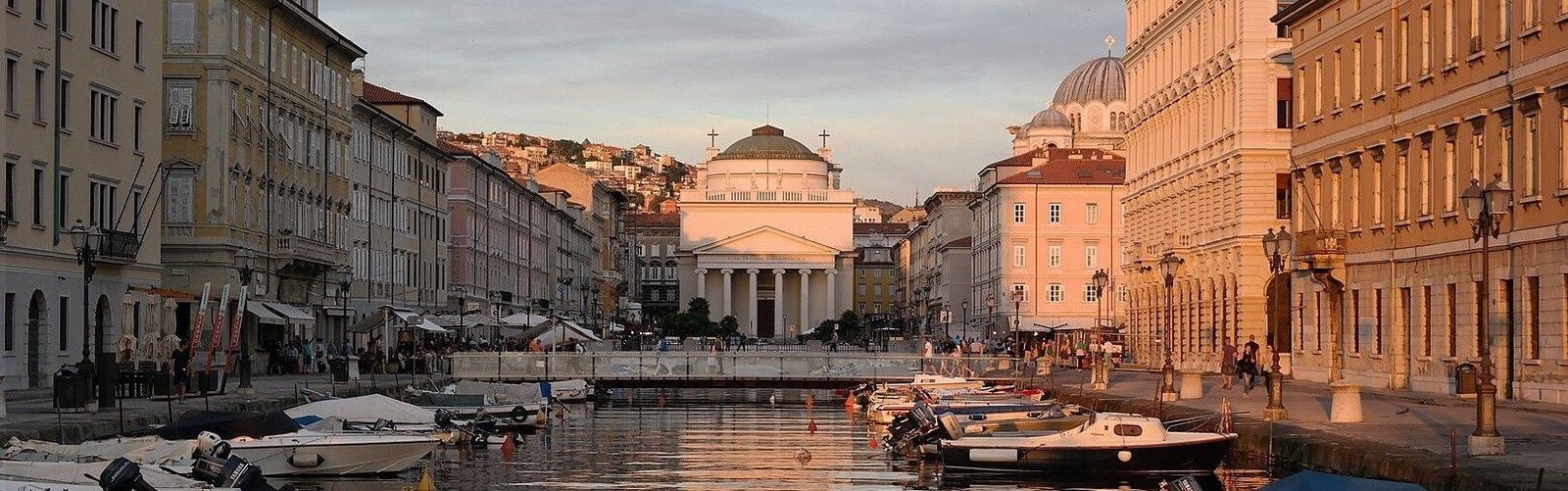
    Il canale visto dal lato mare verso la chiesa di Sant’Antonio

    Experiences in Trieste: Tours, Tickets and Useful Info

    Quick Guide to Activities


    Discovering Trieste means diving into a city where the charm of the sea blends with Central European history and Mediterranean culture. On this page, you will find our selection of experiences divided into two main areas: Historic Center of Trieste and Excursions in Slovenia. Each activity has been carefully selected to help you experience Trieste in all its essence.

    Vedi anche


    In the heart of Trieste, you’ll find some of the most fascinating experiences of the historic center, among the grandeur of its monuments and the cosmopolitan atmosphere that defines the city. Below, you’ll find a selection of the best activities to explore Trieste at a leisurely pace, immersing yourself in its history and culture, with panoramic views and centuries-old traditions.

    • Trieste: city tour by bus with audio guide – A perfect option for those looking for a comprehensive introduction to the city. The bus tour, accompanied by an audio guide, will allow you to discover the main attractions without tiring, while listening to the history of Trieste.🏆 Top Reviews
    • Trieste: private 2.5-hour walking tour with local guide – An ideal experience for those who prefer to explore the city on foot, with an expert guide leading you through its most charming spots, sharing the history and culture of Trieste.
    • Trieste: private walking tour of the Habsburg history – A tour that will bring Trieste’s Habsburg past back to life, exploring the traces left by Austrian rule, with a guide who will delve into historical curiosities and the iconic buildings of that era.
    • Trieste: panoramic tour of the city and Miramare Castle – An unmissable opportunity for those who want to see Trieste from a unique perspective. This panoramic tour will take you to Miramare Castle, offering spectacular views of the city and its gulf.

    Powered by GetYourGuide

    The excursions from Trieste to Slovenia offer the opportunity to discover spectacular and enchanting places just a short distance from the city. From fascinating capitals like Ljubljana to natural wonders such as Lake Bled and the Postojna Caves, these experiences will allow you to explore the beauty and history of Slovenia in one day. Here is a selection of the best excursions:

    • From Trieste: Ljubljana and Lake Bled by bus
      A perfect excursion for those who want to discover two of Slovenia’s main attractions in one day. Visit the capital Ljubljana and the picturesque Lake Bled, with its famous castle overlooking the lake.
    • Postojna Caves and Predjama Castle: tour from Trieste
      A journey through the history and nature of Slovenia, visiting the spectacular Postojna Caves and the Predjama Castle, built into the rock. This excursion will take you to discover the underground and medieval wonders of the region.
    • Lake Bled and Ljubljana: tour from Trieste
      An ideal option for those who want to discover two of Slovenia’s most iconic places. This excursion combines the natural beauty of Lake Bled with the history and charm of Ljubljana.
    • Piran and the Slovenian coast: tour from Trieste
      Discover Piran, one of Slovenia’s most beautiful coastal cities, and explore its fascinating medieval architecture and Adriatic coastline. This panoramic tour will offer breathtaking views and the opportunity to immerse yourself in Slovenian culture and landscapes.

    Powered by GetYourGuide

    Visit Duration: The duration of each tour varies depending on the chosen activity. Walking tours of the city, such as the 2.5-hour private tour or the Habsburg history tour, typically take about 2-3 hours. Panoramic tours, including the Miramare Castle, may last a bit longer, up to 4 hours, while the city bus tour with an audio guide generally lasts about 1.5 hours. Excursions from Trieste, such as to Lake Bled or the Postojna Caves, can last a full day, depending on the itinerary.

    Accessibility: Most tours in Trieste, including walking tours, are accessible to people with reduced mobility, although some historic areas may have uneven pavements. The tour of Miramare Castle involves walking that may be more challenging, so wearing comfortable shoes is recommended. The excursions in Slovenia are generally accessible, but some areas, such as the Postojna Caves, may require some mobility in narrow spaces or light hiking.

    Weather and Clothing: Trieste has a Mediterranean climate, with hot, dry summers and mild winters. During the summer months, temperatures can exceed 30°C, so lightweight clothing, a hat, sunglasses, and water are recommended. In the cooler months, it is best to dress in layers and wear comfortable shoes for walking. Excursions in Slovenia, especially those to Lake Bled and the Postojna Caves, can be cooler even in the summer, so it is advised to bring a light jacket or coat.

    Powered by GetYourGuide

    Available Services: Excursions, such as to the Postojna Caves, are equipped with modern facilities, including restrooms and refreshment areas. For most excursions, it is recommended to book in advance, especially during high season.

    Timings, Prices, and Bookings: During high season, it is advisable to book at least one week in advance, especially for the most popular tours, such as the one to Miramare Castle or the Postojna Caves. For bus tours from Trieste to Ljubljana or Bled, prices may include transport and guided visits, so always check what is included in the price.

    Recommended Time Slots: To avoid the hottest hours and peak crowds, it is preferable to book city tours and panoramic tours in the early morning or late afternoon. The Postojna Caves tours are particularly atmospheric in the morning when the stalactite and stalagmite formations are less crowded. If you wish to take photos, the late afternoon offers ideal lighting, especially for views of Miramare Castle and the historic center of Trieste.

    Photography: Trieste and its excursions offer many photographic opportunities, especially for sea views and historic structures. Miramare Castle is particularly photogenic at sunset, while the historic center of Trieste is perfect for atmospheric photos along the picturesque streets. For excursions in Slovenia, Lake Bled is one of the most iconic spots to capture, especially from the castle overlooking the lake. Remember that in some attractions, like the Postojna Caves, photography is allowed only without a flash to avoid damaging the natural formations.


    🔐 Some images on this page are used under Creative Commons license:
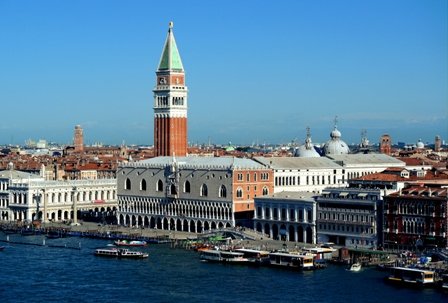
    View of the Grand Canal from Rialto to Ca’Foscari – By Didier Descouens – Own work, CC BY-SA 4.0, Link
    Trieste – Canal Grande at sunset – By Luca Aless, CC BY-SA 4.0, Link Wikimedia Commons
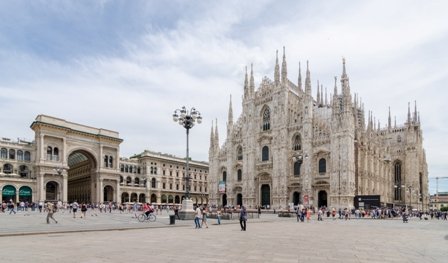
    Milan, Duomo with Milan Cathedral and Galleria Vittorio Emanuele II, 2016 – By © Steffen Schmitz (Carschten) / Wikimedia Commons / CC BY-SA 4.0, Link
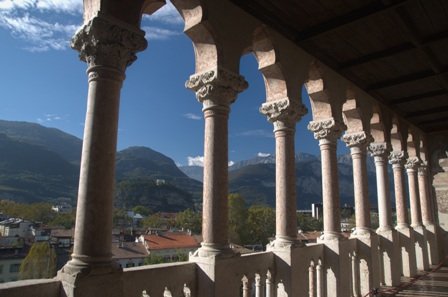
    Trento, Castello del Buonconsiglio Panorama – By Paolo Villa – Own work, CC BY 4.0, Link