
Guide to Palermo: what to see, do, eat
Travel Guide to the Best of the City


Palermo is the fascinating capital of Sicily, where ancient history, Arab-Norman architecture, lively markets, and rich culinary traditions come together between the historic center and the sea, in an authentically Mediterranean atmosphere.
📌 For a more complete overview of certain items, click on the links to detailed pages +🔗
Must-see
Overview
📌 A large part of the references covered in this Overview section and in the Practical Info section, are summarized in the Orientation Table 📊 with further details on Wikipedia 🌐 and Google Maps ➡️ where available.
Welcome to Palermo, a place where East and West blend together, offering visitors a unique experience. Its streets, bustling markets, and historic monuments tell a story of encounters and cultural exchanges, making this city one of the most fascinating destinations in the Mediterranean.
GEOGRAPHY
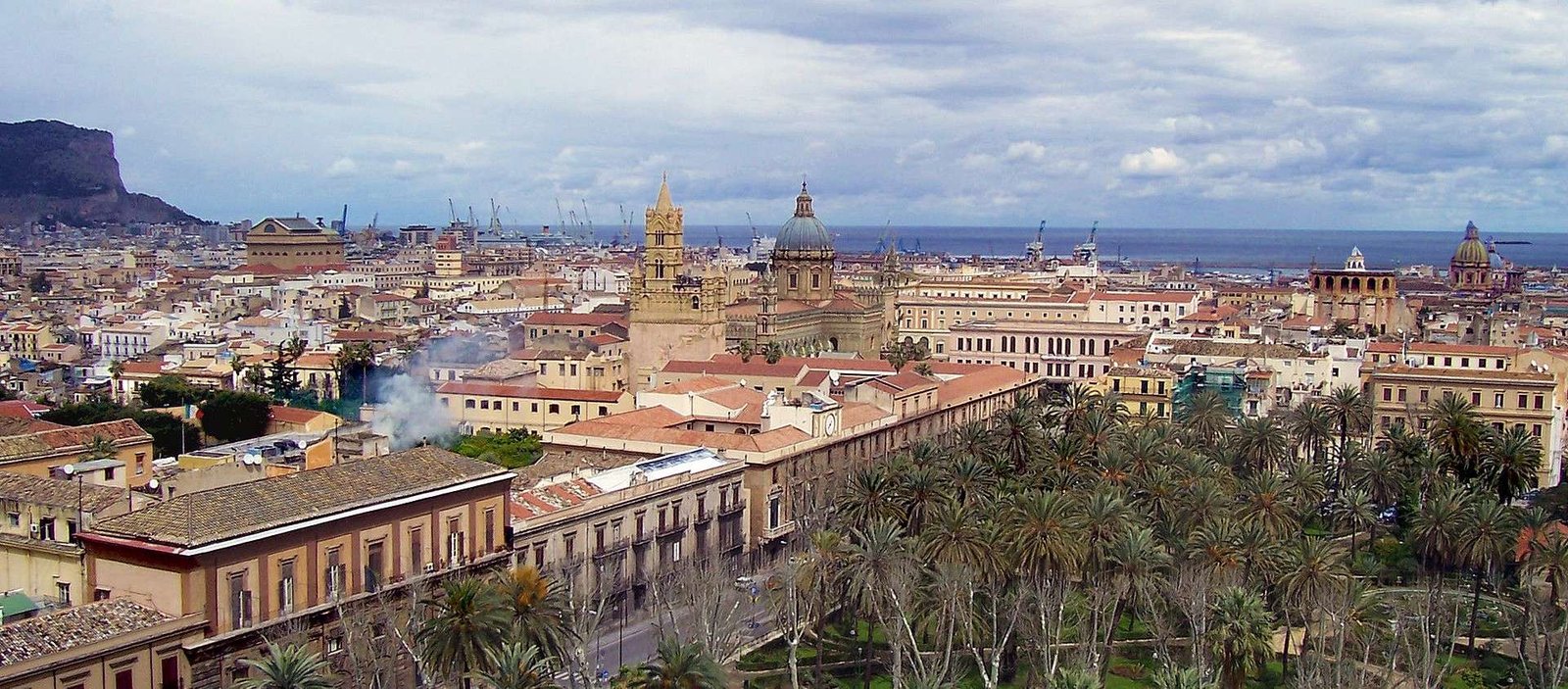
Palermo is located in the northwestern part of Sicily, overlooking the Tyrrhenian Sea and framed by the striking natural scenery of Monte Pellegrino and Monte Catalfano, in a strategic position between the sea, hills, and coastal plains.
The city mainly develops along the coastline, but its territory extends inland through a diverse landscape that alternates between urban areas, rolling hills, and some of the most scenic stretches of coastline in the Mediterranean.
A satellite view of the area clearly highlights the main geographical directions surrounding Palermo:
- North: the territory stretches along the Tyrrhenian coast toward the seaside and tourist destinations of Isola delle Femmine and Capaci, eventually connecting with Falcone and Borsellino International Airport.
- North-West: coastal stretches and natural areas extend toward Trapani and the Riserva dello Zingaro, among the most important scenic areas of western Sicily.
- West: the landscape alternates between coastline and agricultural areas that extend into the countryside around Palermo, characterized by Mediterranean crops and small rural villages.
- South: the territory opens toward the inland Sicilian plain in the direction of Agrigento, crossing agricultural areas and rolling hills typical of the island’s interior.
- South-East: transport routes lead toward the eastern coast and central Sicily, with connections heading to Caltanissetta and Enna.
- East: the city connects along the Tyrrhenian coast toward Messina, passing through scenic coastal stretches and expanding urban areas.
Palermo is one of the main transport hubs of western Sicily and maintains strategic connections with the island’s other major cities, including Catania, Messina, and Trapani, as well as maritime and air links that make it a key gateway to the Mediterranean.
Expand OVERVIEW ⬇️
HISTORY
Palermo is one of the oldest cities in the Mediterranean, with a history spanning millennia of different dominations and cultures, from prehistoric peoples to the Phoenicians, from the Romans to the Arabs, from the Normans to the Spaniards, ultimately becoming a major cultural capital of contemporary Sicily.
- Ancient origins: the area of Palermo has been inhabited since prehistoric times, but it was the Phoenicians who founded the first true urban settlement, known as “Ziz”, thanks to its strategic position along Mediterranean trade routes.
- Roman period: after the First Punic War, Palermo came under Roman control, maintaining an important role in the maritime and agricultural economy of western Sicily, although it never became one of the island’s main imperial cities.
- Arab rule: between the 9th and 11th centuries, Palermo experienced one of its most prosperous periods, becoming the capital of the Emirate of Sicily and developing into a wealthy, cultured, and advanced city, with significant progress in agriculture, architecture, and science.
- Norman period: following the Norman conquest in the 11th century, Palermo became the capital of the Kingdom of Sicily under Roger II, experiencing an extraordinary fusion of Arab, Latin, and Byzantine cultures that still defines much of its artistic heritage today.
- Modern era: under Swabian, Angevin, and especially Spanish rule, Palermo remained an important administrative and cultural center of the Mediterranean, enriched by Baroque palaces, churches, and urban infrastructure.
- Contemporary era: following the Unification of Italy and subsequent urban development, Palermo became one of the leading cities of southern Italy and today stands as a cultural, tourist, and symbolic center of Sicily, with a remarkable historical heritage and vibrant urban life.
MAIN ATTRACTIONS
Architecture and Monuments – Palermo boasts an extraordinary architectural heritage, shaped by centuries of different dominations that left Arab, Norman, Baroque, and Art Nouveau influences. Here is an overview of the city’s most significant monuments:
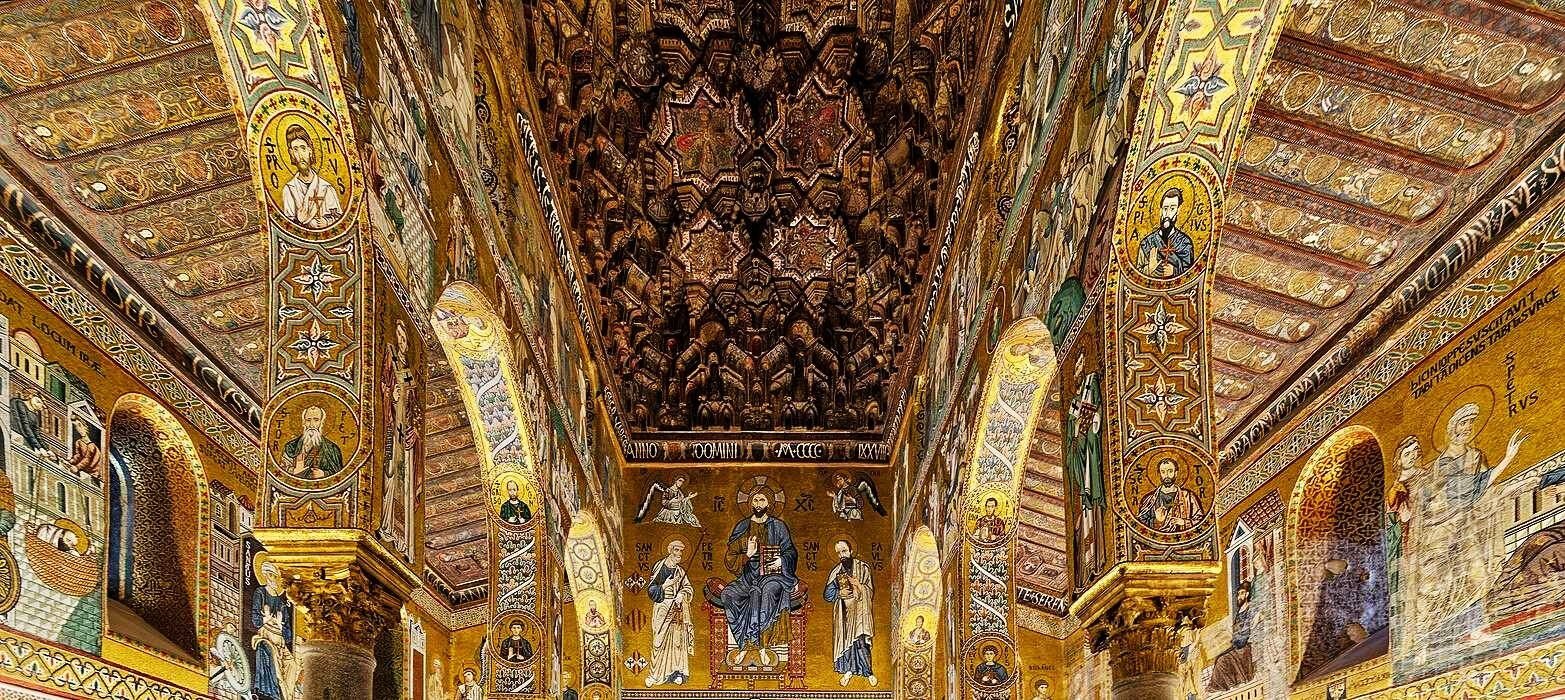
- Palazzo dei Normanni e Cappella Palatina: One of Sicily’s most important historical complexes, it was the residence of the Norman rulers and represents an absolute masterpiece of the fusion of Arab, Byzantine, and Norman art.
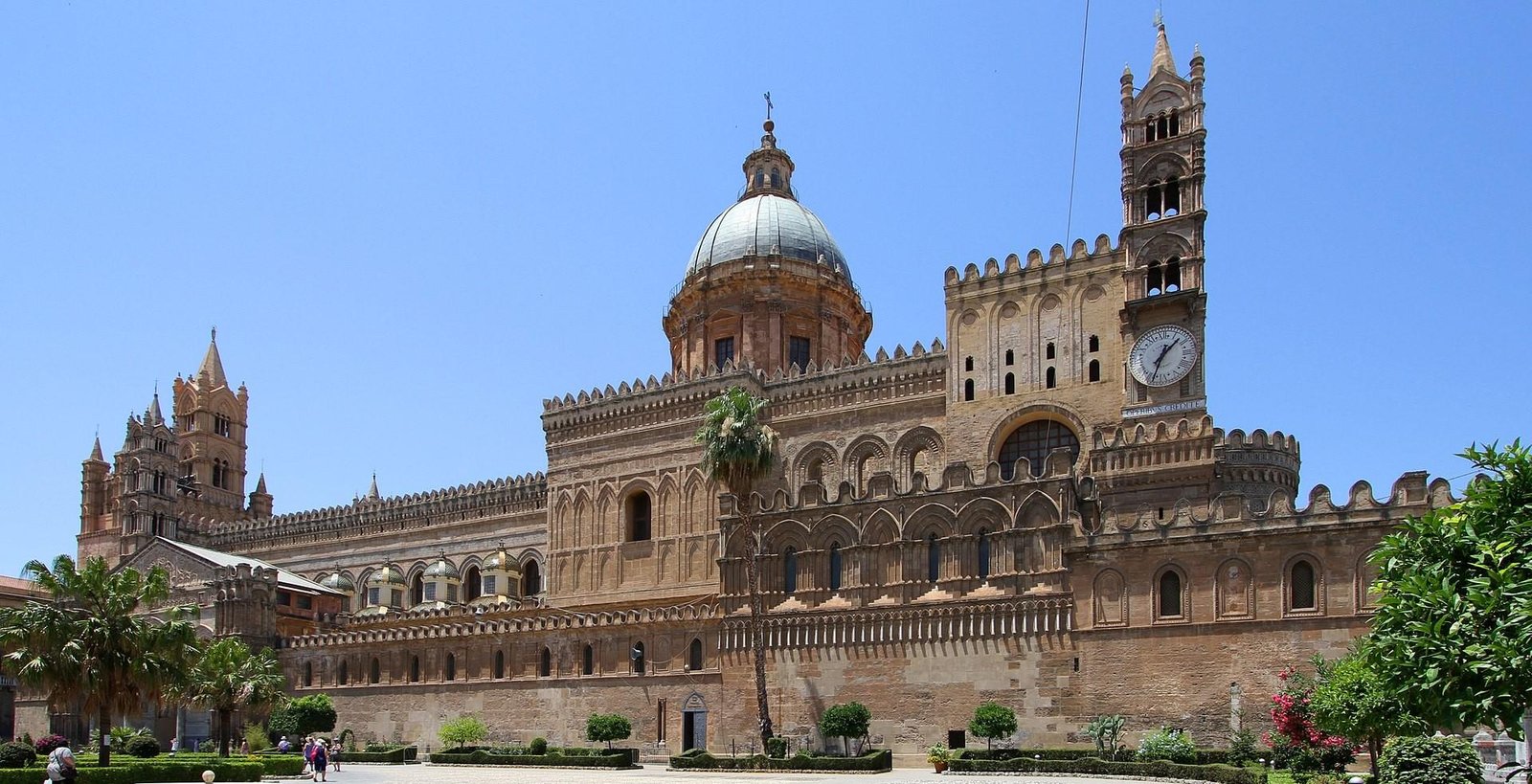
- Cattedrale di Palermo: Imposing and layered with history, the cathedral embodies centuries of architectural transformations, from its Norman origins to Gothic, Baroque, and Neoclassical additions.
- Teatro Massimo: One of the largest opera houses in Europe, renowned for its perfect acoustics and magnificent architecture overlooking Piazza Verdi.
- Quattro Canti: A Baroque crossroads in the heart of the historic center, it is one of the city’s most scenic landmarks and a symbol of Palermo’s seventeenth-century urban planning.
Visiting these monuments means journeying through the history of Palermo and understanding the extraordinary cultural layers that make the city unique within Europe.
Art and Culture – Palermo offers an exceptionally rich cultural and museum heritage, ranging from archaeology to contemporary art, including historical collections and testimonies of Sicilian aristocratic life.
- Museo Archeologico Regionale Antonio Salinas: One of the most important archaeological museums in Sicily, housing Phoenician, Greek, and Roman artifacts that tell the story of the island’s ancient past.
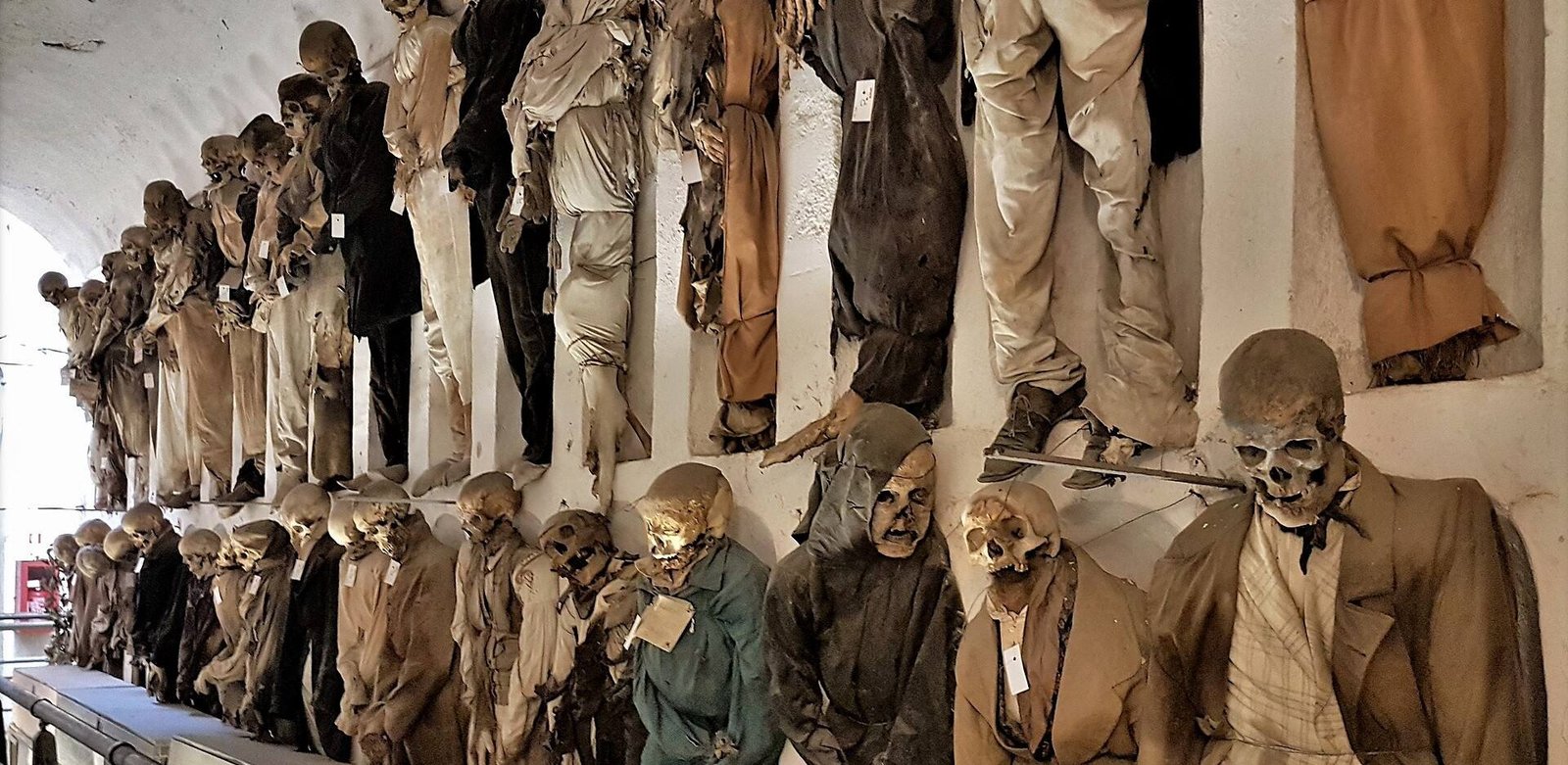
- Catacombe dei Cappuccini: One of the city’s most unique and evocative sites, the Catacombe dei Cappuccini contain hundreds of mummies and preserved remains dating from the 17th to the 19th century.
- Galleria Regionale della Sicilia (Palazzo Abatellis): Home to valuable medieval and Renaissance masterpieces, including the famous “Triumph of Death”.
Exploring these museums allows visitors to immerse themselves in Palermo’s cultural complexity, where Mediterranean influences, local traditions, and artistic masterpieces come together.
See also Experiences in Palermo: Tours, Tickets and Useful Info
PARKS AND NATURE
Although it is a large urban area, Palermo is surrounded by extraordinary natural landscapes, coastal reserves, and scenic environments that make the region unique for its environmental diversity and biodiversity:
- Area Capo Gallo – Isola delle Femmine: One of the most iconic natural reserves in the Palermo area, characterized by rocky coastlines, crystal-clear waters, and panoramic trails connecting Monte Gallo to the fishing village of Isola delle Femmine, offering some of the most spectacular scenery in western Sicily.
- Riserva Naturale Orientata Isola delle Femmine: A small but valuable protected area safeguarding a coastal islet of great environmental importance, rich in marine biodiversity and birdlife, and representing one of the main natural ecosystems of the Gulf of Palermo.
- Riserva Naturale Orientata Monte Pellegrino: One of Palermo’s natural landmarks, this mountain overlooks the city with its rocky cliffs, caves, and hiking trails, and is also home to the Santuario di Santa Rosalia, the city’s patron saint sanctuary.
- Riserva Naturale Grotta Conza: An area of naturalistic and geological interest, characterized by caves and rock formations that illustrate the evolution of Sicily’s karst landscape.
- Riserva Naturale Grotta della Molara: A site of great speleological and environmental interest, featuring underground cavities and rocky habitats that host endemic species and protected ecosystems.
SEA AND BEACHES
Palermo has a deep and constant relationship with the sea, expressed through a varied coastline made up of sandy beaches, natural bays, and scenic coastal stretches:
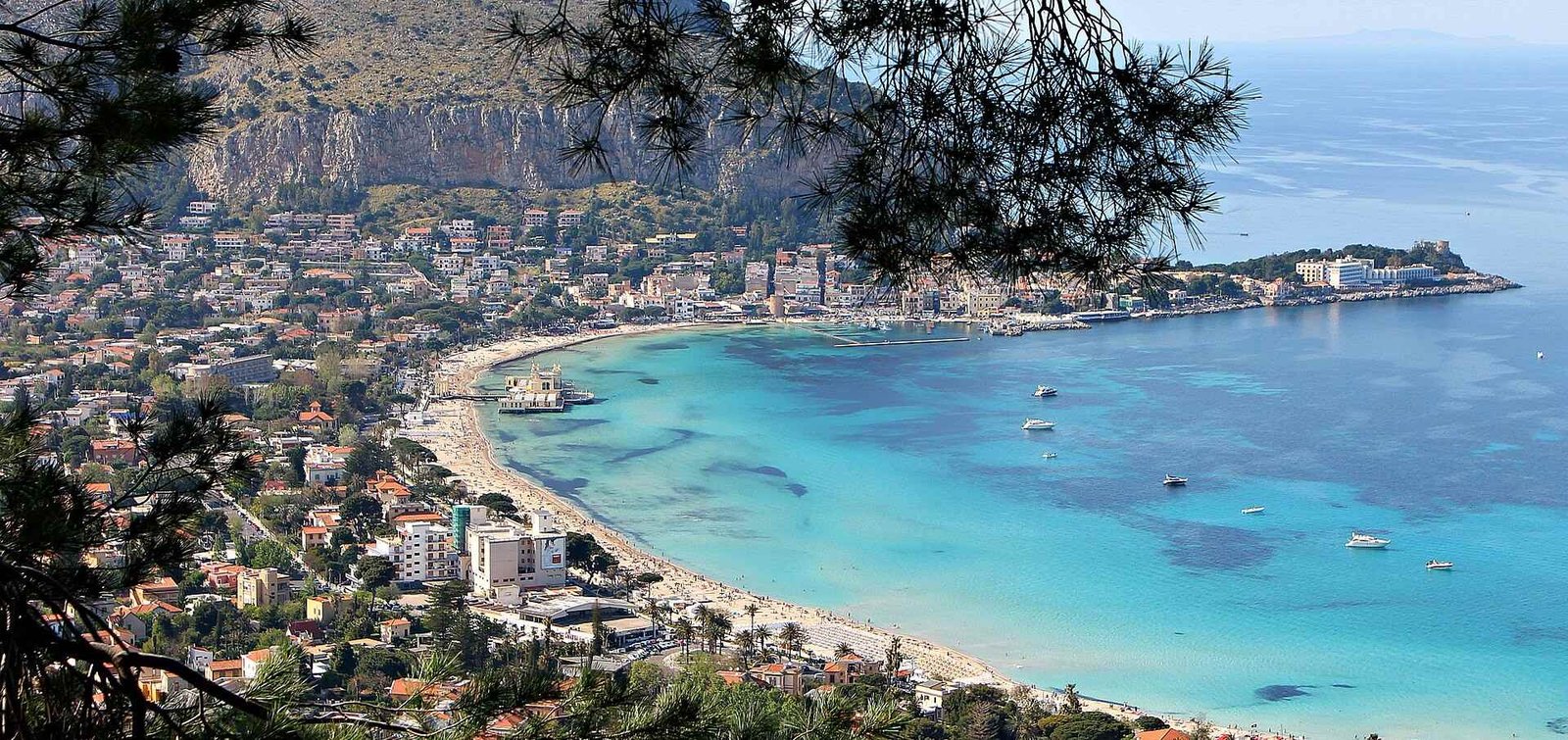
- Golfo di Palermo: A wide natural inlet embracing the city, characterized by panoramic sea views and a seafront promenade that represents one of the most iconic spots along the Palermo coastline.
- Spiaggia di Mondello: The city’s main beach, famous for its white sand and turquoise waters, is one of Sicily’s most beloved seaside destinations and a historic landmark of Palermo’s summer tourism.
- Isola delle Femmine: A coastal seaside area located a short distance from Palermo, featuring clear waters, seabeds ideal for snorkeling, and beaches and coastal stretches perfect for relaxation and summer activities.
EVENTS & CELEBRATIONS
Palermo is a city deeply connected to its religious, cultural, and popular traditions, with a calendar of events that reflects its Mediterranean identity and the strong involvement of the local community.
Throughout the year, historical celebrations, cultural festivals, and events alternate, bringing life to the historic center and the coastal areas.
- Holy Week in Palermo (March–April) – A series of rites and Holy Week processions, among the most evocative in Sicily, marked by strong popular participation and deep historical-religious significance.
- Festino di Santa Rosalia (14–15 July) – The most important celebration in the city, dedicated to Palermo’s patron saint. A spectacular event featuring processions, triumphal floats, and fireworks along the Foro Italico.
- Feast of the Immaculate Conception (8 December) – A highly cherished religious celebration with processions and traditional rites involving the entire city, especially the historic center.
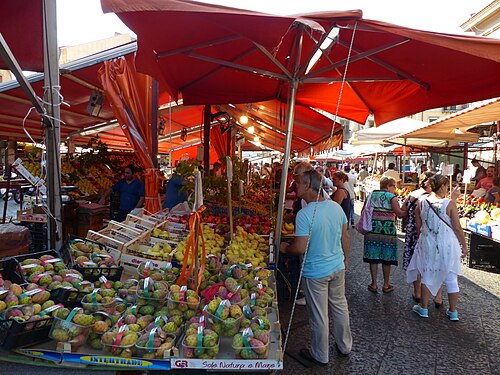
- Historic markets and folk festivals (year-round) – Events spread across historic markets such as Ballarò, Vucciria, and Capo, where culinary traditions and everyday life merge into an authentic experience.
📊 Orientation Table
If you want an immediate and practical overview of the city, the table below summarizes all the key points of the overview, to quickly get oriented and better organize your visit through our itineraries (see Itinerary Overview).
- Scroll the table down and to the right 📱🔄 Rotate your phone horizontally to get an overview of opening days, hours, prices of attractions, and for further details on Wikipedia 🌐 and Google Maps ➡️.
- ⚠️ Always check the opening days and hours of attractions through the Google Maps entries linked in the table. See also Itinerary Info.
- To see the explanation of each data column, click its title (e.g. Attractions Index, Ratings, Org, etc.) at the top of the table.
⏳ Caricamento tabella in corso…
📌 This table is updated every 6–12 months.
🛡️ The tables on Tourplan360.com are original content protected by copyright © and monitored through anti-plagiarism tracking systems.
Itinerary Overview
The must-see attractions selected in the table have been divided into the three routes summarized below, in order to quickly identify the one that best suits your needs, and then explore it in more detail in the itinerary and map pages.
PALERMO IN 1 DAY
If you only have one day to visit Palermo, this itinerary allows you to experience an intense journey through the main attractions of the Historic Center of Palermo and its extraordinary UNESCO sites.
PALERMO IN 3 DAYS
The three-day tour of Palermo allows you to explore the heart of the city and its beautiful seaside surroundings. The itinerary includes three days dedicated to the Historic Center, alternating visits to iconic monuments, markets, and cultural sites, as well as an optional route dedicated to beach relaxation at Mondello.
COMPLETE TOUR PART 1 AND 2
Palermo Complete Tour is a one-week itinerary divided into 2 parts and 11 routes across the West, East, and North areas of the city, ideal for exploring Palermo at a relaxed pace and in depth.
The tour includes walking routes through UNESCO sites, historic palaces, churches, museums, squares, and gardens, as well as two itineraries in the northern area to be done by car or public transport. The journey ends among the coastal attractions and beaches of Mondello, offering a perfect balance between culture, history, and relaxation.
Practical Info
WHEN TO GO
Palermo is a city that can be visited all year round thanks to its Mediterranean climate, which ensures mild winters and long, sunny summers.
- Spring (April–June): one of the best times to visit Palermo, with pleasant temperatures, sunny days, and particularly lush nature.
- Summer (July–August): a very hot and sunny season, perfect for combining city visits with the sea. Midday hours can be particularly humid and hot.
- Autumn (September–October): a highly favorable period thanks to still mild temperatures and lower tourist crowds.
- Winter (November–March): generally mild compared to the rest of Italy, with often sunny days and rarely cold temperatures.
GETTING THERE
Its strategic position on the Tyrrhenian Sea makes Palermo an easily accessible destination from all over Italy throughout the year:
- By air: Palermo is served by Palermo Falcone e Borsellino Airport, the main airport in western Sicily. The airport is connected to the city center by trains, buses, taxis, and car rental services, with numerous domestic and international flights throughout the year.
- By sea: the Port of Palermo is one of the most important in the Mediterranean and offers regular connections with several Italian cities, including Naples, Genoa, Livorno, and Cagliari. It is also a frequent stop for cruise ships and ferries from various destinations.
- By train: the city has important railway stations, including Palermo Centrale, with regional connections to major Sicilian towns and national routes that use the ferry train service across the Strait of Messina.
- By bus: numerous companies connect Palermo with the main cities of Sicily and various destinations across mainland Italy. Buses are a practical option for reaching both the urban center and tourist locations on the island.
- By car: Palermo is connected to the rest of Sicily via a network of highways and main roads, including the A19 toward Catania and the A29 toward Trapani and the airport. Driving allows easy access to the city and convenient exploration of nearby attractions.
✅ To search for or book a flight you can check Booking.com Flights.
✅ You can check routes, schedules, prices and buy train or bus tickets with Trainline.
✅ For car rentals you can refer to Booking.com Cars.
GETTING AROUND
The historic center of Palermo is one of the largest in Europe, and many of its attractions can be visited on foot, while buses, trams, and urban trains make it easier to reach the more peripheral districts.
- On foot: most of the main attractions are located within the historic center, making it ideal to explore by walking. Places such as the Palazzo dei Normanni and the Cathedral are easily reachable with short walks.
- Public transport: buses, trams, and suburban rail services connect the city center with different areas of Palermo. Public transport is a valid alternative to cars, especially in the busiest districts.
- ZTL and historic center: several central areas are subject to Limited Traffic Zones (ZTL), with regulated access during specific hours. Before entering the historic center by car, it is advisable to check current restrictions.
- Parking: public and private parking areas are available both near the center and in peripheral zones connected by public transport. The most practical solutions for visiting Palermo are indicated in the Table > Parking and Mobility.
See also Getting around Palermo: Info and Tips
USEFUL TIPS
To visit Palermo in the most comfortable and organized way possible, here are some practical tips that can help you save time and make the most of your travel experience.
- Hop-on Hop-off bus: a practical solution for visiting the city’s main attractions without worrying about transportation, with the option to get on and off freely at stops along the tourist route.
🏆 Palermo: 24-hour Hop-on Hop-off bus tour ticket. - Book the most popular attractions in advance: during peak seasons, it is advisable to book tickets for major monuments and cultural sites in advance to avoid long waiting times.
- Comfortable shoes: highly recommended for exploring the extensive historic center, which features many pedestrian areas with cobblestone streets.
- Water and sunscreen: especially useful in spring and summer, when temperatures can be high and much of the visit takes place outdoors.
- Dress code: when visiting churches, cathedrals, and places of worship, appropriate clothing is recommended, with shoulders and knees covered and respectful behavior.
WHAT TO EAT
Palermo cuisine is one of the most famous and representative expressions of Sicilian tradition, characterized by Arab, Norman, Spanish, and Mediterranean influences that have intertwined over the centuries.
Street food, seafood dishes, meat specialties, and traditional desserts make Palermo a must-visit destination for food lovers. Among the dishes and products not to miss, we highlight:
- Arancine: a symbol of Sicilian cuisine, these are breaded and fried rice balls, traditionally filled with ragù, butter, ham, or other typical ingredients.
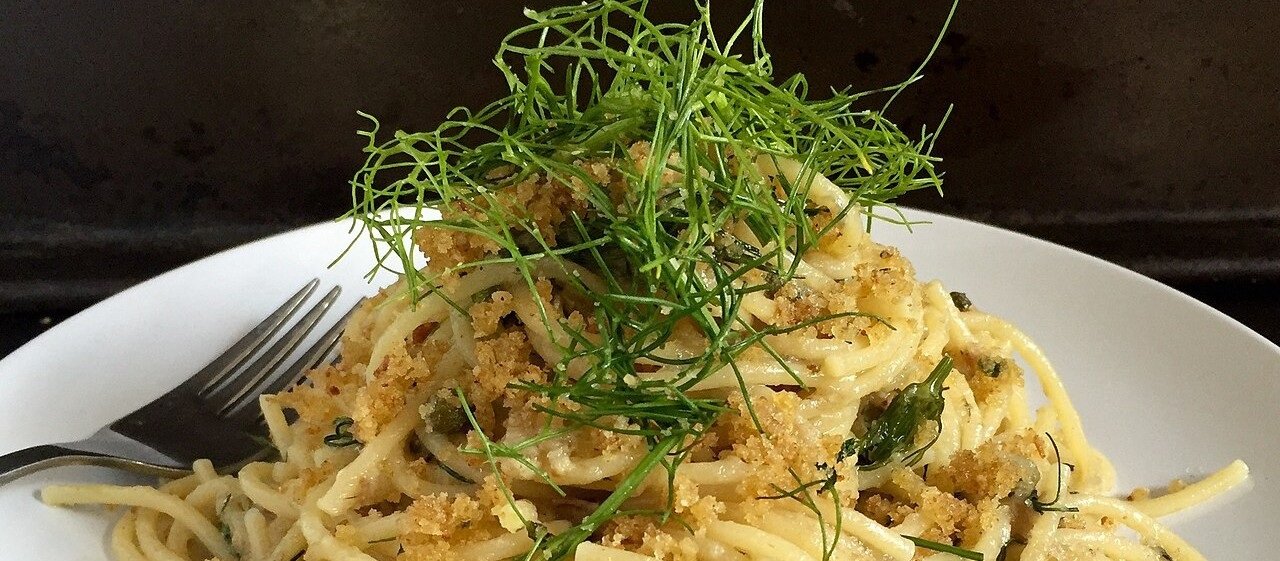
- Pasta con le sarde: a traditional Palermo pasta dish made with fresh sardines, wild fennel, pine nuts, raisins, and saffron.
- Stigghiola: a typical street food specialty made of grilled skewers of lamb or veal intestines cooked over charcoal.
- Cannolo siciliano: one of Italy’s most famous desserts, consisting of a crispy shell filled with sweet ricotta cream and often decorated with pistachios or candied citrus peel.
See also What to eat in Palermo
WHERE TO EAT
From historic trattorias and traditional osterias in the city center to high-quality restaurants, here are some particularly well-regarded places:
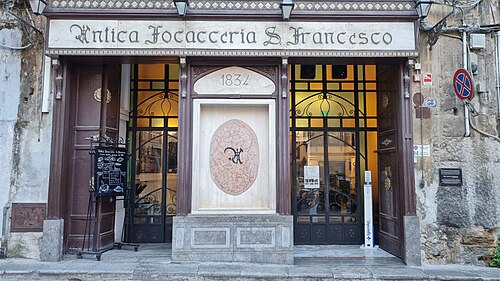
- Antica Focacceria San Francesco, one of the most famous historic venues in the city, renowned for traditional Palermo specialties and authentic Sicilian street food.
- Osteria Ballarò, an elegant restaurant in the heart of the historic center offering Sicilian dishes with a modern twist, using high-quality ingredients and a strong focus on seasonality.
- Buatta Cucina Popolana, a highly appreciated restaurant that enhances traditional Sicilian recipes through genuine and contemporary cuisine.
- Osteria dei Vespri, a refined restaurant located in the historic center, known for its modern interpretation of Sicilian cuisine and careful selection of ingredients.
See also Where to eat in Palermo
WHERE TO SLEEP
Palermo offers accommodation options for all needs, from historic hotels in the city center to holiday apartments, as well as properties located near the sea or in the more modern areas of the city.
Choosing the right area to stay is important to optimize travel time and fully enjoy the atmosphere of Sicily’s capital.

Here are some of the main areas to stay in Palermo, selected for their location, convenience, and atmosphere:
- Historic Center (Quattro Canti and Cathedral): the ideal choice for those who want to explore the city’s main attractions on foot, immersing themselves in Palermo’s authentic atmosphere among monuments, markets, and historic buildings.
- Politeama and Via Libertà: one of the most elegant and modern areas of the city, featuring hotels, shops, restaurants, and excellent connections to the rest of Palermo.
- Kalsa: a charming district close to the sea and many landmarks, ideal for those seeking a stay immersed in local history and culture.
- Central Station area: a practical solution for travelers arriving by train or frequently using public transport, with direct connections to many Sicilian destinations.
- Mondello: perfect for those looking for a beach holiday, thanks to its famous sandy beach and a more relaxed atmosphere compared to the city center.
See also Where to sleep in Palermo: Info and Tips
FAQ
Must-see highlights include Palermo Cathedral, the Norman Palace with the Palatine Chapel, the Regional Archaeological Museum, the Capuchin Catacombs, and the Teatro Massimo.
📌 Read more in the section Main Attractions.
Are there parks or green areas in Palermo?
Yes, among the most famous are the Capo Gallo Nature Reserve and the Monte Pellegrino Nature Reserve.
📌 Read more in the section Parks and Nature.
Is Palermo suitable for a short visit?
Yes, the historic center is very rich but can be explored with 1- or 3-day itineraries, especially focusing on the main cultural and monumental attractions.
📌 Read more in the section Itinerary Overview.
What is the best time to visit Palermo?
Spring and autumn are ideal thanks to mild temperatures and fewer tourists compared to the summer months.
📌 Read more in the section When to Go.
Which typical dishes should I try in Palermo?
Local specialties include arancine, pane con panelle, pasta with sardines, and Sicilian cannoli.
📌 Read more in the section What to Eat.
Where to eat well in Palermo?The most popular areas for local cuisine are the historic center, Ballarò Market, Vucciria, Kalsa, and the Politeama area.
📌 Read more in the section Where to Eat.
What is the best area to stay in Palermo?
The historic center is ideal for exploring the city on foot, while areas such as Politeama, Kalsa, and Mondello offer more modern or seaside accommodation options.
Are there budget hotels in Palermo?Yes, the Central Station area and some districts of the historic center offer many affordable and well-connected accommodation options.
📌 Read more in the section Where to Sleep.
Where can I find days, hours, and prices of attractions?
All information is available in the table in the dedicated columns.
Where can I find links and online information about attractions?The table also includes direct links to Google Maps ➡️ and Wikipedia 🌐 for each attraction.
📌 Check the Orientation Table 📊
See also
- Guide to Palermo
- Itineraries: 1d, 3d, CT1, CT2
- See: Attractions
- Do: Experiences
- Eat: Where and What
- Getting Around, Stay
Other Destinations
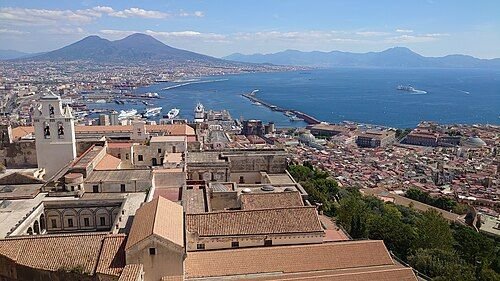
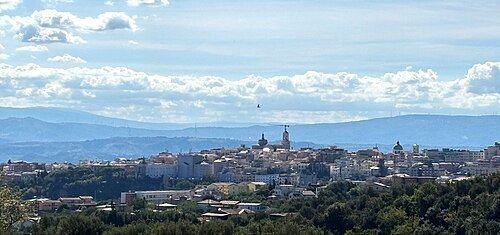
🔐 Some images on this page are used under a Creative Commons license:
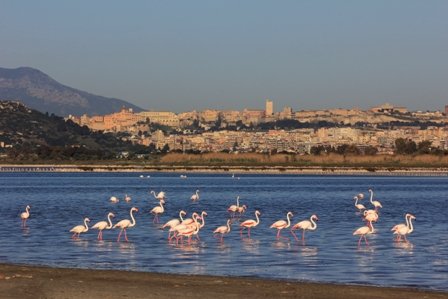
By Stefano Marrocu – Cagliari, flamingos in the Molentargius area – Own work – CC BY-SA 3.0 – Wikimedia Commons
By Richard Nevell – Naples, panoramic view of the city and Mount Vesuvius – Own work – CC BY-SA 4.0 – Wikimedia Commons
By Ildivisore2 – Catanzaro, panoramic view of the city – Own work – CC BY 4.0 – Wikimedia Commons
By Andrea Calcagno – Palermo, Gulf of Mondello – Own work – CC BY-SA 2.0 – Wikimedia Commons
Expand image credits
By Archeologo – Palermo, Palazzo dei Normanni, view from Via Vittorio Emanuele – Own work – CC BY-SA 4.0 – Wikimedia Commons
By Rolf Dietrich Brecher from Germany – Palermo, Capuchin Catacombs, interior – Own work – CC BY-SA 2.0 – Wikimedia Commons
By Kiban – Palermo, panoramic view of Palermo Cathedral. – CC BY-SA 3.0 – Wikimedia Commons
By Camy1968 – Palermo, Pretoria Fountain from above – Own work – CC BY-SA 4.0 – Wikimedia Commons
By Benjamín Núñez González – Palermo, Ballarò Market – Own work – CC BY-SA 4.0 – Wikimedia Commons
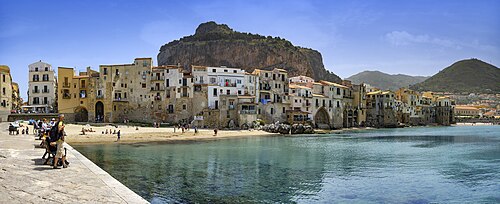
By David Pomfret – Cefalù, view of the port – Own work – CC BY-SA 2.0 – Wikimedia Commons
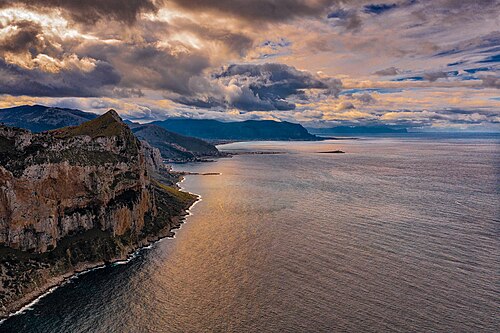
By Pietro Columba from Italy – Palermo, Mondello Bay, between sea and sky – Own work – CC BY 2.0 – Wikimedia Commons
By Joy – Pasta con le sarde, a typical Sicilian dish – Own work – CC BY 2.0 – Wikimedia Commons
By Derbrauni – Palermo, Antica Focacceria San Francesco – Own work – CC BY 4.0 – Wikimedia Commons