
Guide to Campobasso: what to see, do, eat
Travel Guide to the Best of the City


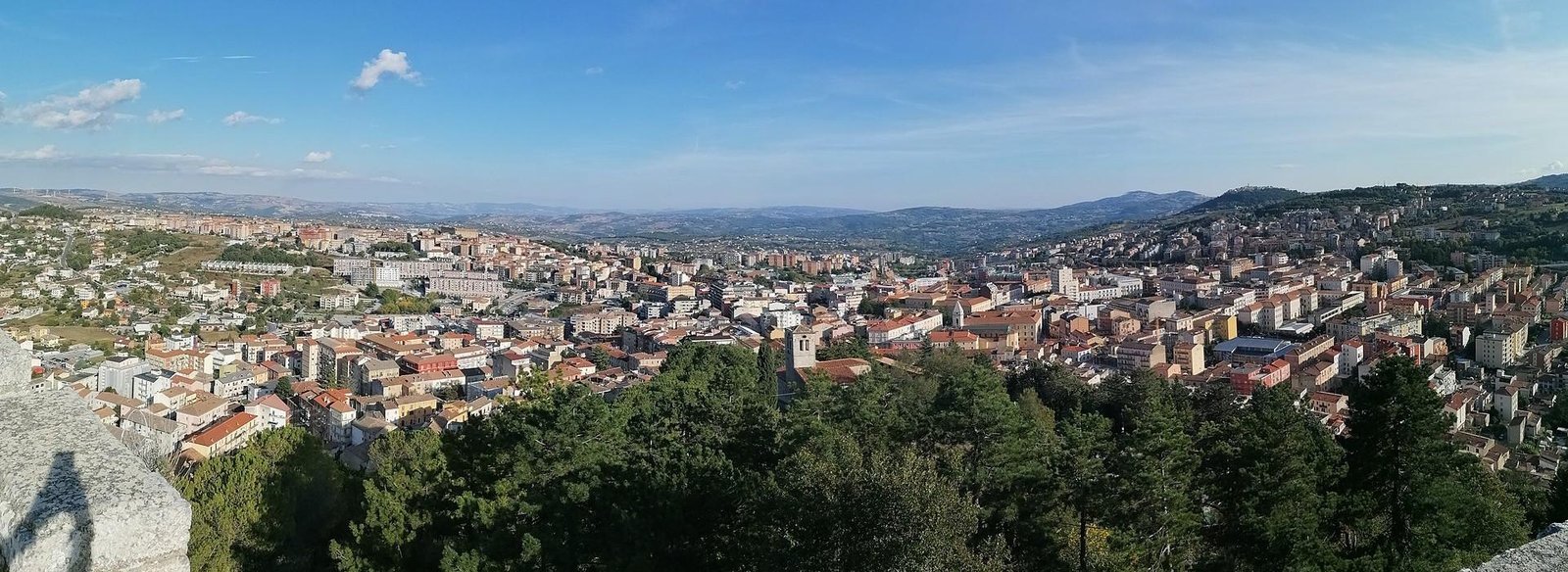
Campobasso, nestled among the hills and mountains of the Apennines, tells its story through its historic center made of narrow streets, churches, and ancient buildings, in an authentic southern Italy atmosphere.
📌 For a more complete overview of certain items, click on the links to detailed pages +🔗
Overview
📌 A large part of the references covered in this Overview section and in the Practical Info section, are summarized in the Orientation Table 📊 with further details on Wikipedia 🌐 and Google Maps ➡️ where available.
Campobasso, the capital of Molise, surprises visitors with its understated charm and its rich and varied history. This city, often overlooked by the main tourist routes, offers a unique combination of natural beauty, historic architecture, and deeply rooted cultural traditions that deserves to be discovered.
GEOGRAPHY
Campobasso is located in the heart of Molise, among the hills and elevations of the Sannio Apennines. The surrounding area is characterized by gentle and mountainous landscapes, with valleys, forests, and small villages alternating in a setting that is still authentic and not very touristy.
From reading the territory, the main directions of the Campobasso area clearly emerge:
- North: the hilly and mountainous areas of the Sannio Apennines extend here, with forests and nature trails ideal for hiking.
- North-East: hills and valleys develop here, connecting Campobasso to other inland Molise towns, among small villages and rural landscapes.
- South: the territory slopes toward gentler and more agricultural areas, with wide views and small settlements.
- East / South-East: hills and routes lead toward the Sannio area and nearby inland Puglia.
- West: mountainous and natural areas connect the city to the wilder regions of Molise and the central Apennines.
The city is connected to other centers of central-southern Italy, such as Termoli, Isernia, Larino, and Benevento. Its strategic position in the center of Molise makes Campobasso an ideal starting point for exploring the region, among historic villages, natural areas, and rural landscapes that still preserve the traditions of the most authentic southern Italy.
Expand OVERVIEW ⬇️
HISTORY
Campobasso, with ancient origins and development linked to its strategic position in the Sannio Apennines, has grown over time as an administrative and cultural center of Molise, evolving through dominations, urban transformations, and a strong connection with the surrounding territory.
- Ancient origins: the Campobasso area was already inhabited in Samnite times; later the territory was influenced by Roman presence, with small settlements linked to inland routes of central-southern Italy.
- Middle Ages: after the fall of the Roman Empire, the city developed especially during the Lombard and Norman periods, when the fortified nucleus around the castle was established, becoming the defensive and administrative heart of the settlement.
- Modern Age: between the 16th and 18th centuries, Campobasso followed the events of the Kingdom of Naples, maintaining an important local role and growing as a feudal center, despite periods of economic difficulty and earthquakes.
- Contemporary Age: in the 19th and 20th centuries, the city progressively became the capital of Molise, strengthening its administrative role and developing a modern urban fabric alongside the medieval historic center.
MAIN ATTRACTIONS
Campobasso offers several points of interest among monuments, museums, and views of the historic center:
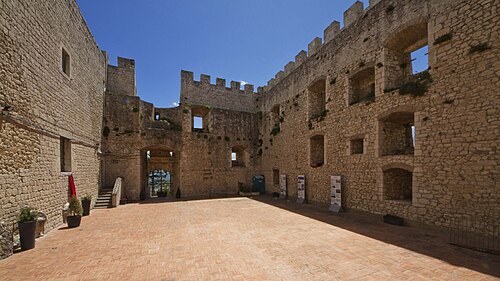
- Castello Monforte: the symbol of the city, it overlooks Campobasso from the top of the hill and represents one of the main panoramic and historical viewpoints of the area.
- Cattedrale della Santissima Trinità: the main religious building of Campobasso, a spiritual and architectural landmark of the modern city.
- Museo Sannitico: houses artifacts related to the Samnite civilization and the ancient history of Molise.
PARKS AND NATURE
Parks and natural areas around Campobasso are part of the broader Apennine context of Molise, characterized by hills, elevations, and rural landscapes that surround the city and define its connection with the surrounding nature.
✨ An Apennine territory made of silence, hills, and authentic landscapes, ideal for those seeking direct contact with nature and slow tourism away from the most crowded routes.
EVENTS & CELEBRATIONS
Numerous events mark the cultural and social rhythm of Campobasso, offering opportunities to discover traditions, historical rituals, and moments of strong local identity. Among the most important are:
- Carnevale di Campobasso: A traditional event that brings the city to life with parades, masks, and festive moments linked to Molise’s popular culture.
- Sfilata dei Misteri: One of the most representative events of the city, featuring ancient processional machines that parade through the streets of the historic center in a unique celebration between faith and tradition.
- Crociati e Trinitari: A historical and religious reenactment involving the local community, linked to devotional traditions and the cultural identity of the territory.
✨ A city that lives its traditions intensely: among historical rites, popular celebrations, and a strong sense of local identity.
📊 Orientation Table
If you want an immediate and practical overview of the city, the table below summarizes all the key points of the overview, to quickly get oriented and better organize your visit through our itineraries (see Itinerary Overview).
- Scroll the table down and to the right 📱🔄 Rotate your phone horizontally to get an overview of opening days, hours, prices of attractions, and for further details on Wikipedia 🌐 and Google Maps ➡️.
- ⚠️ Always check the opening days and hours of attractions through the Google Maps entries linked in the table. See also Itinerary Info.
- To see the explanation of each data column, click its title (e.g. Attractions Index, Ratings, Org, etc.) at the top of the table.
⏳ Caricamento tabella in corso…
📌 This table is updated every 6–12 months.
🛡️ The tables on Tourplan360.com are original content protected by copyright © and monitored through anti-plagiarism tracking systems.
Itinerary Overview
CAMPOBASSO IN 1 DAY
The itinerary we have developed to visit Campobasso in 1 Day is designed to explore the historic center on foot and discover some of the city’s most representative places, including historic buildings, churches, museums, squares and panoramic views.
The route allows you to discover the historical and cultural identity of Campobasso, taking in some of its most significant stops, including Castello Monforte, Museo dei Misteri, Cattedrale della Santissima Trinità and Villa de Capoa.
Practical Info
WHEN TO GO
The best time to visit Campobasso depends on the type of experience you are looking for:
- Winter is cold and sometimes snowy, ideal for experiencing the city in a more intimate and authentic atmosphere, among the historic center and local traditions.
- Spring and summer are perfect for walking through the streets of the historic center and the surrounding hills, with longer days and pleasant temperatures.
- Autumn offers warm colors and a peaceful atmosphere, ideal for discovering local cuisine and the landscapes of inland Molise.
GETTING THERE
Campobasso is connected to the rest of Molise and central-southern Italy through a transport network that includes rail, buses, and main road connections.
- By car: Campobasso is connected via state roads and direct links with the SS647 and other routes that connect it to the rest of Molise and nearby regions.
- By air: The nearest airports are Bari (about 170 km) and Naples Capodichino (about 160 km), from which you can continue by train or bus.
- By train: Campobasso railway station connects the city with Rome and other central-southern destinations, facilitating rail travel.
- By bus: Regional and national bus connections allow you to reach Campobasso from cities such as Rome, Naples, and other southern Italian locations.
✅ To search for or book a flight you can check Booking.com Flights.
✅ You can check routes, schedules, prices and buy train or bus tickets with Trainline.
✅ For car rentals you can refer to Booking.com Cars.
GETTING AROUND
Campobasso has a complex urban structure divided between the historic center and more modern areas, where getting around can involve both pedestrian routes and road connections.
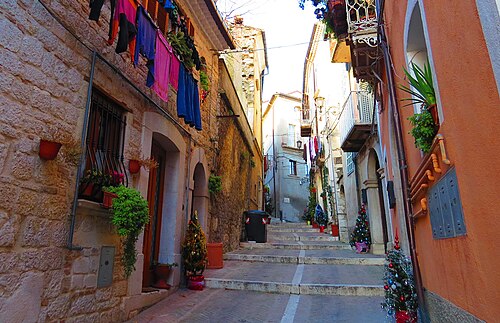
- On foot: Campobasso’s historic center is easily explored on foot, among medieval alleys, stairways, and squares that tell the city’s most authentic identity.
- Public transport: Urban buses connect the main areas of the city, making it easier to travel between the historic center and the more modern districts.
- Car: Using a car is useful for reaching suburban areas and extra-urban connections to the rest of Molise.
- Parking: Several parking areas are available near the city center and main access roads, useful for conveniently visiting the historic center (see details in the table).
USEFUL TIPS
To best organize your visit to Campobasso, here are some practical tips useful during your trip:
- Book in advance: especially during events or local festivals, when the city can be more crowded.
- Clothing: always bring a jacket, even in summer, as temperatures can vary between day and evening, especially in the hilly areas.
- Urban mobility: the historic center has steep streets and alleys, so it is recommended to walk with comfortable shoes and use public transport for longer distances.
- Routes and timing: the city center is easy to visit, but it is useful to plan your stops in advance to make the most of your time and enjoy the visit without rushing.
WHAT TO EAT
The local cuisine reflects the identity of Molise, with rustic and flavorful dishes that tell the story of peasant traditions and the use of genuine local ingredients.
- Typical cured meats and cheeses: products such as soppressata del Molise, caciocavallo, and cacioricotta represent the region’s cheesemaking and cured meat traditions.
- Traditional first courses: cavatelli and sagnetelle are among the most common pasta types, often served with simple peasant-style sauces.
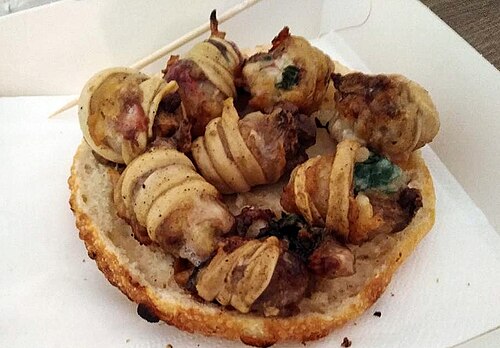
- Traditional dishes: pallotte cacio e ova molisane and gnummareddi (or torcinelli) reflect the humble yet flavorful cuisine typical of the region.
- Typical products: Molisano truffle and Molisano red pepper are local excellences recognized and appreciated even outside the region.
- Local wines: Biferno DOC, Molise DOC, and Tintilia del Molise DOC represent the main wine denominations of the region.
- Desserts and traditions: cicerchiata is one of the most representative sweets of Molise’s traditional festivals.
WHERE TO EAT
Campobasso offers venues that combine tradition and authenticity, where it is possible to enjoy Molisan cuisine in a simple and welcoming setting. Among the most interesting options are:
- La Grotta di Zi’ Concetta: a typical restaurant offering traditional Molisan dishes in a rustic and characteristic setting.
- Ristorante da Mario: a historic restaurant appreciated for its traditional cuisine and family atmosphere, with dishes based on local recipes.
- Miseria e Nobiltà: a restaurant with an evocative name, known for its authentic local cuisine and attention to traditional Molisan preparations.
WHERE TO SLEEP
To comfortably visit all the attractions of Potenza, the most convenient solution is to stay in the historic center. Here you will find hotels, B&Bs, and apartments just a few steps from the main squares and city attractions. This choice allows you to explore the city on foot, among alleys, stairways, and panoramic views typical of Potenza.

Alternatively, the areas just outside the center offer quieter and often more modern accommodations, ideal for those seeking relaxation and greater convenience when getting around. From these areas, it is still easy to reach the center thanks to urban connections and escalators.
FAQ
The main highlights include Castello Monforte, Cattedrale della Santissima Trinità, Museo dei Misteri and Villa de Capoa.
📌 Find out more in the Main Attractions section.
Are there parks or green areas in Campobasso?
Yes, the main green areas include Parco della Via Matris and Villa de Capoa.
📌 Find out more in the Parks and Nature section.
Is Campobasso suitable for a one-day visit?
Yes, the historic center is easy to explore on foot and allows you to reach numerous points of interest within a single day.
📌 Find out more in the Itinerary Overview section.
What is the best time to visit Campobasso?
Spring and summer are ideal for walking around the city, while autumn and winter offer a quieter and more intimate atmosphere.
📌 Find out more in the When to Go section.
What local dishes should you try in Campobasso?
Among the specialties worth trying are Soppressata del Molise, Cavatelli, Pallotte cacio e ova and Cicerchiata.
📌 Find out more in the What to Eat section.
Where can you eat well in Campobasso?In the center and nearby areas, you can find several restaurants where you can enjoy traditional cuisine from Molise.
📌 Find out more in the Where to Eat section.
What is the best area to stay in Campobasso?
The historic center is the most convenient choice for following the itinerary on foot and easily reaching the main attractions.
Are there budget hotels in Campobasso?Yes, the areas just outside the center can also offer quieter accommodation with convenient access to the city.
📌 Find out more in the Where to Sleep section.
Where can I find opening days, hours and prices for the attractions?
All this information is available in the table in the dedicated columns.
Where can I find online links and information about the attractions?The table also includes direct links to Google Maps ➡️ and Wikipedia 🌐 for each attraction.
📌 See the Orientation Table 📊
Other Destinations
🔐 Some images on this page are used under Creative Commons licenses:
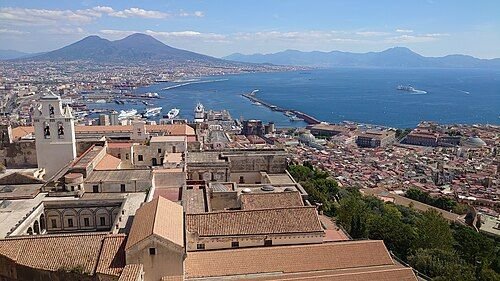
By Richard Nevell – Naples, panoramic view of the city and Mount Vesuvius – Own work – CC BY-SA 4.0 – Wikimedia Commons
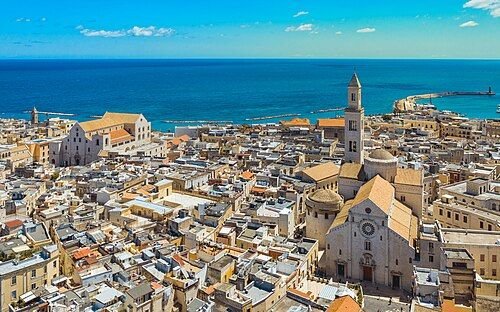
By Francesco Di Stefano 08 – Bari, panoramic view of the Old Town – Own work – CC BY-SA 4.0 – Wikimedia Commons
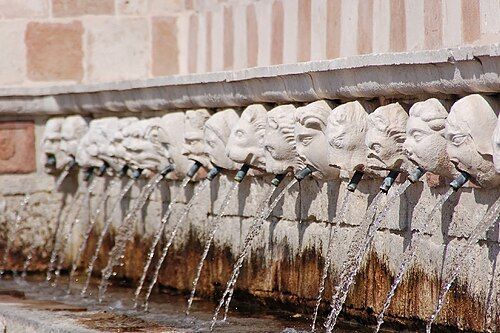
By Ra Boe – Detail of the Fountain of the 99 Spouts, L’Aquila – Own work – CC BY-SA 3.0 – Wikimedia Commons
By Horcrux – Panoramic view of Campobasso from Castello Monforte – Work CC BY-SA 4.0– Wikimedia Commons
🔐 Some images on this page are used under Creative Commons licenses:
By pms – Campobasso, Sentiero a Villa de Capoa – Own work – CC BY-SA 3.0 – Wikimedia Commons
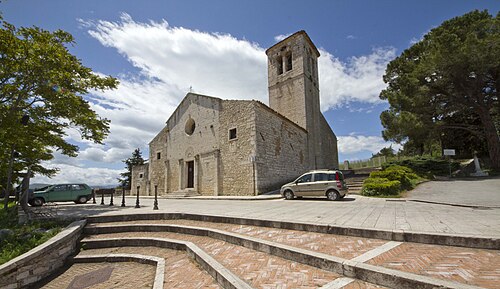
By trolvag – Campobasso, Chiesa di San Giorgio – Own work – CC BY-SA 3.0 – Wikimedia Commons
By Prof.lumacorno – Campobasso, porzione di Gnummareddi – Own work – CC BY-SA 4.0 – Wikimedia Commons
By Gianfranco Vitolo – Campobasso, Strada del Centro Storico – Own work – CC BY-SA 2.0 – Wikimedia Commons
By trolvag – Campobasso, interno del Castello di Monforte – Own work – CC BY-SA 3.0 – Wikimedia Commons
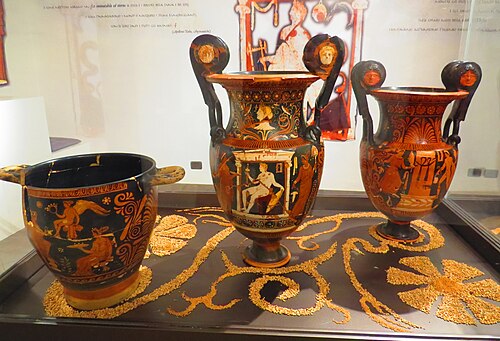
By Gianfranco Vitolo – Campobasso, reperti in esposizione al Museo Archeologico Nazionale – Own work – CC BY-SA 2.0 – Wikimedia Commons