
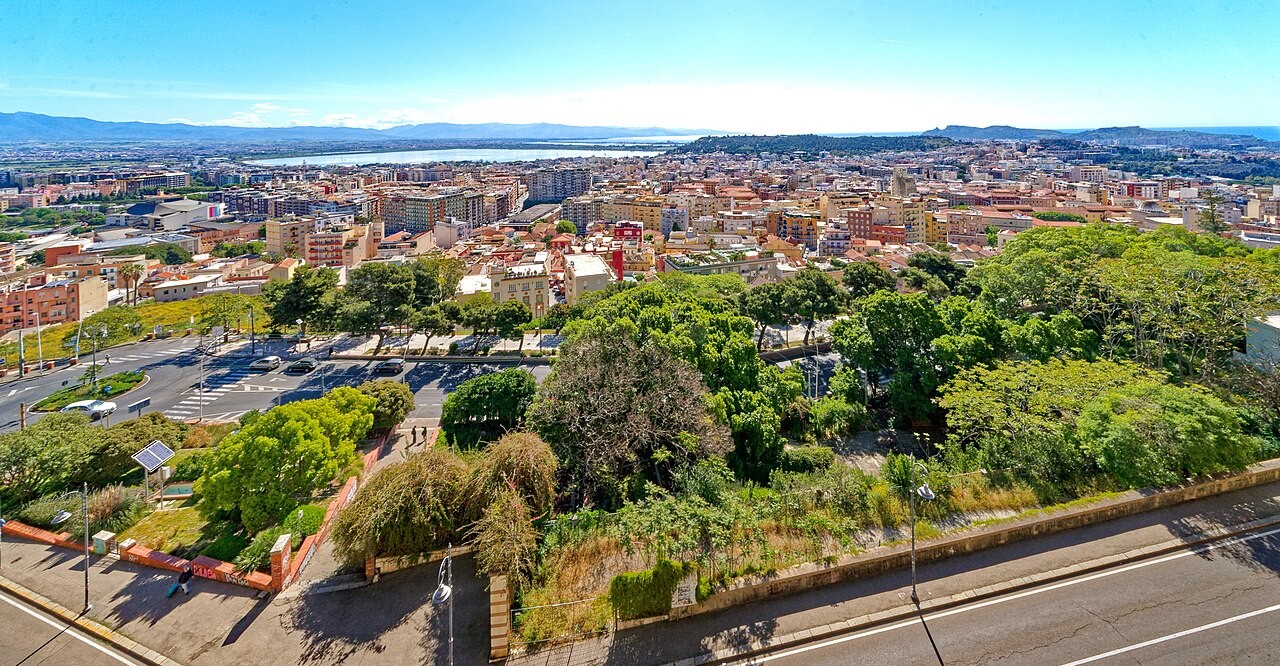
Main Attractions in Cagliari
Quick Guide to the Best Things to See


The main attractions in Cagliari reveal the city’s character, from monuments and archaeological sites to places of worship and museums, as well as natural areas and breathtaking views.
📌 To learn more, click on the links to the dedicated pages +🔗
Monuments and Places of Interest
- Bastione di Saint Remy
- Castello di San Michele
- Torre dell’Elefante
- Necropoli di Tuvixeddu
- Anfiteatro romano di Cagliari
- Palazzo Regio
Parks and Nature
- Parco di Molentargius +🔗
- Saline Conti Vecchi
- Sella del Diavolo +🔗
- Orto Botanico di Cagliari
- Giardini Pubblici di Cagliari
Places of Worship
- Cattedrale di Cagliari
- Santuario dei Martiri – Cripta della Cattedrale
- Santuario di Nostra Signora di Bonaria
- Chiesa di San Michele
Museums and Galleries
- Museo Archeologico Nazionale di Cagliari
- Nuragica – Museo Mostra
- Pinacoteca Nazionale di Cagliari
- Galleria Comunale d’Arte di Cagliari
See also:
- Guide to Cagliari
- Itineraries: 1d, 3d, CT
- See: Attractions
- Do: Experiences
- Eat: Where and What
- Getting Around, Stay
Bastione di Saint Remy
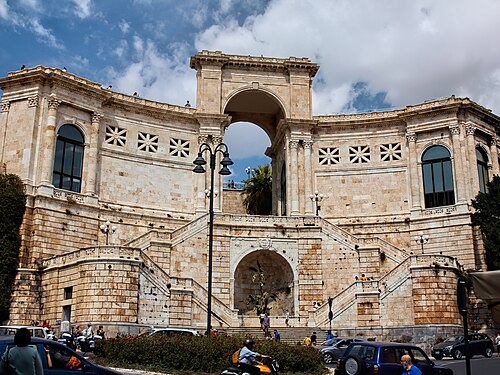
Among the most representative monuments of Cagliari, the Bastione di Saint Remy is one of the city’s symbols and one of its best-known panoramic viewpoints. Built between the late 19th and early 20th centuries on the ancient fortifications of the Castello district, it is characterised by its monumental staircase and large panoramic terrace.
Located in the heart of the historic centre, the bastion offers a suggestive view over the city’s neighbourhoods and the sea, making it one of the best places to begin discovering Cagliari and its historical and architectural heritage.
- Estimated visiting time: variable depending on interest.
- ✨ The monumental terrace suddenly opens onto the city and the sea: one of Cagliari’s most iconic views, perfect at sunset.
- ❌ A very busy panoramic viewpoint during the central hours of the day: it is better to visit in the early morning or late afternoon to avoid crowds and queues for photos.
- For all further information on Wikipedia 🌐 and Google Maps ➡️ see the Itinerary Table 📊 Cagliari in 1 day: Travel itinerary.
Castello di San Michele
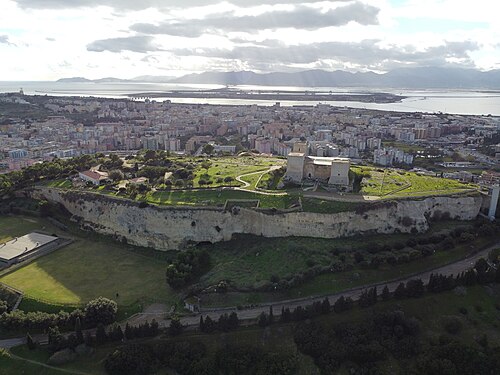
On a hill overlooking the north-western part of the city stands the Castello di San Michele, one of the main testimonies to Cagliari’s medieval history. The complex retains the appearance of a fortress and tells the story of the military and political events that affected the city over the centuries.
Accessible via a panoramic route, the castle allows visitors to combine a visit to one of the city’s historic fortifications with wide views over the surrounding area, offering a different vantage point from the historic centre.
- Estimated visiting time: about 90 minutes including the park.
- ✨ Cagliari’s most spectacular panoramic viewpoint: from the hill, the view takes in the city, sea and lagoons in a single sweep.
- ❌ On windy days, the climb can be unpleasant and visibility over the panorama may be reduced.
- For days, opening hours, prices and all further information on Wikipedia 🌐 and Google Maps ➡️ see the Itinerary Table 📊 Cagliari Complete Tour: travel itinerary – Part 4.
Torre dell’Elefante
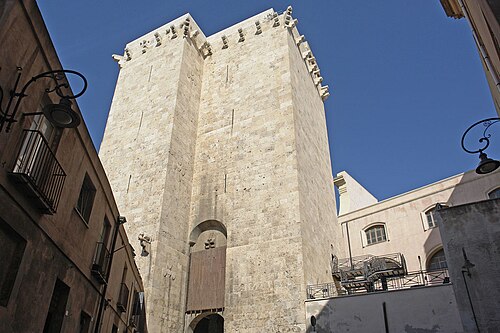
One of the symbols of Cagliari’s medieval architecture, the Torre dell’Elefante is one of the main testimonies to the city’s Pisan fortifications. Built at the beginning of the 14th century, it dominates one of the entrances to the Castello district and still retains its imposing stone structure.
The name derives from the small elephant carved into the façade, which has become one of the monument’s most distinctive features. Its position makes it possible to discover the city’s ancient defences up close and to view Cagliari from a particular perspective.
- Estimated visiting time: about 30 minutes.
- ❌ The climb is narrow and can cause delays in visitor flow, especially at weekends.
- For days, opening hours, prices and all further information on Wikipedia 🌐 and Google Maps ➡️ see the Itinerary Table 📊 Cagliari in 3 days: Travel itinerary – Day 1.
Necropoli di Tuvixeddu
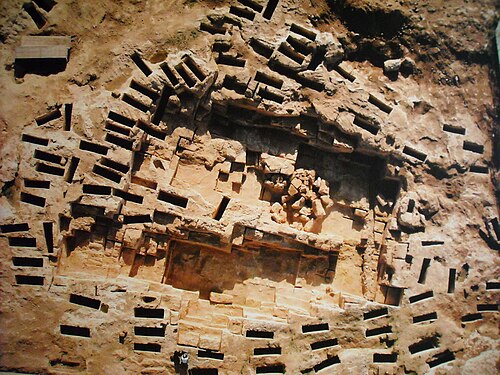
On Tuvixeddu Hill lies one of the most important ancient funerary complexes in Cagliari. The Necropoli di Tuvixeddu preserves numerous rock-cut tombs and represents one of the main testimonies to the Punic presence in Sardinia and the long history of human settlement in the Cagliari area.
The site offers an insight into a very ancient phase of the city’s history through an archaeological landscape closely connected to the natural shape of the hill.
- Estimated visiting time: about 60 minutes.
- ✨ A place that takes you back in time, among history and mystery.
- For days, opening hours, prices and all further information on Wikipedia 🌐 and Google Maps ➡️ see the Itinerary Table 📊 Cagliari Complete Tour: travel itinerary – Part 4.
Anfiteatro romano di Cagliari
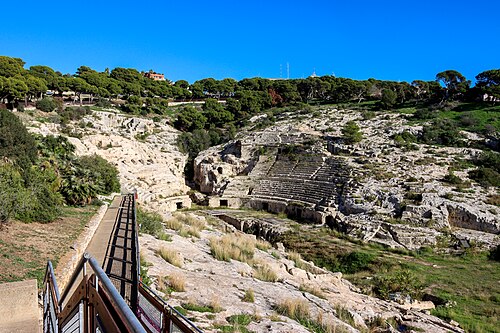
Partly carved directly into the rock of Buoncammino Hill, the Anfiteatro romano di Cagliari is one of the main testimonies to the Roman presence in the city. The complex was used for public spectacles and was one of the most important buildings in Roman Cagliari.
The structure still preserves elements that help to understand the size and layout of the ancient building, now located in a panoramic area of the city.
- Estimated visiting time: about 30 minutes.
- For days, opening hours, prices and all the information on Wikipedia 🌐 and Google Maps ➡️ see the Itinerary Table 📊 Cagliari in 3 days – Day 1.
Palazzo Regio
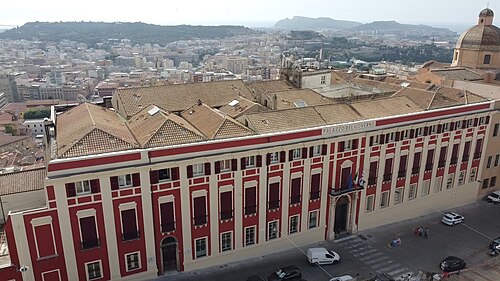
In the heart of the Castello district, Palazzo Regio was the centre of Cagliari’s political and administrative power for centuries. The building was the residence of representatives of the authorities who governed Sardinia and preserves monumental rooms linked to the island’s long institutional history.
Located in Piazza Palazzo, next to the Cathedral, the palace occupies a central position in the historic heart of the city. A visit allows you to discover an important part of Cagliari’s political history and one of the most significant monumental buildings in the Castello district.
- Estimated visiting time: about 60 minutes.
- ❌ Access is often subject to limited opening hours or intermittent openings: always check availability before your visit.
- For days, opening hours, prices and all the information on Wikipedia 🌐 and Google Maps ➡️ see the Itinerary Table 📊 Cagliari in 3 days – Day 2.
Parco di Molentargius
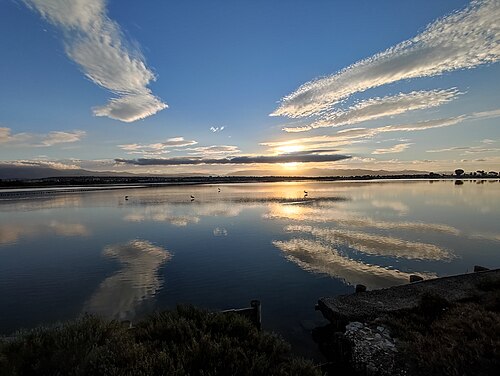
Just a short distance from the city centre lies one of the most important natural environments in the Cagliari area. Parco di Molentargius includes ponds, wetlands and ancient salt pans and represents a valuable habitat for numerous bird species, including the characteristic pink flamingos.
The park’s paths and panoramic areas allow visitors to discover the landscape and wildlife of the area, making it one of the main nature experiences in Cagliari.
- Estimated visiting time: about 150 minutes.
- ✨ Seeing pink flamingos moving among pools of water and salt pans creates one of the most iconic and unexpected natural landscapes of urban Sardinia.
- ✨ If you love birdwatching, bring binoculars and a camera to capture the wildlife.
- For days, opening hours, prices and all the information on Wikipedia 🌐 and Google Maps ➡️ see the Itinerary Table 📊 Cagliari in 3 days – Day 3.
- ❌ During the central hours of the day, the main observation areas can become crowded.
- ❌ The areas are very extensive: without a bicycle or car, you risk covering only a limited part of the park.
- To see the selection of experiences, visit the page Molentargius Park: Tours and Useful Info.
Saline Conti Vecchi
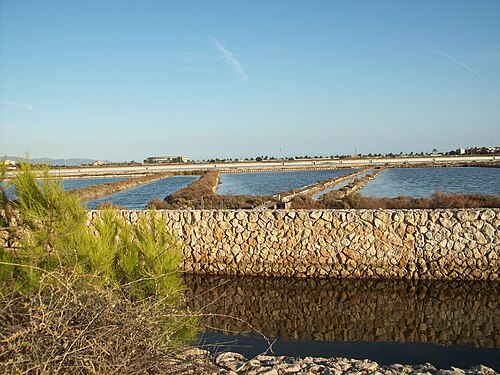
Vast pools, embankments and production structures characterize one of the most interesting landscapes linked to salt production in the Cagliari area. Saline Conti Vecchi, located in the territory of Assemini, just outside the city, tell the story of the salt-making activity that developed in this part of Sardinia.
The complex allows visitors to discover both the natural environment of the salt pans and the techniques and work involved in salt production. The landscape of the pools, particularly evocative in certain light conditions, offers an experience different from the traditional attractions of Cagliari’s historic centre.
- Estimated visiting time: about 150 minutes.
- ✨ A landscape suspended between pink and white, where industrial archaeology and nature create one of the most photogenic settings in all of Cagliari. If you love photography, sunset over the salt pans offers incredible views!
- For days, opening hours, prices and all the information on Wikipedia 🌐 and Google Maps ➡️ see the Itinerary Table 📊 Cagliari in 3 days – Day 3.
- 📌 Although booking for Saline Conti Vecchi is not expressly required, given the significant number of visitors during some seasons, we still recommend contacting the facility before your visit. You can find the telephone number in the Google Maps listing accessible from the link in the table.
Sella del Diavolo
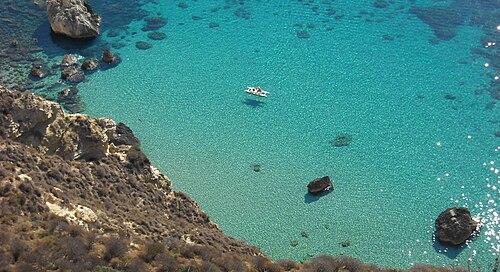
Overlooking the stretch of coast between Cagliari and Poetto, Sella del Diavolo is one of the city’s most characteristic panoramic sites. The promontory, recognizable by its distinctive shape, is linked to local traditions and legends and is one of the most evocative natural areas within the city.
The route to the promontory combines a walk through nature with wide views over the Gulf of Angels, Poetto Beach and the surrounding coastal areas. It is one of the best viewpoints for admiring the coastal landscape of Cagliari from a panoramic position.
- Estimated visiting time: varies depending on the type of experience chosen.
- 📌 Sella del Diavolo is not included in the itineraries because visiting it is mainly associated with cruise experiences.
- To see the selection of experiences, visit the page Sella del Diavolo: Tours and Useful Information.
Orto Botanico di Cagliari
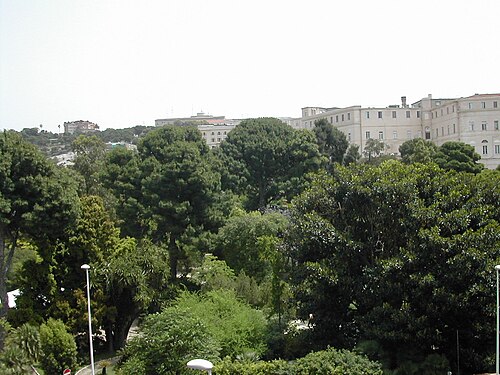
In the heart of the city lies one of the main green spaces dedicated to the study of plants and biodiversity. The Orto Botanico di Cagliari, founded in the 19th century, extends across an area characterized by different environments and preserves botanical collections that include Mediterranean and exotic species.
The presence of archaeological remains makes the botanical garden a unique place where nature, history and scientific research coexist. A visit offers a break from the urban setting and allows visitors to discover a lesser-known part of the city’s natural and cultural heritage.
- Estimated visiting time: about 90 minutes.
- ❌ The central hours of the day reduce the quality of the visit due to the heat and intense sunlight.
- For days, opening hours, prices and all the information on Wikipedia 🌐 and Google Maps ➡️ see the Itinerary Table 📊 Cagliari in 3 days – Day 1.
Giardini Pubblici di Cagliari
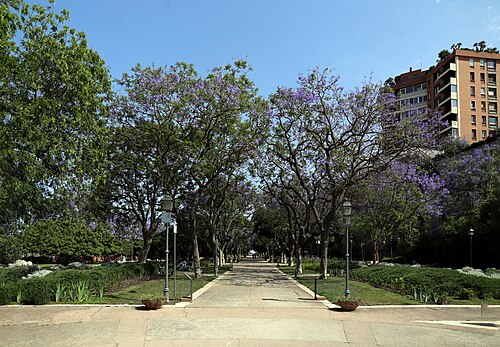
Located on the edge of the Castello district, the Giardini Pubblici di Cagliari are one of the city’s historic green spaces and a popular place for walks and moments of relaxation. The tree-lined area is dominated by a large panoramic terrace and preserves important evidence of the city’s urban history.
The location makes it easy to reach some of Cagliari’s main cultural sites and to observe the city from a quieter perspective.
- Estimated visiting time: about 30 minutes.
- For all the information on Wikipedia 🌐 and Google Maps ➡️ see the Itinerary Table 📊 Cagliari in 1 day.
Cattedrale di Cagliari
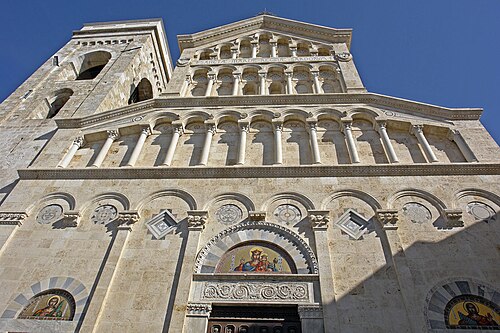
The Cattedrale di Cagliari is one of the city’s main religious and monumental buildings. Dedicated to Saint Mary of the Assumption and Saint Cecilia, it preserves an architectural history spanning several periods and features medieval elements together with later transformations.
The interior houses important works of art and highly interesting spaces, including the Crypt of the Martyrs. A visit provides an opportunity to discover one of the symbolic places in the religious history of Cagliari and to observe the different phases that have characterized the building over the centuries.
- Estimated visiting time: about 30 minutes.
- For days, opening hours, prices and all the information on Wikipedia 🌐 and Google Maps ➡️ see the Itinerary Table 📊 Cagliari in 1 day.
Santuario dei Martiri – Cripta della Cattedrale
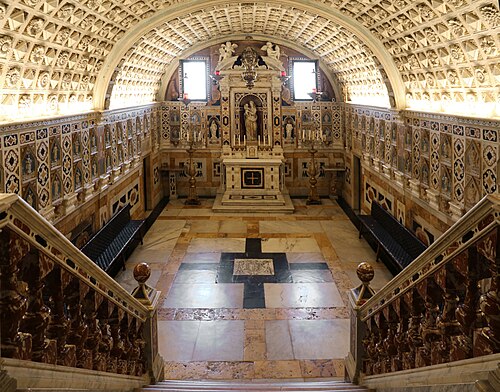
Below the Cattedrale di Cagliari lies one of the city’s most significant religious spaces. The Santuario dei Martiri, housed in the crypt, preserves the relics of numerous Sardinian martyrs and features a monumental setting characterized by chapels, decorations and works of art of great interest.
The underground setting offers a different experience from visiting the main part of the cathedral and provides an opportunity to learn more about the city’s religious history. The richness of the decorations and the distinctive atmosphere of the crypt make it one of the most interesting spaces to discover within the Cattedrale complex.
- Estimated visiting time: about 30 minutes.
- ✨ Entering the crypt of the Martyrs is like stepping into a world suspended in time, surrounded by sacred silence and ancient stone that tells centuries of history.
- ❌ During the busiest periods, the crypt has very narrow spaces and visitors proceed in small groups.
- For days, opening hours, prices and all the information on Wikipedia 🌐 and Google Maps ➡️ see the Itinerary Table 📊 Cagliari in 1 day.
Santuario di Nostra Signora di Bonaria
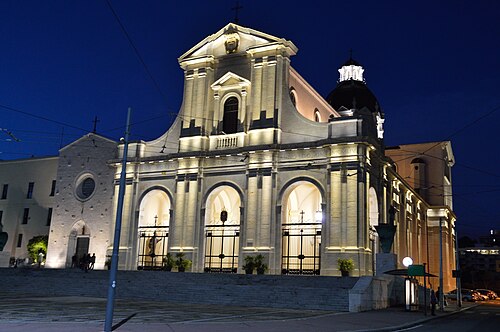
On Bonaria Hill stands one of Cagliari’s most important places of worship and one of the main centres of Marian devotion in Sardinia. The Santuario di Nostra Signora di Bonaria comprises the sanctuary and basilica and preserves a long history linked to the city’s religious tradition.
Its elevated position also offers significant views over the port and the southern part of Cagliari.
- Estimated visiting time: about 60 minutes including the Museum.
- ✨ The complex is striking for its strong connection between faith and the sea, with a sense of spirituality that can be felt immediately upon entering the basilica.
- ❌ During religious services or Marian events, access to the interior spaces may be limited or less smooth.
- For days, opening hours, prices and all the information on Wikipedia 🌐 and Google Maps ➡️ see the Itinerary Table 📊 Cagliari in 3 days – Day 3.
Chiesa di San Michele
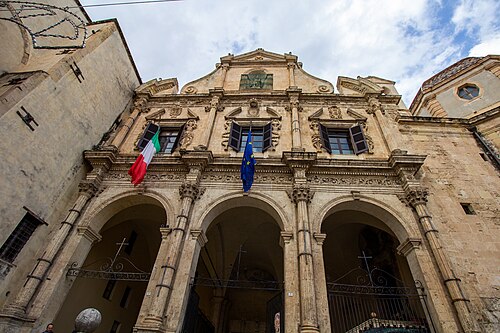
In the Stampace district, the Chiesa di San Michele is one of the most interesting examples of Cagliari’s Baroque architecture. Built between the 17th and 18th centuries, it belongs to the historic complex associated with the presence of the Jesuits and preserves richly decorated interiors.
The interior is striking for the richness of its stucco work, decorations and architectural elements, which bear witness to the important role the church has played in the city’s religious life.
- Estimated visiting time: about 30 minutes.
- ✨ The Baroque interior bursts with golden details that surprise you at every step, almost theatrical in its visual intensity.
- For days, opening hours, prices and all the information on Wikipedia 🌐 and Google Maps ➡️ see the Itinerary Table 📊 Cagliari in 3 days – Day 1.
Museo Archeologico Nazionale di Cagliari
The history of ancient Sardinia is told through an extraordinary collection of artefacts from across the island. The Museo Archeologico Nazionale di Cagliari is Sardinia’s main archaeological museum and presents a journey from prehistoric times to the Roman era, with particular attention to the Nuragic civilization and the cultures that subsequently shaped the territory.
Among the exhibits are the famous Giganti di Mont’e Prama, together with ceramics, bronzes, jewellery and other materials from the main Sardinian archaeological sites. A visit is one of the best ways to understand the ancient history of Sardinia before exploring its archaeological sites in person.
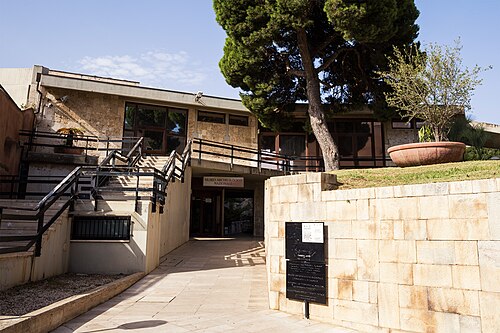
- Estimated visiting time: about 180 minutes, including the Museo d’arte Siamese ed Entografico.
- ❌ Complex indoor route: on busy days, some rooms may cause slower visitor flows.
- For days, opening hours, prices and all the information on Wikipedia 🌐 and Google Maps ➡️ see the Itinerary Table 📊 Cagliari in 1 day.
Nuragica – Museo Mostra
Nuragica – Museo Mostra presents the Nuragic world through scenic reconstructions and content that helps visitors understand the life and culture of the peoples of Sardinia.
The experience offers a complementary perspective compared with traditional archaeological museums and provides an immersive way to discover prehistoric Sardinia. It is an interesting stop for anyone who wants to learn about the Nuragic civilization before visiting the island’s nuraghi and archaeological sites.
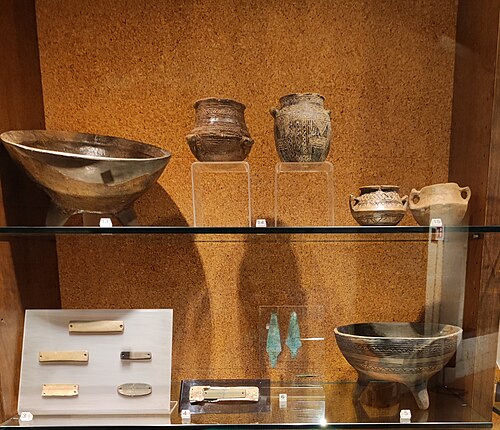
- Estimated visiting time: about 90 minutes.
- ❌ The experience is more effective if you take your time: during busy periods, part of its immersive impact is lost.
- For days, opening hours, prices and all the information on Wikipedia 🌐 and Google Maps ➡️ see the Itinerary Table 📊 Cagliari in 3 days – Day 1.
Pinacoteca Nazionale di Cagliari
Inside the Cittadella dei Musei complex is one of the main collections of ancient art in Sardinia. The Pinacoteca Nazionale di Cagliari houses works mainly from the island and the Mediterranean area and allows visitors to follow the development of Sardinian artistic production from the Middle Ages to the modern era.
The collection includes paintings and artefacts from different periods and places of origin and offers an opportunity to explore the artistic history of Sardinia. The visit can easily be combined with the Museo Archeologico Nazionale and the other cultural spaces in the same area.
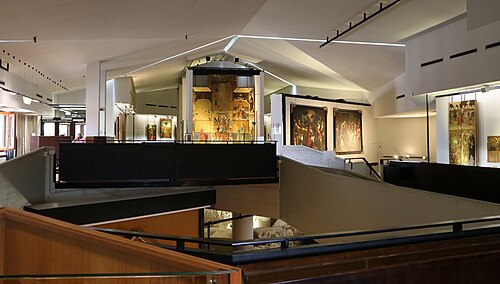
- Estimated visiting time: about 60 minutes.
- For days, opening hours, prices and all the information on Wikipedia 🌐 and Google Maps ➡️ see the Itinerary Table 📊 Cagliari in 1 day.
Galleria Comunale d’Arte di Cagliari
Housed inside the Giardini Pubblici building, the Galleria Comunale d’Arte di Cagliari is one of the city’s main spaces dedicated to modern and contemporary art. The collection includes works by important Italian artists of the 20th century and a significant collection linked to the artistic history of Sardinia.
The exhibition allows visitors to discover an important part of 20th-century artistic production through paintings and sculptures, displayed in a particularly pleasant setting. Its location in the Giardini Pubblici also makes it easy to combine the visit with the Pinacoteca Nazionale and other cultural sites in the Castello district.
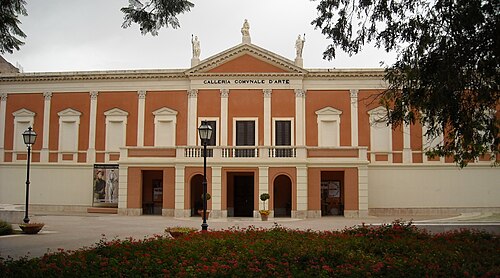
- Estimated visiting time: about 90 minutes, including the Museo delle Cere Anatomiche.
- ❌ At certain times of the year, the galleries may be less fluid for small guided groups, with mandatory stops in the narrower areas.
- For days, opening hours, prices and all the information on Wikipedia 🌐 and Google Maps ➡️ see the Itinerary Table 📊 Cagliari in 1 day.
See also
- Guide to Cagliari
- Itineraries: 1d, 3d, CT
- See: Attractions
- Do: Experiences
- Eat: Where and What
- Getting Around, Stay
Other Destinations
🔐 Some images on this page are used under a Creative Commons license:
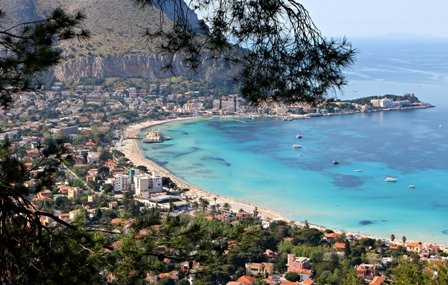
By Andrea Calcagno – Palermo, Gulf of Mondello – Own work – CC BY-SA 2.0 – Wikimedia Commons
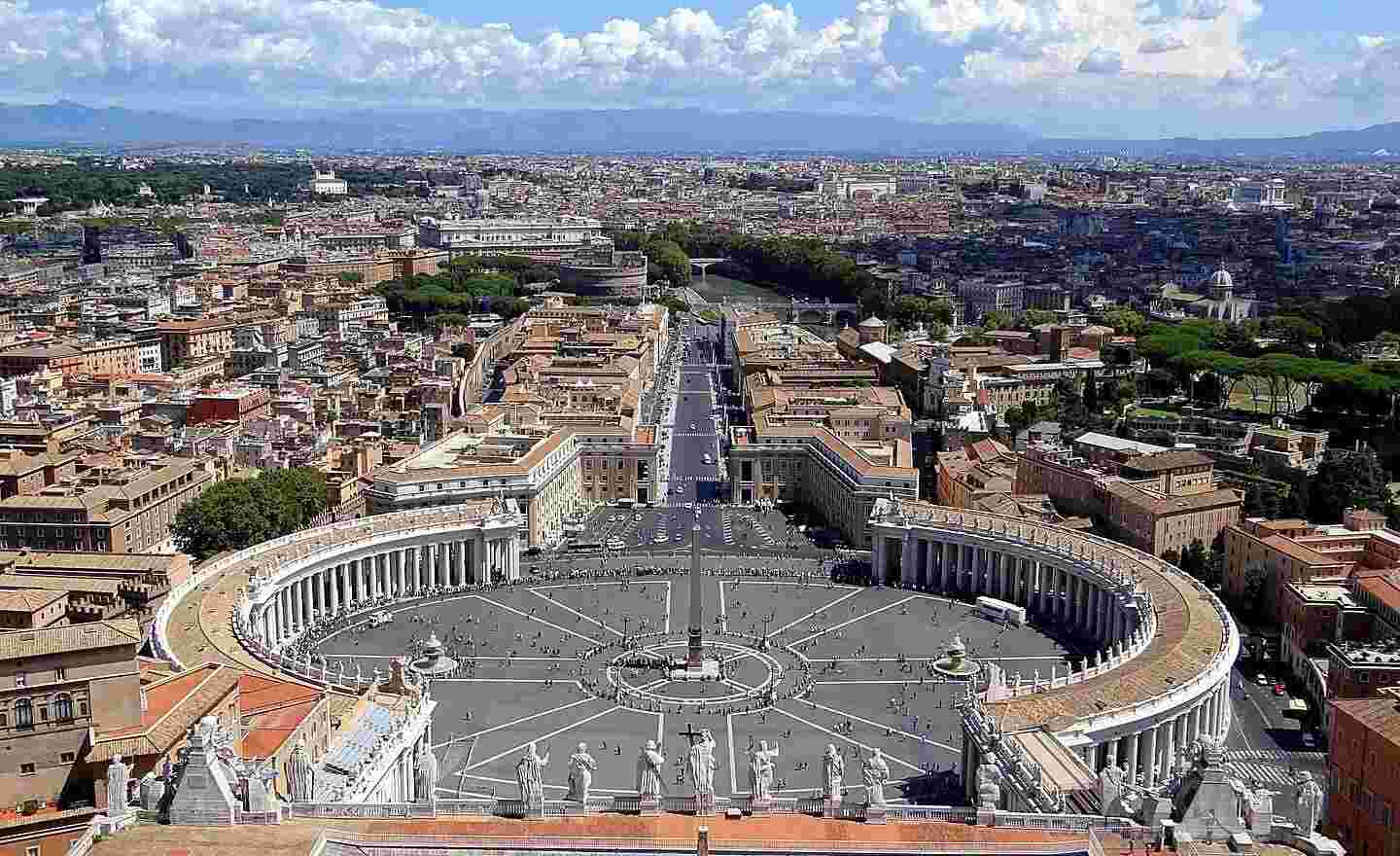
By Anne Offermanns– Panoramic view of Rome from St. Peter’s Basilica – Own work – CC BY-SA 3.0 – Wikimedia Commons
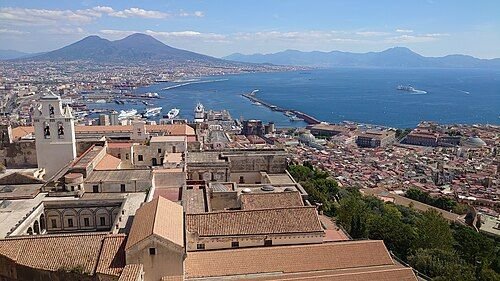
By Richard Nevell – Naples, panoramic view of the city and Mount Vesuvius – Own work – CC BY-SA 4.0 – Wikimedia Commons
By Holger Uwe Schmitt – Cagliari, panoramic view of the city – Own work – CC BY-SA 4.0 – Wikimedia Commons

Expand image credits
By Eduard Marmet – Cagliari, Bastione San Remy – Own work – CC BY-SA 2.0 – Wikimedia Commons
By Elisa.Mnn – Cagliari, Castello di San Michele, vista del colle – Own work – CC BY-SA 4.0 – Wikimedia Commons
By – No attribution – Cagliari, Torre dell’Elefante – CC BY-SA 3.0 – Wikimedia Commons
By cristianocani – Cagliari, Necropoli di Tuvixeddu – Own work – CC BY 2.0 – Wikimedia Commons
By Photograph by Mike Peel (www.mikepeel.net) – Cagliari, Anfiteatro Romano – Own work – CC BY-SA 4.0 – Wikimedia Commons
By Municipality of Cagliari – Cagliari, panoramica Palazzo Regio – Own work – CC BY-SA 3.0 it – Wikimedia Commons
By Marystella1 – Cagliari, Parco di Molentargius – Own work – CC BY-SA 4.0 – Wikimedia Commons
By Fabiocarboni – Cagliari, Saline Conti Vecchi – Own work – CC BY-SA 3.0 – Wikimedia Commons
By cristianocani – Cagliari, Sella del Diavolo – Own work – CC BY 2.0 – Wikimedia Commons
By Mago Tecnologico – Cagliari, Orto Botanico – Own work – CC BY-SA 3.0 – Wikimedia Commons
By Sailko – Cagliari, Giardini Pubblici – Own work – CC BY-SA 4.0 – Wikimedia Commons
By – No attribution – Cagliari, facciata della Cattedrale – CC BY-SA 3.0 – Wikimedia Commons
By Sailko – Cagliari, Duomo, interno, Santuario dei Martiri (Cripta), Cappella centrale della Madonna – Own work – CC BY 3.0 – Wikimedia Commons
By Angelo – Cagliari, Santuario di Nostra Signora di Bonaria – Own work – CC BY-SA 4.0 – Wikimedia Commons
By Photograph by Mike Peel (www.mikepeel.net) – Cagliari, Chiesa di San Michele – Own work – CC BY-SA 4.0 – Wikimedia Commons
By Unukorno – Cagliari, Museo Archeologico Nazionale – Own work – CC BY 4.0 – Wikimedia Commons
By GaiusCrastinus – Cagliari, reperti civiltà Nuragica – Own work – CC BY-SA 4.0 – Wikimedia Commons
By Sailko – Cagliari, Pinacoteca Nazionale, interno – Own work – CC BY 3.0 – Wikimedia Commons
By Cristiano Cani – Cagliari, Galleria Comunale d’Arte – Own work – CC BY 2.0 – Wikimedia Commons