
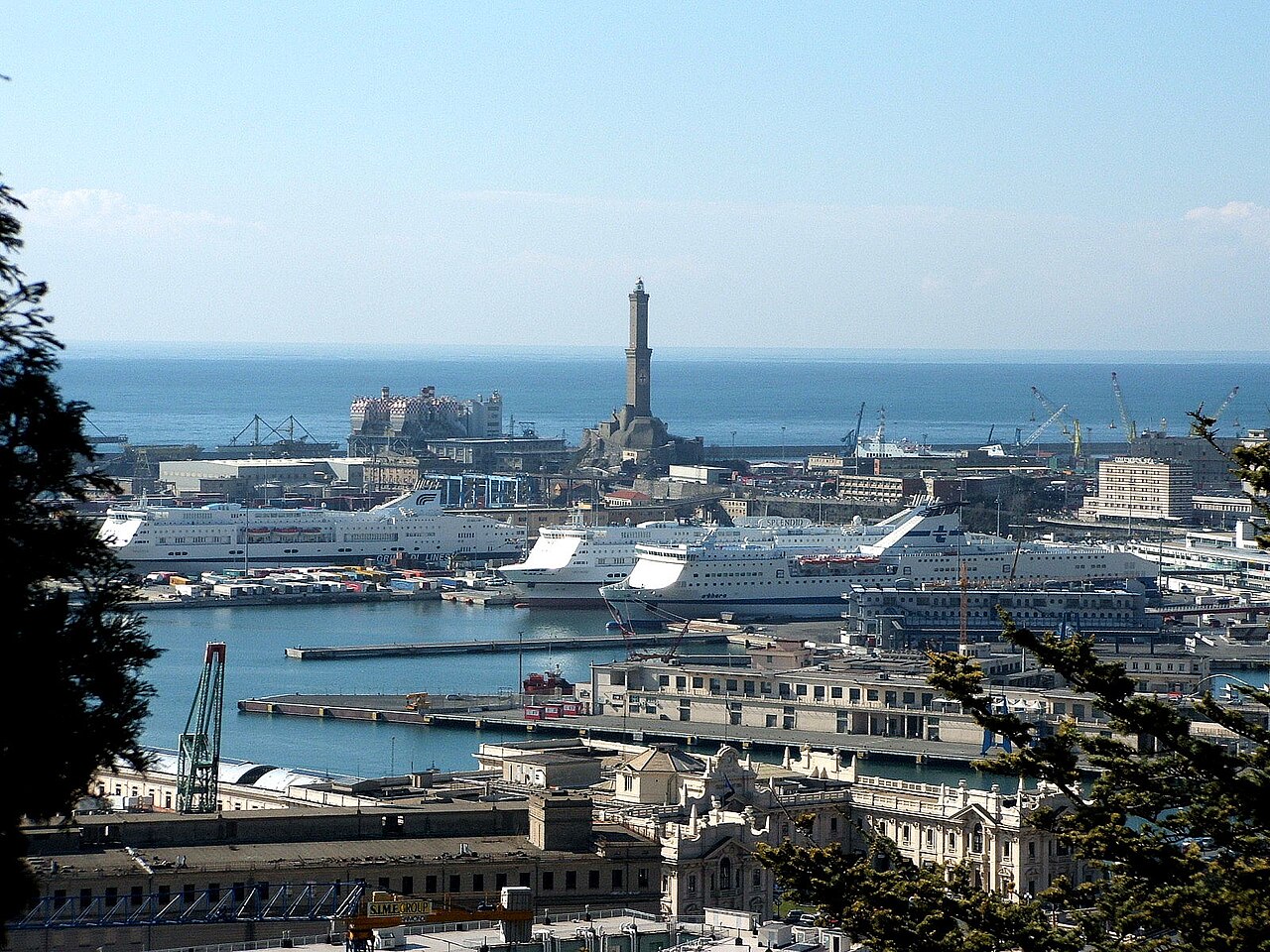
Main Attractions in Genoa
Quick Guide to the Best Things to See


The main attractions in Genoa tell the story of the ancient Maritime Republic, with historic palaces, important museums, churches and landmarks that have shaped the city’s identity over the centuries.
📌 To learn more, click on the links to the dedicated pages +🔗
Museums and Historic Palaces
- Aquarium of Genoa +🔗
- Galata Maritime Museum +🔗
- Palazzo Reale
- Palazzo Ducale
- Palazzo Bianco
- Palazzo Rosso
- Galleria Nazionale di Palazzo Spinola
- Castello d’Albertis
- Palazzo delle Compere di San Giorgio
- Villa del Principe – Palazzo di Andrea Doria
Monuments and Places of Interest
Places of Worship
- Cattedrale di San Lorenzo
- Basilica di Santa Maria Assunta di Carignano
- Chiesa di San Matteo
- Cimitero Monumentale di Staglieno
See also:
- Guide to Genoa
- Itineraries: 1d, 3d, CT1, CT2
- See: Attractions
- Do: Experiences
- Eat: Where and What
- Getting Around, Pass, Stay
Aquarium of Genoa
Aquarium of Genoa is one of the city’s main attractions and one of the most important aquariums in Europe. Located in the heart of the Porto Antico, it features numerous environments dedicated to marine life and allows visitors to observe species from different ecosystems up close.
The route passes through large tanks and themed environments, offering an experience that combines scientific education with the discovery of the marine world, in one of the most visited and representative places in Genoa.
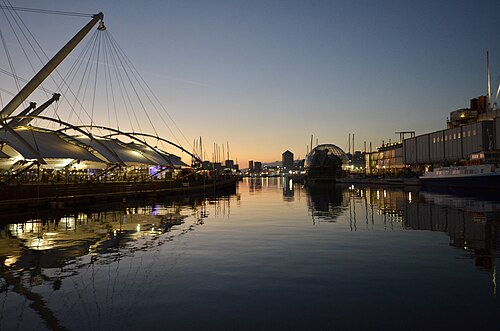
- Estimated visit time: about 150 minutes.
- ✨ Aquarium of Genoa is an immersive journey through giant tanks that seems to open a direct window onto the oceans.
- For days, opening hours, prices and all the information on Wikipedia 🌐 and Google Maps ➡️ see the Itinerary Table 📊 Genoa in 1 day.
- To view the selected experiences, visit the page Aquarium of Genoa: Tickets and Useful Info.
Galata Maritime Museum
The Galata Maritime Museum tells the story of the historical relationship between Genoa and the sea through a route dedicated to navigation, exploration and the city’s maritime tradition. Located in the Porto Antico area, it occupies the spaces of the ancient arsenal of the Republic of Genoa.
Models, nautical instruments, documents and reconstructions allow visitors to retrace centuries of maritime history, from the great migrations to transoceanic journeys, offering a perspective particularly connected to Genoa’s identity.
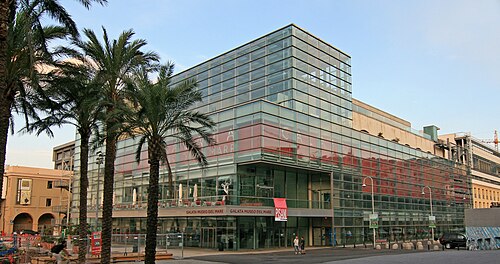
- Estimated visit time: about 120 minutes.
- For days, opening hours, prices and all the information on Wikipedia 🌐 and Google Maps ➡️ see the Itinerary Table 📊 Genoa in 1 day.
- To view the selected experiences, visit the page Galata Maritime Museum: Tickets and Useful Info.
Palazzo Reale
Overlooking the historic Via Balbi, the Palazzo Reale of Genoa preserves one of the city’s most important historic residential complexes. Originally built as an aristocratic residence and later acquired by the House of Savoy, it features richly decorated rooms, period furnishings and important works of art.
State rooms, apartments and galleries allow visitors to experience the atmosphere of the great families who shaped the history of Genoa, in a building that still retains a strong eighteenth-century character.
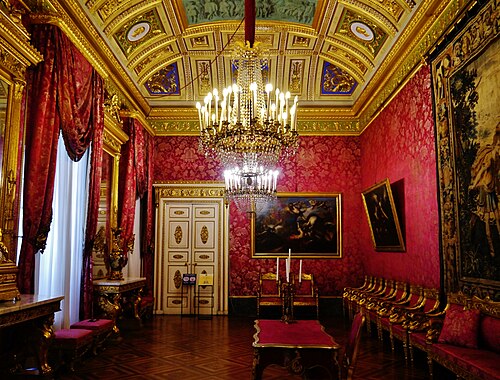
- Estimated visit time: about 90 minutes.
- ✨ Walking through the rooms of the Palazzo Reale is like stepping into Genoa’s most powerful and lavish aristocratic world, where every room tells the story of the power of a maritime city unlike any other in Europe.
- ❌ High visitor numbers are possible on weekends and during cruise periods, with queues at the entrance during the central hours of the day.
- For days, opening hours, prices and all the information on Wikipedia 🌐 and Google Maps ➡️ see the Itinerary Table 📊 Genoa in 3 days – Day 2.
Palazzo Ducale
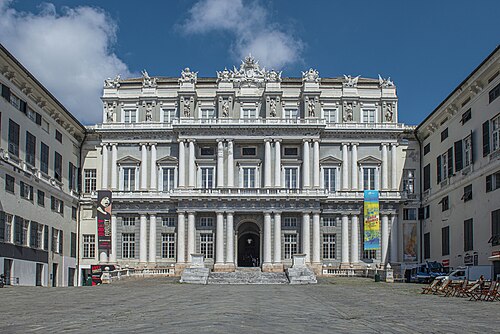
In the heart of the historic centre, the Palazzo Ducale of Genoa is one of the city’s landmark buildings and was the seat of the political power of the Republic of Genoa for centuries. The complex preserves courtyards, loggias and monumental spaces that tell the story of the city’s institutions.
Today, the palace is also an important cultural centre and hosts exhibitions and events, allowing visitors to discover a place closely connected to the political and artistic history of Genoa.
- Estimated visit time: about 120 minutes.
- ✨ Palazzo Ducale takes on a different atmosphere depending on the exhibitions: inner courtyards and monumental spaces offer a vivid sense of Genoa’s history.
- ❌ Delays or queues are possible during temporary exhibitions and events.
- For days, opening hours, prices and all the information on Wikipedia 🌐 and Google Maps ➡️ see the Itinerary Table 📊 Genoa Complete Tour Part 2 – Origins of The Superba.
Palazzo Bianco
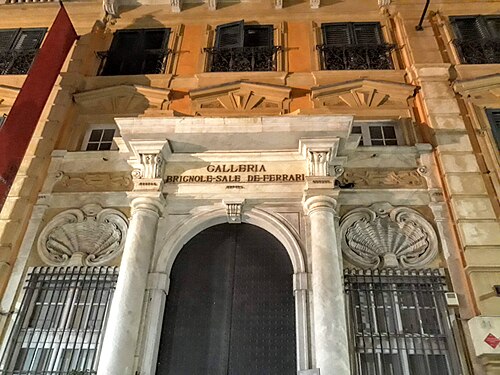
Palazzo Bianco houses one of the city’s most important art collections. Built as an aristocratic residence, it is part of the Strada Nuova Museums complex together with Palazzo Rosso and Palazzo Doria Tursi.
The rooms contain paintings by important Italian and European masters, offering a journey through different periods of painting. The visit also provides an opportunity to discover one of the most representative settings of Genoa’s grand aristocratic architecture.
- Estimated visit time: approximately 90 minutes.
- ✨ One of the city’s most important art collections, where every room seems designed to stage a dialogue between painting and space.
- ❌ The visit may take longer than expected if you wish to explore all the collections in depth.
- For days, opening hours, prices and all further information on Wikipedia 🌐 and Google Maps ➡️ see the Itinerary Table 📊 Genoa Complete Tour – Part 1 – Rolli and Panoramic views.
Palazzo Rosso
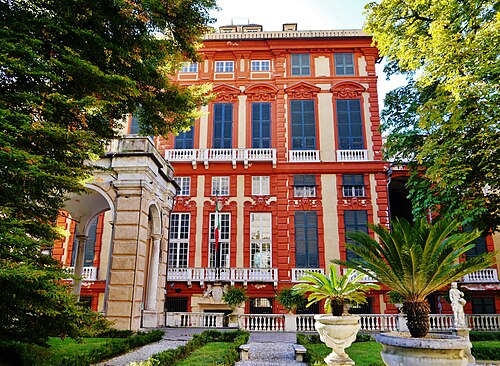
Among the historic palaces of Via Garibaldi, Palazzo Rosso houses a prestigious art collection together with the rooms of the historic residence of the Brignole-Sale family. The rooms are decorated with frescoes, stucco and furnishings that bear witness to the luxury of Genoa’s great aristocratic families.
The visitor route combines architecture and painting, with works by important Italian and European artists, allowing visitors to discover one of the most significant cultural complexes of Strada Nuova.
- Estimated visit time: approximately 150 minutes.
- ✨ The frescoed rooms and large canvases transform a visit to Palazzo Rosso into a continuous visual journey through light, colour and Genoese nobility.
- ❌ The visit may take longer than expected if you wish to explore all the collections in depth.
- For days, opening hours, prices and all further information on Wikipedia 🌐 and Google Maps ➡️ see the Itinerary Table 📊 Genoa Complete Tour – Part 1 – Rolli and Panoramic Views.
Galleria Nazionale di Palazzo Spinola
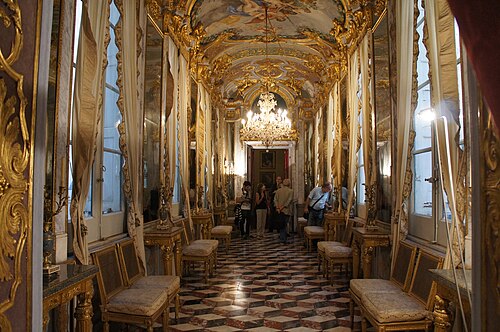
In the historic centre of Genoa, the Galleria Nazionale di Palazzo Spinola houses a prestigious art collection inside a historic aristocratic residence. The palace retains rooms, decorations and furnishings that provide an insight into the taste and lifestyle of Genoa’s historic families.
The collections include important paintings from the Italian and European schools, displayed within the historic rooms of the residence, creating a route that combines art, architecture and the history of the city.
- Estimated visit time: approximately 120 minutes.
- For days, opening hours, prices and all further information on Wikipedia 🌐 and Google Maps ➡️ see the Itinerary Table 📊 Genoa in 3 days – Day 2.
Castello d’Albertis
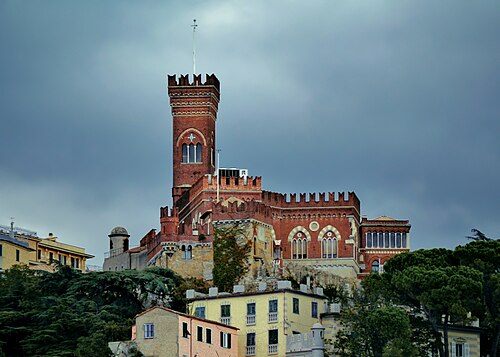
Perched on the hills of Genoa, Castello d’Albertis is a distinctive historic residence built by Captain Enrico Alberto d’Albertis. The building combines medieval influences, Neo-Gothic elements and references inspired by the numerous journeys undertaken by its owner.
Today the castle houses the Museum of World Cultures and preserves collections linked to journeys and explorations, while its panoramic position offers a striking view over the city and the port of Genoa.
- Estimated visit time: approximately 90 minutes including the museums.
- ✨ Seeing Genoa from the top of this castle feels like opening a secret window onto the city: sea, port and rooftops merge into an unforgettable panorama.
- ❌ The hillside location of Castello d’Albertis requires an uphill walk or dedicated transport.
- For days, opening hours, prices and all further information on Wikipedia 🌐 and Google Maps ➡️ see the Itinerary Table 📊 Genoa in 3 days – Day 2.
Palazzo delle Compere di San Giorgio
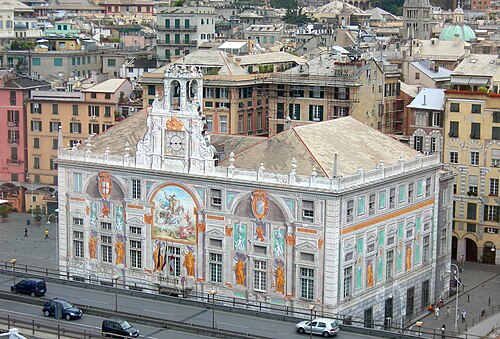
Overlooking the Porto Antico, Palazzo delle Compere di San Giorgio is one of the buildings most closely linked to the economic and financial history of the Republic of Genoa. The palace was the seat of the ancient Casa delle Compere and occupies a central position in the historic relationship between the city and its port.
Its façade, characterized by decorations and frescoes, overlooks one of the busiest areas of the Porto Antico and represents an important testimony to the commercial power achieved by Genoa over the centuries.
- Estimated visit time: approximately 60 minutes.
- 📌 A visit to Palazzo delle Compere di San Giorgio requires a reservation.
- For days, opening hours, prices and all further information on Wikipedia 🌐 and Google Maps ➡️ see the Itinerary Table 📊 Genoa Complete Tour – Part 1 – Historic Center and Merchants.
Villa del Principe – Palazzo di Andrea Doria
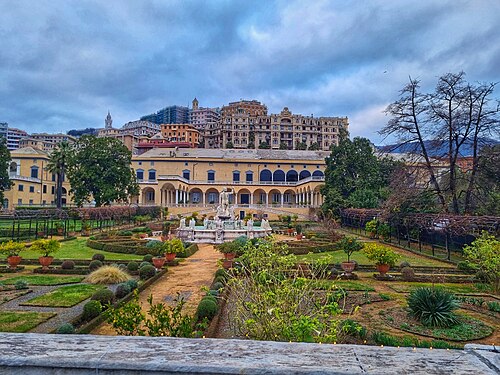
Just outside the historic center, the Villa del Principe was the sumptuous residence of Andrea Doria, one of the most important figures in the history of the Republic of Genoa. The complex preserves monumental rooms, frescoes, works of art and decorations that reflect the prestige achieved by the family.
The interiors and garden allow visitors to discover one of the city’s most important Renaissance residences, closely linked to the political and aristocratic history of Genoa.
- Estimated visit time: about 90 minutes.
- ✨ Here you can breathe in the power of Renaissance Genoa: monumental frescoes and gardens that once extended all the way to the sea.
- For days, opening hours, prices and all the details on Wikipedia 🌐 and Google Maps ➡️ see the Itinerary Table 📊 Genoa Complete Tour – Part 1: Historic residences and power.
Porto Antico
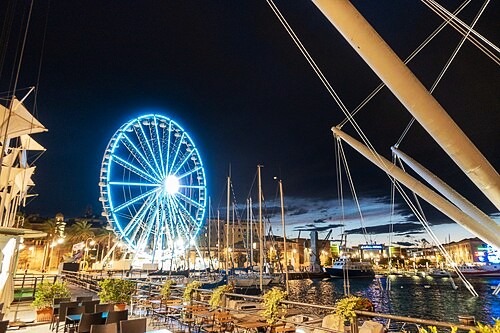
The Porto Antico of Genoa is one of the city’s most representative places and the point where its maritime history meets modern urban life. The former port area has been transformed into a space open to the sea, with historic buildings, promenades and important attractions.
Among the Aquarium, the Biosfera, the Bigo and the waterfront areas, the Porto Antico is now one of the main reference points for discovering Genoa, with a particularly lively atmosphere throughout the year.
- Estimated visit time: about 30 minutes.
- For all the details on Wikipedia 🌐 and Google Maps ➡️ see the Itinerary Table 📊 Genoa in 1 day: Travel itinerary.
- ❌ Avoid the 13:00–15:00 time slot: this is when tourist numbers are at their highest and the area becomes very congested, especially when cruise ships or organized groups are present.
- To view the selected experiences, visit the page Porto Antico of Genoa: Tickets and Useful Info.
Lanterna of Genoa
An undisputed symbol of the city, the Lanterna of Genoa has dominated the entrance to the port for centuries and is one of the most recognizable monuments in the Ligurian capital. The present tower retains an imposing structure built on the long tradition of the Genoese lighthouse.
The complex also includes the park and the museum dedicated to the history of the Lanterna and the port, while the route leads to a panoramic viewpoint overlooking the sea and the city.
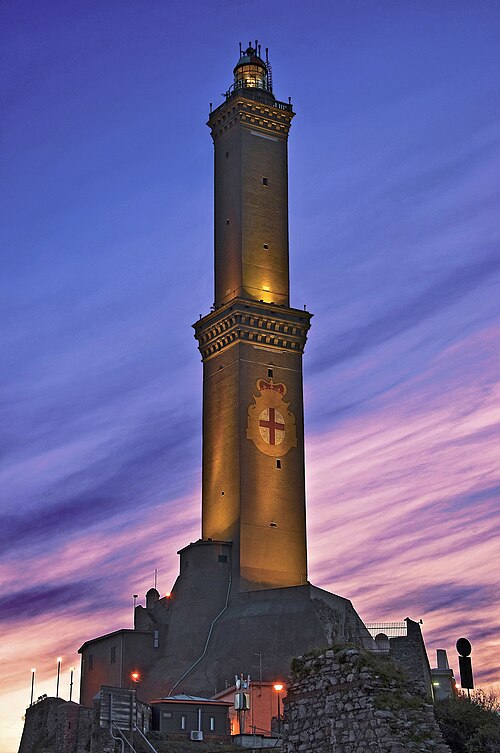
- Estimated visit time: about 60 minutes.
- ✨ From the top of the city’s most iconic lighthouse, Genoa opens up in a single sweeping view of sea, port and endless horizon.
- For days, opening hours, prices and all the details on Wikipedia 🌐 and Google Maps ➡️ see the Itinerary Table 📊 Genoa in 3 days – Day 3.
- ❌ Access is complex, involving pedestrian routes and sections along port roads, and is not ideal when time is limited or for a quick visit to the city.
- To view the selected experiences, visit the page Lanterna of Genoa: Tickets and Useful Info.
Arco della Vittoria
In the center of the square of the same name, the Arco della Vittoria is a monumental triumphal arch built in the 20th century and dedicated to the fallen of the First World War. The structure dominates one of Genoa’s main squares with its imposing stone architecture.
Sculptural decorations and commemorative inscriptions characterize the monument, which stands in a large urban area connecting the city center with the eastern part of the city.
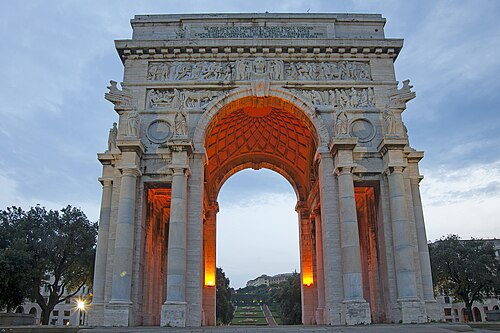
- Estimated visit time: exterior view.
- For all the details on Wikipedia 🌐 and Google Maps ➡️ see the Itinerary Table 📊 Genoa Complete Tour – Part 2: Medieval Genoa and districts.
Belvedere Castelletto
One of the most evocative viewpoints in central Genoa, the Belvedere Castelletto offers a sweeping view over the rooftops of the historic center, the port and the hills surrounding the city. The terrace is also known as Spianata di Castelletto.
Also accessible by the historic Castelletto public elevator, the viewpoint offers a chance to admire Genoa’s distinctive urban layout from above and is one of the city’s most characteristic panoramic spots.
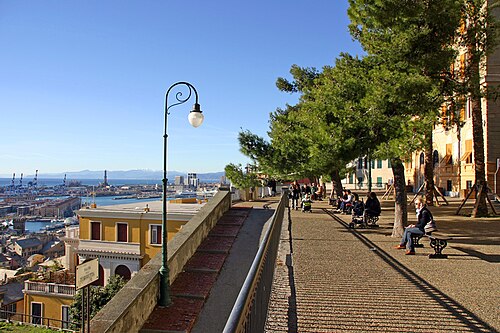
- Estimated visit time: variable depending on your interest and the time available.
- For all information on Wikipedia 🌐 and Google Maps ➡️ see the Itinerary Table 📊 Genoa Complete Tour – Part 1: Rolli and panoramic views.
Boccadasse
Overlooking the sea along the eastern coast of Genoa, Boccadasse retains the appearance of a small fishing village gathered around its bay. The colorful houses, the beach and the fishermen’s boats create one of the city’s most characteristic views.
The village develops around the small inlet, with restaurants, ice-cream shops and venues overlooking the sea, offering an atmosphere different from that of the historic center and particularly pleasant around sunset.
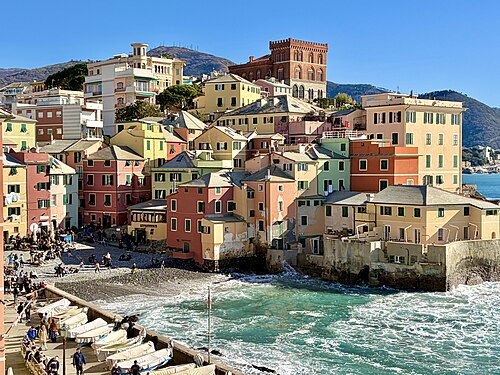
- Estimated visit time: about 120 minutes.
- ❌ Heavy crowds on weekends and at sunset, making it difficult to find free spaces to stop and take photographs during peak hours.
- For all information on Wikipedia 🌐 and Google Maps ➡️ see the Itinerary Table 📊 Genoa in 3 days – Day 3.
Nervi
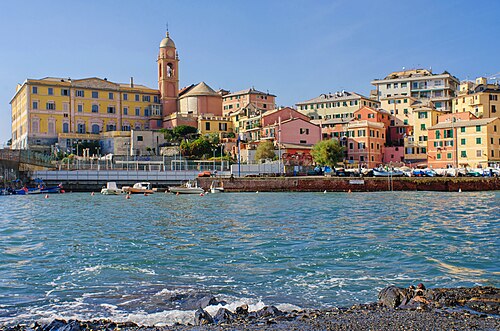
Once an old fishing village now integrated into the urban area of Genoa, Nervi retains its maritime character combined with elegant historic villas and extensive parks. Its location by the sea makes this area one of the most pleasant places to discover the coastal side of the city.
With the Anita Garibaldi promenade, the rocks overlooking the sea and the historic parks, Nervi offers a route combining landscape, architecture and seaside life, away from the more monumental part of the city center.
- Estimated visit time: about 120 minutes.
- ✨ A seaside walk among cliffs and waves breaking beneath your feet, with one of the most spectacular sunsets in all of Liguria.
- ❌ High visitor numbers in the late afternoon and at sunset, with a continuous flow of people along the seafront promenade.
- For all information on Wikipedia 🌐 and Google Maps ➡️ see the Itinerary Table 📊 Genoa in 3 days – Day 3.
Cattedrale di San Lorenzo
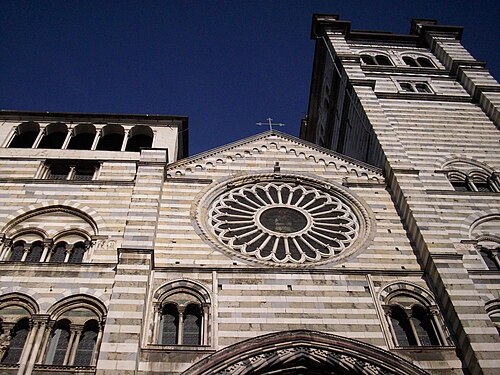
The Cattedrale di San Lorenzo is the main religious building in Genoa and one of the city’s most recognizable monuments. Its distinctive black-and-white marble façade leads into a complex containing artistic and architectural evidence from different periods.
Inside are important works of art, chapels and spaces connected to the city’s religious history, while the complex also includes the Museo del Tesoro and the Cappella di San Giovanni Battista.
- Estimated visit time: about 60 minutes including the museum.
- ✨ Entering this cathedral is like crossing centuries of faith and mystery: every stone seems to tell the deep history of Genoa.
- ❌ During religious events or holidays, parts of the cathedral may be inaccessible or the interior area may be very crowded.
- For days, opening hours and all information on Wikipedia 🌐 and Google Maps ➡️ see the Itinerary Table 📊 Genoa in 3 days – Day 2.
Basilica di Santa Maria Assunta di Carignano
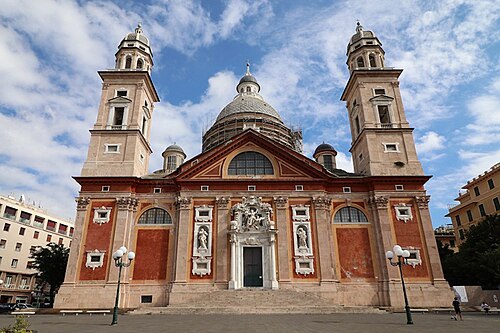
Built on a hill overlooking part of the city, the Basilica di Santa Maria Assunta di Carignano is one of the most important examples of Genoese Renaissance architecture. Its distinctive central plan and four towers give the building an immediately recognizable profile.
Designed by Galeazzo Alessi in the 16th century, the basilica preserves valuable works of art and decorations inside, while its position also offers interesting views over the city center and Genoa’s urban landscape.
- Estimated visit time: about 30 minutes.
- For days, opening hours and all information on Wikipedia 🌐 and Google Maps ➡️ see the Itinerary Table 📊 Genoa Complete Tour – Part 2: Medieval Genoa and districts.
Chiesa di San Matteo
Overlooking the characteristic Piazza di San Matteo, the Chiesa di San Matteo is closely linked to the history of the Doria family and represents one of the most intimate monumental corners of Genoa’s historic center. The marble façade preserves the elegant medieval character of the complex.
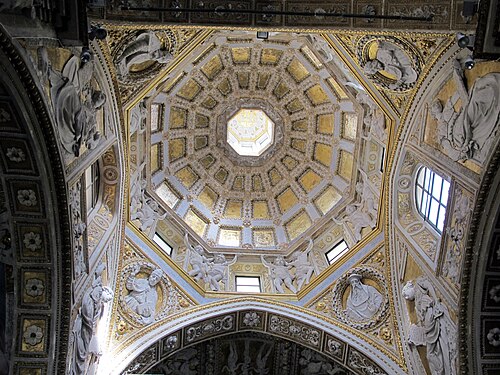
The interior contains decorations, works of art and features connected to the Doria family, with particular interest in the stuccoes and decorative elements that enrich this important religious building.
- Estimated visit time: about 20 minutes.
- For days, opening hours and all information on Wikipedia 🌐 and Google Maps ➡️ see the Itinerary Table 📊 Genoa Complete Tour – Part 1: Art and spirituality.
Cimitero Monumentale di Staglieno
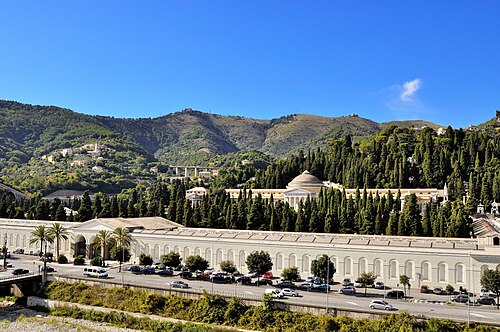
At the foot of the Genoese hills, the Cimitero Monumentale di Staglieno is one of the most important cemetery complexes in Europe and houses an extraordinary collection of funerary sculptures. Galleries, porticoes and chapels form an intricate route through the artistic and social history of 19th- and 20th-century Genoa.
The monumental tombs feature high-quality statues and sculptural groups, often connected to themes of memory, family and social representation, transforming the cemetery into a true open-air museum.
- Estimated visit time: about 60 minutes.
- ❌ The visit is much more extensive than it may appear and requires at least 1 hour to be explored properly.
- For days, opening hours and all information on Wikipedia 🌐 and Google Maps ➡️ see the Itinerary Table 📊 Genoa in 3 days – Day 3.
See also
- Guide to Genoa
- Itineraries: 1d, 3d, CT1, CT2
- See: Attractions
- Do: Experiences
- Eat: Where and What
- Getting Around, Pass, Stay
Other Destinations
🔐 Some images on this page are used under Creative Commons licenses:
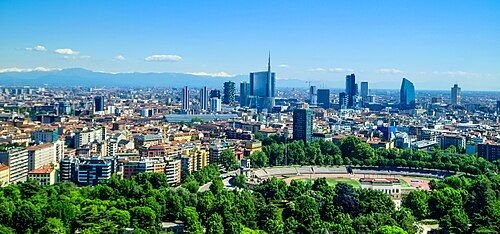
By https://www.pexels.com/u/ghostpresenter/ – Milan, Porta Nuova skyline – CC0 – Public Domain – Wikimedia Commons
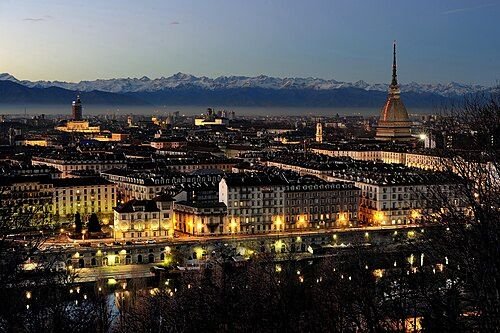
By Hpnx9420 – Turin, view from Monte dei Cappuccini – Own work – CC BY 3.0 – Wikimedia Commons
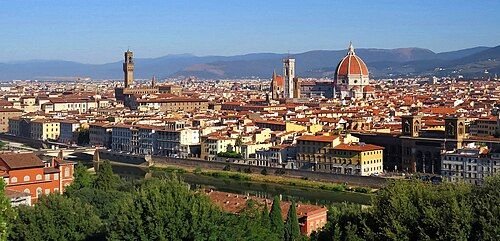
By PROPOLI87 – Florence, panorama from Piazzale Michelangelo – Own work – CC BY-SA 4.0 – Wikimedia Commons
By Rinina25 & Twice25 – Genoa, harbor and Lanterna view from Castello d’Albertis – Own work – CC BY-SA 2.5 – Wikimedia Commons

Expand image credits
By Lunna Campos – Genoa, Porto Antico, Aquarium and Biosphere – Genoa, Porto Antico, Aquarium and Biosphere – CC BY 2.0 – Wikimedia Commons
By Jensens – Galata Museo del Mare, entrance – Own work – Public domain – Wikimedia Commons
By Zairon – Genoa, Royal Palace, interior hall – Own work – CC BY-SA 4.0 – Wikimedia Commons
By Marek Śliwecki – Genoa, Doge’s Palace – Own work – CC BY-SA 4.0 – Wikimedia Commons
By Ettorre – Genoa, Palazzo Bianco, entrance on Via Garibaldi – Own work – CC BY-SA 4.0 – Wikimedia Commons
By Zairon – Genoa, Palazzo Rosso, main entrance – Own work – CC BY-SA 4.0 – Wikimedia Commons
By Superchilum – Genoa, National Gallery of Palazzo Spinola – Own work – CC BY-SA 4.0 – Wikimedia Commons
By Zairon – Genoa, Castello d’Albertis, panoramic view – Own work – CC BY-SA 4.0 – Wikimedia Commons
By Sidvics – Genoa, Palazzo delle Compere di San Giorgio, panoramic view – Own work – CC BY-SA 3.0 – Wikimedia Commons
By Marta1977 – Genoa, Villa del Principe – Palazzo di Andrea Doria – Own work – CC BY-SA 4.0 – Wikimedia Commons
By Radosław Botev – Genoa, Porto Antico, Aquarium and Biosphere – Own work – CC BY 3.0 pl – Wikimedia Commons
By Carlo grifone – Genoa, Lanterna di Genova, symbol of the city – Own work – CC BY-SA 4.0 – Wikimedia Commons
By Anna maria Licata – Genoa, Arco della Vittoria – Own work – CC BY-SA 4.0 – Wikimedia Commons
By Alessandro Vecchi – Genoa, panoramic view from Belvedere Castelletto – Own work – CC BY-SA 3.0 – Wikimedia Commons
By Nissato – Genoa, Boccadasse harbour – Own work – CC BY 4.0 – Wikimedia Commons
By Nikita Roytman – Genoa, harbour of Nervi – Own work – CC BY-SA 4.0 – Wikimedia Commons
By Alessio Sbarbaro User_talk:Yoggysot – Genoa, Cathedral of San Lorenzo, façade – Own work – CC BY-SA 3.0 – Wikimedia Commons
By Luca Dea – Genoa, Basilica of Santa Maria Assunta di Carignano – Own work – CC BY 4.0 – Wikimedia Commons
By Sailko – Genoa, Church of San Matteo, interior, Montorsoli’s stucco decorations – Own work – CC BY 3.0 – Wikimedia Commons
By Maurizio Beatrici – Genoa, Monumental Cemetery of Staglieno – Own work – CC BY-SA 3.0 – Wikimedia Commons