
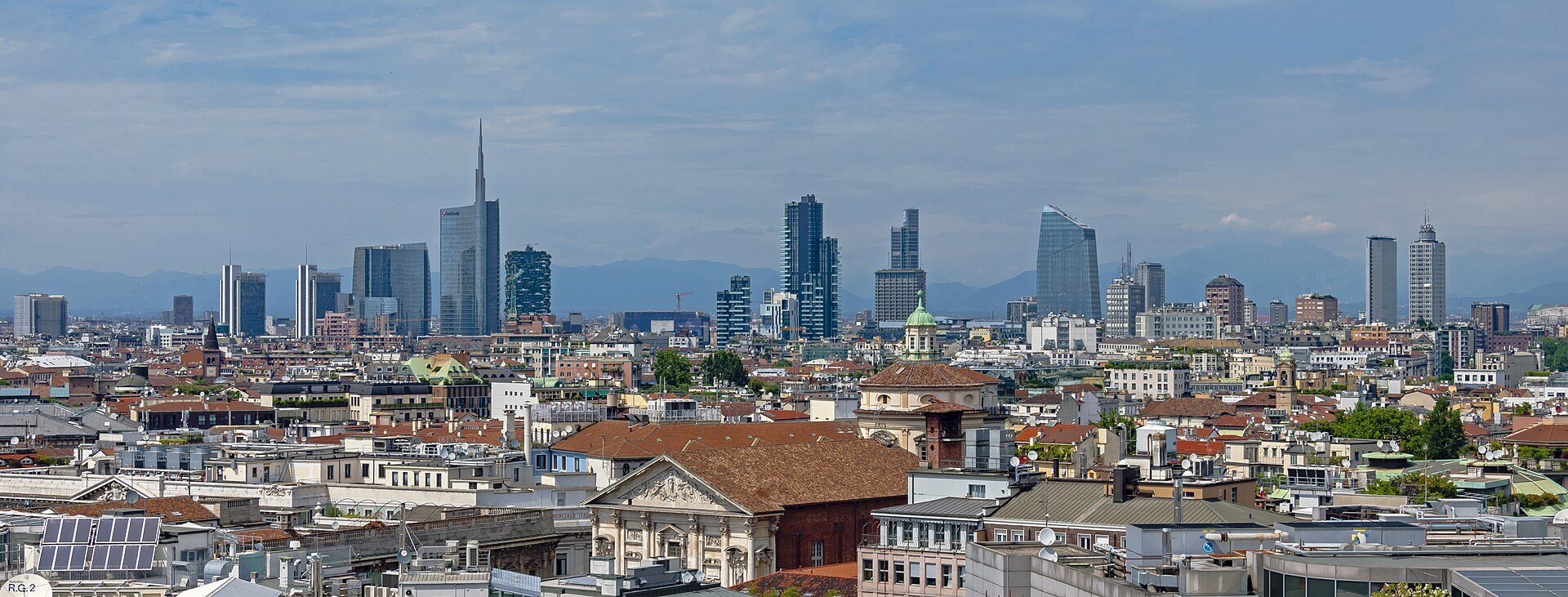
Main Attractions in Milan
Quick Guide to the Best Things to See


Milan offers a rich heritage of art, history, architecture and culture, with museums, monuments, churches and places that tell the story of the city’s identity.
📌 To learn more, click on the links to the dedicated pages +🔗
Monuments and places of interest
- Sforza Castle +🔗
- Galleria Vittorio Emanuele II
- La Scala Theatre Milan +🔗
- Palazzo Reale
- Milan Navigli +🔗
- Parco Sempione
- Stadio San Siro +🔗
Museums and cultural institutions
- Brera Art Gallery +🔗
- Ambrosian Art Gallery +🔗
- Museo Nazionale della Scienza e della Tecnologia
- Museo del Novecento
- Museo del Duomo di Milano
- Galleria d’Arte Moderna – GAM
Places of worship
- Milan Cathedral +🔗
- Basilica di Sant’Ambrogio
- Basilica di San Lorenzo Maggiore
- Santa Maria delle Grazie
- Abbazia di Chiaravalle
- Cimitero Monumentale di Milano
See also
- Guide to Milan
- Itineraries: 1d, 3d, CT1, CT2
- See: Attractions
- Do: Experiences
- Eat: Where and What
- Getting Around, Pass, Stay
Sforza Castle
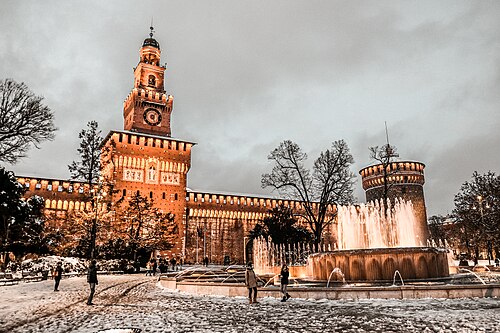
Sforza Castle is one of the most important monuments in Milan and one of the city’s symbols. Built in the 15th century by the Sforza family, it still preserves its imposing fortified structure and houses important museums and art collections.
Located next to Sempione Park, it is one of the main landmarks of Milan’s history and offers the opportunity to discover a heritage encompassing art, architecture and evidence of the city’s different historical periods.
- Estimated visit time: approximately 180 minutes.
- ✨ Walking through the courtyards, towers and museums of Sforza Castle gives you the feeling of stepping into Renaissance Milan under the Sforza dynasty.
- For days, opening hours, prices and all further information on Wikipedia 🌐 and Google Maps ➡️ see the Milan in 1 day Travel Itinerary Table 📊.
- ❌ The complex is very large: without a targeted selection of the rooms, you risk wasting time and diluting the experience.
- To see the selected experiences, visit the page Sforza Castle: Tours, Tickets and Useful Info.
Galleria Vittorio Emanuele II
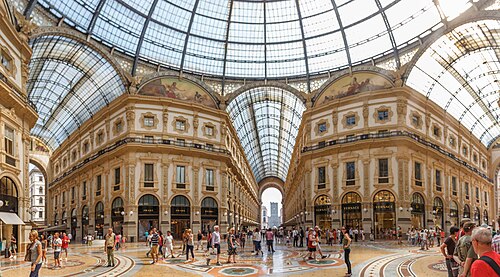
Galleria Vittorio Emanuele II is one of the most elegant and recognizable places in Milan. Opened in the 19th century, it is characterized by its large iron-and-glass roof, spectacular central dome and refined decorations, making it one of the symbols of the city’s architecture.
Connecting Piazza del Duomo with Piazza della Scala, the Galleria is still an important meeting place in the heart of the city, with shops, cafés and historic venues set within one of Milan’s most celebrated settings.
- Estimated visit time: variable, depending on your interests.
- ✨ The light filtering through the dome makes the Galleria one of the most elegant and scenic places in the city.
- For days, opening hours, prices and all further information on Wikipedia 🌐 and Google Maps ➡️ see the Milan in 1 day Travel Itinerary Table 📊.
La Scala Theatre
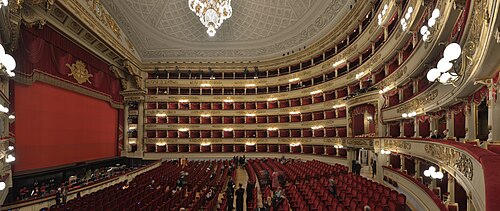
One of the world’s most famous opera houses, La Scala Theatre is one of Milan’s leading cultural institutions. Opened in the 18th century, it has hosted the works of some of the most important composers and performers in the history of music and preserves an extraordinary theatrical tradition.
Located in the heart of the city, next to Galleria Vittorio Emanuele II, the theatre also offers the opportunity to discover its elegant interiors and the heritage preserved in the La Scala Theatre Museum.
- Estimated visit time: approximately 135 minutes, including the museum.
- ✨ La Scala Theatre is one of the iconic landmarks of world culture, where the atmosphere of great opera can already be felt simply by entering Piazza della Scala.
- For days, opening hours, prices and all further information on Wikipedia 🌐 and Google Maps ➡️ see the Milan Complete Tour – Part 1: Travel Itinerary Table 📊 – Duomo Part 2.
- To see the selected experiences, visit the page La Scala Theatre Milan: Tours, Tickets and Useful Info.
Royal Palace
The Royal Palace of Milan is one of the city’s most important historic buildings and for centuries represented the centre of Milanese political power. Located next to the Duomo, it preserves monumental interiors and a long history linked to the different dynasties that ruled Milan.
Today, the palace is primarily an important exhibition centre hosting exhibitions dedicated to art and culture, forming part of the city’s monumental heart and offering a major point of reference for Milan’s cultural life.
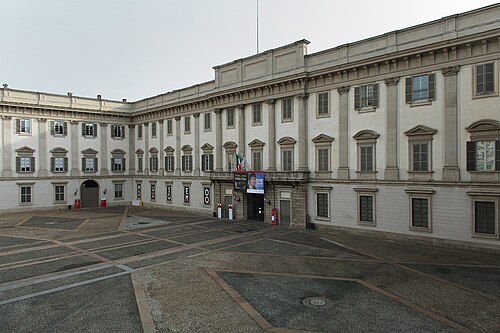
- Estimated visit time: approximately 120 minutes.
- For days, opening hours, prices and all further information on Wikipedia 🌐 and Google Maps ➡️ see the Milan in 3 days Travel Itinerary Table 📊.
Milan Navigli
The Milan Navigli are one of the city’s most characteristic areas, developed along the ancient canals that played a fundamental role in transportation and trade for centuries. The Naviglio Grande still preserves picturesque views, bridges, courtyards and historic buildings overlooking the water.
The area is particularly lively thanks to its bars, restaurants and shops and is one of the most pleasant places in Milan for a stroll, especially in the late afternoon and evening.
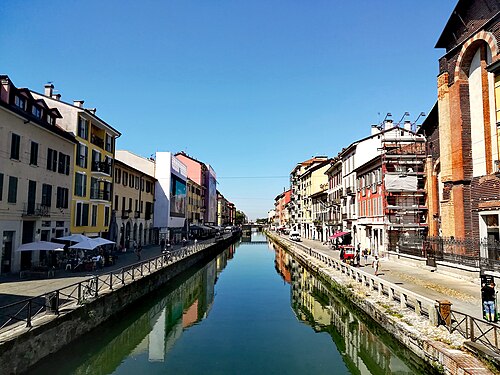
- Estimated visit time: variable, depending on your interests and the time available.
- For days, opening hours, prices and all further information on Wikipedia 🌐 and Google Maps ➡️ see the Milan in 3 days Travel Itinerary Table 📊.
- To see the selected experiences, visit the page Milan Navigli: Experiences and Useful Info.
Sempione Park
Sempione Park is the main green space in central Milan and stretches between Sforza Castle and the Arco della Pace. Created at the end of the 19th century, it features extensive lawns, trees, avenues and views that allow you to alternate sightseeing with a moment of relaxation.
The park is also one of the most pleasant places for walking through the city centre, with Sforza Castle on one side and the Arco della Pace on the other, along a route surrounded by greenery.
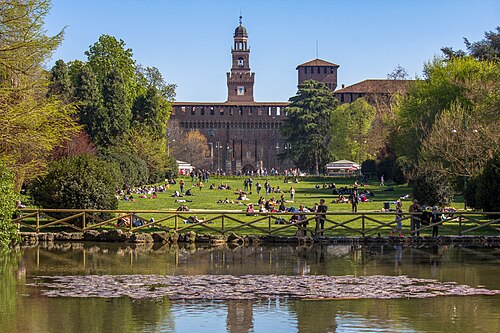
- Estimated visit time: variable, depending on your interests and the time available.
- For days, opening hours, prices and all further information on Wikipedia 🌐 and Google Maps ➡️ see the Milan Complete Tour – Part 1: Travel Itinerary Table 📊 – Brera and Castle.
San Siro Stadium
San Siro Stadium is one of Italy’s most famous sports venues and one of the symbols of Milan’s football history. Opened in 1926 and expanded several times throughout the 20th century, it is the historic home of AC Milan and Inter.
In addition to football matches, the stadium can be visited through the San Siro Museum and Tour, which allow visitors to learn about the stadium’s history, access some areas normally reserved for players and staff, and discover one of the most iconic places in Italian sport.
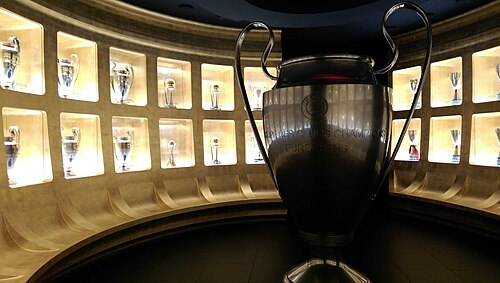
- Estimated visit time: approximately 60 minutes.
- For days, opening hours, prices and all further information on Wikipedia 🌐 and Google Maps ➡️ see the 📊 Milan Complete Tour – Part 2: Travel itinerary.
- ❌ Event days: access and traffic are severely slowed down.
- To see the selected experiences, visit the page San Siro & Casa Milan: Tours, Tickets and Useful Info.
Brera Art Gallery
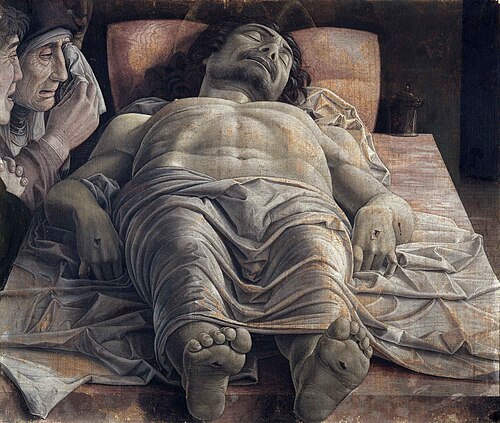
The Brera Art Gallery is one of Italy’s most important art museums and houses an extraordinary collection, particularly of Italian paintings. Among the masterpieces on display are works by Andrea Mantegna, Raphael, Caravaggio and Piero della Francesca.
Located in the heart of the Brera district, the gallery offers a journey through several centuries of art history inside the historic Brera Palace, one of Milan’s most important cultural complexes.
- Estimated visit time: approximately 120 minutes.
- ✨ The silence of the galleries and the masterpieces on display create one of the most intense artistic experiences in Italy.
- For days, opening hours, prices and all further information on Wikipedia 🌐 and Google Maps ➡️ see the 📊 Milan in 1 day: Travel itinerary.
- ❌ In the main galleries of the Brera Art Gallery, queues and slowdowns can easily occur during the central hours of the day, especially in front of the most famous masterpieces.
- To see the selected experiences, visit the page Brera Art Gallery: Tours, Tickets and Useful Info.
Ambrosian Art Gallery
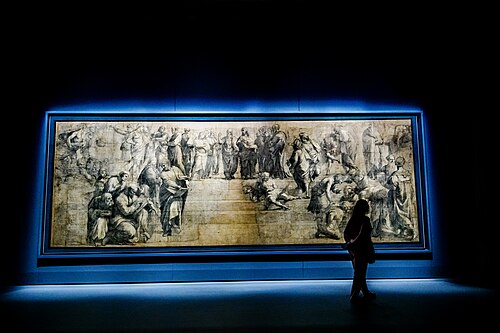
The Ambrosian Art Gallery is one of Milan’s oldest art museums and houses a precious collection of paintings, drawings and manuscripts. Among its most famous works are Raphael’s Cartoon and the Portrait of a Musician by Leonardo da Vinci.
The visit also allows you to discover the historic Ambrosian Library, founded by Cardinal Federico Borromeo, which preserves Leonardo da Vinci’s celebrated Codex Atlanticus, one of the most important collections of his drawings and studies.
- Estimated visit time: approximately 210 minutes for the entire complex.
- ✨ Leonardo da Vinci’s Codex Atlanticus is one of those rare moments when you truly feel the mind of a genius in front of you.
- For days, opening hours, prices and all further information on Wikipedia 🌐 and Google Maps ➡️ see the 📊 Milan in 3 days: Travel itinerary.
- ❌ The visit may take longer than expected: without a carefully selected route through the galleries, you risk wasting time and diluting the experience.
- To see the selected experiences, visit the page Ambrosian Art Gallery: Tours, Tickets and Useful Info.
National Museum of Science and Technology
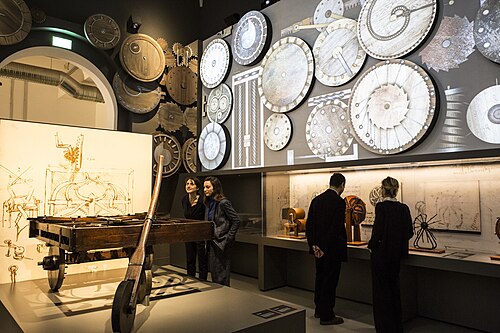
This museum, dedicated to the genius of Leonardo da Vinci, is one of Italy’s most important science and technology museums. Its collections tell the story of the evolution of science, technology and industry through instruments, machinery, laboratories and large-scale installations.
One of the most interesting sections is dedicated to Leonardo da Vinci, with models and reconstructions of his machines and projects. The museum thus offers a broad journey through inventions, transport, energy, communications and innovation.
- Estimated visit time: approximately 180 minutes.
- For days, opening hours, prices and all further information on Wikipedia 🌐 and Google Maps ➡️ see the 📊 Milan in 3 days: Travel itinerary.
Museum of the Twentieth Century
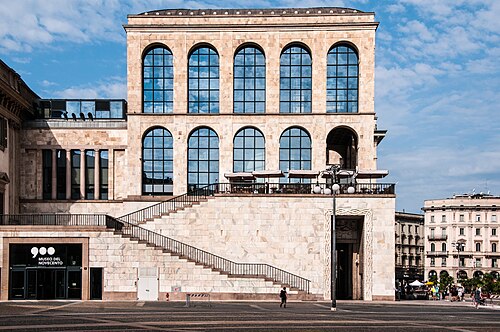
The Museum of the Twentieth Century houses one of Italy’s most important collections dedicated to 20th-century art. Housed in the Arengario Palace, next to the Duomo, it displays works by some of the leading figures of modern and contemporary Italian art.
The itinerary traces the artistic evolution of the 20th century through different movements and periods, with works by Umberto Boccioni, Giorgio de Chirico, Lucio Fontana and other important artists.
- Estimated visit time: approximately 90 minutes.
- For days, opening hours, prices and all further information on Wikipedia 🌐 and Google Maps ➡️ see the 📊 Milan in 3 days: Travel itinerary.
Milan Cathedral Museum
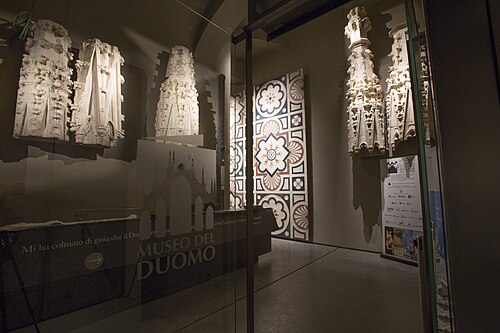
The Duomo Museum houses an extensive collection of artworks, sculptures, paintings and artefacts related to the construction and history of the cathedral. The itinerary helps visitors understand the evolution of the Duomo over the centuries and learn about the work of the artists and craftsmen who contributed to its creation.
Among statues, architectural elements and important works of art, the museum offers a unique perspective on the history of the Veneranda Fabbrica del Duomo and completes the visit to Milan’s main monument.
- Estimated visit time: approximately 40 minutes.
- For days, opening hours, prices and all further information on Wikipedia 🌐 and Google Maps ➡️ see the 📊 Milan in 1 day: Travel itinerary.
Gallery of Modern Art – GAM
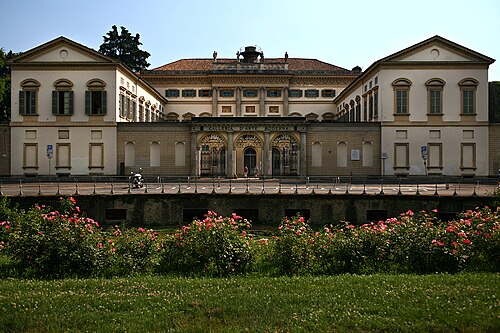
The Gallery of Modern Art in Milan, known as GAM, is housed in the historic Villa Reale on Via Palestro and preserves one of Italy’s major collections dedicated to 19th-century art. The collection includes works by important Italian and European artists from Neoclassicism, Romanticism and Realism.
The visit combines art and architecture, taking you through the elegant rooms of the Villa Reale and allowing you to discover a collection that includes works by artists such as Hayez, Segantini and Medardo Rosso.
- Estimated visit time: approximately 220 minutes for the entire complex.
- For days, opening hours, prices and all further information on Wikipedia 🌐 and Google Maps ➡️ see the Milan Complete Tour – Part 2 Travel Itinerary Table 📊 – Villa Reale.
Milan Cathedral
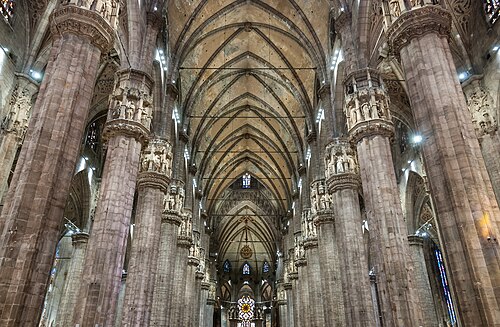
Milan Cathedral is the city’s iconic monument and one of the largest Gothic cathedrals in the world. Its construction began at the end of the 14th century and continued for several centuries, resulting in an extraordinary architectural masterpiece rich in spires, statues and marble decorations.
In addition to the large interior nave, the visit can include the rooftop terraces, from which you can observe the cathedral’s complex architecture up close and admire the panorama over central Milan.
- Estimated visit time: approximately 210 minutes for the entire complex.
- ✨ Climbing among the spires of Milan Cathedral, with the Madonnina towering over Milan from above, is one of the most iconic experiences in all of Italy.
- For days, opening hours, prices and all further information on Wikipedia 🌐 and Google Maps ➡️ see the Milan in 1 Day Travel Itinerary Table 📊.
- ❌ Visiting the Cathedral, especially the Rooftop Terraces, can involve very long queues, so it is better to book in advance.
- To see the selected experiences, visit the page Milan Cathedral: Tours, Tickets and Useful Info.
Basilica of Sant’Ambrogio
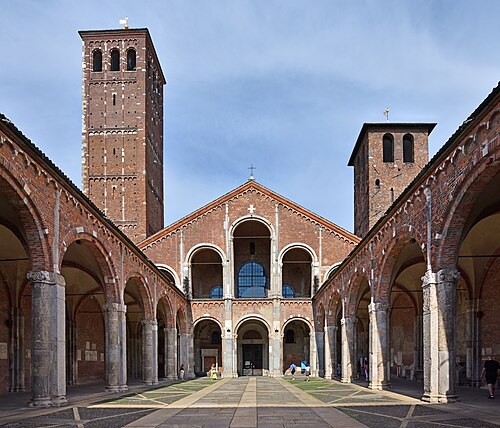
The Basilica of Sant’Ambrogio is one of Milan’s most important religious buildings and one of the main examples of Lombard Romanesque architecture. Its origins date back to the Early Christian period, while its current appearance is the result of major medieval transformations.
The complex preserves elements of great historical and artistic interest, including the characteristic porticoed atrium, the pulpit and the precious Golden Altar, and represents one of the most significant places in the city’s religious history.
- Estimated visit time: approximately 60 minutes including the museum.
- For days, opening hours, prices and all further information on Wikipedia 🌐 and Google Maps ➡️ see the Milan Complete Tour – Part 1 Travel Itinerary Table 📊 – San Vittore.
Basilica of San Lorenzo Maggiore
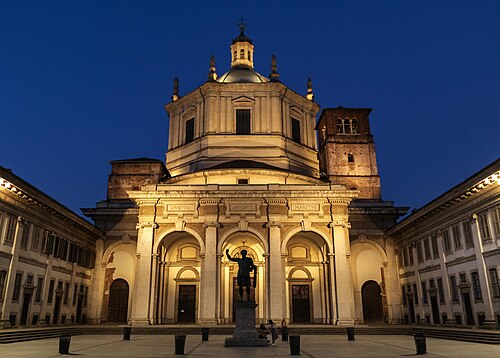
The Basilica of San Lorenzo Maggiore is one of Milan’s oldest and most fascinating religious buildings. Its origins date back to the late Roman period, and the complex still preserves important evidence of the city’s history, together with its distinctive monumental structure.
In front of the basilica stand the famous Columns of San Lorenzo, an imposing row of Roman columns that forms one of the most recognizable views in this part of Milan’s historic centre.
- Estimated visit time: approximately 40 minutes.
- For days, opening hours, prices and all further information on Wikipedia 🌐 and Google Maps ➡️ see the Milan Complete Tour – Part 1 Travel Itinerary Table 📊 – Ticinese and Navigli.
Santa Maria delle Grazie
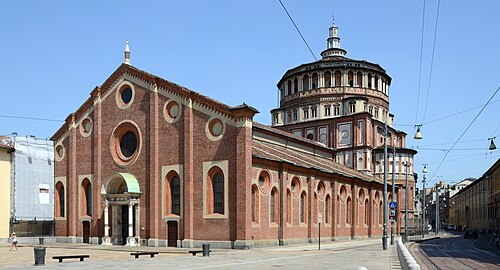
The Church of Santa Maria delle Grazie is one of Milan’s most important Renaissance monuments and is part of the UNESCO World Heritage Site. The complex was built between the 15th and 16th centuries and preserves extraordinary architecture linked to the history of the Sforza court.
The church is particularly famous because the nearby convent refectory houses Leonardo da Vinci’s Last Supper, one of the most important masterpieces in art history and one of Milan’s most visited works of art.
- Estimated visit time: about 35 minutes.
- For days, opening hours, prices and all additional information on Wikipedia 🌐 and Google Maps ➡️ see the Milan in 3 Days Travel Itinerary Table 📊.
The Last Supper
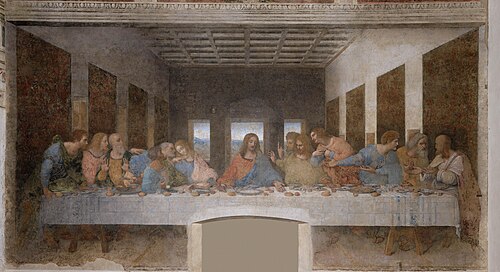
Leonardo da Vinci’s Last Supper is one of the most celebrated masterpieces of Renaissance art and one of the most important works preserved in Milan. Painted at the end of the 15th century in the refectory of the convent of Santa Maria delle Grazie, it depicts the moment when Jesus announces to the apostles that one of them will betray him.
The fragility of the work and the need to protect its preservation make visits particularly regulated, with limited admission and advance booking recommended. The Last Supper is part of the UNESCO World Heritage Site together with the church and convent of Santa Maria delle Grazie.
- Estimated visit time: about 25 minutes.
- ✨ Entering the room and finding yourself face to face with Leonardo’s Last Supper is a moment that is difficult to forget.
- For days, opening hours, prices and all additional information on Wikipedia 🌐 and Google Maps ➡️ see the Milan in 3 Days Travel Itinerary Table 📊.
- ❌ Tickets for the Last Supper often sell out days or weeks in advance: avoid including it in your itinerary without a reservation.
- To see the selected experiences, visit the page The Last Supper: Tours, Tickets and Useful Info.
Chiaravalle Abbey
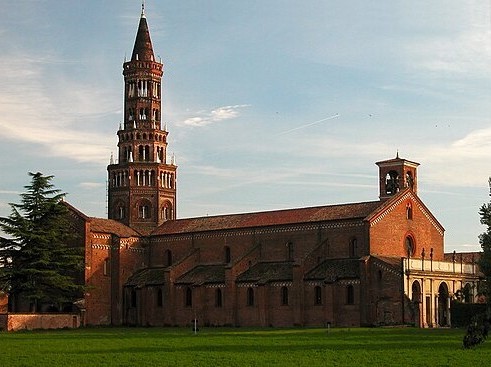
Chiaravalle Abbey is one of the most important monastic complexes in the Milan area and preserves an atmosphere very different from that of the city centre. Founded in the 12th century by Cistercian monks, it is still surrounded by an agricultural landscape that recalls the area’s rural history.
The church features evocative medieval architecture and houses important works of art, while the monastic complex offers the opportunity to discover a place closely linked to the religious and agricultural history of the Milan area.
- Estimated visit time: about 150 minutes for the entire complex.
- ✨ The monastic complex conveys a feeling of absolute peace, seemingly untouched by time.
- For days, opening hours, prices and all additional information on Wikipedia 🌐 and Google Maps ➡️ see the Milan Complete Tour – Part 2 Travel Itinerary Table 📊 – Milan Outskirts.
Milan Monumental Cemetery
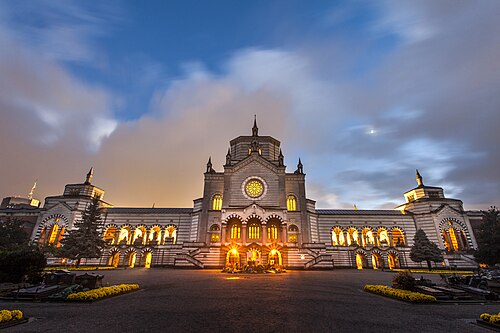
Milan Monumental Cemetery is one of the city’s most distinctive places and a true open-air museum. Opened in the 19th century, it contains monumental chapels, tombs and sculptures created by important Italian artists and architects.
Walking along its avenues, visitors encounter funerary works of great artistic value, linked to the history of Milan’s leading families and personalities. The Monumental Cemetery thus represents a remarkable combination of art, architecture, memory and the history of the city.
- Estimated visit time: about 60 minutes.
- For days, opening hours, prices and all additional information on Wikipedia 🌐 and Google Maps ➡️ see the Milan Complete Tour – Part 2 Travel Itinerary Table 📊 – North Milan.
See also
- Guide to Milan
- Itineraries: 1d, 3d, CT1, CT2
- See: Attractions
- Do: Experiences
- Eat: Where and What
- Getting Around, Pass, Stay
Other Destinations
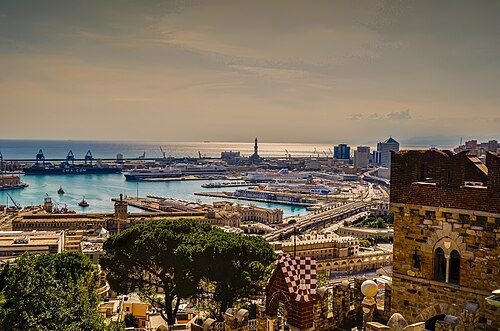
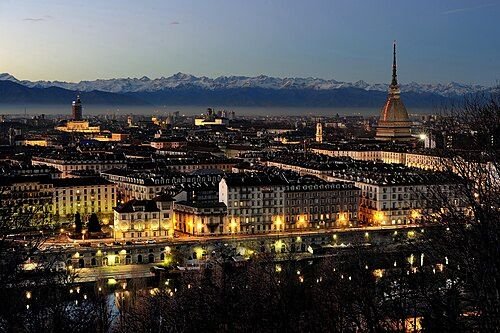
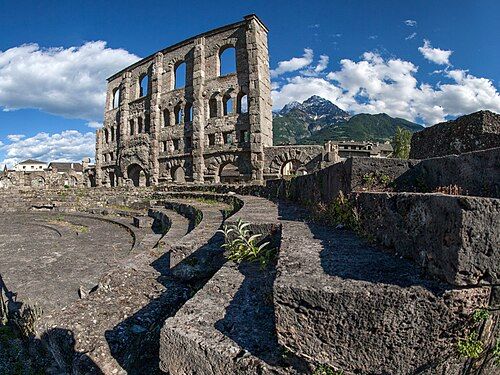
🔐 Some images on this page are used under Creative Commons licenses:
By Maurizio Beatrici – Genoa, port and Lanterna from Castello d’Albertis – Own work – CC BY-SA 4.0 – Wikimedia Commons
By Hpnx9420 – Turin, view from Monte dei Cappuccini – Own work – CC BY 3.0 – Wikimedia Commons
By Alexis Courthoud – Aosta, panoramic view of the Ancient Roman Theatre – Own work – CC BY-SA 4.0 – Wikimedia Commons
By Daniel Case – Milan, skyline panorama from the Duomo – Own work, CC BY-SA 3.0 – Wikimedia Commons
Expand image credits
By MauriTz3 – Milan, Sforza Castle in winter – Own work – CC BY-SA 4.0 – Wikimedia Commons
By Marco Pagani – Milan, Galleria Vittorio Emanuele II – Imported from 500px – CC BY 3.0 – Wikimedia Commons
By Wolfgang Moroder – Milan, interior view of Teatro alla Scala – Own work – CC BY-SA 3.0 – Wikimedia Commons
By Paolobon140 – Milan, three-quarter view of the Royal Palace – Own work – CC BY-SA 4.0 – Wikimedia Commons
By FlavMi – Milan, Naviglio Grande – Own work – CC BY-SA 3.0 – Wikimedia Commons
By Alessandro Perazzoli – Milan, Sforza Castle seen from Sempione Park – Own work – CC BY-SA 4.0 – Wikimedia Commons
By Andre86 – Milan, Casa Milan Trophy Room – Own work – CC BY-SA 4.0 – Wikimedia Commons
By Andrea Mantegna – Milan, Brera Art Gallery, Lamentation over the Dead Christ – Pinacoteca di Brera – Public domain – Wikimedia Commons
By Pietroarco – Milan, Ambrosian Library and Art Gallery – Own work – CC BY-SA 4.0 – Wikimedia Commons
By Lorenza Daverio – Milan, National Museum of Science and Technology, Theatre of Machines – Photograph created for the museum – CC BY 4.0 – Wikimedia Commons
By Emanuela Terzi – Milan, Arengario Palace, home of the Museo del Novecento – Own work – CC BY-SA 4.0 – Wikimedia Commons
By 23vita – Milan, entrance to the Duomo Museum – Own work – CC BY-SA 3.0 – Wikimedia Commons
By Paolobon140 – Milan, Royal Villa, general view of the GAM entrance – Own work – CC BY-SA 4.0 – Wikimedia Commons
By Gary Ullah – Milan, Duomo, central nave – Milan Cathedral – CC BY 2.0 – Wikimedia Commons
By Ludvig14 – Milan, atrium of the Basilica of Sant’Ambrogio – Own work – CC BY-SA 4.0 – Wikimedia Commons
By Aisav72 – Milan, Basilica of San Lorenzo Maggiore at night – Own work – CC BY-SA 4.0 – Wikimedia Commons
By Marcin Białek – Milan, Church of Santa Maria delle Grazie – Own work – CC BY-SA 3.0 – Wikimedia Commons
By Leonardo da Vinci – Milan, Last Supper – Work by Leonardo da Vinci – Public domain – Wikimedia Commons
By Yoruno – Milan, Chiaravalle Abbey – Own work – CC BY-SA 3.0 – Wikimedia Commons
By Federico Quagliuolo – Milan, façade of the main building of the Monumental Cemetery at dusk – Own work – CC BY-SA 4.0 – Wikimedia Commons