
Main Attractions in Turin
Quick Guide to the Best Things to See


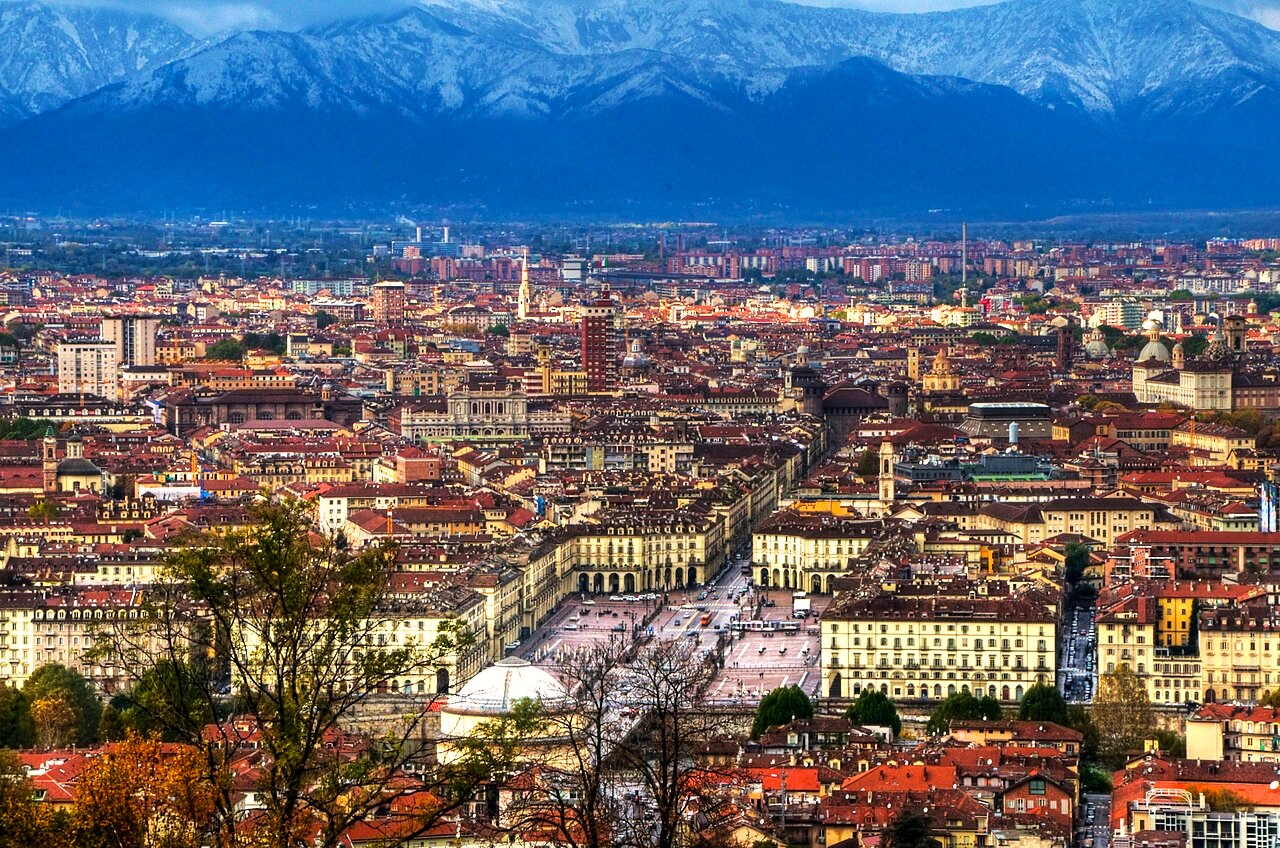
Turin surprises with the elegance of its squares, its grand Savoy residences and world-renowned museums. A rich and varied heritage that combines history, art, culture and Piedmontese traditions.
📌 To learn more, click on the links to the dedicated pages +🔗
Savoy Residences
- Royal Palace of Turin +🔗
- Royal Palace of Venaria +🔗
- Stupinigi Hunting Lodge +🔗
- Palazzo Carignano
- Villa della Regina
Museums
- Egyptian Museum of Turin +🔗
- National Cinema Museum +🔗
- Museo Nazionale dell’Automobile
- Museo Nazionale del Risorgimento
Places of worship
Places of interest
- Mole Antonelliana +🔗
- Porta Palazzo
- Caffè Baratti & Milano
- Piazza Vittorio Veneto
- Porta Palatina
- Parco del Valentino and Borgo Medievale
- Teatro romano di Torino
- Galleria Subalpina
See also:
- Guide to Turin
- Itineraries: 1d, 3d, CT1, CT2
- See: Attractions
- Do: Experiences
- Eat: Where and What
- Getting Around, Pass, Stay
Royal Palace of Turin
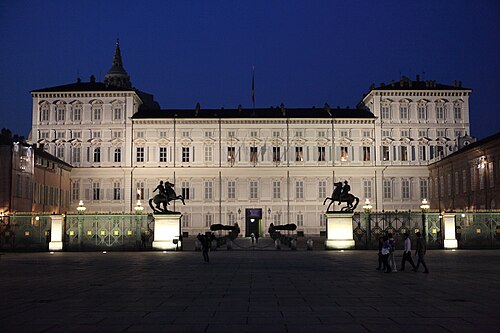
The Royal Palace of Turin is one of the city’s most important historic residences and one of the symbolic landmarks of the House of Savoy. Built and expanded over the centuries, it still preserves elegant rooms that tell the story of the Savoy court.
Located in the heart of the historic centre, next to the Cathedral of Turin and the Chapel of the Holy Shroud, the palace is part of the great complex of the Residences of the House of Savoy and offers an insight into the evolution of court life through architecture, art and furnishings.
- Estimated visit time: approximately 270 minutes for the entire complex.
- ✨ Entering the Royal Palace means finding yourself in front of one of Europe’s most spectacular Savoy residences: its rooms, furnishings and proportions immediately convey the idea of the court’s absolute power and representation.
- For days, opening hours, prices and all the information on Wikipedia 🌐 and Google Maps ➡️ see the Itinerary Table 📊 Turin in 1 day.
- To view the selected experiences, visit the page Royal Palace of Turin: Tours, Tickets and Useful Info.
Royal Palace of Venaria
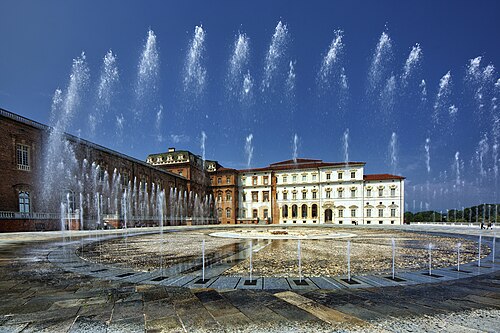
The Royal Palace of Venaria is one of the grandest Savoy residences and one of the most important monumental complexes in Piedmont. Built from the 17th century onwards as a pleasure and hunting residence, it preserves monumental Baroque halls, galleries and decorated rooms that testify to the magnificence of the Savoy court.
Surrounded by the extensive Gardens of the Royal Palace, the residence offers a route combining architecture, art and landscape, allowing visitors to discover one of the most important historic heritage sites around Turin.
- Estimated visit time: approximately 180 minutes.
- ✨ The gardens and monumental spaces create a continuous and exceptionally impressive visual experience.
- For days, opening hours, prices and all the information on Wikipedia 🌐 and Google Maps ➡️ see the Itinerary Table 📊 Turin Complete Tour Part 2 – Sacred and Profane.
- ❌ On weekends and during the high season, booking is strongly recommended to avoid queues and long waits at the entrance and to make the most of your visit.
- To view the selected experiences, visit the page Stupinigi & Royal Palace of Venaria: Tours, Tickets and Useful Info.
Stupinigi Hunting Lodge
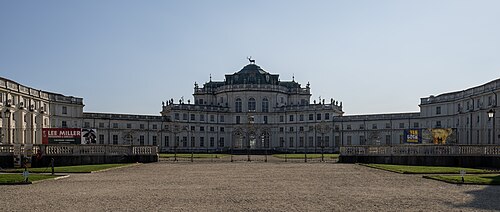
The Stupinigi Hunting Lodge is one of the masterpieces of Piedmontese Baroque architecture. Designed in the 18th century, it features a distinctive scenic layout with large reception rooms, refined decorations and a monumental central hall.
Set in an extensive area on the outskirts of the city, the lodge was built as a residence for the court’s hunting excursions and still offers an insight into the taste and lifestyle of the House of Savoy.
- Estimated visit time: approximately 60 minutes.
- For days, opening hours, prices and all the information on Wikipedia 🌐 and Google Maps ➡️ see the Itinerary Table 📊 Turin Complete Tour Part 2 – Sacred and Profane.
- To view the selected experiences, visit the page Stupinigi & Royal Palace of Venaria: Tours, Tickets and Useful Info.
Palazzo Carignano
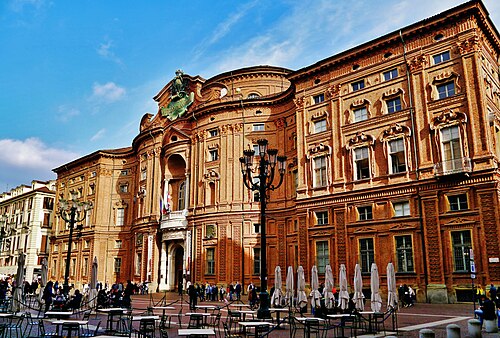
Palazzo Carignano is one of Turin’s most important historic buildings and one of the city’s finest examples of Baroque architecture. Designed by Guarino Guarini in the 17th century, it is distinguished by its spectacular brick façade and the distinctive configuration of its interior spaces.
Located in the heart of the historic centre, the palace is closely linked to the history of unified Italy: the first Italian Parliament met here and today it houses the National Museum of the Italian Risorgimento, offering an important meeting point between architecture and national history.
- Estimated visit time: approximately 45 minutes.
- ✨ Palazzo Carignano is one of the most symbolic places of the Risorgimento: walking through its rooms means entering the very place where unified Italy was born.
- ❌ Access to the museum and historic rooms may be limited during certain time slots and on days with higher visitor numbers.
- For days, opening hours, prices and all the information on Wikipedia 🌐 and Google Maps ➡️ see the Itinerary Table 📊 Turin in 3 days.
Villa della Regina
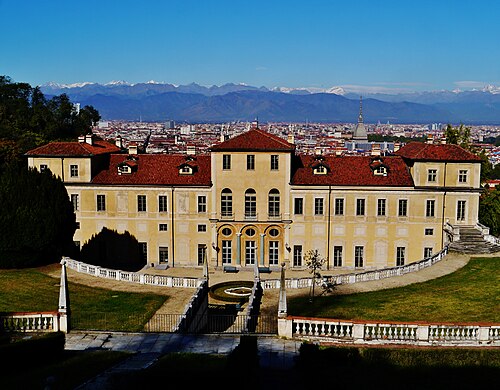
Villa della Regina is one of the most elegant Savoy residences and one of the most evocative places on the hills overlooking the city. Built in the 17th century and subsequently expanded, it preserves historic apartments, decorations and rooms that tell the story of life at the Savoy court.
Its panoramic position also offers views over Turin from above, while the Italian-style gardens, central pavilion and historic vineyards complete a complex where architecture, art and landscape blend together in a particularly harmonious way.
- Estimated visit time: about 75 minutes.
- For days, opening hours, prices and all additional information on Wikipedia 🌐 and Google Maps ➡️ see the Itinerary Table 📊 Turin Complete Tour Part 2 – Regina and Valentino.
Egyptian Museum of Turin
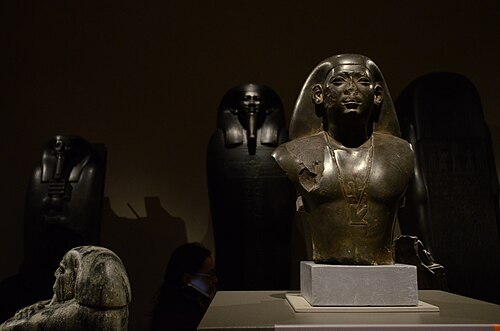
The Egyptian Museum of Turin is one of the world’s most important museums dedicated to the civilization of ancient Egypt and one of the city’s leading cultural landmarks. Founded in the 19th century, it houses an extraordinary collection of statues, papyri, sarcophagi, mummies and objects documenting thousands of years of Egyptian history.
Located in the historic center, the museum offers a journey through temples, tombs and archaeological collections, providing one of the most significant cultural experiences to enjoy during a visit to Turin.
- Estimated visit time: about 120 minutes.
- ✨ The Egyptian Museum of Turin is a fully immersive experience: every room transforms the visit into a direct journey into a millennia-old civilization.
- For days, opening hours, prices and all additional information on Wikipedia 🌐 and Google Maps ➡️ see the Itinerary Table 📊 Turin in 1 day.
- ❌ Extremely high visitor numbers throughout the year, especially on weekends and during peak tourist periods; advance booking is recommended.
- To see the selected experiences, visit the page Egyptian Museum of Turin: Tours, Tickets and Useful Info.
National Cinema Museum
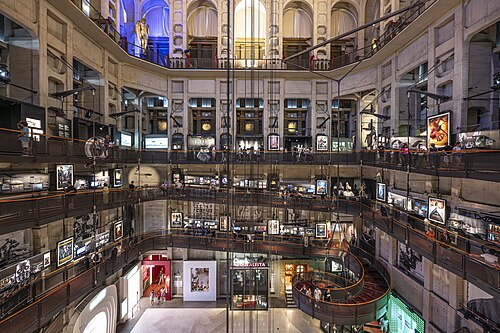
Housed inside the Mole Antonelliana, the National Cinema Museum is one of Turin’s most original museums and one of Italy’s leading institutions dedicated to the history of the seventh art. The museum houses cinematographic equipment, photographs, posters, sets and materials documenting the evolution of cinema.
The exhibition route develops around the Mole’s large central space and allows visitors to discover the history of cinema through scenic settings and interactive installations.
- Estimated visit time: about 60 minutes.
- For days, opening hours, prices and all additional information on Wikipedia 🌐 and Google Maps ➡️ see the Itinerary Table 📊 Turin in 1 day.
- ❌ Cinema enthusiasts may need more time than the estimated 60 minutes to explore all the museum’s installations and sections at a leisurely pace.
- To see the selected experiences, visit the page Mole Antonelliana and Cinema Museum: Tours, Tickets and Useful Info.
Museo Nazionale dell’Automobile
The National Automobile Museum is one of Italy’s leading museums dedicated to the history of the automobile and one of the places most representative of Turin’s automotive tradition. The collection includes numerous historic models that trace the evolution of the automobile, from its origins to the most modern technologies.
The exhibition route takes visitors through different eras of mobility, highlighting not only the technical evolution of cars but also their relationship with society, design and the industrial culture that helped make Turin one of the world’s automotive capitals.
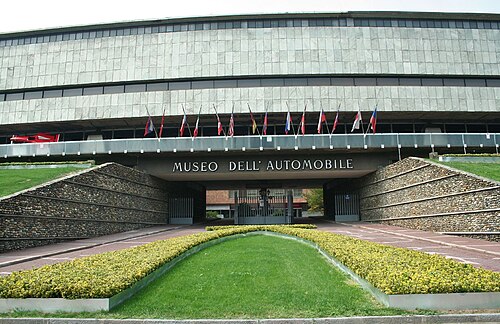
- Estimated visit time: about 120 minutes.
- For days, opening hours, prices and all additional information on Wikipedia 🌐 and Google Maps ➡️ see the Itinerary Table 📊 Turin Complete Tour Part 2 – Turin and the Automobile.
Museo Nazionale del Risorgimento
The National Museum of the Italian Risorgimento tells the political and social history that led to the birth of the Italian state through documents, paintings, weapons, uniforms and testimonies from the 19th century. It is the most important Italian museum dedicated to the Risorgimento and houses an extensive collection related to the events of national unification.
Housed inside the historic Palazzo Carignano, the museum allows visitors to retrace the events involving Turin and Piedmont during the process of unification, with particular attention to the city’s role as Italy’s first capital.
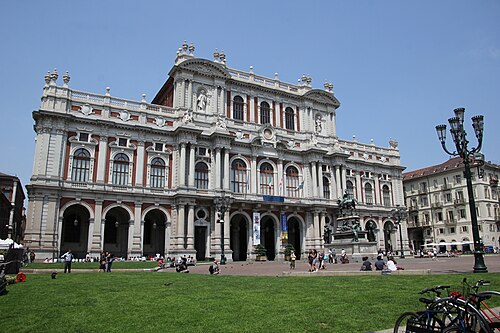
- Estimated visit time: about 45 minutes.
- ❌ Access to the museum and historic rooms may be limited at certain times and on days with higher visitor numbers.
- For days, opening hours, prices and all additional information on Wikipedia 🌐 and Google Maps ➡️ see the Itinerary Table 📊 Turin in 3 days.
Duomo and Sacra Sindone
Turin Cathedral is the city’s main church and one of the most important religious sites in Piedmont. Built at the end of the 15th century, it features Renaissance architecture and houses the famous Chapel of the Holy Shroud, one of the most significant monumental spaces in Turin’s historic center.
The chapel, designed by Guarino Guarini, is connected to the history of the Holy Shroud of Turin, kept in the monumental altar. The complex is located next to the Royal Palace and allows visitors to experience important artistic, architectural and religious heritage of the city in a single visit.
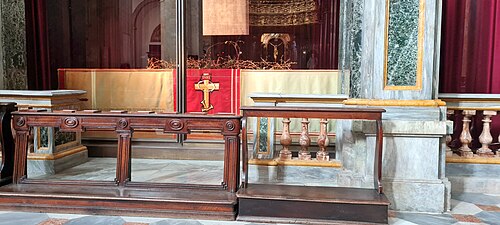
- Estimated visit time: about 30 minutes for the chapel and 60 minutes for the museum.
- ✨ The light filtering into the Chapel of the Holy Shroud creates an almost unreal, suspended atmosphere that can only truly be perceived by entering the Cathedral.
- ❌ Admission is subject to the opening hours of the Chapel of the Holy Shroud, and access is not always guaranteed during religious celebrations.
- For days, opening hours, prices and all additional information on Wikipedia 🌐 and Google Maps ➡️ see the Itinerary Table 📊 Turin in 3 days.
Basilica di Superga
The Basilica di Superga is one of the most recognisable landmarks in Turin’s landscape and dominates the city from the summit of the hill of the same name. Designed by Filippo Juvarra in the 18th century, it features a large dome and a monumental façade that make it one of the leading examples of Piedmontese Baroque architecture.
In addition to the church, the complex houses the Tombe Reali dei Savoia, while its elevated position offers one of the widest panoramic views over Turin and the Alpine arc on days with good visibility.
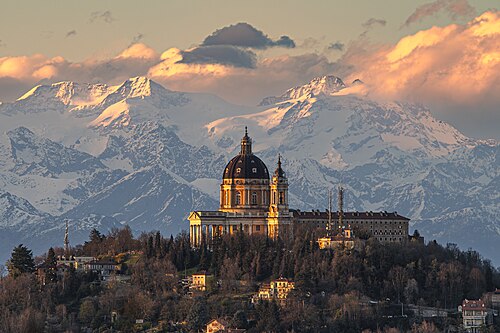
- Estimated visit time: approximately 45 minutes.
- For days, opening hours, prices and all additional information on Wikipedia 🌐 and Google Maps ➡️ see the Itinerary Table 📊 Turin Complete Tour Part 2 – Sacred and Profane.
Basilica Mauriziana
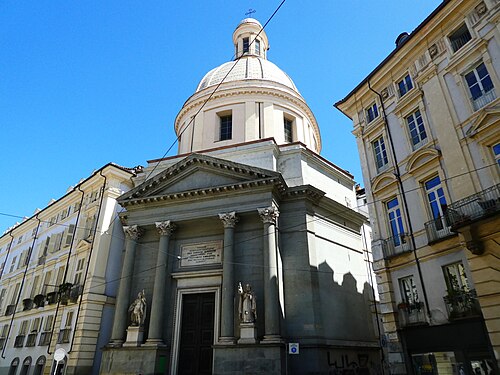
The Basilica Mauriziana is one of the main religious buildings in Turin’s historic centre and preserves important artistic heritage linked to the city’s history. The church is closely connected with the Order of Saints Maurice and Lazarus and the Savoy tradition.
Located in one of the most central areas of Turin, the basilica features richly decorated interiors and works of art that reveal a lesser-known aspect of the city’s religious heritage, set within the historic fabric of the centre.
- Estimated visit time: approximately 30 minutes.
- For days, opening hours, prices and all additional information on Wikipedia 🌐 and Google Maps ➡️ see the Itinerary Table 📊 Turin Complete Tour Part 1 – Royal and Roman Turin.
Mole Antonelliana
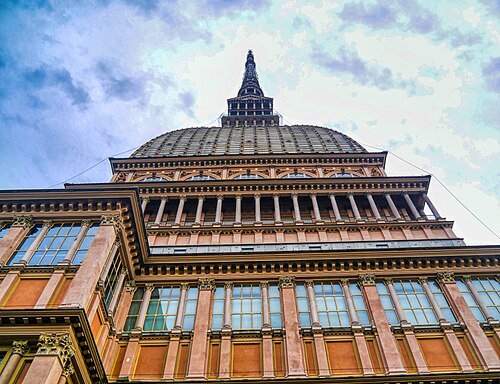
A true symbol of Turin, the Mole Antonelliana is one of the city’s most famous buildings. Designed by Alessandro Antonelli in the 19th century, it reaches a height of 167 metres thanks to its distinctive dome and long spire, defining Turin’s skyline.
Today, the Mole houses the Cinema Museum and is one of the city’s main panoramic viewpoints. The lift allows visitors to reach the panoramic terrace, from which the centre of Turin and the surrounding Alpine arc can be seen.
- Estimated visit time: approximately 60 minutes.
- ✨ At sunset, the view from the dome becomes particularly atmospheric.
- For days, opening hours, prices and all additional information on Wikipedia 🌐 and Google Maps ➡️ see the Itinerary Table 📊 Turin in 1 day.
- ❌ The panoramic lift can have long queues in the evening and at weekends.
- To see the selected experiences, visit the page Mole Antonelliana and Cinema Museum: Tours, Tickets and Useful Information.
Porta Palazzo
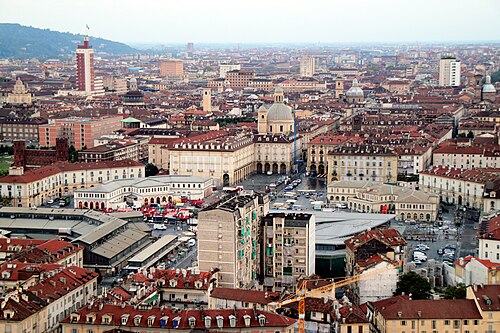
Porta Palazzo is one of the liveliest and most characteristic places in Turin and is home to one of Europe’s largest open-air markets. The area extends around Piazza della Repubblica and brings together stalls selling food, clothing and goods of all kinds, reflecting the city’s cultural and commercial diversity.
Located just a short walk from the historic centre and the Porta Palatina, the market offers an atmosphere very different from that of the city’s main monumental squares and is one of the most interesting places to observe everyday life in Turin.
- Estimated visit time: variable depending on your interest and available time.
- For days, opening hours, prices and all additional information on Wikipedia 🌐 and Google Maps ➡️ see the Itinerary Table 📊 Turin Complete Tour Part 1 – Royal and Roman Turin.
Caffè Baratti & Milano
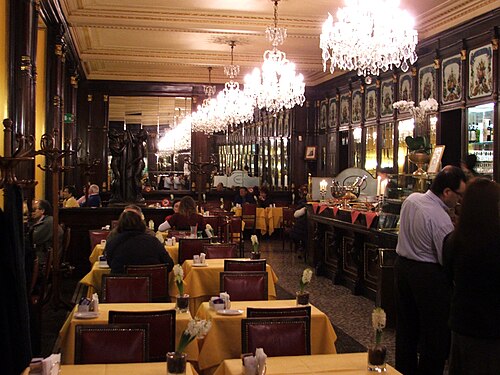
Caffè Baratti & Milano is one of Turin’s most elegant historic cafés and one of the finest examples of the city’s grand café tradition. Founded in the 19th century, it preserves refined interiors that evoke the style of Turin’s historic cafés and the culture of the cafés once frequented by the city’s bourgeoisie and intellectuals.
Overlooking the Galleria Subalpina, the café is located in one of the most monumental areas of the city centre and offers an opportunity to experience a culinary and social tradition deeply connected to the history of Turin.
- Estimated visit time: variable depending on your interests and the time available.
- ✨ Sitting in a historic Turin café overlooking Piazza Castello is one of the most authentic experiences to enjoy in the centre of Turin.
- For days, opening hours, prices and all further information on Wikipedia 🌐 and Google Maps ➡️ consult the Itinerary Table 📊 Turin in 1 Day.
Piazza Vittorio Veneto
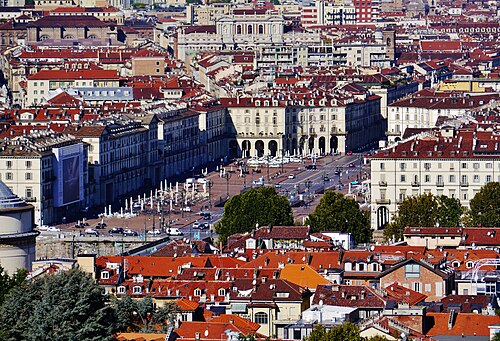
Piazza Vittorio Veneto is one of Turin’s largest and most scenic squares and one of the city’s main urban spaces overlooking the Po River. Its broad perspective is framed by long arcades and leads towards the Vittorio Emanuele I Bridge, creating a direct connection with the Gran Madre area.
Located on the edge of the historic centre, the square is particularly lively thanks to the numerous cafés, bars and restaurants beneath the arcades. Its eastern end also offers a striking view towards the Turin hills and the Basilica di Superga.
- Estimated visit time: external view.
- For days, opening hours, prices and all further information on Wikipedia 🌐 and Google Maps ➡️ consult the Itinerary Table 📊 Turin Complete Tour Part 1 – Cittadella and Vittorio Veneto.
Porta Palatina
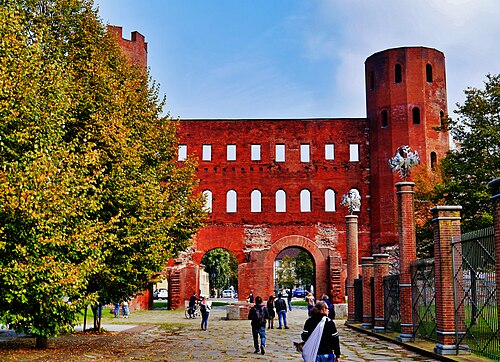
Porta Palatina is one of the best-preserved Roman monuments in Turin and one of the main surviving testimonies to ancient Augusta Taurinorum. Built during the Roman period, it formed part of the city’s defensive system and entrance gates and still preserves its characteristic towers and central passageway.
Located close to Porta Palazzo and the historic centre, the gate makes it possible to recognise the structure of the ancient Roman city and represents one of the most important archaeological remains still visible within Turin’s urban fabric.
- Estimated visit time: external view.
- ✨ Passing through Porta Palatina means entering the heart of Roman Turin: its imposing towers create a striking sight, especially when the contrast with the modern city becomes evident.
- For days, opening hours, prices and all further information on Wikipedia 🌐 and Google Maps ➡️ consult the Itinerary Table 📊 Turin in 1 Day.
Parco del Valentino and Borgo Medievale
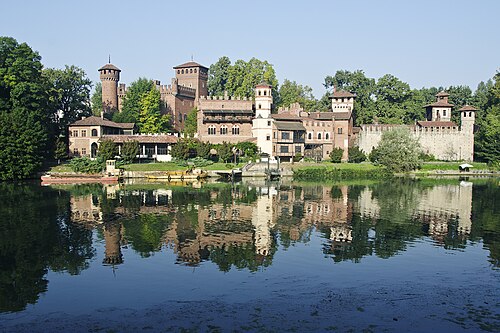
Parco del Valentino is Turin’s main historic park and one of the most pleasant places to walk along the banks of the Po River. This large green space features centuries-old trees, avenues and views over the river, offering a break from the city’s monumental centre.
Inside the park is the Borgo Medievale, a complex built at the end of the 19th century and inspired by medieval buildings and architecture from Piedmont. Together with the Castello del Valentino, the complex forms one of the most characteristic corners of Turin’s historic and scenic heritage.
- Estimated visit time: approximately 60 minutes.
- ❌ During peak tourist periods and weekends, the area becomes very busy, especially around the Rocca and the internal paths, slowing down the visit.
- For days, opening hours, prices and all further information on Wikipedia 🌐 and Google Maps ➡️ consult the Itinerary Table 📊 Turin Complete Tour Part 2 – Regina and Valentino.
Teatro Romano di Torino
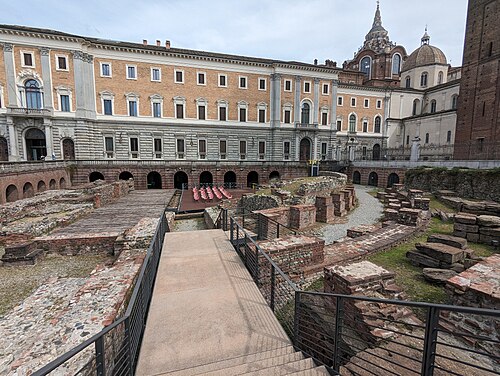
The Teatro Romano di Torino is one of the main archaeological remains of ancient Augusta Taurinorum. Built during the Roman period, it formed part of the original city and still preserves some structures that make it possible to recognise the ancient building used for public performances.
The remains are located in the heart of the historic centre, just a few steps from the Duomo and the Royal Palace, within an archaeological area that also preserves other traces of Roman Turin and helps visitors understand the city’s historical layers.
- Estimated visit time: approximately 30 minutes.
- For days, opening hours, prices and all further information on Wikipedia 🌐 and Google Maps ➡️ consult the Itinerary Table 📊 Turin Complete Tour Part 1 – Royal and Roman Turin.
Galleria Subalpina
It is one of Turin’s most elegant historic galleries and one of the finest examples of the city’s urban architecture between the 19th and 20th centuries. The Galleria Subalpina was inaugurated at the end of the 19th century and is characterised by a large glass roof and refined decorative elements that define its monumental appearance.
Located between Piazza Castello and Piazza Carlo Alberto, the gallery connects some of the main areas of the historic centre and still houses shops, cafés and other businesses. Its proximity to the Egyptian Museum and Caffè Baratti & Milano makes it a natural stop when exploring the heart of Turin.
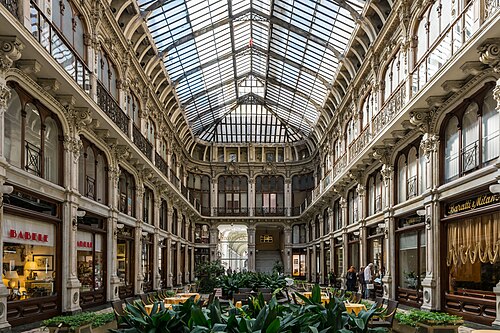
- Estimated visit time: external view.
- For days, opening hours, prices and all further information on Wikipedia 🌐 and Google Maps ➡️ consult the Itinerary Table 📊 Turin Complete Tour Part 1 – Mole and Egyptian Museum.
See also
- Guide to Turin
- Itineraries: 1d, 3d, CT1, CT2
- See: Attractions
- Do: Experiences
- Eat: Where and What
- Getting Around, Pass, Stay
Other Destinations
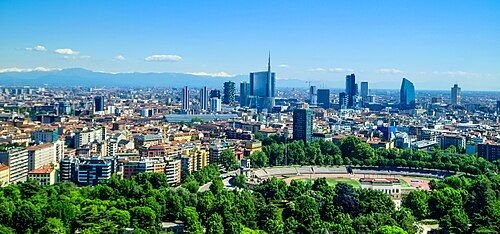
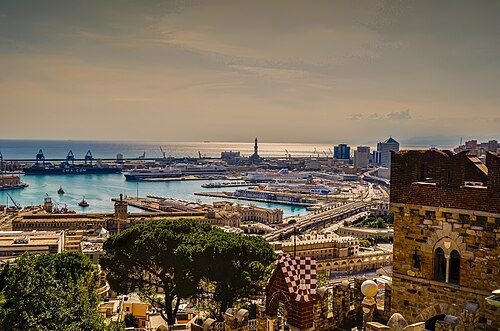
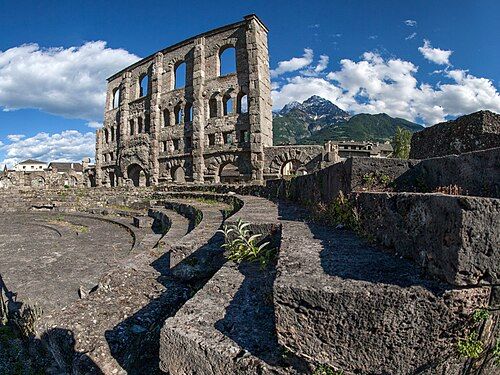
🔐 Some images on this page are used under Creative Commons licenses:
By Maurizio Beatrici – Genoa, port and Lanterna from Castello d’Albertis – Own work – CC BY-SA 4.0 – Wikimedia Commons
By https://www.pexels.com/u/ghostpresenter/ – Milan, Porta Nuova skyline – CC0 – Public Domain – Wikimedia Commons
By Alexis Courthoud – Aosta, panoramic view of the Ancient Roman Theatre – Own work – CC BY-SA 4.0 – Wikimedia Commons
By Uccio “Uccio2” D’Ago – Torino, vista panoramica città e Piazza Vittorio Veneto – Opera propria – CC BY-SA 3.0 – Wikimedia Commons
Expand image credits
By Zairon – Turin, Mole Antonelliana seen from the street below – Own work – CC BY-SA 4.0 – Wikimedia Commons
By Elisabetta Castellano – Turin, Egyptian Museum, sarcophagus of the royal scribe Shepmin – Own work – CC BY-SA 4.0 – Wikimedia Commons
By Domeian – Turin, Mole Antonelliana, view of the Cinema Museum inside the Mole – Own work – CC BY-SA 4.0 – Wikimedia Commons
By Ste73ve – Turin, Royal Palace façade in the evening – Own work – CC BY-SA 3.0 – Wikimedia Commons
By Tiziano Photography – Turin, Venaria Reale, panoramic view from the fountain – Own work – CC BY-SA 3.0 – Wikimedia Commons
By Derbrauni – Turin, Chapel of the Holy Shroud, inside the Cathedral – Own work – CC BY 4.0 – Wikimedia Commons
By TorinoDoc – Turin, Stupinigi Hunting Lodge, main entrance – Own work – CC BY-SA 4.0 – Wikimedia Commons
By Pmk58 – Turin, Basilica of Superga with panoramic view of the Alps – Own work – CC BY-SA 4.0 – Wikimedia Commons
By Angelomalvasia – Turin, Medieval Village, Valentino Park – Own work – CC BY-SA 3.0 – Wikimedia Commons
By Zairon – Turin, Palazzo Carignano – Own work – CC BY-SA 4.0 – Wikimedia Commons
By Zairon – Turin, Villa della Regina – Own work – CC BY-SA 4.0 – Wikimedia Commons
By Tony Harrison from Farnborough, UK – Turin, National Automobile Museum – Own work – CC BY 2.0 – Wikimedia Commons
By Gianni Careddu – Turin, Museum of the Risorgimento – Own work – CC BY-SA 4.0 – Wikimedia Commons
By Syrio – Turin, Basilica Mauriziana – Own work – CC BY-SA 4.0 – Wikimedia Commons
By Fulvio Spada from Turin, Italy – Turin, panoramic view of Porta Palazzo – Porta Palazzo – CC BY-SA 2.0 – Wikimedia Commons
By Salvatore Costa from Montesilvano, Italy – Turin, Caffè Baratti e Milano, interior – Baratti & Milano – CC BY-SA 2.0 – Wikimedia Commons
By Zairon – Turin, panoramic view of Piazza Vittorio Veneto – Own work – CC BY-SA 4.0 – Wikimedia Commons
By Zairon – Turin, Porta Palatina – Own work – CC BY-SA 4.0 – Wikimedia Commons
By Rodelar – Turin, Roman Theatre – Own work – CC BY-SA 4.0 – Wikimedia Commons
By Isiwal – Turin, Galleria Subalpina – Own work – CC BY-SA 4.0 – Wikimedia Commons