
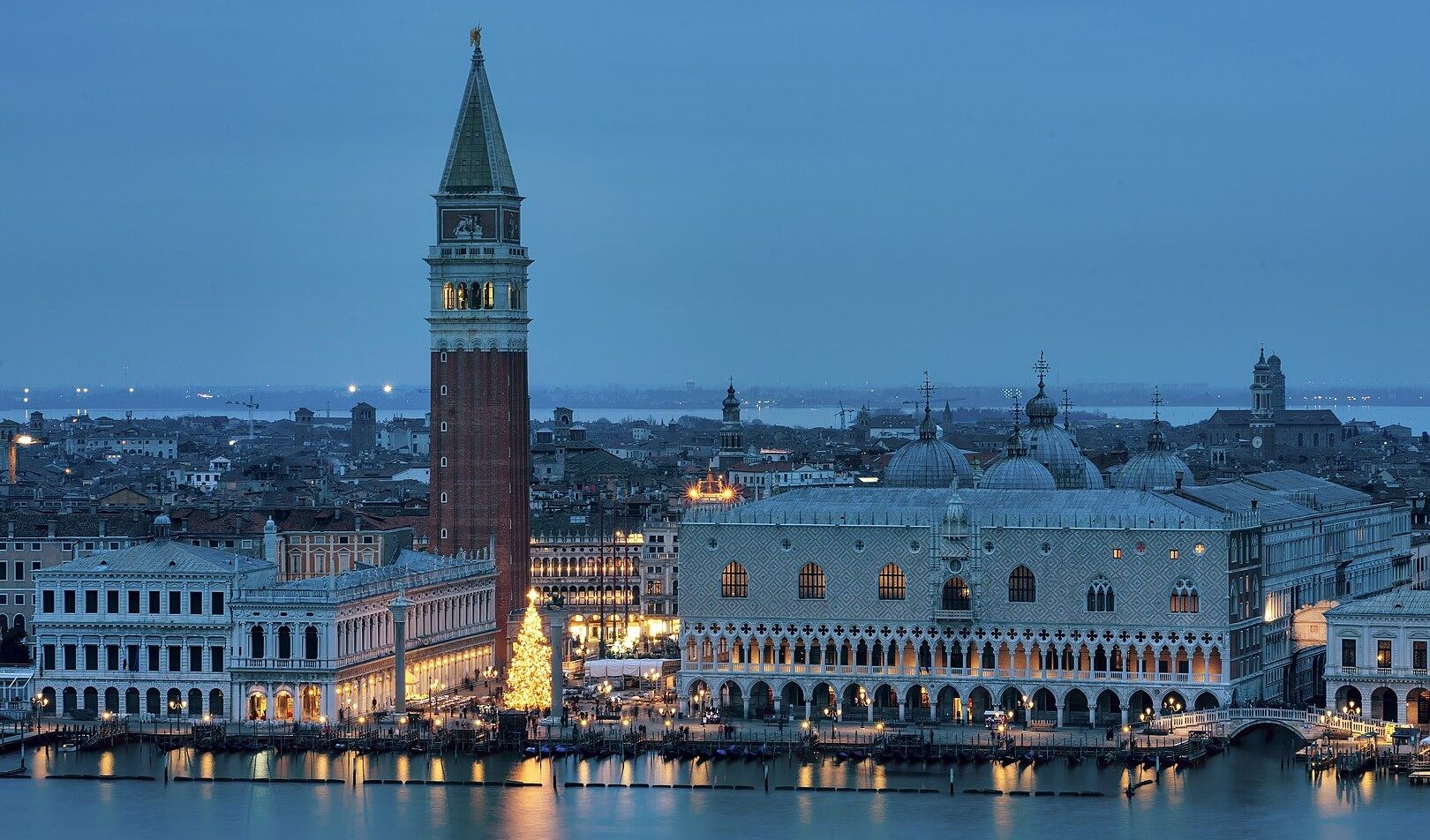
Main Attractions in Venice
Quick Guide to the Best Things to See


This overview of the main attractions in Venice reveals the soul of the city through monuments, historic palaces, places of worship and the islands of the lagoon.
📌 To learn more, click on the links to the dedicated pages +🔗
Monuments and iconic landmarks
- St Mark’s Square
- St Mark’s Campanile +🔗
- Bridge of Sighs +🔗
- Rialto Bridge +🔗
- Mercato di Rialto
- Jewish Ghetto of Venice +🔗
- Grand Canal +🔗
- Arsenale di Venezia
Museums and historic palaces
- Doge’s Palace of Venice +🔗
- Gallerie dell’Accademia
- La Fenice Theatre +🔗
- Collezione Peggy Guggenheim
- Scuola Grande di San Rocco
Places of worship
- St Mark’s Basilica +🔗
- Basilica di Santa Maria della Salute
- Basilica di Santa Maria Gloriosa dei Frari
- Abbazia di San Giorgio Maggiore
Islands of the lagoon
See also
- Guide to Venice
- Itineraries: 1d, 3d, CT
- See: Attractions
- Do: Experiences
- Eat: Where and What
- Getting Around, Pass, Stay
St Mark’s Square
St Mark’s Square is the monumental heart of Venice and one of Italy’s most famous landmarks, known throughout the world for the extraordinary harmony of its buildings. Dominated by St Mark’s Basilica, it is surrounded by important symbols of the city, including St Mark’s Campanile and the Procuratie.
For centuries, it has represented the main centre of public life in Venice and is still one of the most important places for discovering the history and artistic heritage of the city. Its position in the heart of Venice also makes it a natural reference point for visiting the main monuments of the historic centre.
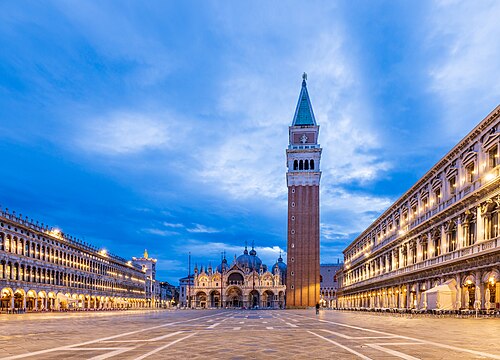
- Estimated visit time: about 30 minutes.
- ✨ At sunset, when the light is reflected on the façades and paving, the square takes on an atmosphere that helps explain why it is considered one of the most beautiful squares in the world.
- ❌ It is the busiest area of Venice for much of the day: for more enjoyable photos and walks, it is best to arrive early in the morning or in the evening.
- For all further information on Wikipedia 🌐 and Google Maps ➡️ see the Itinerary Table 📊 Venice in 1 day.
St Mark’s Campanile
One of the most recognisable symbols of Venice, St Mark’s Campanile dominates St Mark’s Square with its impressive height. Originally built as a watchtower, over the centuries it became one of the main landmarks of the Venetian skyline.
Its position next to St Mark’s Basilica helps define one of the city’s most famous views. From the top, visitors can also enjoy a striking panoramic view over the rooftops of Venice and the lagoon.
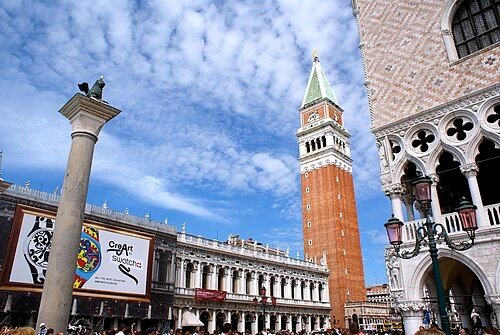
- Estimated visit time: about 30 minutes.
- ✨ From the top, the view takes in rooftops, canals, islands and the lagoon in a 360° panorama that offers one of the most spectacular views of Venice.
- For days, opening hours, prices and all further information on Wikipedia 🌐 and Google Maps ➡️ see the Itinerary Table 📊 Venice in 1 day.
- ❌ On the busiest days, the wait for the lift can be significant: it is best to avoid the central hours if you have a tight itinerary.
- To see the selection of experiences, visit the page St. Mark’s Campanile: Tours, Tickets and Useful Info.
Bridge of Sighs
The Bridge of Sighs is one of the most famous bridges in Venice and connects the Doge’s Palace to the ancient prisons through a characteristic covered passageway. Built at the beginning of the 17th century, it owes its name to the tradition according to which prisoners sighed as they looked at the city for the last time through the small windows.
Made of Istrian stone and richly decorated, it is one of the most photographed views in Venice and represents one of the most evocative testimonies to the judicial history of the Serenissima Republic.
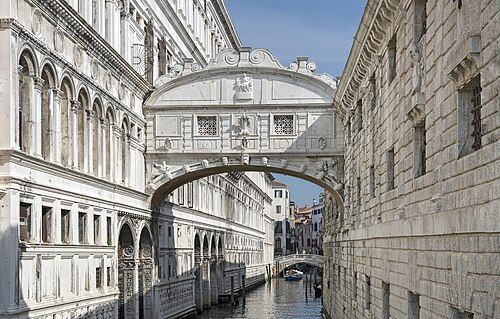
- Estimated visit time: external view.
- ✨ Seeing it from the nearby bridge while it is reflected in the water creates one of the most romantic and photographed images of the entire city.
- For all further information on Wikipedia 🌐 and Google Maps ➡️ see the Itinerary Table 📊 Venice in 1 day.
- ❌ The small panoramic bridge from which photos are taken fills up quickly: if you want to avoid the crowds, do not stop there during peak hours.
- To see the selection of experiences, visit the page Bridge of Sighs: Experiences and Useful Info.
Rialto Bridge
Like the Bridge of Sighs, the Rialto Bridge is also one of the most famous and photographed bridges in Venice. It crosses the Grand Canal, connecting the San Polo and San Marco districts, and still houses characteristic Venetian craft shops.
Built in its present form at the end of the 16th century, it is one of the most evocative places to observe the constant movement of boats along the Grand Canal and discover one of the most iconic views of Venice.
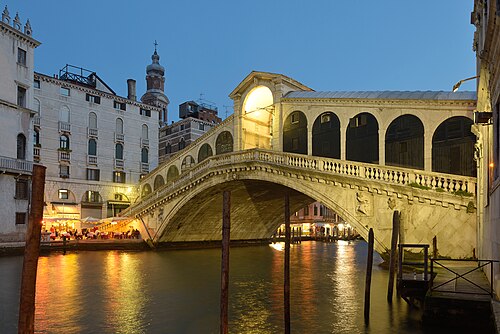
- Estimated visit time: external view.
- ✨ From the centre of the bridge, one of the most iconic views of Venice opens up, where the Grand Canal becomes a living scene of constant movement between water and architecture.
- For all further information on Wikipedia 🌐 and Google Maps ➡️ see the Itinerary Table 📊 Venice in 3 days – Day 2.
- ❌ Extremely high tourist concentration during the daytime, especially from late morning to early afternoon.
- To see the selection of experiences, visit the page Rialto Bridge: Experiences and Useful Info.
Mercato di Rialto
Among the liveliest historic places in Venice, the Mercato di Rialto has represented an important reference point for the city’s commercial life for centuries. Located near the Rialto Bridge, it still retains its traditional role in the sale of fresh produce and local specialties.
Among stalls, colours and aromas, the market offers an authentic glimpse into everyday Venetian life and allows visitors to discover one of the most characteristic areas of the historic centre.
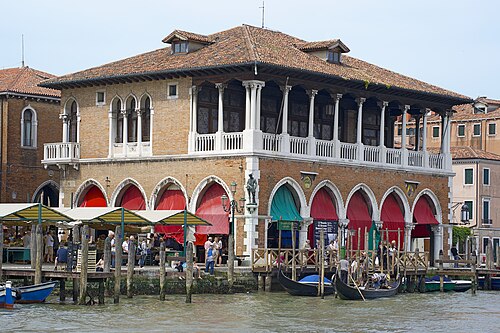
- Estimated visit time: external view.
- For all further information on Wikipedia 🌐 and Google Maps ➡️ see the Itinerary Table 📊 Venice in 3 days – Day 2.
Venice Jewish Ghetto
The Venice Jewish Ghetto is one of the city’s most characteristic and historically rich places. Established in the 16th century, it was the neighbourhood where Venice’s Jewish community lived for centuries, leaving an important testimony to the city’s social and cultural history.
Its calli, ancient synagogues and historic buildings still preserve the identity of this distinctive corner of the city, offering an opportunity to discover an important chapter of Venetian history.
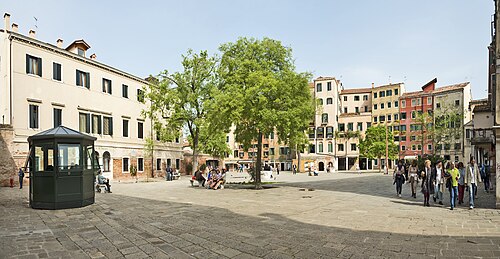
- Estimated visit time: external view.
- ✨ Walking through the Venice Jewish Ghetto means exploring one of the places most deeply marked by the memory of Venice, where silence and history coexist in a profound and intense way.
- For all further information on Wikipedia 🌐 and Google Maps ➡️ see the Itinerary Table 📊 Venice in 3 days – Day 2.
- To see the selection of experiences, visit the page Venice Jewish Ghetto: Experiences and Useful Info.
Grand Canal
The Grand Canal is Venice’s main waterway and crosses the historic centre along its characteristic S-shaped course. Some of the city’s most important historic palaces line its banks, creating one of the most famous and evocative urban landscapes in Venice.
The canal can be admired from numerous bridges and viewpoints or explored aboard a vaporetto, gondola or other boats, offering a unique perspective on the city’s architecture and history.
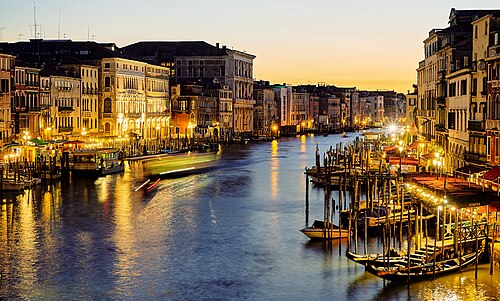
- Estimated visit time: external viewing.
- ✨ Cruising along the Grand Canal in the evening, among illuminated palaces and golden reflections on the water, means enjoying an extraordinary experience that stays in your heart.
- For further information on Wikipedia 🌐 and Google Maps ➡️ see the Itinerary Table 📊 Venice in 1 day.
- ❌ Choose the vaporetto for the full route or the gondola for a short experience
- ❌ On days of peak tourist crowds, water transport can be more crowded than expected.
- To browse the selection of experiences, visit the Grand Canal: Experiences and Useful Info page.
Arsenale di Venezia
The Arsenale di Venezia is one of the most important places in the maritime history of the city and for centuries was the great centre for the construction and maintenance of the ships of the Republic of Venice. The vast complex included shipyards, workshops and warehouses, organised to support Venetian naval power.
Its imposing walls and elegant monumental entrance still bear witness to the importance reached by the Arsenal, which represents one of the most characteristic and evocative historic areas of Venice.
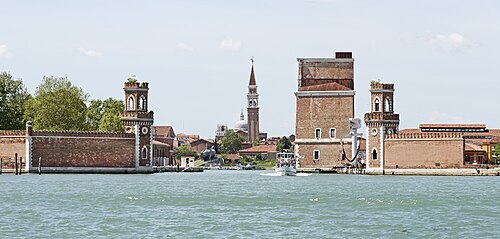
- Estimated visit time: external view.
- For all further information on Wikipedia 🌐 and Google Maps ➡️ see the Itinerary Table 📊 Venice in 3 days – Day 3.
Doge’s Palace
The Doge’s Palace is one of Venice’s most representative monuments and one of the finest examples of Venetian Gothic architecture. Overlooking the St Mark’s Basin, it was for centuries the seat of the political power of the Republic of Venice and the official residence of the doge.
Its elegant façades, sumptuous interiors and the famous Bridge of Sighs tell the story of the political and artistic history of the Serenissima, making the palace one of the most important attractions to visit in the city.
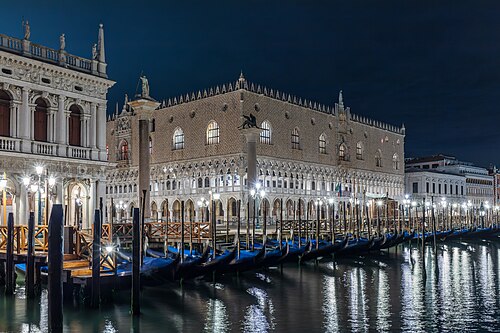
- Estimated visit time: approximately 120 minutes.
- ✨ Entering the Doge’s Palace means walking through monumental halls where every wall tells the story of Venice’s power through gold, frescoes and decisions that shaped the history of the Mediterranean.
- For days, opening hours, prices and all further information on Wikipedia 🌐 and Google Maps ➡️ see the Itinerary Table 📊 Venice in 1 day.
- ❌ In high season, access may involve very long queues from the early morning. It is better to book Skip-the-Line and Reserved options.
- ❌ The complete visit may exceed the 120 minutes planned in the itinerary, especially when taking extended interior routes and visiting temporary exhibition rooms.
- To see the selection of experiences, visit the page Doge’s Palace in Venice: Tours, Tickets and Useful Info.
Gallerie dell’Accademia
The Gallerie dell’Accademia houses one of the most important collections of Venetian painting and is a key place for discovering the city’s art. Its galleries display works by great masters such as Giorgione, Titian, Veronese and Tintoretto, offering an important journey through Venetian painting.
Located in the heart of Venice, the Gallerie allow visitors to admire masterpieces dating from the 14th to the 18th century and explore the artistic evolution of the Serenissima through some of the most significant works of its pictorial tradition.
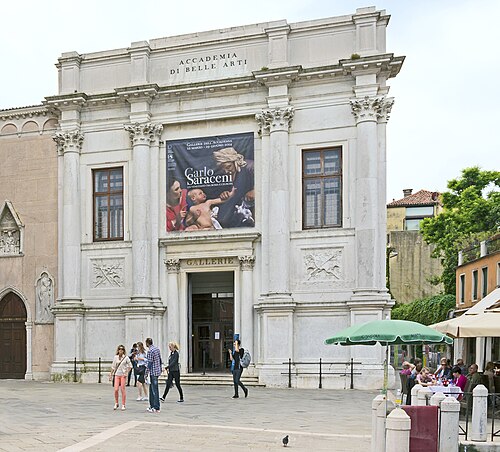
- Estimated visit time: about 90 minutes.
- ✨ A complete immersion in Venetian painting, where every gallery changes the perception of colour and light, like a journey through the history of art.
- For days, opening hours, prices and further information on Wikipedia 🌐 and Google Maps ➡️ see the Itinerary Table 📊 Venice in 3 days – Day 3.
La Fenice Theatre
La Fenice Theatre is one of Italy’s most prestigious opera houses and one of the symbols of Venice’s musical tradition. Inaugurated at the end of the 18th century, it has hosted important operas and great figures from the world of music throughout its history, becoming a key part of the city’s cultural life.
Rebuilt several times following serious fires, it still preserves the elegant decorated interiors that define its identity and is one of the most important cultural attractions in Venice.
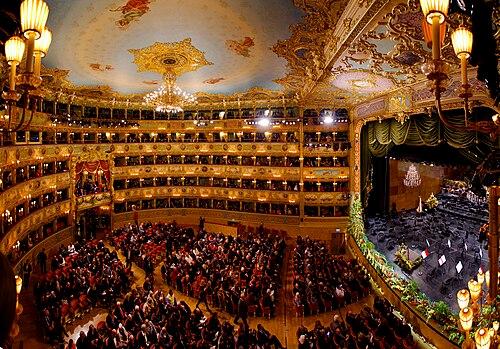
- Estimated visit time: about 60 minutes.
- ✨ Entering here means finding yourself in one of Europe’s most elegant theatres, where every gilded detail enhances the sense of spectacle even when no performance is taking place.
- For days, opening hours, prices and further information on Wikipedia 🌐 and Google Maps ➡️ see the Itinerary Table 📊 Venice in 3 days – Day 3.
- To explore the selection of experiences, visit the page La Fenice Theatre: Tours, Tickets and Useful Info.
Collezione Peggy Guggenheim
Among Venice’s most famous museums of modern art, the Collezione Peggy Guggenheim houses an extraordinary collection of 20th-century works. Housed in Palazzo Venier dei Leoni on the Grand Canal, it contains works by great artists such as Picasso, Pollock, Dalí and Magritte.
The collection allows visitors to explore some of the main movements of modern art through important works, in a particularly evocative setting overlooking the Grand Canal.
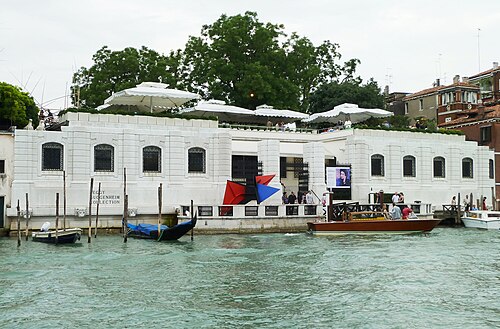
- Estimated visit time: about 60 minutes.
- ✨ The contrast between the garden overlooking the Grand Canal and works by Picasso and Pollock creates a surprising and deeply contemporary visual experience.
- For days, opening hours, prices and further information on Wikipedia 🌐 and Google Maps ➡️ see the Itinerary Table 📊 Venice in 3 days – Day 3.
Scuola Grande di San Rocco
The Scuola Grande di San Rocco is one of Venice’s most important historic buildings and houses an extraordinary cycle of paintings by Tintoretto. Founded in the 16th century by the confraternity dedicated to Saint Roch, it was enriched over time with monumental halls and important works of art.
The large canvases decorating the Sala Grande and the other rooms make the Scuola one of the most significant places for discovering 16th-century Venetian painting and the city’s artistic heritage.
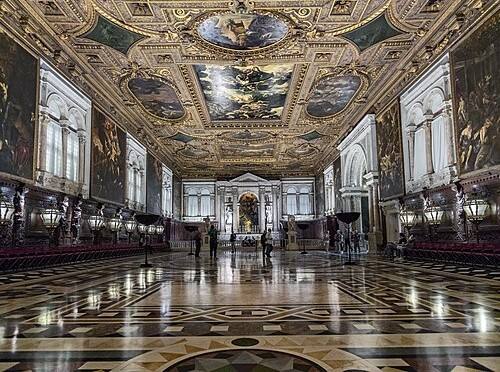
- Estimated visit time: about 90 minutes.
- ✨ The rooms, completely covered by Tintoretto’s painting cycles, create a total visual impact in which painting and architecture become a single immersive experience.
- ❌ The visit may take longer than expected because of the density of the artworks and the level of detail in the painting cycles.
- For days, opening hours, prices and further information on Wikipedia 🌐 and Google Maps ➡️ see the Itinerary Table 📊 Venice in 3 days – Day 2.
St Mark’s Basilica
St Mark’s Basilica is one of Venice’s most famous monuments and one of the finest examples of Byzantine architecture in Italy. Located in St Mark’s Square, it was the doge’s private chapel for centuries and preserves an extraordinary wealth of mosaics, decorations and works of art.
Its distinctive façade, numerous domes and famous golden mosaics make the basilica one of the city’s most recognisable symbols and one of the most important testimonies to the history of the Venetian Republic.
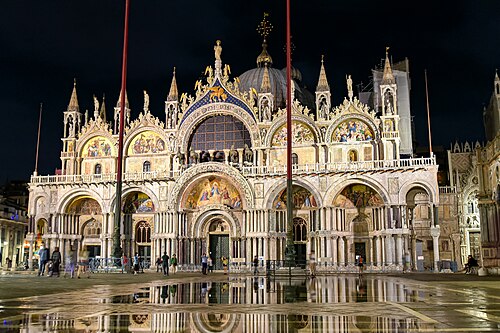
- Estimated visit time: approximately 90 minutes.
- ✨ When the light illuminates the golden mosaics, the interior of the Basilica is transformed into a sea of gold that leaves visitors speechless and makes the visit a truly unique experience.
- For days, opening hours, prices and further information on Wikipedia 🌐 and Google Maps ➡️ see the Itinerary Table 📊 Venice in 1 day.
- ❌ Queues can become very long during the central hours of the day: entering early in the morning or around lunchtime allows you to enjoy the basilica in greater tranquillity.
- To browse the selection of experiences, visit the St Mark’s Basilica: Tours, Tickets and Useful Information page.
Basilica di Santa Maria della Salute
Basilica di Santa Maria della Salute dominates the entrance to the Grand Canal with its imposing Baroque architecture. It was built in the 17th century as a votive offering to the Virgin Mary after the end of the devastating plague epidemic that struck the city.
The great dome and imposing octagonal structure characterise one of the city’s most striking views, particularly when seen from the water or from the opposite banks of the Grand Canal.
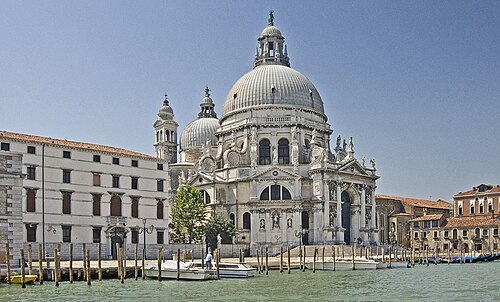
- Estimated visit time: approximately 45 minutes.
- ✨ The dome of the Salute dominates the entrance to the Grand Canal with a unique visual impact, especially when the light reflects on the waters of the lagoon.
- For days, opening hours, prices and further information on Wikipedia 🌐 and Google Maps ➡️ see the Itinerary Table 📊 Venice in 3 days – Day 3.
Basilica di Santa Maria Gloriosa dei Frari
Basilica di Santa Maria Gloriosa dei Frari is one of the finest examples of Venetian Gothic architecture. Located in the San Polo district, it houses important works of art, including the celebrated Assumption by Titian.
The basilica’s imposing Gothic structure and the wealth of artworks preserved inside make it one of the most significant testimonies to the religious and artistic history of Venice.
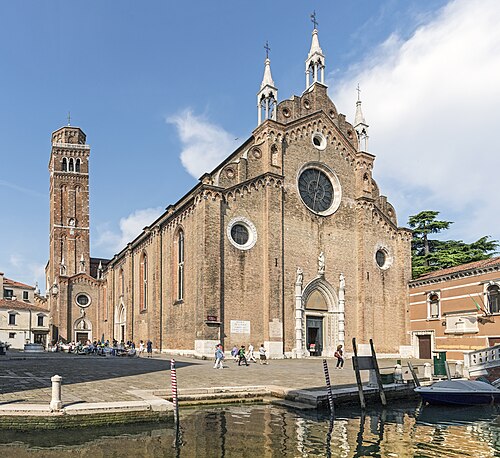
- Estimated visit time: approximately 45 minutes.
- ✨ The basilica’s vast Gothic interior heightens the sense of grandeur, with artworks emerging like apparitions from the dim light of the apse.
- For days, opening hours, prices and further information on Wikipedia 🌐 and Google Maps ➡️ see the Itinerary Table 📊 Venice in 3 days – Day 2.
Abbazia di San Giorgio Maggiore
Abbazia di San Giorgio Maggiore stands on the island of the same name opposite St Mark’s Square and is one of the most evocative places in the Venetian Lagoon. Founded in the 10th century by Benedictine monks, it was extensively transformed during the Renaissance and contains important works of art and spaces designed by Andrea Palladio.
The basilica’s grand façade and distinctive bell tower define one of the most famous views of the Venetian skyline, particularly striking when seen from the San Marco Basin.
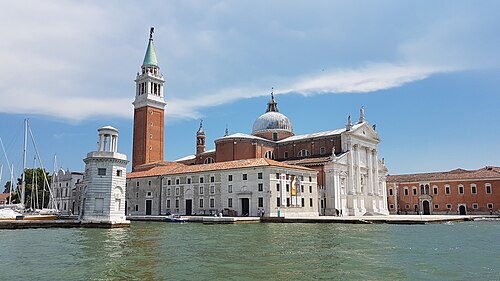
- Estimated visit time: approximately 30 minutes.
- For days, opening hours, prices and further information on Wikipedia 🌐 and Google Maps ➡️ see the Itinerary Table 📊 Venice in 3 days – Day 3.
Murano
Murano is one of the most famous islands in the Venetian Lagoon and has been linked to the tradition of glassmaking for centuries. Moved here in the 13th century to reduce the risk of fires in the centre of Venice, the master glassmakers developed refined techniques that made the island famous throughout the world.
In addition to its numerous glass workshops and furnaces, Murano preserves churches, palaces and characteristic views that reveal a reality different from Venice’s historic centre, immersed in the unique atmosphere of the lagoon.
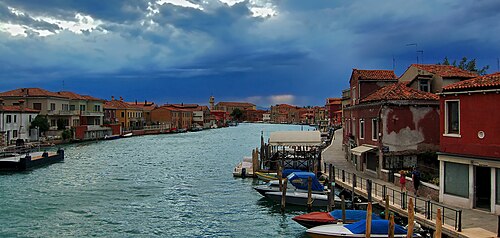
- Estimated visit time: about 4 hours.
- ✨ Entering a furnace and watching glass take shape before your eyes is an experience that offers a close-up look at a unique craft tradition found nowhere else in the world.
- For days, opening hours, prices and further information on Wikipedia 🌐 and Google Maps ➡️ see the Itinerary Table 📊 Venice Murano Island.
- ❌ During the busiest periods, the most famous furnaces and glass workshops can be very crowded: it is better to plan your visit in advance.
- To browse the selection of experiences, visit the Islands of the Venice Lagoon: Experiences and Useful Info page.
Burano
Burano is famous for its brightly coloured houses and its lace-making tradition. Its historic centre, crossed by small canals and narrow streets, preserves a particularly charming atmosphere that differs from that of Venice.
The colourful façades of the houses and the characteristic views over the water make Burano one of the most photographed places in the lagoon, ideal for discovering another of the identities that make up Venice’s heritage.
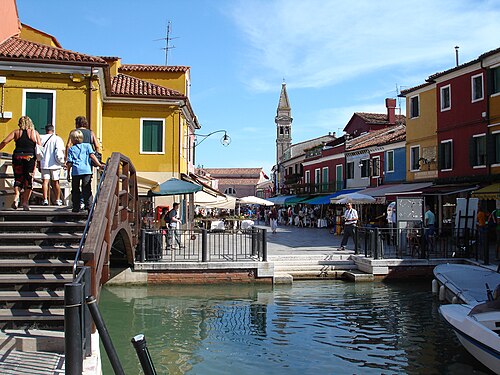
- Estimated visit time: about 50 minutes
- 📌 The 50 minutes refer to visiting the main attractions; the time needed to explore the island varies depending on your interests and pace of visit.
- For days, opening hours, prices and further information on Wikipedia 🌐 and Google Maps ➡️ see the Itinerary Table 📊 Venice Venetian Lagoon Islands.
- ❌ Burano is small, but to reach the most characteristic areas and stroll calmly through its narrow streets and along its canals, it is advisable to allow at least a couple of hours.
- To browse the selection of experiences, visit the Islands of the Venice Lagoon: Experiences and Useful Info page.
Torcello
Torcello is one of the oldest islands in the Venetian Lagoon and preserves important evidence of the origins of Venetian civilisation. Once a thriving centre, today it is a peaceful place surrounded by nature, characterised by a few historic buildings and evocative views over the lagoon.
Among the island’s main monuments are the Basilica di Santa Maria Assunta, with its precious mosaics, and the characteristic Throne of Attila, which help make Torcello one of the most interesting destinations in the lagoon.
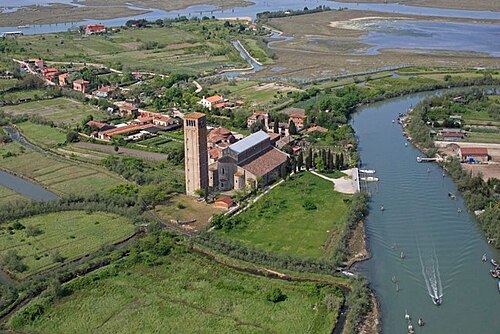
- Estimated visit time: about 85 minutes.
- 📌 The 85 minutes refer to visiting the main attractions; the time needed to explore the island varies depending on your interests and pace of visit.
- ✨ Walking through the tranquillity of the island and among its ancient monuments offers an atmosphere completely different from that of central Venice.
- For days, opening hours, prices and further information on Wikipedia 🌐 and Google Maps ➡️ see the Itinerary Table 📊 Venice Venetian Lagoon Islands.
- ❌ Torcello is sparsely inhabited and services on the island are limited: it is better to plan your visit taking the vaporetto connections into account.
- To browse the selection of experiences, visit the Islands of the Venice Lagoon: Experiences and Useful Info page.
See also
- Guide to Venice
- Itineraries: 1d, 3d, CT
- See: Attractions
- Do: Experiences
- Eat: Where and What
- Getting Around, Pass, Stay
Other Destinations
🔐 Some images on this page are used under Creative Commons licenses:
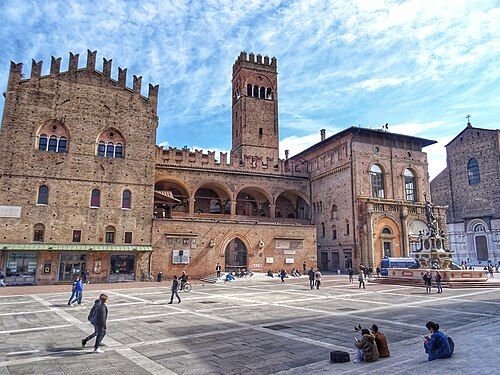
By Maretta Angelini – Bologna, panoramic view of Piazza Maggiore – Own work – CC BY-SA 4.0 – Wikimedia Commons
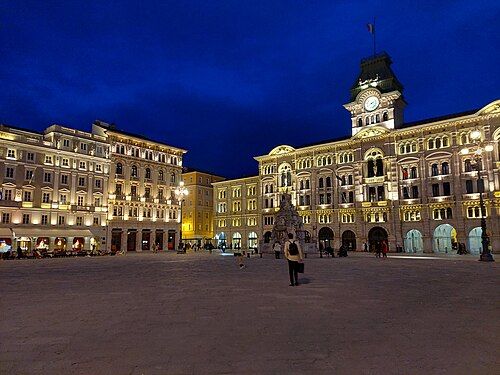
By Meri Valenti (TCI) – Trieste, Piazza Unità d’Italia at night – Own work – CC BY 4.0 – Wikimedia Commons
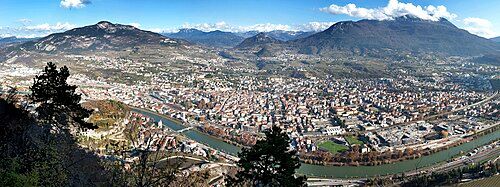
By Franco Visintainer – Trento, city panorama – Own work – CC BY-SA 3.0 – Wikimedia Commons
By AnsiaMan – Venice, panoramic view of the Doge’s Palace and St. Mark’s Campanile in Venice in the evening – Own work, CC BY-SA 4.0 – Wikimedia Commons –

Expand image credits
Di Jorge Franganillo – Roma, Pantheon di notte magistralmente illuminato – Roma: Pantheon – CC BY 2.0 – Wikimedia Commons
Di User:Colin – Le scale a spirale di Giuseppe Momo decorate con i pannelli bronzei di Antonio Maraini (1932) – Wikimedia Commons – CC BY-SA 3.0 – Wikimedia Commons
Di Diego Delso – Roma, Basilica di San Pietro illuminata di notte – Opera propria – CC BY-SA 4.0 – Wikimedia Commons
Di User:Colin – Roma, Colosseo, interno piano arena – Wikimedia Commons – CC BY-SA 3.0 – Wikimedia Commons
Di Thomas Fabian – Roma, Ponte e Castel Sant’Angelo al crepuscolo – Imported from 500px – CC BY-SA 3.0 – Wikimedia Commons
Di Sailko – Roma, Galleria Borghese, Sala 3 – Opera propria – CC BY 3.0 – Wikimedia Commons
Di Nicolò Musmeci – Roma, Appia Antica – Foto di pubblico dominio – Pubblico dominio – Wikimedia Commons
Di Marie-Lan Nguyen – Roma, Ostia Antica, Podium, Round Temple – Opera propria – CC BY 2.5 – Wikimedia Commons
Di ThePhotografer – Roma, Altare della Patria, Vittoriano – Opera propria – CC BY-SA 4.0 – Wikimedia Commons
Di Dnalor 01 – Roma, Basilica di Santa Maria Maggiore, altare – Opera propria – CC BY-SA 3.0 – Wikimedia Commons
Di NikonZ7II – Roma, Mercati di Traiano – Opera propria – CC BY-SA 4.0 – Wikimedia Commons
Di Cezar Suceveanu – Roma, Carcere Mamertino – Opera propria – CC BY-SA 4.0 – Wikimedia Commons
Di Jastrow – Roma, Musei Capitolini, Palazzo Nuovo – Fotografia propria – Pubblico dominio – Wikimedia Commons
Di Myrabella – Roma, Piazza Navona – Opera propria – CC BY-SA 3.0 – Wikimedia Commons
Di Karelj – Roma, Terme di Caracalla – Opera propria – Pubblico dominio – Wikimedia Commons
Di Thomas Wolf – Roma, Fontana di Trevi al crepuscolo – Opera propria – CC BY-SA 3.0 DE – Wikimedia Commons
Di NateBergin – Roma, facciata della Basilica di San Giovanni in Laterano – Opera propria – CC BY 4.0 – Wikimedia Commons
Di Arturo Mann – Roma, interno della Basilica di San Paolo Fuori le Mura – Opera propria – CC BY-SA 3.0 – Wikimedia Commons
Di Fred Romero – Roma, panoramica di Trinità dei Monti dalla Fontana della Barcaccia – Roma – Piazza di Spagna – CC BY 2.0 – Wikimedia Commons
Di user:Folegandros – Roma, panoramica delle Terme di Diocleziano – Opera propria – CC BY-SA 3.0 – Wikimedia Commons