
Main Attractions in Palermo
Quick Guide to the Best Things to See


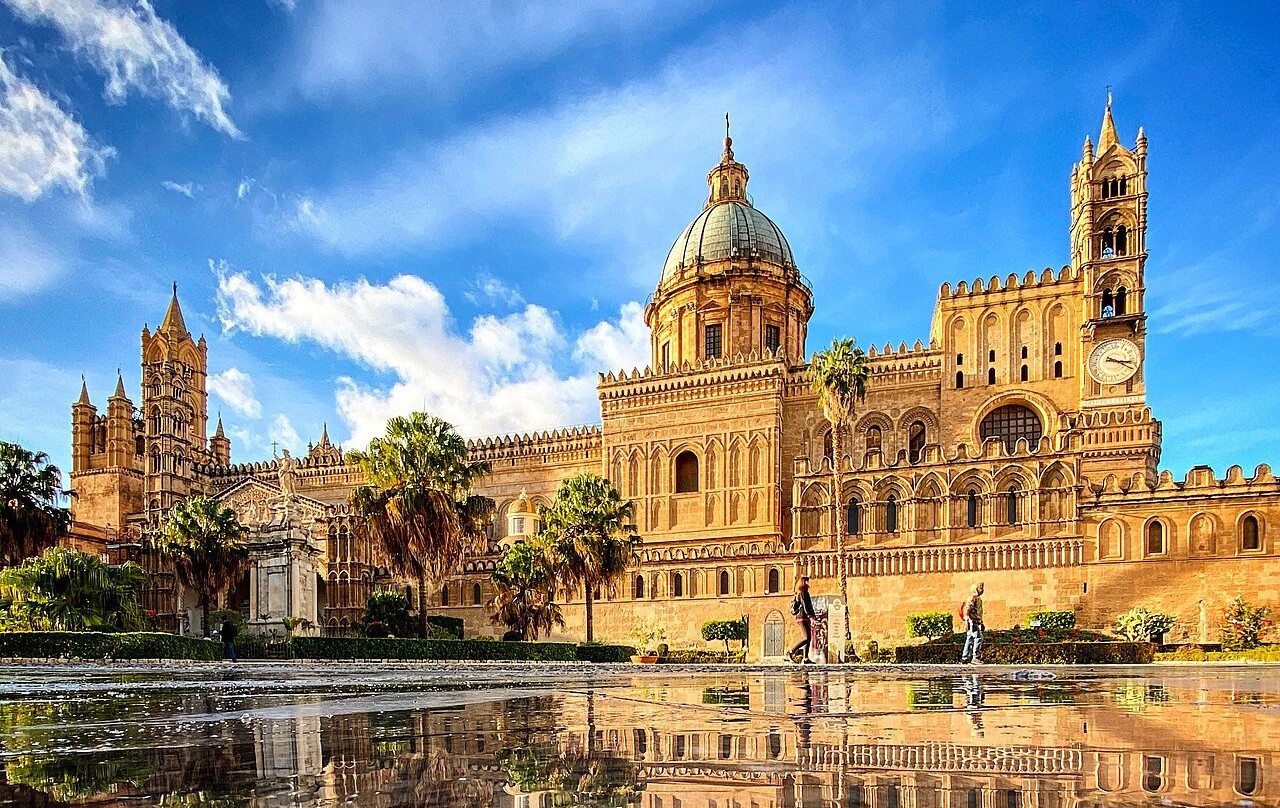
Palermo surprises with the richness of its historical and cultural heritage, with churches, such as the magnificent cathedral pictured above 📱🔄️, as well as palaces and museums that bear witness to the encounter between different peoples, cultures and traditions.
📌 To learn more, click on the links to the dedicated pages +🔗
Monuments and Places of Interest
- Palace of the Normans and Palatine Chapel 🔗
- Teatro Massimo Vittorio Emanuele
- Capuchin Catacombs 🔗
- Quattro Canti
- Fontana Pretoria +🔗
- Teatro Politeama Garibaldi
- Palazzo della Zisa
- Historic Markets +🔗
- Mondello +🔗
Places of Worship
- Palermo Cathedral 🔗
- Chiesa di Santa Maria dell’Ammiraglio – Martorana
- Chiesa di San Cataldo
- Chiesa di San Giovanni degli Eremiti
- Chiesa del Gesù – Casa Professa
Museums and Galleries
- Galleria Regionale della Sicilia – Palazzo Abatellis
- Museo Archeologico Regionale Antonio Salinas
- Museo Diocesano di Palermo
- Palazzo Mirto
See also:
- Guide to Palermo
- Itineraries: 1d, 3d, CT1, CT2
- See: Attractions
- Do: Experiences
- Eat: Where and What
- Getting Around, Stay
Palace of the Normans
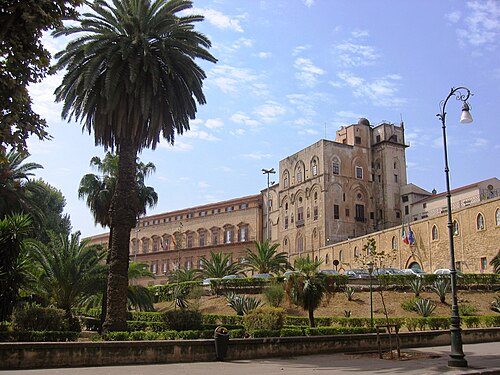
The Palace of the Normans is one of the most important monuments in Palermo and one of the symbols of the city’s history. Built in the Norman period on earlier structures, it preserves monumental rooms and houses the extraordinary Palatine Chapel, famous for its Byzantine mosaics and the richness of its decorations.
Located in the heart of the historic center, the complex represents one of the most significant testimonies to the encounter between Norman, Byzantine and Arab cultures that shaped the history of Sicily.
- Estimated visit time: about 90 minutes including the Palatine Chapel.
- ✨ Entering the Palatine Chapel means finding yourself surrounded by a sea of gold: the mosaics shine from every angle and create one of the most spectacular interiors in Europe.
- For days, opening hours, prices and all the details on Wikipedia 🌐 and Google Maps ➡️ see the Itinerary Table 📊 Palermo in 1 day.
- ❌ In the middle of the day, visitor numbers can increase significantly: visiting early in the morning makes the experience much more enjoyable.
- To see the selection of experiences, visit the page Palace of the Normans & Palatine Chapel: Tours, Tickets and Useful Info.
Teatro Massimo Vittorio Emanuele
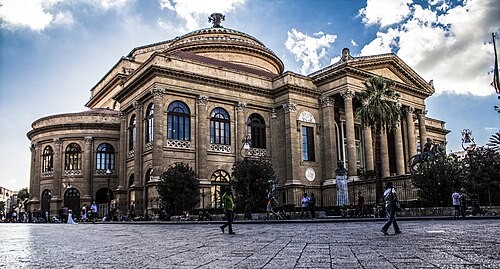
Italy’s largest opera house and one of the most important in Europe, the Teatro Massimo Vittorio Emanuele was inaugurated at the end of the 19th century and stands out for the monumental scale of its building, the elegance of its interiors and its famous horseshoe-shaped auditorium.
Located in the heart of the historic center, it is one of the city’s symbols and offers the opportunity to discover an important heritage linked to the history of opera, architecture and Palermo’s cultural life.
- Estimated visit time: about 45 minutes.
- ✨ An architectural giant that dominates Palermo: even the façade alone conveys the idea of the city’s cultural grandeur.
- ❌ Interior visits take place at fixed times, so it is best to book in advance.
- For days, opening hours, prices and all the details on Wikipedia 🌐 and Google Maps ➡️ see the Itinerary Table 📊 Palermo in 1 day.
Capuchin Catacombs
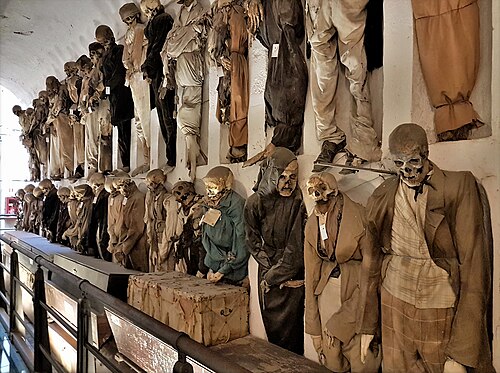
One of Palermo’s most unusual and well-known places, the Capuchin Catacombs extend beneath the Capuchin convent and contain thousands of remains and mummies buried between the 16th and 20th centuries, according to a unique funerary tradition.
The route offers an insight into an unusual aspect of Palermo’s history and traditions, through underground corridors and rooms that constitute one of the city’s most distinctive testimonies.
- Estimated visit time: about 30–45 minutes.
- ✨ An intense and unique experience: a place that makes a profound impression and stays with you for a long time.
- For days, opening hours, prices and all the details on Wikipedia 🌐 and Google Maps ➡️ see the Itinerary Table 📊 Palermo in 1 day.
- ❌ During periods of peak visitor numbers, there may be a wait at the entrance, but the visit is generally smooth and well managed.
- To see the selection of experiences, visit the page Capuchin Catacombs: Tours, Tickets and Useful Info.
Quattro Canti
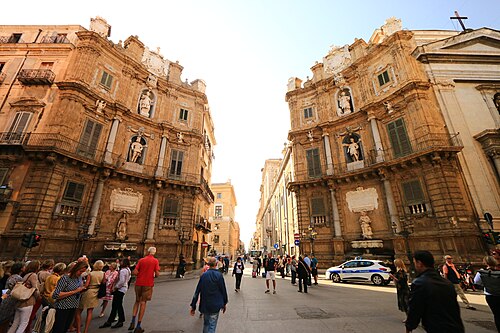
Quattro Canti is one of the most recognizable scenes in Palermo’s historic center. The monumental square, officially Piazza Vigliena, is characterized by four curved façades decorated with statues, fountains and superimposed architectural orders.
Located along the ancient axis of the city center, they represent one of the main reference points for exploring Palermo and its Baroque heritage, while also being close to numerous historic monuments.
- Estimated visit time: exterior view.
- ✨ The true “scenic crossroads” of Palermo: every angle tells the story of the city in a theatrical and perfectly symmetrical form.
- For all the details on Wikipedia 🌐 and Google Maps ➡️ see Palermo in 3 days: travel itinerary – Day 3.
- ❌ Very crowded during the middle of the day: it is best seen in the morning or at sunset.
Fontana Pretoria
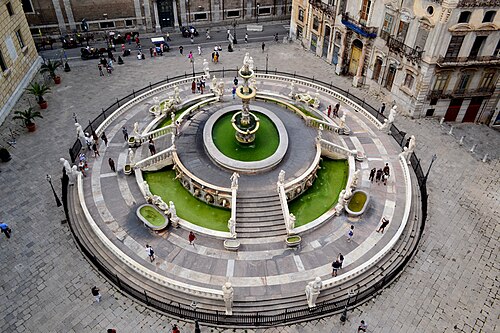
One of Palermo’s most spectacular monumental works, the Fontana Pretoria was built in the 16th century and consists of numerous statues, basins and decorative marble elements.
Located in the square of the same name, next to the Town Hall and near Quattro Canti, it occupies a central position in the historic center and represents one of the most significant examples of monumental sculpture in Palermo.
- Estimated visit time: exterior view.
- ✨ A monumental setting that impresses with the richness of its statues and its visual impact in the heart of the city.
- For all the details on Wikipedia 🌐 and Google Maps ➡️ see Palermo in 3 days: travel itinerary – Day 3.
- To see the selection of experiences, visit the page Historic Center of Palermo: Experiences and Useful Info.
Teatro Politeama Garibaldi
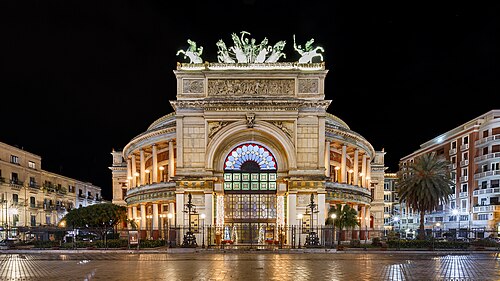
One of Palermo’s most recognizable buildings and one of the main symbols of the city’s 19th-century architecture, the Teatro Politeama Garibaldi features a monumental façade dominated by the imposing entrance arch topped by the bronze quadriga of Apollo and the Muses.
Overlooking the square of the same name in the city center, it represents an important landmark for Palermo’s cultural life and for the history of entertainment in Sicily.
- Estimated visit time: about 45 minutes.
- For days, opening hours, prices and all the details on Wikipedia 🌐 and Google Maps ➡️ see Palermo in 3 days: travel itinerary – Optional Day 3.
Palazzo della Zisa
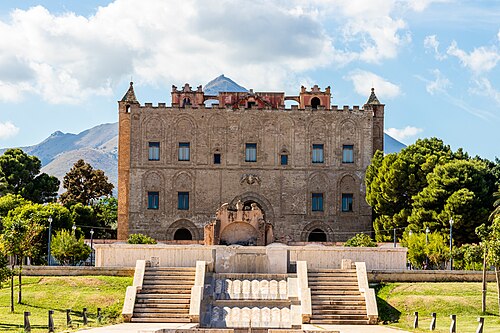
Among the most representative monuments of Palermo’s Arab-Norman architecture, Palazzo della Zisa was built in the 12th century as a country residence for the Norman rulers. It preserves elegant interiors and important decorative elements inspired by Islamic tradition.
Part of Palermo’s Arab-Norman heritage recognized by UNESCO, it offers an opportunity to discover one of the most significant examples of the encounter between cultures that characterized medieval Sicily.
- Estimated visit time: about 90 minutes including the adjacent Museum of Islamic Art.
- ✨ An architecture suspended between East and West, where light and geometric forms create an almost surreal atmosphere.
- For days, opening hours, prices and all the details on Wikipedia 🌐 and Google Maps ➡️ see Itinerary Table 📊 Palermo in 1 day.
Historic Markets
Among the most characteristic places in Palermo, the Historic Markets reveal the city’s most authentic and lively side. Vucciria, Ballarò and Mercato del Capo extend through the narrow streets and roads of the historic center and preserve a strong tradition linked to commerce, cuisine and everyday life in Palermo.
Food stalls, the aromas of Sicilian cuisine and the lively atmosphere make these markets an interesting stop for getting to know Palermo through its flavors and gastronomic traditions as well.
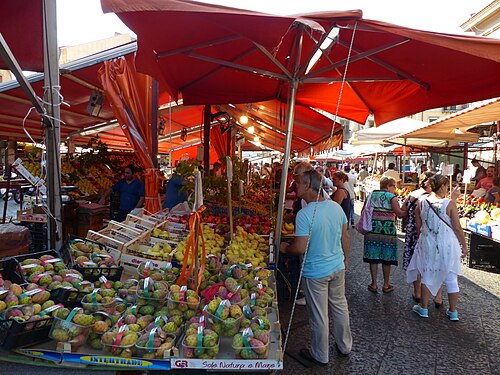
- Estimated visit time: varies depending on how much time you wish to spend at the markets and on tastings.
- ✨ A total sensory explosion: voices, colors, aromas and flavors intertwine in Palermo’s most authentic and lively historic markets.
- For all the details on Wikipedia 🌐 and Google Maps ➡️ see Itinerary Table 📊 Palermo Complete Tour Part 2 – Martorana and San Lorenzo + Ballarò and Casa Professa.
- ❌ Particularly crowded during the central hours of the morning: the constant movement can make visiting less convenient and requires a little attention while getting around.
- To view the selection of experiences, go to the page Tastings in Palermo: Experiences and Useful Info.
Mondello
Palermo’s best-known seaside resort and one of the most representative places along the city’s coast, Mondello extends around a wide bay characterized by a long sandy beach, clear waters and an elegant landscape dominated by Monte Pellegrino and the Capo Gallo promontory.
The area also preserves important examples of seaside architecture, including the historic bathing establishment built on stilts, and is one of Palermo’s most popular places for the sea, walks and outdoor activities.
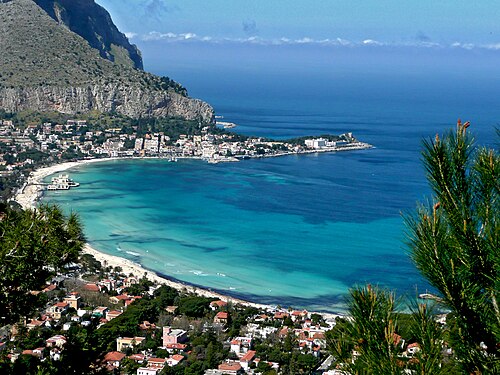
- Estimated visit time: about 5 hours, depending on the activities and how much time you wish to spend at the beach.
- ✨ The light of the sea and the pale sand make Mondello one of Palermo’s most relaxing and scenic experiences.
- For all the details on Wikipedia 🌐 and Google Maps ➡️ see Palermo in 3 days: travel itinerary – Optional Day 3.
- ❌ During the high season, the beach can be very crowded and available space may be limited during the central hours of the day.
- To view the selection of experiences, go to the page Cruises from Palermo: Tours and Useful Info.
Palermo Cathedral
The magnificent Palermo Cathedral is one of the city’s most important monuments and one of the most significant testimonies to its history. Built from the 12th century onwards, it features an imposing architecture developed through different periods and influences, with Norman, Gothic, Baroque and Neoclassical elements.
Located along the main axis of the historic center, the cathedral preserves important chapels, royal tombs and monumental spaces, offering an insight into Palermo’s complex artistic and historical layers.

- Estimated visit time: about 60 minutes including the Cathedral Treasury.
- ✨ Entering the cathedral means experiencing centuries of history layered into a single view: every detail tells the story of a different Palermo.
- For days, opening hours, prices and all the details on Wikipedia 🌐 and Google Maps ➡️ see Itinerary Table 📊 Palermo in 1 day.
- ❌ The interior of the cathedral can be very crowded during the central hours of the day.
- To view the selection of experiences, go to the page Palermo Cathedral: Tours, Tickets and Useful Info.
Chiesa di Santa Maria dell’Ammiraglio – Martorana
Among the most important monuments of Byzantine and Norman art in Palermo, the Chiesa di Santa Maria dell’Ammiraglio, known as Martorana, was built in the 12th century. It preserves an extraordinary cycle of golden mosaics that bears witness to the encounter between Byzantine culture, Norman tradition and local influences.
Located next to San Cataldo and near Quattro Canti, it is one of the essential stops in the historic center and offers the chance to admire some of the most precious medieval mosaics in Sicily.
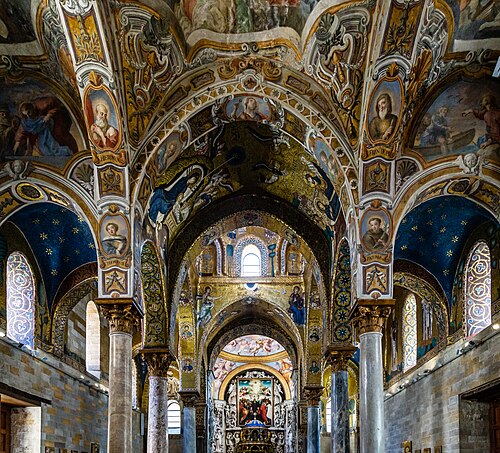
- Estimated visit time: about 30 minutes.
- ✨ The golden Byzantine mosaics transform the interior into a bright and suspended space, among the most precious in Palermo.
- ❌ At certain times, entry may be regulated or restricted due to religious services.
- For days, opening hours, prices and all further information on Wikipedia 🌐 and Google Maps ➡️ see Palermo in 3 days: travel itinerary – Day 3.
Chiesa di San Cataldo
One of the most characteristic examples of Arab-Norman architecture in Palermo, the Chiesa di San Cataldo dates back to the 12th century and features a simple stone structure dominated by the famous three red domes that define its profile.
Located next to the Martorana, it is part of the route of Palermo’s Arab-Norman monuments recognized by UNESCO and represents one of the most iconic images of the city’s historic heritage.
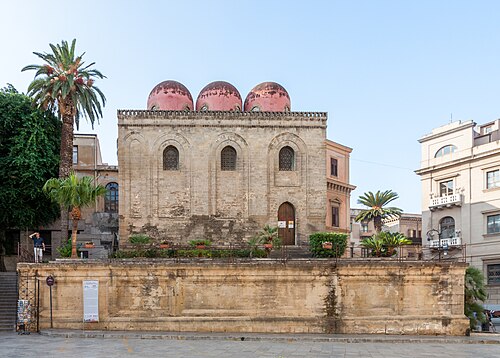
- Estimated visit time: about 30 minutes.
- For days, opening hours, prices and all further information on Wikipedia 🌐 and Google Maps ➡️ see Palermo in 3 days: travel itinerary – Day 3.
Chiesa di San Giovanni degli Eremiti
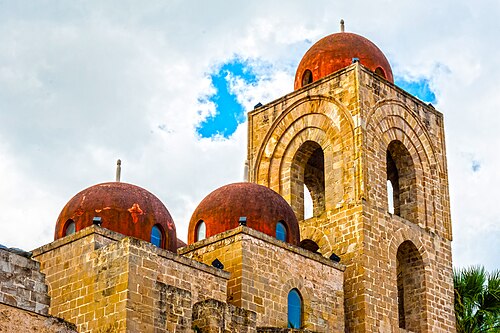
The Chiesa di San Giovanni degli Eremiti is another of the most evocative monuments of Palermo’s Arab-Norman architecture. Built in the 12th century, it is recognizable for its distinctive red domes and its cloister set within a peaceful garden.
Located near the Palazzo dei Normanni, the church preserves a particularly evocative atmosphere and offers the chance to discover one of the most important testimonies to medieval Palermo and its encounter between different cultures.
- Estimated visit time: about 20 minutes.
- ✨ The red domes and silent cloister create one of the most contemplative and poetic places in Palermo.
- For days, opening hours, prices and all further information on Wikipedia 🌐 and Google Maps ➡️ see Itinerary Table 📊 Palermo in 1 day.
Chiesa del Gesù – Casa Professa
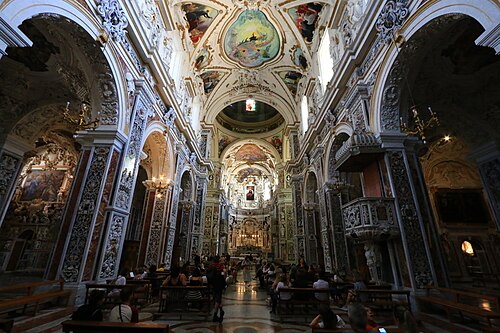
One of the most important examples of Baroque architecture in Palermo, the Chiesa del Gesù, known as Casa Professa, was built between the 16th and 17th centuries. The interiors are richly decorated with polychrome marble, stucco, sculptures and numerous works of art.
Located in the heart of Palermo’s historic district, it is striking for the extraordinary richness of its interior decoration and offers the chance to discover one of the most spectacular examples of the Sicilian Baroque artistic tradition.
- Estimated visit time: about 90 minutes including the museum.
- For days, opening hours, prices and all further information on Wikipedia 🌐 and Google Maps ➡️ see Palermo in 3 days: travel itinerary – Day 3.
Galleria Regionale della Sicilia – Palazzo Abatellis
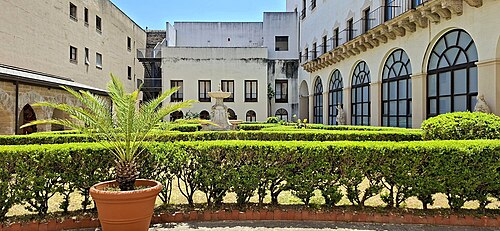
Housed in the 15th-century Palazzo Abatellis, the Galleria Regionale della Sicilia preserves a significant collection of Sicilian works of art, including paintings, sculptures and artefacts that tell the story of the island’s artistic development.
Among the most celebrated works is the Trionfo della Morte, one of the museum’s masterpieces. The building itself is also an important example of Catalan Gothic architecture in Palermo’s historic center.
- Estimated visit time: about 90 minutes.
- ✨ The “Trionfo della Morte” is one of those masterpieces that stays with you long after the visit itself.
- For days, opening hours, prices and all further information on Wikipedia 🌐 and Google Maps ➡️ see Itinerary Table 📊 Palermo in 1 day.
Museo Archeologico Regionale Antonio Salinas
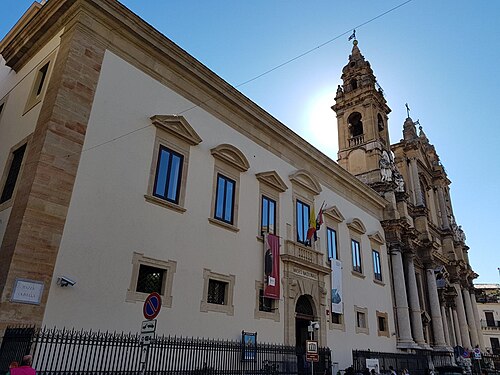
One of Sicily’s leading archaeological museums, the Museo Archeologico Regionale Antonio Salinas houses an extensive collection of artefacts from the island and the Mediterranean world. The collections include sculptures, ceramics, architectural elements and evidence of the civilizations that inhabited Sicily.
Located in an ancient convent complex in the center of Palermo, it offers a long journey through the island’s archaeological history, from antiquity to later periods.
- Estimated visit time: about 90 minutes.
- For days, opening hours, prices and all further information on Wikipedia 🌐 and Google Maps ➡️ see Itinerary Table 📊 Palermo in 1 day.
Museo Diocesano di Palermo
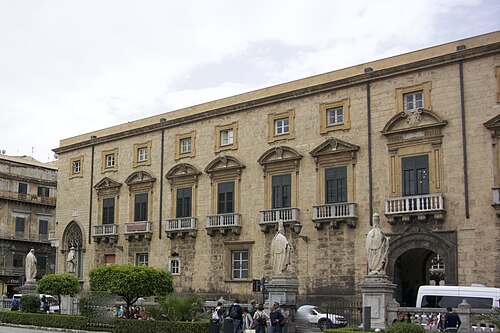
The Museo Diocesano di Palermo houses an important collection of artworks connected with the city’s religious and artistic history. The collections include paintings, sculptures, sacred furnishings and artefacts from churches and ecclesiastical institutions in the Palermo area.
Located within the Cathedral complex, the museum offers an opportunity to explore the city’s artistic history through works created in different periods and to discover more about the heritage of the Church of Palermo.
- Estimated visit time: about 40 minutes.
- For days, opening hours, prices and all the detailed information on Wikipedia 🌐 and Google Maps ➡️ see the Itinerary Table 📊 Palermo in 1 day.
Palazzo Mirto
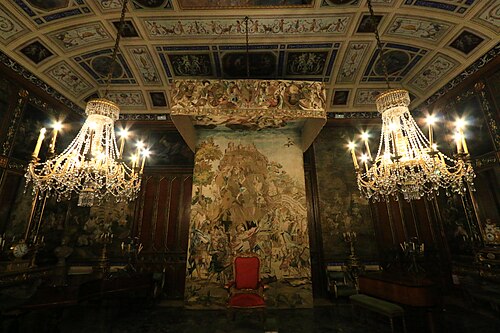
One of the most interesting historic residences in Palermo, Palazzo Mirto still preserves the rooms and furnishings that bear witness to the life of the Sicilian aristocracy. The residence belonged for centuries to the Filangeri family, later Princes of Cutò, and features richly decorated and furnished rooms.
Located in the heart of the Kalsa, it offers the opportunity to enter an authentic aristocratic residence and discover an important chapter in Palermo’s social history through its rooms, furnishings and collections.
- Estimated visit time: about 90 minutes.
- ✨ Walking through perfectly preserved rooms gives the feeling of stepping into the real life of the Sicilian aristocracy, as if the house were still inhabited.
- For days, opening hours, prices and all the detailed information on Wikipedia 🌐 and Google Maps ➡️ see the Itinerary Table 📊 Palermo Complete Tour Part 2 – Palazzo Mirto and Steri.
- ❌ A longer visit than the planned 90 minutes if all floors and the interior collections are explored.
See also
- Guide to Palermo
- Itineraries: 1d, 3d, CT1, CT2
- See: Attractions
- Do: Experiences
- Eat: Where and What
- Getting Around, Stay
Other Destinations
🔐 Some images on this page are used under a Creative Commons license:
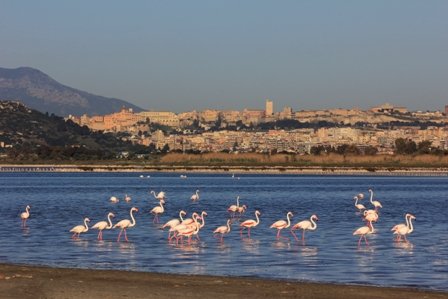
By Stefano Marrocu – Cagliari, flamingos in the Molentargius area – Own work – CC BY-SA 3.0 – Wikimedia Commons
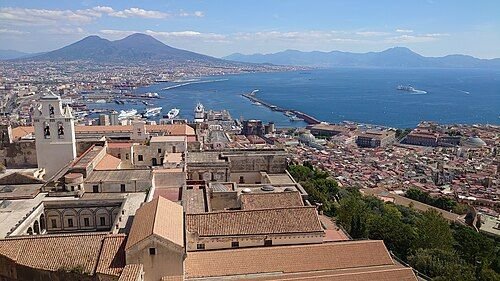
By Richard Nevell – Naples, panoramic view of the city and Mount Vesuvius – Own work – CC BY-SA 4.0 – Wikimedia Commons
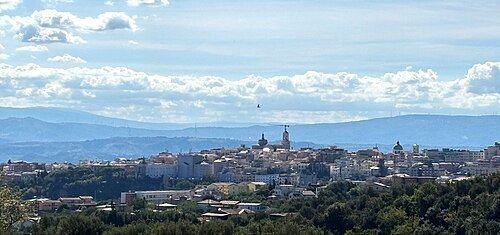
By Ildivisore2 – Catanzaro, panoramic view of the city – Own work – CC BY 4.0 – Wikimedia Commons
By Massimiliano serrago – Palermo, panoramic view of Palermo Cathedral – Own work – CC BY-SA 4.0 – Wikimedia Commons
Expand image credits
By Archeologo – Palermo, Palazzo dei Normanni, view from Via Vittorio Emanuele – Own work – CC BY-SA 4.0 – Wikimedia Commons
By Vitoparisi92 – Palermo, Teatro Massimo Vittorio Emanuele – Own work – CC BY-SA 4.0 – Wikimedia Commons
By Rolf Dietrich Brecher from Germany – Palermo, Capuchin Catacombs – interior – Own work – CC BY-SA 2.0 – Wikimedia Commons
By Benjamin Smith – Palermo, Quattro Canti – Own work – CC BY-SA 4.0 – Wikimedia Commons
By Camy1968 – Palermo, Pretoria Fountain from above – Own work – CC BY-SA 4.0 – Wikimedia Commons
By Kukkysub – Palermo, Teatro Politeama Garibaldi at night – Own work – CC BY-SA 4.0 – Wikimedia Commons
By Matthias Süßen – Palermo, Palazzo della Zisa – Own work – CC BY-SA 4.0 – Wikimedia Commons
By Dedda71 – Palermo, Botanical Garden, entrance – Own work – CC BY 3.0 – Wikimedia Commons
By AlbertoL6 – Palermo, Capo Gallo Nature Reserve – Own work – CC BY-SA 4.0 – Wikimedia Commons
By Pietro Columba from Italy – Palermo, Mondello Bay, sea and sky – Own work – CC BY 2.0 – Wikimedia Commons
By Kiban – Palermo, panoramic view of Palermo Cathedral. – CC BY-SA 3.0 – Wikimedia Commons
By Andreavanzini – Palermo, Church of the Martorana, interior – Own work – CC BY-SA 4.0 – Wikimedia Commons
By User:Matthias Süßen – Palermo, Church of San Cataldo – Own work – CC BY-SA 4.0 – Wikimedia Commons
By Ciambra – Palermo, Church of San Giovanni degli Eremiti – Own work – CC BY-SA 4.0 – Wikimedia Commons
By Benjamin Smith – Palermo, Church of the Gesù, interior – Own work – CC BY-SA 4.0 – Wikimedia Commons
By Air fans – Palermo, Church of Santa Caterina d’Alessandria, interior – Own work – CC BY-SA 4.0 – Wikimedia Commons
By Effems – Palermo, Palazzo Abatellis, home of the Regional Gallery of Sicily – Own work – CC BY-SA 4.0 – Wikimedia Commons
By HowRapid – Palermo, A. Salinas Archaeological Museum – Own work – Public Domain – Wikimedia Commons
By Colsu – Palermo, Diocesan Museum – Own work – CC BY-SA 4.0 – Wikimedia Commons
By Benjamin Smith – Palermo, Palazzo Mirto, interior room – Own work – CC BY-SA 4.0 – Wikimedia Commons