
National Roman Museum: Tours, Tickets and Useful Info
Quick Guide and Experiences


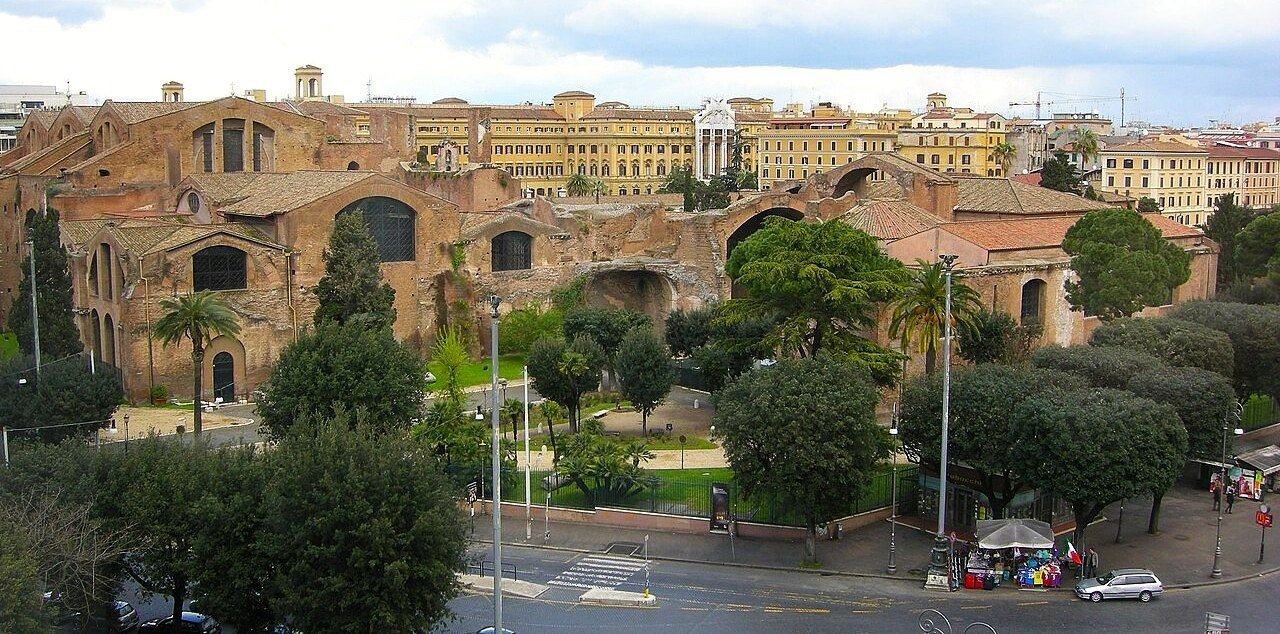
The Museo Nazionale Romano tells the story of the greatness of ancient Rome through sculptures, mosaics and archaeological finds preserved in its venues, including the Terme di Diocleziano, pictured above, Palazzo Massimo, Palazzo Altemps and Crypta Balbi.
See also
- Colosseum
- Guide to Rome
- Itineraries: 1d, 3d, CT1, CT2
- See: Attractions
- Do: Experiences
- Eat: Where and What
- Getting Around, Pass, Stay
Main Attractions
The Museo Nazionale Romano houses an extraordinary collection of artefacts that tell the story of ancient Rome. Its four locations offer a unique journey through Roman civilization, from the Republican period to late antiquity.
Terme di Diocleziano: The Terme di Diocleziano, one of the most fascinating locations of the museum, preserve the remains of the largest baths ever built in Rome. The monumental spaces, ancient inscriptions and archaeological collections allow visitors to discover daily life and the grandeur of the Roman Empire.
Palazzo Massimo: The Palazzo Massimo houses some of the most important works of the Museo Nazionale Romano, including famous statues, frescoes and Roman-era mosaics. Among the masterpieces are the Discobolo Lancellotti, the frescoes from the Villa di Livia and valuable testimonies of Imperial Rome.
Palazzo Altemps: Located near Piazza Navona, Palazzo Altemps combines the beauty of a Renaissance palace with an extraordinary collection of ancient sculptures. Its historic rooms host works from the Ludovisi collection and important examples of Greek and Roman art.
Crypta Balbi: The Crypta Balbi tells the story of Rome’s urban evolution through archaeological excavations and artefacts illustrating the transformation of the city from antiquity to the Middle Ages. A unique journey to understand how Rome changed over the centuries while preserving its extraordinary historical heritage.
An experience not to be missed: Visiting the Museo Nazionale Romano means discovering one of the most important archaeological collections in the world. A guided tour, a combined ticket or an audio guide allow visitors to explore artworks and historic spaces in greater depth, making the visit complete, engaging and full of emotions.
Selected Experiences
Live a unique experience in the history of Rome through tours, tickets and guided visits to the Museo Nazionale Romano, with itineraries dedicated to its most important locations and its extraordinary archaeological treasures:
- Museo Nazionale Romano: reserved entrance ticket – Access the museum collections while avoiding queues and discover masterpieces of Roman art, including sculptures, mosaics and archaeological finds. Top Reviews 🏆
- Rome: Pass for the National Roman Museums – Access to 3 museum sites – A flexible pass to visit three locations of the Museo Nazionale Romano and explore the history of ancient Rome through unique collections.
- Rome: a journey through time to the Roman era, half-day tour – A guided itinerary to discover Imperial Rome, ideal for understanding monuments, artworks and testimonies of ancient Roman civilization.
- Rome: Michelangelo’s wonders tour at the Terme di Diocleziano – Visit one of the most important monumental complexes in Rome, where archaeology and Renaissance architecture meet.
- Palazzo Altemps, Palazzo Massimo and Terme di Diocleziano: reserved entrance – A combined ticket to explore three essential locations of the Museo Nazionale Romano with priority access.
- Museo Nazionale Romano: 3 Site Pass with flexible 7-day entry – A convenient solution to visit multiple locations of the museum over the course of a week with greater freedom.
- Walking tour of the Museo Nazionale Romano and Terme di Diocleziano – A guided itinerary with priority entrance to discover the history, architecture and curiosities of the museum complex.
- Museo Nazionale Romano and Terme di Diocleziano: ticket with audio guide – Explore the archaeological collections independently thanks to a dedicated audio guide.
Useful Information and Tips
Visit duration: a visit to the Museo Nazionale Romano generally requires 2-4 hours, depending on the locations selected and the level of detail desired. To fully appreciate the collections, it is recommended to organize the itinerary between Palazzo Massimo, Palazzo Altemps, Crypta Balbi and Terme di Diocleziano.
Opening hours, prices and reservations: opening hours and ticket prices may vary depending on the location visited (check the official website). Advance online booking is recommended during the busiest periods, especially for guided tours and combined tickets; see Selected experiences.
Available services: the different museum locations offer visitor reception services, information points and facilities dedicated to guests. In the surrounding areas, visitors can find cafés, restaurants and useful services to complete their visit in the historic centre of Rome.
Accessibility: accessibility varies depending on the location visited. Some historic areas may include stairs, uneven levels or less accessible routes. It is recommended to check the accessibility information for the selected location in advance.
Clothing and practical tips: comfortable clothing and suitable walking shoes are recommended, especially if you plan to visit several museum locations on the same day. Some monumental areas, such as the Terme di Diocleziano, require time to be explored calmly.
Recommended visiting times: to enjoy the visit in a more relaxed way, it is preferable to enter during the early morning hours or in the early afternoon, avoiding the busiest periods. Guided tours allow visitors to explore artworks and archaeological evidence in greater depth with the support of experts.
Photography: the possibility of taking photographs may vary depending on the rooms and museum locations. Photography for personal use without flash is generally allowed, while professional filming requires prior authorization.
How to Get There
On foot: the Museo Nazionale Romano can be easily visited starting from the main areas of Rome’s historic centre. The four locations are situated in central areas and can be reached through pleasant walks: Palazzo Massimo and the Terme di Diocleziano are close to Termini Station, Palazzo Altemps is located near Piazza Navona, while Crypta Balbi is situated between Campo de’ Fiori and Largo Argentina.
By metro: the metro is one of the most convenient ways to reach the museum. The Termini stop (lines A and B) provides direct access to Palazzo Massimo and the Terme di Diocleziano, both just a few minutes’ walk away. For Palazzo Altemps and Crypta Balbi, it is possible to use the stops in the historic centre and continue with a short walk.
By bus: numerous urban bus lines connect the four locations of the Museo Nazionale Romano with the main areas of Rome. Stops near Termini, Piazza della Repubblica, Piazza Navona and Largo Argentina allow visitors to easily reach Palazzo Massimo, Terme di Diocleziano, Palazzo Altemps and Crypta Balbi.
By train: for visitors arriving in Rome by train, Roma Termini Station is the main reference point. From here, Palazzo Massimo and the Terme di Diocleziano can be reached in just a few minutes on foot, while the other locations are easily connected by public transport.
By car: reaching the Museo Nazionale Romano by car is possible, but it is recommended to leave the vehicle in public or private car parks in central Rome and continue on foot or by public transport. The locations of Palazzo Massimo, Terme di Diocleziano, Palazzo Altemps and Crypta Balbi are located in central areas subject to ZTL restrictions, with limited traffic and parking spaces that are not always available.
Parking: to visit several locations of the Museo Nazionale Romano on the same day, car parks in the Termini area and the historic centre are the most practical solutions. After leaving the car, visitors can organize their route between the different locations using public transport or walking.
By taxi or private transfer: taxis and private transfers allow visitors to reach each location of the Museo Nazionale Romano directly from airports, railway stations or hotels. It is a convenient solution for those who want to visit several locations on the same day or are travelling with luggage.
FAQ
The duration of the visit varies depending on the locations you wish to visit. The Museo Nazionale Romano includes four locations: Palazzo Massimo, Palazzo Altemps, Crypta Balbi and Terme di Diocleziano. For a complete visit of the main collections, at least 2-4 hours are recommended.
Is the Museo Nazionale Romano accessible to people with reduced mobility?
Accessibility varies depending on the location visited. Some routes are accessible to visitors with reduced mobility, while historic buildings may have limitations due to stairs, ancient spaces or architectural features. It is recommended to check the updated information before the visit.
Where can I find updated opening hours and information?
Opening hours, visiting procedures and ticket information may vary depending on the museum location. See official website.
📌 For further details about the questions in this section, consult the paragraph Useful info & tips.
Is it advisable to book the visit in advance?
For entry to the Museo Nazionale Romano, advance booking is not always required, but it is recommended to purchase tickets online in advance, especially during periods of high visitor numbers. For guided visits, organized tours and combined options between multiple locations, advance booking is preferable.
📌 For further details about the questions in this section, consult the paragraph Selected experiences.
What is the best way to reach the Museo Nazionale Romano?
The most convenient means of transport depends on the location you wish to visit. Palazzo Massimo and the Terme di Diocleziano are easily reachable from Termini Station, while Palazzo Altemps and Crypta Balbi are located in the historic centre and are convenient to reach on foot or by public transport.
📌 For more details on how to reach the different locations of the Museo Nazionale Romano, consult the paragraph How to get there.
See also
- Colosseum
- Imperial Forum and Trajan’s Markets
- Roman Forum and Mamertine Prison
- Rioni Monti and Castro Pretorio
- Guide to Rome
- Itineraries: 1d, 3d, CT1, CT2
- See: Attractions
- Do: Experiences
- Eat: Where and What
- Getting Around, Pass, Stay
Other Destinations
🔐 Some images on this page are used under Creative Commons licenses:
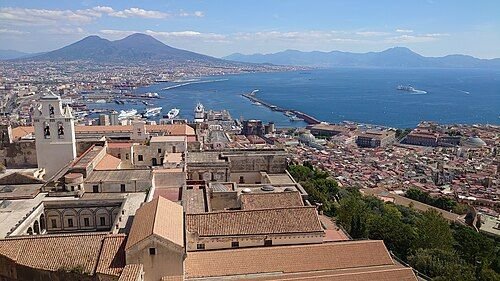
By Richard Nevell – Naples, panoramic view of the city and Mount Vesuvius – Own work – CC BY-SA 4.0 – Wikimedia Commons
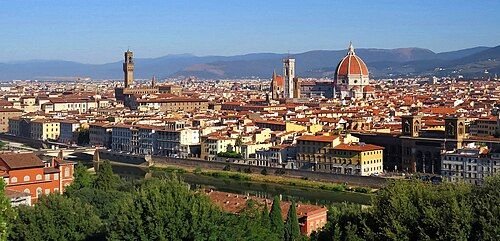
By PROPOLI87 – Florence, panorama from Piazzale Michelangelo – Own work – CC BY-SA 4.0 – Wikimedia Commons
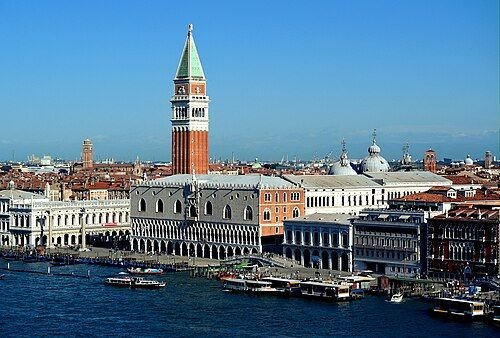
By Luca Aless – Venice, panoramic view of Doge’s Palace and St. Mark’s Campanile – Own work – CC BY-SA 4.0 – Wikimedia Commons
By Folegandros – Rome, panoramic view of the Baths of Diocletian – Own work – CC BY-SA 3.0 – Wikimedia Commons

