
Rome, Rioni Monti and Castro Pretorio: what to see and complete itinerary
Travel guide, opening hours, prices, map


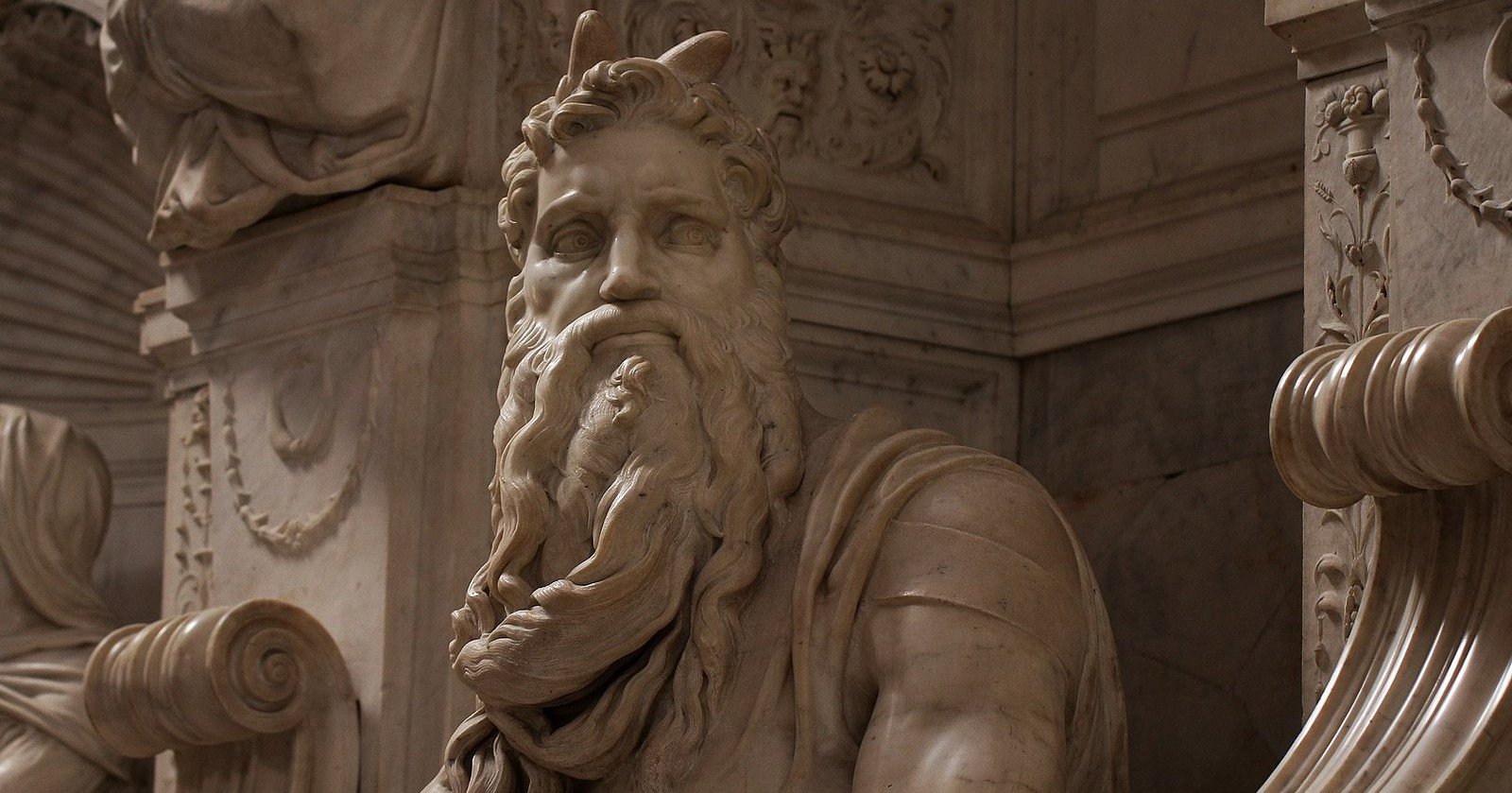
The magnetic gaze of Moses by Michelangelo 📱🔄️ will capture your attention during this itinerary to discover the most fascinating attractions of the Rioni Monti and Castro Pretorio.
See also:
- Back to Complete Tour 2
- Guide to Rome
- Itineraries: 1d, 3d, CT1
- See: Attractions
- Do: Experiences
- Eat: Where and What
- Getting Around, Pass, Stay
Route Description
This 4.4 km walking itinerary leads through the Rioni Monti and Castro Pretorio, on a route that combines archaeology, art and monumental architecture in an estimated 7 hours of sightseeing.
Among the most significant stops are the Museo Nazionale Romano at Palazzo Massimo and the Terme di Diocleziano, as well as the Basilica di Santa Maria degli Angeli e dei Martiri, important testimonies to ancient Rome and Michelangelo’s genius.
Other notable attractions include the Basilica di San Pietro in Vincoli, which houses the famous Mosè di Michelangelo, the Basilica di Santa Prassede with its extraordinary Byzantine mosaics, and the fascinating Sacello di San Zenone.
RIONI MONTI and CASTRO PRETORIO
- Open Route Map📍
- Distance: 4.4* km on foot
- Time: 1.01* min. on foot
- Visit duration: 7 hours
- Stops: 10 main ones (X → I)* + 6 secondary ones
- Museo Nazionale Romano, Palazzo Massimo (X) → Museo Nazionale Romano, Terme di Diocleziano (A) → Basilica di Santa Maria degli Angeli e dei Martiri (B) → Museo Nazionale Romano, Aula Ottagona (C) → Fontana del Mosè o dell’Acqua Felice (D) → Teatro dell’Opera di Roma (E) → Chiesa di Sant’Andrea al Quirinale (F) → Chiesa di Santa Maria ai Monti (G) → Basilica di San Pietro in Vincoli (H) → Basilica di Santa Prassede (I)
- For days, times, prices and other info see Itinerary Table 📊
* These values may differ from those shown on Google Maps, as they are continuously recalculated in real time. See also Itinerary Info and Navigator + See here for Shared Stop 🧩
Steps Details
📌 All the stops summarized here are structured in the Itinerary Table 📊 with days, opening hours, prices, and Wikipedia 🌐 and Google Maps insights.
Morning
⬇️ starting point
X. Museo Nazionale Romano – Palazzo Massimo
Start your day at the Museo Nazionale Romano – Palazzo Massimo, one of the venues of the National Roman Museum that houses an extraordinary collection of Roman artworks. Admire masterpieces such as the Discobolus statue and the magnificent frescoes from the Villa of Livia, which reveal the luxury of Imperial Rome.
✨ Step into a journey through Imperial Rome among frescoed rooms, famous statues and environments that recreate the luxury of ancient Roman residences.
❌ The visit requires time: to truly appreciate the collections, consider at least 1.5-2 hours within the itinerary.
Book here one of the recommended experiences:
✅ Reserved entrance ticket for the Museo Nazionale Romano
✅ Pass for the National Roman Museums – Access to 3 museum sites
✅ Museo Nazionale Romano 3 Site Pass Flexible 7-Day Entry
⬇️
A. Museo Nazionale Romano – Terme di Diocleziano
Continuing towards the Terme di Diocleziano, you will discover one of the largest ancient thermal complexes ever built in Rome, which also includes the Epigraphic Museum. You can observe ancient artefacts and monuments that tell the story of daily and religious life in the imperial city.
✨ Walking among the imposing structures of the largest baths of ancient Rome allows you to still perceive the grandeur of the Empire today.
Book here one of the recommended experiences:
✅ Skip the Line: Museo Nazionale Romano and Terme di Diocleziano Walking Tour
✅ Museo Nazionale Romano and Terme di Diocleziano Entry Ticket with Audio
⬇️
B. Basilica di Santa Maria degli Angeli e dei Martiri
Take a short walk to reach the Basilica di Santa Maria degli Angeli e dei Martiri, designed by Michelangelo on the ruins of the Roman baths. Here, in addition to the church, you can explore the Michelangelo cloister and, once outside, enjoy the view of the scenic Fontana delle Naiadi in Piazza della Repubblica.
⬇️
C. Museo Nazionale Romano – Aula Ottagona
The Aula Ottagona represents one of the best-preserved Roman structures and is now part of the Museo Nazionale Romano. This extraordinary domed hall was probably used as a central room in the baths and houses several sculptures from the imperial period.
📌 The Museo Nazionale Romano, Aula Ottagona appears to be temporarily closed.
⬇️
D. Fontana del Mosè o dell’Acqua Felice
Continue to the Fontana del Mosè or Fontana dell’Acqua Felice, built in 1585 as the final point of the Acqua Felice aqueduct, which brought water into the city for the first time after the Roman era. Its imposing Moses is one of the fountain’s most iconic statues.
Afternoon
⬇️
E. Teatro dell’Opera di Roma
A short distance away is the Teatro dell’Opera di Roma, famous for its architecture and its opera seasons that attract enthusiasts from all over the world. Although it is not always possible to visit the interior, the exterior is worth a stop for its elegant design.
📌 The Teatro dell’Opera di Roma can be visited upon request. You can find the phone number in the Google Maps profile accessible through the link in the table.
⬇️
F. Chiesa di Sant’Andrea al Quirinale
Continue towards the Chiesa di Sant’Andrea al Quirinale, designed by Gian Lorenzo Bernini. This small Baroque gem is characterised by richly decorated interiors and golden stuccoes. It is a perfect example of the Baroque architecture that flourished in Rome during the 17th century.
⬇️
G. Chiesa di Santa Maria ai Monti
The Chiesa di Santa Maria ai Monti is another splendid stop. This church houses a precious icon of the Virgin Mary and is an important place of devotion for the inhabitants of the Monti district. The interior, with Renaissance decorations and frescoes, will immerse you in the Rome of the past.
⬇️
H. Basilica di San Pietro in Vincoli
Once you reach the Basilica di San Pietro in Vincoli, you will admire the Mosè di Michelangelo, one of the most powerful works of the Renaissance. The monumental sculpture is part of the mausoleum of Pope Julius II and is considered one of the artist’s most impressive works.
✨ Stop in front of the Mosè di Michelangelo: the power of the gaze and the details of the sculpture create one of the most emotional moments of the itinerary.
❌ The basilica is often crowded during the central hours of the day: to admire the Mosè in greater tranquillity, it is advisable to visit in the morning or late afternoon.
⬇️
I. Basilica di Santa Prassede
End your day at the Basilica di Santa Prassede, which houses unique Byzantine mosaics in Rome. Do not miss the Sacello di San Zenone, a chapel entirely decorated with golden mosaics, and consider this stop as the perfect conclusion to a day full of art and history.
✨ A small hidden gem in the heart of Rome, where the golden mosaics of the Sacello di San Zenone create a surprising and timeless atmosphere.
Dinner
After a day discovering the artistic and archaeological treasures of the Rioni Monti and Castro Pretorio, the best way to end the itinerary is with dinner in a typical trattoria or Roman restaurant, where you can enjoy the authentic flavours of Roman tradition. Among the specialities not to be missed are:
- Carciofi alla romana, a typical appetizer prepared with mint, garlic and extra virgin olive oil, a symbol of traditional Roman cuisine;
- Spaghetti alla gricia, one of the oldest first courses of Roman cuisine, prepared with guanciale, pecorino romano cheese and pepper;
- Coda alla vaccinara, a historic Roman dish based on beef, slowly cooked with vegetables and aromatic herbs;
- Maritozzo, the famous Roman dessert with whipped cream, ideal to end a dinner dedicated to tradition.
To taste these specialities, you can choose some restaurants in the area and in the historic centre, such as L’Arcangelo, appreciated for its traditional Roman cuisine, Antica Pesa, a historic Roman restaurant offering dishes linked to the Capitoline gastronomic tradition, or Casa Coppelle, an elegant venue in the heart of the historic centre.
For a complete overview of where and what to eat in Rome, visit our dedicated guides: Where to eat in Rome and What to eat in Rome.
Sleeping
For this itinerary to discover the Rioni Monti and Castro Pretorio, the best area to stay is the Monti district itself, one of the most characteristic neighbourhoods of Rome, located just a few steps from the Colosseo, the Fori Imperiali and the main attractions of the historic centre.
An excellent alternative is the area of Castro Pretorio and the surroundings of Stazione Termini, ideal for those looking for convenient connections with airports, railway stations and other areas of the city, while still maintaining a central position close to Rome’s attractions.
For those who want to extend their Roman experience into the evening hours, the areas of Monti, Esquilino and Centro Storico offer numerous restaurants, venues and squares where you can spend the evening after visiting the monuments.
For more information on where to stay in the city, you can consult our dedicated guide: Where to sleep in Rome: Info and Tips.

📊 Itinerary Table
In the table below you will find all the attractions included in the itinerary, to enhance and better guide your visit.
- Scroll the table down and to the right 📱🔄 Rotate your phone horizontally to get an overview of opening days, hours, prices of attractions, and for further details on Wikipedia 🌐 and Google Maps ➡️.
- ⚠️ Always check the opening days and hours of attractions through the Google Maps entries linked in the table. See also Itinerary Info.
- To see the explanation of each data column, click its title (e.g. Attractions Index, Ratings, Org, etc.) at the top of the table.
⏳ Caricamento tabella in corso…
📌 This table is updated every 6–12 months.
🛡️ The tables on Tourplan360.com are original content protected by copyright © and monitored through anti-plagiarism tracking systems.
FAQ
You can open the Route Map📍 also from here. Alternatively, you can consult the dedicated section with all the details.
📌 See the Route Description
How long does it take to visit the Rioni Monti and Castro Pretorio?
The itinerary allows you to visit the main attractions in about 7 hours.
Can this Rioni Monti and Castro Pretorio itinerary be done on foot?
Yes. The route is entirely pedestrian and covers approximately 4.4 km, crossing some of the most interesting areas of central Rome.
📌 See also Getting around Rome
Is it worth booking the main attractions in advance?
Yes. To visit the Museo Nazionale Romano, it is recommended to check availability and access conditions in advance and possibly purchase tickets online, especially during periods of high visitor numbers.
📌 See also Experiences in Rome
Is it possible to do this itinerary in half a day?
Yes. In half a day, it is possible to visit only the main attractions. You can adapt the route according to the time available and your interests.
Where can I find opening days, times and ticket prices for the attractions?
All updated information is available in the dedicated itinerary table, which also includes direct links to Google Maps ➡️ and Wikipedia 🌐 for each attraction.
📌 See the Itinerary Table 📊
See also
- Back to Complete Tour 2
- Complete Tour 1
- Rome in 1 day
- Rome in 3 days
- Guide to Rome
- Itineraries: 1d, 3d, CT1, CT2
- See: Attractions
- Do: Experiences
- Eat: Where and What
- Getting Around, Pass, Stay
Other Destinations
🔐 Some images on this page are used under Creative Commons licenses:
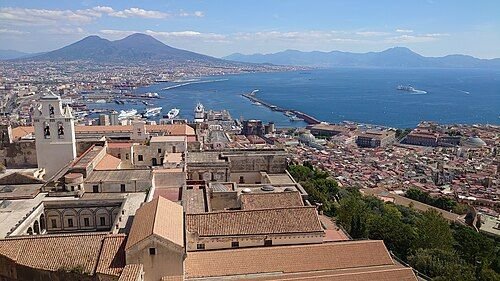
By Richard Nevell – Naples, panoramic view of the city and Mount Vesuvius – Own work – CC BY-SA 4.0 – Wikimedia Commons
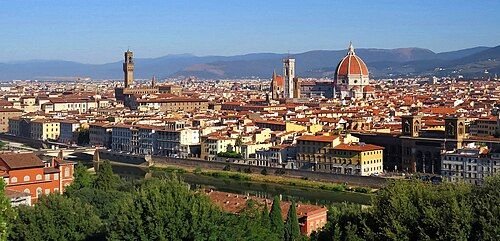
By PROPOLI87 – Florence, panorama from Piazzale Michelangelo – Own work – CC BY-SA 4.0 – Wikimedia Commons
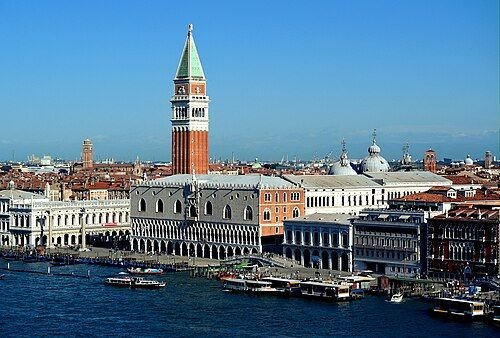
By Luca Aless – Venice, panoramic view of Doge’s Palace and St. Mark’s Campanile – Own work – CC BY-SA 4.0 – Wikimedia Commons
By Jörg Bittner Unna – Roma, Basilica di San Pietro in Vincoli, primo piano del Mosè di Michelangelo – Opera propria – CC BY- 3.0 – Wikimedia Commons

